Executive summary
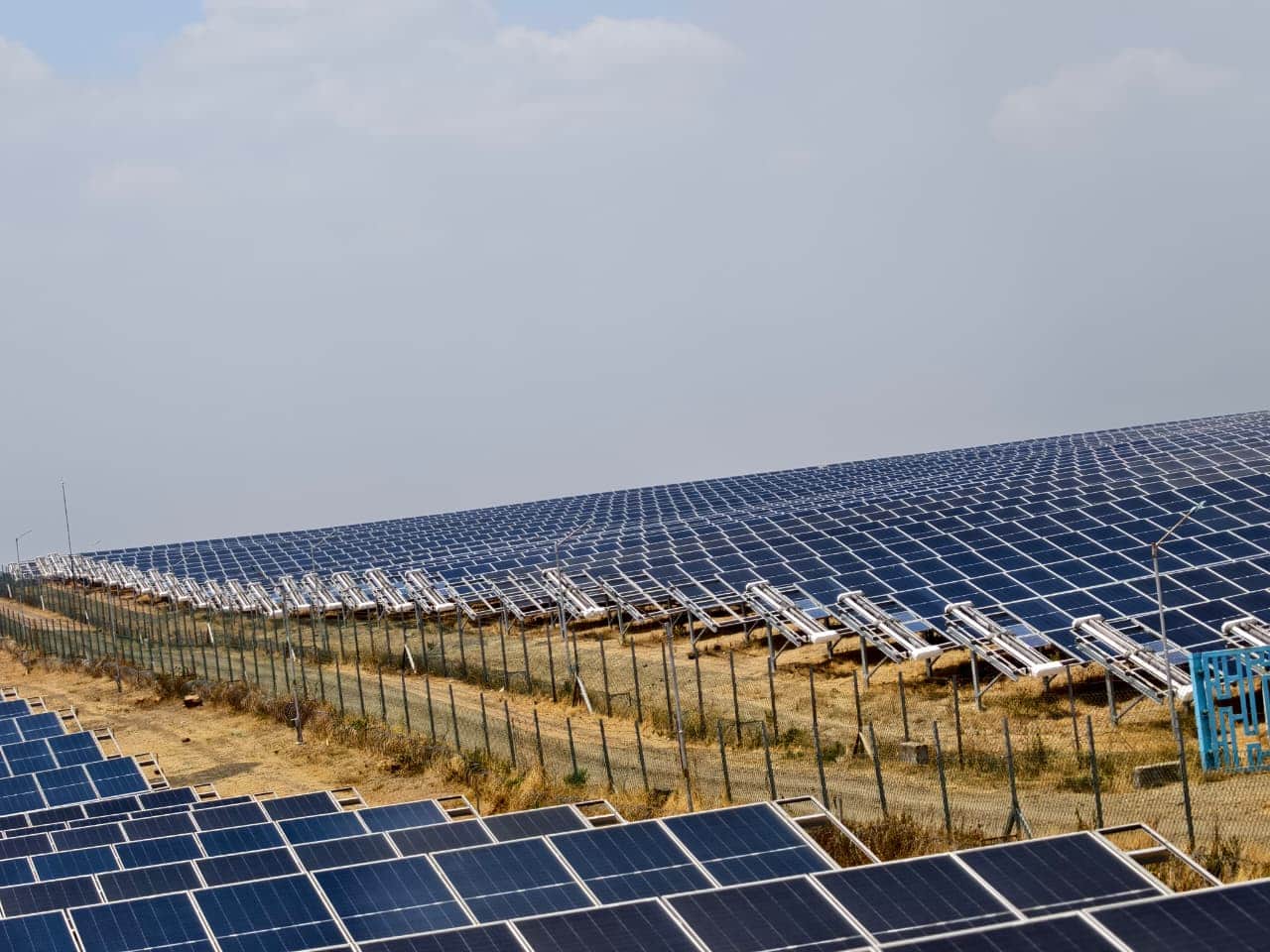
robotic solar panel cleaning Maharashtra, This case study looks at an 18.8 MW ground-mount solar plant. The plant is located in Satara, Maharashtra. The site faced many hard problems with cleaning. Heavy agricultural dust and road grit covered the panels. Local humidity also made the dust stick to the glass. This created uneven soiling across the solar strings. Because of this, the plant could not keep steady power levels. Site managers also had no way to prove that manual cleaning was working. They could not see which blocks were actually clean.
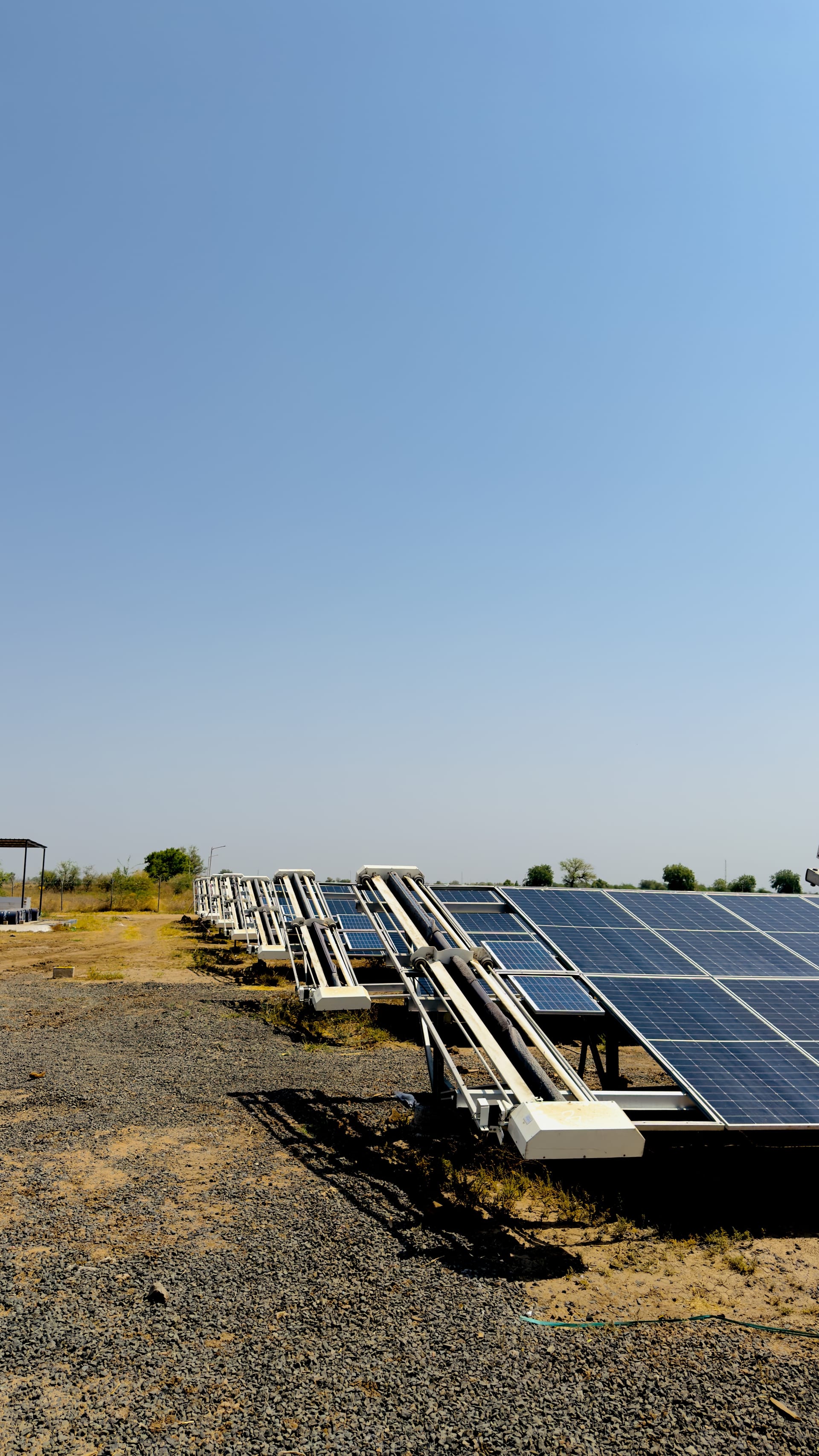
To fix these issues, the plant installed 12 GLYDE robots. These robots provide robotic solar panel cleaning Maharashtra. They run daily waterless cleaning cycles. This change removed the need for water trucks. It also removed the need for night cleaning crews. The plant now recovers much more energy every year. The site also saves 70kL of water every year. All cleaning data is now tracked through the NECTYR portal. This makes the whole operation much more efficient.
Environment and soiling at Satara
Environment and soiling at the Satara facility
The 18.8 MW Satara site sits on the Maharashtra plateau. The local environment is very tough for solar panels. The plant is located near many active farms. These farms create a lot of dust during harvest seasons. This organic dust travels through the air and lands on the solar modules. At the same time, heavy traffic near the plant creates road grit. This grit acts like sandpaper on the solar glass. It forms a thick layer that blocks the sunlight.
The weather in this region also causes problems. Local humidity cycles change how the dust behaves. Morning dew and high humidity act like glue. They bind the dust and grit to the panel surface. This makes the dirt very hard to remove with simple methods. This creates a pattern of uneven soiling. Some solar strings become much dirtier than others. These dirty spots cause sudden drops in energy production. Standard monitoring tools often miss these small, localized losses. The site now uses 12 GLYDE robots to solve this. These robots perform daily waterless cleaning cycles. This stops the dust from sticking and hardening. It ensures every string stays clean and productive.
O&M before Taypro
Overcoming manual O&M hurdles at the 18.8 MW Satara site
Before using robots, the Satara plant used manual cleaning. This method caused many operational delays. Management had to deal with high logistics costs. They had to find and move large amounts of water to the site. They also had to hire and manage large night crews. These crews worked while the sun was down to avoid shading the panels. This created a complex and expensive schedule.
Cleaning tasks also fought for time with other jobs. The team had to manage vegetation and civil repairs. These tasks often happened at the same time as cleaning. This led to many scheduling conflicts. The biggest problem was a lack of data. Supervisors could not prove that cleaning was actually finished. They had no way to check every single block or string. This led to several main pain points:
- Cleaning coverage was not consistent because of manual labor limits.
- Costs for water and night-shift staff kept rising.
- Agricultural dust and road grit caused uneven power losses that were hard to track.
Fleet and deployment at 18.8 MW
Fleet and deployment at 18.8 MW
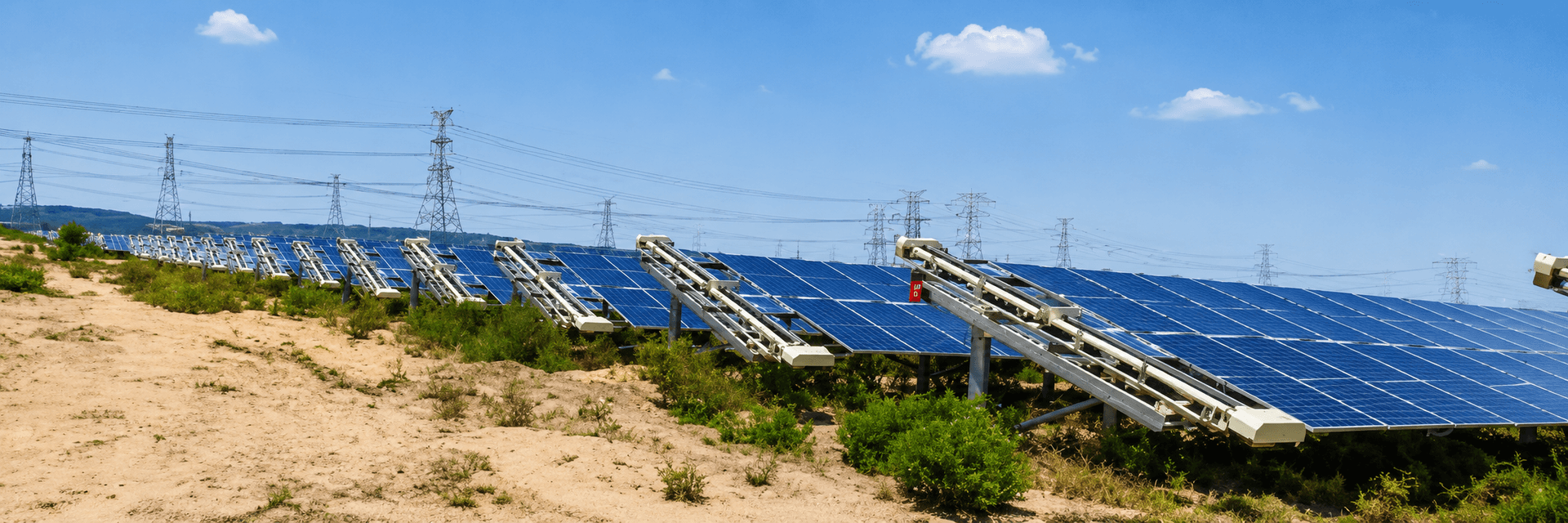
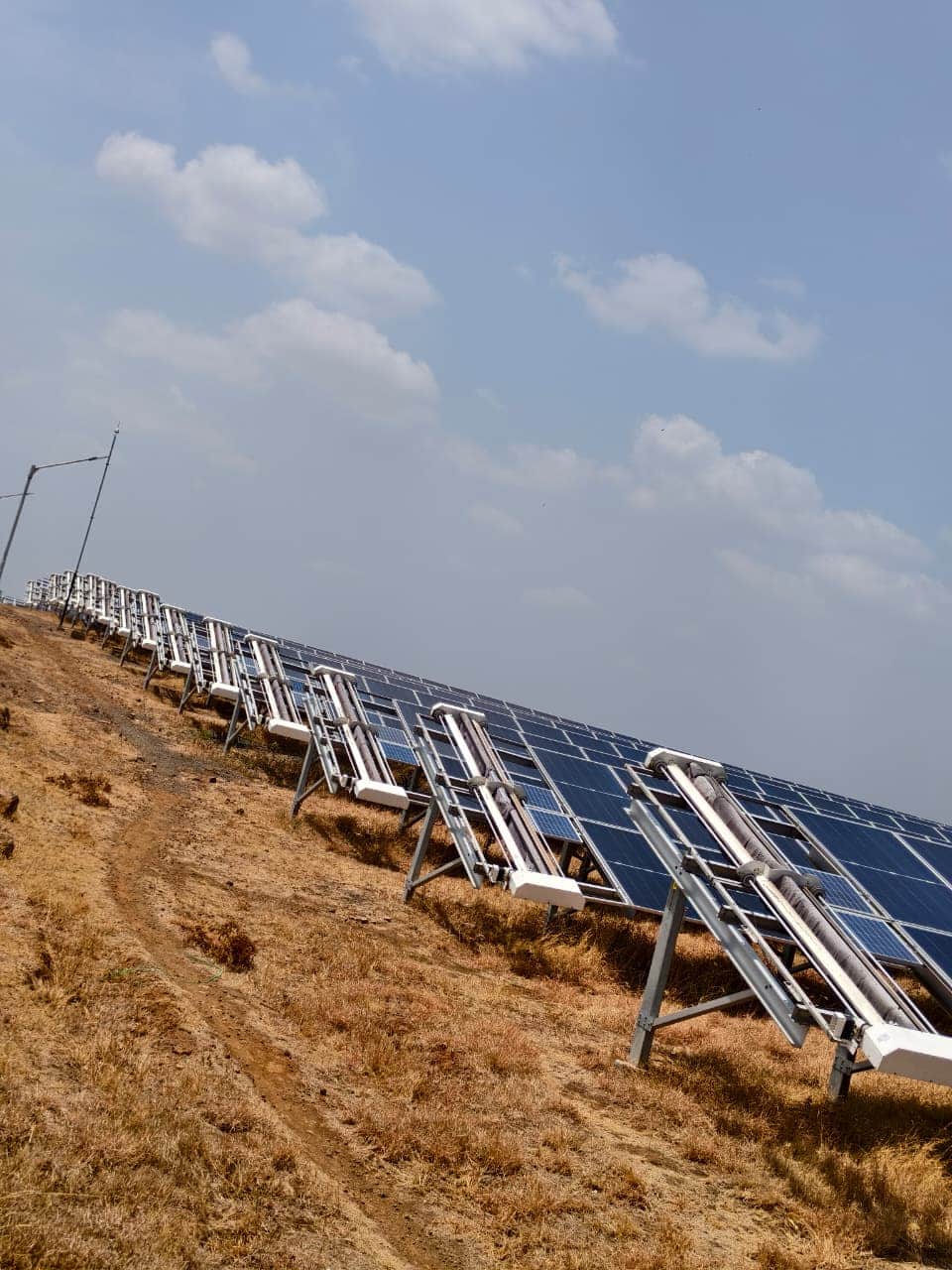
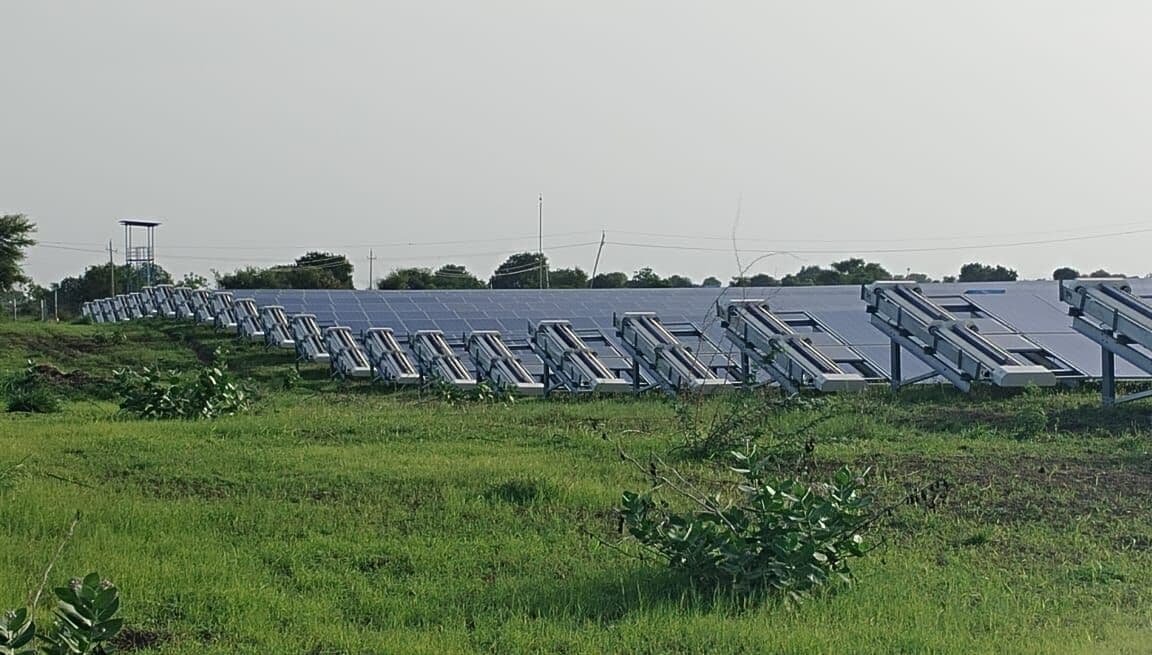
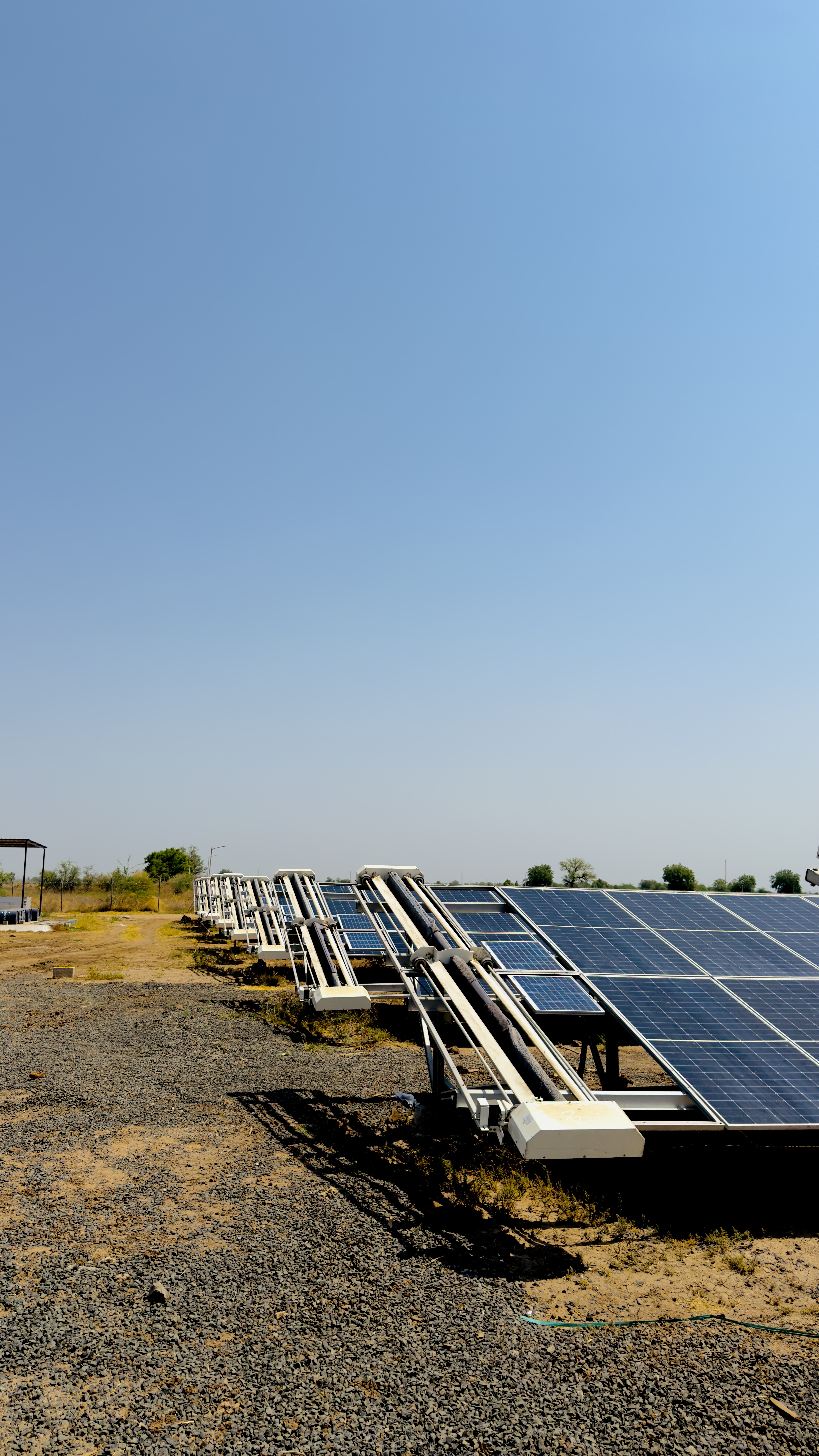
The Satara site now uses 12 GLYDE robots. This is a fully automated fleet. The facility chose a Capex procurement model. This means they own the robots as a long-term asset. This choice moved the plant away from the high costs of manual labor. The GLYDE system is perfect for this site. It uses patented dual-pass microfiber technology. This method is very effective at removing both fine dust and heavy grit. It works well even when humidity makes the dirt stick.
The deployment process was very thorough. First, the team integrated the robots into the site grid. Next, they used the NECTYR portal to check their behavior. The robots now perform daily waterless cleaning cycles on every row. This setup removes the need for water trucks. It also removes the need for daily staff management. The robots are now the main tool for site maintenance. They fix the uneven soiling problems that the ground-mount array once had.
Managers now have full visibility. The NECTYR interface provides proof of cleaning for every block. This data allows the team to plan other tasks better. They can focus on fixing fences or cutting grass without worrying about cleaning. The plant has recovered 18.8 MWh of extra energy every year. It also uses zero water for the cleaning process. This deployment creates a stable and automated way to run the Maharashtra facility.
Operations and monitoring
Operations and monitoring at the Satara site
The Satara plant uses the NECTYR fleet portal for all operations. This system replaces old, manual inspection methods. Instead of humans checking the panels, the robots log their own work. The facility now uses daily waterless cleaning cycles. These cycles provide automated logs for the entire site. Every GLYDE robot sends status updates to the portal. This ensures managers can verify cleaning at the string level. They no longer need to walk the site to check for dirt.
This daily schedule is vital for this location. The dust from farms and roads can build up very quickly. If the dust is not cleaned daily, humidity turns it into a hard crust. The robots prevent this buildup from ever happening. The fleet also works around the local weather. The NECTYR system can manage wind holds. If the wind is too strong, the system pauses the robots automatically. This protects the equipment from damage. This approach lets the team focus on big-picture maintenance. They spend less time fixing cleaning gaps and more time managing the asset.
Results and impact
Results and impact of robotic solar panel cleaning in Maharashtra
The GLYDE robots have changed how the Satara site works. Moving to a daily waterless cleaning model fixed many old problems. The robots handle the agricultural dust and road grit easily. They work around the humidity cycles that used to make cleaning difficult. The solar modules now stay much cleaner for longer periods. This keeps the energy output very high and very steady.
The benefits go beyond just more electricity. The NECTYR portal gives the team a perfect audit trail. They can see exactly when and where each robot worked. This transparency means they do not need to send people into the field to verify work. It allows the O&M team to focus on other important tasks. These include vegetation control and civil maintenance. Key impacts at the site include:
- Total removal of manual labor and night crew scheduling.
- High cleaning quality for every string in the array.
- Huge water savings every year due to the dry cleaning process.
- A reliable way to recover energy lost to uneven soiling.
This setup provides a smart and predictable way to run a large solar farm. It proves that robotic solar panel cleaning Maharashtra is a great choice for utility plants.
Peer comparison and planning checklist
Peer comparison and planning checklist
The Satara 18.8 MW plant has a clear advantage over other local projects. For example, the 10 MW Ahmadnagar-Jalalpur and 14 MW Yavatmal-Kupti sites also use robots. However, Satara uses the specific GLYDE dual-pass microfiber technology. This technology is more precise than older brush-based systems. The Satara site also cleans every day. This high frequency is necessary to fight the local humidity and farm dust. By using 12 GLYDE robots, the plant keeps all strings performing at the same level. This takes the guesswork out of maintenance and provides the data that managers need.
Use this checklist when planning your own robotic deployment:
- Check how much dust builds up during local harvest seasons.
- Look at how humidity makes that dust stick to your panels.
- Map out the ends of your rows to ensure the robots can dock easily.
- Use NECTYR to sync cleaning with your vegetation management schedule.
- Test your network signal to make sure the robots can send data to the portal.
- Set up a daily review to check robot health and battery levels.