Quick answer
Managing bird droppings and organic soiling requires a shift from reactive manual cleaning to scheduled, data-driven interventions. In Indian utility-scale plants, these contaminants create localized hotspots and chemical corrosion that can permanently damage PV modules if left for extended periods.
- Typical organic soiling loss: 5% to 15% if left unaddressed in high-activity zones.
- Cleaning frequency: Bi-weekly to monthly, adjusted based on localized bird nesting patterns and seasonal monsoon humidity.
- Risk level: High potential for permanent module damage through cell-level hotspots and glass etching.
- Water saving potential: Up to 90% reduction in resource consumption when utilizing waterless robotic cleaning versus traditional manual pressure-washing.
Defining bird, droppings, and organic soiling in Indian PV

For utility operators in regions like Rajasthan, Gujarat, and parts of the Deccan Plateau, organic soiling is a persistent performance drain that behaves differently than standard desert dust. While airborne particulates are largely inert, organic contaminants consist of volatile compounds that actively degrade module health.
Bird droppings represent the most concentrated threat to a plant's Performance Ratio (PR). These deposits are highly acidic and adhere aggressively to the glass, creating a permanent opaque barrier that prevents light transmission. Once dried, bird droppings become near-impossible to remove without scrubbing, which risks scratching the sensitive anti-reflective coating. Beyond droppings, organic soiling includes biological growth such as algae and mold, particularly common in plants located near irrigation canals or water bodies, as well as pollen and sticky plant exudates in agrivoltaic-integrated sites. Effective O&M strategies for these challenges are detailed in our technical guide on selecting the right solar cleaning system for your specific site conditions.
The technical risk: Why droppings cause hotspots and PR degradation
Bird droppings act as more than simple aesthetic stains on solar glass. In the intense heat of an Indian utility-scale plant, the chemical composition of bird waste reacts with the glass surface, leading to localized heating. When droppings block specific strings or individual cells, the plant's string-level logic forces current to bypass those cells. This bypass current creates a persistent hotspot that degrades the anti-reflective coating and, over time, causes permanent delamination of the backsheet or thermal damage to the internal wiring.
For operators, the Performance Ratio (PR) hit is often non-linear. A single, small dropping can trigger a bypass diode in a typical 500W–600W module, essentially silencing an entire sub-string. At a 50 MW scale, having even 5% of the fleet affected by localized bird soiling can lead to an immediate 2% to 4% drop in daily yield. Unlike uniform dust, which lowers the voltage across the whole array, bird droppings create an erratic, hard-to-diagnose pattern that complicates SCADA diagnostics, as seen in our breakdown of how automated systems monitor panel performance at utility scale.
How often should utility-scale plants clean bird droppings and organic matter?
Cleaning frequency must be driven by generation loss thresholds rather than a fixed calendar. In high-activity zones, such as plants near water bodies or migratory paths in Rajasthan, operators should audit their PR daily for localized drops that do not correlate with ambient weather events. If the PR deviates by more than 1% from the expected baseline for that specific block, a targeted inspection is required.
For standard utility plants with moderate organic exposure, a monthly cleaning cycle is the industry-typical minimum to prevent the organic matter from hardening into a 'baked-on' crust. However, in tropical or agrivoltaic-integrated sites, a bi-weekly cycle is often necessary to combat rapid algae growth and plant sap accumulation. Adopting a data-backed schedule, as discussed in our guide on determining optimal cleaning frequency, prevents both permanent module etching and excessive water consumption. Managers should aim to trigger cleaning when the marginal revenue loss from the soiling exceeds the cost of a cleaning pass.
Implementing an effective O&M cleaning schedule for organic soiling
An effective cleaning strategy requires a tiered approach that prioritizes high-impact soiling over general dust management. The objective is to remove bird droppings and organic debris before thermal cycling fixes them to the glass. For Indian MW-scale sites, this typically follows a three-step cycle:
- Daily PR Monitoring: Use string-level monitoring and SCADA to identify localized PR dips that suggest concentrated organic deposits rather than uniform dust accumulation.
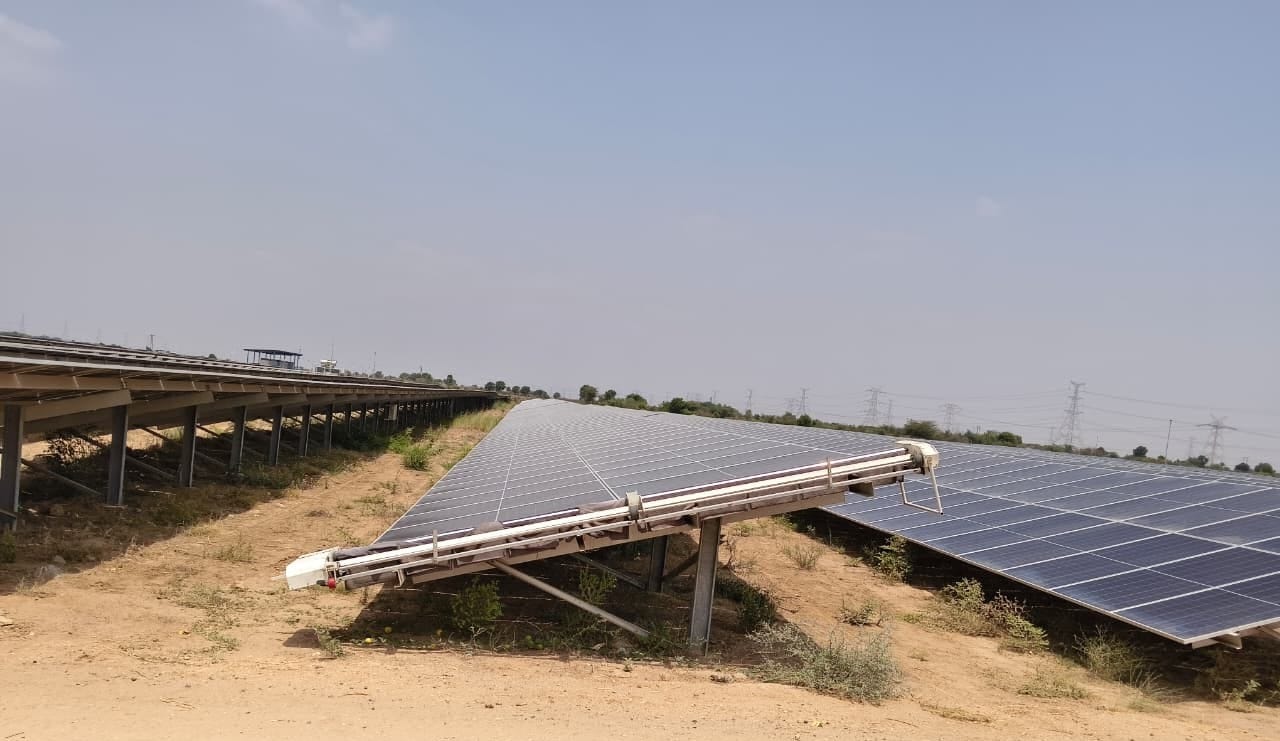
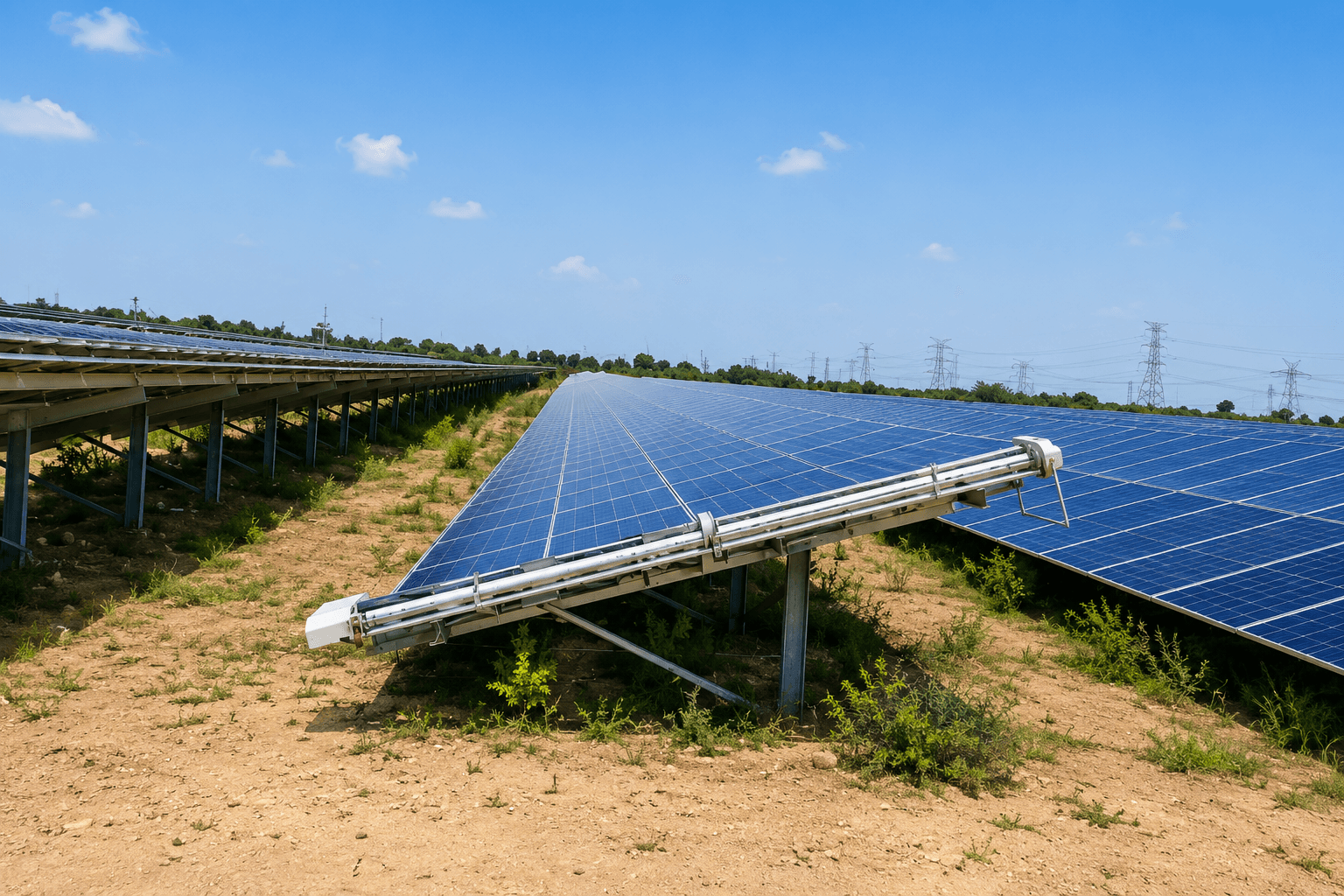
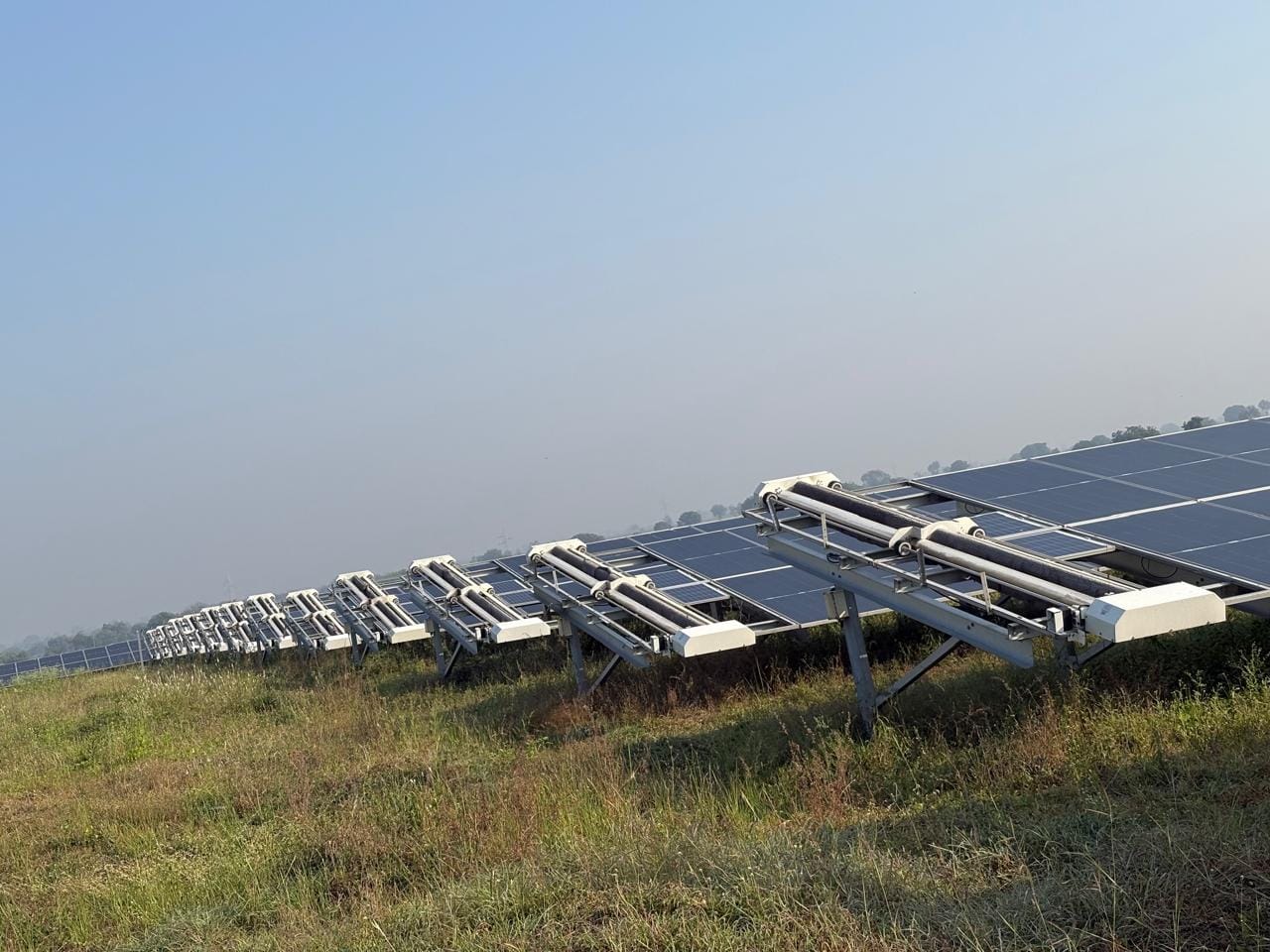
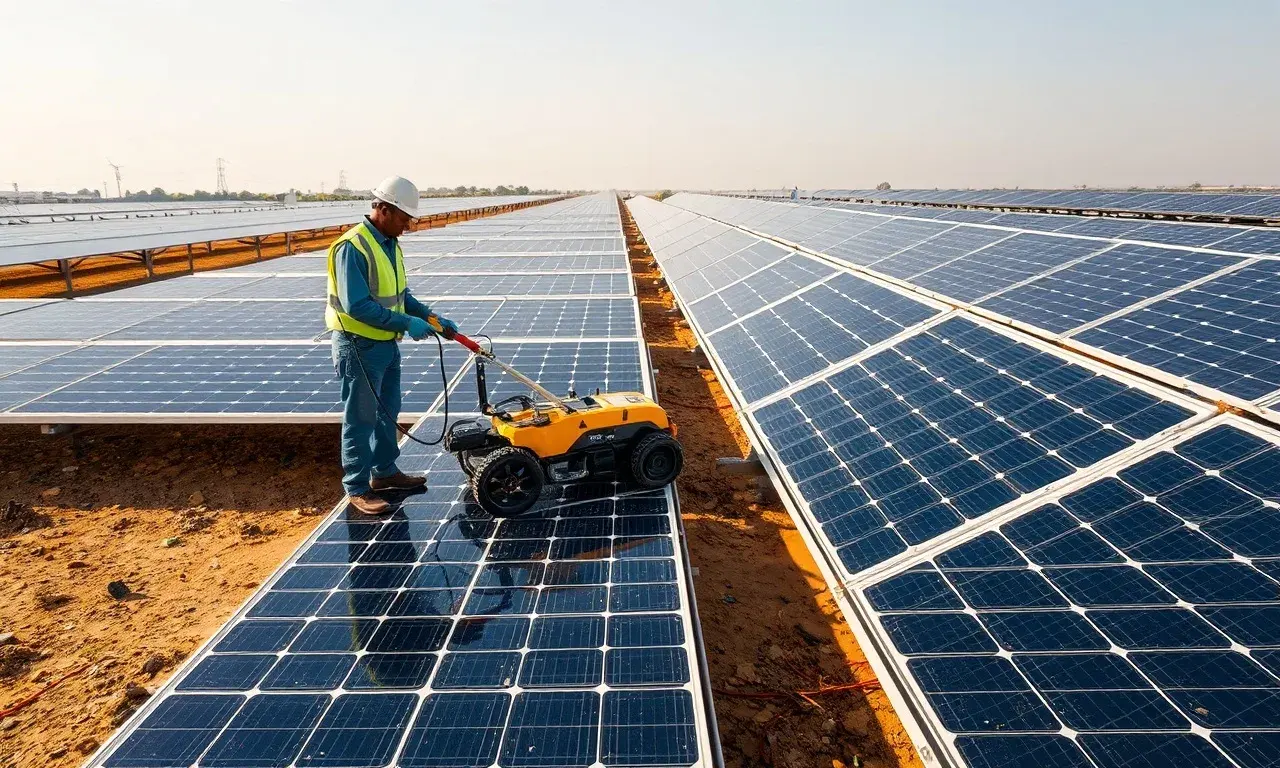
- Targeted Spot-Cleaning: Deploy specialized equipment, such as the HELYX pick-and-place robots for scattered blocks or manual teams for localized bird strike hotspots, to address specific contaminated arrays without washing the entire plant.
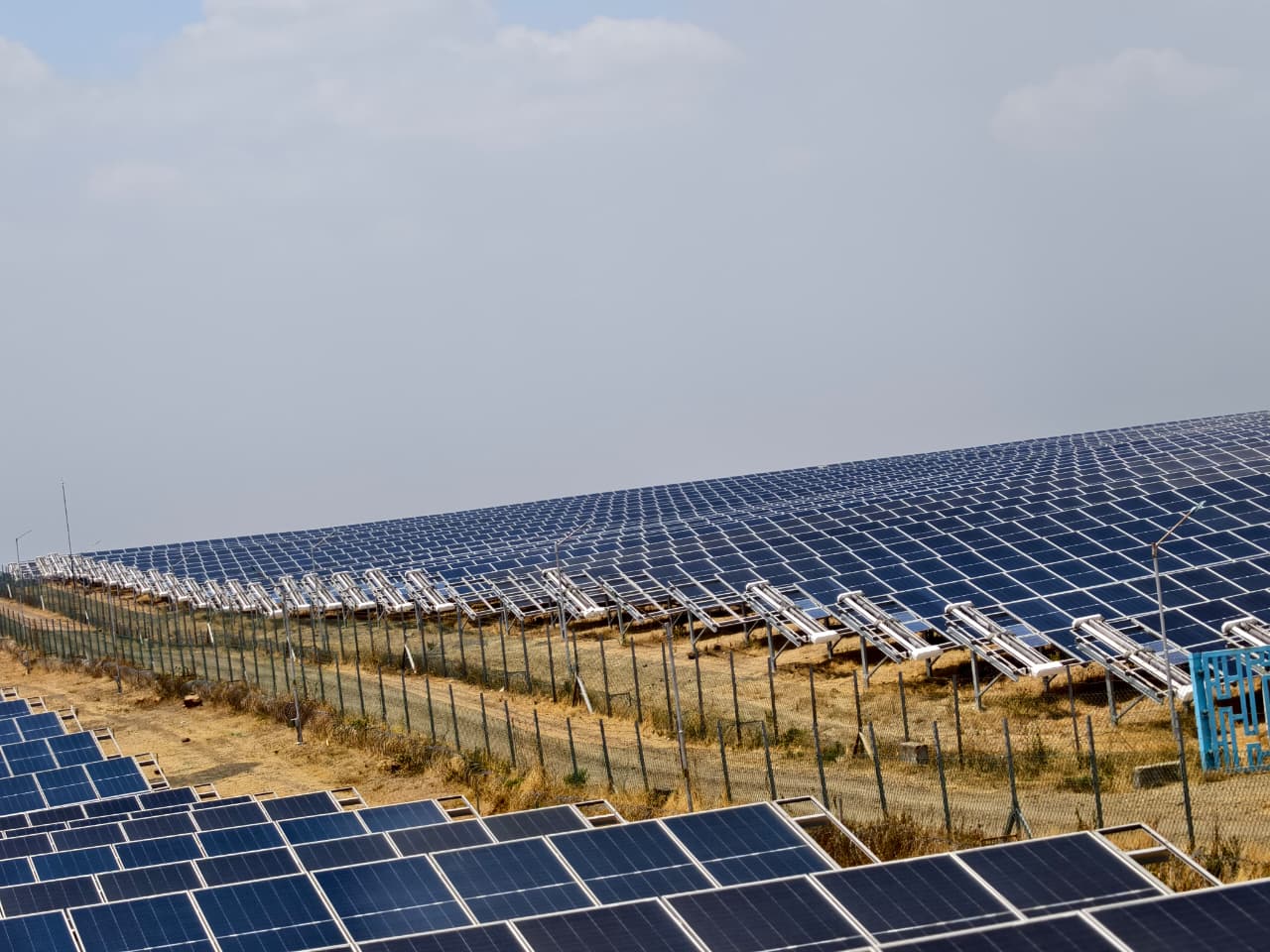
- Systematic Fleet Coverage: Execute a full plant-wide cleaning cycle monthly or bi-weekly based on regional weather data and seasonal site observations.
Adopting this hybrid method ensures that resources are directed toward the most degraded sections of the plant. This targeted intervention is critical when managing large-scale assets where manual labor costs and water consumption constraints limit the feasibility of frequent full-plant washes. By integrating intelligent scheduling, operators ensure their assets maintain high efficiency throughout the plant life cycle.
Water use and resource management: Manual vs. robotic dry cleaning
Managing organic soiling in Indian utility-scale plants presents a unique resource conflict. Bird droppings and biological matter (algae or sap) often require more than a light dust removal to avoid leaving streaks or residue. Traditionally, this has meant high-volume water washing, but water scarcity in states like Rajasthan and Gujarat makes this model increasingly unsustainable and expensive.
When comparing cleaning methods for organic removal, the choice between manual water-based cleaning and waterless robotic systems involves three critical trade-offs: water availability, module safety, and labor consistency.
| Feature | Manual Water-Based Cleaning | Autonomous Waterless Robotic Cleaning |
|---|---|---|
| Water Consumption | High (typically 2–5 liters per module) | Zero (waterless technology) |
| Organic Removal Efficiency | High (water dissolves many organic acids) | High (dual-pass microfiber/PBT mechanics) |
| Risk of Etching | Moderate (if hard water/scaling occurs) | Low (controlled, non-abrasive contact) |
| Labor Scalability | Low (requires large, managed teams) | High (autonomous fleet deployment) |
| Site Access | Limited by water transport logistics | High (mobile or rail-based movement) |
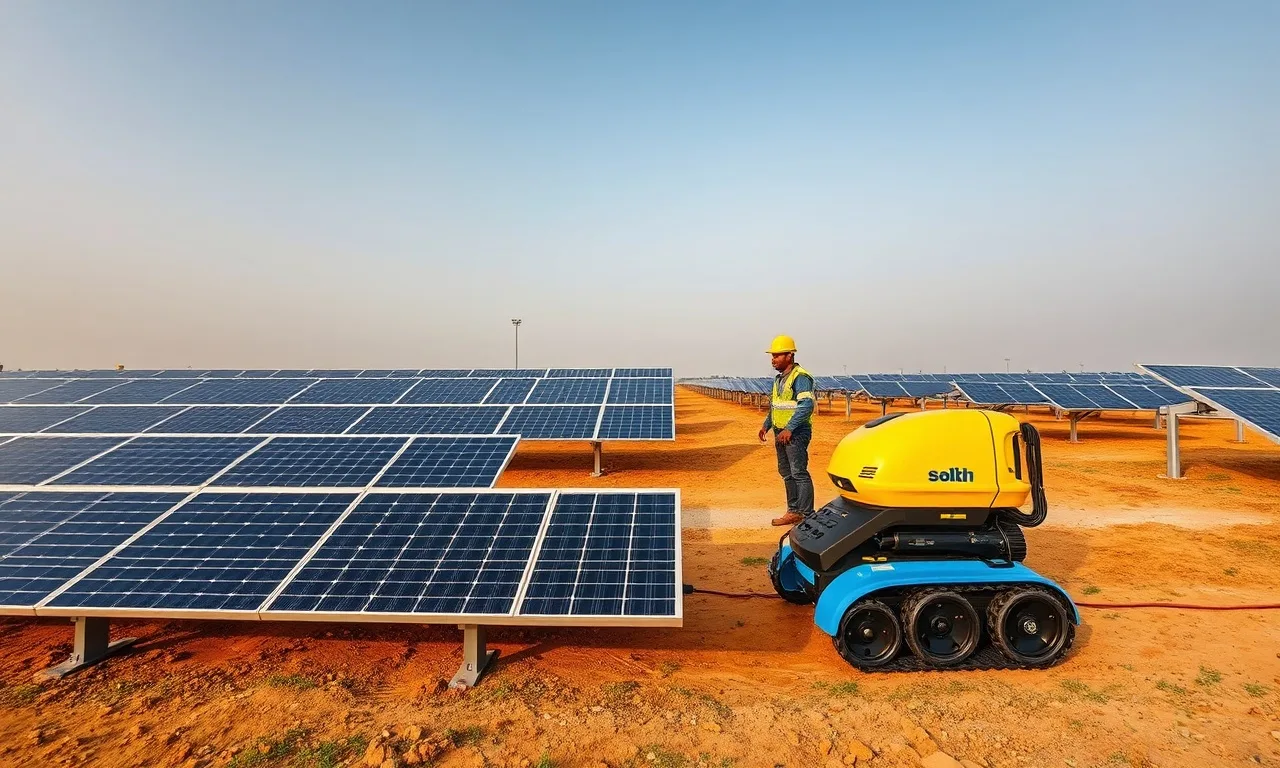
For plants facing strict water quotas, transitioning to a waterless approach is no longer just an environmental choice; it is a business necessity. Robotic systems like the NYUMA series utilize specialized materials like UV-stable PBT brushes or patented dual-pass microfiber to lift organic debris without the need for a single drop of water. This prevents the common issue of 'mud-caking,' where manual cleaning with insufficient water actually spreads organic matter across a larger surface area, potentially increasing hotspot risks.
Operational checklist for managing organic soiling in Indian MW-scale plants
To mitigate the impact of bird droppings and organic matter, plant managers should move away from reactive cleaning and toward a standardized O&M protocol. Use the following checklist to audit your current approach:
- Sensor-Based Triggering: Do not rely on sight alone. Use string-level SCADA monitoring to detect the specific signature of organic soiling (localized, non-uniform PR drops) and schedule cleaning before the matter hardens.
- Material Compatibility Audit: Ensure all cleaning implements (brushes or microfiber) are verified for use on your specific module type. Abrasive manual tools can damage anti-reflective coatings (ARC), leading to permanent efficiency loss.
- Water Quality Assessment: If utilizing wet cleaning, test the TDS (Total Dissolved Solids) of your water source. High mineral content in Indian groundwater can leave white scale marks that are harder to remove than the original organic matter.
- Fleet Integration: For plants with scattered or non-contiguous blocks, ensure your cleaning technology is mobile. Utilizing a platform like CRADYL allows a single robot to service multiple blocks, optimizing the cost-per-module for organic removal.
- Post-Cleaning Verification: Always perform a post-cleaning PR check. If the localized string output does not return to within 0.5% of the expected baseline, the organic residue likely requires a second pass or a different mechanical approach.
By following this structured approach, utility operators can protect their long-term asset value and ensure that bird droppings and organic soiling do not become a permanent drag on the plant's Performance Ratio.
Key takeaways for O&M leads
- Organic matter is a high-risk soiling type: Unlike uniform dust, bird droppings cause localized shading that triggers bypass diodes and hotspots.
- Data-driven scheduling is essential: Use string-level monitoring to trigger cleaning based on generation loss thresholds rather than fixed calendars.
- Waterless is the future for arid zones: Transitioning to robotic dry cleaning preserves water resources and provides more consistent cleaning results across large MW-scale sites.
- Targeted intervention saves money: Use a hybrid approach, spot-cleaning high-impact areas and systematic fleet cleaning for general maintenance, to optimize O&M budgets.
Sources and further reading
Frequently asked questions
Managing bird droppings and organic soiling requires a shift from reactive manual cleaning to scheduled, data-driven interventions. In Indian utility-scale plants, these contaminants create localized hotspots and chemical corrosion that can permanently damage PV modules if left for extended periods.
Bird droppings create an opaque barrier that blocks sunlight, leading to significant Performance Ratio degradation. Beyond immediate power loss, the chemical composition of the waste reacts with the glass under intense heat to create localized hotspots. If ignored, these hotspots can result in permanent cell-level damage and accelerated corrosion of the module.
Yes, dry robotic systems are highly effective for managing organic soiling while optimizing operational resources. They can provide up to a 90% reduction in water consumption compared to traditional manual pressure-washing. Using these systems in a scheduled, data-driven approach helps mitigate the risk of damage from moisture and scrubbing.
Budgeting should account for a cleaning frequency of bi-weekly to monthly, depending on localized bird nesting patterns and seasonal monsoon humidity shifts. Costs should be structured to support automated robotic deployments, which reduce long-term labor costs and minimize the risk of permanent module damage associated with reactive, manual cleaning interventions.