
Quick answer: Balancing module warranties and maintenance
Selecting a PV module supplier for a utility-scale plant requires more than evaluating initial yield or price per watt. The long-term durability of your asset depends on how your chosen cleaning methodology interacts with the module's anti-reflective coating (ARC) and structural design. Ensuring that your maintenance strategy remains compliant with warranty terms is the most effective way to protect your investment over its 25-year operational life.
- Avoid warranty invalidation by confirming that your chosen cleaning methods (whether mechanical, robotic, or manual) meet the specific 'Glass/Coating' compatibility index provided by the module OEM.
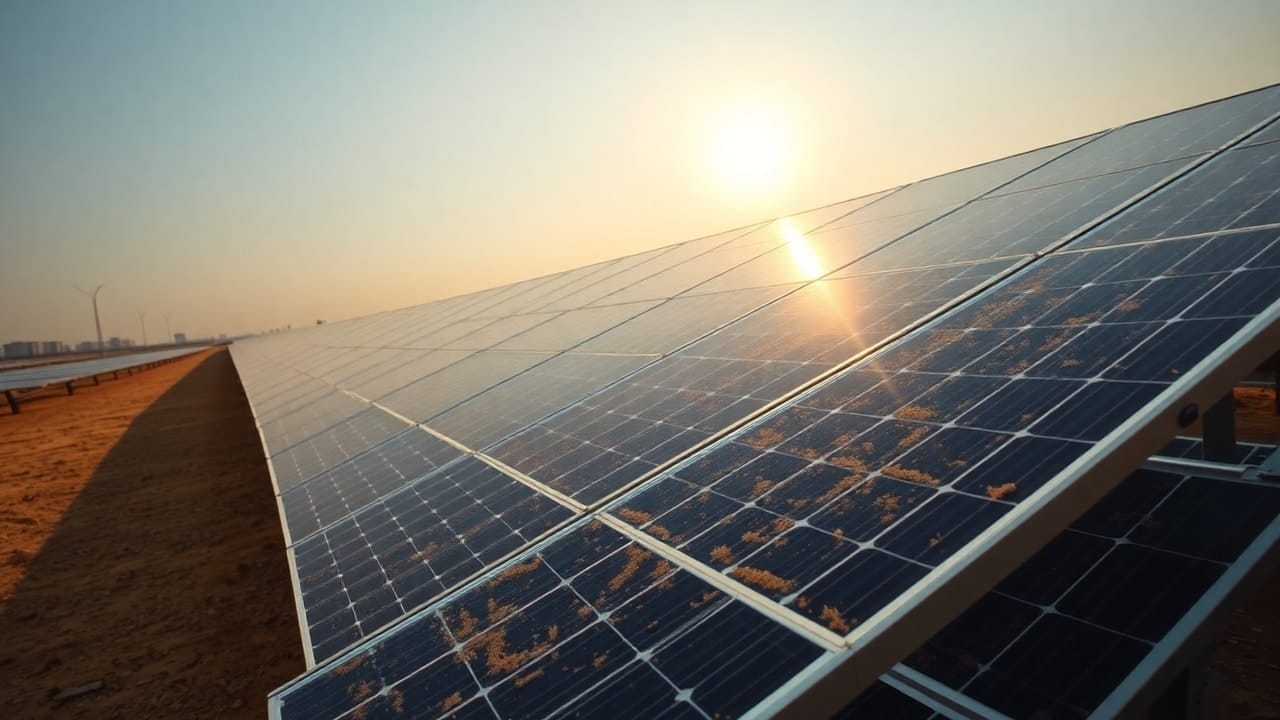
- Target a 0.5% to 1.0% annual degradation limit by aligning cleaning frequencies with site-specific soiling loss data, which can reach 3% to 8% in high-dust regions in India if left unmanaged.
- Ensure all O&M procedures are digitized and linked to individual panel serial numbers to maintain a verifiable audit trail required for long-term performance and warranty claims.
- Verify that your chosen maintenance contractor or internal team strictly adheres to IEC 61215 standards during all cleaning cycles to avoid micro-cracks and coating abrasion.
- Budget for an O&M spend of approximately 0.5% to 0.8% of total CAPEX annually to ensure the longevity of high-efficiency Tier-1 bifacial modules.
How does your choice of PV module supplier impact long-term O&M?

The connection between your initial equipment procurement and subsequent plant maintenance is often overlooked during the EPC phase. While the module datasheet focuses on STC (Standard Test Conditions) performance, the physical characteristics of the module, specifically the frame rigidity, glass thickness, and coating chemistry, dictate the limits of your future O&M program. A supplier selection strategy that ignores post-commissioning maintenance compatibility often leads to accelerated degradation or costly warranty disputes.
When selecting a supplier, asset owners should evaluate the module's maintenance-readiness index. For instance, bifacial modules with glass-on-glass construction offer different cleaning profiles than glass-on-backsheet modules. If your plant is located in a high-soiling area, you will eventually require a consistent cleaning cycle. Choosing a module from a manufacturer that has already tested its products against automated cleaning equipment can significantly reduce the risk of structural failure or coating degradation. As discussed in our analysis of solar plant commissioning, integrating these requirements early prevents the need for manual workarounds that often result in panel breakage.
Furthermore, the mounting hardware and module clamping zones provided by the supplier influence the clearance available for cleaning systems. If the clamping zones are non-standard, you may find it difficult to deploy automated systems later without risking mechanical strain on the glass. Manufacturers that provide clear, detailed guidelines on load-bearing limits and compatible cleaning tool specifications allow operators to design a safer and more predictable O&M strategy. This is particularly critical for single-axis tracker plants, where the movement of the array creates dynamic loading conditions during the cleaning process. In India, where temperature fluctuations can cause significant expansion and contraction of aluminum frames, choosing a module with robust frame-to-glass bond integrity is vital to surviving the mechanical stress of robotic brushes.
Finally, the warranty policy regarding 'surface-altering agents' must be scrutinized. Some suppliers explicitly void warranties if specific chemical solutions are used for cleaning, while others may be more flexible if the mechanical impact of the cleaning tool remains below a specific pressure threshold. By engaging with suppliers during the tender process to clarify these thresholds, you move from a reactive maintenance stance to a proactive performance management model. This alignment ensures that your performance ratio goals remain consistent with the manufacturer's operational limits, directly bridging the gap between hardware procurement and long-term yield optimization. When comparing quotes, consider that a lower-priced module with restrictive cleaning warranties might lead to a higher Total Cost of Ownership (TCO) over a 20-year horizon compared to a slightly costlier, maintenance-friendly model.
Warranty compliance: What documentation is mandatory for asset owners?
Protecting your project against long-term degradation starts with maintaining a granular audit trail of all O&M activities. When dealing with warranty claims, PV module suppliers often place the burden of proof on the asset owner to demonstrate that maintenance was conducted within the parameters defined in their technical documentation. Failing to document the frequency, chemical agents, and mechanical force applied during cleaning cycles provides a common loophole for manufacturers to void warranties if micro-cracks or delamination occur over time.
For utility-scale assets in India, your O&M documentation should evolve beyond simple logs of when a row was cleaned. Instead, maintain a digital repository that logs: (1) the specific maintenance method used, (2) timestamps of cleaning cycles mapped to individual inverter blocks, and (3) adherence to the OEM's specified pressure thresholds. Using fleet-wide monitoring platforms, similar to how NECTYR provides real-time cleaning telemetry, allows you to export verified compliance reports that serve as a defense in the event of a structural degradation claim. By aligning your maintenance logs with the specific serial numbers of the PV modules installed, you remove ambiguity regarding whether maintenance caused a failure or if it was a manufacturing defect.
Furthermore, ensure your maintenance contracts specify that any third-party service providers or internal teams must adhere to the IEC 61215 standard for thermal cycling and humidity freeze testing. Documenting the specific compliance of your brushes or robotic cleaning elements with the module's anti-reflective coating specifications is a mandatory step for risk mitigation. In the Indian market, where extreme heat cycles and heavy particulate matter load accelerate material fatigue, keeping a formal record of your adherence to these guidelines is not just an administrative task, it is a critical asset protection strategy. Failure to provide such documentation during an annual site audit can result in the rejection of performance-based insurance claims or warranty enforcement.
How often should you clean solar panels on a 50 MW plant?
In a typical 50 MW utility-scale plant within the Indian sun-belt, the optimal cleaning frequency is generally determined by local soiling rate monitoring rather than a fixed calendar schedule. For most sites, a cycle of 15 to 30 days is standard, though extreme dust events may necessitate a 'soiling-triggered' cleaning approach where robots are deployed once the performance ratio (PR) drops below a 95% threshold of the theoretical maximum.
If your 50 MW site utilizes tracking technology, the mechanical friction of the brushes must be calculated against the number of full row sweeps per year. A 50 MW plant operating at a 20% capacity factor will accumulate soiling that can cost approximately 1.5 to 2.5 million INR in lost revenue annually if ignored. To maximize ROI, asset managers should utilize daily PR monitoring to trigger cleaning events, effectively balancing the cost of robot energy consumption and hardware wear against the incremental revenue gain of restored irradiance capture. On sites with significant seasonal changes, such as the pre-monsoon dust storms in North India, cleaning frequencies may need to increase to once every 7 to 10 days to maintain peak performance during the highest generation months.
Commissioning implications: Designing for future-proof cleaning
The transition from a construction project to an operational power plant is often where the most expensive mistakes are made. Asset owners often finalize the plant layout, spacing, and tracker configurations during commissioning without verifying the 'cleanability' of the design. This lack of foresight frequently results in 'orphaned' sections of the plant that become impossible to clean with automated systems, forcing a pivot to expensive, risky, or labor-intensive manual methods that decrease your long-term performance ratio.
During the commissioning phase, you must evaluate the plant layout against the mechanical constraints of the cleaning systems you intend to deploy. For single-axis tracker sites, this includes ensuring that the table rotation range and inter-row spacing are optimized for robotic movement without creating 'dead zones' that result in inconsistent soiling levels. As documented in our guide on solar plant commissioning, the integration of cleaning requirements into the site preparation plan is the most effective way to protect your ROI. Ignoring these constraints at the start often leads to high CAPEX spikes later when custom modifications become necessary to allow for automated row traversal.
Additionally, commissioning teams should verify that the electrical and communication infrastructure (such as RF mesh or Wi-Fi coverage) is configured to handle the data load of an autonomous O&M fleet. If the infrastructure is siloed or unreliable, you lose the ability to perform proactive, data-driven cleaning, leading to revenue loss as soiling levels climb before your next scheduled service. By treating the cleaning system as an integral component of the plant's architecture, rather than an afterthought or a utility-shed purchase, you ensure that your site is prepared for a life cycle of consistent energy production that aligns with your initial business model and expected return on investment.
Comparing cleaning-robot approaches for utility-scale sites
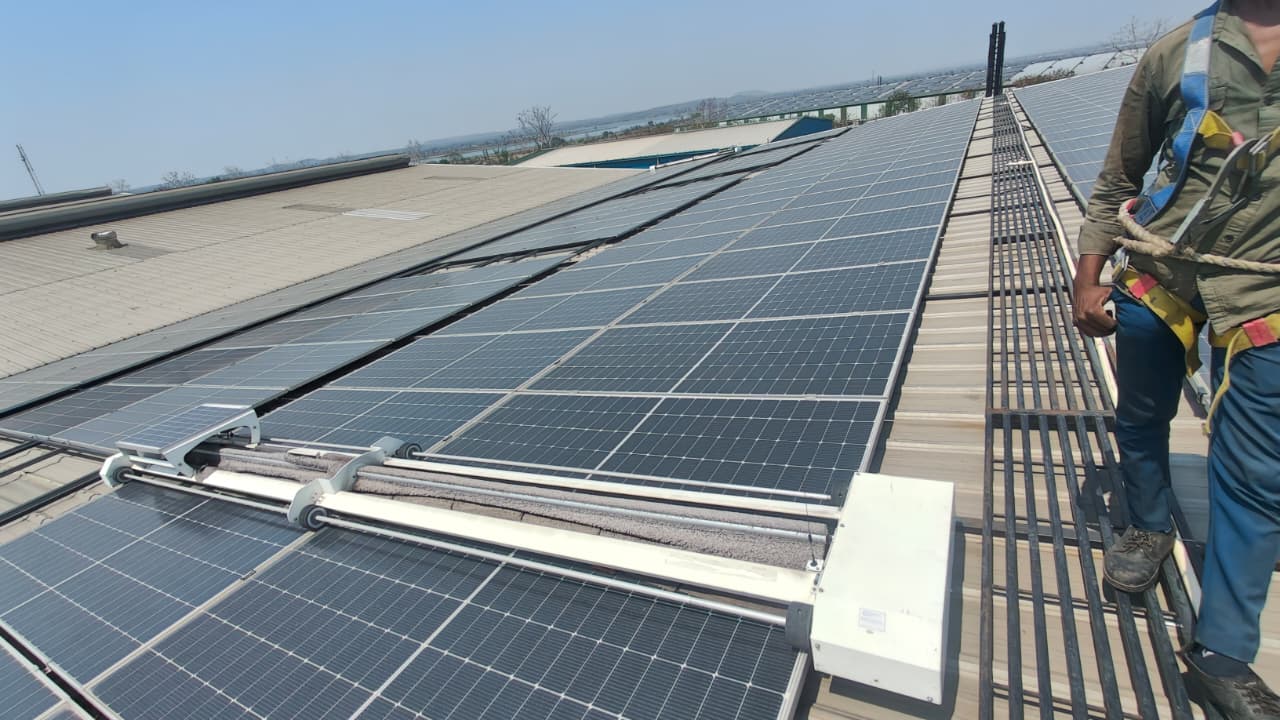
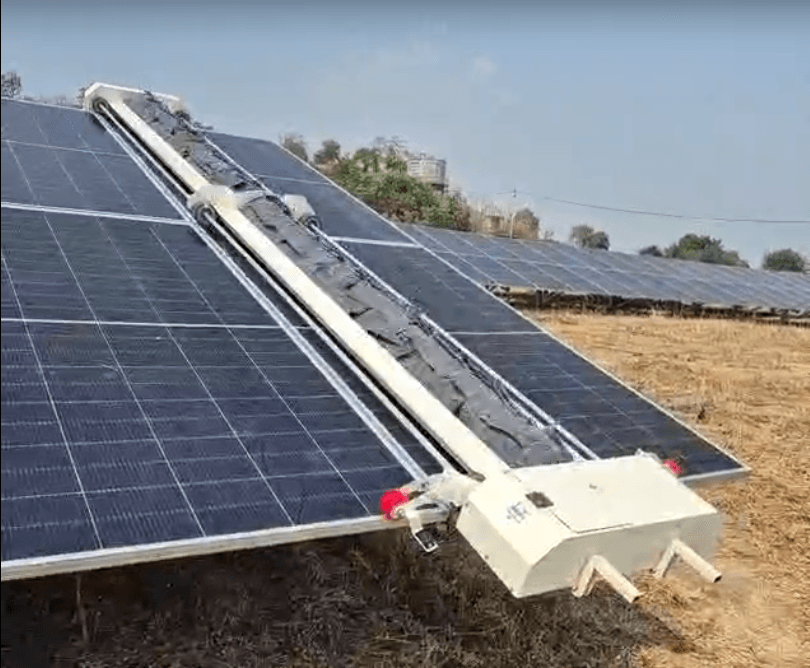
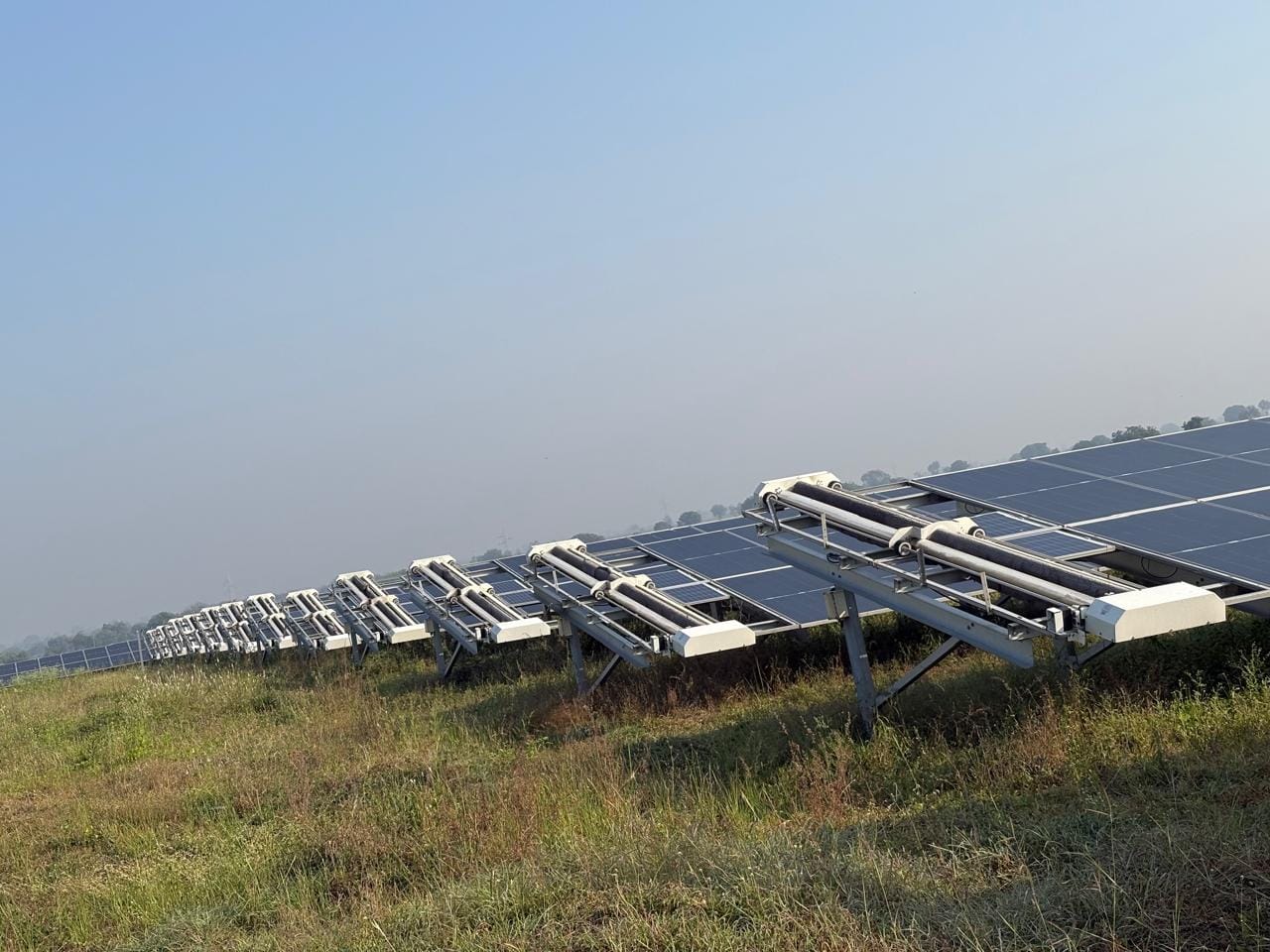
Choosing between cleaning-robot architectures requires an assessment of your site's physical constraints, specifically terrain variability and tracker kinematics. Not all robots are equal, and the wrong choice can lead to recurring O&M failures that negate your performance gains. Utility-scale developers often weigh CAPEX-heavy upfront investments against Opex-managed service models, depending on their portfolio strategy and existing site infrastructure. Understanding the difference between dual-pass and single-pass technology is crucial, as some environments, particularly those with heavy cementitious dust or sticky soiling common in parts of Rajasthan, may require more rigorous mechanical intervention than standard brushes can provide.
| Comparison Criteria | Taypro Robotic Solutions | General Industry (CAPEX/Manual) |
|---|---|---|
| Cleaning Technology | Patented Dual-Pass (Airflow + Microfiber) & PBT | Standard PBT Brush or Manual Water Washing |
| Deployment Model | CAPEX & Full Opex Managed Service | Predominantly CAPEX |
| Fleet Intelligence | NECTYR (Full API/Data Integration) | Variable (Often stand-alone or non-integrated) |
| Tracker Suitability | High (Flexible GLYDE-X/NYUMA-X variants) | Often requires site-specific modifications |
| India Support | Local Manufacturing (Pune) & 8+ Warehouses | Mixed (Global brands vs localized service) |
For large-scale IPPs, the trend is moving away from purely hardware-focused procurement toward integrated Opex models. While traditional manual labor relies on daily water consumption, which is becoming increasingly expensive and regulated in arid zones, robotic dry cleaning offers a predictable cost structure per MWh. As explored in our comparative analysis on waterless vs manual solar cleaning, the TCO shift is most pronounced when scaling above 10 MW. In these high-capacity environments, the ability to integrate fleet telemetry into existing SCADA systems is not just a luxury; it is essential for identifying micro-soiling trends before they manifest as significant drops in your plant's performance ratio.
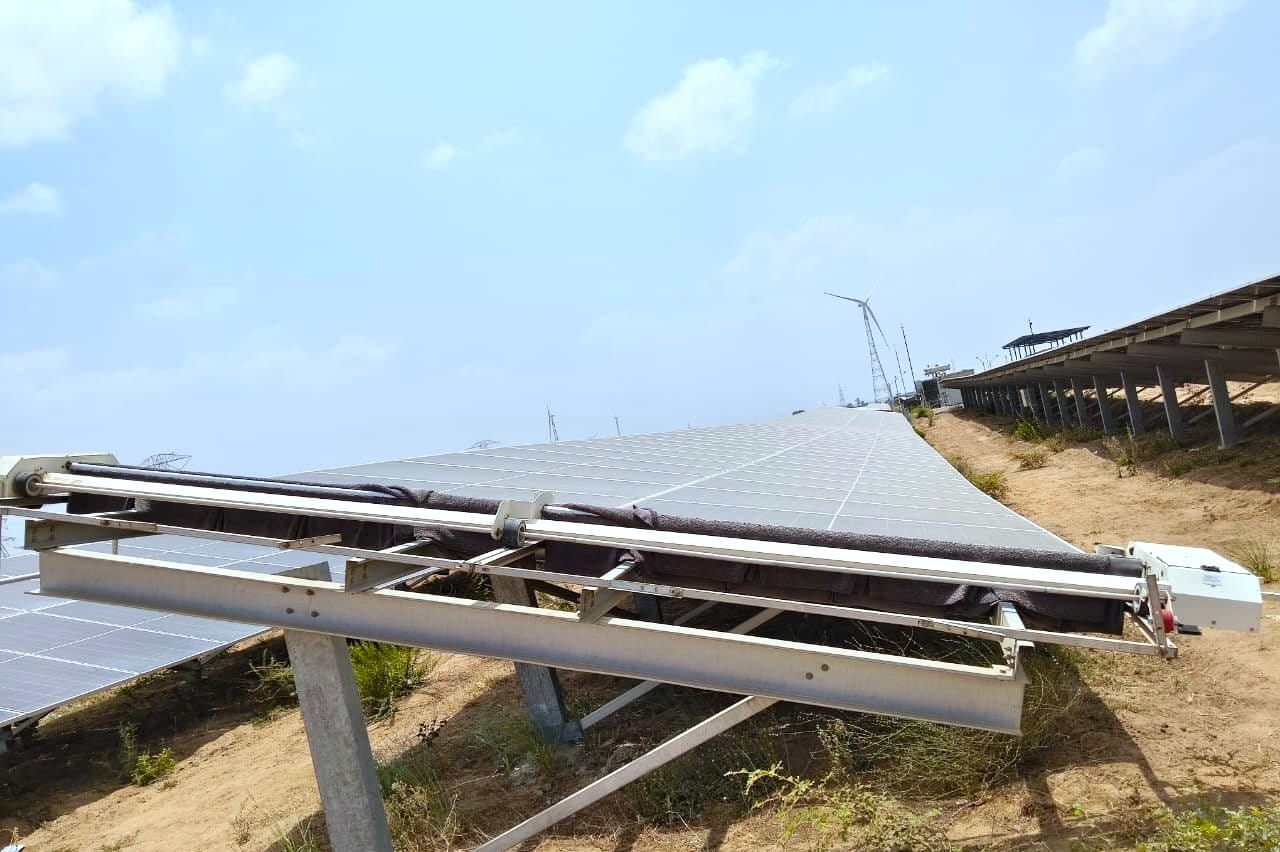
Tracker sites add a layer of mechanical complexity. If your site utilizes horizontal single-axis trackers, the cleaning equipment must feature a flexible chassis that maintains panel contact despite table articulation. Systems like the GLYDE-X or NYUMA-X are engineered specifically to navigate the dynamic tilt ranges of NEXTracker and Gamechanger configurations. Using a fixed-tilt robot on a tracker array is a frequent commissioning error that leads to hardware damage and permanent warranty voids. By ensuring your single-axis tracker cleaning robot selection is compatible with your tracker OEM specifications early, you avoid the high cost of post-install retrofitting.
Strategic workforce management in India's O&M landscape
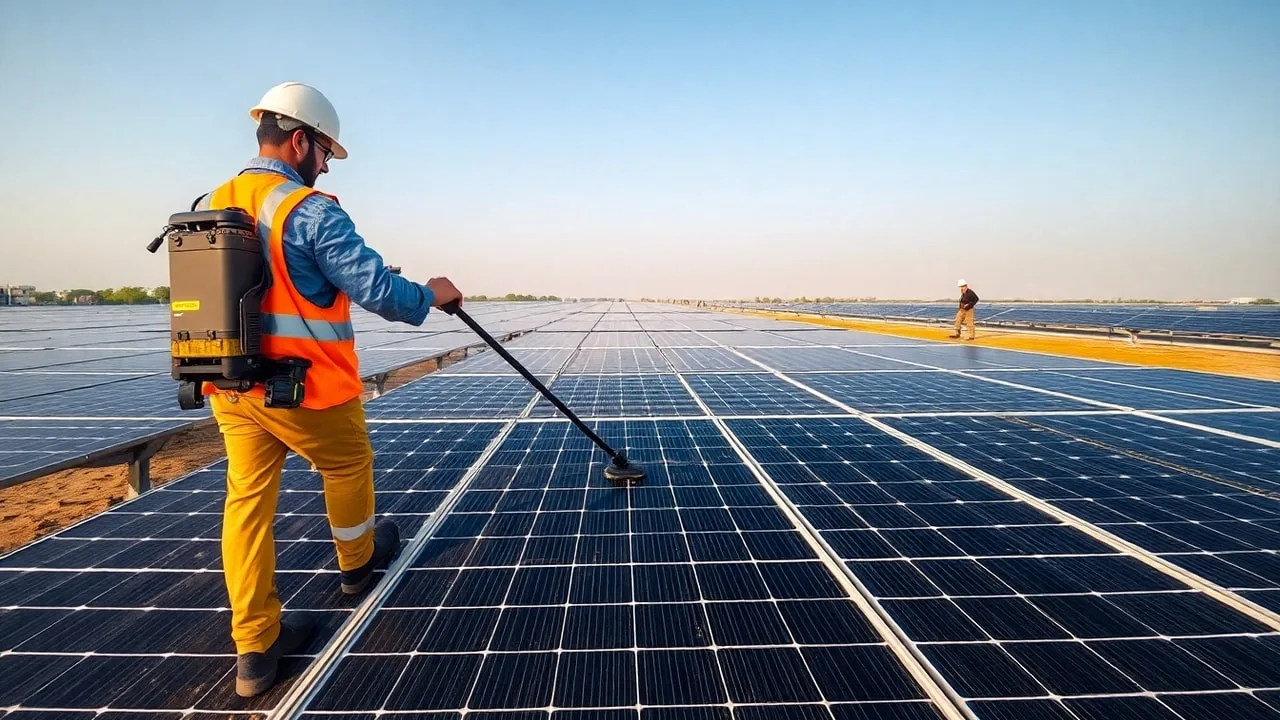
The evolution of O&M in India requires a transition from semi-skilled manual cleaning labor to a technically adept workforce capable of managing robotics and sensor arrays. As plants scale to 100 MW or 500 MW, the logistics of manual water supply become untenable. Relying on water trucks for a 100 MW plant can cost upwards of 5 to 10 lakhs per month depending on water scarcity and diesel costs. In contrast, integrating autonomous robotic fleets reduces the dependency on manual site visits. However, this shift requires a new skill set among O&M staff: the ability to interpret NECTYR-style data streams, troubleshoot robotic connectivity, and manage battery charging logistics across vast site geographies.
Managers must prioritize hiring or training personnel who understand the synergy between module health and cleaning efficiency. A key metric for O&M managers is the 'Mean Time To Repair' (MTTR) for robotic hardware. If a robot malfunctions, a site manager must be able to restore cleaning operations within 24 to 48 hours to minimize soiling-related revenue loss. Suppliers that provide local warehouse support, such as those with hubs in Pune or regional distribution centers, drastically improve the MTTR compared to suppliers relying on international shipping for spare parts. This geographic proximity is a hidden factor in the TCO of your cleaning strategy, directly influencing the uptime of your solar array and the overall health of your long-term performance guarantees.
Key takeaways for plant managers
- Audit your module supplier's warranty policy specifically for 'cleaning-related exclusions' during the procurement phase to avoid voiding protection.
- Mandate that any automated cleaning hardware used on-site must have a documented compatibility index with the specific glass and frame geometry of your PV modules.
- Shift from reactive manual washing to a digitized, automated O&M model to build a permanent, verifiable audit trail for asset performance reporting.
- Factor in robot 'cleanability' as a core site-layout metric during the commissioning phase to prevent future OPEX spikes caused by poor plant accessibility.
- Prioritize cleaning partners that offer integrated fleet monitoring and maintenance documentation to ensure compliance with IEC standards and manufacturer expectations.
- Calculate the 20-year TCO of robotic systems vs. manual labor, accounting for rising water costs and the potential impact of labor-induced micro-cracks on long-term degradation rates.
Frequently asked questions
Selecting a PV module supplier for a utility-scale plant requires more than evaluating initial yield or price per watt. The long-term durability of your asset depends on how your chosen cleaning methodology interacts with the module's anti-reflective coating (ARC) and structural design.
A well-maintained utility-scale plant should target an annual degradation limit of 0.5% to 1.0%. Proper maintenance ensures that cleaning processes do not accelerate this rate through mechanical damage to the glass or anti-reflective coating.
For most 50 MW+ utility-scale sites, a cleaning cycle of 15 to 30 days is standard. However, performance-based monitoring should be used to trigger cleaning cycles when soiling loss exceeds a 95% performance ratio threshold.
Commissioning layout determines the ability of automated robots to access panels without obstruction. Improper spacing or tracker configuration can lead to 'dead zones' that require manual intervention, increasing operational costs and safety risks.