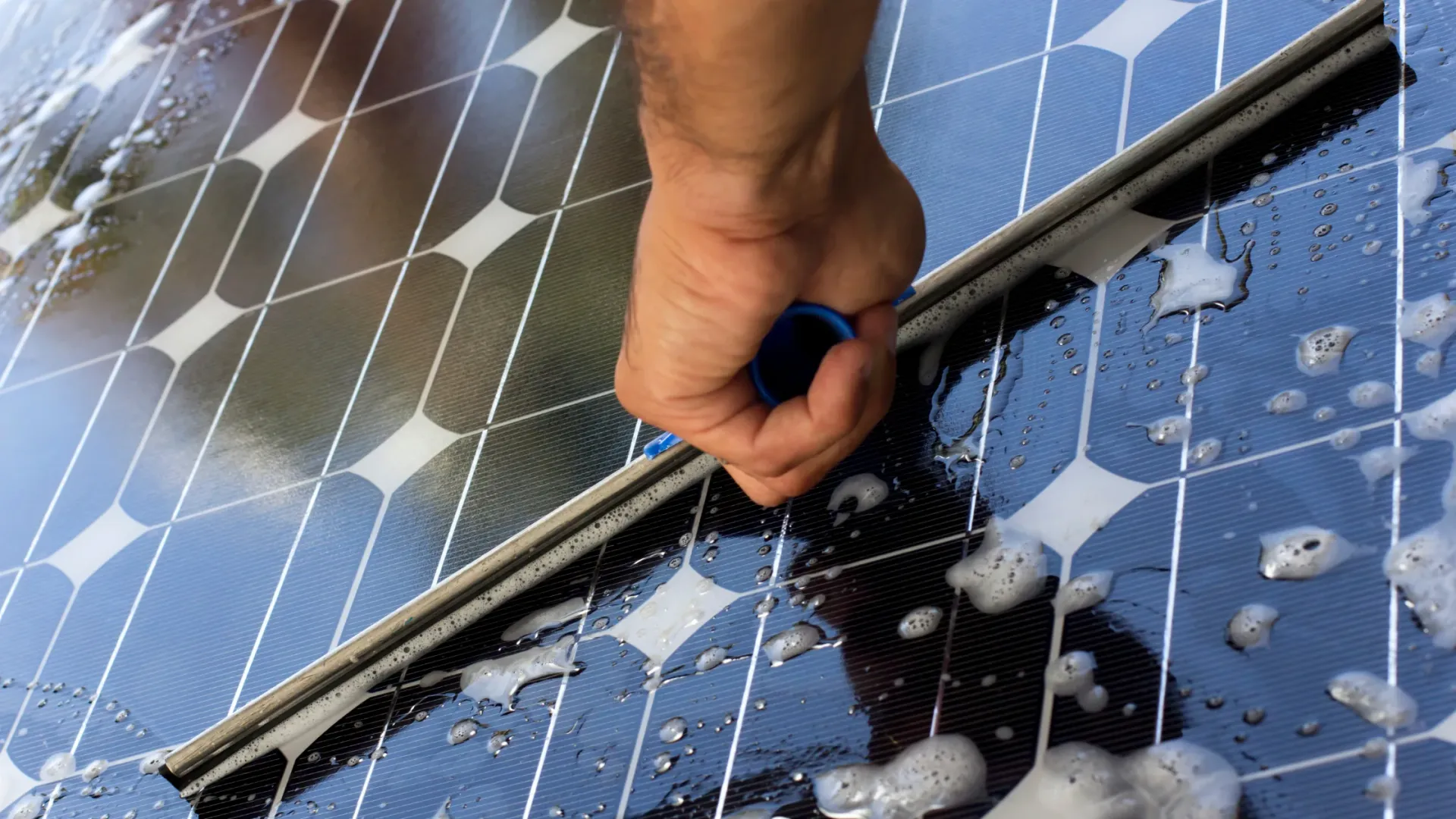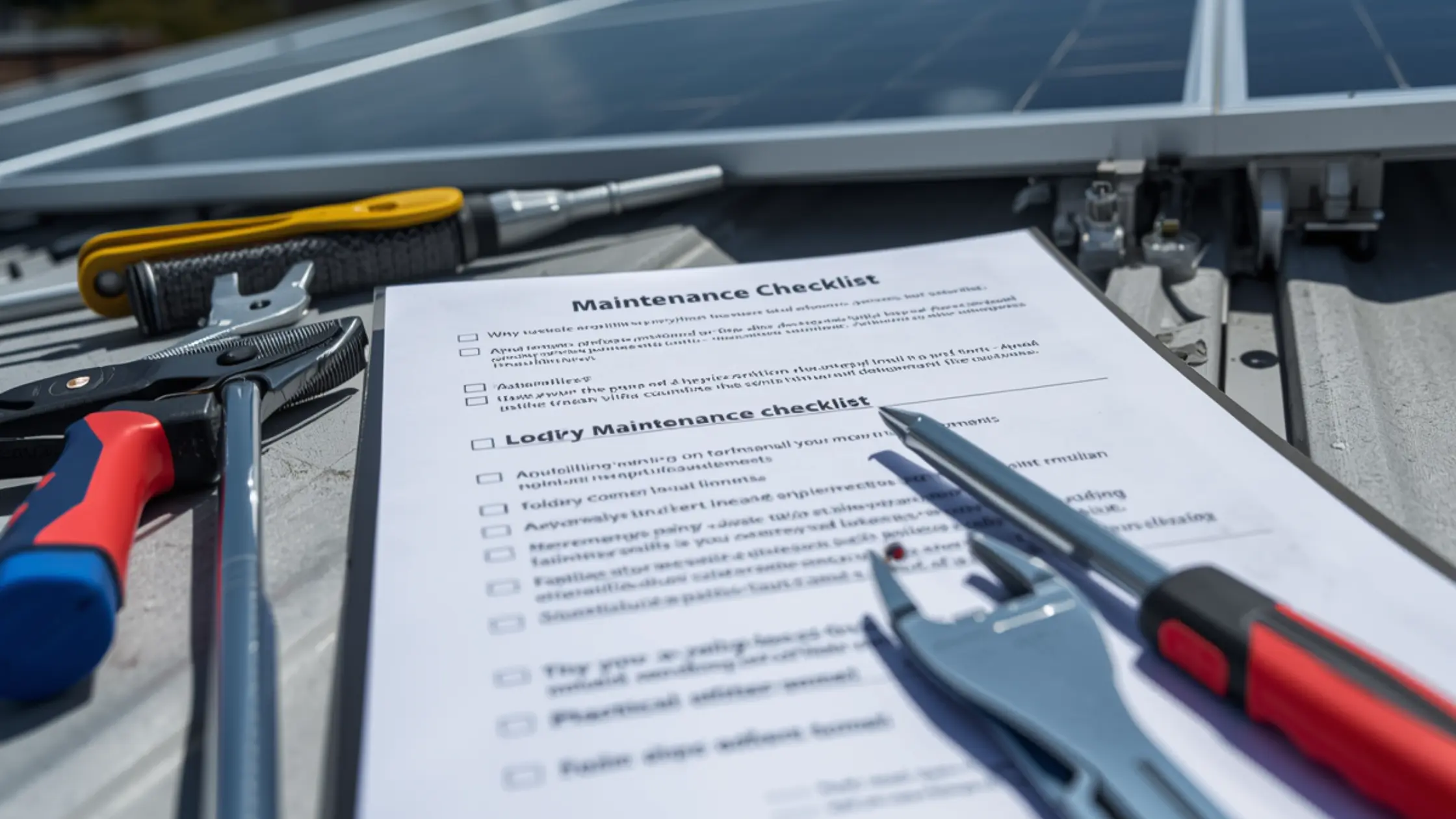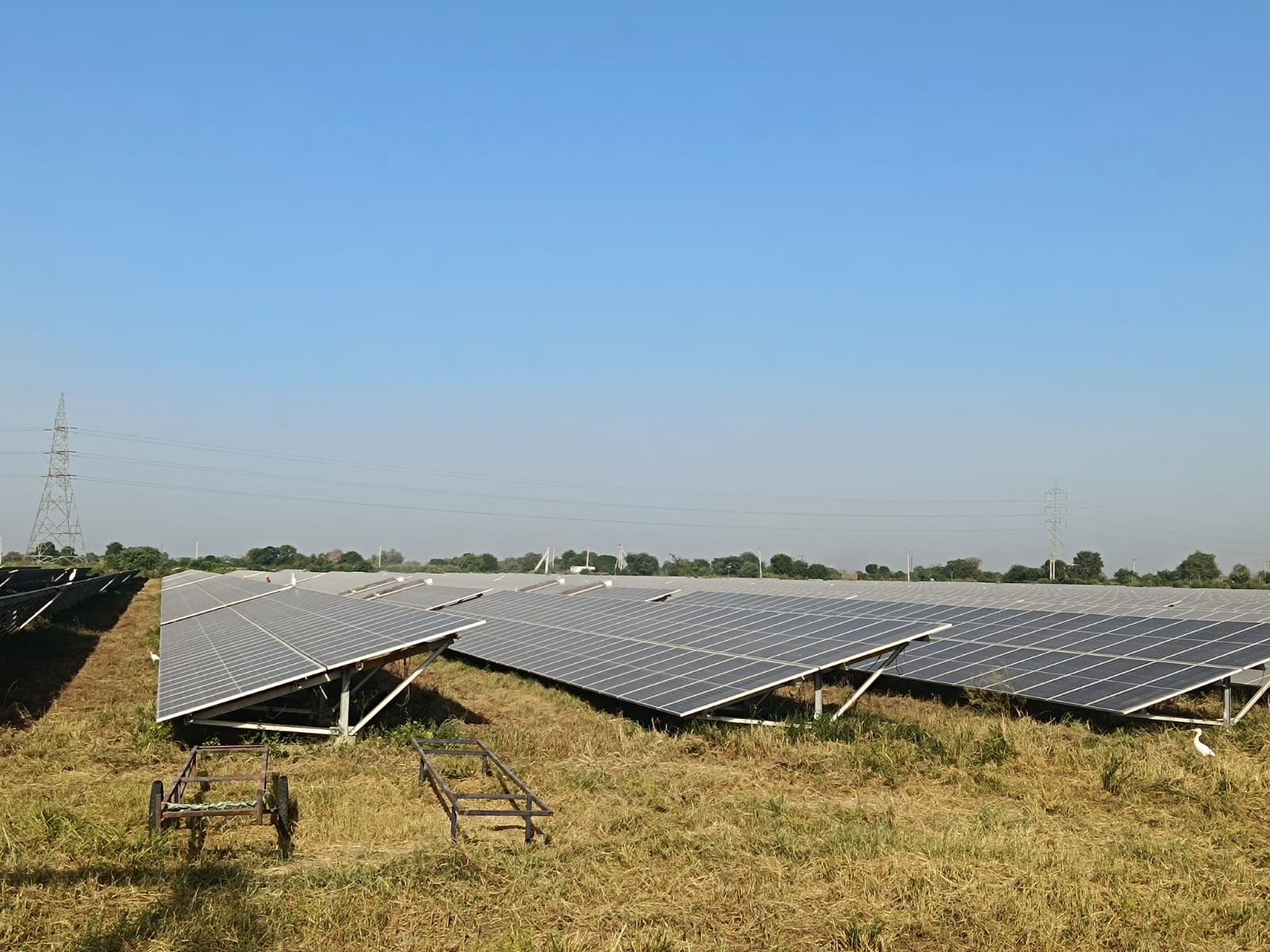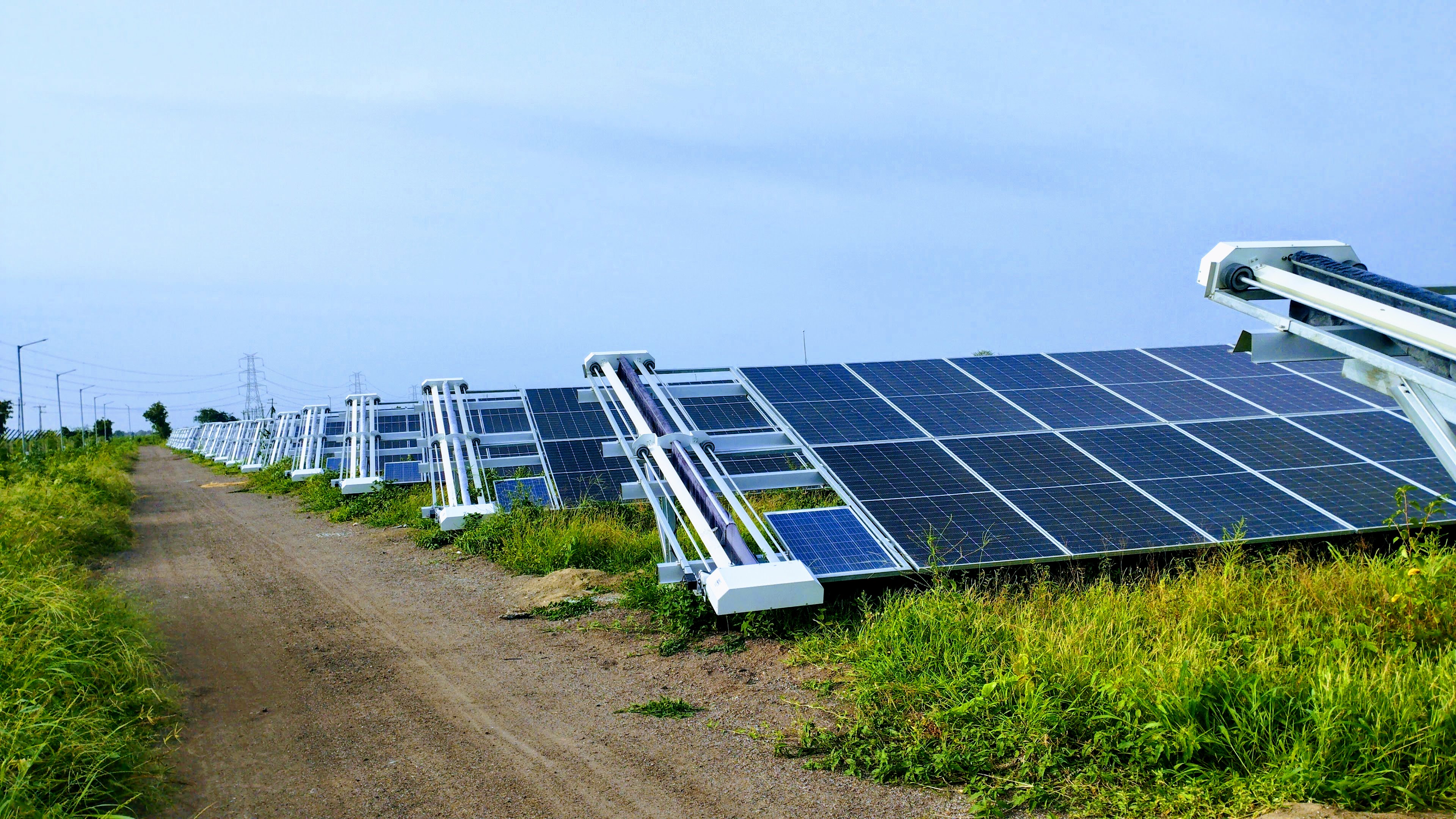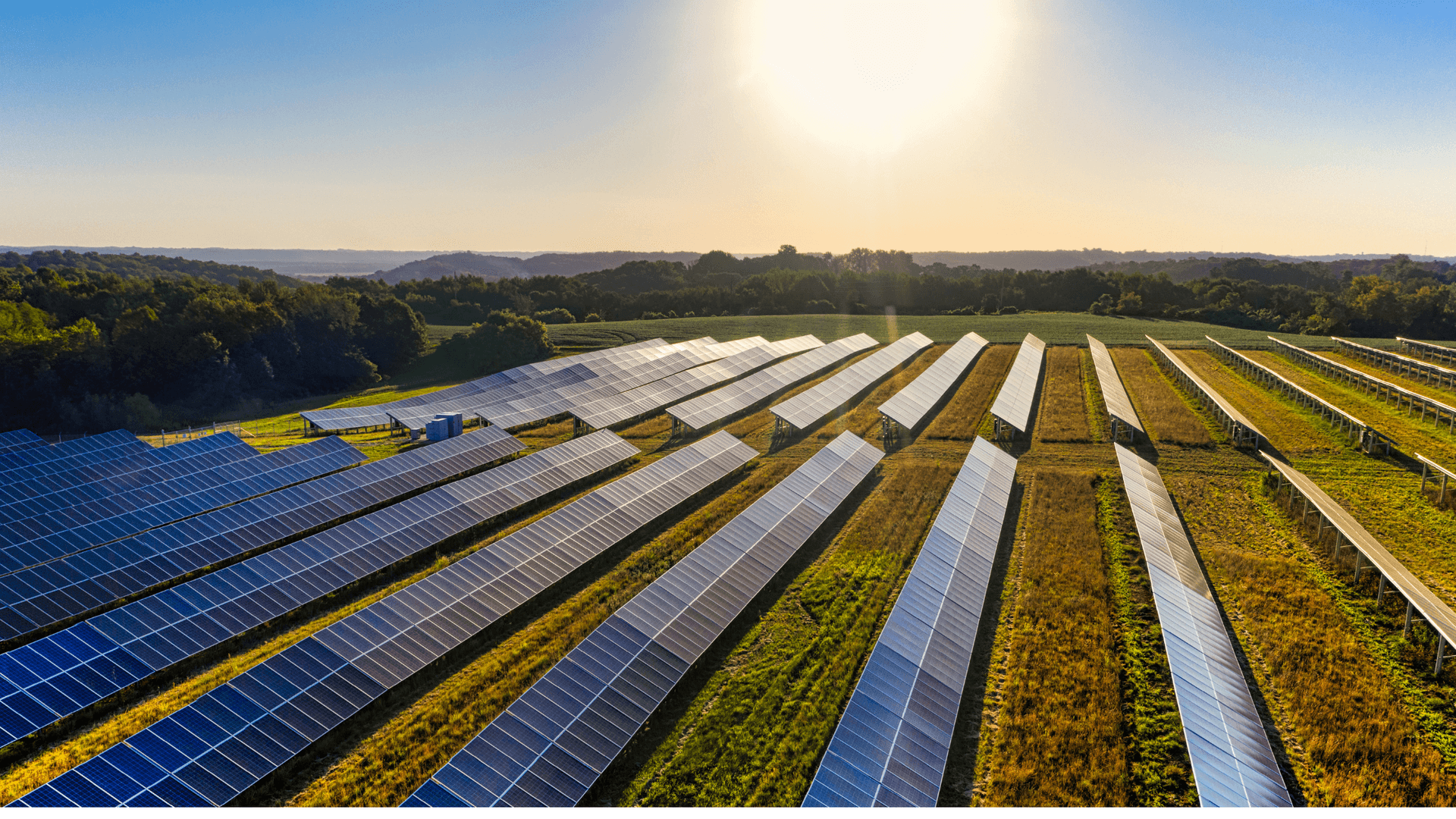
A few years ago, if you visited a utility-scale solar plant and asked the O&M team how they decided when to clean the panels, the answer was usually simple: "Every 7 days." Or maybe: "Every 15 days during summer and once a month during monsoon." Nobody questioned it much because that was how solar maintenance had always been done.
But here's the problem. Dust doesn't follow a calendar.
A solar plant in Rajasthan can lose generation much faster than a plant in Karnataka. A dust storm can undo an entire cleaning cycle overnight. A week of unexpected rain can make a scheduled cleaning completely unnecessary. Yet many plants still operate using fixed schedules that were decided months, or sometimes years, ago.
As India's solar capacity continues to grow, this gap between how plants are maintained and how they actually behave is becoming impossible to ignore.
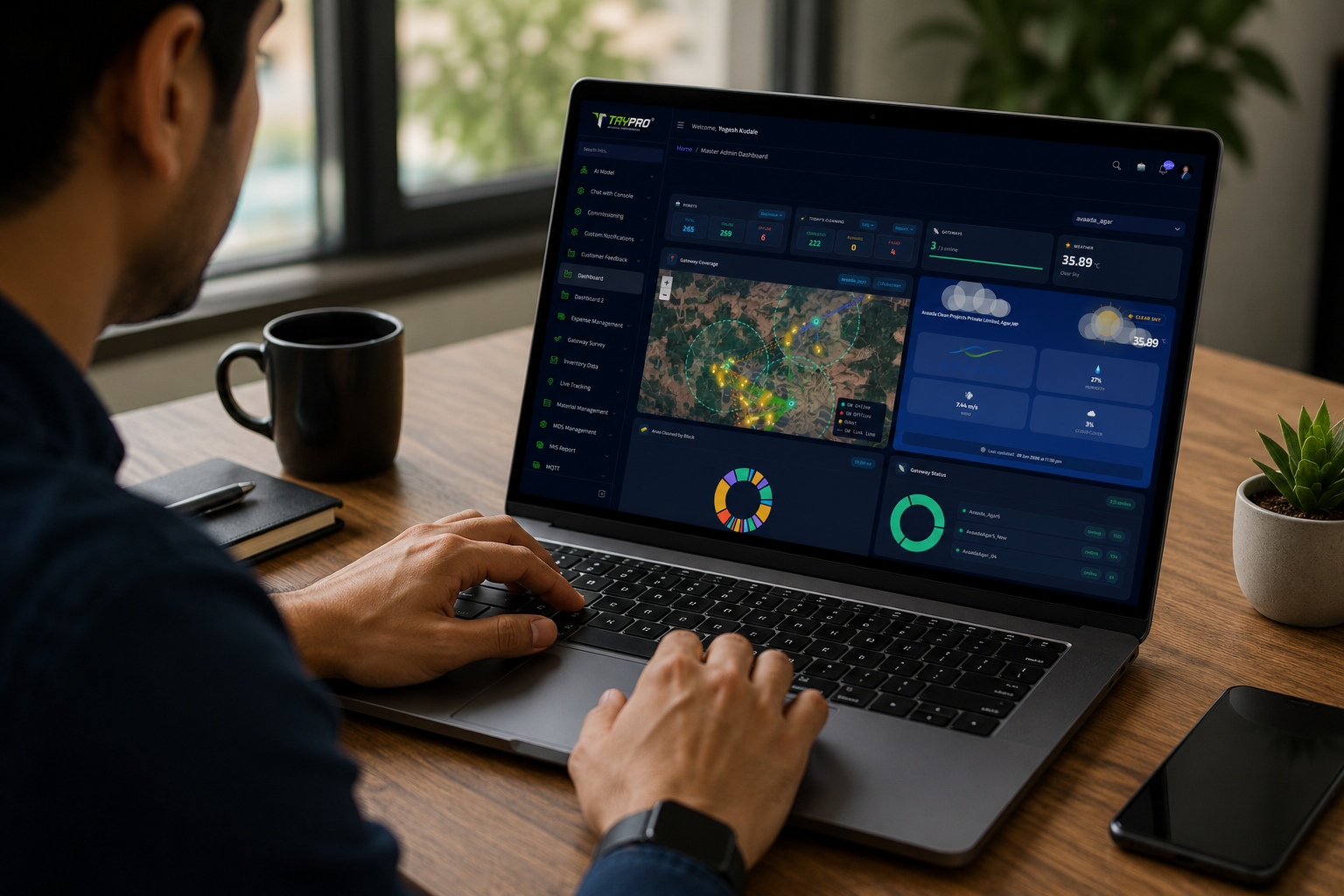
The industry is slowly moving away from a simple question, "When was the plant cleaned last?", and moving toward a much more important one: "How much generation are we losing right now?" That shift is where Artificial Intelligence is beginning to change the game.
The Real Cost of Cleaning Isn't What Most People Think
When people compare manual cleaning and robotic cleaning, the conversation usually revolves around labour costs. But labour is only one part of the equation.
Anyone who has managed a large solar plant knows the hidden challenges:
- Arranging cleaning crews across hundreds of acres
- Managing water tankers in remote locations
- Coordinating schedules during peak summer months
- Ensuring cleaning quality remains consistent
- Proving that the cleaning actually improved generation
The last point is surprisingly important. Many plants spend lakhs of rupees every year on cleaning activities but have very little data showing exactly how much generation was recovered after each cycle.
The cleaning happens. The invoices get paid. And everyone assumes it helped. But assumptions are expensive in a business measured in megawatt-hours.
Robots Are Only Half the Story
When most people hear about robotic cleaning systems, they focus on the hardware. The robot moves. The brushes rotate. The panels get cleaned. That's easy to understand.
What often gets overlooked is the data generated every time that robot moves across a row. Every cleaning cycle creates information:
- Which rows were cleaned
- How long the operation took
- When the cleaning occurred
- Environmental conditions during the cycle
- Equipment performance
- Site-level operational trends
Individually, these data points are not particularly exciting. Collectively, across hundreds of sites and thousands of cleaning cycles, they become incredibly valuable. This is where AI starts to enter the picture.
Teaching a Solar Plant to Recognize Patterns
One of the biggest strengths of machine learning is its ability to spot patterns that humans would struggle to identify consistently.
Take soiling, for example. A plant in Rajasthan behaves differently from one in Telangana. A site near a cement plant accumulates dust differently from a site surrounded by agricultural land. Monsoon recovery patterns vary from region to region.
Over time, AI models begin to recognize these differences. Instead of treating every solar plant the same, they learn how specific sites behave under specific conditions. That's when maintenance starts becoming intelligent.
From Scheduled Cleaning to Smart Cleaning
Traditional maintenance relies on dates. AI relies on conditions. That's a fundamental difference.
A fixed schedule might say: "Clean Block A every seven days." An AI-driven system might say: "Block A can wait another three days, but Block C is already losing significant generation and should be cleaned tonight."
The objective is no longer to complete cleaning activities. The objective is to maximize energy production. That sounds like a small distinction, but financially it changes everything. Cleaning a panel that is already clean creates cost. Cleaning a panel that is actively reducing generation creates value. AI helps identify the difference.
Giving Solar Plants Eyes
Another area where AI is beginning to have a major impact is computer vision.
Think about how inspections are traditionally performed. An engineer walks the site, visually inspects panels, notes obvious issues, and moves on. The process depends heavily on experience and human observation.
Computer vision introduces a completely different approach. Cameras mounted on robots and inspection systems can continuously monitor panel conditions and identify:
- Dust accumulation
- Hotspots
- Micro-cracks
- Delamination
- Surface damage
- Cleaning coverage gaps
Instead of relying solely on periodic inspections, the plant gains a continuous visual feedback system. In many ways, computer vision gives the solar plant something it never had before: eyes.
The Bigger Goal Isn't Maintenance
This is where many discussions about AI in solar become too narrow. The objective isn't better maintenance. The objective is better generation. Maintenance is simply one of the tools used to achieve it.
Historically, O&M teams have focused on preventing failures. AI introduces a different mindset. Rather than asking "What broke?", the question becomes "What is about to reduce generation, and how do we stop it before it happens?" That shift from reactive thinking to predictive thinking is perhaps the biggest transformation happening in the industry today.
Why India Is the Perfect Testing Ground
If AI can work in Indian solar conditions, it can probably work anywhere. India presents almost every challenge imaginable: dust-heavy environments, water scarcity, extreme temperatures, massive utility-scale installations, and rapidly expanding capacity.
The complexity of operating solar plants in India forces innovation. It is one of the reasons many of the world's most advanced robotic cleaning and solar intelligence solutions are being developed and tested here. The problems are real. The scale is enormous. And the financial impact of solving those problems is significant.
Looking Ahead
The future of solar operations will not be defined by robots alone. Nor will it be defined by software alone. The biggest gains will come from combining robotics, machine learning, computer vision, weather intelligence, and generation analytics into a single decision-making system, one that understands not just what happened yesterday, but what is likely to happen tomorrow.
Because ultimately, solar operators don't get paid for cleaning panels. They get paid for generating electricity. And the companies that can predict generation loss before it happens will have a significant advantage over those that simply react to it.
That is why the industry is moving beyond predictive maintenance. The next chapter is predictive generation.
Related resources
For procurement and O&M teams evaluating robotic cleaning in India:
- robotic vs manual solar panel cleaning
- solar panel cleaning robot price guide for India
- solar panel cleaning robots in Rajasthan
Related reading
Frequently asked questions
Soiling rates depend on weather, location, and surrounding land use — not the calendar. A fixed schedule can clean panels that don't need it while leaving heavily soiled panels uncleaned for days, losing generation either way.
It's a shift from predicting equipment failures to predicting generation loss before it happens — using AI to identify which parts of a plant are losing the most output right now, so cleaning and maintenance can be prioritised accordingly.
Cameras on robots and inspection systems continuously check for dust accumulation, hotspots, micro-cracks, delamination, and cleaning gaps — giving the plant continuous visual monitoring instead of relying on periodic manual inspections.
India combines dust-heavy environments, water scarcity, extreme temperatures, and rapidly expanding utility-scale capacity — making it one of the most demanding environments for solar maintenance, and a strong proving ground for AI-driven systems.