Quick answer: Why module specs dictate robotic O&M
Module frame geometry and anti-reflective coating durability directly determine whether your robotic cleaning system will operate smoothly or cause mechanical damage to your panels. Selecting modules that are compatible with your chosen robotic cleaning platform is essential to maintaining high performance ratios while avoiding the structural integrity risks associated with hardware-module friction.
When evaluating pv module manufacturers in india, you must move beyond wattage to consider how specific frame thicknesses and junction box placements affect robot pathing and brush pressure. Procuring hardware that lacks design synergy with your automated cleaning fleet creates long-term operational liabilities, including potential warranty voidance, accelerated glass abrasion, and decreased cleaning efficiency across your utility-scale site.
- Soiling in Indian dust belts causes energy losses of 10–30%, necessitating specialized robotic cleaning strategies.
- Modern robotic systems reduce cleaning-related water consumption by 100% compared to manual wet methods.
- Selecting modules with high-durability anti-soiling coatings can extend the interval between robotic cleaning cycles by up to 15%.
- Integrating autonomous robots can lower overall O&M costs by up to 60% compared to traditional manual labor in utility-scale plants.
How do PV module manufacturers in India influence your O&M strategy?
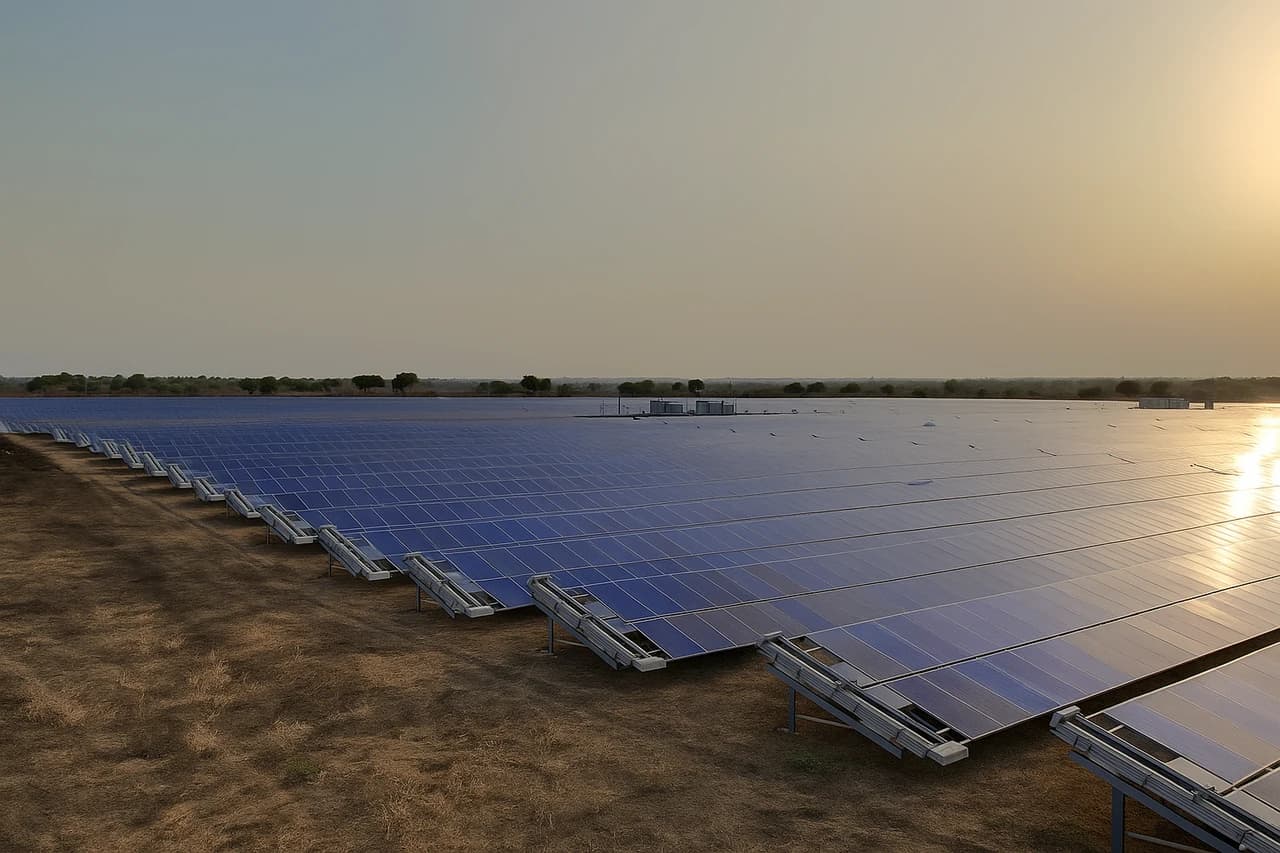
When you research pv module manufacturers in india, the focus is often exclusively on wattage, efficiency, and upfront capital expenditure (CAPEX). However, for a 50MW+ plant, the module design serves as the physical interface for your O&M fleet. Indian manufacturers, while standardizing panel dimensions for the domestic market, produce variations in frame thickness and mounting hole configurations that impact the compatibility of autonomous cleaning hardware.
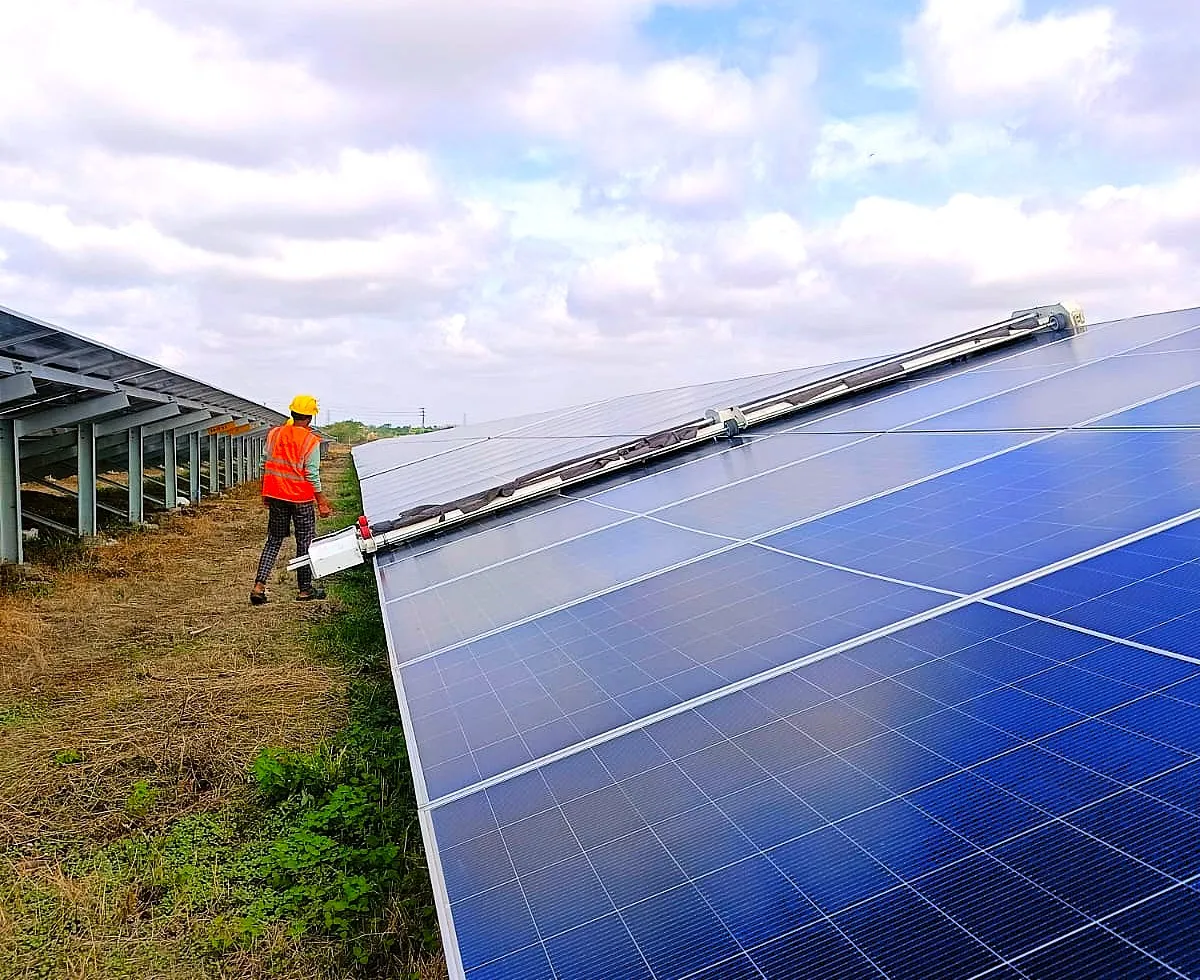
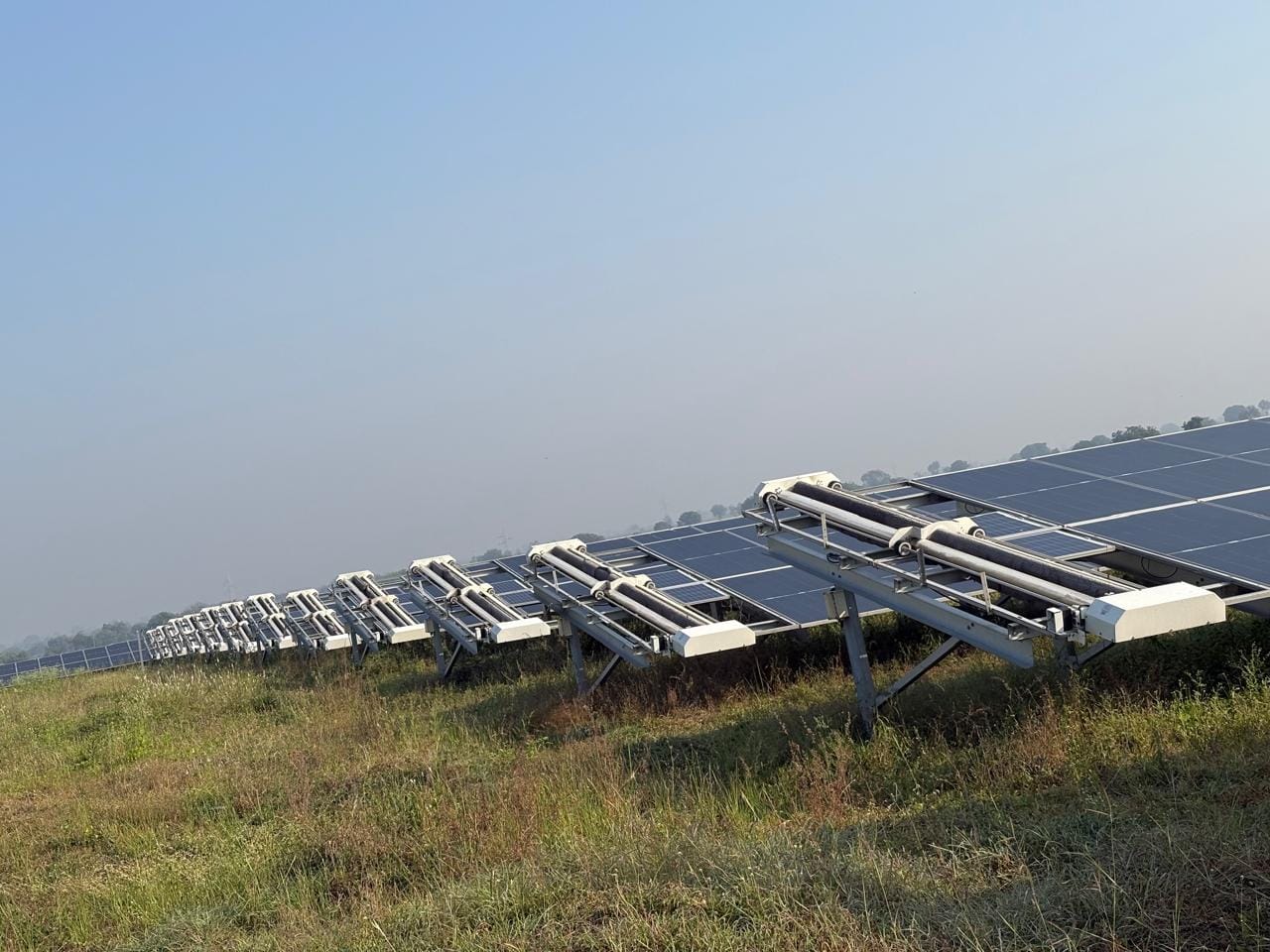
A proactive O&M lead understands that the best solar panel cleaning system is one that treats the module as a precision asset rather than a commodity. When selecting vendors, evaluate how their specific module frame geometry interacts with the track of a robotic system. For instance, if a module frame design creates an uneven surface, it may limit your choice to robots that use flexible body articulation to maintain consistent brush pressure. This is a critical consideration for operators who intend to deploy automatic solar panel cleaning system technology across large-scale, tracker-based installations where the angle of the modules fluctuates throughout the day.
Furthermore, the long-term O&M impact is tied to the warranty terms provided by manufacturers regarding surface abrasion. As you compare pv module manufacturers in india, it is vital to engage in discussions about the compatibility of your selected modules with dry-cleaning robots. High-quality PBT brushes or microfiber systems must be used within specified pressure tolerances to avoid micro-scratches that could trigger warranty voidance or degrade the anti-reflective coating over a 25-year lifecycle. Before committing to a fleet, ensure that your O&M plan is backed by a solar panel cleaning service that utilizes equipment rigorously tested on Indian-made modules to ensure efficiency gains without compromising structural integrity.
Impact of module design on robotic cleaning compatibility
The mechanical architecture of modern photovoltaic modules is a primary determinant of O&M lifecycle costs. When you evaluate pv module manufacturers in india, you are not just selecting a wattage rating; you are defining the constraints for your future robotic fleet. Modules characterized by thin, flexible framing or protruding edge seals can present significant hurdles for standard cleaning robots. If a module frame is not perfectly flush with the glass, the robot must negotiate an edge lip on every pass, which increases mechanical wear and risks damaging the robot brushes or the module frame itself.
For tracker-based utility plants, the module tilt range further complicates the hardware interface. Modules with deep frame profiles may experience shading or structural binding when paired with cleaning systems that rely on 360-degree bridge articulation. We have observed that procurement teams who consult with their O&M lead, or a specialist in solar panel cleaning system design, before finalizing module purchase orders see fewer long-term maintenance outages. Selecting modules that are compatible with standardized cleaning paths, such as those that avoid protruding junction boxes on the rear of the module or require minimal clearance for robot passage, ensures that your automatic solar panel cleaning system operates at peak uptime.
Critical module attributes for robotic integration
- Frame Geometry: Minimal protrusion beyond the glass plane reduces brush interference.
- ARC Integrity: Selecting modules with high-durability Anti-Reflective Coating (ARC) is essential for dry cleaning, as it prevents surface degradation during repetitive microfiber contact.
- Mounting Consistency: Uniform module spacing and alignment allow for faster robotic traversal speeds, reducing cycle time across your MW-scale plant.
- Weight Distribution: The module mounting system must support the additional load and vibration of automated units without inducing micro-cracks in the PV cells.
Comparative analysis of robotic cleaning approaches for utility-scale solar
Choosing the right robot involves balancing capital intensity, cleaning efficacy, and the specific requirements of your plant’s terrain and tracking systems. Below is a comparative overview of different robotic cleaning technologies available for utility-scale solar projects in India. This data helps O&M managers differentiate between equipment-only suppliers and integrated O&M partners.
| Criteria | Taypro (Dual-Pass) | Standard PBT Brush | Manual Crew |
|---|---|---|---|
| Cleaning Method | Dual-pass (Airflow + Microfiber) | Single-pass (PBT Brush) | Wet Cleaning / Brushes |
| Water Consumption | Zero (Waterless) | Zero (Waterless) | 1.5–2M Liters/MW/Year |
| Surface Safety | High (Microfiber safe) | Moderate (Check ARC) | Variable (Scratch risk) |
| Operational Model | Capex + Managed Opex | Capex Only | Labor / Outsourced |
| Tracker Suitability | High (GLYDE-X) | Moderate (NYUMA-X) | High (Manual flexibility) |
| Technology Focus | AI / Fleet Intelligence | Mechanical Cleaning | Human Reliability |
As the table highlights, the primary differentiator lies in the cleaning mechanism and the service model. While traditional PBT (Polybutylene Terephthalate) brushes are widely used, their single-pass nature can leave fine dust residue in high-soiling Indian environments. Taypro’s patented dual-pass approach, which combines a high-velocity air blast with a finishing microfiber wipe, is engineered to remove up to 99% of soiling, a level of performance required to maintain target Performance Ratio (PR) in extreme dust belts. When choosing between providers, always evaluate the long-term O&M service agreement, specifically how the vendor handles fleet monitoring through tools like the NECTYR interface, which allows for real-time adjustments to cleaning schedules based on live environmental data.
Ultimately, the transition from manual to robotic O&M is an investment in predictability. Manual labor, while flexible in the short term, is subject to human error, high water costs, and variable quality. Automated systems provide a standardized cleaning standard across every row, ensuring that your plant’s revenue performance does not fluctuate due to inconsistent cleaning cycles. Whether you select a CAPEX-heavy model or a managed O&M service, ensure the partner provides robust on-site support and spare parts availability across India, as robotic uptime is only as effective as the support network behind it.
Financial trade-offs: CAPEX of premium modules vs. OPEX of robotic O&M
In utility-scale plant design, the choice between high-efficiency PV modules and long-term O&M strategy is rarely a zero-sum game. Owners often weigh the upfront capital expenditure of Tier-1 modules against the recurring costs of water-based or manual cleaning. While a higher wattage module offers a lower LCOE (Levelized Cost of Electricity) in theory, this advantage is frequently neutralized if the plant lacks an automated strategy to counter soiling losses, which can reach 30% in India’s dusty regions.
When procurement teams select modules from top manufacturers in India, they should audit how specific glass textures and frame geometries impact cleaning costs. A module with a deeper frame or complex junction box placement often requires more sophisticated robotic hardware or manual intervention, driving up OPEX. Integrating a managed Opex model through services like Taypro’s autonomous fleet solutions allows developers to shift from uncertain manual cleaning budgets to a predictable, performance-linked expenditure model. This ensures that the premium paid for high-efficiency modules is actually protected by consistent, high-yield cleaning cycles.
The financial parity is reached when you analyze the 25-year lifecycle. Robotic cleaning, while requiring an initial capital outlay, provides a distinct ROI advantage by eliminating the massive annual cost of 1.5 to 2 million liters of water per MW and the unpredictable labor costs of manual crews. For a detailed breakdown of how your specific plant size influences these capital decisions, you can use our solar panel cleaning robot price calculator to compare your current manual costs against autonomous robotic integration.
Integrating robotics with local module technology for 100MW+ projects
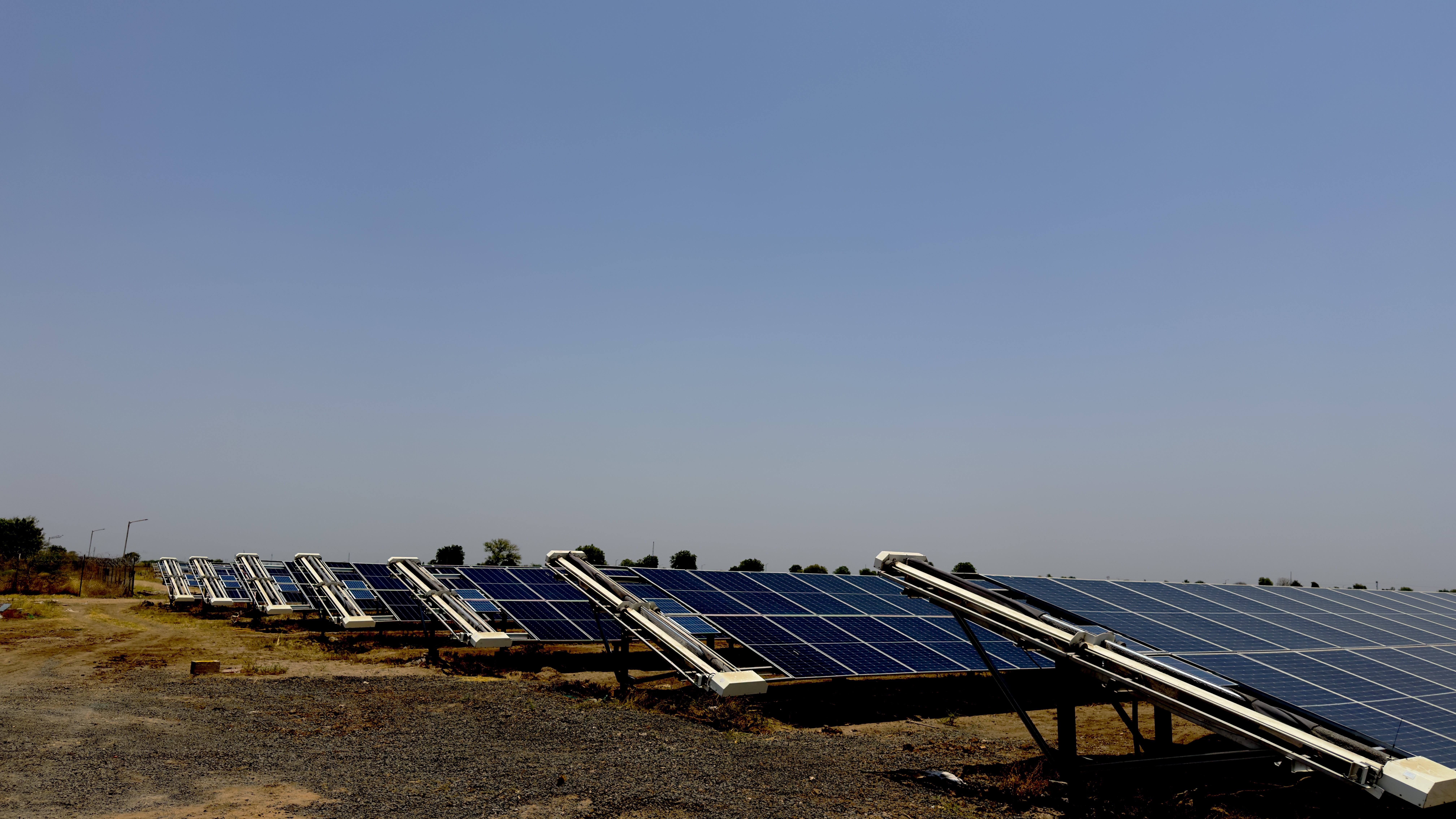
Scaling a solar farm beyond 100MW demands a shift from pilot-level maintenance to fleet-level autonomy. When integrating robotic solutions with panels sourced from major manufacturers in India, the primary engineering challenge is row-to-row uniformity. For plants using horizontal single-axis trackers, the compatibility between the tracker's rotation range and the robot's bridge, such as our GLYDE-X unit, is critical for preventing downtime and potential micro-crack formation.
O&M leads should prioritize the following checklists when commissioning large-scale projects to ensure robotic synergy:
- Support Structure Integrity: Ensure the tracker torque tubes and module mounting structures are rated for the dynamic load and vibration profile of your chosen autonomous robot.
- Communication Mesh: Utility-scale sites often suffer from signal interference; deploying a robust RF mesh network, like our NECTYR interface, is non-negotiable for real-time fleet health monitoring across scattered 100MW+ blocks.
- Standardized Spacing: Ensure that the gaps between module rows and the inter-table spacing are consistent with the robot's wheelbase and docking requirements, as outlined in our automatic solar panel cleaning system design guides.
- Edge Detection Calibration: Verify that the robot’s sensors are tuned to the specific frame dimensions of your selected module vendor, as even minor variations in frame protrusion can trigger false obstacles or pathing errors.
By treating the module and the cleaning robot as an integrated sub-system rather than disparate purchases, developers can achieve a seamless transition from commissioning to operations. Working with partners who maintain a local presence, such as our warehouses across India, ensures that if an adjustment is required during the ramp-up phase, technical support and spare parts are readily available. This holistic view is the difference between a plant that hits its target PR (Performance Ratio) on day one and one that struggles with cumulative soiling losses throughout its operational life.
What plant managers should do next
- Conduct an annual soiling audit to quantify the exact PR impact of your regional dust profile before locking in a cleaning procurement strategy.
- Standardize your module procurement to favor models with compatible glass coatings and frame geometries that have been verified for robotic microfiber or PBT cleaning.
- Prioritize O&M partners that offer an integrated fleet software layer, ensuring real-time visibility into robot health, battery cycles, and cleaning efficiency across the entire 100MW+ fleet.
- Shift from a pure CAPEX equipment mindset to a Total Cost of Ownership (TCO) model that accounts for the water savings, labor reduction, and yield recovery provided by autonomous systems.
- Schedule a technical feasibility study for your site’s specific tracker or mounting configuration to ensure robotic compatibility before the final EPC sign-off.
What O&M leads should prioritize during the procurement phase
Procuring robotic solutions requires shifting from a simple product-vendor relationship to a strategic operations partnership. As you evaluate automatic solar panel cleaning system vendors, focus on the technical synergy between the cleaning hardware and your chosen PV module geometry. Reliability at scale in Indian conditions is rarely about the initial price; it is about the sustained uptime of the entire fleet.
Use the following comparison framework when assessing potential partners to ensure your O&M budget aligns with long-term yield recovery goals.
| Criteria | Typical CAPEX Vendor | Taypro O&M Integration |
|---|---|---|
| Deployment Model | Equipment Purchase (CAPEX) | CAPEX + Managed Service (Opex) |
| Cleaning Technology | Varies (PBT/Microfiber) | Patented Dual-Pass Microfiber / PBT |
| Tracker Compatibility | Standardized models | Dedicated GLYDE-X / NYUMA-X lines |
| India Support | Variable/Dealer-based | Direct (8+ warehouses) |
| Fleet Monitoring | Basic diagnostic logs | NECTYR AI/ML Fleet Layer |
Beyond the technical specs, verify the following procurement pillars before finalizing any agreements:
- Service Level Agreements (SLAs): Demand clear uptime guarantees that cover not just the robots, but the diagnostic connectivity required for your automatic solar panel cleaning system to function autonomously.
- Local Spares Inventory: Confirm that the manufacturer maintains active, regional stock of high-wear components like brushes or drive belts in India to avoid multi-week supply chain delays.
- Soiling-Responsive Scheduling: Prioritize systems that integrate live plant performance data to trigger cleaning cycles, ensuring that robots operate only when soiling thresholds dictate, thereby preserving mechanical life.
- TCO vs. Capex: Use our solar panel cleaning robot price calculator to project the five-year operational cost, including energy recovery versus the labor overhead of manual alternatives.
Selecting the right technology today avoids the high cost of retrofitting incompatible cleaning systems onto your PV modules later. By focusing on manufacturer-verified compatibility and robust, locally-supported robotic platforms, asset owners can ensure that their plants remain at peak performance throughout their 25-year operational lifecycle.
Frequently asked questions
Module frame geometry and anti-reflective coating durability directly determine whether your robotic cleaning system will operate smoothly or cause mechanical damage to your panels. Selecting modules that are compatible with your chosen robotic cleaning platform is essential to maintaining high performance ratios while avoiding the structural integrity risks associated with hardware-module friction.
Yes, frame design is a critical factor. Irregular frame heights or protruding edges can create friction and wear, potentially damaging the module during automated cycles. Robots often require uniform surfaces to function at peak efficiency. By aligning your procurement strategy with your O&M equipment, you ensure the robot can traverse the array smoothly, which protects the panels and maintains a high performance ratio across the entire utility site.
Robotic cleaning significantly boosts ROI by addressing the 10–30% energy losses typical in Indian dust belts. Integrating autonomous systems can lower overall O&M costs by up to 60% compared to traditional manual labor. Furthermore, using modules with high-durability anti-soiling coatings can extend the interval between cleaning cycles by up to 15%, maximizing energy output while simultaneously reducing the frequency and cost of necessary maintenance.
Waterless cleaning technology is essential for large-scale Indian installations because it provides a sustainable, cost-effective solution for massive arrays. Modern robotic systems reduce cleaning-related water consumption by 100% compared to manual wet methods. This eliminates the logistical burden of transporting water to remote sites, reduces operational expenses, and prevents the potential for residue buildup on glass, ultimately ensuring the long-term efficiency of your solar power generation assets.