
Utility solar maintenance in India is how operators defend PPA revenue against dust, heat, equipment faults, and downtime. On 10–100 MW assets, maintenance is not a loose checklist taped in the control room. It is an integrated program binding performance ratio, availability, safety, and audit documentation that lenders and off-takers review every dry season.
This guide gives plant managers, O&M contractors, and asset teams one framework: workstreams, cadences, cleaning as PR recovery, seasonal planning for Rajasthan and Gujarat dust, and monthly packs that survive technical advisor scrutiny. Use it to align vendors before the next May storm cycle.
Quick answer
- Bind maintenance to PR and availability KPIs, not activity counts alone.
- Treat cleaning as revenue recovery tied to soiling measurement.
- Split control room vs field cadences with clear ownership.
- Plan seasonal dust surges before west India dry months.
- Produce monthly audit packs lenders expect.
Maintenance workstreams on MW plants
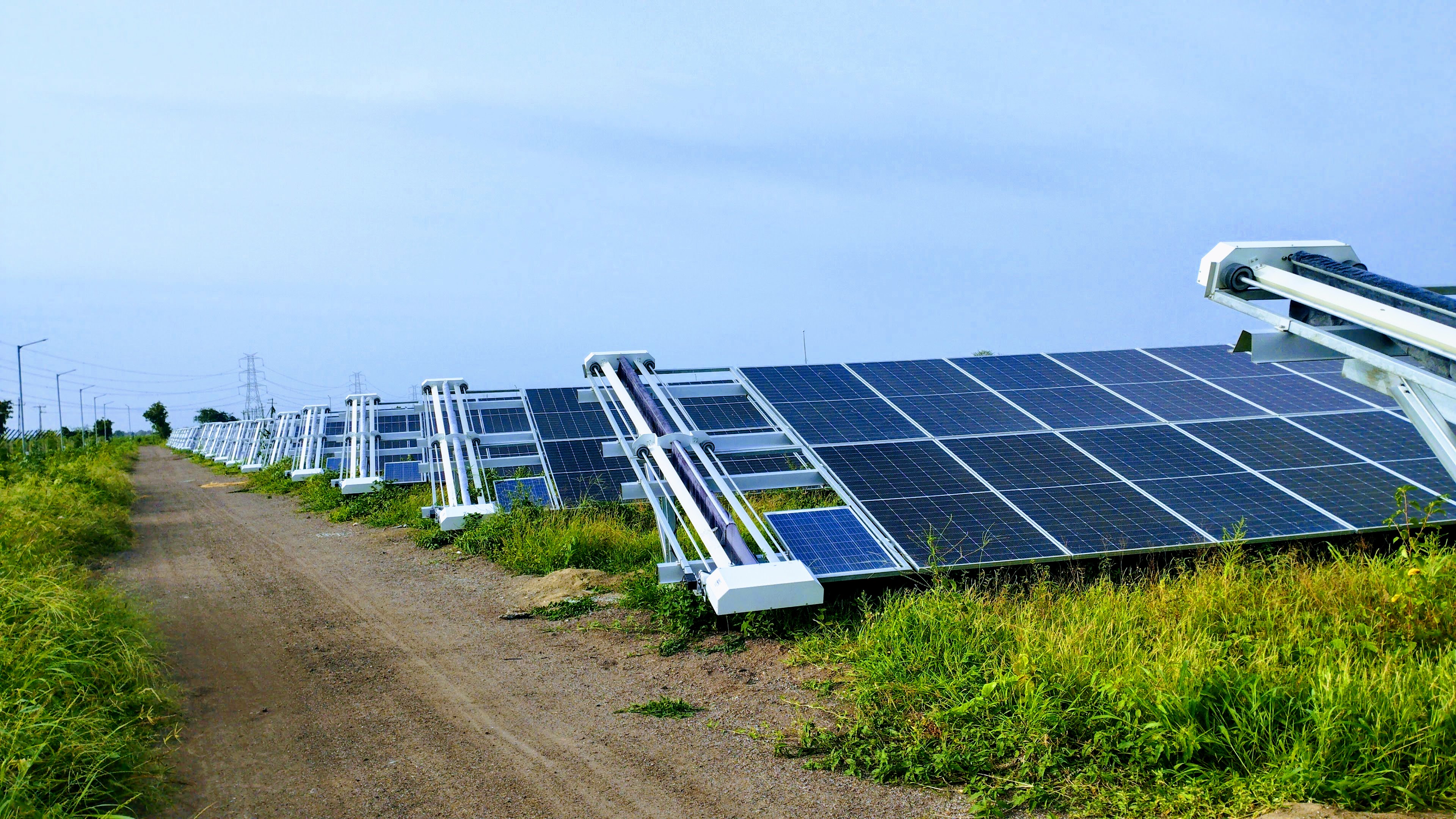
Utility O&M spans electrical (inverters, transformers, breakers), mechanical (trackers, drives, structures), civil (roads, drainage, fences), vegetation, SCADA and communications, safety systems, and cleaning/soiling management. Each stream affects PR differently: inverter faults cause hard outages; soiling causes soft PR depression across live equipment.
Integrated planning prevents cleaning crews from blocking inverter maintenance windows, or vegetation fires from damaging cables the week after a major clean. One O&M calendar beats siloed vendor schedules.
Recommended cadence framework
| Workstream | Control room | Field | Seasonal notes |
|---|---|---|---|
| SCADA / alarms | Daily | As dispatched | Pre-monsoon comms checks |
| PR / soiling | Weekly review | Reference modules monthly | Daily PR watch in May storms |
| Cleaning execution | Coverage logs | Event + scheduled | Surge plan before dry season |
| Inverters / electrical | Daily KPIs | Monthly rounds | Thermography quarterly |
| Trackers | Alarm trends | Monthly–quarterly | Wind season stow audits |
| Vegetation | N/A | Monthly growth zones | Pre-fire summer cutbacks |
Adapt to contract SLAs. See 2025–2026 maintenance checklist for field detail.
Performance ratio as the maintenance scoreboard
PR connects cleaning, tracker accuracy, inverter health, and curtailment normalization. Monthly PR trending with stated irradiance methodology is the scoreboard asset management owns. Cleaning without PR verification is activity; cleaning with reference module proof is maintenance.
Use PR calculation guide consistently. Investigate PR stair-steps: soiling, inverter clipping, tracker fault, or grid curtailment each has different tickets.
Cleaning within the maintenance program
Define soiling triggers, approved methods per OEM, storm recovery SLAs, and documentation standards. On 30 MW Gujarat sites, a 4% sustained PR gap may cost ₹30 lakh+ in five dry months at ₹3.50/kWh while cleaning spends ₹15–25 lakh to close much of that gap.
Choose methods via five-year economics: methods compared, frequency in India, robot vs manual, and ROI calculator.
Seasonal maintenance: dry season vs monsoon
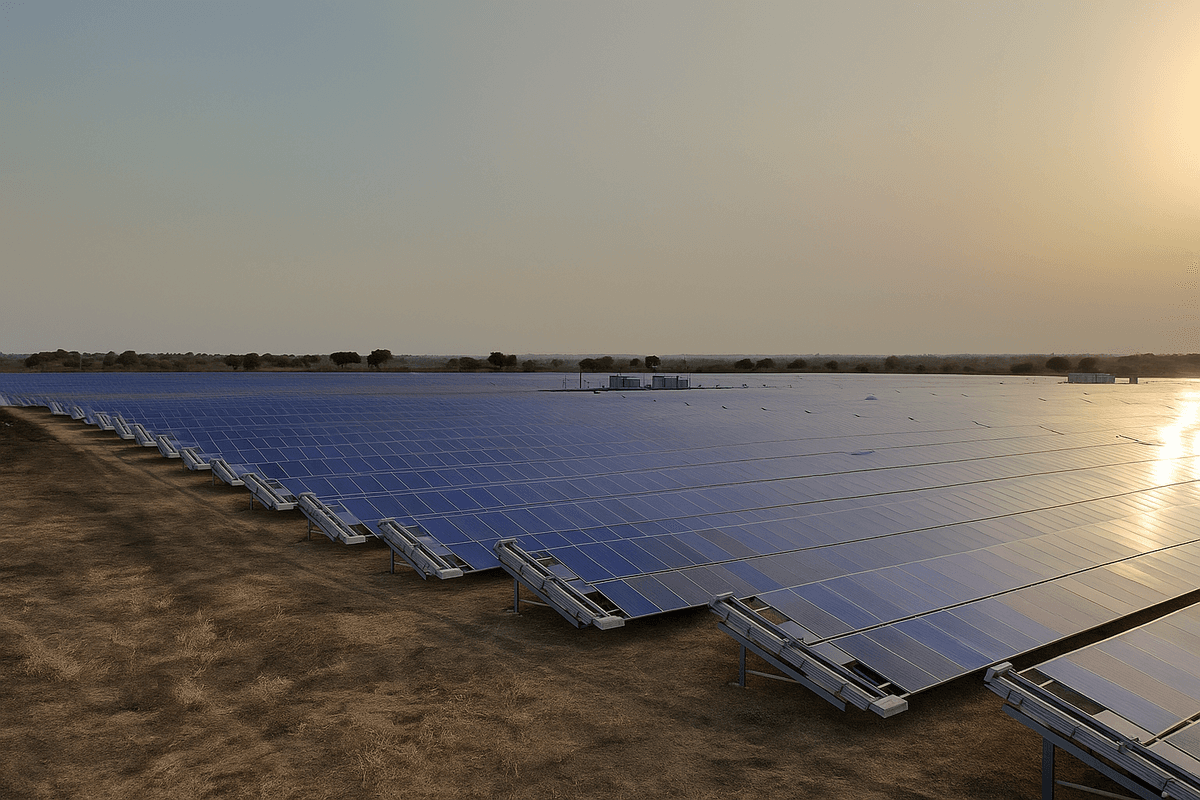
West India dry season (roughly March–June) demands cleaning surge capacity, dust storm playbooks, and heat safety protocols. Monsoon brings lightning risk pausing wet cleans, drainage inspections, and post-monsoon mud removal on low blocks. Karnataka and Maharashtra patterns differ; localize plans using seasonal maintenance guide and weather impact on cleanliness.
Pre-position spares, robot batteries, and manual surge contracts before May, not after the first haboob.
Electrical and tracker maintenance essentials
Inverter preventive maintenance per OEM, torque checks on connectors where programs exist, transformer oil and DGA trends on larger assets, and tracker drive inspections reduce hard outages that masquerade as mysterious PR loss. Thermography rotation finds hot spots before failures.
Tracker misalignment depresses PR similarly to soiling but will not fix with robots. Triage before blaming dust alone.
Illustrative annual O&M budget split (50 MW IPP)
| Category | Illustrative % of O&M | PR linkage |
|---|---|---|
| Electrical / inverters | 30–40% | Availability, hard outages |
| Trackers / mechanical | 15–25% | Alignment, stow faults |
| Cleaning / soiling | 15–25% | Direct soft PR recovery |
| Vegetation / civil / safety | 10–20% | Indirect availability risk |
| SCADA / admin / reporting | 5–10% | Measurement integrity |
Percentages vary by site age and dust regime. Cleaning share rises in Rajasthan desert assets.
Contracts, roles, and accountability
Asset management sets PR and availability targets. O&M contractors execute with defined response times. Cleaning vendors or robot operators report coverage and water use. Ambiguity causes PR shortfalls everyone disputes: was it soiling, inverter fault, or curtailment?
Contracts should name irradiance data source, PR formula, cleaning SLA after dust events, and bonus or penalty bands where commercially appropriate.
Monthly maintenance pack contents
- PR trend vs budget with normalization method stated
- Availability and major outage log
- Cleaning campaigns: blocks, method, water, coverage
- Tracker and inverter fault summary
- Open risks and next-month plan
Lenders and technical advisors increasingly request dry-season packs comparing actual to base case.
Spares strategy belongs in maintenance budget: critical inverter components, tracker drive parts, fuse stocks, and robot brushes. Stockouts during May dust season extend PR loss while POs clear. Leading IPPs align spares levels with supplier lead times plus two weeks of peak-season risk.
Degradation, soiling, and long-term performance testing
Annual module degradation tests and IV sampling should separate true cell degradation from soiling masking. Plants that never clean may misattribute soiling loss to degradation in LTA models, understating recoverable MWh. Maintenance program should schedule at least one clean reference baseline before annual performance testing.
Long-term offtakers comparing year-five output to P50 should document soiling management history; otherwise disputes blend O&M neglect with resource risk.
Revenue-grade meters and SCADA validation belong in maintenance scope. Cleaning PR gains vanish from reports if irradiance sensors drift or CTs degrade. Quarterly meter health checks protect the KPI cleaning is judged against.
Handover from EPC to O&M: maintenance baseline
At COD, EPC should deliver as-built drawings, spare parts lists, OEM maintenance intervals, initial PR baselines, and cleaning method approvals. O&M contractors accepting handover without reference module calibration inherit blind spots that surface first dry season.
Defect liability period cleaning after construction dust is EPC responsibility in well-drafted contracts. Clarify before practical completion to avoid first-year PR fights.
Digital twin and CMMS integration
Leading O&M teams map every block in CMMS with equipment tags linking inverters, trackers, combiners, and last cleaning event. When SCADA flags PR drop on Block 4, engineers see open tracker tickets and cleaning date in one view. That integration cuts mean time to diagnose by hours.
Digital twin investments are optional but maintenance data structure is not. Standard block IDs across cleaning, electrical, and vegetation vendors prevent reconciliation nightmares in monthly packs.
Training and competency matrix
Utility maintenance quality tracks people, not only schedules. Define competency matrix: who may authorize cleaning methods, who signs wind hold releases for robots, who approves inverter isolation permits. Annual refresher on heat illness and HV safety belongs beside OEM cleaning training.
Rotate engineers through monsoon and dry-season lead roles so knowledge does not leave with one senior supervisor. Documentation of training hours supports insurer and lender audits after incidents.
Should maintenance prioritize cleaning or inverters when budget is tight?
Prioritize by measured impact on MWh. Hard inverter outages top immediate dispatch lists. Sustained 4–5% PR loss from soiling on a healthy fleet may cost more annual MWh than intermittent minor faults. Run parallel triage: fix outages first, but do not defer proven soiling loss through a full dry season to save short-term O&M cash.
Key takeaways for plant managers
- One integrated O&M calendar across electrical, trackers, and cleaning.
- Use PR as the maintenance scoreboard with consistent methodology.
- Seasonal dust plans are mandatory in west India, not optional add-ons.
- Document everything lenders and off-takers might audit.
- Budget cleaning as revenue recovery with measured triggers.
Integrate cleaning into the same monthly pack as inverter availability. Siloed O&M streams hide whether PR loss is dust, downtime, or curtailment.
Related resources
Frequently asked questions
Inverter and transformer care, tracker mechanics, vegetation control, SCADA health, safety systems, thermography, and performance reporting. Cleaning is one major workstream directly tied to PR through soiling management. All streams roll into the same monthly KPI pack asset managers send lenders and off-takers.
Daily SCADA and alarm review, weekly PR and soiling checks, monthly field rounds on critical equipment, quarterly thermography rotation, and seasonal cleaning surge plans before west India dry season. Exact cadence varies by site age, dust regime, and contract SLAs.
Often split between asset management owning KPIs, O&M contractor executing work, and specialist cleaning vendors or robot fleets. Contracts must define PR accountability, availability definitions, and escalation when soiling or equipment faults depress output.
CMMS tickets, cleaning logs with water and coverage data, inverter outage records, incident and near-miss reports, vegetation records, and monthly PR packs with irradiance normalization methodology stated. Lenders request these during dry-season technical reviews.
Treat cleaning as revenue-recovery O&M with measurable PR impact, not discretionary polish. Budget using soiling history, method TCO, and recovered MWh at PPA tariff. Underspending cleaning while overspending on reactive storm mobilization is a common portfolio mistake.