
Indian solar seasons do not match a single global O&M manual. A checklist that works in January fails in May dust, and monsoon weeks hide problems that show up again in October haze. Utility operators on 10 MW to 100 MW sites need seasonal playbooks tied to soiling science and regional weather, not generic spring and fall tips from temperate climates.
This guide maps four Indian seasons to concrete field actions: what to change in cleaning frequency, tracker programs, vegetation control, and PR reporting. Numbers are industry-typical starting points. Calibrate every threshold with on-site reference modules and your PPA tariff.
Quick answer
- Pre-monsoon (Mar-Jun): peak dust in west and north; increase cleaning capacity and storm response.
- Monsoon (Jun-Sep): leverage rain but fight mud, vegetation, and drainage issues.
- Post-monsoon (Oct-Nov): agricultural residue and crop-burn haze in many states.
- Winter (Dec-Feb): lower soiling in some interiors; still monitor coastal salt and fog pockets.
- Adjust PR budgets seasonally. Year-flat targets mislead boards and lenders.
Why seasons matter more at utility scale
On a rooftop array, missing one dusty week costs little. On a 50 MW PPA asset at ₹3.50/kWh, a 4% PR depression for thirty dry days can approach ₹1.5 crore in foregone energy. Seasonal playbooks exist to surge capacity when physics demands it and conserve O&M spend when rain or low irradiance reduces marginal benefit.
Finance teams should see seasonal O&M as revenue protection with a calendar, not a fixed monthly invoice. Pair this guide with the utility maintenance checklist and utility-scale operations hub.
Pre-monsoon dust season (March through June)
This is when Rajasthan and Gujarat losses spike and dust events compress cleaning windows to 48-96 hours.
Field priorities
- Pre-stage water tanks, robot batteries, or contractor surge crews before IMD high-wind alerts.
- Shorten cleaning intervals on leeward row ends and tracker edges where dust deposits first.
- Review waterless options if tanker costs rise or borewell depth limits withdrawal.
- Calibrate reference modules after each major storm; do not trust last month's soiling baseline.
- Verify tracker wind-stow programs and grease schedules per OEM bulletin before peak wind weeks.
Worked example: pre-monsoon surge on a 30 MW block
Assume manual wet cleaning normally runs every 14 days at ₹4 lakh per full pass. In May, two dust storms hit within ten days, pushing effective soiling to 7% before the next scheduled round.
- Extra unplanned pass cost: roughly ₹4 lakh plus tanker premium
- Energy at risk if delayed 7 days at 5% loss: roughly 30 MWh on a 30 MW block (order of magnitude)
- At ₹3.50/kWh: approximately ₹10.5 lakh foregone vs ₹4 lakh incremental clean cost
The surge pays on revenue math alone. Document this in O&M contracts so contractors are not surprised by May intensity.
Monsoon operations (June through September)
| Risk | Field action | PR / reporting note |
|---|---|---|
| Mud splatter after heavy rain | Targeted wash within 1-2 weeks before bake-hard | Do not credit rain as full clean without reference data |
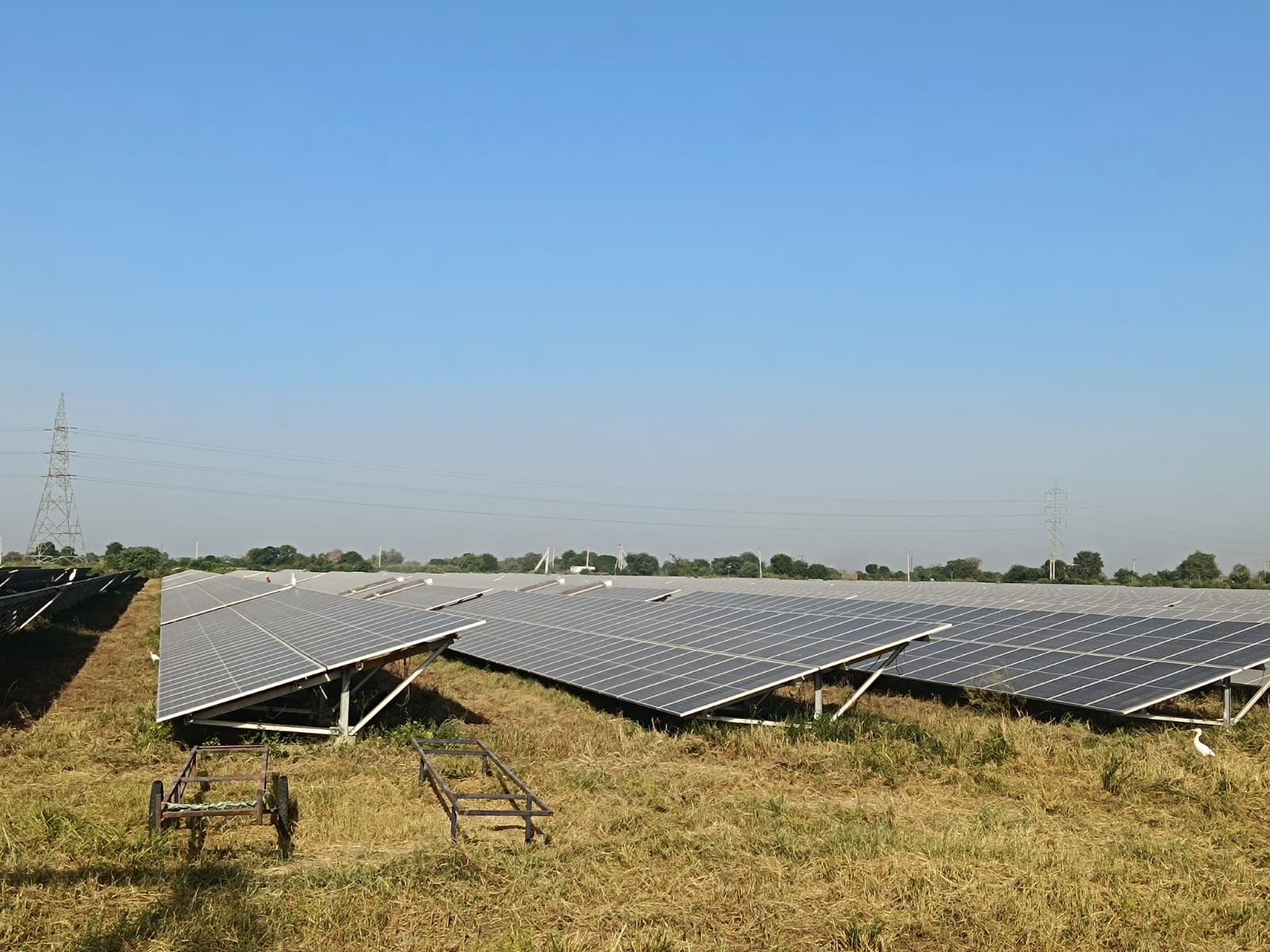
| Vegetation under arrays | Trim for fire access and shading control | Log before/after drone shots for insurer audits |
| Waterlogging near inverters | Drainage checks, skid elevation, gland inspection | Separate availability loss from soiling in SCADA |
| Lightning and grid trips | Availability logging, surge protection review | Do not blame soiling for inverter downtime |
| Reduced robot utilization | Schedule electrical thermography and training | Use low-clean months for capex planning |
Do not assume rain equals clean. See seasonal soiling variation data for India and weather impact on panel cleanliness.
Post-monsoon and harvest periods (October through November)
Punjab, Haryana, Maharashtra, and parts of Uttar Pradesh see particulate loads after harvest and stubble-burn seasons. PR can dip even when modules look mildly dusty to the naked eye. Fine particulates scatter light without obvious uniform films.
- Increase air-quality monitoring or use satellite aerosol products as a planning input.
- Be ready for extra pass cycles in October and November on blocks downwind of agricultural zones.
- Reconcile PR dips with harvest calendars before opening module quality disputes with EPC.
- Inspect combiner boxes and cable trays for rodent activity after monsoon growth retreats.
Winter: lower profile, not zero maintenance (December through February)
- Coastal plants in Tamil Nadu and Gujarat: salt film maintenance continues on 14-28 day cycles.
- Northern fog belts: soiling plus inverter morning behavior; watch clipping and availability separately.
- Use lower-intensity months for thermography, pyranometer calibration, and safety permit renewals.
- Review annual O&M spend vs budget; adjust next year's seasonal surge allocation.
Seasonal cleaning frequency guide (starting point)
| Season | High-dust utility site | Moderate inland site | Coastal utility site |
|---|---|---|---|
| Pre-monsoon | 7-14 days manual; more frequent robotic | 14-21 days | 10-21 days with rinse focus |
| Monsoon | Event-driven plus vegetation focus | Event-driven | Salt rinse after dry spells |
| Post-monsoon | 10-21 days if haze persists | 21-28 days | 14-21 days |
| Winter | 14-28 days interior; 14-21 coastal | 28+ days monitor-only | 14-28 days salt program |
Tune with on-site loss measurement: how often to clean in India.
Tracker-specific seasonal tasks
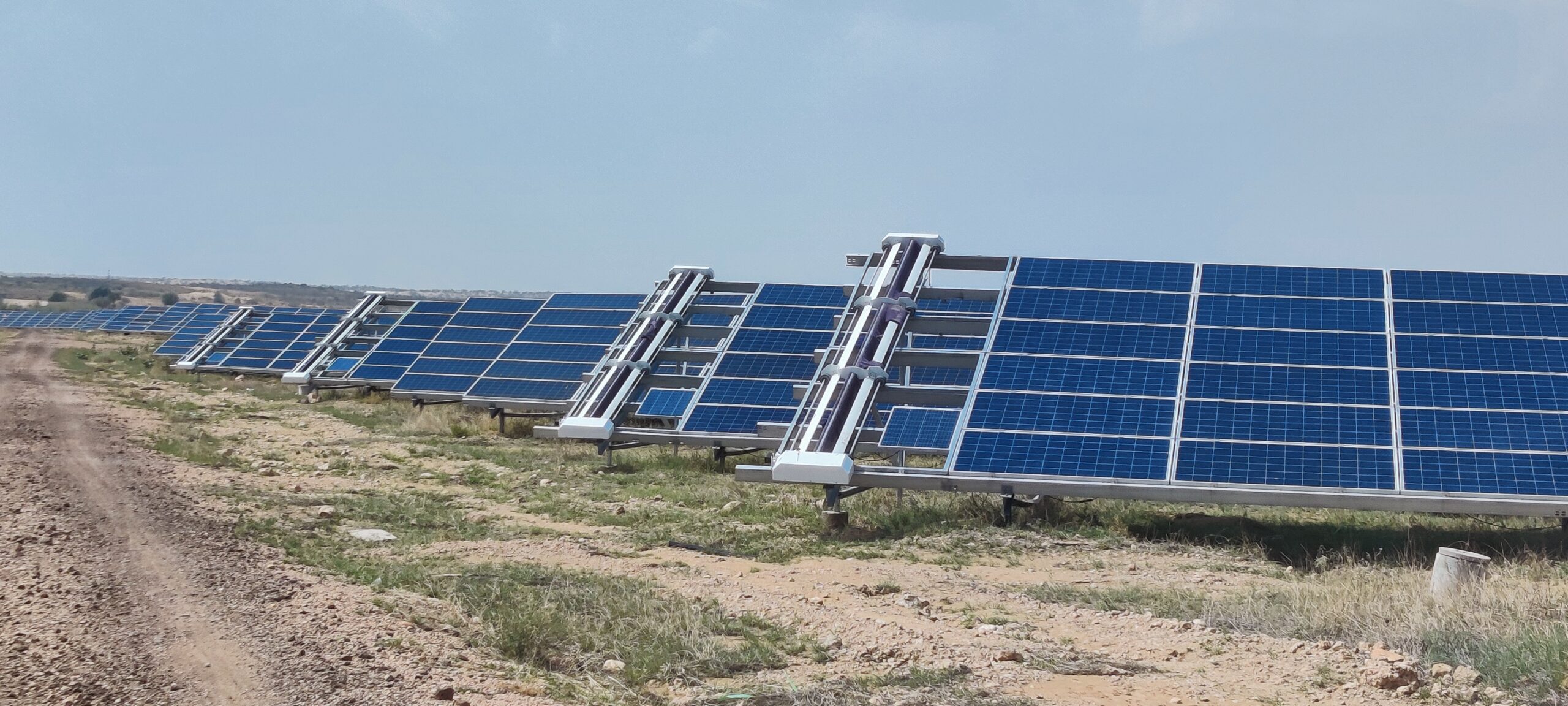
On tracker plants, align grease programs and wind-stow tests with OEM seasonal bulletins. Cleaning robots need battery and rail inspections before dust season peaks. Night-pass programs depend on documented stow clearance; verify after any tracker firmware update.
Compare robotic cleaning on trackers vs fixed tilt when splitting seasonal budgets across block types.
Seasonal PR reporting for asset managers
Present PR as bands, not a single annual target:
- Best month: post-clean, high-irradiance period (often October or March on some sites)
- Worst month: pre-monsoon peak without surge cleaning
- Budget PR: irradiance-normalized target with seasonal adjustment documented in the model
Lenders and off-takers increasingly ask why March PR trails October. A seasonal narrative prevents false equipment-failure assumptions.
State-specific seasonal notes (starting points)
| State profile | Peak risk months | Primary seasonal task |
|---|---|---|
| Rajasthan | April-June | Dust surge and water logistics |
| Gujarat | March-June, coastal salt year-round | Split wet rinse and dry by block |
| Punjab / Haryana | October-November | Harvest haze and stubble-burn particulates |
| Karnataka | Pre-monsoon and post-monsoon | Moderate dust plus vegetation under tables |
| Tamil Nadu coast | All seasons | Salt film maintenance |
Seasonal budget template for asset managers
Split annual O&M into four buckets rather than twelve equal months:
- Q1 (Jan-Mar): 15-20% of cleaning spend, prep and early dust
- Q2 (Apr-Jun): 35-45% of cleaning spend, surge capacity
- Q3 (Jul-Sep): 15-20%, event-driven and vegetation
- Q4 (Oct-Dec): 20-25%, haze recovery and winter coastal programs
Reconcile quarterly against recovered MWh using PR calculation methods. Boards accept seasonal bands when finance sees the physics behind the spend.
Monsoon-to-winter handoff checklist
- Drainage inspection on all inverter skids and combiner low points
- Vegetation cut under tables before winter soiling from haze
- Recalibrate reference modules after last monsoon rinse
- Review robot rail corrosion on coastal blocks
- Update PR seasonal band in annual budget model
October handoff is when many plants discover July mud packs that were never targeted because rain masked PR impact temporarily.
Key takeaways
- Build four seasonal playbooks, not one annual calendar.
- Spike O&M capacity pre-monsoon in western deserts.
- Separate rain rinse from mud recovery work during monsoon.
- Report seasonal PR bands to asset managers honestly.
- Link surge spend to recovered MWh, not habit.
Update seasonal playbooks after each full weather year. Static calendars fail when land use, module age, or tracker density changes across blocks.
Related resources
Frequently asked questions
Pre-monsoon months (April through June) in northwest India often show the highest dust accumulation. Post-harvest periods add agricultural particulates in Punjab, Haryana, and Maharashtra. Coastal sites face salt films year-round with monsoon rinse cycles.
Reduce scheduled dry-season intensity when natural rain rinses dust, but inspect for mud packs, drainage blockages, and vegetation growth. Targeted cleans after storms still matter where mud dries into cemented films.
Pre-monsoon: verify stow programs and motor grease. Monsoon: check drainage and corrosion. Post-monsoon: clear growth under tables before winter soiling from haze and crop burn.
A 3-6 point PR swing between best post-clean month and worst dry month is common on dusty sites without daily cleaning. Document seasonal baselines so asset managers do not confuse weather with equipment failure.
Allocate 40-50% of annual cleaning spend to pre-monsoon months in Rajasthan and Gujarat type climates. Hold 15-20% for post-monsoon haze recovery. Use monsoon for vegetation, drainage, and electrical deep checks.
Yes. Pre-monsoon: battery health, rail inspection, firmware updates. Monsoon: store robots dry, check seals. Post-monsoon: brush wear review after mud events. Winter: reduced passes but continued coastal salt programs.