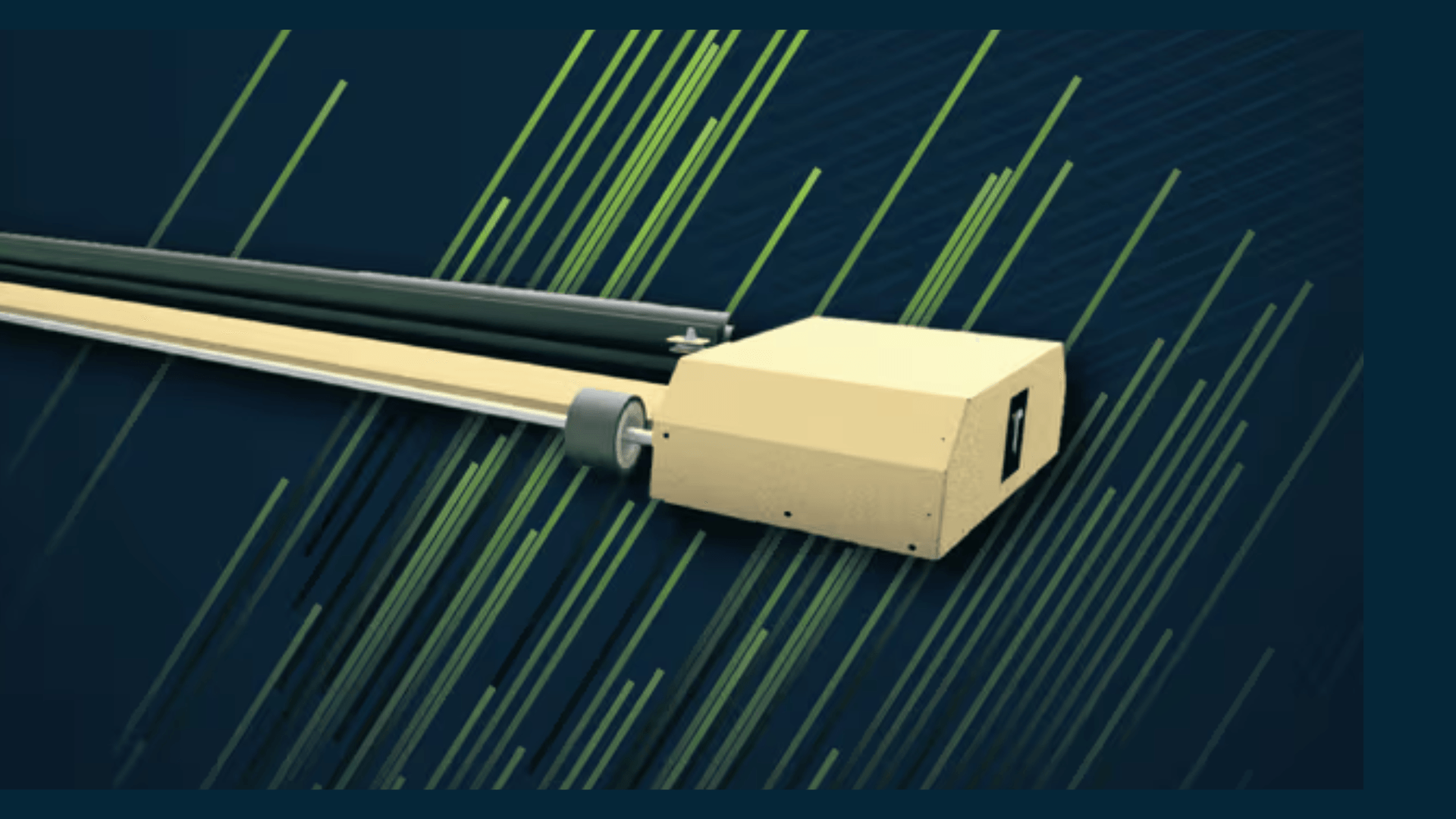

Brush debates matter because Indian dust is not uniform loess. Agricultural grit, quarry fines, and cemented films after pre-monsoon storms behave differently on glass. Material choice and pass strategy determine whether you remove dust safely or micro-scratch modules while chasing visible shine.
This article compares microfiber and traditional brush approaches for utility plants, explains dual-pass waterless logic used in advanced robotic systems, and frames warranty and economics for 10 to 100 MW owners in dusty regions.
Quick answer
- Microfiber suits fine dust when pressure, speed, and brush cleanliness are controlled.
- Traditional nylon brushes remain common in manual crews but embed grit faster if not maintained.
- Dual-pass waterless targets heavy dry-soiling loads common in western India.
- Always follow module OEM cleaning approval for tool and method.
- At MW scale, repeatable robot pressure often beats inconsistent manual dual rounds.
What Indian dust does to glass
Utility sites in Rajasthan, Gujarat, and parts of Maharashtra see multi-layer soiling: loose surface dust, electrostatic cling in dry heat, and cemented patches after drizzle-on-dust events. A single light pass may polish the surface while leaving a transmission-killing film. Coastal sites add salt crystals that scratch if dragged with embedded grit.
Brush selection must match soiling physics, not only procurement cost per pole head.
Brush comparison table
| Brush type | Pros | Risks | Typical use |
|---|---|---|---|
| Microfiber (OEM-approved) | Fine dust pickup, lower scratch risk when clean | Wrong pressure still abrasive; clogs in mud | Manual poles, robot heads |
| Traditional nylon | Low unit cost, familiar to crews | Grit embedding, streaking, wear | Manual wet wash legacy |
| Engineered robot head | Consistent speed, load, dual-pass logic | Requires row fit and OEM sign-off | 10 MW plus waterless fleets |
| High-pressure water only | No brush contact | Water cost, edge streaking, J-box risk if mis-aimed | Some EPC sprinkler designs |
Microfiber in manual vs robotic systems
Manual crews with microfiber pads can achieve good results on small blocks with supervision and fresh pads each shift. On 50 MW sites, pad contamination mid-shift is common: a brush that picked quarry grit at row 40 scratches row 200. Robots replace or clean heads on schedule, enforce constant traverse speed, and log passes for audit.
Read manual brush limits at 50 MW and cleaning best practices.
Dual-pass waterless logic
Dual-pass means two controlled traverses per row. Pass one lifts bulk dry dust without smearing. Pass two finishes remaining film with a cleaner brush surface or adjusted head settings. On heavy Indian loads, single-pass systems may leave PR recovery on the table while appearing visually acceptable from the aisle.
Waterless dual-pass avoids tanker dependency and fits night schedules on trackers at stow. Water-based dual-pass doubles water cost and drying streak risk in heat. Compare waterless vs water-based methods.
Worked example: 10 MW plant brush economics (illustrative)
10 MW fixed-tilt, heavy May dust, single manual pass recovers 60% of PR gap vs clean baseline; dual manual pass recovers 90% but doubles crew days. Illustrative crew cost ₹4 lakh per full-plant single pass, ₹8 lakh dual. Robot fleet dual-pass same week ₹5 lakh loaded including O&M amortization with digital logs.
| Method | PR recovery (illustrative) | Full-plant cost (illustrative) | Audit trail |
|---|---|---|---|
| Single manual nylon pass | Partial | ₹4 lakh | Photos only |
| Dual manual microfiber | High if QA strict | ₹8 lakh | Variable |
| Robotic dual-pass waterless | High if uptime high | ₹5 lakh loaded | Row logs |
Replace with pilot data on reference blocks. Use PR measurement before and after each method.
Module warranty and documentation
OEM bulletins specify maximum brush pressure, prohibited tools, and allowed detergents. Deviations do not automatically void warranty, but they weaken defense if hotspots or glass haze appear along cleaning paths. Store method records: date, block, brush type, vendor, robot firmware version.
New module technologies: 2025 module tech and cleaning implications. Manufacturer alignment: module specs and O&M strategy.
Tracker and regional notes
Long tracker rows amplify manual inconsistency: first modules get fresh pads, last modules get worn heads. Robots with engineered dual-pass maintain uniformity if wind and stow interlocks permit night runs. Coastal Gujarat adds salt films where microfiber finish passes help if approved.
Tracker context: tracker maintenance guide, tracker cleaning systems.
Should a plant switch from nylon crews to robotic microfiber dual-pass?
Pilot first on two dirty blocks. Switch when dual manual passes are needed for PR targets but labour cost or cycle time fails storm-recovery windows, and robot OEM provides module approval plus pass logs. Stay on supervised manual microfiber if soiling is mild and single passes already hold PR within 1 to 2% of baseline.
Pressure and speed: the variables brush marketing hides
Microfiber on a robot at controlled 0.3 to 0.5 m/s traverse behaves differently than the same pad pushed manually with uneven force. OEM approvals specify combinations of material, speed, and downforce, not fiber brand alone. Never transfer approval from one system to another without written confirmation.
Seasonal brush maintenance schedule
| Season | Brush risk | Action |
|---|---|---|
| Pre-monsoon dust | Grit embedding | Daily pad inspection manual; scheduled head swap robots |
| Monsoon mud | Clogged fibers | Avoid abrasive scrub; approved rinse if OEM allows |
| Post-harvest haze | Fine film | Microfiber finish pass effective if approved |
| Coastal salt | Crystal scratching | Rinse before dry brush contact if required |
Pilot protocol for brush method comparison
On two dirty 1 MW reference segments, run approved single-pass nylon, dual-pass microfiber manual, and robotic dual-pass waterless with identical PR measurement windows. Log cost, hours, water, and PR delta. Winner is lowest rupees per recovered MWh, not shiniest glass from the access road.
Waterless dual-pass and ESG reporting
Waterless robotic dual-pass reduces withdrawal liters reported in sustainability questionnaires versus wet nylon crew programs. Document liters avoided with metered baseline from prior wet program or engineering estimate accepted by your ESG auditor. Pair with waterless comparison hub.
Vendor claims checklist
Reject vendors who cite brush material alone without speed, pressure, pass count, and OEM approval package. Request third-party or client-reference PR studies with stated methodology matching your asset standard.
Field inspection checklist after brush trials
After any brush trial, inspect random modules under oblique light for micro-scratching and edge stress. Photograph before and after at the same module IDs. Compare IV or flash test samples if warranty is a concern. Run the trial on the dustiest block, not the cleanest row near the substation.
Log brush age in machine hours. Traditional nylon brushes embed grit faster when maintenance intervals slip; microfiber systems fail when pads are reused past vendor limits in heavy quarry-dust sites.
Key takeaways
- Brush material is only one variable; pressure, cleanliness, and pass count matter equally.
- Dual-pass logic addresses real Indian cemented dust films.
- Document methods for warranty and lender O&M reviews.
- Robots excel where manual dual-pass scale economics fail.
- Never use unapproved abrasive tools to save time.
Brush trials should run on your heaviest post-storm soiling, not on lightly dusty demo rows. Warranty risk shows up on the worst block, not the best.
Related resources
Frequently asked questions
Microfiber can lift fine dust with lower abrasion risk when used in approved systems with controlled pressure and clean brush surfaces. Unapproved aggressive brushes or grit-loaded pads can scratch glass or damage anti-reflective coatings regardless of fiber type.
Dual-pass cleaning runs two sequential passes over the same row. A first pass lifts dry dust and grit; a second finishing pass removes remaining film. Some waterless robotic systems use this pattern to handle heavy Indian dust loads without water.
Manual poles use different ergonomics and inconsistent hand pressure. Robot systems engineer speed, downforce, and brush rotation for repeatability. Mixing manual and robotic methods without module OEM approval for each regime is warranty risk.
Module OEMs publish approved cleaning methods listing acceptable tools, pressure, and chemistry. Deviations can weaken warranty claims if glass defects are attributed to cleaning abrasion. Retain logs of brush type and vendor method.
When dust loads cement on glass and single manual passes leave film, but labour cost for two manual rounds across 10 MW is prohibitive. Robots automate dual-pass at night with logged coverage, often at lower marginal cost per pass at scale.