
Method debates on Indian utility plants should start with dust physics, water logistics, and row geometry, not vendor preference. A sprinkler system that worked on a mild 5 MW EPC design may fail after cemented Thar dust. A robot fleet perfect for fixed-tilt tables may abort nightly on congested tracker ends. Owners match method to site reality and five-year economics.
This article compares manual wet, tractor brush, sprinkler, waterless robotic, and hybrid approaches on 10–100 MW assets with Indian context: Rajasthan storms, Gujarat agricultural drift, monsoon mud, and PPA tariffs where recovered MWh justify O&M spend.
Quick answer
- Manual wet: flexible, low capex, high labour and water at scale.
- Tractor brush: faster on wide fixed-tilt, stripe risk if uncontrolled.
- Sprinklers: design-time rinse, weak on heavy cemented dust alone.
- Waterless robots: frequent passes, low water, need row fit and uptime.
- Hybrid: robots for dust, wet for films; common on large sites.
Manual wet cleaning with pole crews
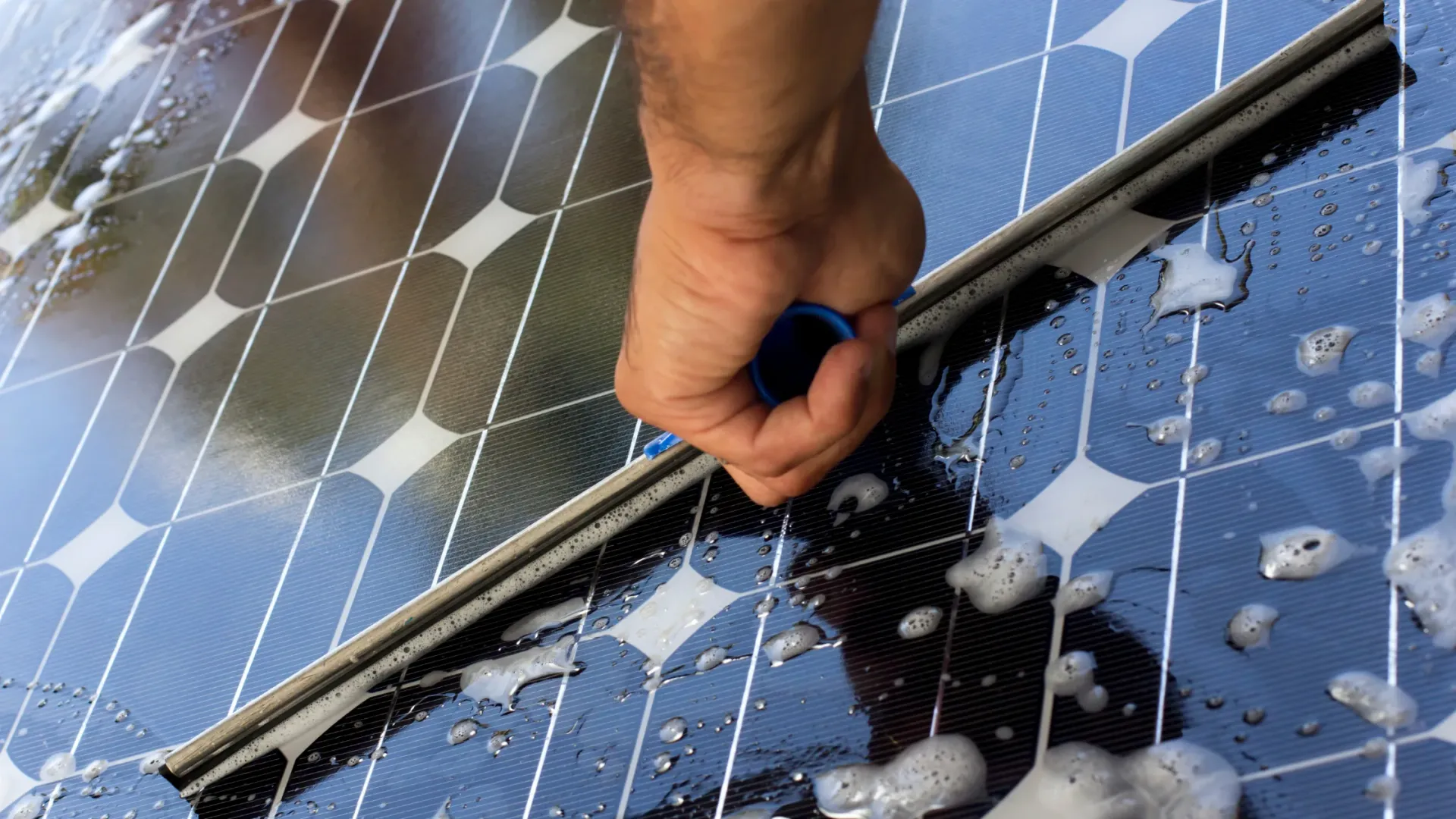
Contracted crews with water-fed brushes remain the default on many Indian MW sites. Mobilization is familiar to O&M contractors; capex is low relative to robots. On 20–30 MW fixed-tilt blocks with moderate dust and reliable borewell water, disciplined manual programs can hold PR within 2–3% of baseline if cycles stay on schedule.
Limits appear at scale and speed: tanker queues in Rajasthan, heat safety caps in summer, and ten-day full-plant cycles after storms while untouched zones lose MWh. Labour costs rise with MW; supervision quality varies by vendor rotation.
Tractor-mounted and mechanized brush systems
Tractors with mounted brushes speed passes on uniform fixed-tilt with adequate row spacing. They suit flat Gujarat sites with internal road access. Risk is stripe cleaning and frame-edge mud dams if speed and overlap are not controlled. Not all tracker sites permit safe access.
Water use remains material. OEM brush approval still required. Often deployed as part of manual vendor scope rather than standalone robotics.
Fixed sprinkler and rinse systems
Some EPC designs embed sprinklers along table edges for periodic rinse. Capital is sunk at build; ongoing cost is water and pump power. Light dust rinse works; cemented post-storm films usually need mechanical action. Uneven coverage on long rows can leave wedge-shaped dirty zones visible in PR maps.
Evaluate sprinklers as part of hybrid strategy, not sole program, in high-dust belts.
Autonomous waterless robotic cleaning
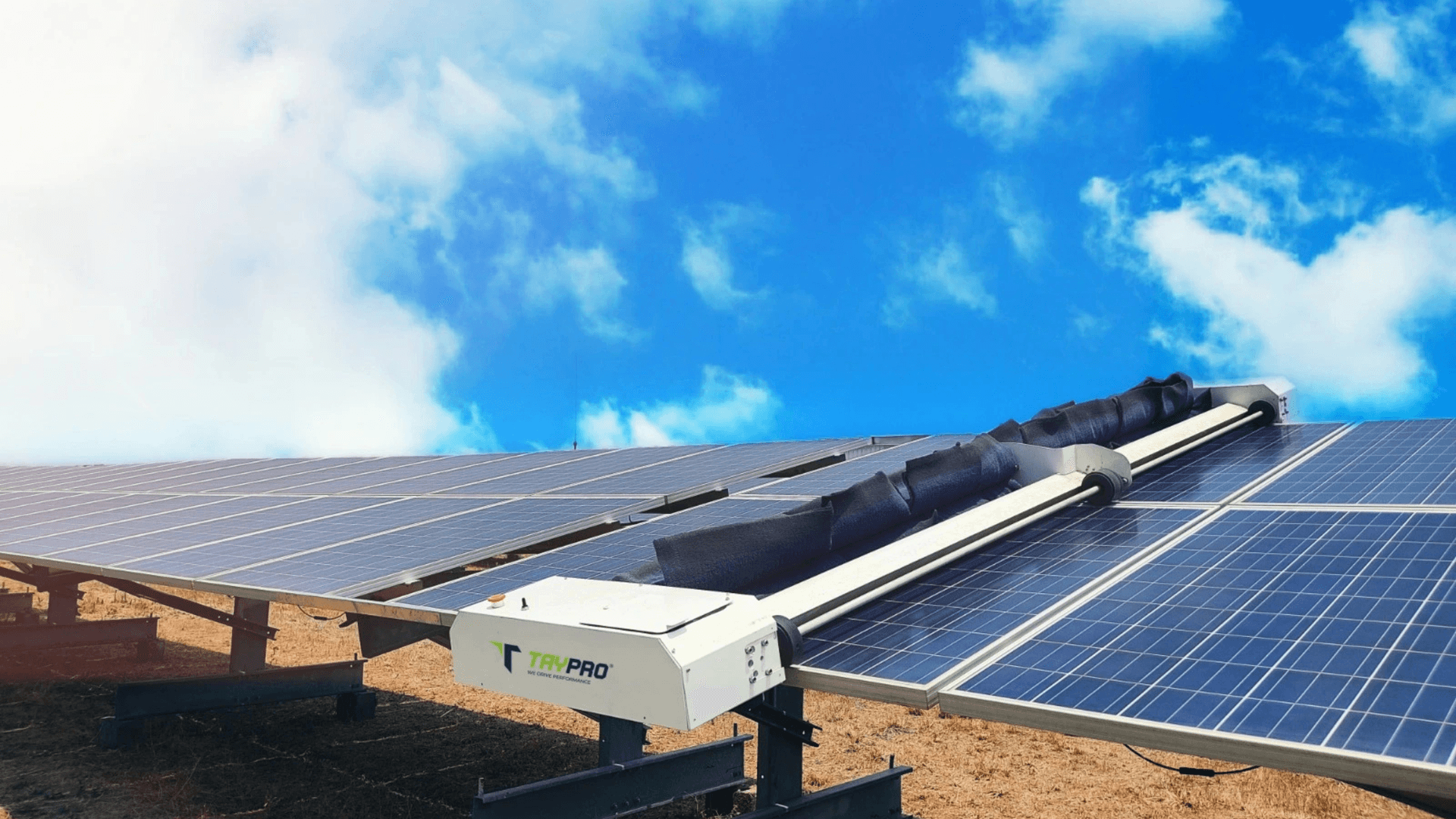
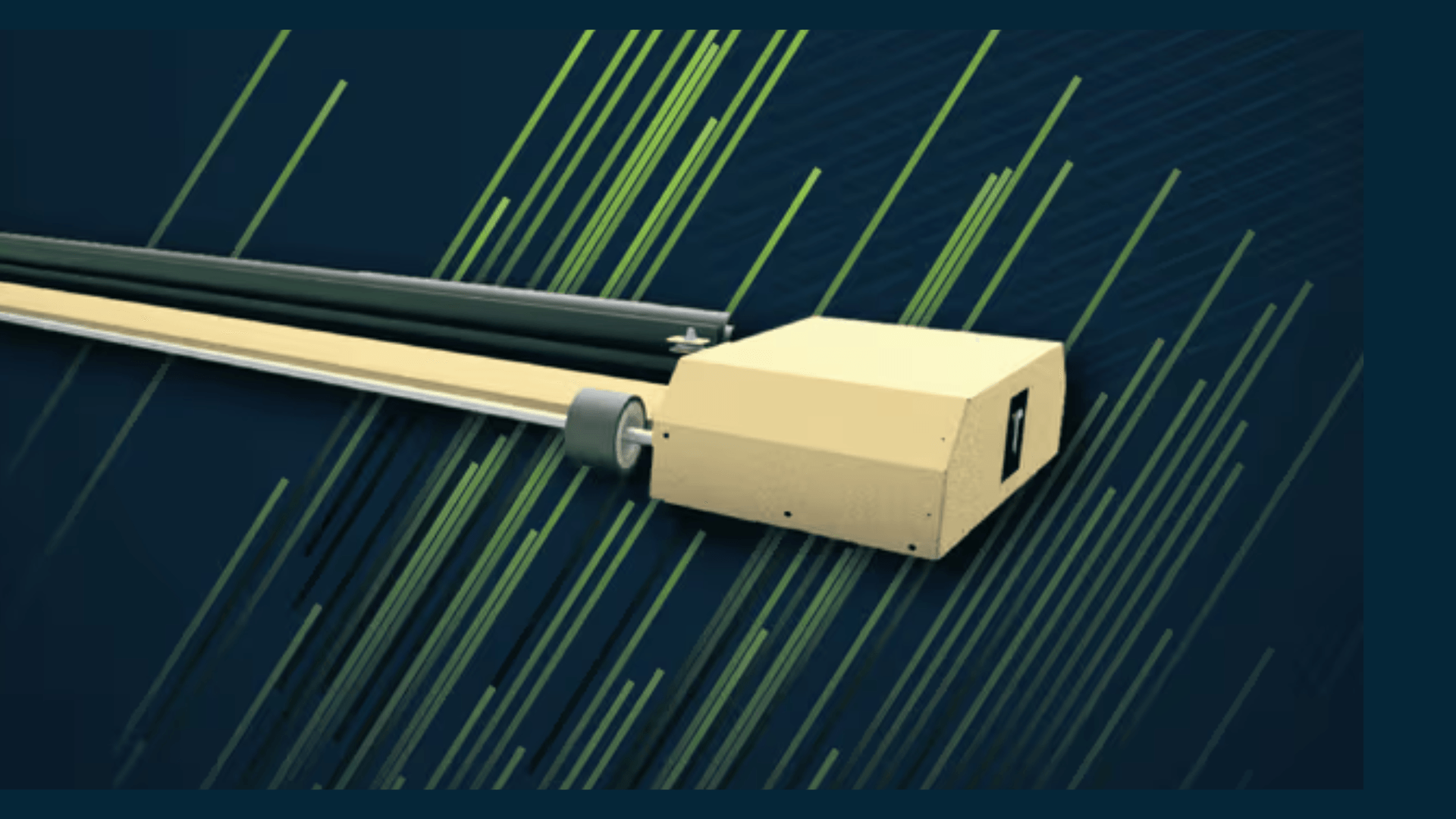
Robots traverse rows with engineered brush heads at controlled speed, often at night on stowed trackers. Fleet software logs pass coverage. Water consumption drops sharply versus wet wash, helping water-stressed districts and ESG reporting.
Requires route survey, module approval, spare batteries, trained operators, and uptime discipline. Compare depth in traditional vs waterless robots and what robots are.
Method comparison table (utility scale)
| Method | Water use | Capex | Best fit (typical) | Scale pain point |
|---|---|---|---|---|
| Manual wet | High | Low | 5–30 MW moderate dust | Crew cycle >7 days |
| Tractor brush | Medium–high | Medium | Uniform fixed-tilt | Trackers, tight rows |
| Sprinkler rinse | Medium–high | Sunk at EPC | Mild dust, designed sites | Heavy films |
| Waterless robot | Very low | High | 10–100 MW+ dust belts | Poor geometry, low uptime |
| Hybrid | Mixed | Mixed | Large mixed sites | Contract complexity |
Five-year economics snapshot (25 MW, west India illustrative)
| Method | Illustrative 5-yr O&M | Avg. PR benefit vs neglect | Water narrative |
|---|---|---|---|
| Manual wet only | ₹2.5–4.0 crore | Moderate if cycles hold | High withdrawal |
| Robot waterless | ₹3.5–5.5 crore loaded | Higher if uptime 85%+ | Minimal |
| Hybrid | ₹3.0–5.0 crore | Often best on mixed soiling | Reduced vs wet-only |
Validate with pilots and ROI calculator, not brochure defaults.
Hybrid programs: when combination wins
Robots handle frequent mineral dust on compatible blocks nightly. Manual wet teams hit post-monsoon mud on low tables, salt edges on coastal sites, or robot-aborted rows after wind events. Contracts must define handoff, OEM methods for each zone, and unified PR reporting.
Hybrids fail when owners pay for both full manual headcount and full robot fleet without zoning discipline.
Selection framework for asset owners
- Measure soiling and PR gap on reference modules by block type.
- Map water cost, labour rates, and storm mobilization history.
- Survey geometry for robot fit vs manual-only zones.
- Obtain OEM cleaning approvals for shortlisted methods.
- Pilot two methods on dirty blocks; model five years with MWh recovery.
Read how to choose cleaning systems and best practices.
Dust particle size distribution differs between Thar mineral dust and Gujarat agricultural aerosols. Mineral dust often responds well to dry brushing; sticky organic films may need approved wet assist. Method selection without soil typing leaves robots underperforming on films they cannot remove.
Procurement teams should score cleaning vendors on pilot outcomes, not brochure litres-per-MW claims alone. Run identical dirty blocks with two methods where safety and OEM rules allow, then lock contracts on data.
Discharge, runoff, and environmental compliance for wet methods
Wet manual and sprinkler methods produce runoff that may carry sediments into drains near village farmland. Some districts now ask where wash water goes. Robots and dry brush reduce runoff risk; wet programs need containment or approved discharge points documented in environmental filings.
ESG due diligence on portfolio acquisitions increasingly flags water and soil runoff from solar O&M. Method choice affects deal valuations beyond immediate PR.
Module warranty and insurance interactions
Unauthorized cleaning methods void module warranty claims when damage is attributed to brushes or pressure. Insurance surveys after hail or module breakage may ask for cleaning records to rule out abrasion as contributing cause. Method documentation is risk management, not bureaucracy.
When replacing modules after warranty campaigns, re-obtain cleaning approval for new SKU before assuming prior robot settings remain valid.
Regional method preferences across India
Rajasthan desert parks skew toward waterless robots plus manual exceptions after haboobs. Gujarat mixed agricultural sites often need hybrid wet for pollen and soil splash on downwind rows. Karnataka sites with moderate rainfall may stay manual longer but still measure post-monsoon PR. Madhya Pradesh solar parks scaling past 50 MW increasingly pilot autonomy as labour mobilization stretches.
Method choice should follow block-level soiling typology, not state borders alone. One 80 MW site can have dusty fixed-tilt blocks and milder tracker zones requiring split programs.
Technology trends affecting method choice
Module glass coatings, bifacial gain sensitivity to rear soiling, and taller tracker rows change brush selection and robot clearance needs. Methods approved at COD may need revalidation after module replacement campaigns or retrofit tracker upgrades.
Mesh communications and AI-assisted soiling forecasting, discussed in Taypro literature on dust prediction, help time passes but do not replace mechanical cleaning when films are present.
Which method should a 40 MW Rajasthan tracker plant pick?
If manual full-plant passes exceed seven to ten days after typical storms and water is costly or capped, waterless robots on compatible rows plus manual backup for exceptions often clear hurdle rates when fleet uptime stays above roughly 85–90%, site and vendor dependent. If rows lack robot clearance, mechanized manual with strict zone SLAs may remain interim until retrofit. Pilot before portfolio commitment.
Key takeaways for plant managers
- No universal best method; site economics and geometry decide.
- Compare five-year loaded cost and recovered MWh, not capex alone.
- Consider hybrids for mixed soiling and partial robot fit.
- Document OEM approvals for every method in use.
- Pilot on worst blocks; read waterless vs wet comparison.
Hybrid methods by block are normal on large sites. Document which geometry uses which method to avoid vendor scope fights after storms.
Related resources
Frequently asked questions
Manual water-fed pole crews, tractor-mounted brushes, fixed sprinkler rinse systems, and autonomous waterless robots are the most common at 10–100 MW scale. Tracker sites often need specialized robot clearance or slower manual row times. Hybrid programs combine frequent dry robot passes with targeted wet rinses for mud or salt per OEM guidance.
Approved waterless robotic systems typically minimize withdrawal to near zero for routine dust. Manual wet cleaning and sprinkler systems consume the most litres per MW in arid Rajasthan and Gujarat, where tanker logistics add cost beyond metered water alone.
Yes. Many owners run robots for frequent mineral dust and deploy manual wet teams for post-monsoon mud edges or agricultural films robots cannot clear. Hybrids work when contracts define which blocks use which method and all paths have OEM approval.
Model five-year fully loaded cost against recovered MWh at your PPA tariff, row geometry, water rights, labour availability, and module OEM approvals. Pilot on two dirty blocks before portfolio-standardizing one vendor or method.
Robots designed for tracker stow clearance and night passes often outperform manual crews on long rows, but only with wind interlocks and OEM sign-off. Manual brush remains common on legacy tracker sites without robot fit until retrofit or hybrid zoning.