GLYDE — Fully Automatic Solar Panel Cleaning Robot for Fixed-Tilt Plants
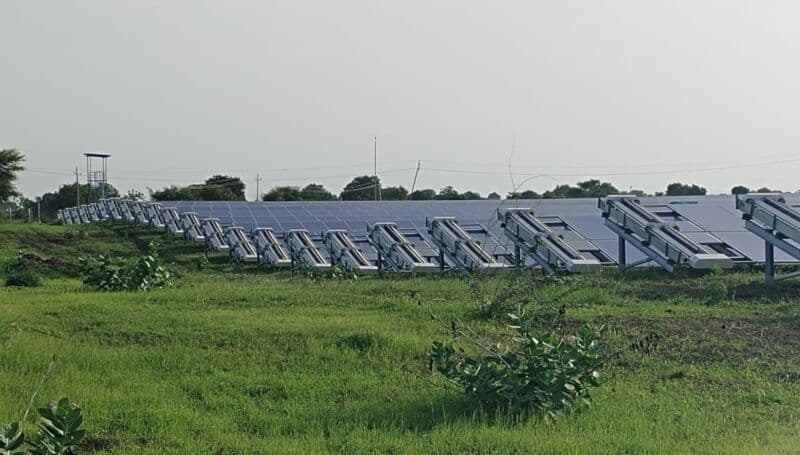
What is the Taypro GLYDE Automatic Solar Panel Cleaning Robot?
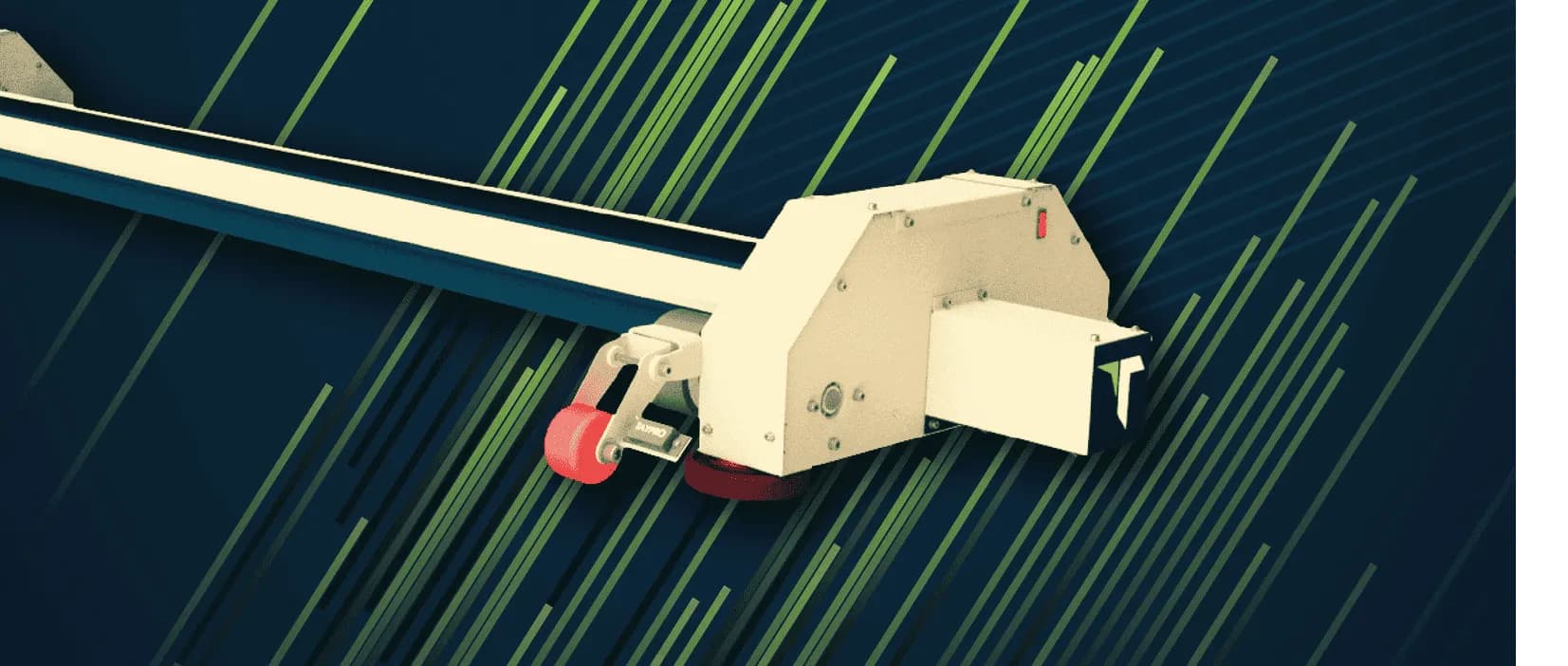
The Automatic Solar Panel Cleaning Robot category describes fully autonomous, waterless robots that clean solar modules without tankers or night crews. Taypro GLYDE is a fully autonomous unit engineered for reliable daily cleaning of utility-scale solar power plants. A single automated run removes over 99% of dust* from the module surface using a rotating, self-cleaning microfiber drum, driving consistent performance ratio gains across the plant (site-dependent).
On a single charge, GLYDE cleans up to 2.2 km of running length, approximately 3,600 solar modules. Cleaning cycles are best scheduled outside energy production hours and can be programmed remotely, ensuring zero impact on plant generation.
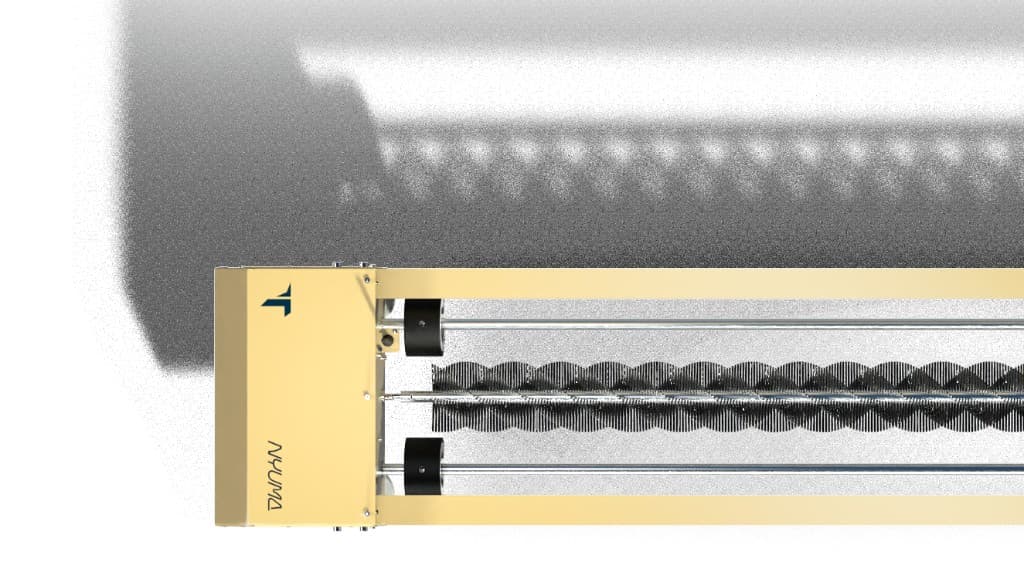
GLYDE's patented dual-pass mechanism combines high-speed airflow with a self-cleaning microfiber drum — the first pass lifts dry dust, the second completes the wipe without water or detergent. Edge and obstacle detection maps every panel boundary while surface-undulation tracking keeps brush pressure consistent row-by-row. Battery-aware logic ensures each assigned array is cleaned completely before the robot self-docks — rated for 180 km/hr gusts while locked at the station.
Further reading: how an automatic cleaning robot works on modules and benefits of robotic cleaning at utility scale.
How Does an Automatic Solar Panel Cleaning Robot Work?
GLYDE runs end-to-end without operators on the row. Each assigned TR-150 unit executes a patented dual-pass cycle — the workflow below matches our HowTo structured data and field SOPs at deployed plants.
Assign each Automatic Solar Panel Cleaning Robot to a dedicated array
Each GLYDE TR-150 is permanently assigned to one fixed-tilt or seasonal-tilt array with a shadow-free dock. Integrated lithium-ion charging needs no external power — the dual-pass head and frame rails are calibrated once at commissioning.
Schedule cleaning from the NECTYR with AI- and ML-driven logic
NECTYR schedules GLYDE outside production hours. AI logic weighs soiling forecasts, rain skip rules, and fleet history so dual-pass cycles run only when they will recover PR.
Robot self-deploys onto the module row
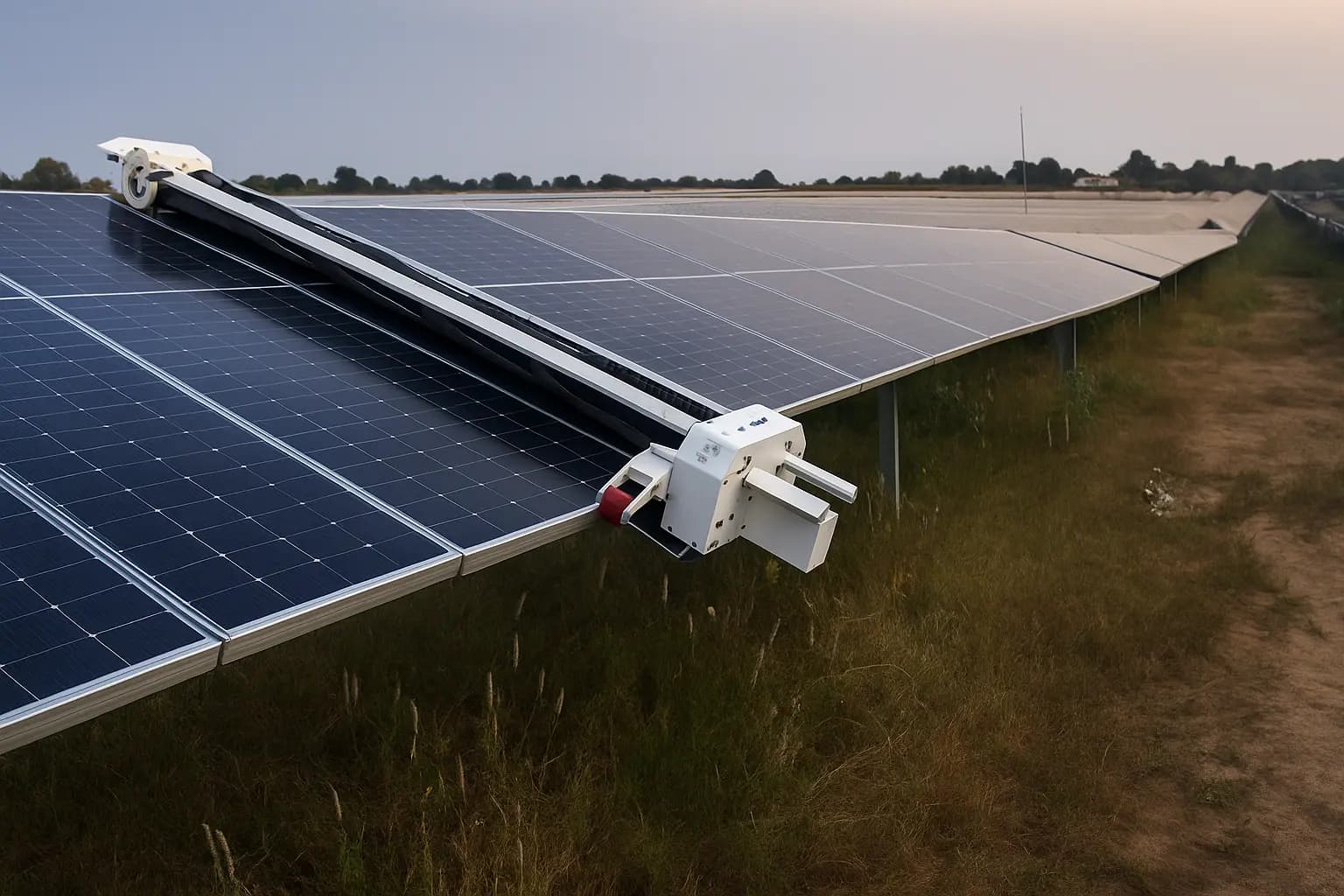
At the scheduled time GLYDE undocks, traverses inter-table bridges if configured, and travels along the module frame — edge sensors ensure zero load on glass throughout the dual-pass run.
Dual-pass waterless cleaning with a self-cleaning microfiber drum
A rotating, self-cleaning microfiber drum executes a dual-pass dry cleaning cycle that removes over 99% of accumulated dust per automated run at 10–15 metres per minute, with zero water, detergent or manual labour.
Battery-aware return to the docking station
Battery-aware routing limits each run to a safe distance, then GLYDE locks at the dock — rated for 180 km/hr gusts while stowed between dual-pass cycles.
Sync telemetry and fleet health to the cloud
Dual-pass telemetry — brush load, cycle time, dust-lift flags — syncs to NECTYR over LTE, Wi-Fi, hybrid self-healing RF mesh, LoRa, and LoRaWAN, pick the link that best fits each site, for audit-ready reporting across every deployed Automatic Solar Panel Cleaning Robot.
360° View of GLYDE
Drag left or right to rotate and explore our Automatic Solar Panel Cleaning Robot from every angle
Loading 360° view... (0/61)
GLYDE hardware at a glance
Patented dual-pass cleaning on module-frame rails, autonomous docking, and fleet connectivity built for utility-scale fixed-tilt plants.
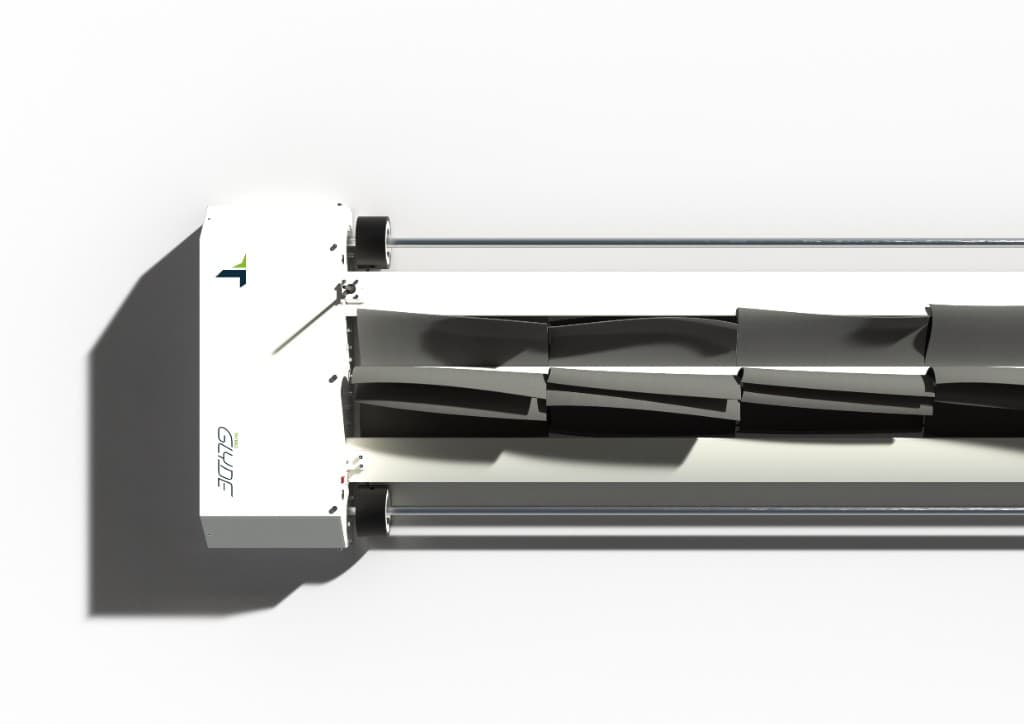
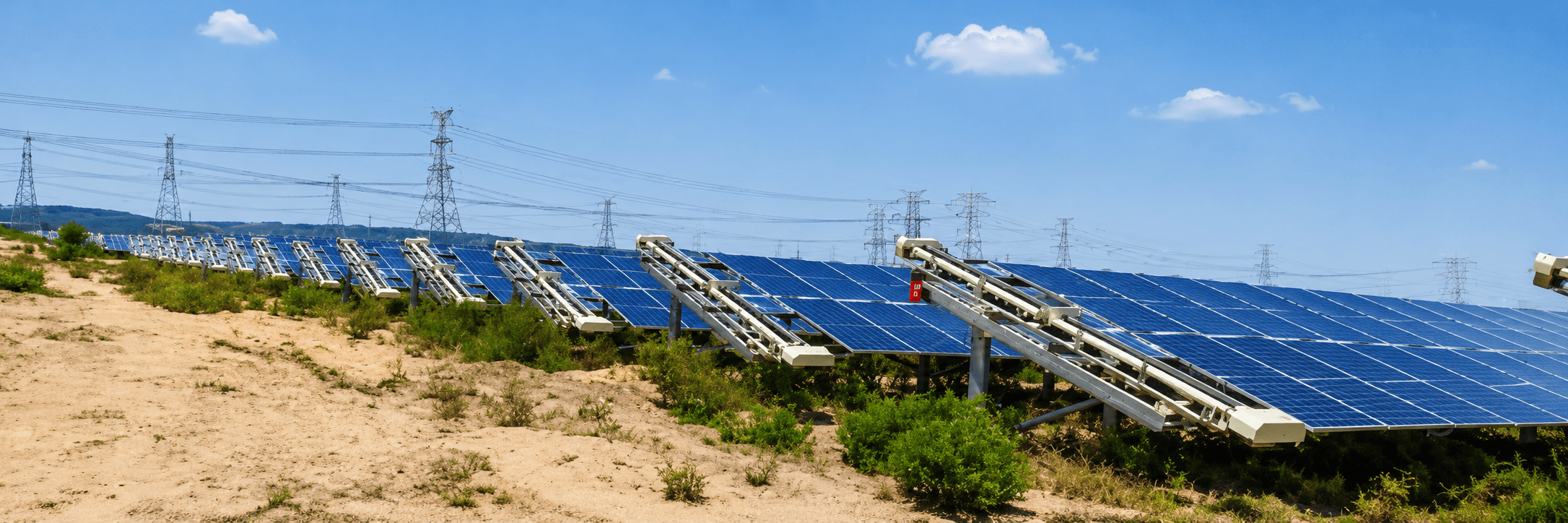
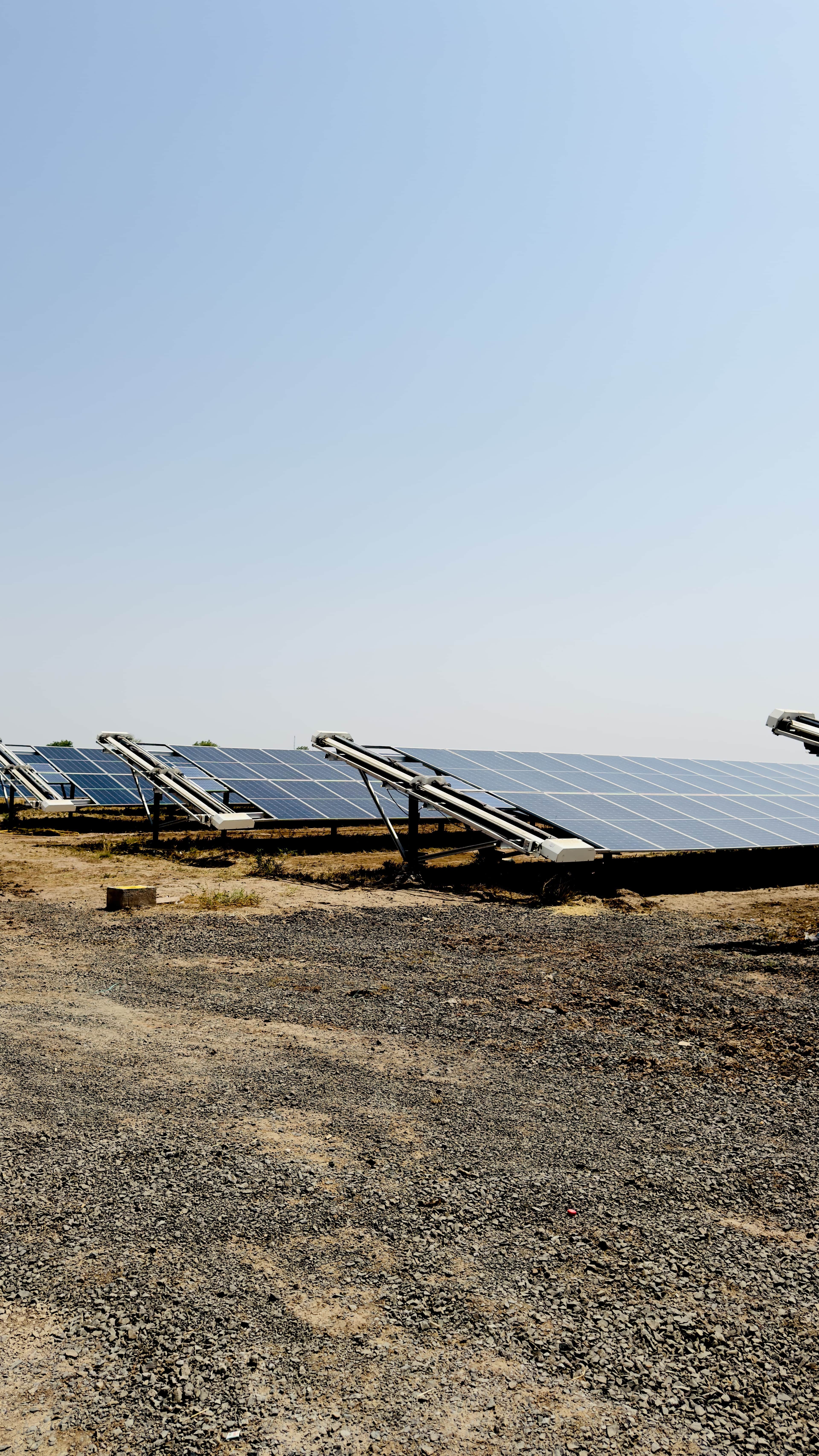
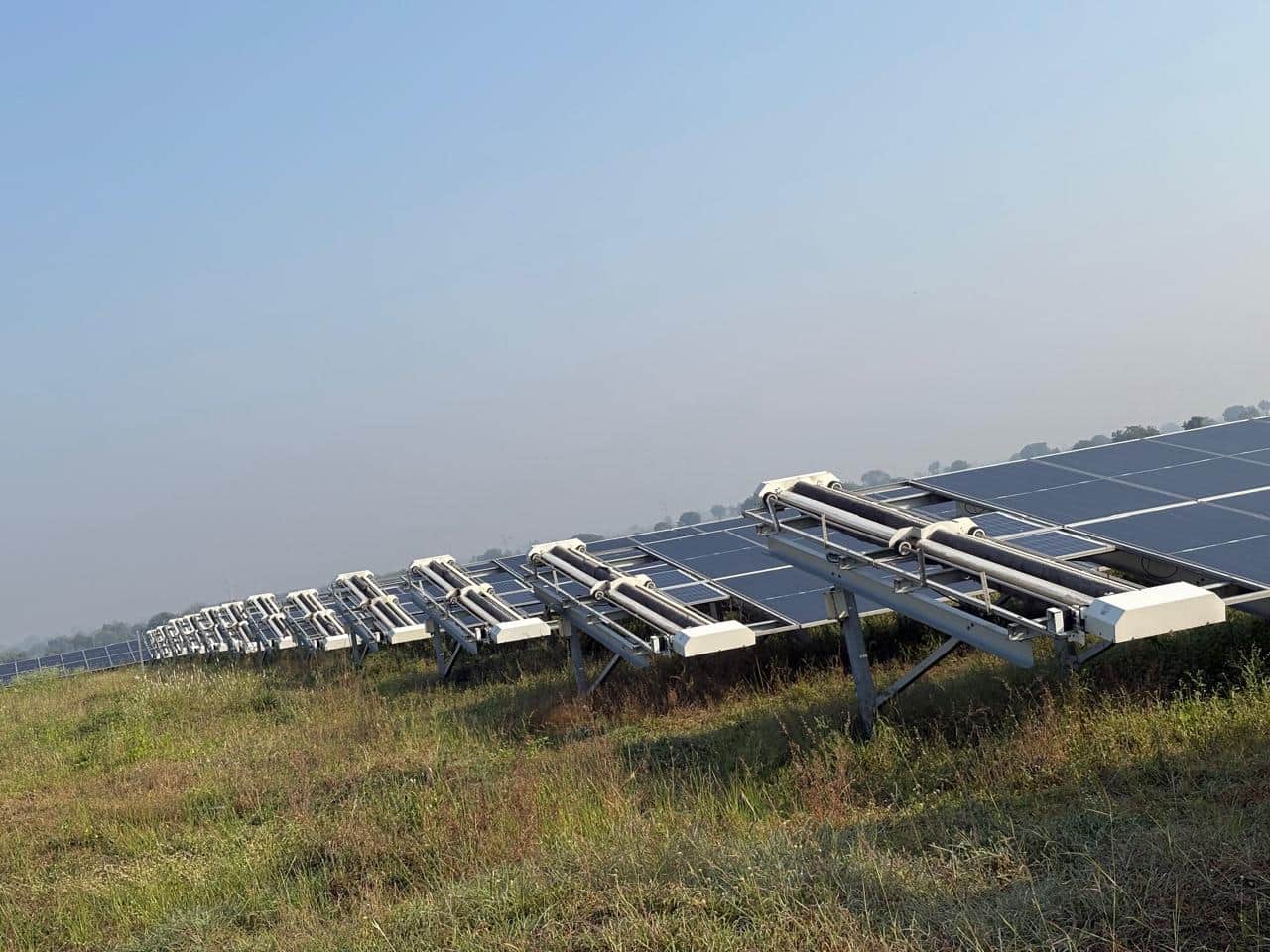
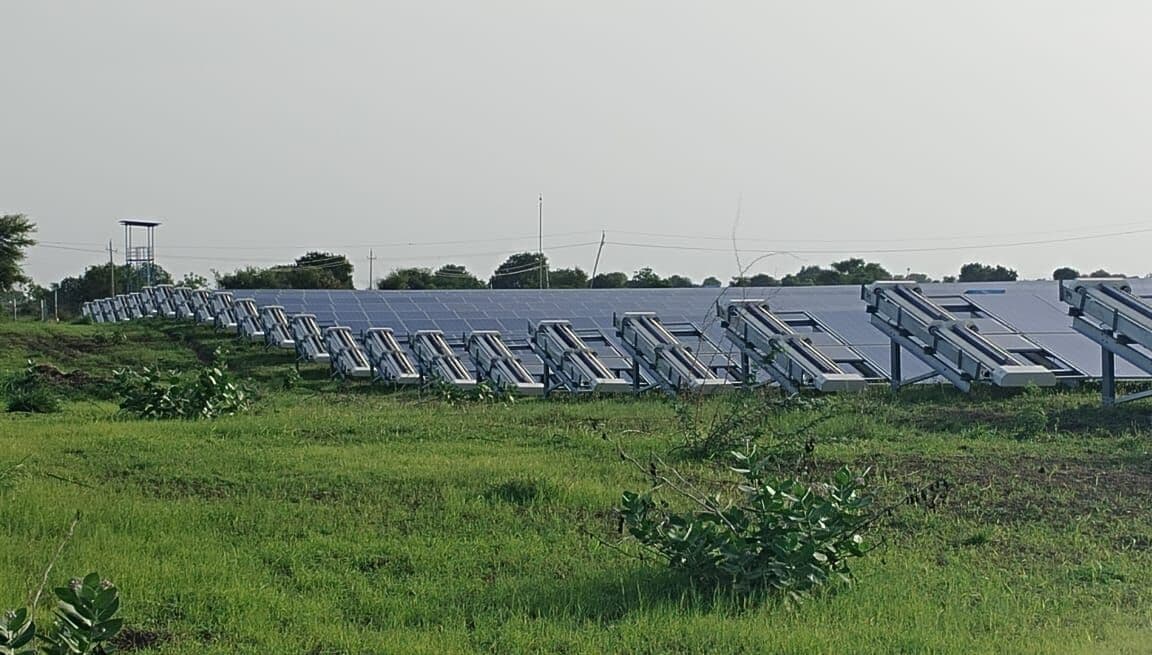
GLYDE TR-150 travels along the module frame with patented dual-pass microfiber cleaning.
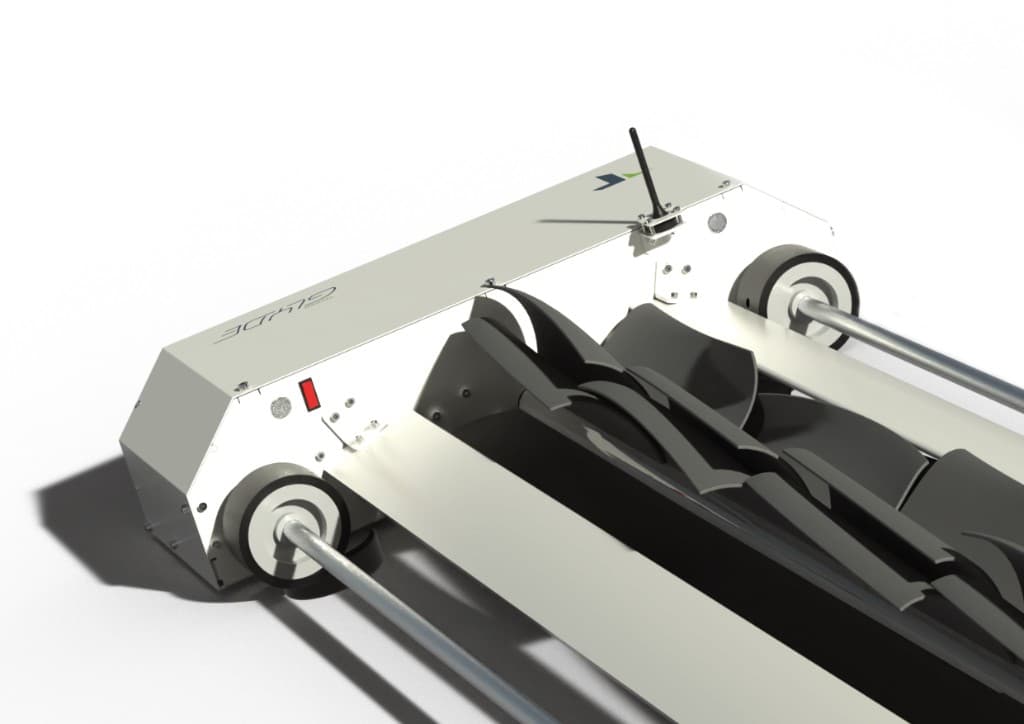
Rotating self-cleaning microfiber drum, frame-mounted travel, and remote monitoring antenna.
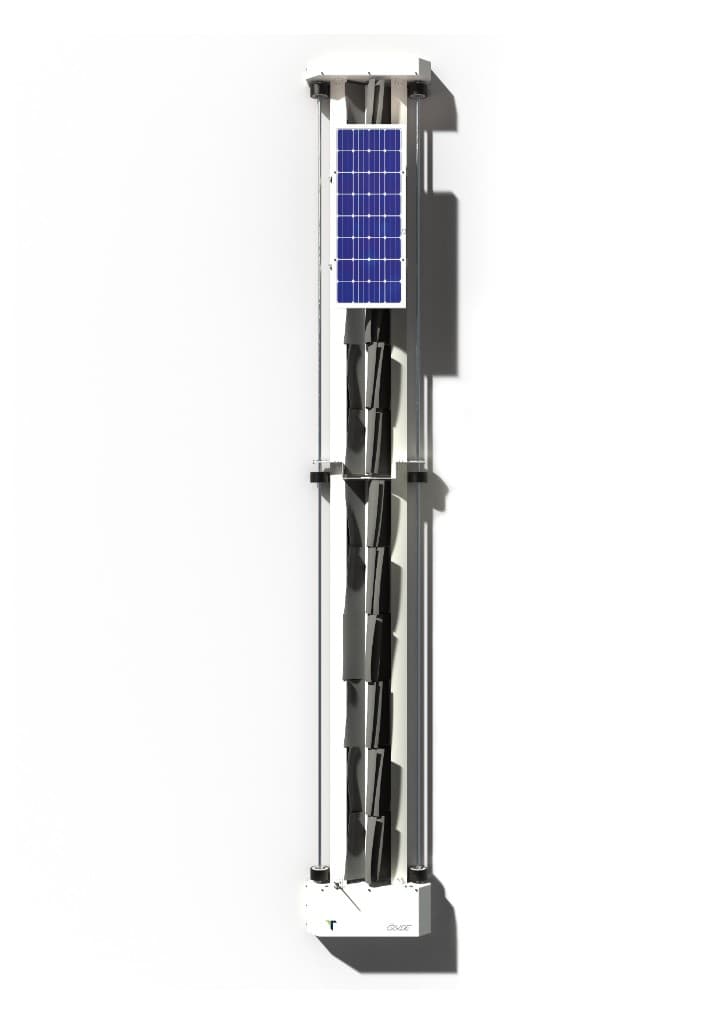
Self-contained docking with solar-assisted charging; no external power connection required per array.
USPs
Patented Dual-Pass Dust Lift
Self-Cleaning Microfiber Drum
Up to 3,600 Modules Per Charge
10–15 m/min Utility-Scale Speed
Frame-Mounted — Zero Glass Load
NECTYR Fleet Portal (LTE / Wi-Fi / RF / LoRa)
AI Weather-Aware Scheduling
TÜV NORD Field-Validated Build
Automatic solar panel cleaning robot cost & ROI
Calculate how effective a solar panel cleaning robot can be and how much it can save your plant.
Loading calculator…
Projects with MODEL A – Automatic Solar Panel Cleaning Robot Installations
Our Most Recent Projects
Trusted by India's Leading Solar Operators
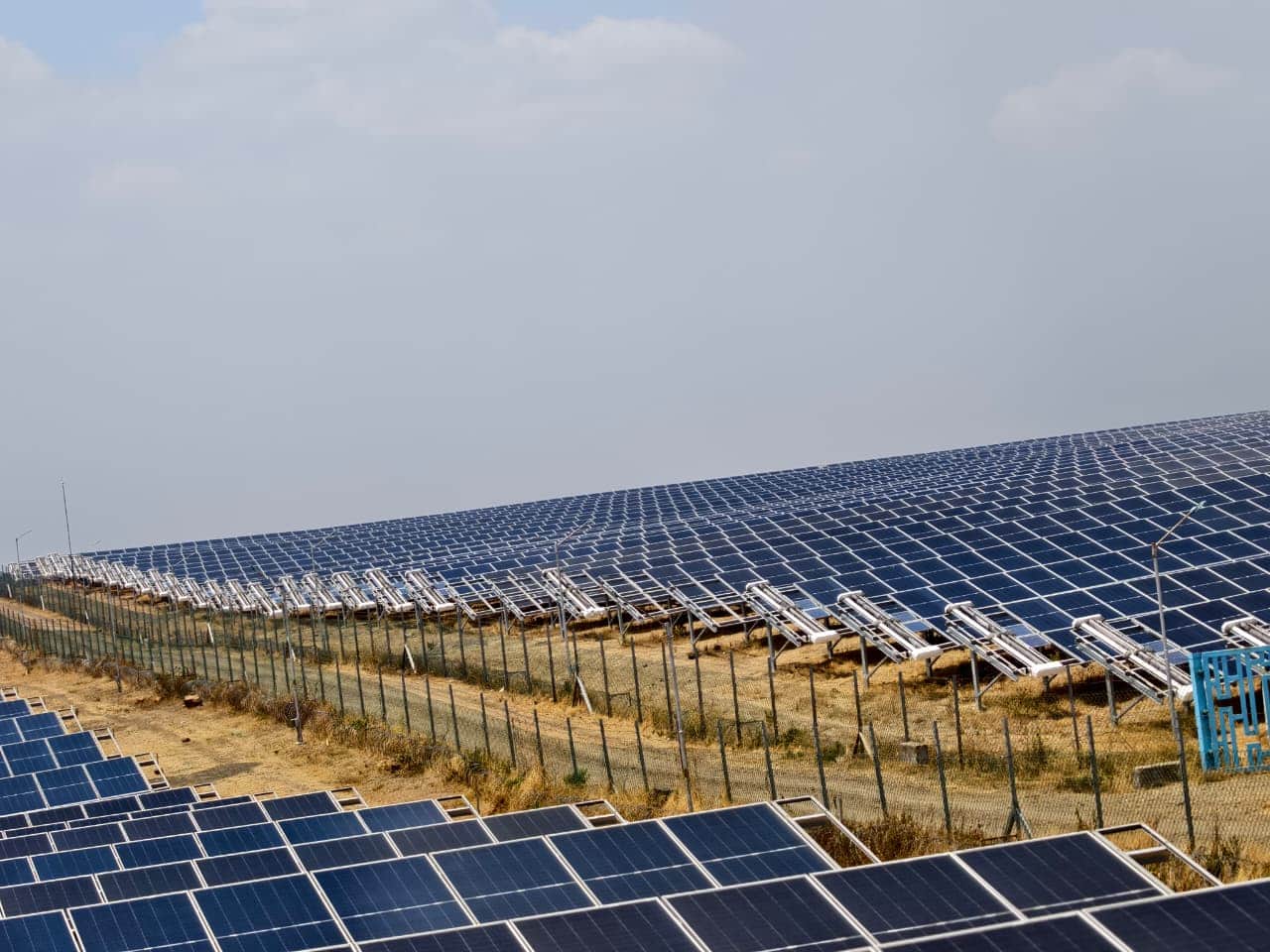
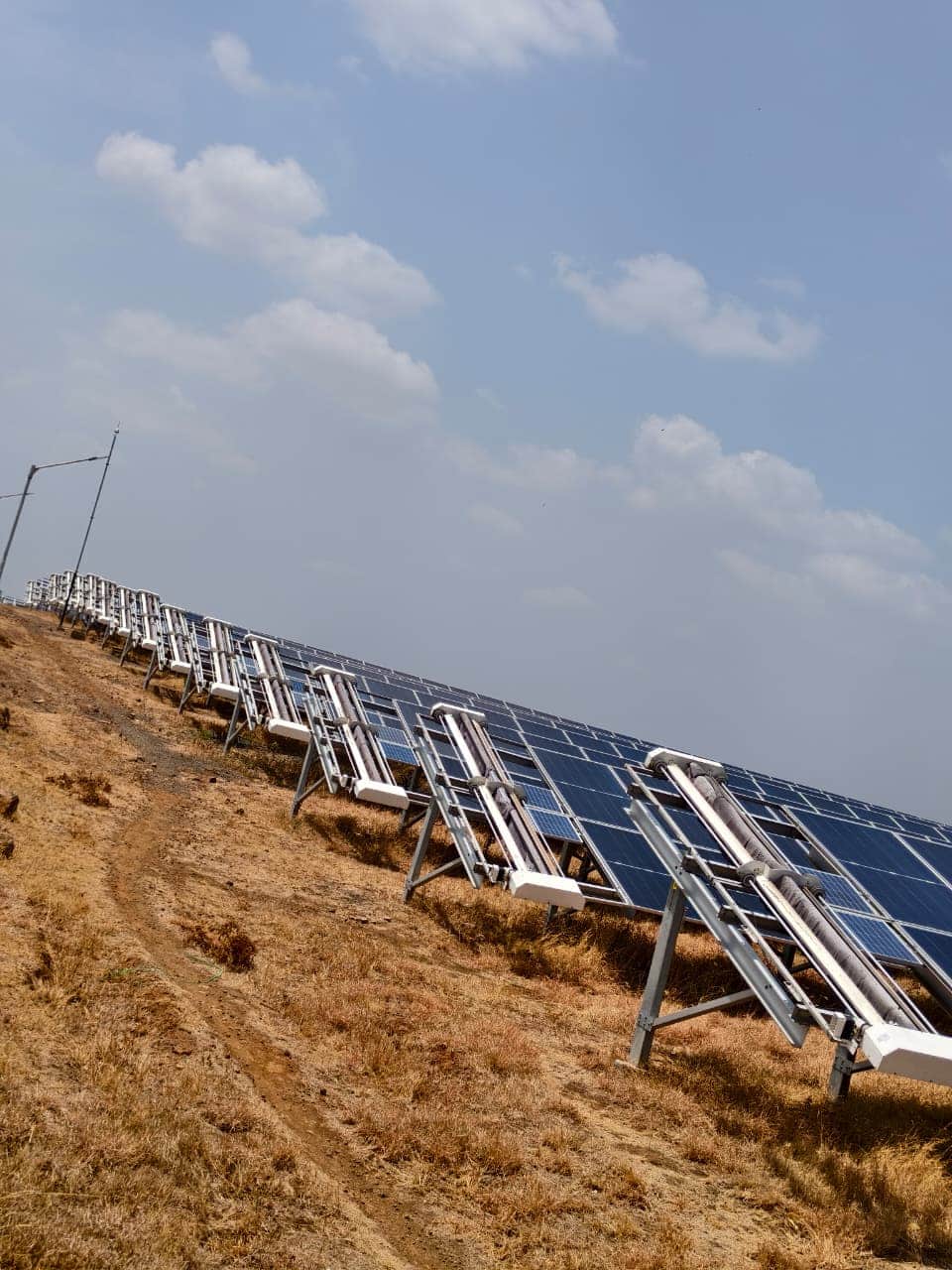
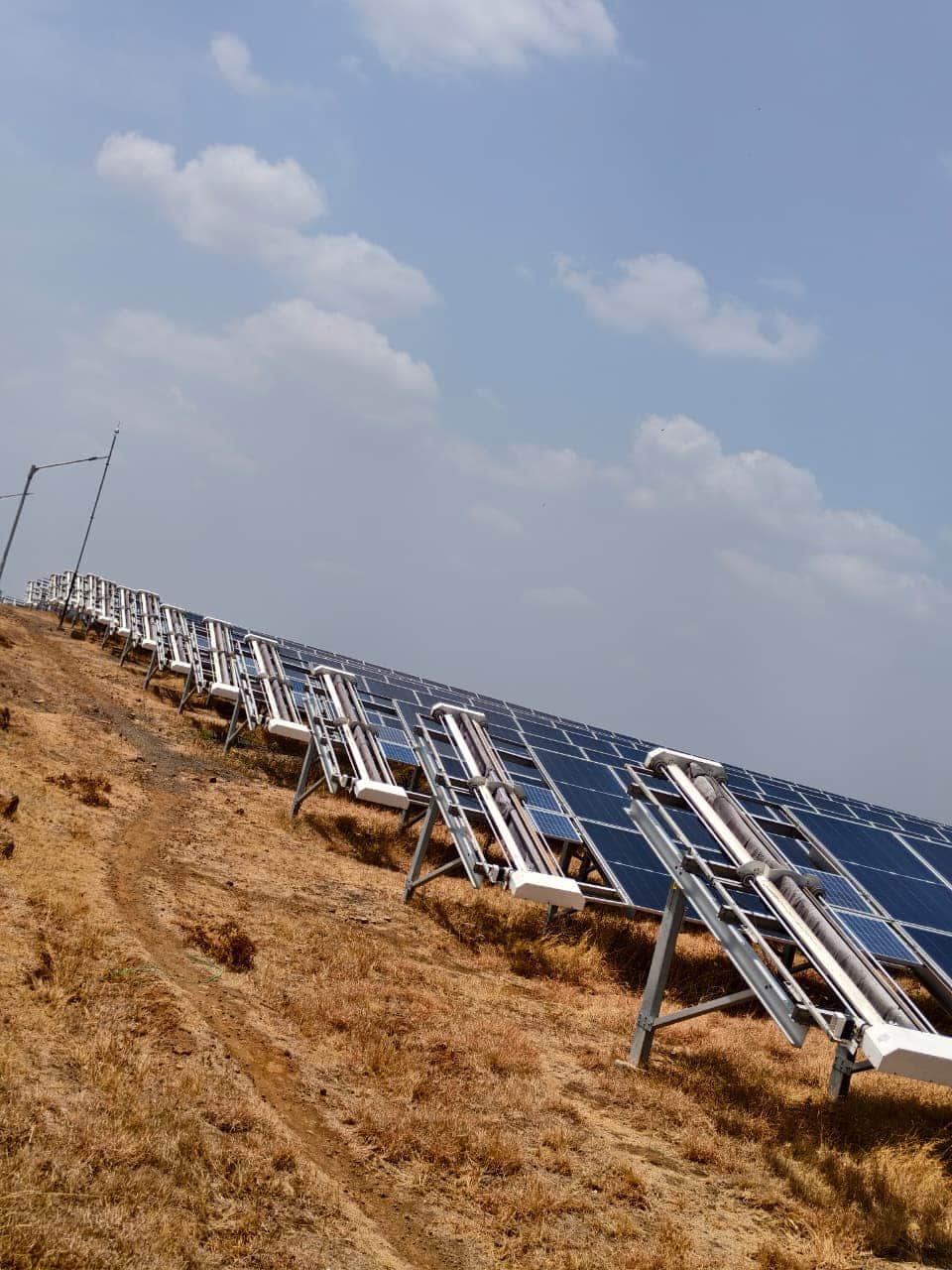
GLYDE fleets operate at Bachau DVC, Neneva tracker companion sites, and 5,000+ MW of Taypro-managed capacity — dual-pass robots are Taypro's flagship fixed-tilt platform.
Service & Maintenance Promise
Every Taypro GLYDE deployment is backed by a planned maintenance programme and a guaranteed response SLA so your plant stays at peak performance ratio.
Scheduled Preventive Maintenance
GLYDE AMC plans include scheduled brush inspection, dual-pass calibration checks, and consumable planning sized for your soiling class.
Immediate Remote Diagnostics
NECTYR receives dock-level telemetry first — Taypro engineers resolve most GLYDE faults over-the-air before dispatching field staff.
Same-Day On-Site Intervention
When a site visit is required, Taypro targets same-day pan-India response with regional spares for GLYDE drivetrain and brush modules.
Schedule Online Demo For Automatic Solar
Panel Cleaning Robots
Let us help you
Features of Taypro's Automatic Solar Panel Cleaning Robots: GLYDE
AI-Enabled Waterless Dual-Pass Cleaning
GLYDE uses AI- and ML-driven cleaning logic with a patented dual-pass mechanism, the first pass loosens dry dust while the second sweeps away sticky residue. The result: over 99% dust removal in a single automated run, without a drop of water and without abrasive contact on the cells or glass.
Self-Cleaning Microfiber Drum
The rotating microfiber cloth is engineered to self-clean as it operates, maintaining peak cleaning efficiency across thousands of modules and extending consumable life. The robot moves along the module frame so no load is ever applied to the glass or solar cells, preserving panel longevity and power output.
Extended Cleaning Range
GLYDE cleans up to 2.2 km of running length, roughly 3,600 modules, on a single charge, at cleaning speeds of 10–15 m/min. With its lithium-ion battery and integrated charging system, each robot is assigned to a specific array and is deployed quickly without additional railings, across a wide range of panel inclinations and seasonal tilts.
Battery-Aware Autonomy
GLYDE monitors battery level in real time and only commits to a cleaning run it can complete, safely returning to its docking station every cycle. The robot stays securely locked when docked and is designed to withstand wind gusts of up to 180 km/hr at the docking position.
Smart Weather Optimization
GLYDE's scheduler weighs wind speed, rain probability, humidity, and post-storm dust rebound before committing a dual-pass cycle — skipping wasted runs after rain and prioritising recovery nights after haboob or construction dust events.
Cloud-Connected Remote Monitoring
Every GLYDE robot connects to the NECTYR using LTE, Wi-Fi, hybrid self-healing RF mesh, LoRa, and LoRaWAN. Deployments can use LTE or Wi-Fi for high-bandwidth telemetry, a hybrid self-healing RF mesh for resilient plant-wide backhaul, or LoRa / LoRaWAN where low-power, long-range links suit remote blocks. Schedule dual-pass cycles, push firmware updates, and audit every cleaning run from NECTYR — docking telemetry covers charge state, brush wear indicators, and fault codes in real time.
Edge & Obstacle Detection Technology
Millimetre-class edge sensors and continuous obstacle scanning keep GLYDE on the module frame at all times — critical when dual-pass cleaning runs at 10–15 m/min across imperfect utility tables.
Sealed, Field-Hardened Build
IP65-sealed electronics, corrosion-class C3 hardware, and a fully enclosed wiring harness protect the dual-pass drivetrain through Rajasthan heat, Gujarat dust, and coastal monsoon humidity.
Certifications & Field-Validated Testing
Every Taypro GLYDE is subjected to rigorous laboratory and field validation by accredited solar-sector testing laboratories, simulating real plant conditions to guarantee long-term reliability.
TÜV NORD Certified
Independently tested and certified for IP55 protection and validated for extreme damp-heat and dry-heat performance by TÜV NORD.
Sandstorm-Endurance Tested
Validated under simulated outdoor cleaning cycles, including 12 sandstorm events per year at a sand loading of 10 g/m² per cycle.
Panel-Safe Cleaning
Testing covers micro-crack analysis, optical reflectance measurements, full electrical parameter evaluation and Anti-Reflective Coating (ARC) preservation.
Why Choose an Automatic Solar Panel Cleaning Robot Over Manual Cleaning?
Manual cleaning crews, water tankers and ad-hoc schedules cannot keep up with the daily soiling losses on utility-scale solar power plants. An automatic robotic solar cleaning solution is no longer a premium, it's a performance-ratio essential.
| Criterion | Manual Cleaning | Taypro GLYDE |
|---|---|---|
| Cleaning Frequency | Weekly or fortnightly, weather-permitting | Daily automated cycles, weather-aware scheduling |
| Water Consumption | High, 1.5 to 3 litres of water per module per wash | Zero, fully waterless dual-pass dry cleaning |
| Cleaning Quality | Inconsistent, operator-dependent | 99%+ dust removal in a single automated run, every time |
| Labour & Safety | High labour cost, panel damage risk, night-shift safety risk | Autonomous after-hours operation, no manual intervention |
| Performance Ratio Impact | Soiling losses of 5–25% accumulate between washes | Daily cleaning sustains peak PR, lifting plant yield 4–8% |
| Panel Safety | Risk of micro-cracks, ARC abrasion and scratches | Robot rides on the module frame, no load on glass or cells |
| Monitoring & Reporting | No telemetry, no cleaning audit trail | NECTYR via LTE, Wi-Fi, hybrid self-healing RF mesh, LoRa, and LoRaWAN; full audit trail |
| Total Cost of Ownership | Recurring water, labour, equipment and downtime costs | One-time investment, 12–18 month payback, 20-year design life |
GLYDE vs NYUMA: Which Automatic Robot Fits Your Plant?
Both robots are fully autonomous, waterless, and managed from NECTYR. GLYDE is Taypro's patented dual-pass microfiber flagship; NYUMA is the PBT single-pass platform for capex-efficient fixed-tilt fleets.
| Criterion | GLYDE (Dual-Pass Microfiber) | NYUMA (Single-Pass PBT) |
|---|---|---|
| Cleaning Technology | Patented dual-pass: airflow loosens dust, microfiber completes the wipe | Single-pass counter-rotating PBT brush drum — fewer moving consumables |
| Best For | Flagship fixed-tilt rows where maximum dust lift per cycle is the priority | Repeatable fixed-tilt blocks where PBT capex and brush economics win RFQs |
| Sticky / Cementitious Soiling | Dual-pass excels on mixed dry and adhesive dust layers | Ideal for dry desert dust; schedule extra cycles if cementitious soiling is heavy |
| Consumable Profile | Self-cleaning microfiber drum with extended service intervals | UV-stable PBT brush with field-replaceable bristle cartridges |
| Range Per Charge | Up to 2.2 km (~3,600 modules) | Up to 2.2 km (~3,600 modules) |
| Typical Deployments | Bachau DVC-scale automatic-first fixed-tilt fleets | Akhadana-scale and mixed-fleet PBT automatic programmes |
| Labour After Install | Zero — fully autonomous daily cycles | Zero — fully autonomous daily cycles |
| Fleet Monitoring | NECTYR via LTE, Wi-Fi, RF mesh, LoRa, or LoRaWAN | NECTYR via LTE, Wi-Fi, RF mesh, LoRa, or LoRaWAN |
Need a pick-and-place option for scattered blocks? See HELYX. Running single-axis trackers? Compare GLYDE-X and NYUMA-X.
Built for Indian Utility-Scale Solar Plants
Rajasthan dust storms, Gujarat heat, Karnataka humidity and Tamil Nadu monsoons, Taypro GLYDE is engineered, tested and deployed for the realities of large-scale Indian solar O&M, not generic Western field conditions.
High-Soiling Region Performance
In Rajasthan, Gujarat, and MP dust belts, GLYDE's nightly dual-pass cadence is how IPPs hold PR when manual crews can only wash fortnightly.
Temperature & Humidity Tolerance
Validated for operating temperatures up to 90°C and certified by TÜV NORD for damp-heat and dry-heat performance, proven across Indian summer, monsoon and post-monsoon cycles.
Waterless, Even in Water-Scarce States
Water allocations for module washing are tightening across Indian states — GLYDE removes tankers entirely while preserving dual-pass cleaning quality.
Pan-India Service Network
Same-day on-site breakdown resolution across India, with immediate remote diagnostics from NECTYR, backed by regional spare inventory and structured AMC programs.
Looking at adjacent solar O&M needs? Explore the Semi-Automatic Solar Cleaning Robot (HELYX), the PBT automatic NYUMA robot, the Single-Axis Tracker Cleaning Robot (GLYDE-X), the Taypro OPEX cleaning service or the NECTYR monitoring app.
Automatic Solar Panel Cleaning Robot
GLYDE Specifications
| Specification | Details |
|---|---|
| Dimensions | 750 mm × 4800 mm |
| Cleaning Method | Waterless |
| Cleaning Type | Dual-Pass Cleaning |
| Cleaning Material | Microfiber Cloth |
| Cleaning Speed | 10–15 Metres/Minute |
| Max. Running Length | Up to 2.2 km |
| Recommended Running Length | 1.6 km |
| Wind Speed Resistance at Docking | 180 km/hr |
| Wind Speed Resistance in Operation | 40 km/hr |
| Max. Module Tilt | 45° |
| Max. Operating Temperature | 90°C |
| Max. East-West Slope | 15° |
| Max. Module Undulation | +20 mm |
| IP Rating | IP65 |
| Corrosion Class | C3 |
| Battery Type | Lithium-Ion |
| Connectivity (NECTYR) | LTE, Wi-Fi, hybrid self-healing RF mesh, LoRa, and LoRaWAN |
| Design Life | 20 Years |
| Weight | 38 Kg |
Advantages of Using Automatic Solar Panel Cleaning Robots
Increased Energy Efficiency
Daily dual-pass cleaning keeps module transmissivity high on dusty sites — site teams commonly model 4–8% PR recovery versus fortnightly manual washing (site-dependent).
Waterless Cleaning
GLYDE's airflow-plus-microfiber cycle removes over 99% surface dust with zero water, tankers, or discharge compliance — ideal for water-stressed districts.
Fully Autonomous & Smart Operation
Once commissioned, GLYDE runs post-production hours without row crews — AI scheduling in NECTYR handles cadence, skip logic, and fleet health.
Cost-Effective Solution
Dual-pass automation replaces recurring labour, water, and night-shift safety costs; most utility owners model payback inside 12–18 months.
Safe and Reliable Operation
GLYDE travels only on the module frame with non-abrasive microfiber contact — lab-tested for micro-crack, reflectance, and ARC preservation.
How Long Does It Take to Install the Automated Solar Panel Cleaning Robots?
The installation of the Solar Panel Cleaning Robot requires no modifications to the existing solar plant layout. The GLYDE Automated Solar Panel Cleaning Robot is designed to operate directly on the panel frame.
Commissioning a GLYDE array typically takes a few hours to two days per block: shadow-free docking placement, dual-pass calibration, and NECTYR fleet onboarding — no module or railing modifications.
Multi-block plants may take several days for full fleet rollout. After handover, robots run autonomously with Taypro's same-day breakdown SLA and remote diagnostics through NECTYR.
TAYPRO GLYDE robots offer cost-effective and scalable solutions for solar power plants with easy installations and safe operations.
What Is the ROI for Installing the Taypro GLYDE Automatic Solar Panel Cleaning Robot?
TAYPRO's GLYDE Automatic Solar Panel Cleaning Robot delivers a high return on investment ROI by significantly increasing power generation.
Also, GLYDE reduces operational cleaning costs and offers long-term financial benefits. The initial investment is quickly recovered within one year, making it an effective and sustainable investment. You can calculate the ROI on Solar Panel Cleaning Robots by using the ROI Calculator
Inside a GLYDE cleaning cycle, step by step
The robot initialises its sensors on the activation and performs the system checks connectivity with the central monitoring system
The cleaning schedule is pre-set via a remote monitoring portal which enables fully automated operation
The locomotion motor powers the movement and guides the robot along the solar panel frames
The dual-pass head activates — airflow loosens dry dust, then the self-cleaning microfiber drum completes the wipe at 10–15 m/min with zero water
The edge detection sensors continually scan the surroundings which prevents the robot from overshooting the panel edges
Users can adjust the cleaning speed and direction from the NECTYR
Once the cleaning cycle is complete, the robot returns to its docking station, where it recharges using solar energy and remains idle until the next scheduled cycle.
Fault detection monitors brush load, battery state, and drivetrain telemetry — anomalies trigger safe stop and NECTYR alerts
Obstacle handling, microfiber self-cleaning, and row-adaptive speed control keep dual-pass quality consistent across the assigned array
FAQs
After installation, the system can be remotely monitored and controlled through the NECTYR. The TAYPRO team provides technical support and troubleshooting issues.
No, the TAYPRO GLYDE operates using waterless cleaning technology. It uses a rotating microfiber cloth to remove the dust and debris efficiently.
The TAYPRO GLYDE requires minimal maintenance due to its self-cleaning microfiber cloth and automated fault detection system.
The robots operate after solar energy production hours to avoid power loss and optimise the cleaning efficiency.
Yes, TAYPRO offers AMC services for its solar panel cleaning services The AMC includes regular maintenance, real-time monitoring and onsite support targeting same-day resolution to ensure continuous operation.
No, TAYPRO's GLYDE does not require an external power connection. It is self -powered system.
The cleaning robots are managed through a remote monitoring portal which allows users to schedule cleaning cycles, adjust speed and monitor system performance.
Pricing for the Taypro GLYDE Automatic Solar Panel Cleaning Robot depends on plant size, panel layout, terrain and the level of integration with your existing monitoring stack. For most utility-scale projects, the robotic cleaning investment pays back inside 12–18 months through higher generation, lower water consumption and reduced manual labour costs. Request a quote from our team to receive a site-specific cost estimate and a detailed ROI calculation.
Robotic dry cleaning typically lifts solar plant performance ratio (PR) by 4–8% on dusty sites by maintaining higher module transmissivity day-on-day. Combined with the elimination of water tankers, manual labour and unsafe night-shift cleaning, most Taypro GLYDE deployments achieve full ROI within 12–18 months and continue to compound returns through the 20-year design life of the robot.
GLYDE is Taypro's dual-pass microfiber automatic robot for fixed-tilt utility rows. NYUMA is the single-pass PBT automatic alternative for capex-efficient fixed-tilt fleets. GLYDE-X carries the dual-pass platform to single-axis trackers. All three connect to NECTYR; choose based on plant type and cleaning technology preference.
Yes. Taypro GLYDE moves only along the module frame so no load is ever applied to the glass or solar cells. The rotating microfiber drum is non-abrasive, and every robot is independently tested for micro-crack formation, optical reflectance loss and Anti-Reflective Coating (ARC) preservation under simulated daily cleaning cycles by accredited solar-sector testing laboratories.
For most Indian utility-scale plants, a daily automated cleaning cycle delivers the best performance-ratio outcome, GLYDE is designed to run every night or post-production-hours without consuming water or manpower. Sites in extremely dusty regions or near construction zones may schedule additional cycles, while sites with frequent rainfall can dynamically reduce cycles via the weather-aware scheduler in the NECTYR.
Yes. GLYDE is engineered for harsh Indian utility-scale conditions: operating temperatures up to 90°C, IP65 sealed enclosure, TÜV NORD-certified IP55 protection, and field-validated under simulated sandstorm cycles of 10 g/m² per event for 12 events per year. The robot self-docks and locks securely at wind gusts of up to 180 km/hr and pauses cleaning at unsafe wind speeds in operation.
Yes. GLYDE requires no additional railings, no modification to the existing solar module mounting structure, and no external power supply. Each robot is assigned to a specific array, runs on its own lithium-ion battery and self-charging docking station, and can be deployed across different panel inclinations and seasonal tilts with minimal site disruption.