
Quick answer
For utility-scale solar operators in Bihar, implementing a robust cleaning and maintenance program is essential for protecting plant revenue from soiling-induced performance degradation. Asset managers should prioritize data-driven, recurring cycles that align with seasonal dust patterns rather than relying on reactive cleaning methods.
- Typical soiling losses in Bihar range from 3% to 7% depending on the proximity to agricultural dust sources.
- Optimal cleaning cycles are generally 15 to 30 days, contingent on real-time PR monitoring data.
- Transitioning to waterless or low-water methods can reduce cleaning OPEX by 20–30% compared to traditional manual bucket-and-brush setups.
- Budget allocations for professional maintenance programs in India typically range from 1.5 to 2.5 Lakhs INR per MW annually.
Climate considerations for Bihar solar panel maintenance and cleaning programs

Bihar presents unique climatic variables that significantly impact PV system soiling rates. The combination of intense agricultural activity, particularly during the paddy cultivation cycles, and extended dry periods during the pre-monsoon summer creates a high-dust environment. Unlike arid regions that face constant sand abrasion, Bihar's soiling profile often includes localized organic and particulate matter that adheres firmly to panel surfaces when exposed to high humidity and morning dew.
Effective maintenance programs must account for these seasonal variations. During the peak harvest months, dust settlement rates on utility-scale arrays can spike, leading to rapid declines in the performance ratio if left unaddressed for more than three weeks. For operators using advanced O&M strategies, the goal is to shift from static annual schedules to predictive intervention. Plants located near major transit corridors or industrial clusters may face additional atmospheric pollution, requiring a shorter cleaning interval to prevent permanent degradation of module anti-reflective coatings.
Consistent monitoring of soiling-related yield loss is vital for Bihar projects. By integrating local meteorological data with on-site pyranometer readings, plant managers can accurately forecast the point at which the cost of lost generation exceeds the cost of a cleaning cycle. This analytical approach to maintaining utility modules ensures that maintenance teams focus their efforts during the highest-impact periods, maximizing the return on operational expenditures. For example, a plant in the Champaran region may require more frequent cleaning during post-harvest periods compared to a site in South Bihar, due to differences in local soil composition and wind patterns.
Furthermore, the high humidity levels characteristic of the Gangetic plains can lead to "cementation" of dust. This occurs when fine particles mix with morning dew to form a stubborn crust that is much harder to remove than dry dust. If operators rely solely on dry brushing, they risk scratching the glass or failing to remove the layer entirely. A tiered approach that uses controlled moisture during these high-humidity windows is often more effective than aggressive dry cleaning.
How often should you perform cleaning on 50MW+ Bihar utility sites?
For utility-scale assets in Bihar, the cleaning frequency is best determined by a dynamic threshold based on performance ratio (PR) decay rather than a rigid calendar. A typical interval in this region is 15 to 25 days during dry, dusty months, but this should be accelerated to 10 days during peak harvest season or periods of high particulate suspension. Plant managers at 50MW+ sites should prioritize automated data collection to trigger cleaning cycles only when soiling losses exceed the cost of the intervention. This approach prevents unnecessary wear on module coatings while ensuring that yield loss remains well below the 1–2% threshold for daily energy production.
To implement this effectively, managers should establish a "Soiling Loss Trigger." Instead of instructing crews to clean every two weeks, the command should be: "Clean when PR drops below 82% compared to the theoretical clear-module baseline." This ensures that during the monsoon, when natural rain provides some cleaning, the OPEX is not wasted on unnecessary site visits. Conversely, during a dry dust storm event, the system should trigger an immediate cleaning cycle regardless of the schedule. This level of granularity is what separates high-performing assets from those that suffer from chronic underperformance.
Managing water constraints in solar plant operations
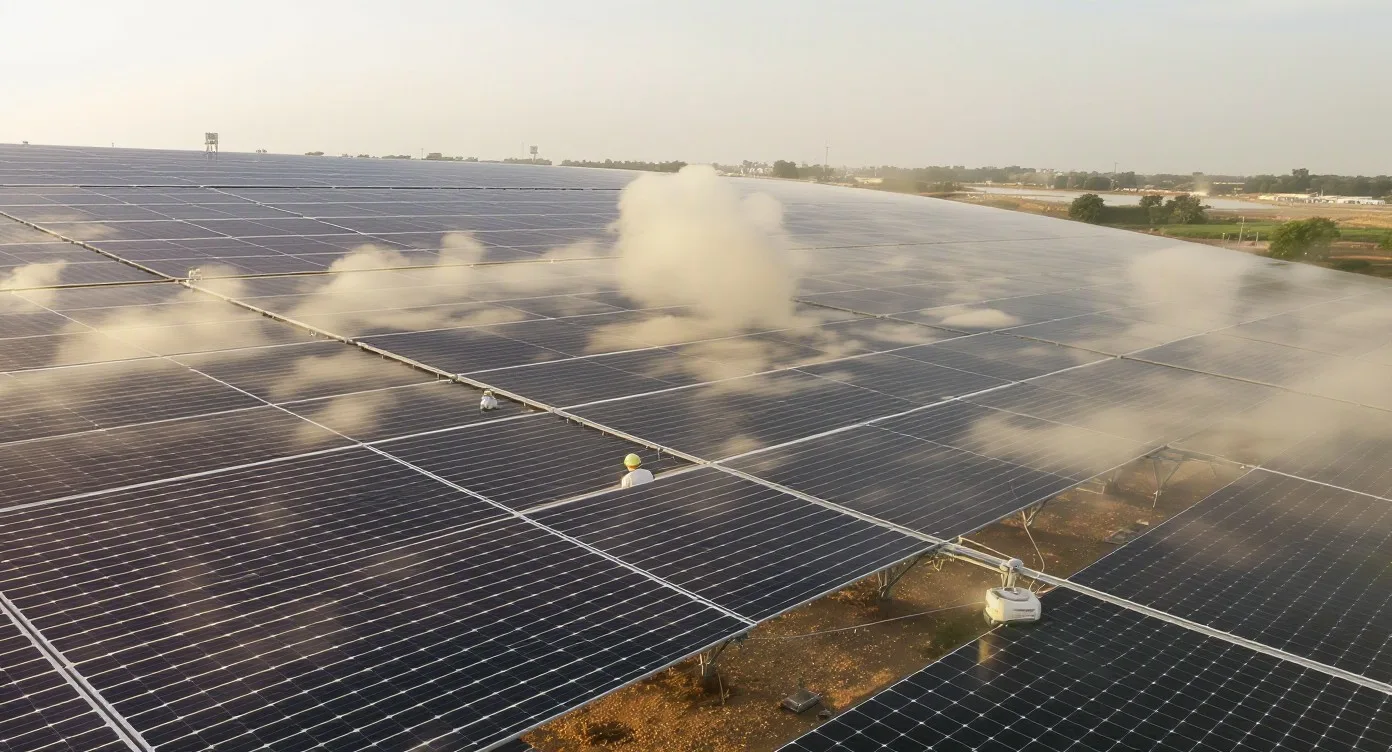
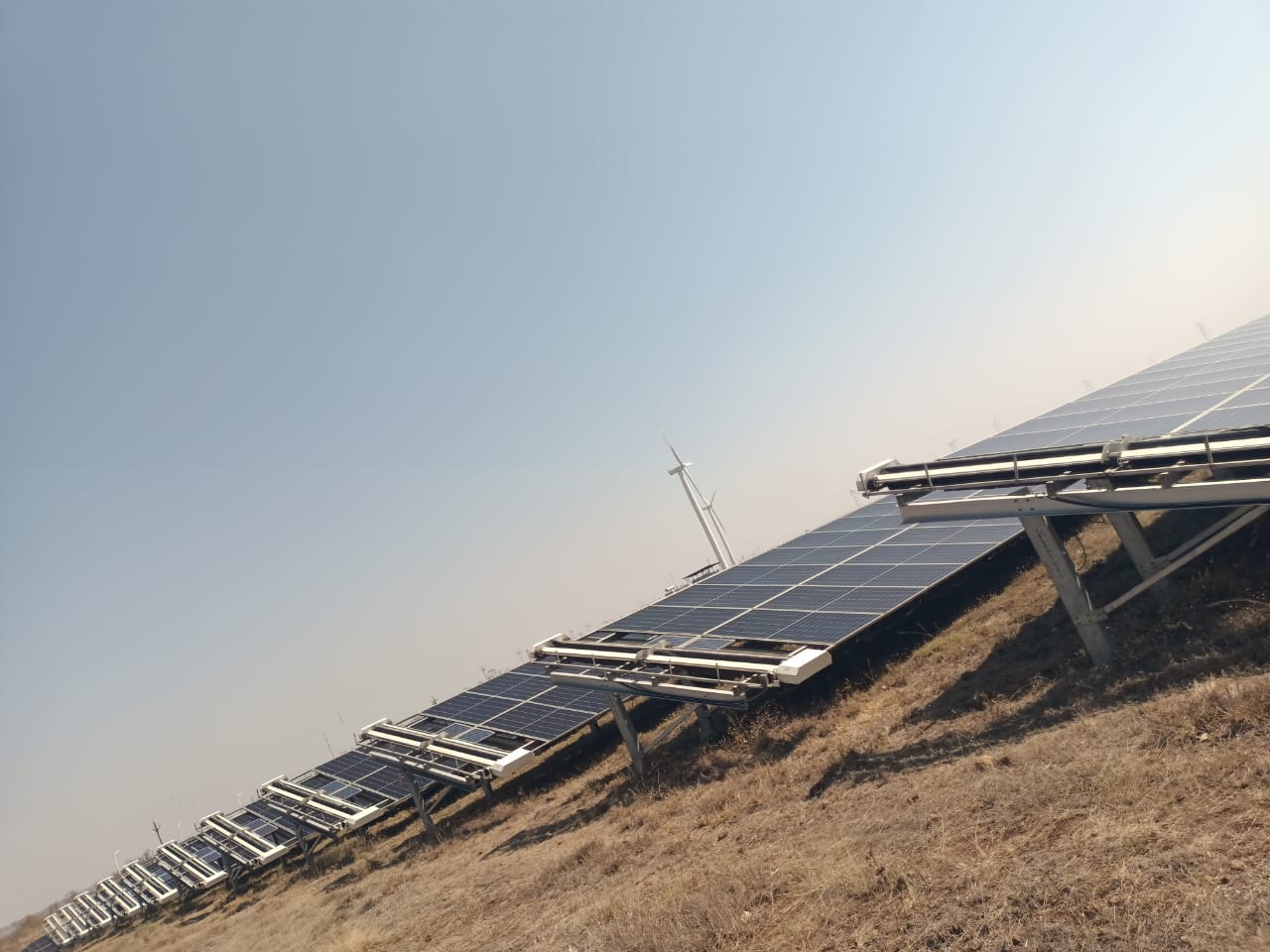
Water scarcity is a critical operational constraint in parts of Bihar, particularly for sites situated away from primary irrigation canals or stable water grids. Relying on water-based cleaning for large-scale arrays introduces significant risks, including high logistics costs for water hauling and the potential for water-spotting to accelerate future soiling accumulation. Modern O&M programs now favor waterless methods, which eliminate the reliance on erratic supply chains and reduce the risk of module micro-cracking caused by heavy, manual high-pressure jetting. By shifting to waterless robotic cleaning systems, operators can achieve 99% cleaning efficiency without the hidden overhead of sourcing, treating, and transporting large volumes of water across vast plant footprints.
The trade-offs between water-based and waterless cleaning are significant for long-term profitability. In a 100MW plant, the sheer volume of demineralized water required for monthly cleaning can become a major logistical bottleneck. If the local groundwater table is receding, the cost of water procurement can rise by 15-20% annually, directly eroding the project's IRR. Waterless technology, while requiring a higher upfront investment, acts as a hedge against both water scarcity and rising utility costs. Additionally, using hard local water for cleaning can leave calcium and magnesium deposits on the glass, which effectively creates a permanent layer of "artificial soiling" that degrades performance over time.
Technical workflow for integrating cleaning into your O&M schedule
Integrating cleaning into your existing SCADA or fleet management workflow is the final step in professionalizing Bihar solar panel maintenance and cleaning programs. Asset owners should map their cleaning interventions to localized weather triggers, such as wind speed and humidity, which serve as predictors for rapid dust accumulation. Effective implementation requires clear communication protocols between the on-site team and the central control room to ensure cleaning equipment is deployed only during optimal solar hours. For a comprehensive overview of how to manage these deployments at scale, refer to our guide on choosing a solar cleaning system for Indian utility plants. By establishing a unified telemetry feed, operators can log every cleaning pass in a centralized portal, enabling audit-ready performance reports for PPA compliance.
A standard technical workflow should include the following phases:
- Data Correlation: Compare real-time AC/DC yield against the expected performance curve to detect soiling onset.
- Resource Allocation: Check weather forecasts to ensure no heavy rain is expected within 24 hours of a scheduled cleaning (to avoid washing away cleaned surfaces with dirty runoff).
- Deployment: Execute cleaning using the designated method (manual or robotic) during the early morning or late afternoon to avoid thermal shock to the glass.
- Verification: Post-cleaning sensor check to confirm the PR has returned to the expected baseline.
- Logging: Recording water usage, labor hours, and cleaning duration in the O&M software for cost-per-kWh analysis.
Selecting the optimal cleaning technology for Bihar solar sites
For utility-scale operators, selecting a cleaning methodology is not merely a matter of preference but a strategic financial decision. In the context of bihar panel maintenance cleaning programs, the primary drivers are water logistics, labor reliability, and module longevity. While manual cleaning is accessible, the long-term risks of inconsistent cleaning and high labor turnover often make it unsuitable for high-capacity plants.
Comparing manual, semi-automated, and robotic methods
Robotic systems, though requiring a higher initial investment, offer the best long-term ROI by minimizing water use and providing a standardized cleaning quality. By integrating these robots into a wider O&M strategy, companies can mitigate the risks of labor shortages and ensure consistent yield throughout the year. The following table outlines the primary differences between these approaches.
| Cleaning Method | Water Demand | Labor Intensity | Initial CAPEX | Annual OPEX | Cleaning Efficiency |
|---|---|---|---|---|---|
| Manual (Brush/Bucket) | High | High | Low | High | 85-90% |
| Semi-Automated (Sprayer) | Moderate | Medium | Medium | Medium | 90-95% |
| Robotic (Waterless) | Minimal | Low | High | Low | 98-99% |
When evaluating these technologies, plant managers must also consider the "failure mode" of each method. Manual cleaning is highly susceptible to human error, such as uneven pressure application which can lead to micro-cracks in the silicon cells. Semi-automated systems reduce this risk but still require significant man-hours for setup and movement. Robotic systems provide the highest level of consistency, as their pathing is programmed and their pressure is regulated, making them the superior choice for plants with premium, high-efficiency modules where the cost of damage is extremely high.
Proactive seasonal maintenance protocols for Bihar PV assets
A successful maintenance program in Bihar must be dynamic rather than static. The region's weather transitions, from the extreme heat and dust of the pre-monsoon period to the high humidity and rainfall of the monsoon, demand shifts in operational focus. For instance, during the dry months, the priority is aggressive dust removal to prevent thick particulate layers from blocking sunlight. However, once the monsoon arrives, the focus shifts toward moisture management and electrical inspections.
Seasonal maintenance checklist for utility-scale plants
By following a structured seasonal checklist, plant managers can move from a reactive cleaning mindset to a predictive performance model. This is essential for meeting the stringent generation guarantees often found in Power Purchase Agreements (PPAs).
- Pre-monsoon: Inspect mounting structures for dust accumulation and stabilize soil around foundations to prevent erosion. Tighten all mechanical fasteners that may have loosened due to thermal expansion/contraction.
- Monsoon: Conduct electrical integrity audits on junction boxes and monitor for Potential Induced Degradation (PID) risks caused by high humidity. Check all cable trays for water ingress or nesting animals.
- Post-monsoon: Remove organic bio-film and algae from module edges and clear all drainage channels of debris. Inspect for any bird droppings or localized biological growth that survived the rain.
- Winter: Assess micro-crack risks caused by rapid thermal cycling and heavy morning dew during cold snaps. Ensure that the cleaning frequency is adjusted as dust settles more slowly in cooler, calmer air.
Key takeaways for asset owners
- Implement a variable cleaning schedule that adjusts based on real-time PR data rather than fixed quarterly calendars.
- Prioritize waterless technologies to mitigate regional water scarcity risks and minimize the logistical complexity of utility-scale maintenance.
- Integrate cleaning logs into a centralized O&M portal to simplify reporting for generation guarantees and performance audits.
- Monitor the specific agricultural dust patterns near your Bihar site to forecast peak soiling periods and optimize labour deployment.
- Evaluate professional cleaning service models for large-scale sites where internal team bandwidth is limited.
Sources and further reading
Frequently asked questions
For utility-scale solar operators in Bihar, implementing a robust cleaning and maintenance program is essential for protecting plant revenue from soiling-induced performance degradation. Asset managers should prioritize data-driven, recurring cycles that align with seasonal dust patterns rather than relying on reactive cleaning methods.
Agricultural dust significantly impacts performance, leading to typical soiling losses ranging from 3–7 percent. The presence of organic matter, combined with morning dew, allows this dust to adhere firmly to surfaces, which requires consistent 15–30 day cleaning intervals to mitigate rapid yield degradation.
The break-even point is determined by comparing the cost of lost electricity generation against the expense of a cleaning intervention. Operators should integrate local meteorological data and on-site pyranometer readings to calculate the specific moment when the revenue loss exceeds the standard 1.5–2.5 Lakhs INR per MW annual maintenance budget.
Cleaning interventions should be defined by real-time performance ratio data and site-specific soiling rates. Operators should track the degradation of power output relative to historical clear-sky benchmarks, particularly during high-dust periods like paddy harvest cycles, to trigger cleaning events at optimal economic intervals.