Best practices turn cleaning from a visible chore into auditable O&M that lenders and asset managers can defend. On Indian utility plants in Rajasthan, Gujarat, and Karnataka dust belts, weak standards create warranty disputes, uneven PR across blocks, and emergency tanker bills after May dust storms. A 25 MW site losing 5% PR for six dry months can bleed crores in MWh at typical PPAs near ₹3.00–3.80/kWh, far above a disciplined cleaning budget.
This guide defines what plant managers, O&M contractors, and cleaning vendors should standardize before the next storm season: OEM alignment, measurement discipline, safety, documentation, and post-campaign verification. Whether you run manual wet crews, a waterless robot fleet, or a hybrid, the governance layer is the same.
Quick answer
- OEM-approved methods only, with written module cleaning clearance on file.
- Measure soiling with reference modules or soiling stations before mobilizing crews or robots.
- Document water litres, labour hours, robot pass logs, and block coverage every campaign.
- Verify PR with irradiance-normalized performance ratio, not midday inverter snapshots alone.
- Define storm SLAs so finance knows how fast full-plant recovery must happen after dust events.
Start with OEM and insurer alignment
Module manufacturers publish cleaning guidance: brush type, pressure limits, chemical bans, and temperature windows. Utility plants that ignore this risk micro-scratches, anti-reflective coating damage, and warranty rejection when soiling was blamed on aggressive methods. Before any new brush, detergent, or robot fleet, obtain written approval for your exact module SKU and frame height.
Store approvals in the O&M data room alongside method statements. When vendors rotate seasonal labour, onboarding must include a signed acknowledgment of OEM limits. This is boring paperwork until a 50 MW lender technical advisor asks why PR dropped after a deep wet rinse with unapproved surfactants.
Measure soiling before you schedule
Best practice is data-triggered cleaning, not calendar-only washes. Install reference modules or use soiling sensors on representative blocks: upwind edges, internal rows, tracker zones, and agricultural-adjacent strings. Compare soiled versus clean reference output under similar irradiance, or track PR depression against your clean-day baseline from commissioning.
On a 10 MW fixed-tilt block in Jodhpur, a sustained 4% PR gap against baseline often justifies mobilization within days. In milder monsoon-adjacent sites, the same gap might warrant waiting if forecasts show effective rain rinse. The practice is measuring, not guessing from drone photos alone.
Illustrative cost of skipping measurement (10 MW, dry season)
| Scenario | Assumed PR impact | Illustrative 6-month MWh loss | Revenue at ₹3.50/kWh |
|---|---|---|---|
| Clean baseline | 0% vs model | 0 | N/A |
| Moderate soiling, delayed clean | −4% average PR | ~320 MWh | ~₹11.2 lakh |
| Heavy post-storm film, 3-week delay | −8% peak weeks | ~480+ MWh blended | ~₹16.8 lakh+ |
Numbers are illustrative for planning, not universal quotes. Use your site yield model and PR calculation discipline monthly.
Method execution: manual, wet, and robotic
Manual wet crews should work in zones with supervisors logging start and end times, water source, and litres per MW where measurable. Avoid high-pressure jets on frame gaps; use approved brushes and squeegee patterns that prevent mud dams at module edges. Tractor-mounted systems need speed caps and overlap rules so rows are not striped clean and dirty.
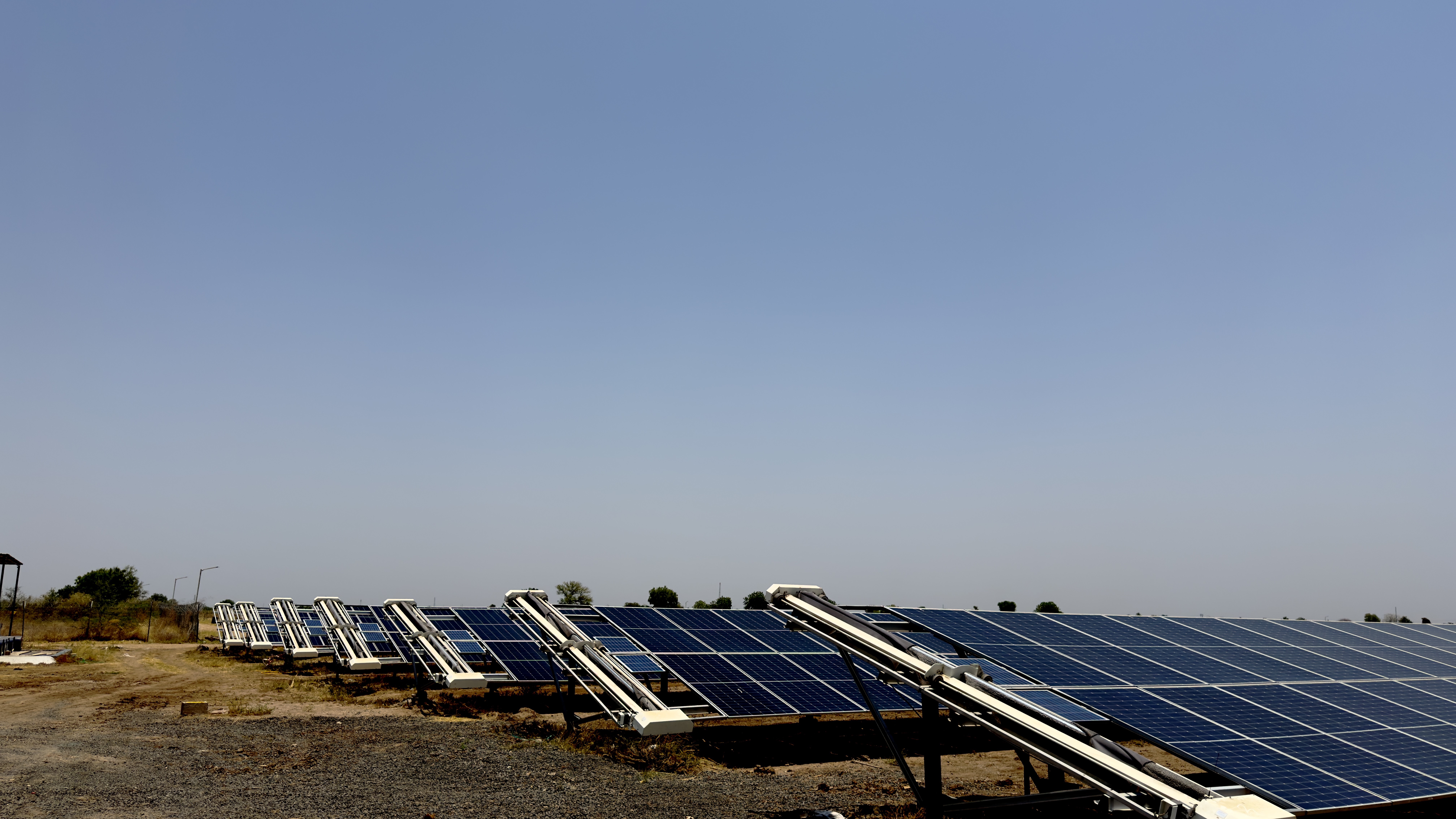
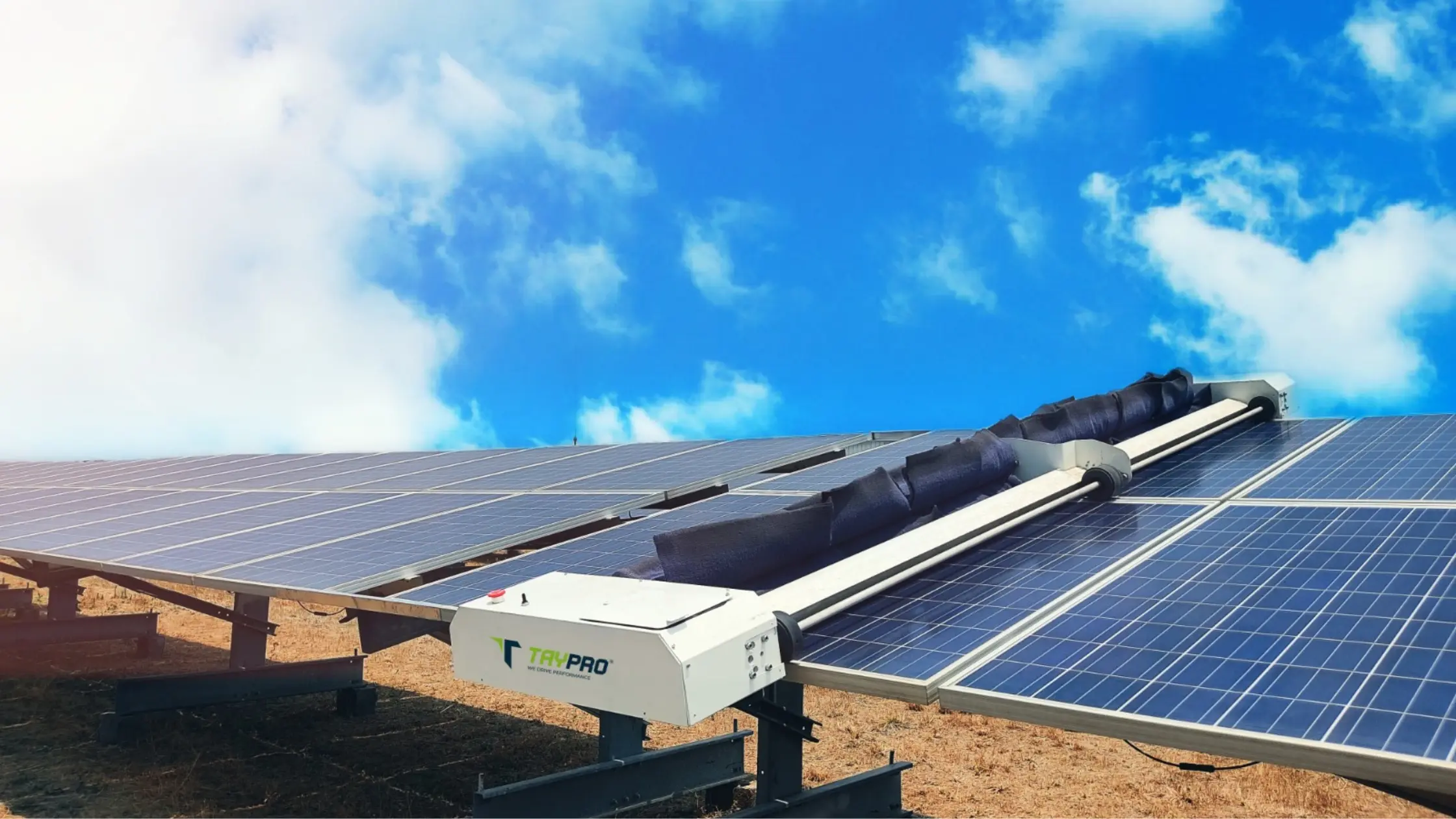
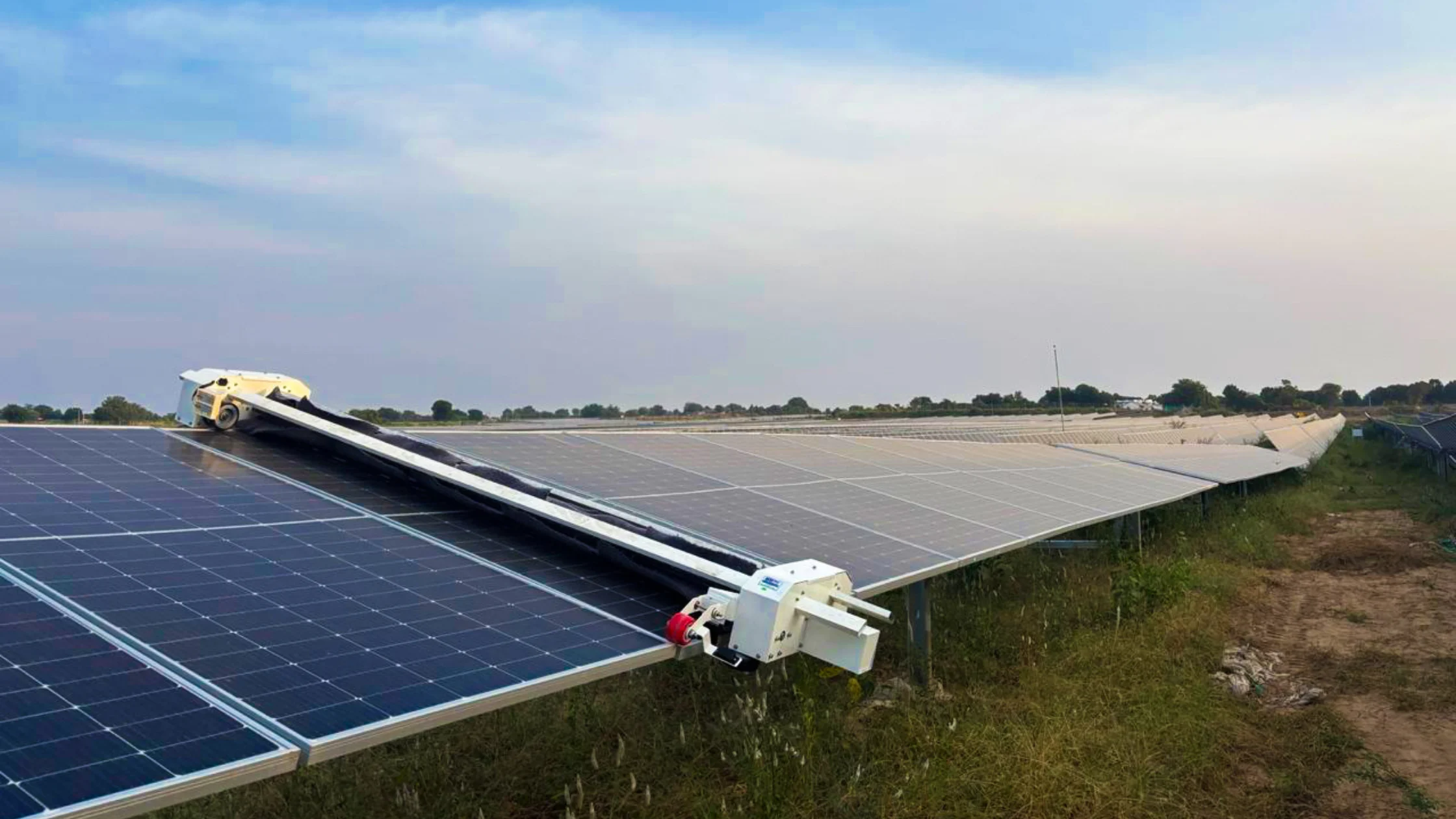
Waterless robots require route surveys, obstacle marking, and night windows on trackers with documented stow clearance. Best practice mandates pass coverage reports: which rows completed, which aborted for wind, and which need manual follow-up. A robot program that silently skips 12% of rows after every storm performs like an expensive partial manual round.
Safety and workforce practices
Utility cleaning injures people when heat, height, and electrical proximity combine. Mandate hydration breaks above 40°C field temps, restricted hours in peak summer, and harness discipline on elevated structures. Train crews on combiner box clearance and never spray water into open DC connectors.
Robot programs reduce person-hours on rows for routine dust but introduce new risks: internal vehicle traffic, charging fires if mishandled, and complacency when alarms are ignored. Shift engineers must treat abort codes as operational events, not nuisance pop-ups. Compare safety profiles in robotic vs manual cleaning.
Documentation auditors expect
Every campaign should produce: date, blocks covered, method used, water litres (if wet), labour headcount or robot pass IDs, pre and post soiling notes, and PR trend for seven days after. Lenders and IPP asset teams increasingly ask for this during dry-season reviews. ESG packs may also request water withdrawal totals separate from generation data.
Integrate logs with your CMMS or O&M ticketing so cleaning tickets link to PR dashboards. When off-takers dispute availability, timestamped records beat verbal claims about "we cleaned last month."
Seasonal and storm recovery standards
Define SLAs before May dust season: maximum hours from dust event to first pass on critical blocks, and maximum days to full-plant coverage. In Gujarat, a haboob can cement dust in 48 hours; practices that allow ten-day mobilization guarantee sustained PR loss on untouched zones.
Monsoon practices differ: pause wet cleaning when lightning risk is high; plan post-monsoon mud removal on low-lying blocks; verify drainage did not leave soil splash on lower module edges. Read weather impact on cleanliness in India for regional nuance.
Vendor management and quality audits
O&M contractors often subcontract cleaning to seasonal vendors whose supervision quality varies. Best practice requires pre-season vendor audits: insurance, safety training records, OEM method acknowledgment, and equipment inspection. Random spot checks during campaigns catch shortcut behaviors like skipping interior rows or reusing unapproved chemicals.
Score vendors on PR recovery per rupee spent, not lowest bid per pass. A cheap vendor who stripes rows or damages frames costs more in MWh and warranty risk than a disciplined crew at modest premium. Annual vendor reviews should include comparison of water litres per MW, hours per MW, and post-campaign reference module data across blocks.
Robot vendors need parallel audits: firmware update discipline, spare parts availability, mean time to recover from aborts, and honesty in coverage reporting. Treat robot O&M like inverter O&M with SLA language in contracts.
Integrating cleaning with SCADA and performance analytics
Advanced plants overlay cleaning tickets on PR dashboards so control room engineers correlate stair-step losses with last pass date per block. When PR drops on Block C but cleaning logs show pass two days ago, triage shifts to tracker fault or string issue rather than automatic re-mobilization.
Export monthly CSV joins: block ID, last clean date, average PR that week, irradiance sum. Asset analysts use this to tune frequency rather than debating from memory in monthly calls. Platforms that support soiling estimation still need ground-truth reference modules for calibration in Indian dust regimes.
Should a 50 MW Rajasthan plant use the same practices as a 15 MW Gujarat site?
Core standards (OEM approval, measurement, documentation, PR verification) should be identical across your portfolio. Execution differs: larger sites need zone-based crew or fleet scheduling, multiple water sources or waterless fleets, and parallel mobilization after storms. A 50 MW plant cannot rely on one tanker and a single crew rotation without accepting multi-week PR bleed; practices must scale throughput, not relax QA.
Key takeaways for plant managers
- Standardize OEM-approved methods across blocks, vendors, and robot fleets.
- Trigger cleans from soiling data and PR trends, not calendar habit alone.
- Document water, labour, and coverage; verify recovery on reference modules.
- Define storm SLAs and audit vendor compliance quarterly.
- Integrate cleaning logs with monthly PR reviews and lender packs.
Standardize one QA workflow for manual crews and robots: same reference modules, same PR verification, same documentation standard.
Related resources
Frequently asked questions
Follow module OEM methods, measure soiling before scheduling, use trained crews or approved robots, document water use, and verify PR recovery after campaigns. Treat cleaning as a controlled O&M workstream with method statements, not ad hoc hose-downs when dust is visible from the highway.
Manual wet cleaning often uses low-irradiance windows early morning or late evening to reduce thermal shock and daytime generation interference. Many robots run at night to avoid shading rows and hot glass, especially on tracker plants where stow positions are validated for night passes.
Harness rules on elevated structures, electrical awareness near combiner boxes, lockout where required, and heat stress protocols for day crews in Rajasthan and Gujarat summers. Robot programs still need safe charging zones, traffic management on internal roads, and clear abort procedures when wind limits are breached.
Shift focus from pole ergonomics alone to fleet monitoring, wind and stow interlocks, pass coverage audits, and battery maintenance schedules. The QA loop stays the same: measure soiling, execute approved method, log coverage, verify PR recovery on reference modules.
Review method statements and vendor compliance quarterly, and after any warranty claim or module damage incident. Annual dry-season drills should test storm recovery SLAs with timed mobilization and documented PR baselines on dirty reference blocks.