Quick answer: Integrating your PV panel system O&M
Integrating a high-efficiency PV panel system into a 50MW+ utility-scale portfolio requires a standardized technical approach that balances mechanical cleaning with plant performance monitoring. For asset owners in India, the integration strategy hinges on aligning hardware capabilities with real-time site data to minimize yield losses from soiling.
- Maintain a cleaning cycle frequency of 7–15 days in high-dust regions like Rajasthan to prevent yield losses exceeding 20%.
- Ensure robot fleet compatibility with single-axis trackers by verifying motor torque and rail alignment tolerances before site-wide deployment.
- Target a 40% reduction in O&M costs by shifting from manual, water-based cleaning to waterless robotic systems for 50MW+ installations.
- Integrate real-time soiling sensors with your SCADA system to trigger cleaning cycles only when PV panel output drops by a pre-set threshold (e.g., 2–3%).
How often should you clean a 50MW+ PV panel system in Indian dust belts?
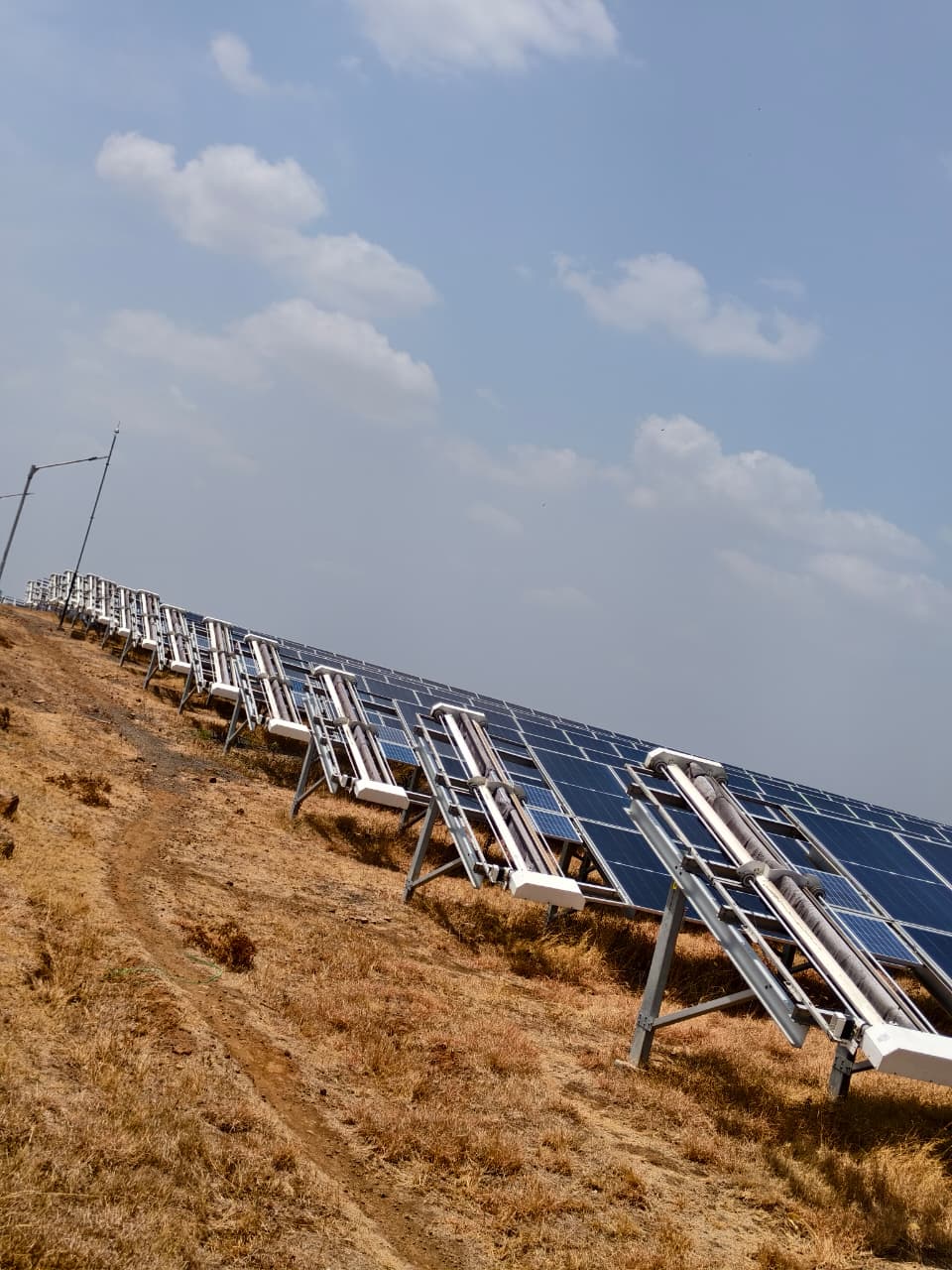
Determining the optimal cleaning frequency for a large-scale plant in regions like Gujarat or Rajasthan is not a matter of a fixed calendar schedule, but rather a calculation of the cost of generation loss versus the operational cost of the cleaning intervention. In arid utility zones, where annual soiling losses can range from 6% to 15%, the goal is to keep the Performance Ratio (PR) within a target tolerance zone rather than aiming for 100% cleanliness at all times.
For a 50MW+ site, the strategy for determining the clean cycle should follow a data-driven protocol:
- Baseline Monitoring: Use a secondary reference cell at the same tilt angle as your PV panel system to measure real-time irradiance loss attributed specifically to dust, as described in our guide on managing soiling losses.
- Soiling Thresholds: Set an automated trigger at a 2.5% to 3% decline in energy generation. Deploying a robotic system, such as the automated robotic fleet, once this threshold is breached ensures you are not wasting energy or robot wear-and-tear on cleaning days when dust accumulation is negligible.
- Climatic Variability: In high-dust belts, the frequency typically tightens during summer months and high-wind periods. A 50MW+ plant must be segmented into blocks; cleaning intensity should be higher for perimeter rows prone to localized dust from external road traffic, while central blocks may require less frequent intervention.
The transition from manual cleaning teams to autonomous systems at the 50MW scale offers a significant advantage in cycle time. While manual crews may take several weeks to cover a large plant, an autonomous fleet can execute a full-site cleaning rotation in as little as 48 to 72 hours. This rapid turnaround is essential to prevent the compounding effect of soiling on module degradation, especially when dealing with advanced glass coatings that require gentle, waterless microfiber or PBT-based mechanical action. By aligning your cleaning frequency with the actual drop in site-wide PR, you protect your modules from over-cleaning while maximizing the return on your capital expenditure.
Technical requirements for integrating robotic fleets with SCADA
For utility-scale assets exceeding 50MW, the integration of an automated cleaning system must move beyond isolated robot operation and into the plant’s broader Supervisory Control and Data Acquisition (SCADA) network. A robust integration requires a dual-layer communication architecture. First, the robot fleet must communicate via a reliable local network, typically utilizing an RF mesh or industrial LoRaWAN, to ensure commands reach every robot across expansive tracts of land where cellular coverage may be inconsistent. Second, this local network must interface with the plant’s central SCADA or an intelligent fleet management portal, such as NECTYR, to synchronize cleaning schedules with site-specific generation data.
Integrating the robotic fleet into the SCADA environment involves three critical technical pillars:
- Data Handshaking: The system must ingest real-time irradiance and soiling-loss data from local sensors. The integration layer should trigger cleaning cycles automatically when PR drops below a pre-programmed threshold, typically 2.5–3%, rather than relying on manual intervention.
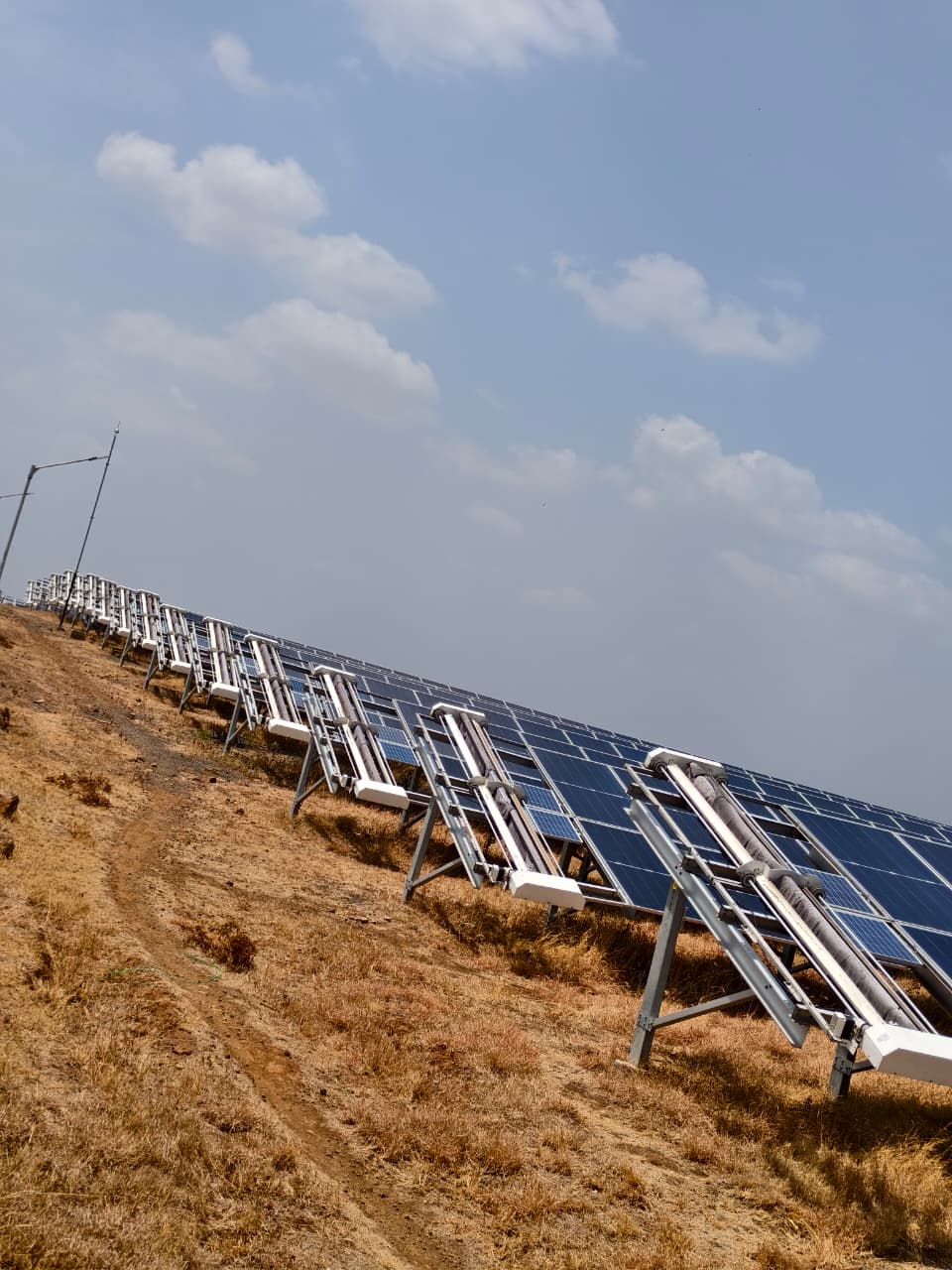
- Tracker Alignment Awareness: On single-axis tracker plants, the SCADA must provide the robot fleet with the current tracker angle. Robots like the GLYDE-X or NYUMA-X must synchronize their movement with the tracker positioning, ensuring they dock correctly and navigate the tilt range from -52° to +52° without risking mechanical strain on the module frames or inter-row cabling.
- Fault Reporting and Alerting: The communication layer must support real-time error codes. If a robot encounters an obstruction, such as debris or a structural anomaly on the tracker table, it should broadcast an alert directly to the O&M command center, allowing for targeted maintenance instead of fleet-wide downtime.
Effective integration also necessitates careful planning of the hardware layer. Charging stations must be positioned at optimal intervals along the row ends, consistent with the robot's range, typically covering up to 2,200 meters per charge for units like the GLYDE or NYUMA. By ensuring the software and hardware are tightly coupled, asset owners can achieve a 99% cleaning efficiency rate, turning the cleaning process from a variable-cost risk into a predictable, data-backed operational constant.
Mitigating micro-cracks and warranty risks during system integration
Integrating an autonomous cleaning system into a 50MW+ utility-scale plant requires a rigorous focus on module integrity. Warranty protocols from Tier-1 module manufacturers often stipulate strict guidelines regarding the mechanical load applied to the glass surface. Using improper cleaning brushes or excessive downward pressure can introduce micro-cracks, invisible structural failures that lead to hot spots, cell degradation, and eventually, total module failure. The goal of the integration strategy is to automate the process while adhering to the 'do no harm' principle of O&M.
To preserve module health, consider the following technical safeguards during the selection and deployment phase:
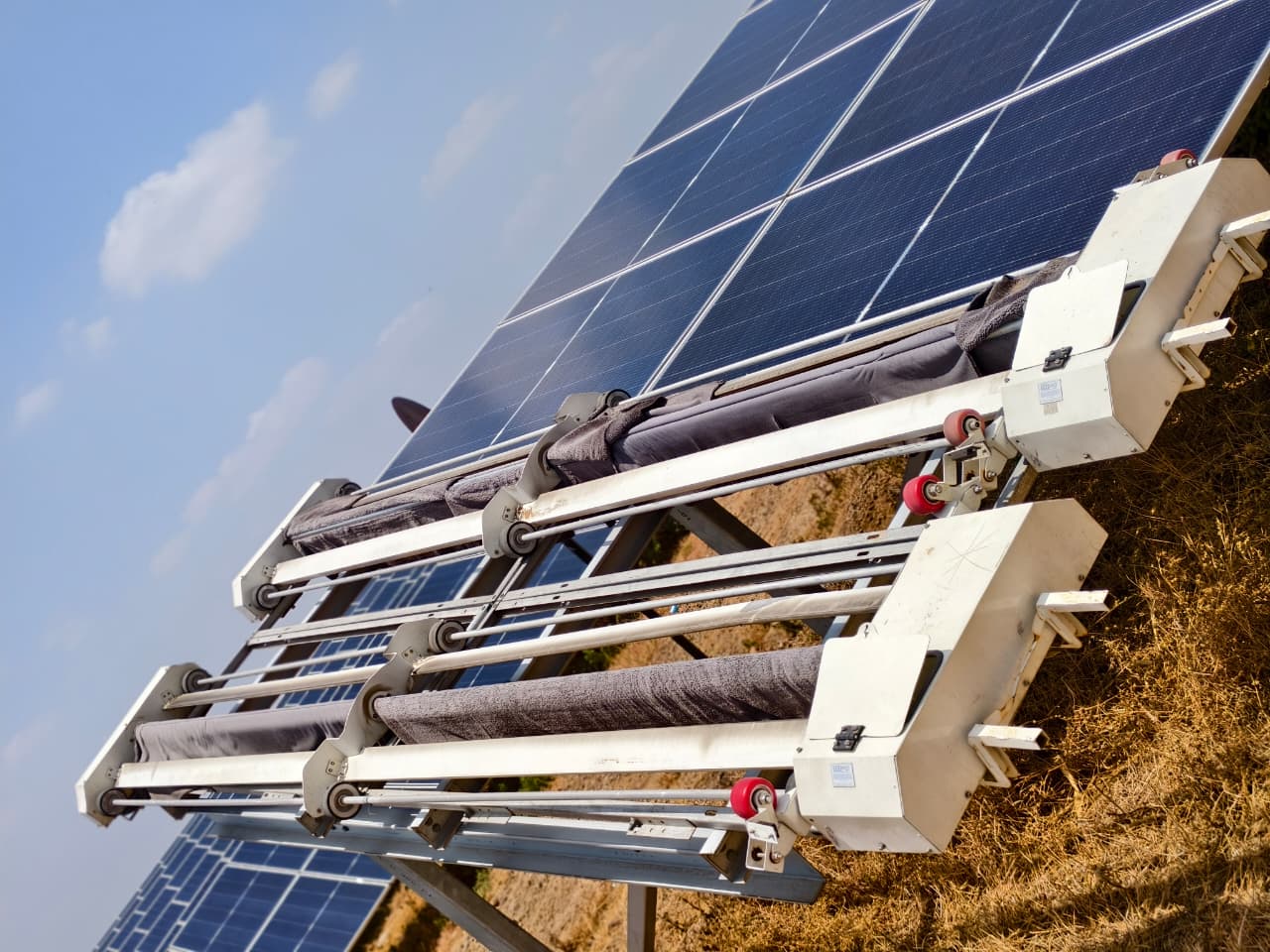
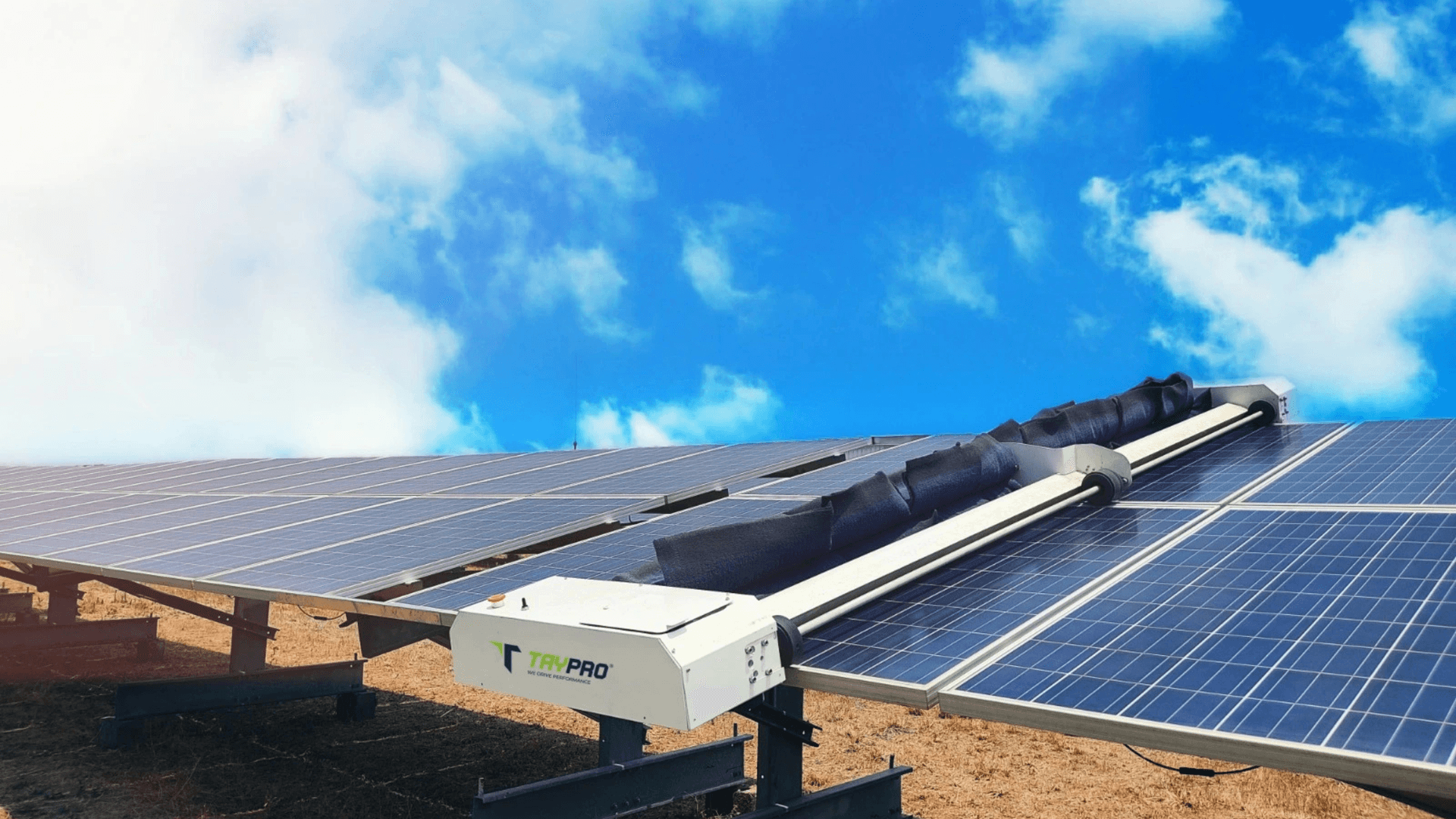
- Material Compatibility: Verify that the cleaning media is compatible with the module's anti-reflective coating (ARC). For example, patented dual-pass microfiber systems, which combine gentle airflow with soft microfiber, are designed to lift dust without abrasive contact, minimizing the risk of scratching the glass. Alternatively, UV-stable PBT brushes are engineered for long-term field exposure without hardening, which prevents the surface-level degradation often seen in low-quality bristle alternatives.
- Controlled Mechanical Load: The robot’s weight and pressure distribution are paramount. Standard utility-scale robots, weighing between 26 kg and 39 kg, must maintain consistent contact with the module surface to prevent excessive vibration. Integration should include a test phase where robots operate on tracker segments under varying load conditions, ensuring the pressure does not exceed the manufacturer’s specified snow or wind-load tolerances.
- Safety Interlocks: Modern robotic systems incorporate edge and obstacle detection, as well as automatic fall-prevention mechanisms. Integrating these safety features ensures that if a sensor detects a gap or a frame anomaly, the system halts operation immediately, preventing mechanical impact with the module edges.
Furthermore, standardizing your cleaning method across the entire 50MW+ site reduces operational risk. By using certified, compatible cleaning technology, asset managers can provide clear, documented evidence of maintenance practices to module suppliers, ensuring that claims for performance degradation or mechanical failure remain valid under the manufacturer’s warranty terms. When transitioning from manual to autonomous cleaning, as detailed in our guide on improving performance ratio, this focus on gentle, consistent maintenance is the primary defense against long-term asset value erosion.
Scaling O&M: From manual labour to autonomous cleaning systems
Transitioning a 50MW+ plant from manual labour to an autonomous maintenance strategy involves more than just swapping brushes for robots. It requires a fundamental shift in how maintenance cycles are integrated into the plant's operational rhythm. In manual-heavy environments, cleaning is often reactive, triggered by visible dust layers or noticeable drops in performance ratio (PR). At utility scale, this approach is insufficient; it ignores the non-linear relationship between minor soiling and significant yield degradation. Autonomous systems allow for a shift toward predictive scheduling, where robots like the GLYDE-X or NYUMA-X are deployed based on real-time data inputs from the plant's SCADA and weather forecasting systems.
For large-scale portfolios, the integration process should focus on the following pillars of automation:
- Standardized Fleet Deployment: Instead of fragmented cleaning efforts, deploy robots in synchronized rows. This ensures the entire array is cleared within a specific window, maintaining uniform power output across the entire block and reducing the occurrence of localized shading and mismatched string performance.
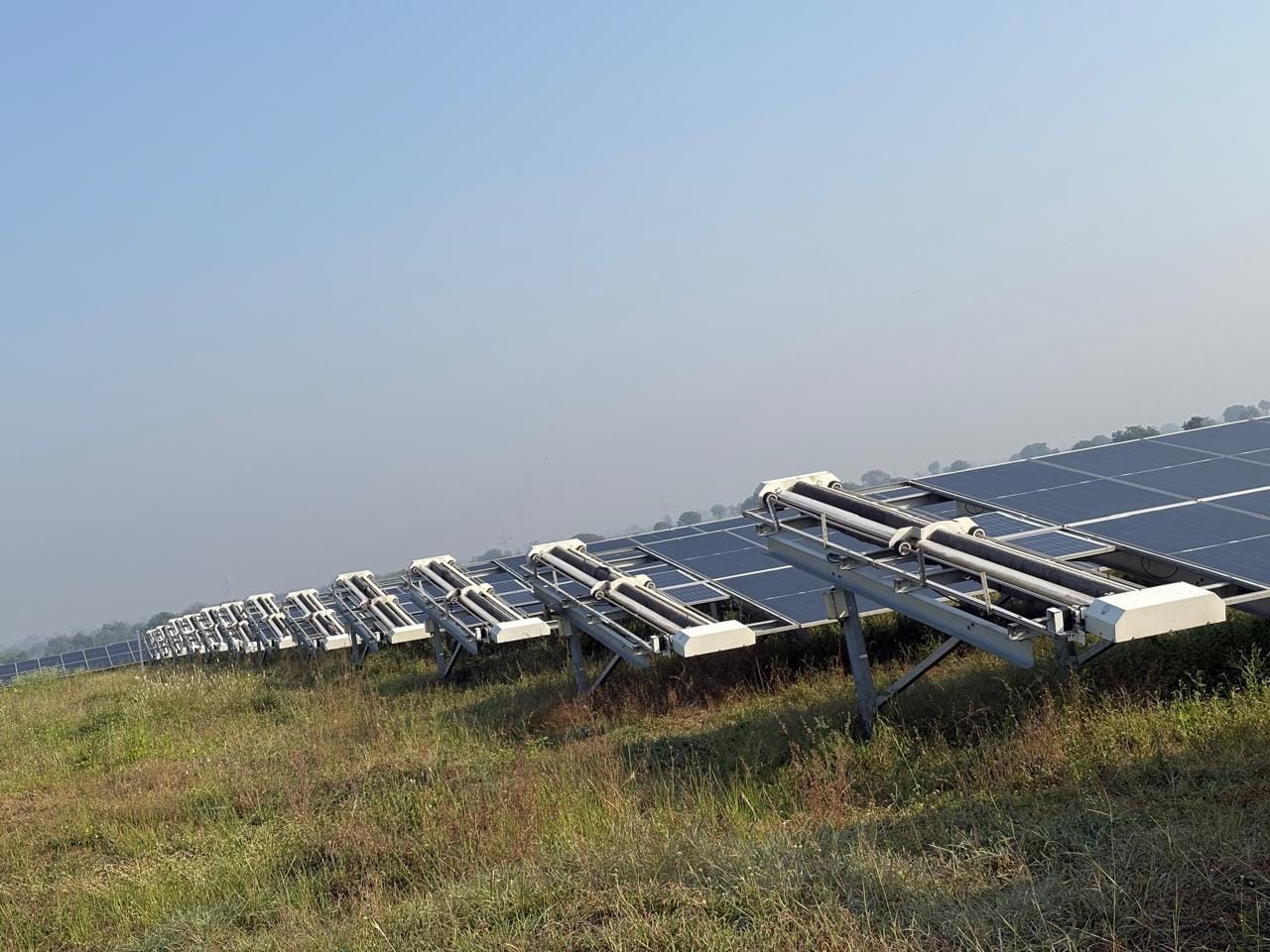
- Tracker-Specific Optimization: Scaling on single-axis trackers necessitates robots that can navigate dynamic table angles (-52° to +52°). Using robots equipped with flexible 360° bridge architectures, such as the GLYDE-X, ensures that cleaning is not interrupted by the tilt of the tracker, minimizing the need for manual overrides or mid-day shutdowns.
- Data-Driven Scheduling: Integration with a fleet management portal like NECTYR allows managers to transition from static cleaning schedules to dynamic ones. By correlating soiling data with regional dust storm patterns, which can cause yield losses of 10-30% in arid Indian zones, the system can prioritize cleaning rows in the path of heavy accumulation, optimizing battery usage and robot longevity.
- Docking and Charging Efficiency: A key constraint at the 50MW+ level is the cycle time of the robot. Modern utility-scale units are engineered to operate continuously over rows up to 2.2 km long. By strategically installing charging docks at row ends, robots can self-charge between cycles, keeping downtime to a minimum and maximizing coverage for high-capacity arrays.
When the system is correctly scaled, the need for intensive site-wide human intervention drops significantly. The shift from manual to autonomous cleaning isn't just about reducing headcount; it's about shifting the O&M workforce from a primary cleaning crew to a high-value technical task force capable of predictive maintenance. This transformation is further discussed in our guide on managing performance ratio losses, which outlines how reliable, robotic consistency maintains yield levels that manual, variable-quality cleaning simply cannot match.
Key takeaways for plant managers
Integrating an autonomous maintenance strategy is a long-term investment in plant reliability. As India accelerates toward its 500 GW renewable energy target, the O&M strategies implemented today will define the profitability and performance of utility-scale assets for decades.
- Prioritize Compatibility: Always evaluate the interaction between the cleaning media (such as dual-pass microfiber or UV-stable PBT brushes) and the module's anti-reflective coating to prevent micro-cracks and warranty invalidation.
- Integrate for Visibility: Utilize centralized fleet management software to gain granular visibility into each row's performance, enabling targeted, data-backed cleaning cycles rather than arbitrary site-wide maintenance.
- Focus on Tracker Dynamics: For single-axis tracker plants, ensure the selected robotic system features flexible body articulation and specific tracker-docking capabilities to ensure seamless traversal across all tilt angles.
- Leverage Scale for ROI: At the 50MW+ level, the transition to autonomous cleaning leverages economies of scale, leading to O&M cost reductions of up to 40% and a significant reduction in water consumption, a critical metric for environmental compliance in water-stressed regions.
- Plan for the Lifecycle: Select hardware and service partners that offer comprehensive support, including spares, predictive maintenance, and software updates, ensuring the system evolves alongside your site’s operational data as highlighted in our recent analysis of solar tracker maintenance.
Frequently asked questions
Integrating a high-efficiency PV panel system into a 50MW+ utility-scale portfolio requires a standardized technical approach that balances mechanical cleaning with plant performance monitoring. For asset owners in India, the integration strategy hinges on aligning hardware capabilities with real-time site data to minimize yield losses from soiling.
You can effectively integrate an automated routine by shifting from manual, water-based cleaning to waterless robotic systems. This shift is essential for 50MW+ installations, as it targets a 40% reduction in overall O&M costs. By maintaining a cleaning frequency of 7–15 days in arid regions, you optimize plant performance while keeping generation losses within acceptable limits.
The primary challenges involve ensuring fleet compatibility with your tracker hardware. Before site-wide deployment, you must verify the motor torque of your robotic cleaners and confirm that rail alignment tolerances are met. Failure to account for these mechanical specifications can lead to equipment damage or performance inefficiencies across your single-axis tracker arrays.
The choice of technology impacts warranties by dictating the mechanical stress placed on modules. Utilizing waterless robotic systems designed for specific rail alignments minimizes the risk of physical damage to the module surface. By ensuring your chosen equipment meets manufacturer alignment tolerances, you protect your system integrity and avoid violating warranty terms during routine cleaning cycles.