Quick summary for plant managers
Selecting the right photovoltaic manufacturers is no longer a matter of simply comparing cell efficiency; it is an exercise in long-term risk management. For utility-scale operators in India, the intersection of hardware quality and O&M compatibility determines your plant's internal rate of return over a 25-year lifecycle. Manufacturers that provide rigid module architecture, documented robotic compatibility, and predictable linear degradation are the only ones capable of supporting the high-uptime requirements of modern MW-scale assets.
- Warranty & Bankability: Prioritize Tier-1 photovoltaic manufacturers providing a minimum 25-year performance warranty with linear degradation rates typically under 0.55% annually.
- Robotic Compatibility: Evaluate module frame design and glass strength to ensure compatibility with automated cleaning systems; look for hardware certified for 5400 Pa static load to mitigate micro-crack risks during robotic transit.
- Surface Durability: Align module glass AR coating specifications with your projected cleaning frequency, typical utility intervals range from 7 to 15 days in high-soiling regions like Rajasthan, to prevent premature coating erosion.
- Commissioning Specs: Ensure mounting hole placement and frame profiles allow for unobstructed sensor movement and docking station alignment, which are critical for autonomous fleet operations.
Which photovoltaic manufacturers offer the best support for India’s utility-scale O&M?
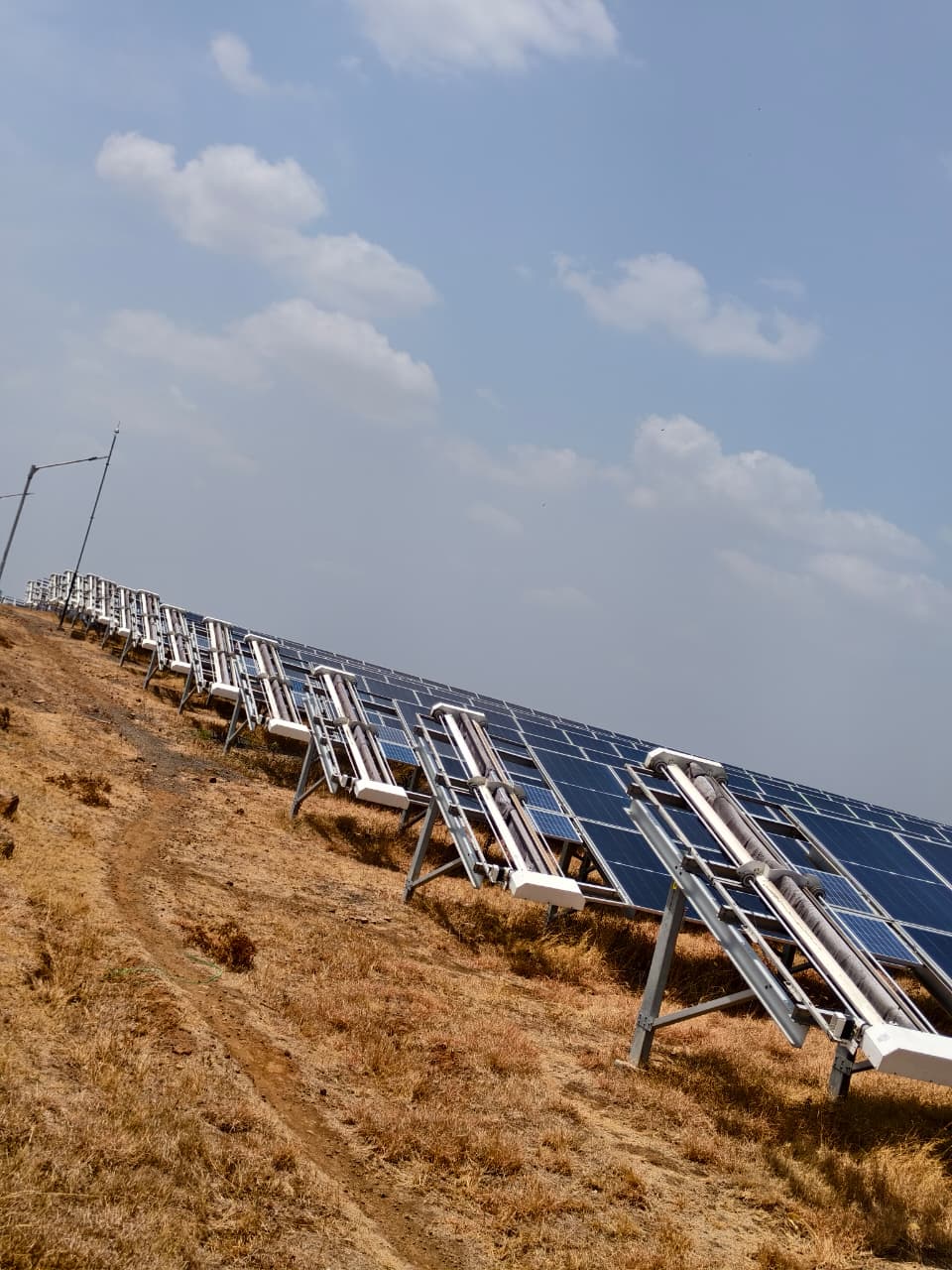
In the Indian utility-scale market, support extends far beyond the point of delivery. A manufacturer’s ability to provide technical documentation, spare module consistency, and clear guidelines on cleaning-agent impact is paramount. As discussed in our analysis of the industry's soiling challenge, the physical interaction between your chosen module and the cleaning equipment is the most common point of failure for plant performance.
When shortlisting photovoltaic manufacturers, asset owners should look for those who maintain an active footprint in the Indian subcontinent. Manufacturers with local technical teams are better equipped to provide specific load-bearing certifications and frame-compatibility data that O&M teams need when integrating automated cleaning solutions. The most reliable suppliers currently offer transparency regarding the chemical resistance of their anti-reflective coatings. This is vital because using an aggressive or incompatible cleaning method, whether manual or robotic, can void your warranty if it degrades the glass surface beyond the manufacturer’s specified tolerance.
Furthermore, bankability remains a non-negotiable metric. An OEM that has sustained a consistent presence in large-scale Indian tenders (often those appearing in top-tier shipment reports) is more likely to provide long-term access to identical spare modules. This consistency is essential when replacing modules damaged by environmental factors or maintenance accidents. Without this, you risk introducing mismatched electrical characteristics to your strings, which can lead to localized hotspots and significant energy yield loss. As we have seen in advanced RF-enabled solar farm monitoring, modern O&M is data-driven; your manufacturer's willingness to integrate with your O&M and monitoring layer is the hallmark of a partner, not just a vendor.
When comparing manufacturers, consider the following alignment checklist:
| Criterion | Low-Risk Manufacturer | O&M Integration Impact |
|---|---|---|
| Mechanical Load | 5400 Pa Certified | Prevents frame bending/cracks under robot load |
| AR Coating | High Durability/Abrasion Resistance | Essential for frequent dry cleaning cycles |
| Local Support | India-based Technical Team | Faster warranty response and site audits |
| String Compatibility | Consistent M10/M12 Wafer Standards | Simplifies future retrofits and replacements |
Ultimately, the best photovoltaic manufacturers for Indian MW plants are those that treat O&M as a first-class citizen in their product development. Before finalizing your RFP, ensure that the manufacturer has explicitly cleared your chosen cleaning methodology for use on their module glass. This proactive coordination at the procurement phase prevents expensive warranty disputes and ensures that your plant's performance ratio remains optimized from the first day of operation.
Aligning module specs with site-specific soiling conditions
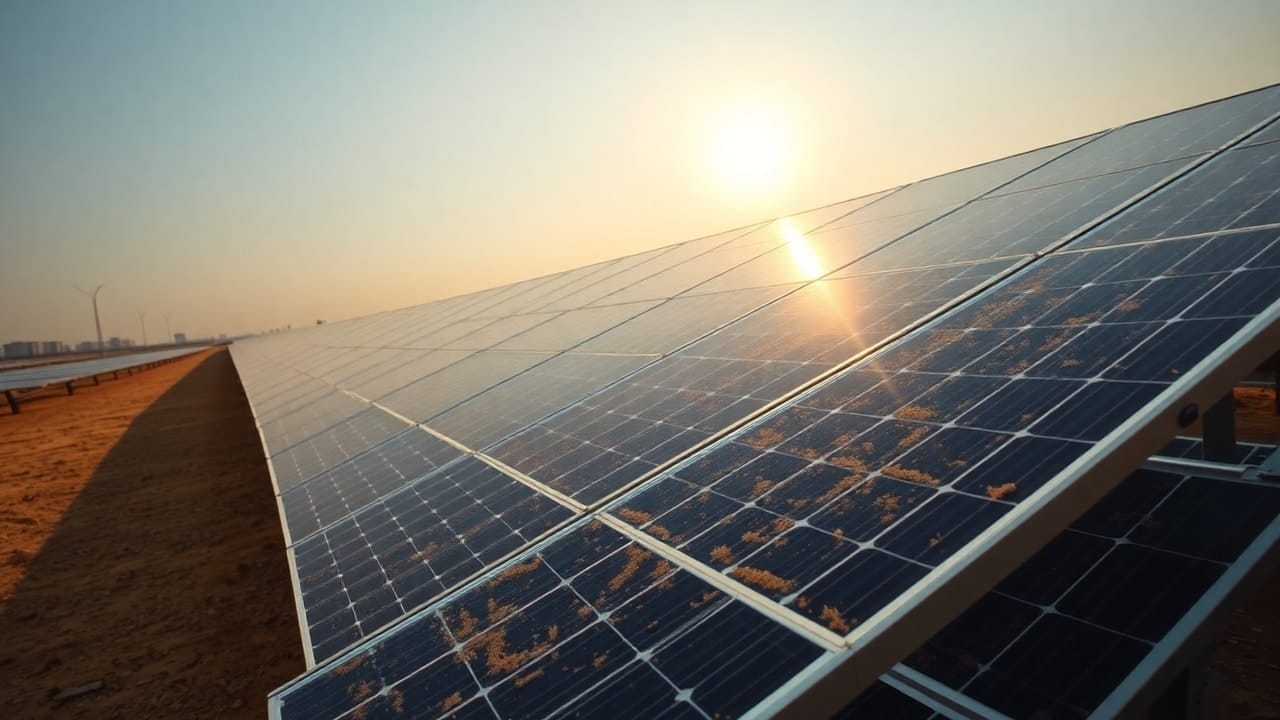
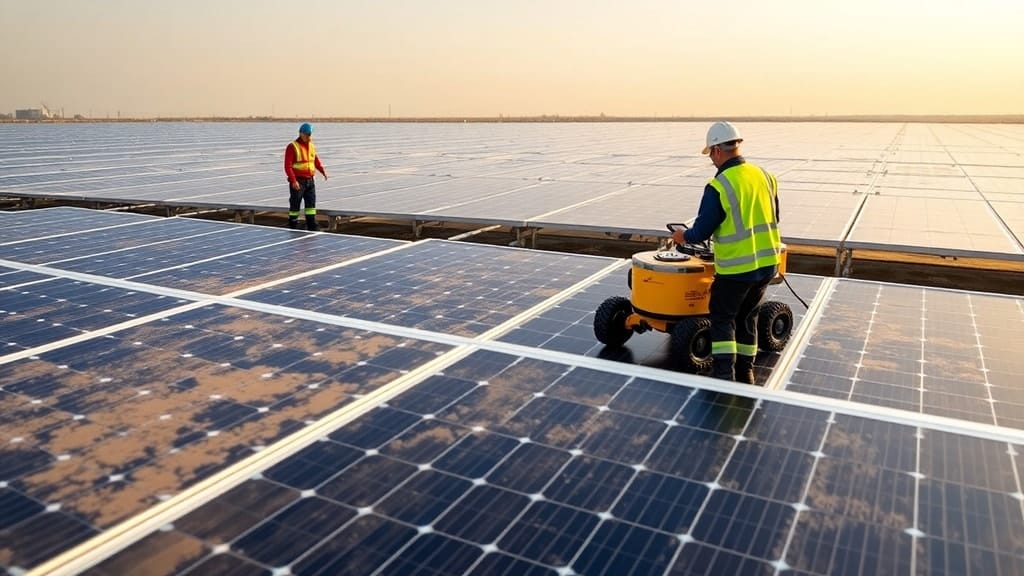
In the arid regions of Rajasthan or the dust-prone agricultural belts of Maharashtra, your choice of module is not merely a question of peak wattage; it is an O&M infrastructure decision. When selecting from various photovoltaic manufacturers, you must analyze how the module’s surface geometry and glass treatment interact with your intended soil-removal strategy. High-performance modules featuring thin-film or specialized anti-reflective (AR) coatings may offer higher energy harvest in ideal conditions, but these surfaces can be susceptible to micro-abrasions if the wrong cleaning protocol is applied. Asset owners in regions with high concentrations of silica-based dust should prioritize modules with reinforced glass or, at minimum, documented compatibility with non-abrasive cleaning methods.
Furthermore, module frame design dictates the efficiency of your cleaning schedule. Modules with deep-recessed frames can create structural barriers that prevent consistent cleaning coverage, leading to 'shadowed' dust zones that accumulate over time, creating a permanent Performance Ratio (PR) penalty. When researching the industry's soiling challenge, it becomes clear that uniform cleaning coverage is as important as cleaning frequency. If your site plan relies on robotic cleaning systems, ensure the module dimensions are compatible with the mechanical tolerances of your robots to avoid edge-shading or, in worse scenarios, frame-to-robot collisions that could trigger emergency shutdowns. Alignment is the process of matching your environmental reality, whether it is volcanic ash, coastal salt, or desert sand, with a module architecture that supports consistent, repeatable, and low-impact maintenance.
Commissioning and the warranty trap: What to look for in module documentation
The commissioning phase is where most asset owners discover the hidden costs of their procurement choices. A common warranty trap involves the 'Cleaning Guidelines' section of the module data sheet, which often contains boilerplate clauses regarding the use of water, brushes, or automated robots. Before finalizing your RFP with any of the major photovoltaic manufacturers, you must demand a written confirmation or an addendum stating that your proposed automated cleaning operations are covered under the standard warranty terms. Failure to secure this verification can leave you personally liable for degradation or glass-surface damage that the manufacturer may otherwise claim was caused by improper cleaning.
When reviewing technical documentation, focus on three critical dimensions:
- Mechanical Load Certification: Ensure the module is certified for the weight distribution of the cleaning equipment you plan to mount or deploy across the tables.
- Chemical Compatibility: If your O&M plan involves any water-based or additive-based cleaning, verify the specific chemical resilience of the anti-reflective coating against these substances.
- Frame Integrity: Check the manufacturer’s stance on the clamping and cleaning-robot footprint. Some manufacturers specify exact locations where mechanical pressure can be applied, and ignoring these constraints during commissioning can void long-term warranty coverage.
To avoid these pitfalls, involve your O&M lead in the procurement discussion before the final purchase order is issued. An experienced operations team will identify potential conflicts between the manufacturer's warranty limitations and your site's cleaning requirements. By forcing this alignment during the RFP phase, you ensure that the manufacturer is aware of the maintenance environment and that your cleaning fleet, whether robotic or manual, is fully supported by the equipment's official documentation. This proactive approach is the difference between a plant that sustains its nameplate capacity over 25 years and one that suffers from compounding, unrecoverable PR losses in its first decade.
Comparative analysis of cleaning-robot approaches for utility modules
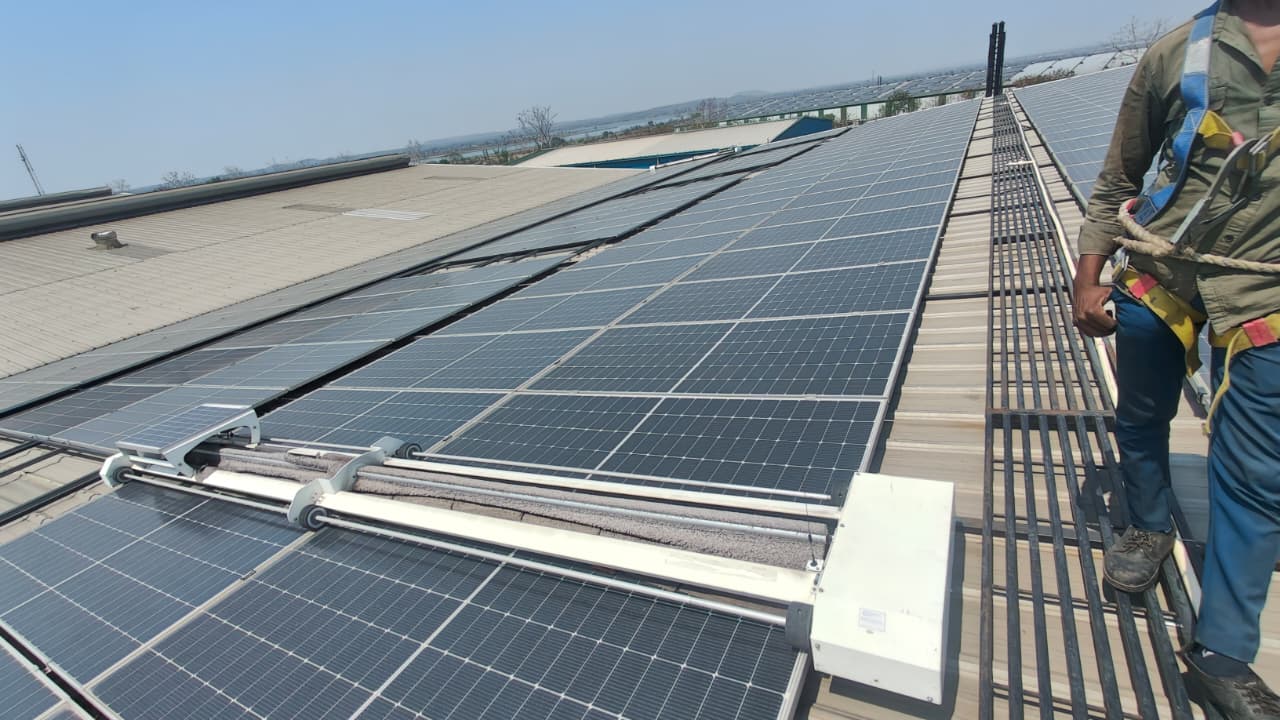
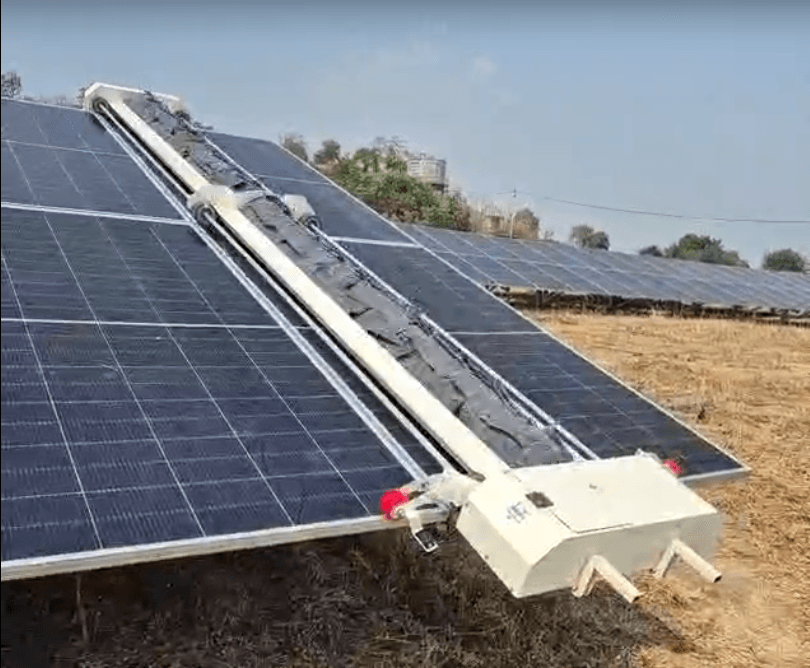
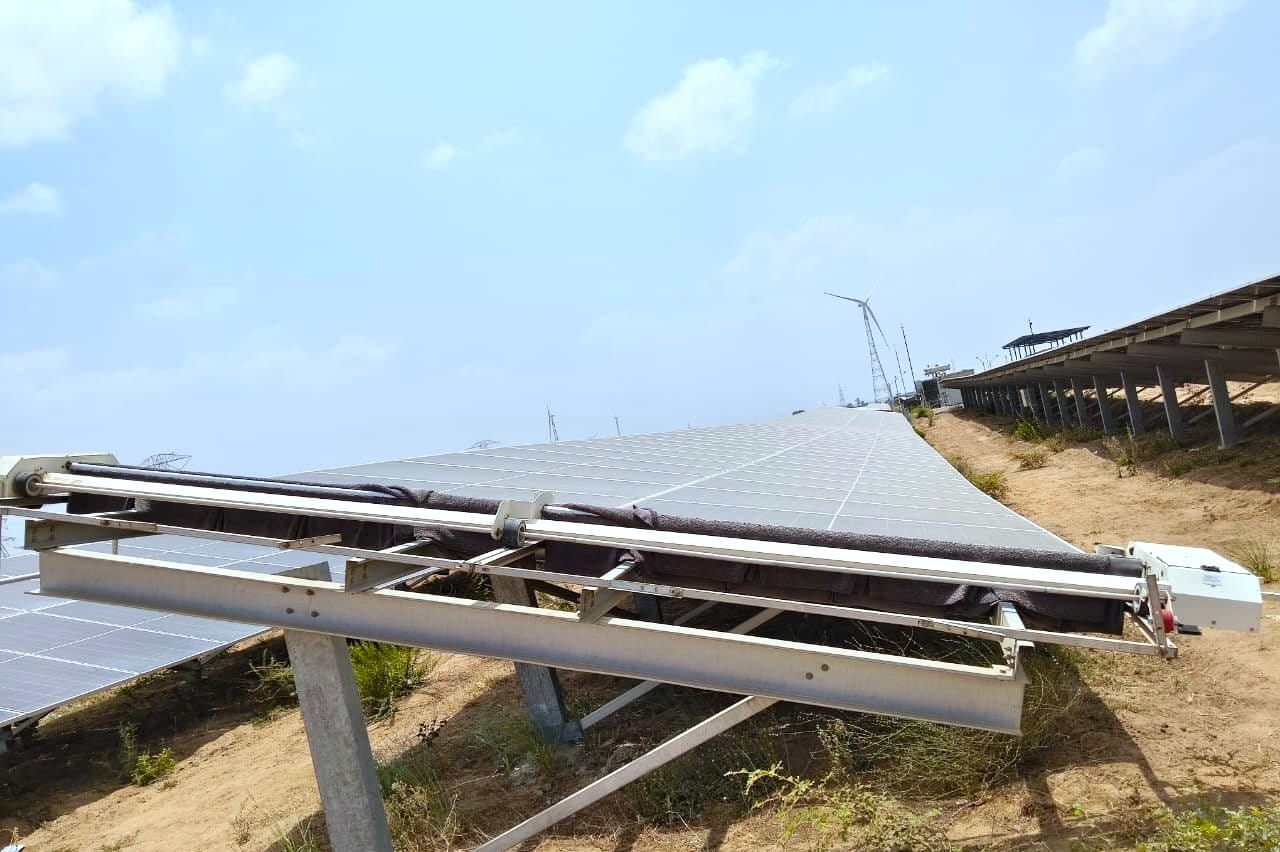
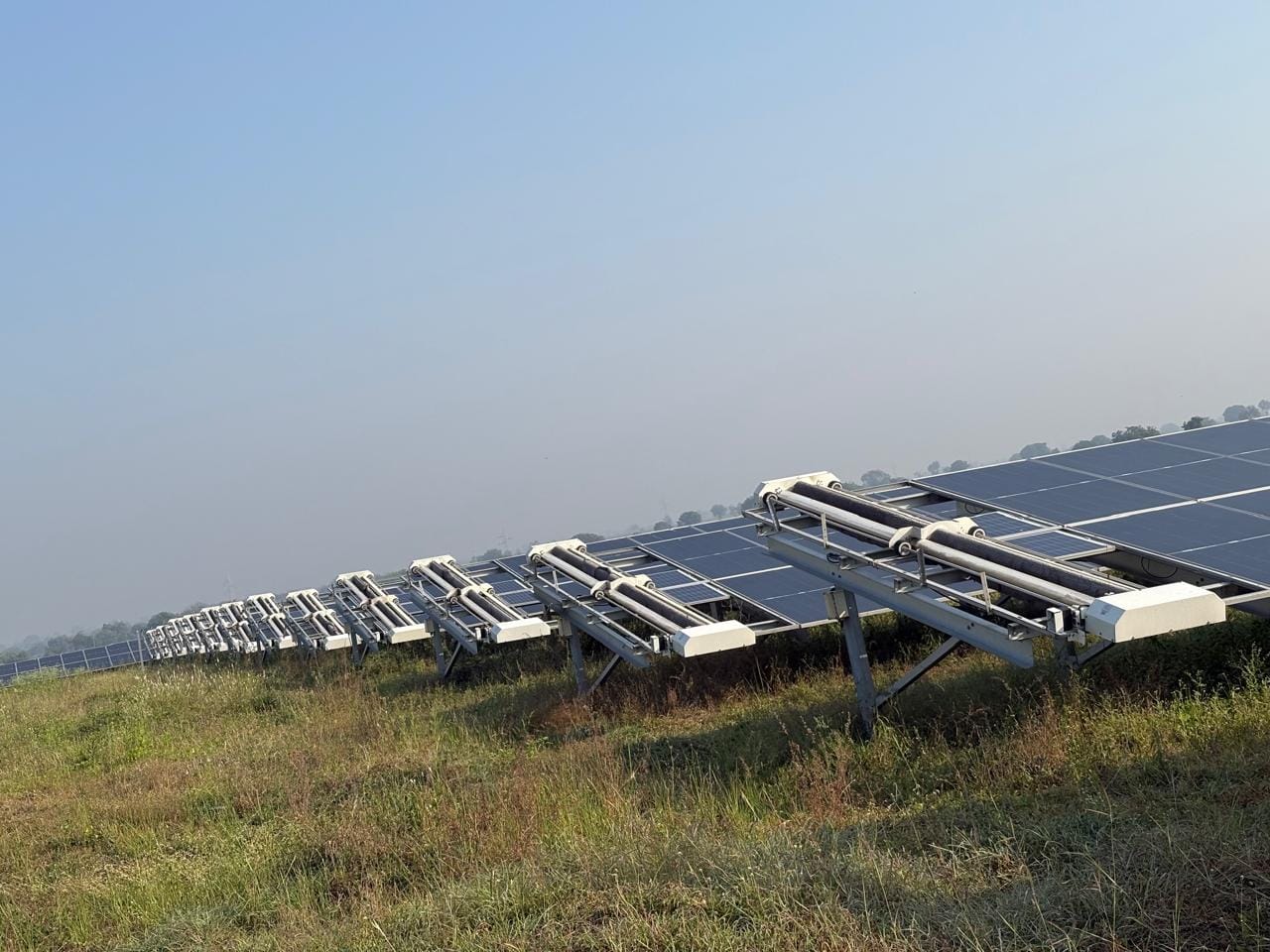
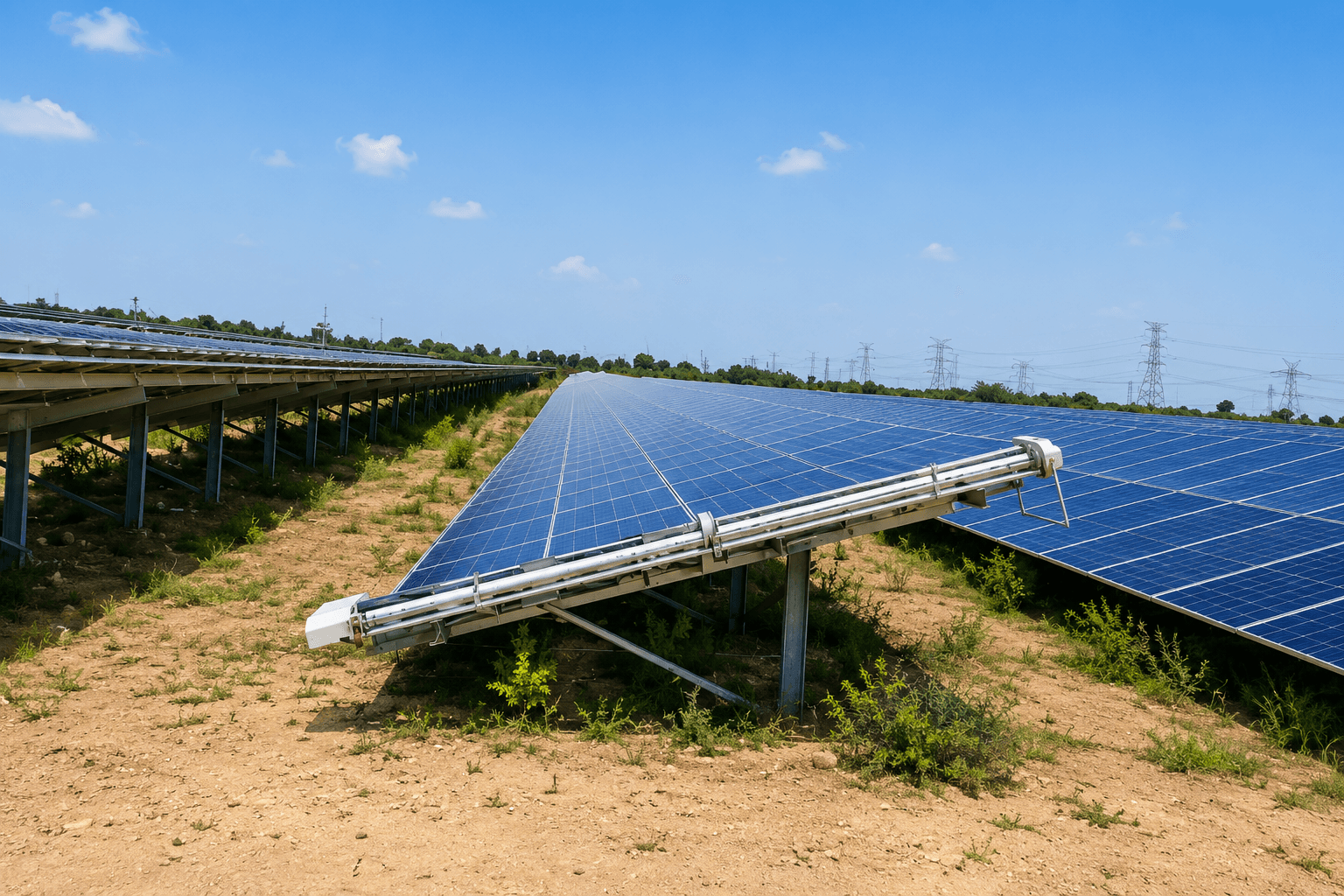
Choosing a robotic system is not just about the hardware; it is about selecting the right cleaning technology that aligns with your module's surface coating and your site's soiling profile. Not all robots are equal, and applying the wrong mechanical stress to your PV modules can lead to micro-cracks or anti-reflective coating (ARC) degradation. When evaluating various vendors, distinguish between dry-brush systems, microfiber-based robots, and hybrid autonomous platforms. The primary technical divide in the current utility-scale market is between PBT brush technology and microfiber-based dry cleaning.
| Criteria | Microfiber (e.g., GLYDE) | PBT Brush (e.g., NYUMA) | Manual/Traditional |
|---|---|---|---|
| Cleaning Impact | High (microfiber contact) | Medium (brush friction) | Variable (operator-dependent) |
| Water Usage | Zero (Waterless) | Zero (Waterless) | High (or none if dry-brush) |
| ARC Safety | High (non-abrasive) | Moderate (requires soft PBT) | Low (risk of scratching) |
| Tracker Fit | Excellent (GLYDE-X) | Excellent (NYUMA-X) | Poor (inefficient at 50MW+) |
| Deployment Type | Autonomous | Autonomous | Manual/Semi-Manual |
The choice between PBT and microfiber technology often depends on the type of dust your site encounters. In regions like Rajasthan, where abrasive, sharp-edged desert sand is common, microfiber systems like the Taypro GLYDE-X are engineered to capture particulates rather than redistribute them, which reduces the scratching potential often associated with standard brush systems. Conversely, PBT-based systems like the NYUMA line offer robust, long-life performance in areas with higher humidity or organic soiling, where slightly more aggressive mechanical scrubbing is necessary to maintain PR. Selecting the correct manufacturer requires verifying that their cleaning material is certified as safe for your specific module's glass warranty.
The lifecycle cost of choosing the wrong manufacturer
Asset owners frequently focus on the initial CAPEX of module procurement, but the lifecycle cost of choosing a manufacturer with poor O&M integration is often significantly higher. A 'low-cost' module manufacturer that does not document cleaning tolerances or support robotic integration can result in a 'hidden O&M tax.' This tax manifests as voided warranties, increased manual cleaning labor requirements, and permanent PR losses caused by incompatible cleaning cycles. When a manufacturer does not provide clear guidelines on how to interact with their modules during routine O&M, you lose the ability to standardize your fleet's soiling mitigation strategy.
Consider the total cost of ownership (TCO) beyond the initial price per watt. A module that saves you 2% on procurement but requires a manual cleaning workforce due to restricted robotic compatibility will rapidly erase those savings. In an industry where plant operations span 20 to 25 years, the cost of labor-based cleaning vs. autonomous, robot-supported cleaning creates a compounding gap in net present value. Furthermore, the decision-making process must include an assessment of local support. A global manufacturer with no local engineering presence or parts warehouse in India leaves your plant vulnerable to downtime. As discussed in our analysis of field-wide connectivity, the inability to receive remote technical support for your module-related O&M issues is a major operational risk for IPPs managing large-scale portfolios.
Ultimately, the manufacturers that matter most are those that view their modules as a long-term asset rather than a one-time transaction. By vetting your suppliers against your planned O&M and robotic strategy during the RFP phase, you ensure that the plant you commission is built to be optimized, not just built to be installed. An aligned strategy prevents the most common reason for early underperformance in the Indian solar market: a fundamental mismatch between the physical hardware and the operational realities of the site environment.
What plant managers should do next
For IPPs and EPCs currently in the procurement phase, the transition from module selection to operational readiness requires a structured validation process. Simply comparing quotes per watt is insufficient if those modules limit your long-term cleaning strategy. To ensure your investment delivers the expected yield, follow this checklist to bridge the gap between procurement and long-term O&M:
- Document Cleaning Compatibility: Demand written certification from your chosen photovoltaic manufacturers confirming that their anti-reflective coating is compatible with your selected cleaning material (e.g., microfiber vs. PBT brushes).
- Validate Tracker Logistics: If utilizing single-axis trackers, mandate a site-readiness review that maps robot docking locations, charging pathways, and sensor mounting constraints before final civil works conclude.
- RFP Integration: Include O&M-specific clauses in your equipment tender, requiring vendors to provide documentation on panel deflection limits, weight distribution tolerances for cleaning hardware, and warranty protocols regarding robotic interaction.
- Local Support Audit: Verify the manufacturer's local engineering presence in India. Avoid suppliers that lack a domestic warehouse for replacement parts or dedicated technical support for O&M integration.
- Pilot and Baseline: For portfolios exceeding 50 MW, pilot your robotic cleaning solution on a single block during the commissioning phase to establish a baseline performance ratio, as discussed in our guide on managing performance ratio losses.
By shifting from a purely CAPEX-focused acquisition strategy to one that accounts for the full operational lifecycle, you mitigate the risk of premature degradation and chronic soiling losses. Your photovoltaic manufacturers are the first step in this chain, but your ability to align their hardware with a data-driven, autonomous soiling mitigation strategy determines your actual return on investment over the next two decades.
Frequently asked questions
Selecting the right photovoltaic manufacturers is no longer a matter of simply comparing cell efficiency; it is an exercise in long-term risk management. For utility-scale operators in India, the intersection of hardware quality and O&M compatibility determines your plant's internal rate of return over a 25-year lifecycle.
The manufacturer dictates frame geometry and surface durability. Choosing modules with compatible frame profiles ensures that cleaning robots can dock and navigate without obstruction. Furthermore, the quality of the anti-reflective coating must be verified against your cleaning frequency, which typically ranges from 7 to 15 days in regions like Rajasthan, to avoid premature surface erosion.
Frame stiffness is essential to prevent structural stress and micro-cracks during frequent robotic transit. Plant managers should prioritize modules that carry specific static load certifications of 5400 Pa. These high-strength standards confirm that the module architecture can withstand the physical force applied by automated cleaning systems, thereby protecting long-term plant performance and energy yield.
Warranty terms act as a core component of risk management. A robust 25-year performance warranty ensures predictable linear degradation, which stabilizes your internal rate of return. When selecting a vendor, verify that the warranty coverage explicitly supports your intended maintenance strategy, specifically regarding the interaction between chemical cleaning agents and the module glass surface.