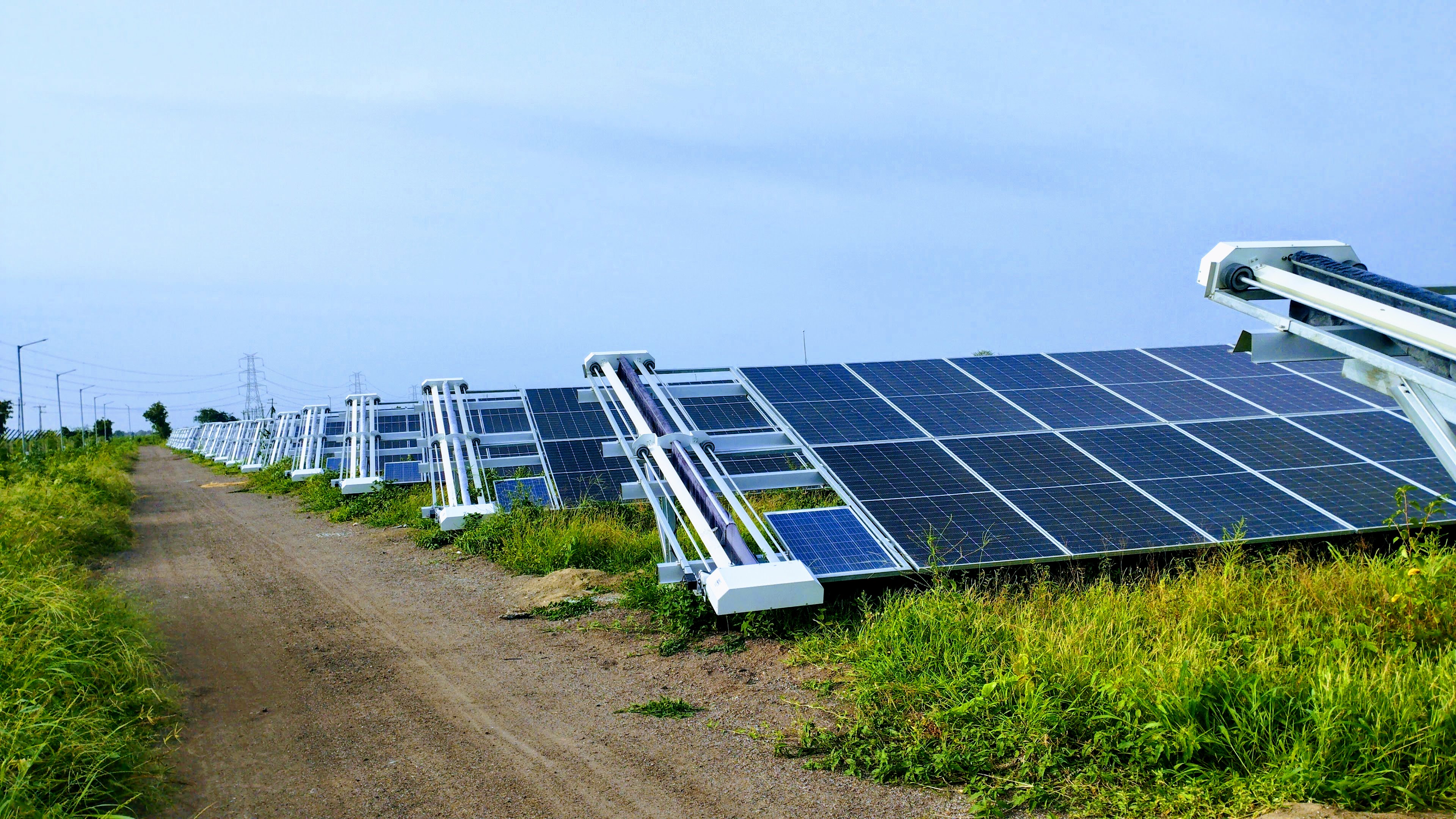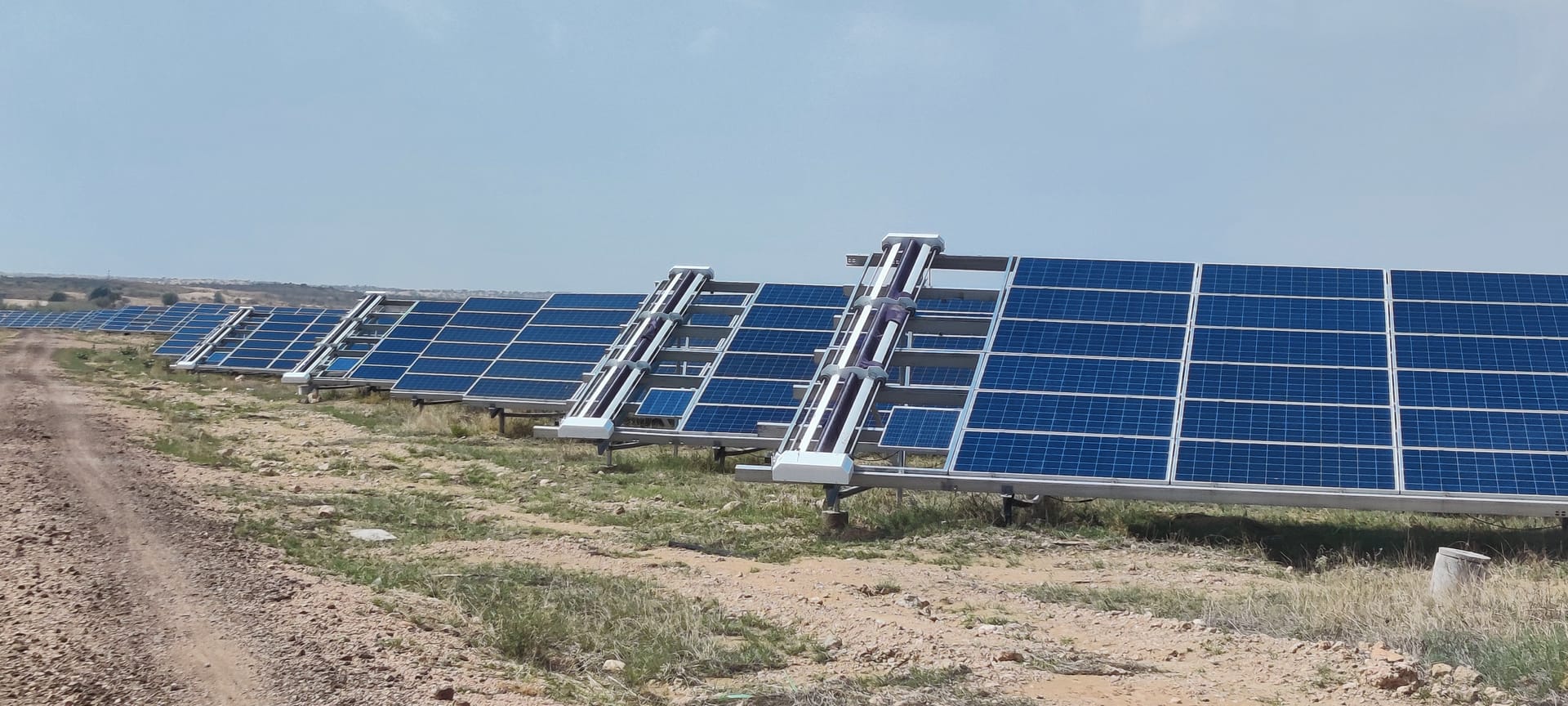
Choosing a solar cleaning system is choosing how you will recover megawatt-hours for twenty years. Indian utility owners weigh water rights, regional labour markets, pre-monsoon dust, tracker geometry, and whether night robot windows beat daytime crew armies on long rows. The wrong choice does not always fail immediately; it fails quietly through PR drift until a dry season exposes the gap.
This guide gives plant managers and asset owners a structured selection process: criteria, decision matrix, pilot design, and a worked 10 MW example with India-specific constraints.
Quick answer
- Score five-year loaded cost vs MWh recovered, not sticker price.
- Match method to fixed-tilt vs tracker geometry separately if needed.
- Require module OEM cleaning approval for every method short-listed.
- Run a reference-block pilot before fleet or multi-year AMC lock-in.
- Compare waterless vs wet and 10 MW cost comparison.
Selection criteria that actually matter
Start with soiling regime, not vendor brochures. Western arid plants face different frequency needs than coastal or agricultural sites. Add water cost and availability, labour mobilization time after storms, row length and tracker stow rules, module OEM constraints, ESG reporting on withdrawal, and lender expectations for O&M spend as a percent of revenue.
Throughput matters as much as per-pass cost. A cheap manual round that finishes twelve days after a dust storm may lose more MWh than a faster robot program with higher annual O&M.
Decision matrix by method
| Method | Best when | Watch-outs | Typical India scale |
|---|---|---|---|
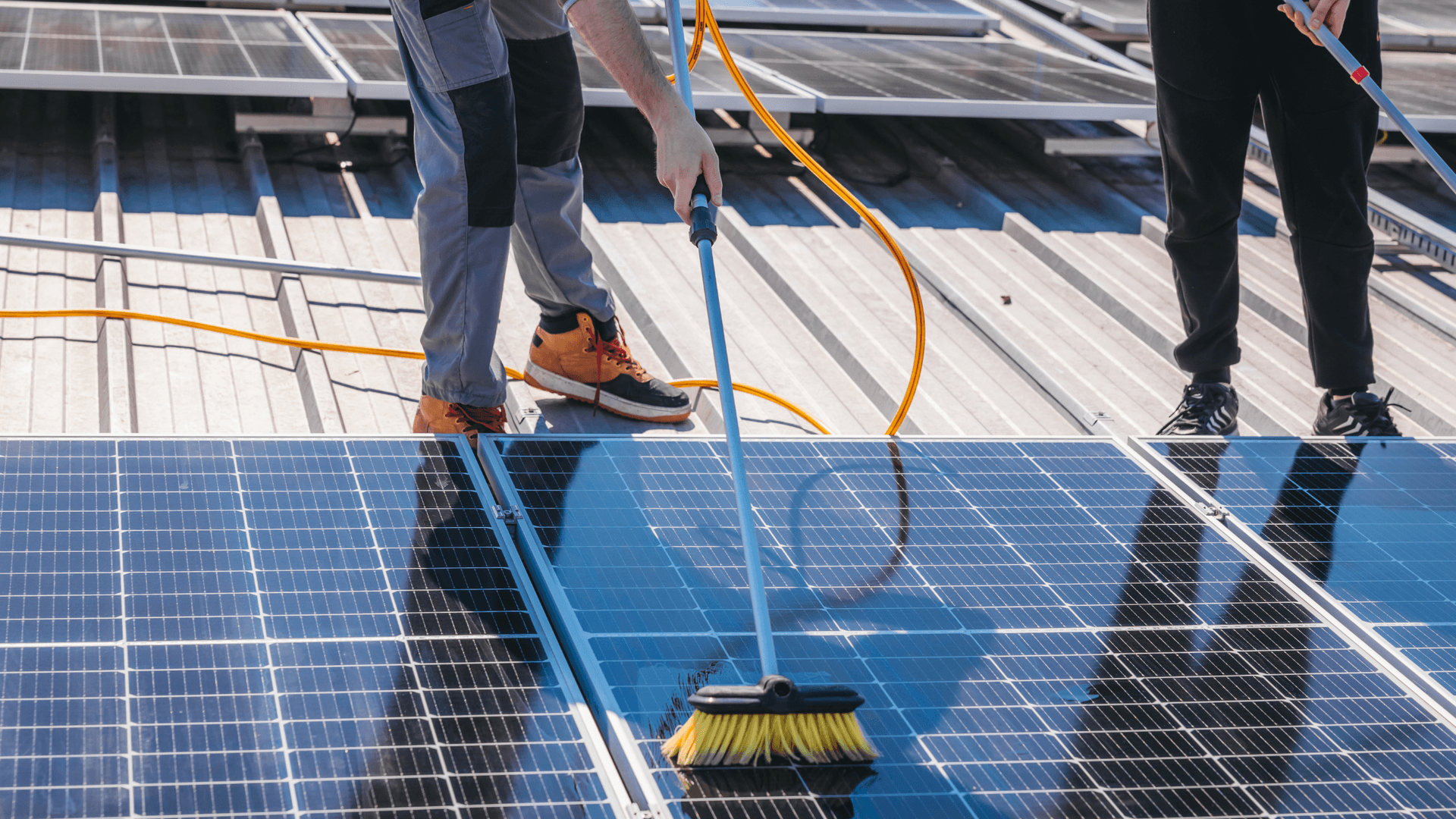
| Manual wet crew | Moderate dust, reliable water, simple fixed tilt | Labour scale limits on 50 MW plus; tanker cost | 5 to 100 MW |
| Tractor-mounted brush | Wide aisles, large fixed-tilt tables | Turn radius, mud rutting in monsoon | 20 MW plus |
| Fixed sprinklers | Mild dust, cheap water, EPC-designed-in | Uneven wash, mud films, edge streaking | Design stage |
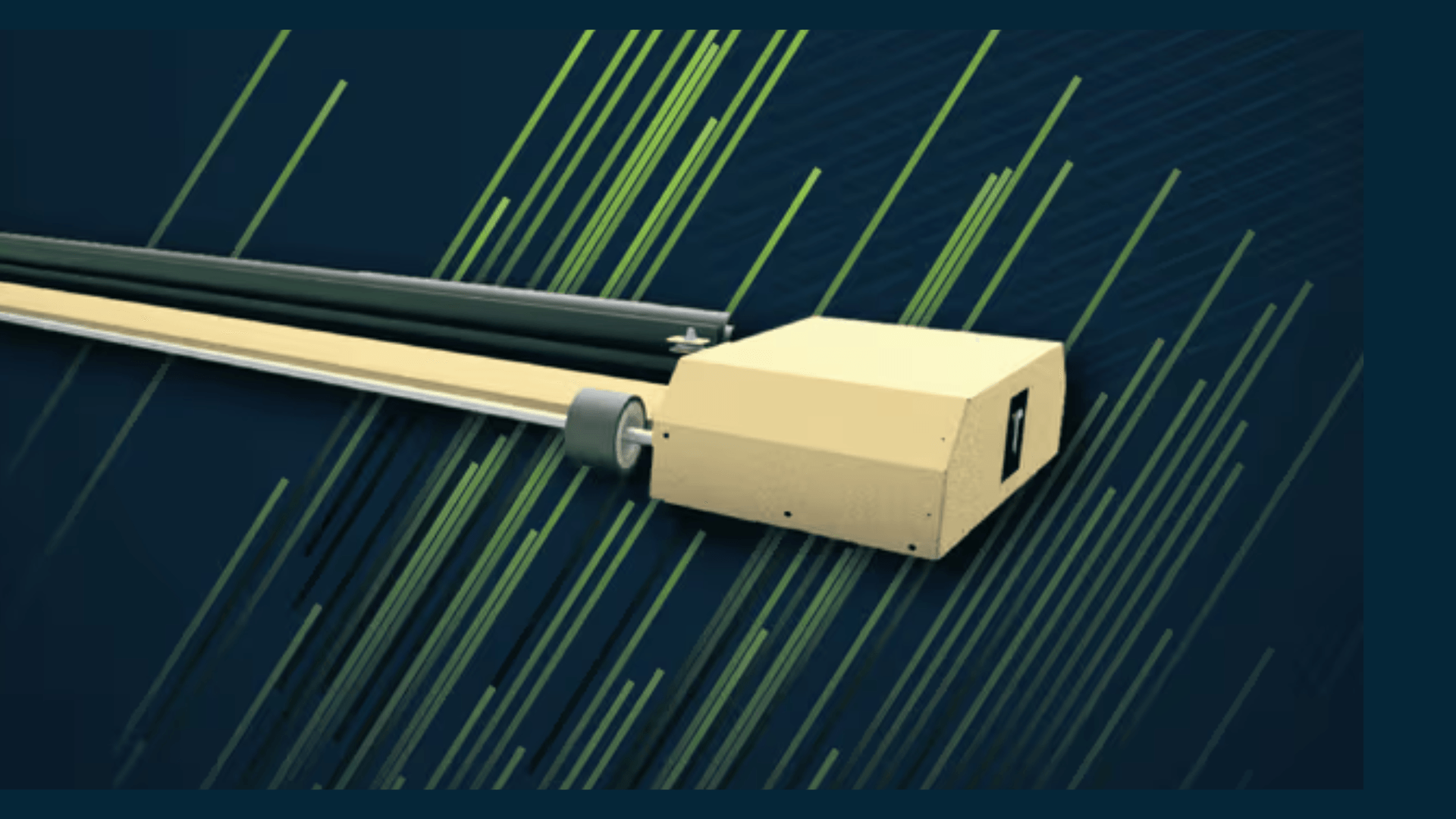
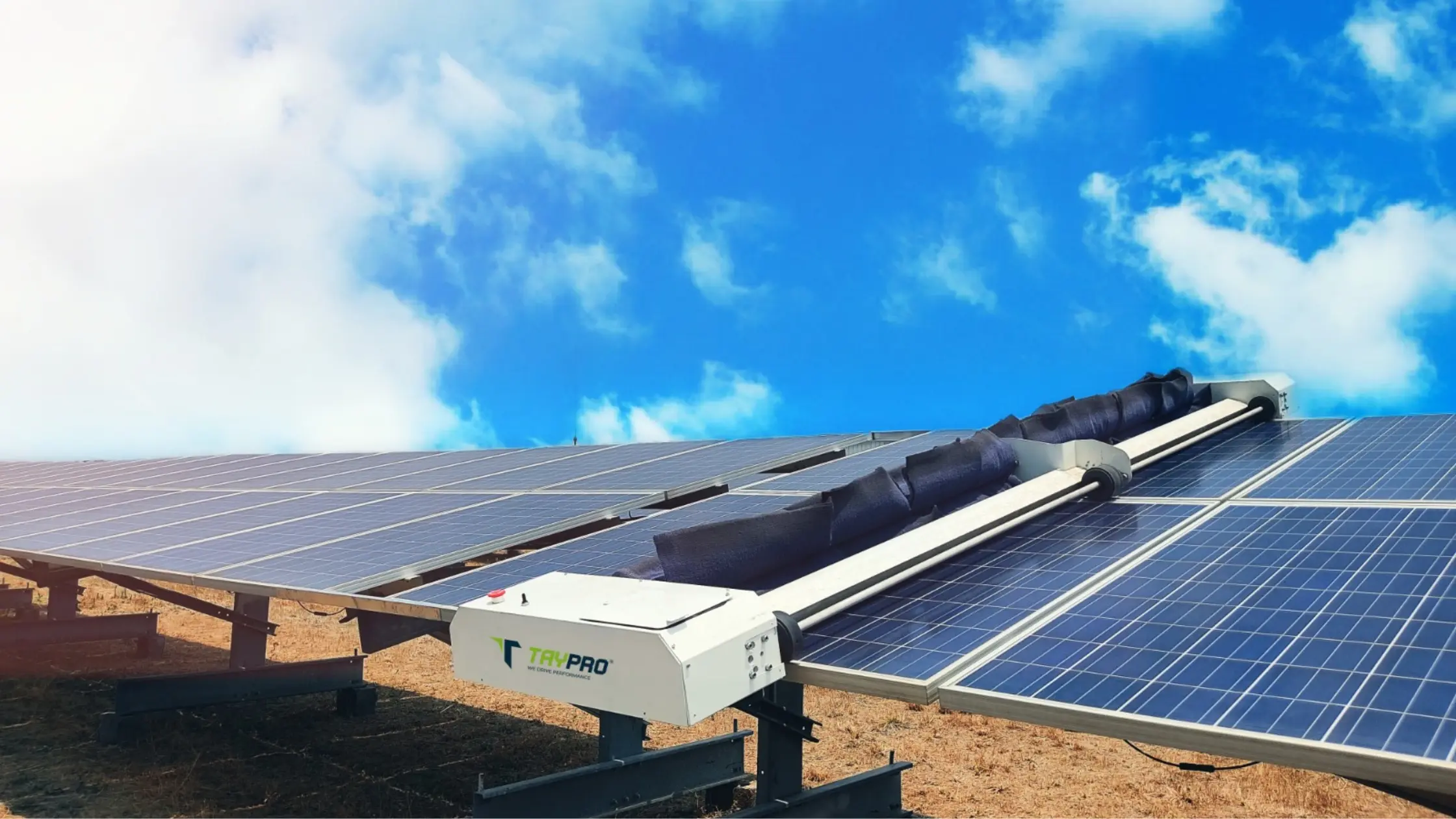
| Waterless robots | Arid, frequent dust, water stress, trackers | Capex, row fit, uptime discipline | 10 MW plus utility |
Tracker vs fixed tilt: do not average the plant
Hybrid sites are common in India. A method that cleans fixed-tilt blocks in four days may require three weeks of manual effort on tracker rows, or cannot run at all without night stow programs. Selection committees should score blocks separately and allow split vendors if economics demand it.
Deep reads: tracker robotic challenges, manual limits at 50 MW on trackers, tracker maintenance guide.
Water and ESG filters
Wet systems consume litres per module that accumulate across MW. Discharge rules, groundwater stress, and offtaker ESG questionnaires increasingly ask for cleaning water alongside generation data. Waterless robots reduce withdrawal but introduce capex and fleet O&M lines finance must approve.
Compare methods at waterless vs water-based overview and waterless technology hub.
Worked example: 10 MW plant selection (illustrative)
Scenario: 10 MW fixed-tilt in Rajasthan, PPA ₹3.50/kWh, dry-season PR drops 4 to 6% between cleans, manual full-plant cycle 10 to 14 days, water ₹15 lakh/year. Robot fleet quote amortized ₹30 lakh/year, operators ₹10 lakh, water near zero, target cycle 3 to 5 days with high uptime.
| Metric (5-year illustrative) | Manual wet | Waterless robots |
|---|---|---|
| Loaded cleaning cost | ₹2.5 to 3.5 crore | ₹2.0 to 3.0 crore |
| Soiling MWh recovered (benefit side) | Baseline | +1 to 3% annual MWh if uptime high |
| Net present value driver | Water plus labour inflation | Capex approval plus uptime risk |
Run your numbers in the ROI calculator. Stress-test with a May storm week where manual mobilization slips five days.
How to run a defensible pilot
- Select two high-soiling blocks with working reference modules or soiling sensors.
- Record irradiance-normalized PR for 14 days pre-campaign.
- Execute method A on block one and method B on block two with logged hours, water, and coverage.
- Re-measure PR for 7 days post-clean; note inverter availability separately.
- Extrapolate annual ₹ and MWh; present to finance with storm-season sensitivity.
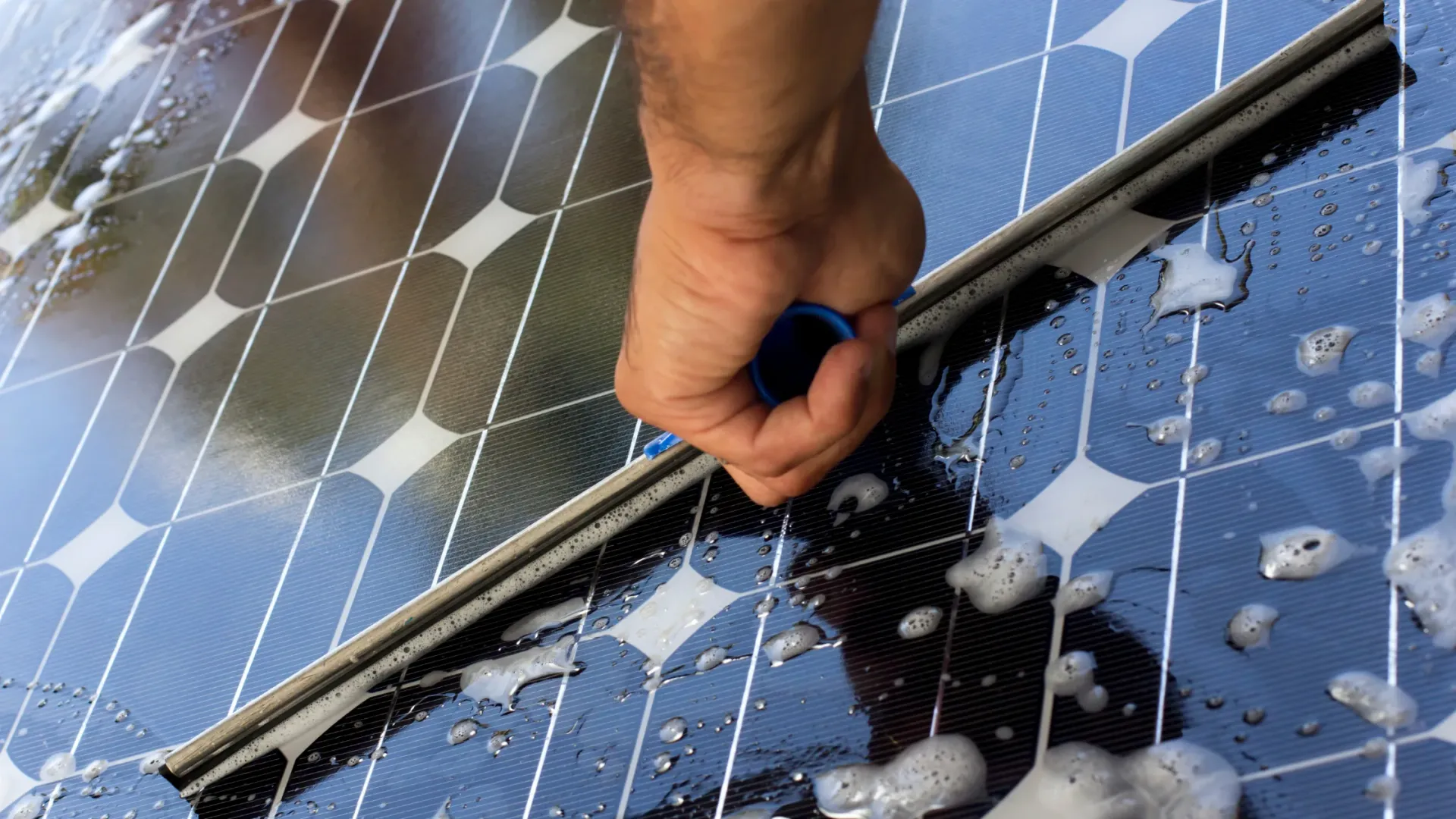
Method overview: different cleaning methods used for solar panels.
Vendor and contract checklist
- Written module OEM cleaning approval for tools, pressure, chemistry.
- SLA for post-storm mobilization hours or robot uptime percentage.
- Pass coverage logs for robots or QA photo protocol for manual.
- Insurance and damage liability clauses for modules and tables.
- Exit terms if PR recovery targets miss for two consecutive quarters.
Should a 50 MW Gujarat plant pick robots or manual wet?
If full manual passes consistently complete within your economic soiling window (often 48 to 96 hours after major storms on priority blocks), water remains affordable, and PR stays within 1 to 2% of clean baseline, manual may still win. If cycles slip beyond that window three or more times per dry season, or water costs exceed ₹20 lakh annually at 50 MW, robot pilots usually enter board discussion. Verify with site PR, not regional anecdotes.
Financing and board approval for robot capex
Robot decisions often stall at capex committees while manual AMC slips through as opex. Present robot TCO as five-year NPV against manual wet with MWh on both sides. Include water savings and ESG narrative where offtakers track withdrawal. Split tracker and fixed-tilt economics if hybrid sites need different methods.
Use cost-benefit framework and ROI calculator with site soiling, not vendor defaults.
Repower and brownfield constraints
Brownfield sites may have narrow aisles, legacy table heights, or mixed module vintages that exclude certain robots. Survey before tender. Greenfield EPC should preserve robot clearance in value engineering reviews when aisle width gets squeezed for more DC capacity.
Vendor shortlist scoring template
| Score weight | Manual wet AMC | Waterless robot |
|---|---|---|
| PR recovery proof (40%) | Pilot required | Pilot required |
| 5-year loaded cost (30%) | Often lower capex | Often lower water |
| Tracker fit (20%) | Often weak | Vendor specific |
| ESG and water (10%) | Higher withdrawal | Lower withdrawal |
Stakeholder alignment workshop before final selection
Bring O&M, finance, EPC, and asset management into one two-hour session with pilot data on wall. O&M advocates frequency; finance wants NPV; EPC cares about layout constraints; asset management needs lender-ready reporting. Decisions made in silos recreate mistake patterns from common cleaning errors.
When to revisit system choice mid-life
Revisit at year three dry season, after repower, or when water tariffs jump. A method optimal at COD may fail after adjacent quarry expansion or new highway dust source. Cleaning system choice is not permanent.
RFP clauses that prevent vendor scope fights
Cleaning RFPs should specify row geometry maps, module OEM approval responsibility, water litres cap per pass, storm response hours, and PR verification method. Require bidders to price surge weeks separately from routine passes. Robot vendors should quote uptime SLA and spare parts lead times, not only fleet count.
Score bidders on reference plants in your dust class, not global MW installed. A vendor strong in mild Karnataka may fail in Rajasthan May storms.
Key takeaways
- Cleaning system selection is a twenty-year MWh recovery decision.
- Compare five-year loaded cost against recovered energy at your tariff.
- Split methods by block when geometry differs.
- Pilot before portfolio-scale robot orders or long AMC lock-ins.
- Revisit choice after first full dry season with real PR data.
Short-list no more than three methods and run identical pilots on the same dirty block. Selection by spreadsheet alone misses row geometry and storm-week reality.
Related resources
Frequently asked questions
Manual wet crews with poles, tractor-mounted brushes, fixed sprinkler rinse systems, and autonomous waterless robots are all deployed in India. Tracker-heavy sites often narrow to robots or specialized rigs with documented stow compatibility. Many hybrid plants split methods by block type.
Use fully loaded five-year cost including labour, water, fuel, mobilization after storms, robot capex amortization, O&M, downtime, and insurance. Weigh against recovered MWh at your PPA tariff and measured soiling curve, not upfront capex alone.
When dust frequency and water scarcity make manual throughput too slow or expensive, row geometry fits OEM-approved robots, and pilot data shows PR recovery that clears finance hurdle rates. Robots struggle where rows are irregular or module approval is unavailable.
Layout drawings with row lengths and slopes, tracker make and stow angles, water rights and sourcing cost, module OEM cleaning rules, historical soiling if repowering, and planned vegetation management zones affecting robot paths.
Shortlist at EPC for water plumbing and aisle width, but finalize method after first dry season PR data. Many owners pilot two methods on reference blocks between month six and eighteen post-COD before fleet commitments.