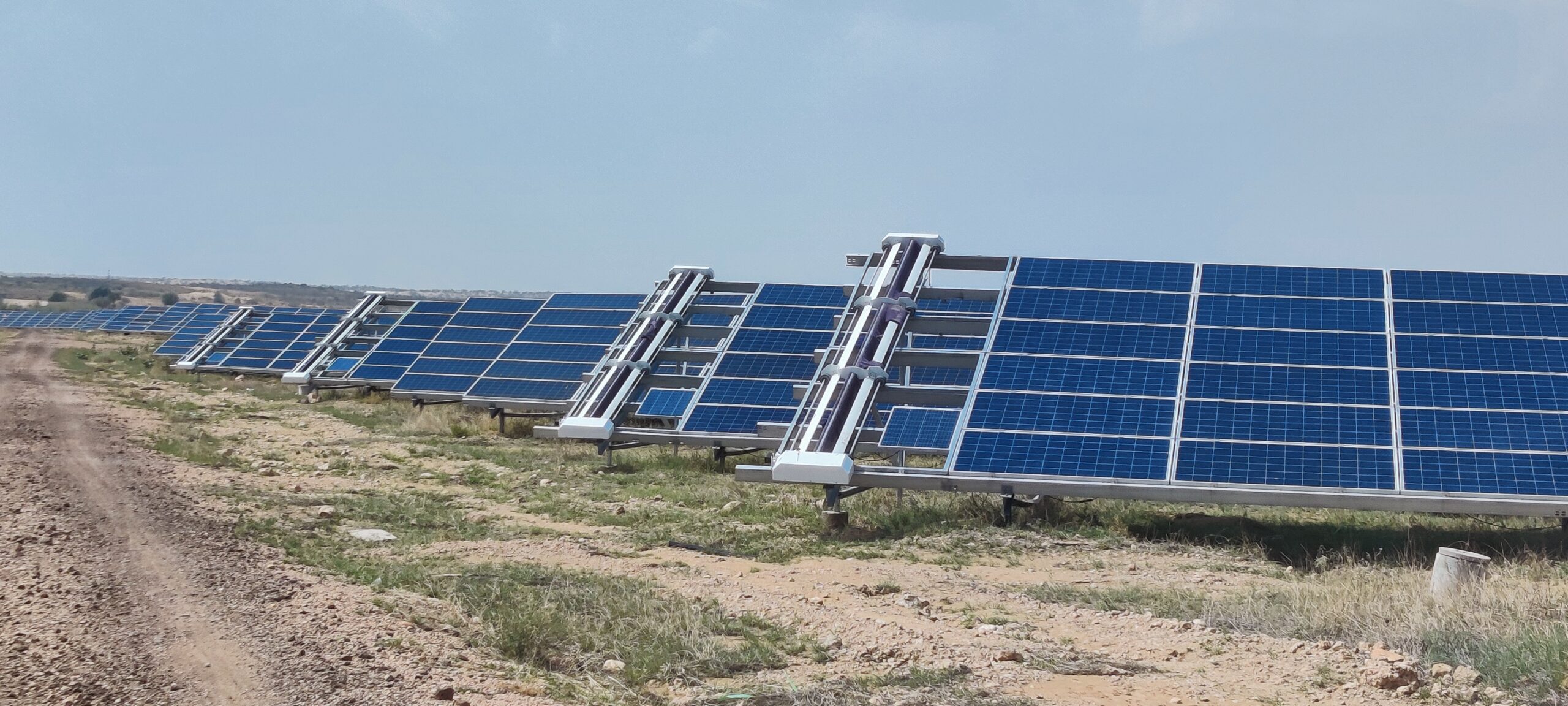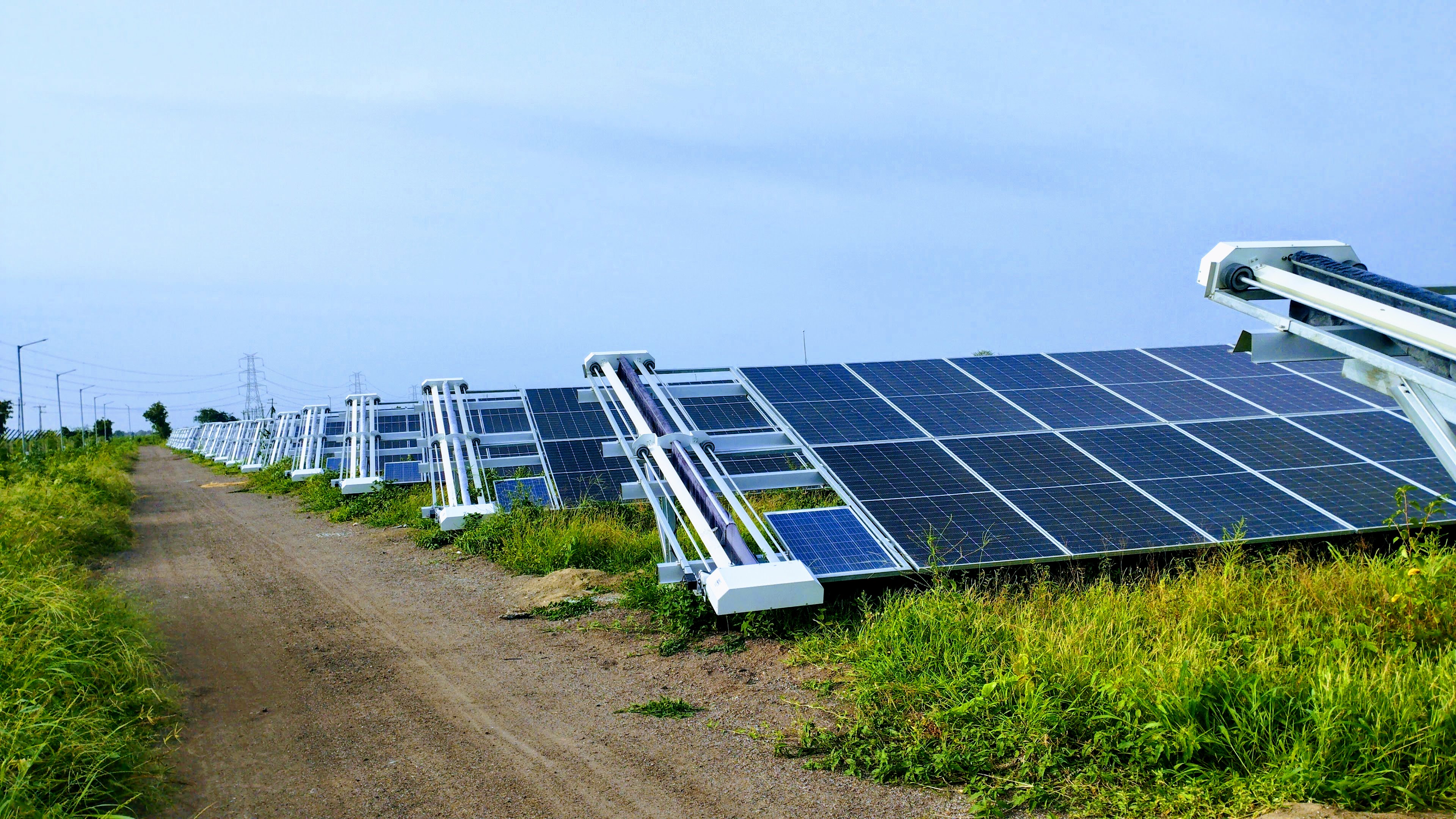
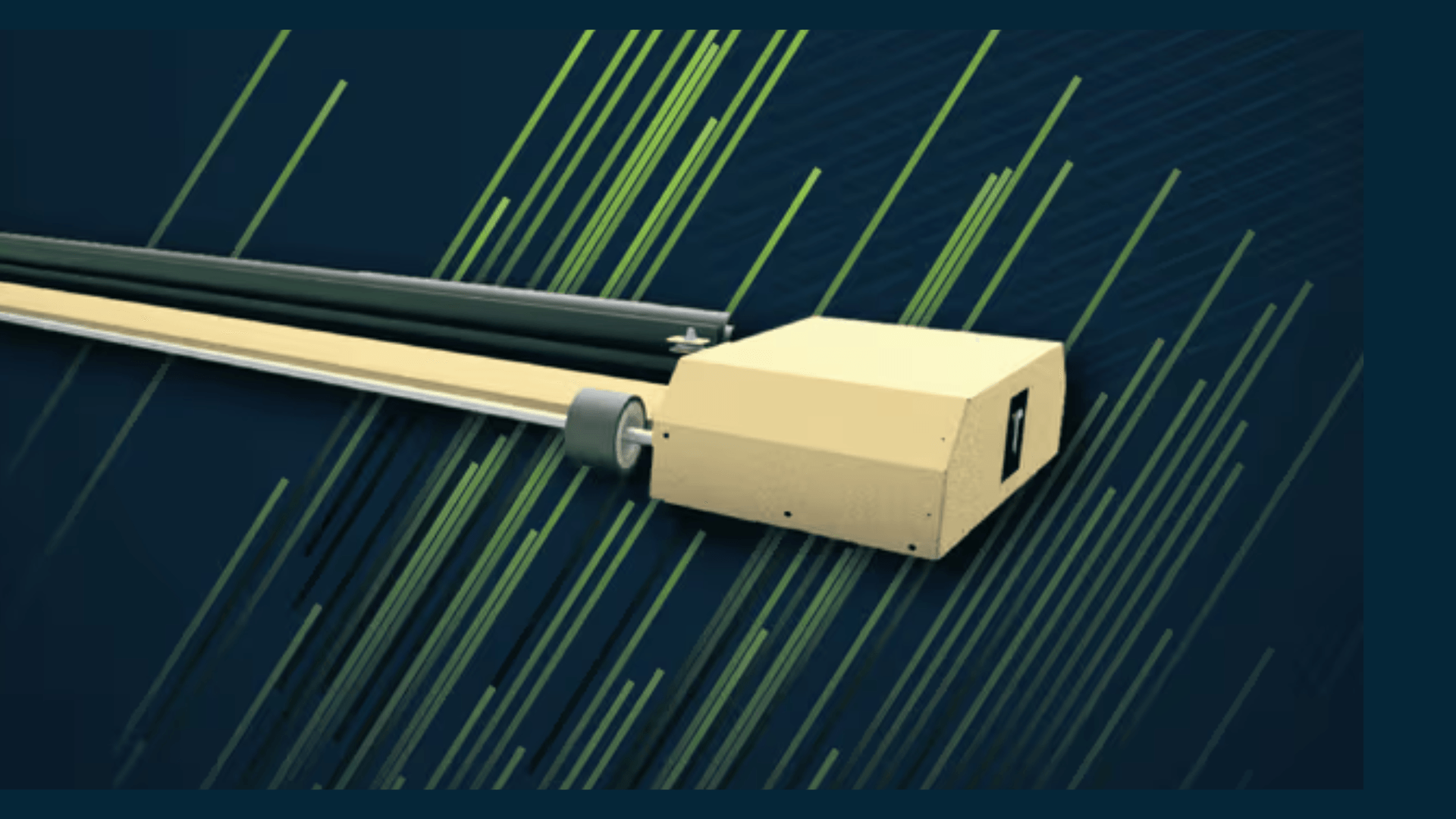
A cleaning robot on a utility plant is closer to a small autonomous vehicle than a household appliance. It must traverse kilometers of rows, respect tracker stow, log coverage for asset managers, and recover enough MWh to justify capex in thin PPA markets. Indian operators evaluating automation need mechanics, not marketing gloss.
This article walks through subsystems, waterless vs wet methods, night windows, and commissioning steps for 10–100 MW sites in dust belts where manual crews already struggle with scale.
Quick answer
- Robots traverse rows on frames or rails with onboard control and safety stops.
- Brush or waterless systems remove dust without damaging glass when OEM-approved.
- Night or low-irradiance windows avoid daytime generation loss.
- Tracker sites need stow logic, wind limits, and clearance validation.
- Validate with ROI models on your soiling data.
What problem the robot solves
Manual wet cleaning at 50 MW+ scale faces mobilization delays, water logistics, and production disruption during daytime passes. Robots trade upfront capex for repeatable row throughput, often at night, with pass logs that prove coverage. They do not eliminate O&M; they change the bottleneck from "can we mobilize crews this week" to "is fleet uptime above target."
Compare economics in traditional vs waterless robotic cleaning before assuming robots fit every block.
Core subsystems
| Subsystem | Function | Acceptance test |
|---|---|---|
| Drive + navigation | Row following, end-turn, obstacle stop | Complete pilot row both directions without manual push |
| Cleaning head | Brushes, air assist, or micro-mist per OEM | No glass damage on reference modules after 50 passes |
| Power | Battery swap or dock charging | Enough cycles for planned night shift |
| Comms | Fleet dashboard, pass confirmation | Log sync from farthest block |
| Safety interlocks | Wind, rain, manual e-stop | Documented abort and resume behavior |
How a typical cleaning cycle runs
- Schedule: O&M assigns blocks based on soiling data or storm response.
- Pre-check: Wind below limit, trackers stowed if required, comms online.
- Deploy: Robot placed at row entry or auto-dispatched from dock.
- Traverse: Brushes contact glass at controlled speed and pressure.
- End-turn: Robot moves to next row or returns to charge point.
- Log: Pass confirmation uploads; faults generate tickets.
Comms architecture: robot fleet communications on MW sites.
Waterless vs wet on Indian sites
Water logistics dominate wet O&M in Rajasthan and Gujarat. Tankers, borewell depth, and discharge rules can cap wash frequency below economic need. Waterless dual-pass brush systems remove most dust without litres per module, supporting more frequent passes and stronger ESG narratives on water withdrawal.
| Factor | Wet robot / manual wet | Waterless robot |
|---|---|---|
| Water use | Litres per MW per pass | Near zero |
| Dust type | Handles adhered mud well | Best on dry dust; mud may need spot wet |
| ESG reporting | Track withdrawal per MWh | Lower water line in disclosures |
| OEM approval | Required for pressure and chemistry | Required for brush type and pressure |
Compare waterless vs water-based cleaning with your tanker and labour tariffs.
Trackers: stow, wind, and night windows
Single-axis trackers change robot operations. Daytime cleaning risks production loss and worker heat exposure on long rows. Night cleaning when modules are stowed is standard, but only if:
- Robot clearance matches stow angle and cable tray layout.
- Wind limits pause runs automatically with alerts.
- OEM approves cleaning method for tracker-mounted modules.
Read robotic cleaning on trackers vs fixed tilt and tracker cleaning systems.
Illustrative fleet sizing (industry ranges, validate on site)
| Plant size | Illustrative robot count | Assumptions |
|---|---|---|
| 10 MW fixed-tilt | 1–3 units | Shorter rows, fewer night hours needed |
| 50 MW tracker | 4–8 units | Target 5–7 day effective full coverage |
| 100 MW mixed | 8–14 units | Split blocks, surge for storm weeks |
Vendor throughput varies. Demand simulation on as-built rows before PO.
Installation and commissioning
Deployment is not plug-and-play. Typical steps:
- Route survey and row clearance measurement on worst blocks.
- Pilot rows with production meters and reference modules.
- Gateway and mesh commissioning to farthest inverter pad.
- Operator training on abort codes, battery swap, and logs.
- Written OEM module cleaning approval filed with O&M.
Detail: robot installation steps and automatic cleaning system overview.
What robots do not do
- Fix inverter faults, tracker misalignment, or curtailment.
- Replace vegetation management or mud splash drainage fixes.
- Guarantee PR gains without uptime and coverage discipline.
- Fit every row geometry without engineering review.
Benefits context: benefits on utility plants and what is a cleaning robot.
Microfiber vs brush: what touches the glass
Cleaning head design determines soil removal and warranty risk. Soft microfiber-style paths suit fine desert dust when pressure and speed are controlled. Dual-pass brush systems on waterless robots address heavier load when engineered for module OEM limits. Abrasive pads or worn brushes in silica-rich dust sites cause microscratch risk that appears years later in warranty disputes.
Read microfiber vs dual-pass brush comparison before accepting generic brush specs in tenders. Pilot inspections after 50 passes on reference modules should be standard acceptance criteria.
Operator workflow on a 100 MW night shift
Fleet operations resemble logistics more than single-machine operation:
- Afternoon: review soiling alerts and weather forecast for wind limits.
- Evening: assign blocks; confirm tracker stow windows with SCADA.
- Night: two to four robots active per zone with battery swap rotation.
- Dawn: pass log review; reschedule aborted rows before irradiance rises.
- Weekly: brush wear check; gateway antenna cleaning in dust season.
Understaffed night teams are a common failure mode: robots idle while operators cover inverter alarms elsewhere. Budget headcount realistically in O&M models.
Acceptance testing before fleet sign-off
EPC and O&M should jointly sign robot acceptance only after documented tests:
| Test | Pass criteria (illustrative) |
|---|---|
| Longest row traverse | Complete both directions without manual intervention |
| Wind abort | Stop within spec; alert received at dashboard |
| Comms drop | Pass log buffers and syncs within 15 minutes of link return |
| Glass inspection | No new defects on 10 reference modules after 100 passes |
| Night production | Zero export during test window on energized row |
Skipping acceptance to meet COD pressure creates year-one disputes. Robot installation steps detail commissioning order.
Spares and consumables planning
Fleet reliability depends on parts discipline. Minimum stocking for 50 MW robotic program illustrative:
- Two spare brush head sets per five active robots in silica-rich sites.
- One spare battery pack per three robots on night-double-shift programs.
- Gateway spare and pre-paired mesh node for far blocks.
- Drive wheel and sensor cleaning kits for weekly preventive maintenance.
Stockouts during May dust weeks cost more in MWh than parts inventory carrying cost. Align spares with robot buyer guide vendor recommendations.
Common operator mistakes
Running robots on windy nights without verifying stow voids warranty and risks module damage. Skipping end-row manual inspection after obstacle aborts leaves soil stripes. Using non-OEM brushes voids approvals. Training refresher each pre-monsoon season prevents skill fade among contract operators rotating between sites.
Future-proofing for module format changes
When repowering blocks with larger modules, re-run robot path simulation before assuming existing fleet settings remain valid. Frame height changes of even 20–30 mm can affect brush contact pressure and end-turn clearance on trackers.
Key takeaways
- Robots are O&M equipment with drive, brush, power, and comms subsystems.
- Waterless methods suit water-stressed Indian utility sites when dust is dry.
- Trackers demand night windows, stow logic, and OEM approval.
- Demand pass logs, pilot rows, and fleet simulation on as-builts.
- ROI depends on coverage and frequency, not robot count alone.
Walk one full row with operators during night commissioning. Understanding abort codes on site prevents silent partial coverage after the vendor leaves.
Related reading
Frequently asked questions
Most utility robots drive on module frames or dedicated rails using guided wheels, sensors, and onboard controllers to traverse rows and execute end turns. Tracker plants require stow-aware scheduling, clearance checks, and wind interlocks before each run.
Some use micro-wet or brush-and-mist systems; many Indian utility deployments emphasize waterless dual-pass brushes to save water in arid sites. Method choice affects O&M cost, module OEM approval, and ESG water disclosures.
Often at night or early morning to avoid production loss and high cell temperatures. Wind and stow interlocks pause runs on tracker sites. Daytime cleaning is rare on utility plants unless outage windows are scheduled.
Row geometry fit, communication with O&M dashboards, pass coverage logs, module warranty approval in writing, and cleaning ROI versus manual crews on your soiling curve. Pilot on worst tracker rows, not easiest blocks.
Fleet size depends on row length, blocks, night hours available, and target pass frequency. Illustrative range: 4–12 robots for 50 MW tracker-heavy sites with vendor-specific throughput. Demand fleet simulation on your as-built layout, not generic tables.