Summary for plant managers
The PM Surya Ghar Yojana is driving massive rooftop solar growth across India. For utility-scale operators and EPC firms, this shifts the focus from centralized ground-mount maintenance to complex rooftop operations. Accurate budgeting now requires accounting for unique safety, access, and soiling challenges on rooftops.
- Typical soiling loss for Indian rooftop sites: 5% to 30%.
- O&M budget benchmark: 1% to 2% of CAPEX for large portfolios.
- Primary budget driver: Physical access and module pitch on rooftops.
- Cleaning frequency: Depends on regional air quality and dust rates.
Managing these budgets requires separating simple ground-mount tasks from rooftop logistics. Plant managers should prioritize site surveys that cover load-bearing capacity and safety compliance. Manual cleaning costs on roofs can rise quickly due to high-risk access needs. For more, see our guide on manual versus robotic cleaning and our analysis of OPEX pricing for distributed solar.
Understanding the PM Surya Ghar Yojana and the rooftop scale shift
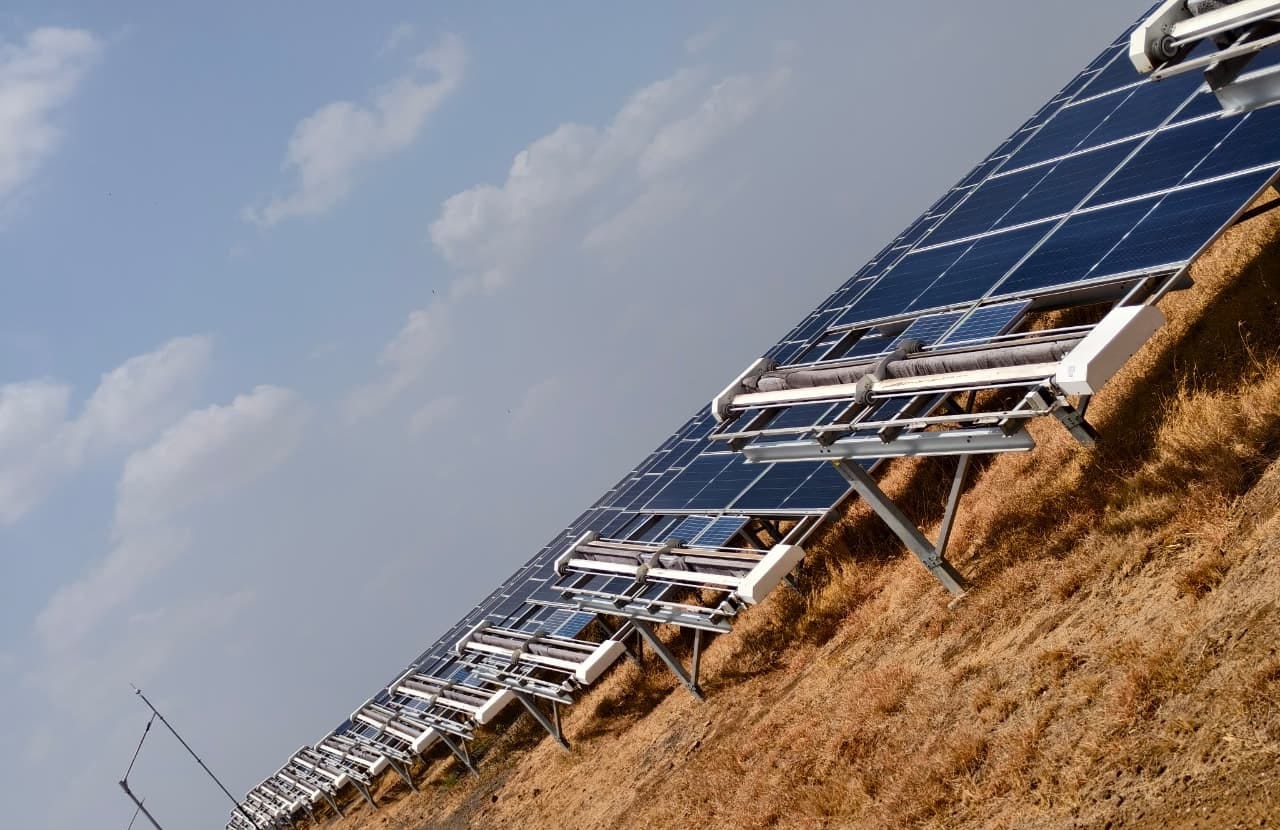
The PM Surya Ghar Yojana is a major shift in Indian energy policy. It targets 1 crore households with a strong rooftop subsidy framework. For utility-scale operators, this means managing thousands of distributed sites instead of centralized 50MW parks. These rooftop assets function as small, scattered clusters rather than unified generation strings.
The shift is operational rather than just capacity-based. Utility plants use standard roads for maintenance. Rooftop systems often have fragmented segments, low load-bearing capacity, and varying angles. The budgetary challenge includes high mobilization costs and expensive manual labor. O&M leads must pivot from fleet-level scheduling to site-specific plans for every roof.
Traditional per-MW budget models often fail for high-density rooftop arrays. Ground-mount sites enjoy economies of scale, but rooftop portfolios require precise timing to avoid high costs. Managers should stop using reactive, complaint-driven cleaning. Instead, they should treat each rooftop as a standalone operational unit.
Rooftop/Canopy vs. Ground-mount: Operational access and safety constraints
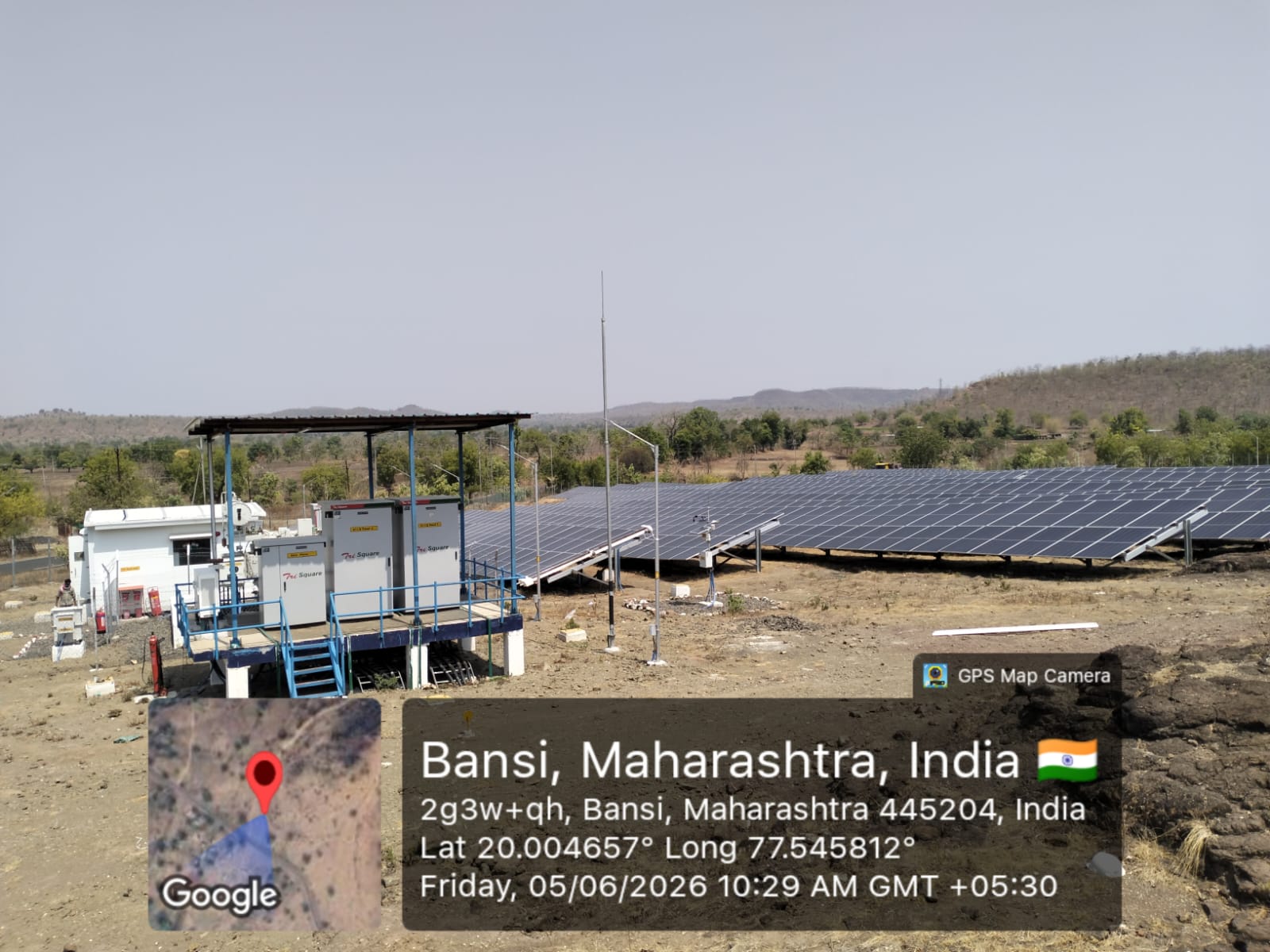
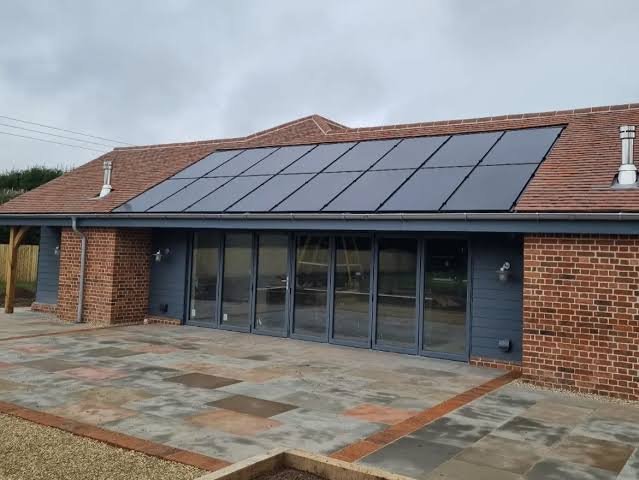
Rooftop solar under this scheme requires a new view on site access. Ground-mount plants have clear rows and perimeter roads. Rooftops have vertical limits, lower load-bearing capacity, and complex layouts. Standard heavy cleaning gear like tractors cannot function on most roofs.
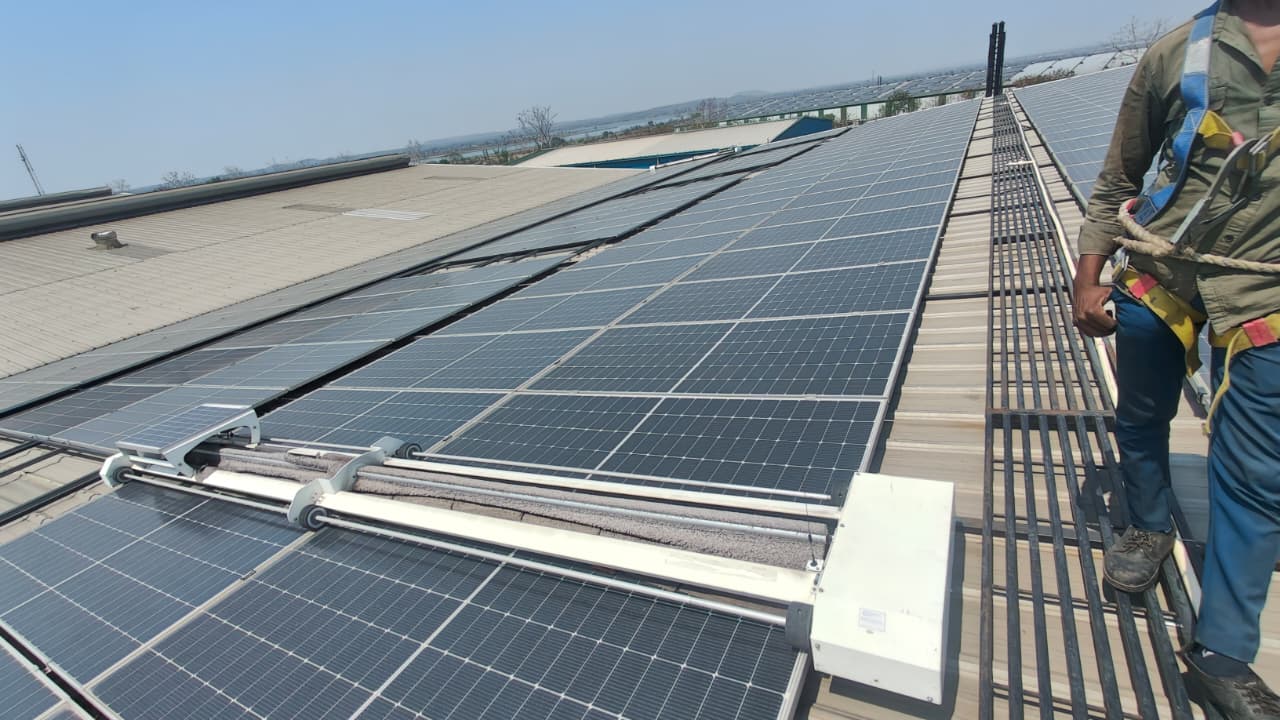
Safety compliance drives most O&M costs for residential and C&I rooftops. Budgets must cover rigging, fall protection, and specialized personnel training. Rooftop arrays are often spread out. This forces teams to move equipment frequently, which inflates per-module costs compared to a 100 MW site.
Operational constraints for rooftop arrays include:
- Weight and Loading: Cleaning gear must meet structural point-load limits, ruling out heavy ground machinery.
- Safety and Access: High-risk work requires strict safety standards, raising insurance and management overhead.
- Fragmentation: Lack of contiguous rows leads to higher downtime and longer mobilization times per cycle.
- Connectivity: Reliable telemetry for robots needs strong, localized communication networks in dense urban areas.
Owners should categorize portfolios by roof type before signing contracts. Move from per-MW pricing to a site-specific strategy. Read our analysis on rooftop and canopy operational limits and our guide on manual versus robotic cleaning economics for more.
Effective cleaning methods for roof-mounted arrays in India
Rooftop cleaning must prioritize module safety over raw speed. Manual cleaning is a bottleneck at the C&I scale due to labor risks. Teams should transition from water buckets to waterless or low-pressure semi-automatic solutions. This prevents micro-cracking and ensures consistent performance ratio (PR) recovery.
Cleaning should follow a hierarchy based on access and density:
- Manual Dry Brushing: Only for small, low-dust residential sites with safe access paths.
- Semi-Automatic Robotic Cleaning: Robots like HELYX pick-and-place units move easily between isolated roof segments.
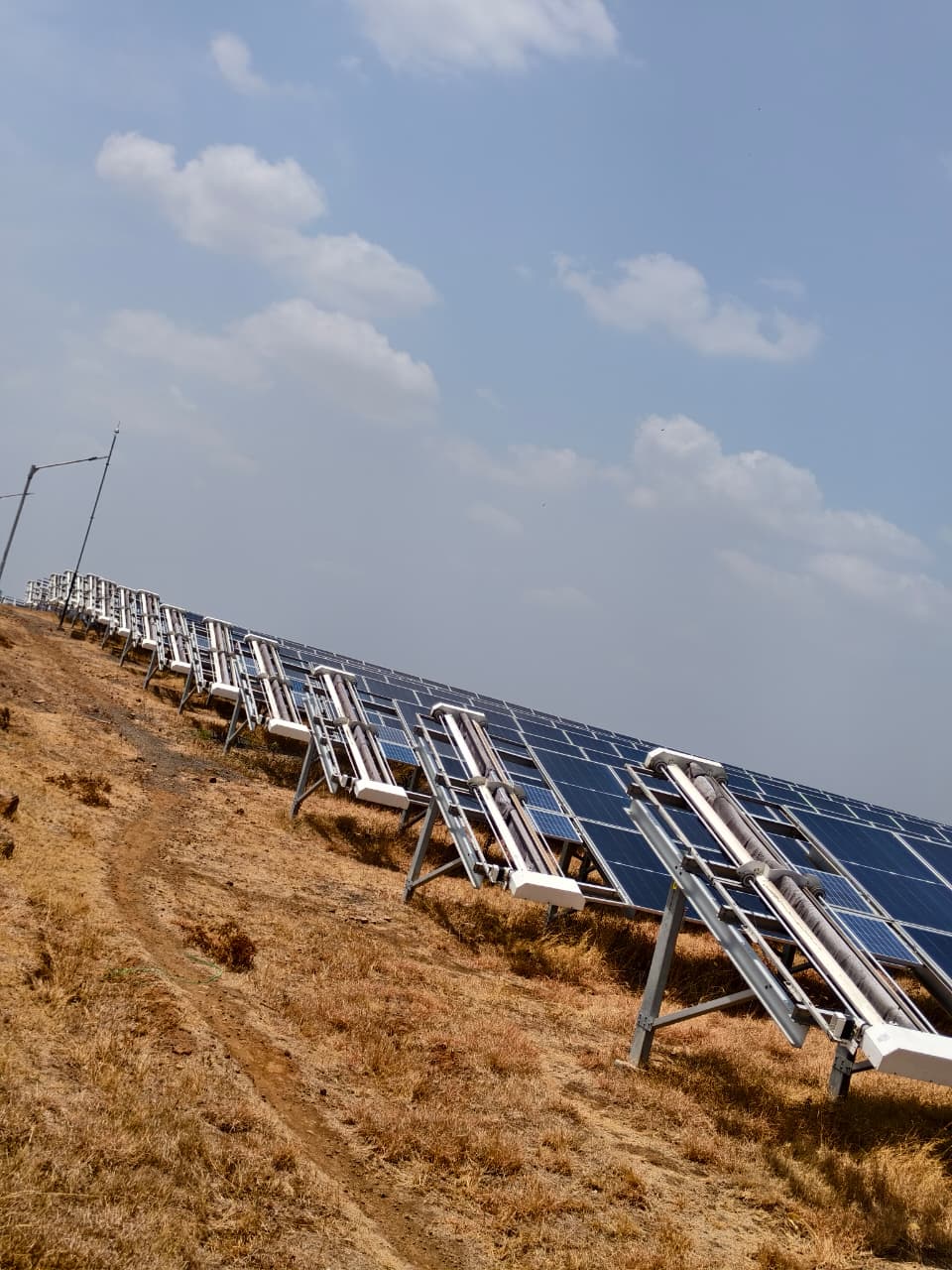
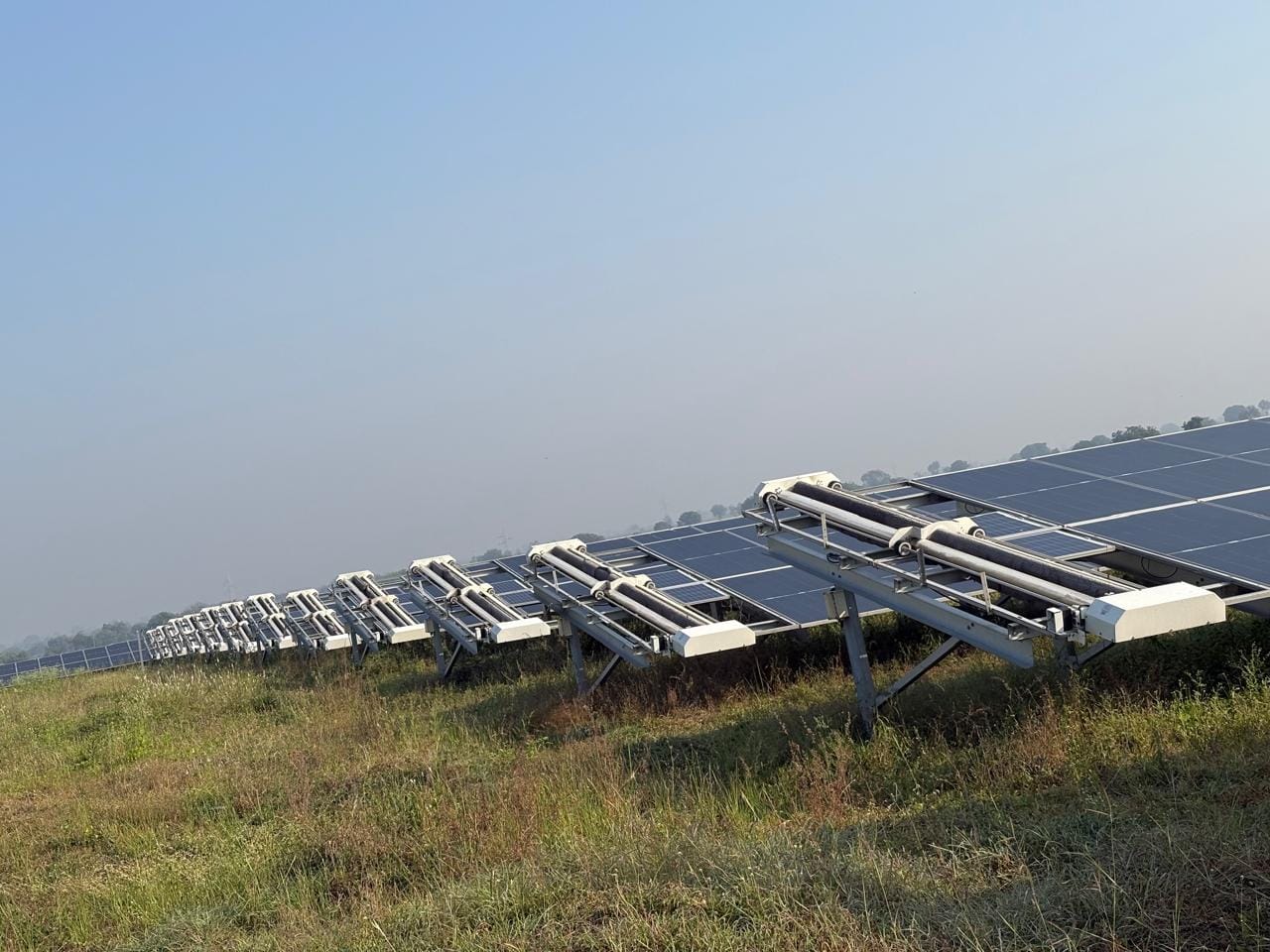
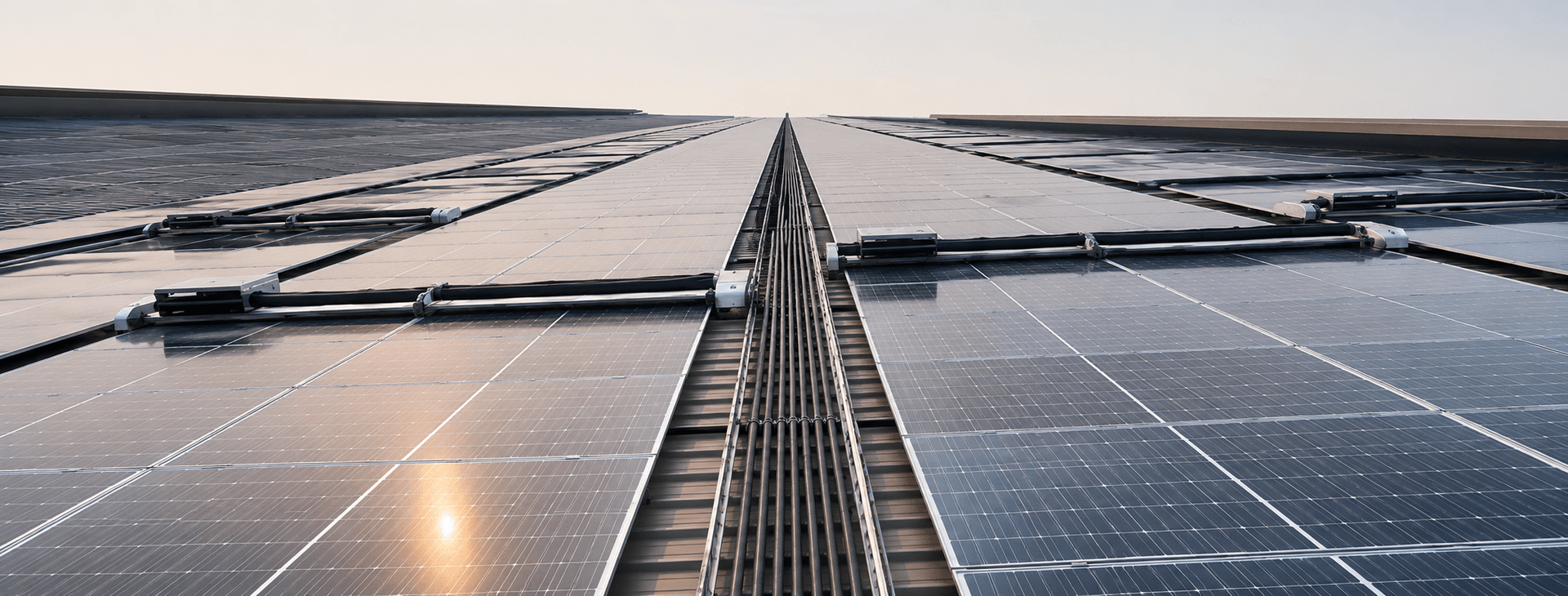
- Fixed-Rail Robotic Systems: Best for large industrial sheds where density supports full automation.
Each method requires a unique budget. Manual costs focus on labor and insurance. Robotic systems focus on procurement and maintenance. Unlike ground-mount plants, rooftop operators must factor in the cost of moving hardware up and down vertical access points.
O&M managers must audit methods against regional soiling chemistry. Coastal sites in Gujarat need more frequent mitigation than inland sites in Madhya Pradesh. This prevents permanent glass etching from salt. Review our comparison of cleaning technologies to minimize risk and maximize energy yield.
How does soiling impact rooftop O&M budgets in India?
Soiling-induced revenue loss on Indian rooftops ranges from 5% to 30% annually. Unlike ground-mount plants, rooftops face dust from HVAC exhausts and industrial chimneys. Failure to clean leads to a direct hit to project IRR during the dry season.
Budgeting requires a loss-recovery model rather than a fixed calendar. Managers should compare energy loss against the cost of cleaning. For a 1 MW system, ignoring 15% soiling loss often costs more than a professional cleaning program.
Key budgetary considerations include:
- Opportunity vs. Labor Cost: Manual water cleaning wastes water and risks abrasive damage. Waterless waterless cleaning methods often reduce costs per kWh recovered.
- Frequency Optimization: Use weather data and AQI trends to avoid over-cleaning or under-cleaning.
- Fleet Logistics: Use portable pick-and-place cleaning robots to clean high-frequency zones without moving massive water-truck fleets.
Data-driven strategy protects PM Surya Ghar Yojana investments. Operators should link spend to PR recovery on each block. This prevents over-investing in low-soiling zones while neglecting high-impact areas near vents.
Scheduling and cost constraints for high-density roof layouts
Managing high-density rooftop arrays requires a logistics-focused plan. The main cost driver is physical access, not the cleaning itself. Operators must account for transit time between segments and strict safety protocols for working at heights.
C&I manual cleaning costs spike due to rigging and restricted access. Align cleaning cycles with site-specific rates instead of generic monthly schedules. A scalable strategy includes these constraints:
- Transit Logistics: Minimize labor hours by using portable pick-and-place cleaning robots.
- Safety Compliance: Strict fall-prevention standards can increase costs by 20–40% over ground-mount sites.
- Utility Infrastructure Interference: Prioritize zones near chimneys or tanks to maximize PR without wasting labor.
- Data-Backed Frequency: Only clean when the lost energy value exceeds the cleaning cost.
Treat rooftop assets as distinct blocks. Allocate your cleaning budget toward high-yield zones. This prevents margin erosion and ensures the project hits its performance goals.
Scaling O&M: Moving from residential rooftops to C&I canopy systems
The PM Surya Ghar Yojana is driving a shift toward larger C&I canopy systems. These assets must deliver predictable returns for project financing. Scaling up requires standardized cleaning that balances labor costs against performance risks.
The primary challenge is standardizing protocols across varied canopy designs. When using HELYX pick-and-place robots, treat each site as a data point. To scale effectively, managers should use these three pillars:
- Portfolio-Wide Standardization: Uniform targets for all C&I sites streamline procurement and training.
- Fleet Intelligence Integration: Use NECTYR or similar portals to trigger cleaning only when performance drops by 3–5%.
- Infrastructure-Optimized Logistics: Ensure sites have clear robot paths and docking areas to avoid manual repositioning.
Moving from reactive cleaning to structured O&M ensures projects remain profitable over 25 years. This approach mitigates margin erosion and keeps your generation guarantees intact.
What plant managers should do next
To integrate PM Surya Ghar Yojana assets into your strategy, follow these steps:
- Baseline your soiling loss: Install sensors on representative rooftop blocks to track actual versus potential generation.
- Perform a cost-benefit audit: Use an ROI calculator to compare manual labor against autonomous cleaning.
- Standardize your maintenance schedule: Switch from calendar-based cleaning to performance-triggered events using real-time data.
- Vet your robotic vendors: Choose manufacturers with strong Indian service networks to ensure your O&M service contracts are reliable.
Sources and further reading
Frequently asked questions
The PM Surya Ghar Yojana is driving massive rooftop solar growth across India. For utility-scale operators and EPC firms, this shifts the focus from centralized ground-mount maintenance to complex rooftop operations.
Cleaning frequency is not fixed and is highly dependent on local air quality index levels and site-specific dust deposition rates. Because soiling losses in India range from 5% to 30%, providers should determine schedules based on empirical generation data rather than a generic monthly calendar.
Yes, rooftop cleaning is generally more expensive due to logistical challenges. Unlike ground-mount sites with easy access, rooftop arrays require specialized safety equipment, adherence to load-bearing capacity limits, and manual labor logistics that significantly increase the operational cost per kilowatt compared to large-scale ground solar.
For large-scale distributed portfolios, experts recommend setting an O&M budget benchmark between 1% and 2% of total CAPEX. This budget should specifically prioritize regular site assessments to mitigate the 5% to 30% soiling loss range typical of Indian rooftop installations.