Summary for plant managers
Performance guarantee clauses in solar cleaning contracts are essential for de-risking O&M in high-soiling Indian environments like Rajasthan and Gujarat. These clauses link cleaning performance directly to the financial outcomes of the site, ensuring that operators do not pay for services that fail to restore target energy yield. By defining clear, measurable metrics rather than vague promises, managers can hold service providers accountable for actual kWh recovery.
- Target PR stability: Maintain within 1% to 2% of seasonal baselines through proactive soiling management.
- Cleaning frequency: Adopt 7 to 15 day cycles for arid Indian zones to prevent irreversible soil calcification.
- Penalty triggers: Structure liquidated damages based on energy yield shortfall relative to a site-specific, weather-adjusted baseline.
- Verification: Use continuous Soiling Ratio (SR) monitoring via reference sensors to validate cleaning effectiveness.
For large-scale portfolios, moving away from subjective cleaning assessments is mandatory. Implementing data-driven contracts requires a shift toward optimizing robot fleet density per MW to meet these stringent guarantee requirements. When you align your soiling loss reduction and carbon credit calculations with contractually mandated cleaning, you ensure that every cleaning pass directly improves the bottom-line performance of the asset.
Defining 'Performance' targets in cleaning contracts
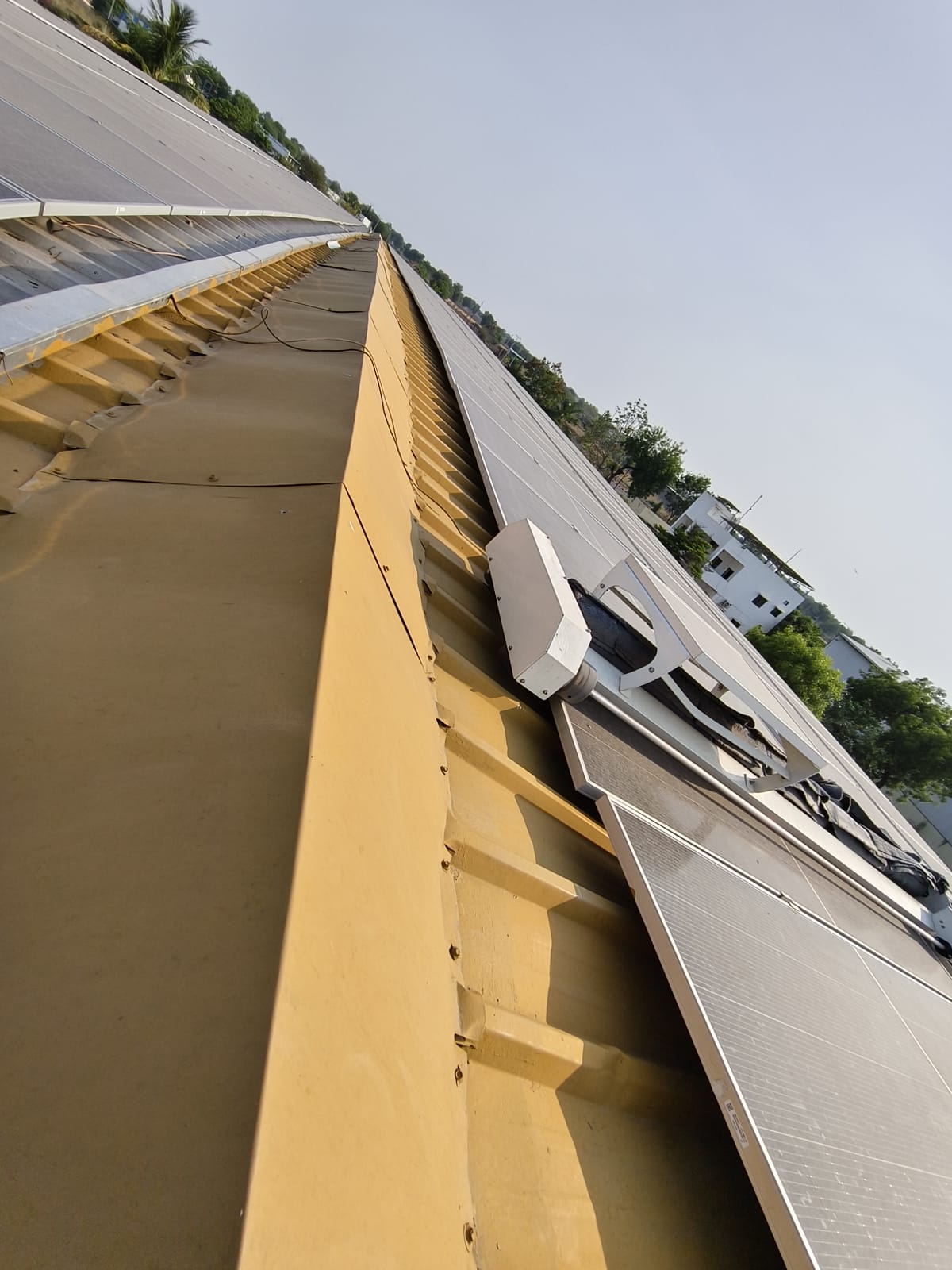
Performance in an Indian utility-scale solar context is rarely just about cleanliness; it is about the sustained delta between your site's actual yield and its theoretical potential under clear-sky conditions. When drafting performance guarantee clauses, you must define the Performance Ratio (PR) based on a weather-adjusted baseline rather than a static monthly target. Rajasthan and Gujarat sites, for instance, face volatile dust conditions that render fixed monthly PR targets obsolete. Instead, establish a normalized PR target that accounts for daily Global Horizontal Irradiance (GHI) and module temperature fluctuations.
To make these clauses enforceable, focus on the Soiling Ratio (SR). This metric acts as a leading indicator of performance loss. Your contract should explicitly state the SR threshold at which remedial cleaning must be triggered. If your site's SR drops below 95% for more than three consecutive days, the service provider should be contractually obligated to initiate a cleaning cycle within 48 hours. By focusing on SR, you prevent the gradual buildup of calcified dust that standard cleaning cycles often miss. This data-driven approach moves the conversation from arbitrary cleaning counts to actual energy recovery, allowing for precise tracking through automated solar panel cleaning systems that report real-time cleaning logs and performance drift.
Moreover, distinguish clearly between module degradation and soiling losses in your reporting protocols. If the contract lumps both categories together, you risk paying for cleaning services that fail to address the specific soiling profile of your region. Utilize site-specific sensor arrays, such as reference modules at different tilt angles, to isolate soiling impact. This ensures that the calculated soiling losses directly inform the cleaning performance guarantee, shielding your O&M budget from operational inefficiencies that are outside of the service provider's control.
How to structure a guarantee for soiling mitigation
Structure your soiling mitigation guarantee by linking financial penalties to validated performance drops rather than subjective visual cleanliness. Utility-scale contracts in arid zones like Rajasthan must clearly define the baseline for energy production under clear-sky conditions. When the actual energy yield drops below this baseline due to soiling, the contractor should be liable for the shortfall. Use a tiered Liquidated Damages (LD) structure that scales with the severity and duration of the energy loss. For instance, an SR drop to 90% over a 72-hour window triggers an immediate, non-negotiable cleaning cycle, while prolonged neglect results in financial penalties calculated per lost MWh. This shifts the operational burden to the provider, ensuring they maintain the cleaning schedule necessary to prevent irreversible dust buildup.
To ensure this structure works on an operational level, define specific 'performance triggers' that account for regional weather volatility. An effective clause requires the service provider to maintain a site-wide average SR above 95% during critical generation months. If this target is missed, the LD should cover the differential cost of lost generation, verified through site-specific sensors. By integrating soiling loss tracking into the service contract, you ensure that the provider treats every cleaning pass as a direct contribution to your plant's overall energy reliability. This approach prevents the 'low-cost, low-effort' trap where service providers use ineffective manual brushes that risk module damage without addressing the fine particulate matter common in India.
For MW-scale portfolios, implement a verification protocol that uses high-accuracy reference cells or daily SCADA data to filter out environmental noise. This data-driven framework allows for transparent reporting on optimizing robot fleet density, which is essential when the guarantee hinges on consistent uptime. Your contract should explicitly state that the burden of proof for reaching these targets lies with the cleaning provider through a shared, real-time dashboard. By mandating automated logs and sensor-verified SR reports, you eliminate manual reporting bias and create an objective, enforceable standard for your entire solar fleet.
Drafting essential performance guarantee clauses cleaning contracts
To draft effective performance guarantee clauses for cleaning contracts, you must anchor your legal language to objective, sensor-based metrics rather than subjective cleaning schedules. Begin by specifying the exact Performance Ratio (PR) or Soiling Ratio (SR) measurement protocols that will define a success event. For utility-scale sites in India, define the baseline as the theoretical energy yield calculated by your SCADA system under clean conditions, adjusted for temperature and irradiance. Clauses should mandate that the cleaning provider maintains a minimum SR of 95% across the entire plant portfolio, with automated alerts triggered if the ratio dips below this threshold for more than 48 hours.
Include specific Liquidated Damages (LD) that mirror the actual cost of lost generation. If the cleaning service fails to restore the SR after a trigger event, the contract should stipulate a financial penalty calculated as (Lost Energy in MWh) × (PPA Tariff per MWh). This aligns the contractor's incentive with your revenue goals, preventing the use of low-quality manual brushes that risk module damage. Furthermore, define the 'verification period' clearly: the provider must submit cleaning logs that match your site sensor data, ensuring that the work performed directly corresponds to the recorded performance recovery.
Your contract must also address environmental constraints by requiring different cleaning protocols for varying seasonal dust loads. For example, include a clause that mandates high-frequency cleaning during the peak arid months in Rajasthan while allowing for reduced cycles during the monsoon. By utilizing soiling loss tracking to adjust these contract guarantees dynamically, you avoid paying for unnecessary cleaning when natural rain patterns provide sufficient module rinsing. Finally, require that any cleaning robot or tool used for these guaranteed cycles holds valid certificates of compatibility with your specific module brand, shielding your project from warranty claims related to micro-cracking or anti-reflective coating wear. For portfolios undergoing expansion, ensure your agreement allows for the modular scaling of these guarantees as you integrate new automatic solar panel cleaning systems into your existing fleet management software.
How does cleaning frequency impact contractual PR compliance?
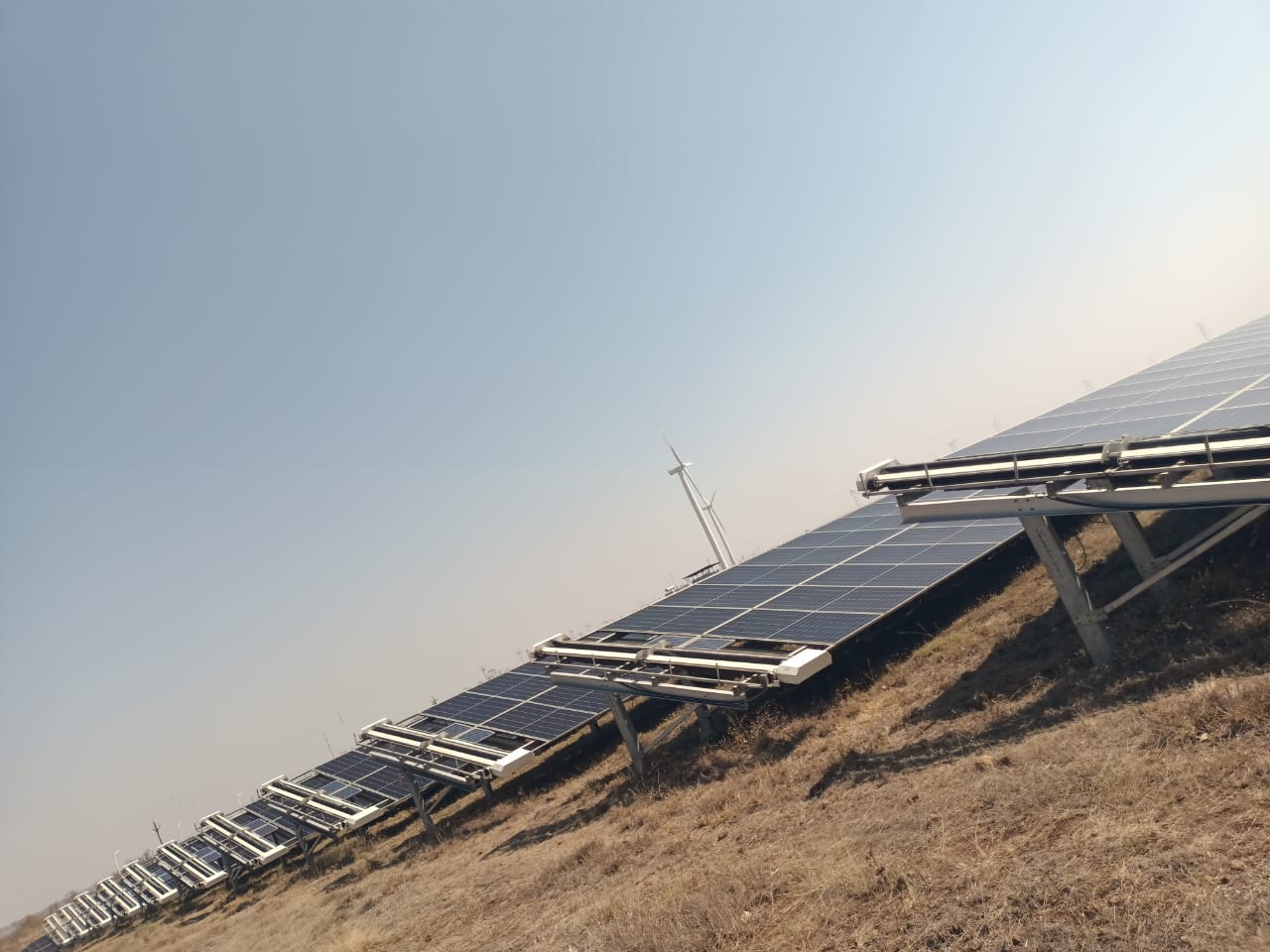
In utility-scale operations, your cleaning frequency is the primary variable controlling PR (Performance Ratio) drift. For a 50 MW plant in high-dust regions like Rajasthan, a 15-day cleaning cycle is often insufficient, leading to SR (Soiling Ratio) degradation that exceeds the threshold of most contractual guarantees. Frequent, light cleaning cycles using automated systems are consistently superior to monthly manual washing, as they prevent the formation of hard-caked layer deposits that require aggressive scrubbing and risk permanent glass damage.
Contractual PR compliance requires a frequency model that matches local atmospheric trends. When you define your cleaning schedule, mandate frequency as a function of real-time sensor triggers rather than a rigid calendar date. This approach allows your O&M provider to scale cleaning frequency from seven days during peak dust seasons to extended cycles during the monsoon or winter, ensuring that your energy output stays within the 98% to 99% of expected generation targets. By shifting to an autonomous, high-frequency model, you eliminate the productivity plateaus inherent in manual labor, as described in our manual vs. robotic cleaning comparison.
Integrating these schedules into your automatic solar panel cleaning system allows for granular control over PR compliance. Each cleaning cycle must be logged via your SCADA or fleet management portal to provide the audit trail necessary to hold service providers accountable for generation shortfalls. If the cleaning robot fails to hit a row due to a technical error, the system should trigger an immediate exception report. This data-driven rigor ensures that the 'guaranteed' PR targets in your contract are not merely aspirational figures, but objective outcomes verified by daily telemetry. Consistent compliance also protects your module warranty, as scheduled, non-abrasive dry cleaning maintains the integrity of the anti-reflective coating far better than traditional water-based cleaning methods.
Technical methods to verify cleaning effectiveness
Verification protocols must move beyond visual inspection, which is subjective and unreliable across a 50 MW site. The most accurate method involves correlating your site-specific SCADA data with secondary reference cells that remain clean. By comparing the daily yield of your production modules against these reference cells, you generate a reliable Soiling Ratio (SR) report. This provides the objective data required to trigger liquidated damages or verify service completion under your contract.
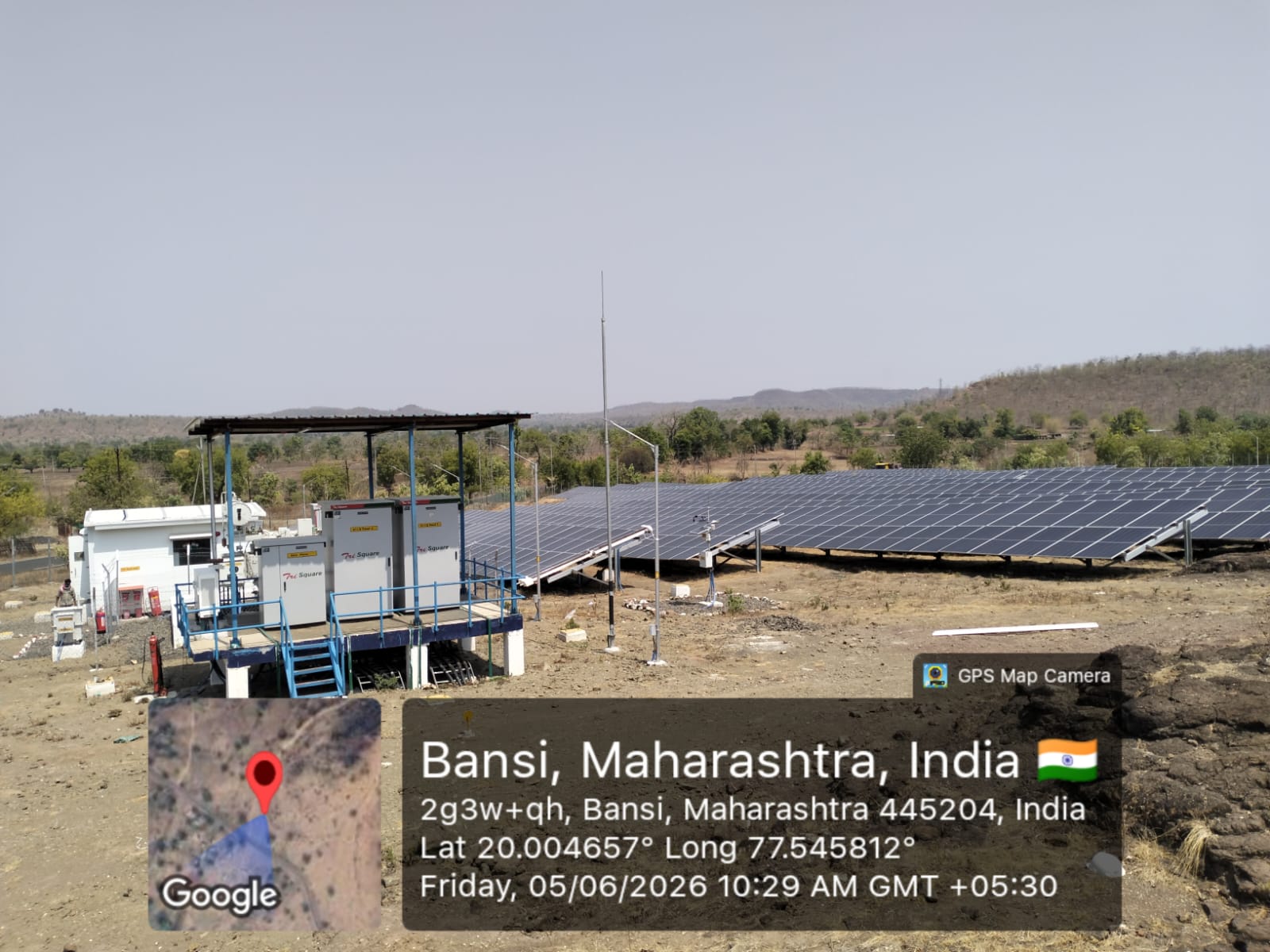
For MW-scale deployments in high-dust zones like Rajasthan or Gujarat, you should integrate IoT-based soiling sensors at the edge of each plant block. These sensors provide real-time dust accumulation data that must be mapped to your cleaning service logs. A robust contract requires that the service provider's performance report includes:
- Pre- and post-cleaning PR measurements taken within 24 hours of the service.
- Timestamped logs from the automatic solar panel cleaning system verifying coverage per row.
- Automated alerts in the event of partial cleaning cycles due to tracker blockages or sensor malfunctions.
- Correlated data from local weather stations to distinguish between generation losses caused by soiling and those caused by cloud cover or diffuse irradiance.
Using soiling loss tracking ensures that your PR targets remain enforceable. When a provider claims 95%+ to 99%+ dust removal per cycle (by robot model), your telemetry should validate that the PR improvement aligns with expected output increases. If the data shows a stagnant PR despite a reported clean, the contract should trigger an immediate onsite audit or root-cause analysis by your O&M team. This data-driven verification loop removes ambiguity and ensures your asset achieves the full generation potential of your site layout.
Mitigating risks to module warranties during cleaning
Integrating performance guarantee clauses into cleaning contracts requires a primary focus on safeguarding the module's anti-reflective coating and structural integrity. For utility-scale installations, the contract must explicitly mandate non-abrasive cleaning technologies, such as dry microfiber brushes or low-pressure airflow systems, to avoid micro-cracking and surface degradation that could void manufacturer warranties. Using abrasive materials or high-pressure water streams on Tier-1 modules in arid zones like Rajasthan can result in long-term performance degradation that far exceeds the initial soiling losses.
Your legal team should include specific indemnification clauses that require the cleaning service provider to present valid certifications from your panel manufacturer. If a contractor utilizes an automatic solar panel cleaning system, the agreement must verify that the equipment has passed mechanical load testing for the specific module type in use. This level of technical rigor ensures that your O&M activities are fully compliant with the stringent requirements set by module OEMs regarding maintenance and cleaning frequency.
Furthermore, ensure that the contract defines strict operational boundaries for robotic equipment, particularly regarding contact pressure and vibration thresholds. Regular, automated audits of the cleaning logs via the NECTYR fleet portal provide a digital paper trail. This documentation is essential to demonstrate to manufacturers that you have adhered to all maintenance protocols should any warranty claims arise during the plant lifecycle. Consistent adherence to these standards balances the need for high energy generation with the long-term asset health required for your 25-year project life.
What plant managers should do next
- Audit existing cleaning contracts to ensure they include specific Performance Ratio (PR) thresholds and clear liquidated damage definitions for generation shortfalls.
- Integrate real-time soiling loss tracking using secondary reference cells to move from calendar-based cleaning to data-driven frequency models.
- Verify that all automated equipment deployed on-site has explicit compatibility certifications from your PV module manufacturer to avoid accidental warranty invalidation.
- Standardize reporting metrics by mandating that your O&M provider submits automated, timestamped logs for every cleaning cycle, ensuring objective verification of work performed.
- Transition from manual labour to a scalable, waterless robotic cleaning approach to maintain consistent plant availability while minimizing operational risks in water-scarce regions.
Sources and further reading
Frequently asked questions
Performance guarantee clauses in solar cleaning contracts are essential for de-risking O&M in high-soiling Indian environments like Rajasthan and Gujarat. These clauses link cleaning performance directly to the financial outcomes of the site, ensuring that operators do not pay for services that fail to restore target energy yield.
Effectiveness is measured by tracking the Soiling Ratio (SR) using dedicated reference sensors. By monitoring the delta between actual energy yield and a weather-adjusted theoretical potential, managers can objectively verify if the cleaning service has successfully restored module performance to the required baseline.
Automated cleaning systems typically do not impact module warranties provided the equipment meets manufacturer specifications and is operated within defined pressure and material constraints. To protect warranties, ensure that cleaning contract clauses mandate the use of non-abrasive methods and follow manufacturer guidelines for contact-based cleaning.
Penalties are typically structured as liquidated damages calculated based on the energy yield shortfall. These financial deductions are determined by measuring the difference between the actual observed performance and the weather-adjusted site baseline, ensuring that the service provider is held accountable for the specific loss in electricity production.