What the plant looked like: A 50MW Rajasthan case study
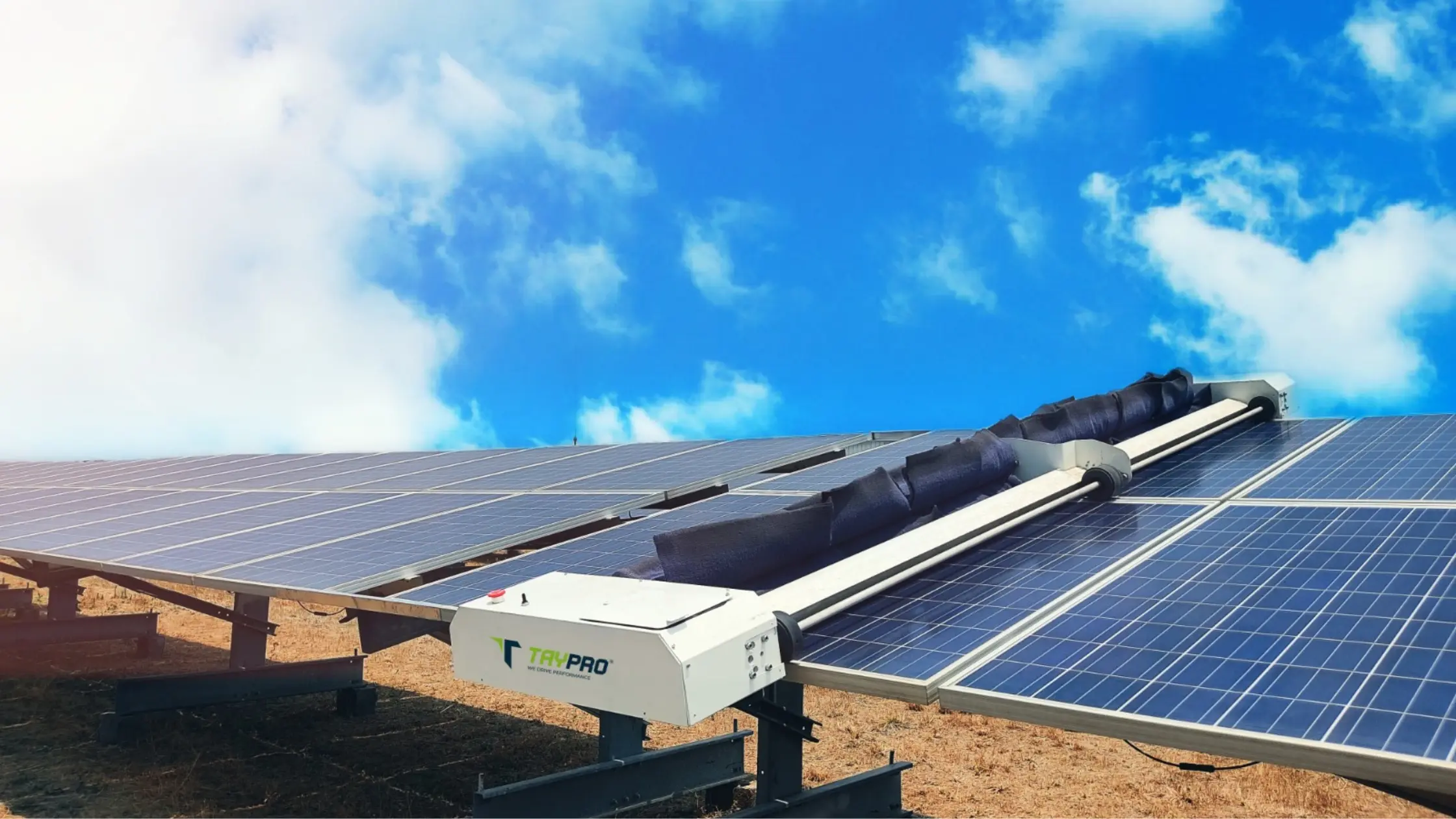
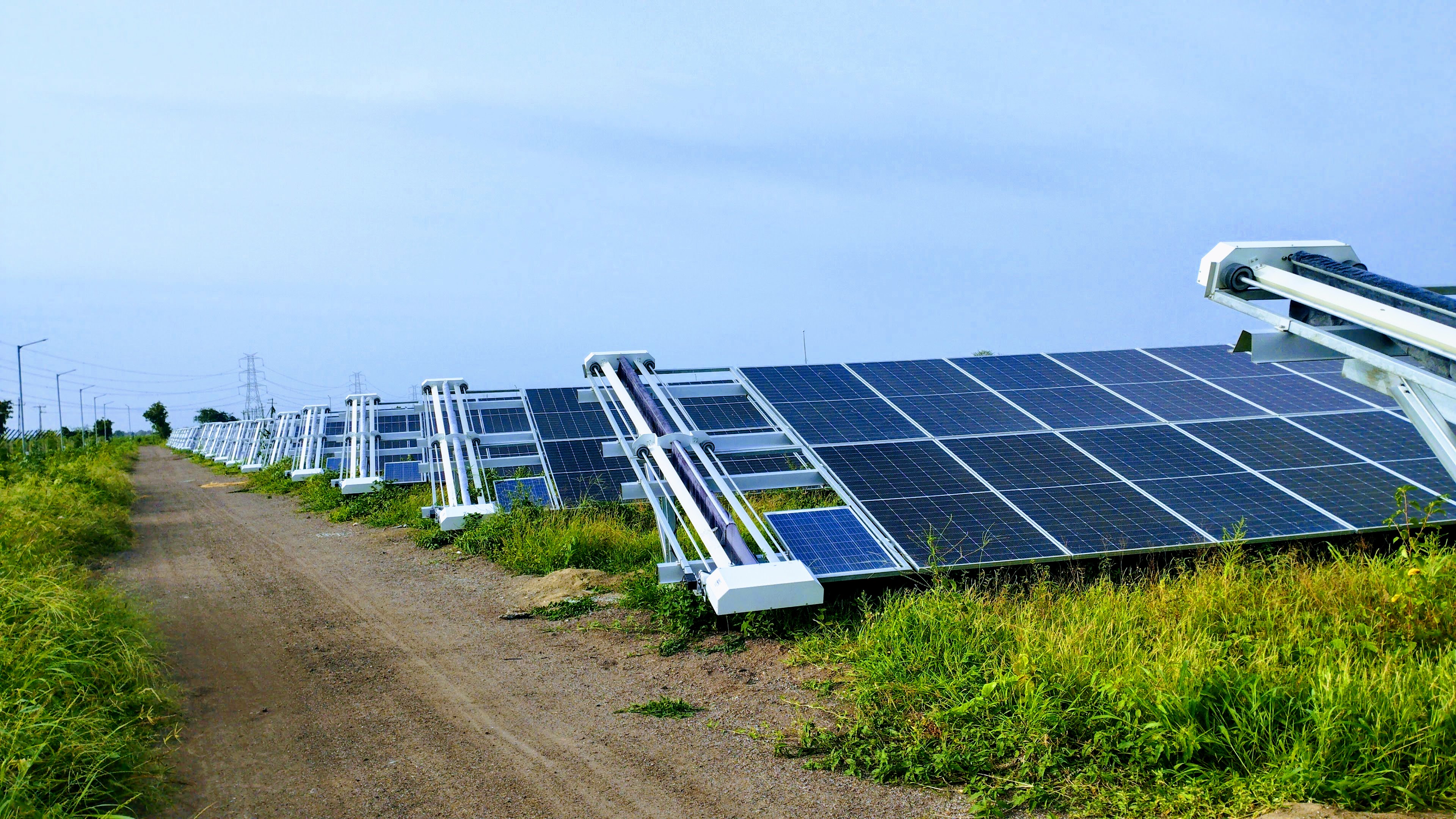
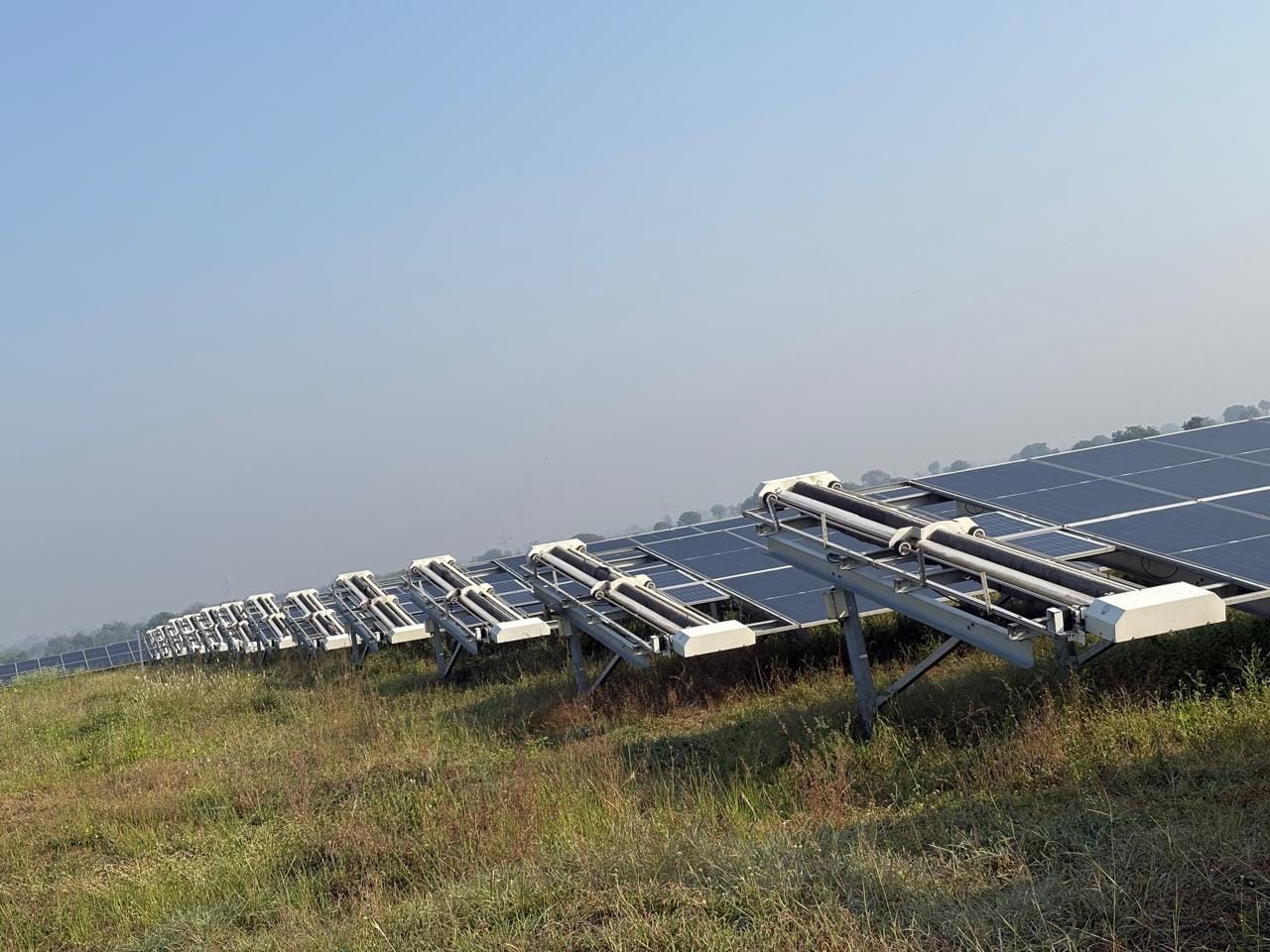
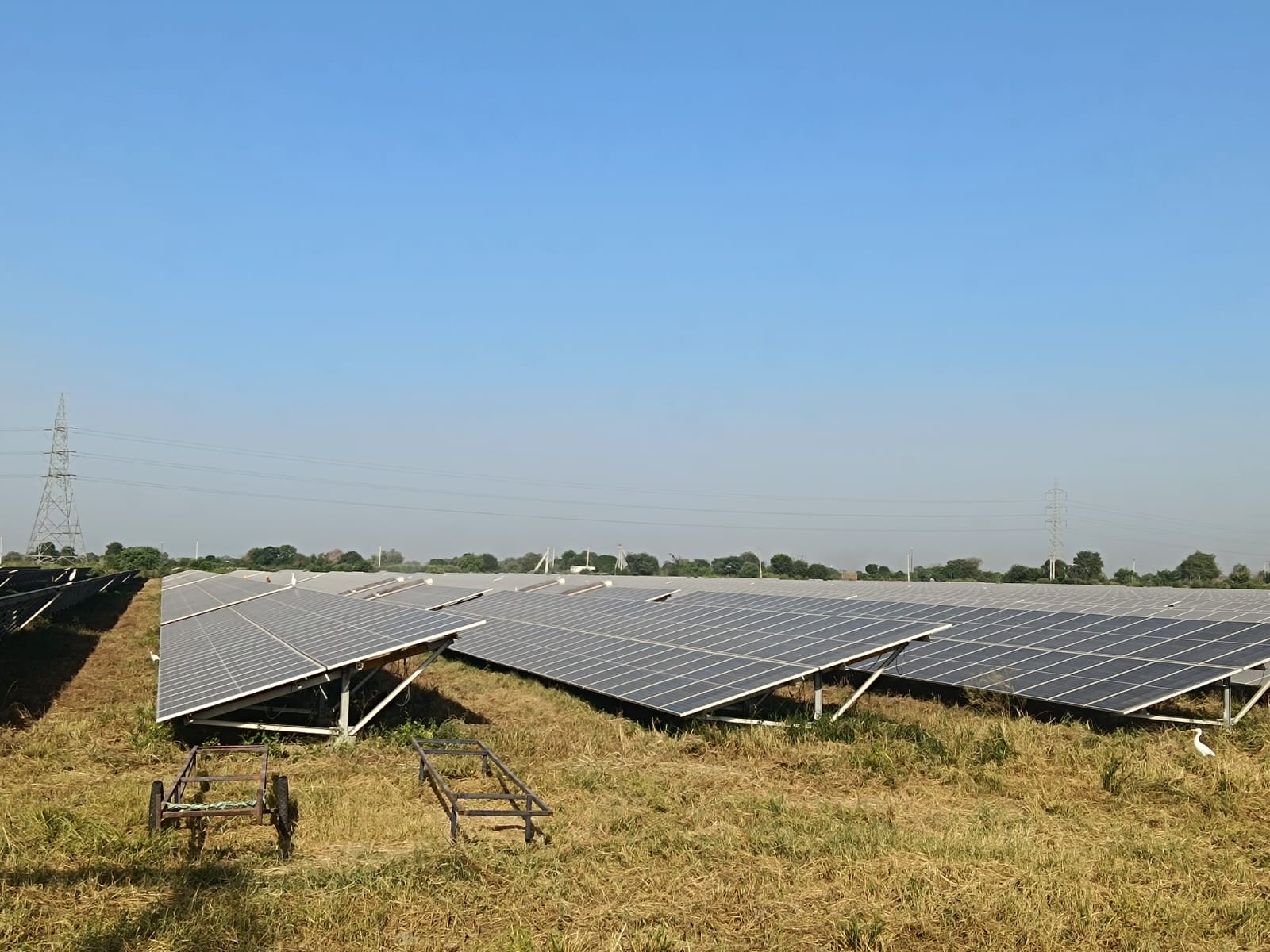
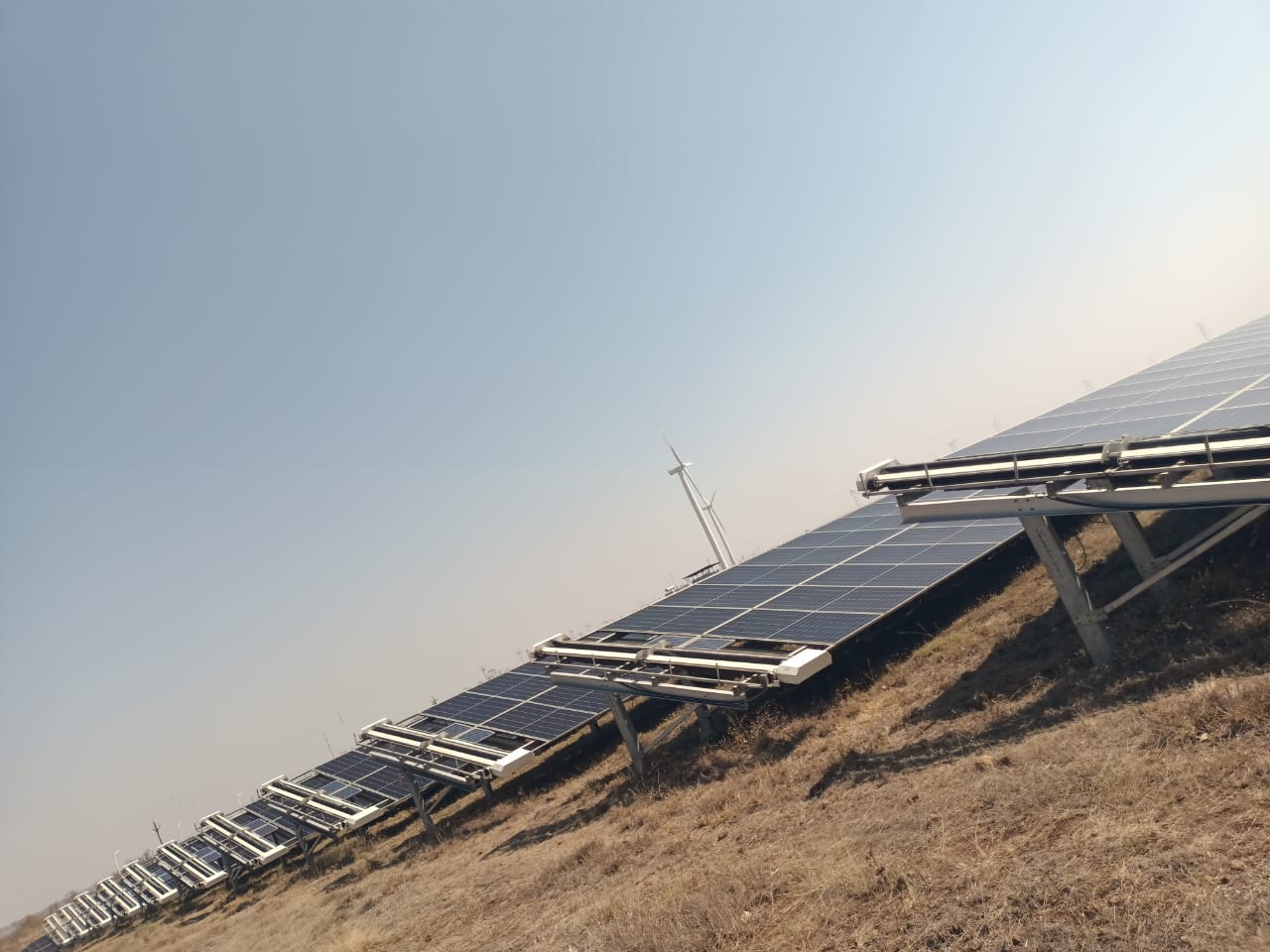
In the arid landscape of Rajasthan, a 50MW utility-scale plant often faces soiling-induced power losses of 0.5% to 1.0% daily. Without systematic cleaning, plants may report total generation losses of 15% to 30% during dusty seasons. This 50MW site faced a common challenge. Their legacy SCADA system tracked grid power but remained blind to the operational status of the cleaning robot fleet.
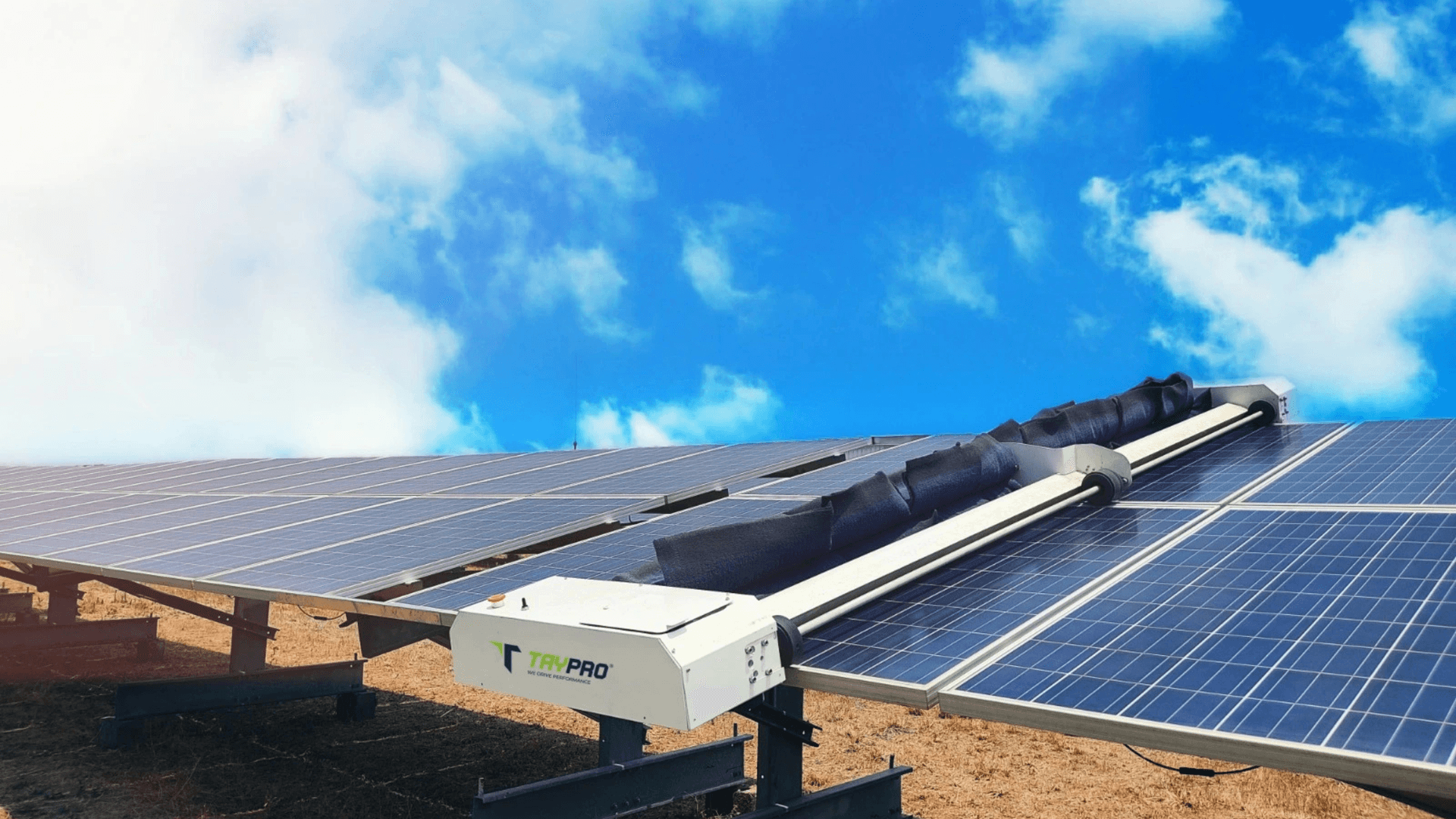
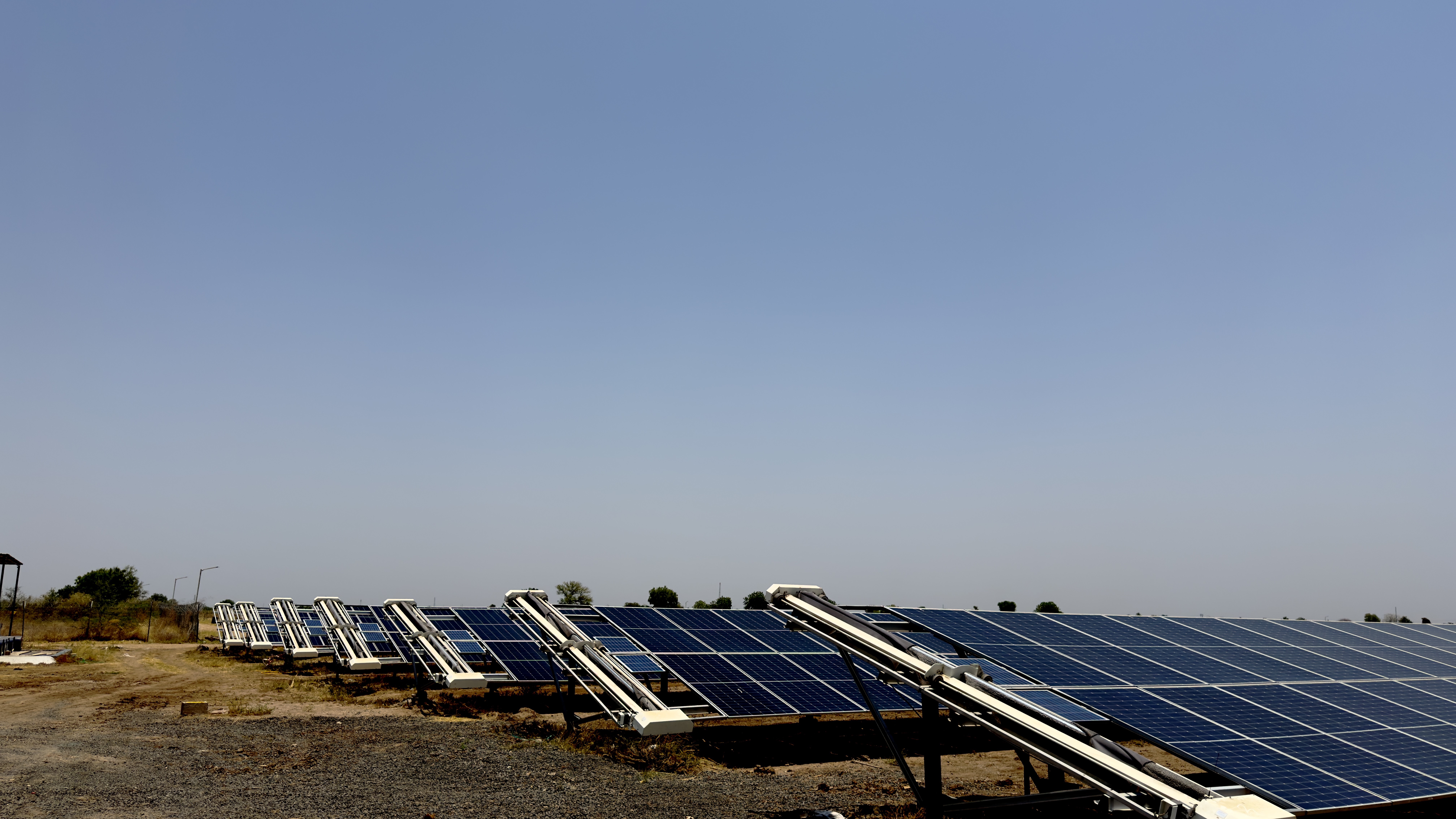
Before integrating robots, the team relied on manual cleaning schedules. This approach ignored the site-specific soiling rates that vary between blocks due to wind patterns. Implementing a robot fleet requires moving from reactive cleaning to data-driven triggers based on current performance. At this 50MW facility, the team created a link between the robotic management software and the central SCADA system. Now, they monitor robot battery levels, coverage completion, and fault alerts in real time.
The primary hurdle was not the hardware but the protocol translation between the robots and the SCADA. For an asset of this scale, ensuring the SCADA reflects actual module cleanliness is vital for performance reporting. By centralizing this data, the O&M team reduced cleaning lag. This significantly improved the site-wide Performance Ratio (PR) recovery compared to the manual maintenance model.
Understanding the technical requirements for SCADA integration with cleaning robot fleets
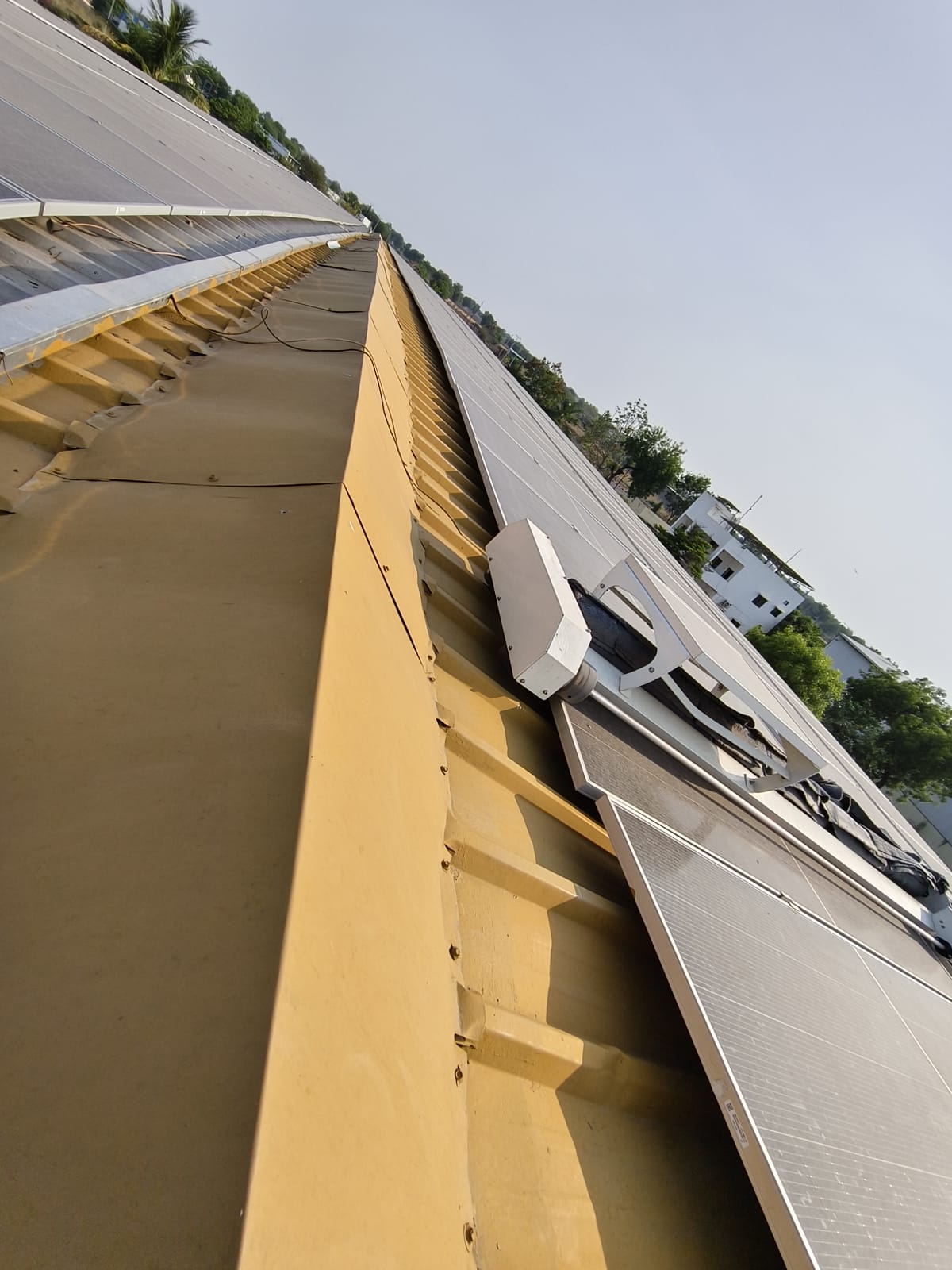
Integrating robotic cleaning into existing SCADA frameworks requires more than physical connectivity. Operators must build a data bridge using industrial protocols like Modbus TCP/IP. This allows the central system to poll robot telemetry consistently. For a 50MW+ site, the integration layer must handle high-concurrency data packets from many robots. This ensures that robot data does not interfere with grid-level inverter commands or power quality monitoring.
The architecture typically relies on a tiered gateway structure. First, field-level wireless meshes, such as RF mesh or dedicated NECTYR connectivity, aggregate individual robot status. Second, an edge controller aggregates this telemetry before pushing it to the site SCADA. Managers should prioritize systems that report key variables in real time. These include battery health, brush wear levels, and precise cleaning coverage percentage per string.
A critical requirement is ensuring that robot-specific alerts do not trigger false alarms at the grid-operation level. By segmenting data inputs in the SCADA tag database, teams can isolate robot maintenance alerts from urgent grid stability warnings. This separation allows the control room to manage the fleet with the same visibility as an inverter. It facilitates proactive dispatching rather than reactive troubleshooting. Effective integration relies on choosing hardware that supports these standards, as retrofitting serial-to-ethernet converters often introduces stability issues in hot, dusty climates.
How do you ensure data security when integrating robots into SCADA?
Data security in a utility-scale solar asset relies on strict network segmentation. When integrating a robot fleet, the primary risk is exposing grid-control protocols to external cloud interfaces. Plant managers must deploy a physical or logical demilitarized zone (DMZ) between the robotics control gateway and the main SCADA server. By using a one-way data diode or a strict firewall, your team keeps robot telemetry separate from sensitive grid-level controllers.
Encryption is vital for site-wide data integrity. All fleet telemetry must use TLS (Transport Layer Security) for transmission between robots, gateways, and the SCADA system. These units communicate wirelessly in large fields, so avoid unencrypted legacy protocols that are vulnerable to packet sniffing. Mandate that all robotic hardware, such as the automatic solar panel cleaning system, supports modern WPA3 authentication or robust AES-256 encryption.
Finally, implement role-based access control (RBAC) at the NECTYR or SCADA interface level. Security is about limiting internal exposure. Plant operators should see cleaning schedules and Performance Ratio (PR) logs. Administrative privileges for firmware updates and diagnostic modes should be restricted to qualified O&M leads. This tiered access ensures that the plant monitoring system remains protected from unauthorized robot adjustments or command injections.
Step-by-step: Integrating robot fleet telemetry into utility-scale operations
Integrating a robot fleet requires a structured sequence to ensure data flows seamlessly into your SCADA platform. Start by mapping your plant into logical sectors where each robot operates. For utility-scale sites in India exceeding 50 MW, map each row ID to a specific communication gateway node. This spatial mapping allows the system to link cleaning coverage with power output. Implementation follows a four-stage process that prioritizes stability.
- First, configure the field communication backbone. Ensure your network supports concurrent connections from all robots without bandwidth throttling.
- Second, establish the data handshake using a protocol like Modbus TCP/IP. This allows your SCADA controller to poll status registers directly from the robot gateway.
- Third, define the telemetry heartbeat. Configure your fleet to push metrics, such as battery status and cleaning progress, every 15 to 30 minutes.
- Fourth, automate the exception reporting logic within your dashboard. Only trigger alerts for critical events, such as a stalled robot or a failure to reach the dock.
For more context, refer to our guide on optimizing cleaning frequency and managing soiling revenue losses. By centralizing this data, you turn independent robots into a synchronized fleet that boosts plant uptime.
Synchronizing cleaning cycles with PR and plant performance monitoring
Linking your cleaning robot fleet to PR monitoring turns reactive maintenance into an automated yield recovery cycle. By pulling power data into your SCADA system, you can set custom thresholds. These trigger robotic cleaning only when soiling losses exceed your tolerance, usually set between 1% and 3% in utility-scale deployments. This avoids unnecessary cleaning in low-dust weeks, which preserves battery life and mechanical health.
At a 50 MW site, you might correlate string data with pyranometer readings to calculate a soiling degradation index. When this index hits your threshold, the SCADA interface sends a command for the robots to clean. This integration allows operators to view cleaning progress in real time alongside inverter status. By centralizing this, you ensure the cleaning program is a data-driven strategy to protect against revenue losses from soiling.
Synchronizing cleaning with PR metrics also provides clear audit trails for owners. If a sandstorm causes a spike in soiling, your platform documents the performance drop and the subsequent robotic intervention. This transparency is vital for meeting PPA obligations and justifying your cleaning cadence to financial stakeholders. By moving from static schedules to performance-based triggers, you make your cleaning fleet an extension of your plant control logic.
Operational hurdles: Managing latency and bandwidth on remote sites
In regions like Rajasthan, SCADA systems often rely on satellite or cellular links. These connections can struggle with the telemetry demands of large robot fleets. Every robot generates updates that can saturate your bandwidth if left unmanaged. To maintain stable communication, shift from persistent polling to event-driven reporting. Configure your fleet to send data only when status changes, rather than streaming constantly.
You must also plan for local data buffering. Use a NECTYR-compatible gateway that aggregates all robot signals before sending a consolidated report to your SCADA. This reduces outbound calls and keeps your network responsive for critical grid commands. If connectivity is lost, robots continue their tasks independently. The local gateway stores all performance data and uploads it once the link is restored.
Lastly, dedicate a separate VLAN specifically for your cleaning robot fleet. Mixing robot traffic with sensitive protection data increases the risk of latency spikes. By isolating cleaning traffic, you protect the SCADA telemetry that determines your plant load ratio. For teams dealing with distributed sites, refer to our notes on deployment strategies in high-dust regions and managing the downtime costs caused by communication bottlenecks.
What plant managers should do next
- Audit your site backhaul capacity to ensure it supports the expected telemetry volume of a full robot fleet before a 50 MW+ deployment.
- Establish a segregated VLAN for all robotic assets to prevent data traffic from interfering with grid monitoring commands.
- Implement an event-driven reporting protocol in your SCADA interface to filter out non-essential heartbeats while retaining visibility on alerts.
- Schedule a technical review of your gateway hardware to ensure it handles the aggregation of telemetry from your entire fleet.
Sources and further reading
Frequently asked questions
Integration works by establishing a communication link between the robotic fleet management software and the central SCADA architecture. This involves using a tiered gateway structure to perform protocol translation, allowing the SCADA system to monitor robot battery levels, task completion percentages, and fault alerts in real time.
Yes. By utilizing industrial protocols like Modbus TCP/IP, operators can bridge field-level robotic telemetry with station-level SCADA systems without interfering with critical grid-level inverter commands or power quality monitoring.
The primary requirement is a consistent data bridge using industrial communication protocols such as Modbus TCP/IP. This protocol allows the central monitoring system to poll robot telemetry consistently while handling high-concurrency data packets.
Real-time monitoring allows for a shift from reactive, fixed-date cleaning to data-driven, conditional triggers based on actual site performance. This reduces the cleaning cycle lag and ensures maintenance occurs exactly when needed, which significantly enhances the overall Performance Ratio of the plant.