Quick answer
For utility-scale solar asset owners in Punjab, deploying an automatic cleaning system is a strategic response to regional dust. Implementing a waterless robotic solution keeps modules performing well without water waste. It also avoids the logistics challenges of manual wet cleaning.
- Typical soiling loss in North India: 10% to 30%.
- Optimal cleaning frequency: Every 7–14 days, adjusted for dust intensity.
- Water consumption reduction: Up to 90% using dry robotic systems.
- Deployment scale: Optimized for 5MW to 100MW+ utility-scale installations.
Automating the cleaning cycle helps plant managers maintain a stable generation profile. It also mitigates the revenue impact of soiling. For more details, review our guide on robot versus manual solar cleaning or see how predictive soiling models help schedule maintenance.
Punjab's Soiling Profile: Understanding Dust and Seasonal Loads
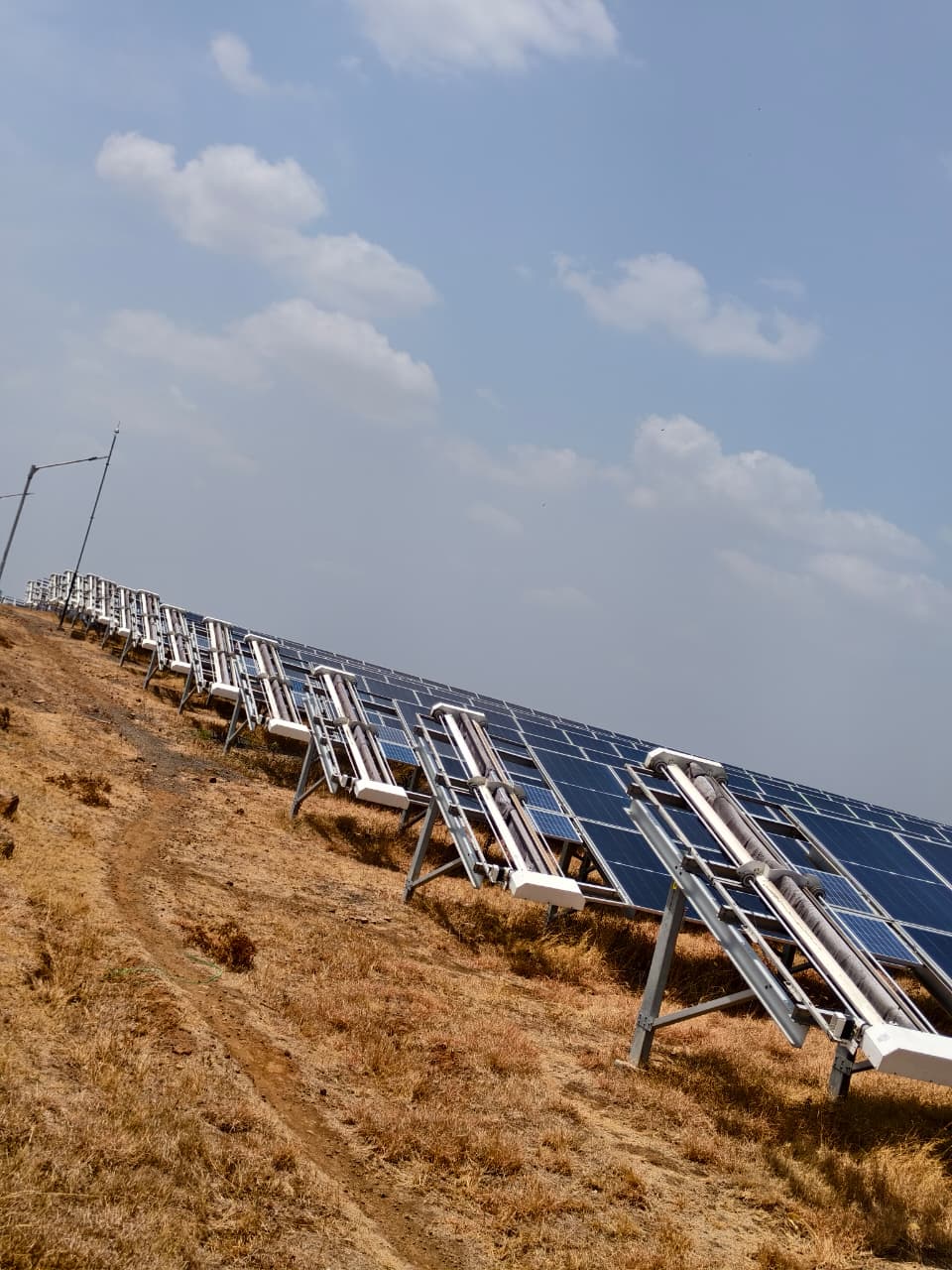
For utility-scale assets in Punjab, performance ratios depend on regional climate and farming cycles. Unlike coastal regions dealing with salt spray, Punjab faces intense, seasonal dry-dust. These loads are often made worse by the Thar Desert and regional crop burning. This activity increases airborne particulate matter significantly.
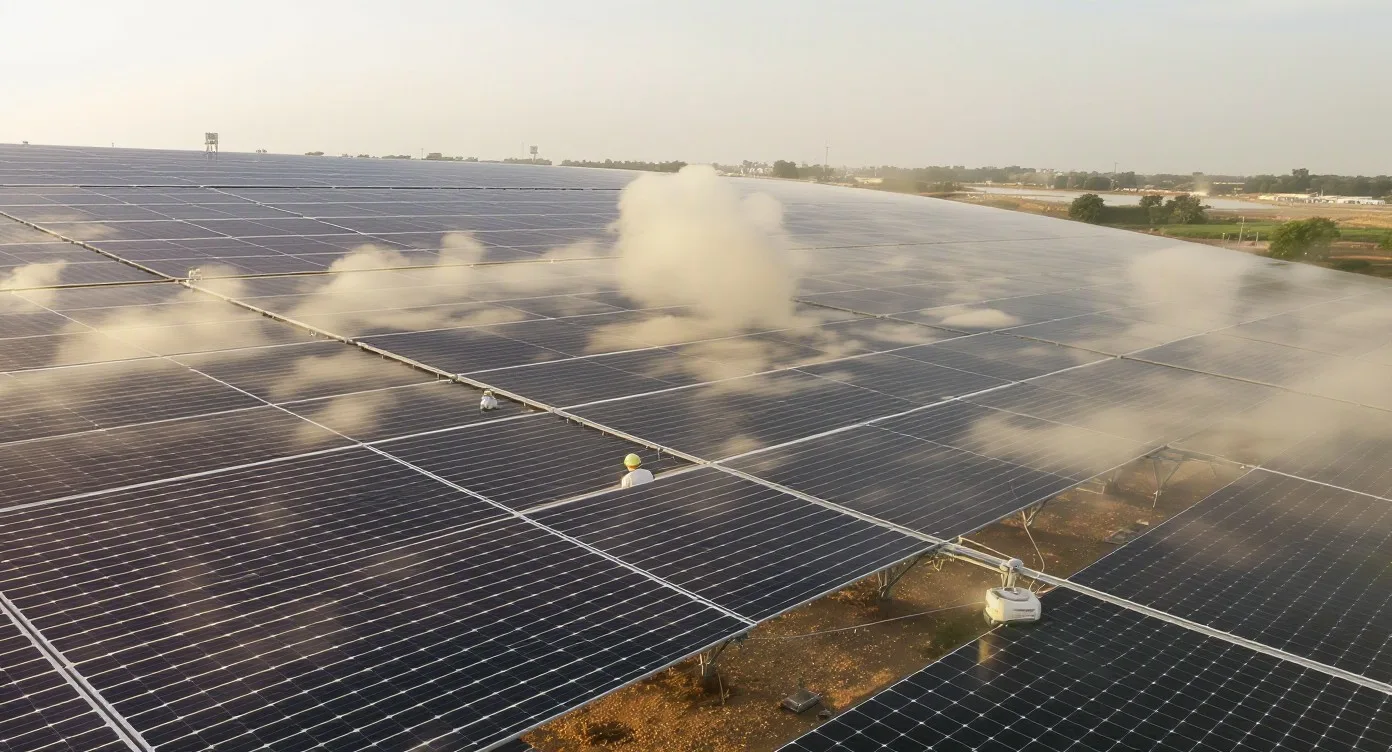
Managers should view their site's soiling in two ways. During winter and summer, fine dust accumulates steadily. This can drop energy yield by more than 15% over 30 days. During the monsoon, light rain creates muddy streaks. These streaks shadow cells and can cause hot-spots if not cleaned. This requires a shift to data-driven cleaning cycles.
Understanding this profile is vital for your deployment strategy. In areas with high PM2.5 levels, wet cleaning often creates a baked-on mud layer. Waterless robotic systems remove dust without adding moisture. This keeps the surface clean and resists rapid buildup. It also protects anti-reflective coatings and keeps performance ratios high during peak generation hours.
Technical Steps for Successful Punjab Panel Cleaning Robot Deployment
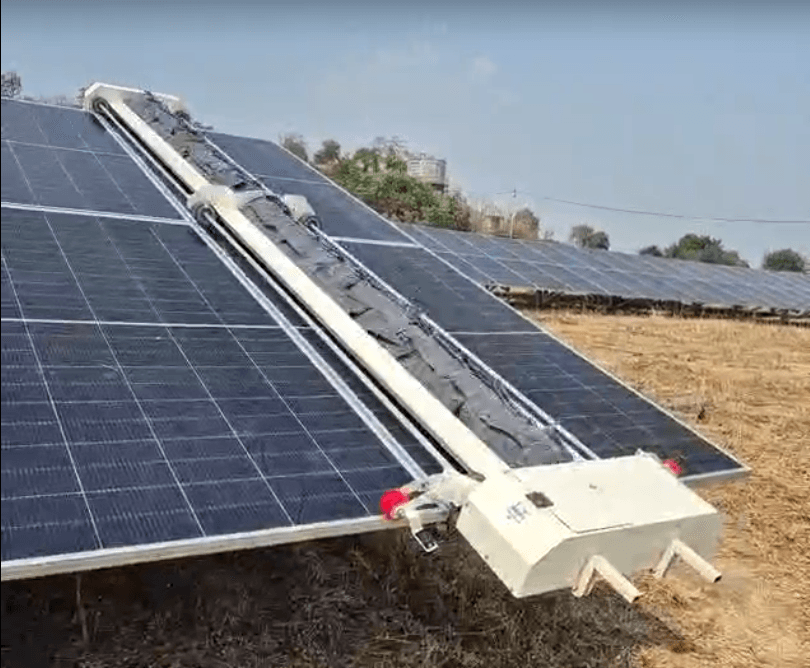
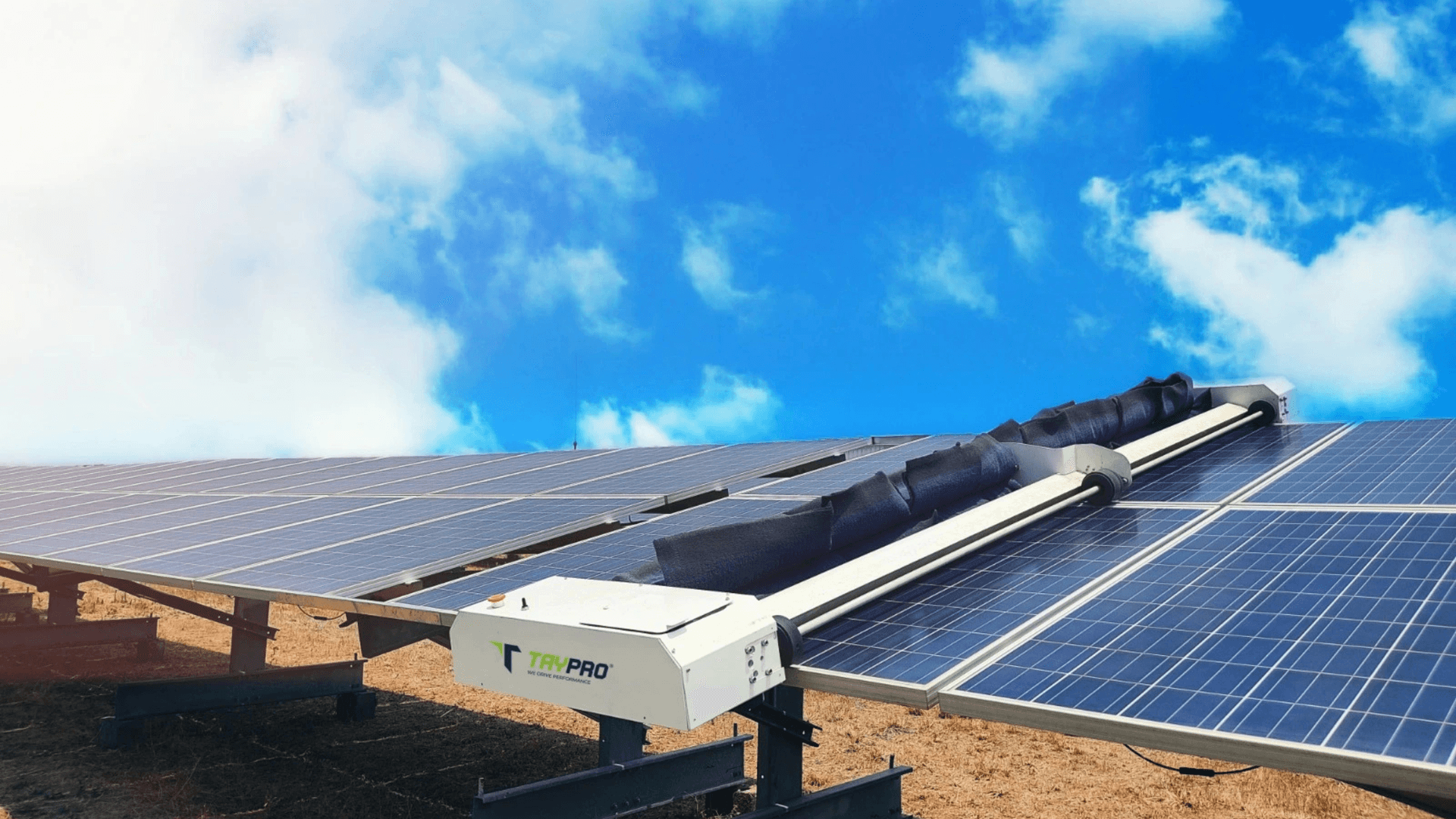
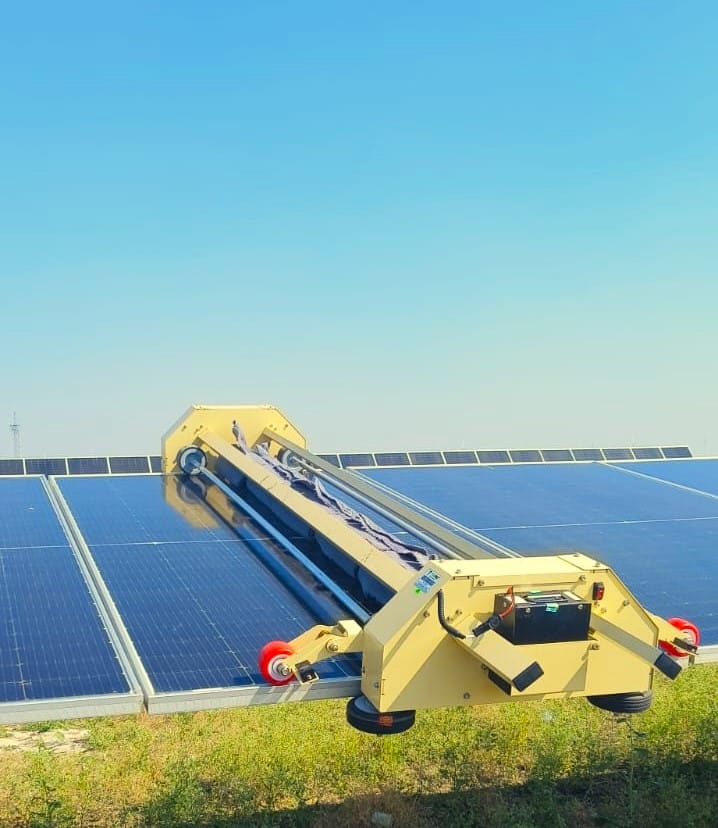
Deploying an autonomous fleet requires preparing the plant infrastructure. In Punjab, high seasonal heat makes reliability and site safety critical. Start by checking row-end clearances. Robots like the GLYDE or NYUMA need specific turning radii and charging dock space. Clear all obstructions like drainage channels or tall plants to ensure smooth movement.
The deployment process involves these four stages:
- Site Survey and Mapping: Verify row lengths and module tilt against robot specs. Ensure the NECTYR fleet management system has stable LTE coverage for the whole 5MW+ site. Real-time diagnostics are vital for monitoring cleaning status and battery health.
- Infrastructure Preparation: Install charging docks at row ends and level them. For tracker-based sites, ensure your control software lets the robots park during high-wind events.
- Fleet Commissioning and Pilot Run: Run a test on one row to check obstacle clearance and brush pressure. This prevents damage to module coatings.
- Full-Scale Integration: After the pilot, use AI-optimized scheduling. Use weather and air quality data to trigger cleaning only when needed. This boosts energy yield and battery life.
This systematic approach avoids pitfalls from retrofitting older plants. A well-integrated system, such as those in our guide on robotic cleaning for trackers, keeps your PPA guarantees secure.
How often should you clean solar panels on a 5MW+ plant in Punjab?
In Punjab, cleaning frequency depends on particulate matter and performance degradation targets. Autonomous systems allow for high-frequency, low-intensity cycles. These prevent stubborn dust layers from baking onto modules. A 7 to 10-day interval is typical for the dry season. Sites near heavy burning zones or highways may need daily passes.
Adjust your schedule based on these criteria:
- Soiling Thresholds: Trigger cleaning when PR losses exceed 1.5% to 2%.
- Seasonal Air Quality: Increase frequency during crop burning months, such as October and November. You may need passes every 3 to 5 days.
- Waterless Efficiency: Dry robotic systems do not need dry-out periods. You can run multiple passes to maintain better cleanliness than manual washing.
Shifting to data-led frequency avoids the costs of manual crews. This aligns with our predictive soiling models guide. It helps protect your PPA and improves net revenue. Monitoring, as shown in our soiling revenue loss analysis, proves that proactive cleaning pays off.
Integration Checklist: Aligning Robots with Existing Tracker or Fixed-Tilt Arrays
Before deploying robots in Punjab, verify physical and electrical compatibility. Misalignment can cause mechanical stress or unintended movement in high winds. Use this checklist for a seamless setup.
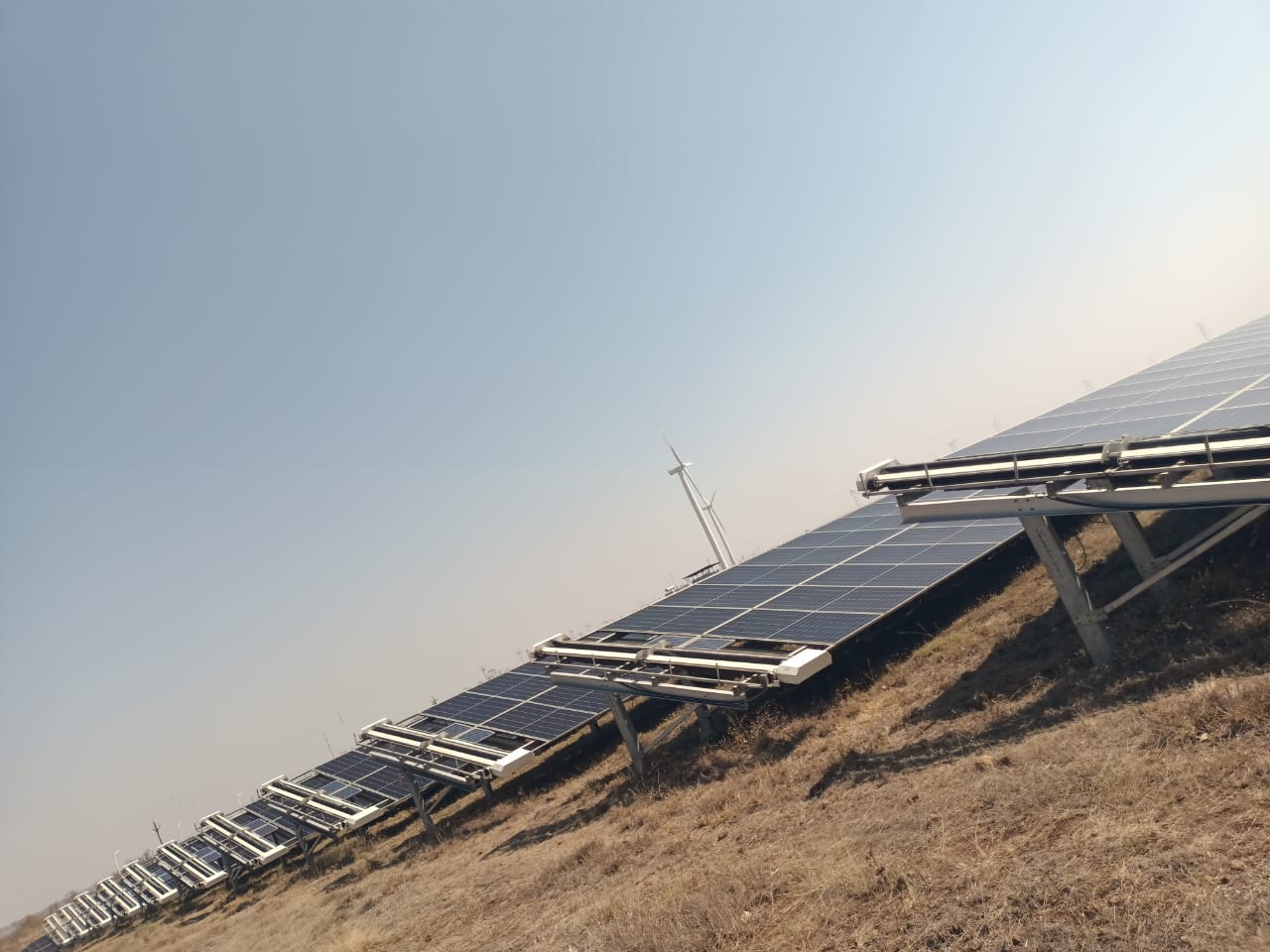
- Frame and Spacing Verification: Confirm your structure has the required clearance for the robot. Fixed-tilt systems need space for docking. Single-axis trackers must be checked for weight distribution and bridge flexibility.
- Communication Infrastructure: Set up an RF mesh or LTE gateway for the NECTYR fleet portal. Large sites need signal repeaters to avoid data gaps.
- Power and Charging Setup: Choose docking spots that allow self-charging. Ensure these are protected from monsoon runoff and connected to plant power.
- Safety and Obstacle Mapping: Map out junction boxes and uneven ground. Use this to configure sensors and prevent damage to internal robot parts.
- Structural Integrity Check: Inspect the rigidity of your trackers. Even small alignment errors can hurt the effectiveness of brushes like the PBT or microfiber lines.
These checks reduce downtime caused by mechanical interference. Success relies on the harmony between your layout and platforms like the CRADYL row-transfer station. You can find more data in our fully automatic site case studies and tracker array robot deployments.
Managing MW-Scale Logistics: Deployment Constraints in North India
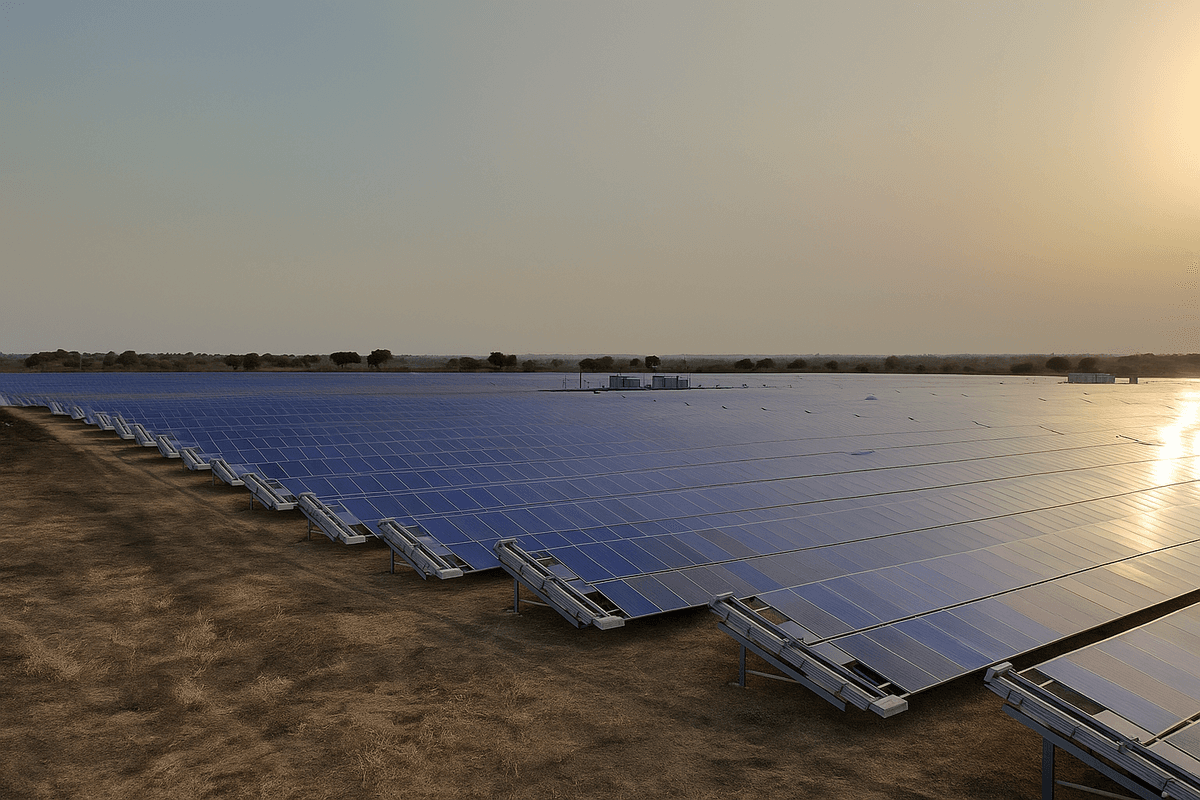
Scaling a fleet in Punjab requires managing unique local logistics. Sites over 5 MW face challenges with site access and weather patterns. You must treat your robot fleet as critical infrastructure rather than an ad-hoc intervention.
- Infrastructure Capacity: Ensure your transformers can handle simultaneous charging. 50 MW+ sites need dedicated conduits to power docks across large blocks.
- Transport and Field Access: Punjab's terrain varies by district. Use mobile docks like the CRADYL to move units without dangerous manual lifting. This prevents damage to motor components.
- Weather and Dust Mitigation: North India has extreme summer heat and humid monsoons. Robots need IP65-rated casings to protect circuitry from moisture and dust storms.
- Fleet Telemetry Integration: Use the NECTYR portal to track battery health and brush wear. This identifies units that need maintenance before they fail in the field.
- Spare Parts and Maintenance Cycles: Keep a local supply of motors and brushes. Sourcing from a domestic hub like Chakan, Pune, reduces shipping times compared to international orders.
Managing these logistics helps prevent the soiling revenue loss seen during downtime. Proactive planning ensures your fleet acts as a productivity multiplier.
Comparison: Waterless Robotic Cleaning vs. Manual Wet Cleaning for Utility Sites
The choice between robots and manual cleaning depends on PR stability and resource access. Manual cleaning is hard to scale past 5 MW and often leads to inconsistent results. Autonomous robots offer high-frequency cleaning that minimizes yield losses.
| Feature | Manual Wet Cleaning | Robotic Waterless Cleaning |
|---|---|---|
| Scale Efficiency | Low | High |
| Water Consumption | High | Negligible |
| Cleaning Frequency | Reactive | Predictive |
| Module Wear | High | Low |
| Operational Costs | High | Predictable |
Manual cleaning uses up to 2 liters of water per panel. For a 50 MW plant, this is a major cost in arid months. Robotic systems use microfiber or PBT brushes to reduce water use by 90%. They remove dust that manual teams often miss. Many managers use our guide on robotic vs manual cleaning methods to protect their investments. Focusing on consistent, water-free maintenance lowers the impact of soiling revenue loss significantly.
What plant managers should do next
- Conduct a baseline study to measure specific site degradation before buying robots.
- Compare your O&M budget to the long-term savings of automated fleets.
- Check your site for physical compatibility, like row-end space for CRADYL docks.
- Contact technical support to match models like GLYDE-X or NYUMA to your panels.
- Use NECTYR to move from reactive maintenance to data-driven, intelligent cleaning schedules.
Sources and further reading
Frequently asked questions
For utility-scale solar asset owners in Punjab, deploying an automatic cleaning system is a strategic response to regional dust. Implementing a waterless robotic solution keeps modules performing well without water waste.
Robotic systems effectively mitigate the 10 to 30 percent energy losses common in North India by removing accumulated fine mineral dust and post-harvest agricultural particulate matter. These units operate on a frequent, consistent cycle that prevents the formation of stubborn mud streaks or hot spots.
Yes, current robotic cleaning solutions are designed to integrate seamlessly into both fixed-tilt and tracker-based utility-scale solar installations. This integration allows plant managers to maintain high performance ratios across diverse mounting structures without requiring significant modifications.
Switching from manual wet cleaning to autonomous dry robotic cleaning systems can achieve water consumption reductions of up to 90 percent. This reduction provides a sustainable operational advantage while eliminating the logistical challenges associated with manual water logistics.