Quick answer
Utility-scale solar plants in India face a major challenge. Managers must balance soiling against sand abrasion. This is vital in regions like Rajasthan and Gujarat. Avoid aggressive cleaning methods. These methods strip Anti-Reflective Coatings (ARC). Once ARC is damaged, light loss is permanent. No future cleaning can recover it.
- Typical soiling loss in arid Indian clusters: 0.5% to 1.0% daily.
- Optimal cleaning trigger: Schedule automated cleaning when the performance ratio (PR) drops by 3% to 5%.
- Abrasion risk: High with manual dry brushing; low with specialized automated waterless systems.
- Mitigation priority: Use soft-contact cleaning. This protects module surfaces and ARC layers from micro-pitting.
Large portfolios must choose between cleaning frequency and method. Poor choices lead to faster degradation. They also increase long-term capital loss. Shift from reactive manual labor to data-backed automation. This stabilizes yield and extends the life of your PV assets.
The technical conflict: Sand abrasion vs. soiling loss in desert plants

Operators in Rajasthan and Gujarat face two distinct issues. They deal with recoverable soiling and permanent sand abrasion. Recoverable soiling is the buildup of dust and sand. This blocks sunlight but can be cleaned away. Sand abrasion is a physical damage process. Wind-blown silica particles act like sandpaper. They micro-pit the Anti-Reflective Coating (ARC) and the glass surface.
The conflict arises from cleaning timing. Aggressive cleaning often speeds up abrasion. Managers might use abrasive brushes or high-pressure water during high winds. This accidentally grinds sand into the module glass. Once the ARC is stripped, the module loses optical clarity. This damage is irreversible. It leads to a permanent drop in energy yield. It also lowers the asset value over its 25-year life.
MW-scale operators must tell the difference between these issues. They must separate soft organic soiling from hard mineral dust. In dust-prone regions, protect the module surface first. Yield recovery is secondary to surface integrity. Failing to plan for abrasion can cause higher losses than the energy saved by cleaning.
How does sand abrasion impact module longevity and light transmittance?
Sand abrasion is a silent killer for desert PV assets. Soiling blocks light, but abrasion removes material. High-speed winds carry coarse silica particles. These strike the glass and ARC at high angles. This creates millions of tiny pits. These micro-pits scatter sunlight instead of letting it pass through. This leads to a permanent loss in light transmittance.
The damage is cumulative. Power loss may start small. It is often hidden by seasonal changes. However, more micro-pits lead to a measurable drop in efficiency. Cleaning cannot fix this loss. Once the ARC is compromised, dust sticks to the surface more easily. This creates a bad feedback loop. Modules accumulate dust faster than new ones.
Every manual cleaning cycle carries a risk. Abrasive brushes or mineral-heavy water can worsen the damage. In Rajasthan, high wind speeds make this worse. Poor maintenance does more than miss revenue targets. It forces the asset to degrade early. This hurts the long-term bankability of the project. Protect your glass integrity with soft-contact cleaning. Robotic dry cleaning systems can arrest this decline while maintaining yield.
Determining the optimal desert plants sand abrasion cleaning frequency
Do not use a rigid calendar for cleaning. Instead, use real-time Performance Ratio (PR) monitoring. In Rajasthan and Gujarat, soiling rates change daily. They often fluctuate between 0.5% and 1.0%. Target a PR drop of 3% to 5% before cleaning. This prevents 'soiling debt.' It also avoids the risks of frequent, aggressive manual work.
Sand content limits cleaning frequency. High sand levels mean sharp mineral particles. In these cases, use soft-contact methods. Plants using automated systems can be more precise. Our utility-scale cleaning guide explains how. These systems use frequent dry-brushing to keep modules clear. This avoids heavy water use that hides micro-pitting.
Correlate your cleaning with wind patterns. Summer months or dust seasons may need more cycles. However, only clean if the process does not increase friction. If winds are high, wait for them to stabilize. Do not let a brush drag grit across the panel face. A condition-based schedule balances yield with long-term efficiency.
Step-by-step: Implementing a safe cleaning schedule for MW-scale plants
Use a standard workflow to protect your modules. This ensures every cleaning event uses data. It also minimizes unnecessary contact with the glass surface.
- Baseline PR Mapping: Review the Performance Ratio daily. Set an alert for a 3% to 5% drop. This catches soiling before it hardens into a cemented layer.
- Weather-Indexed Scheduling: Check local weather forecasts. Postpone cleaning during dust storms or high winds. Cleaning during high winds increases micro-pitting risks.
- Evaluation of Soiling Type: Check if the dirt is loose dust or sticky residue. Dry-brushing works well for loose dust. This avoids mineral buildup from water.
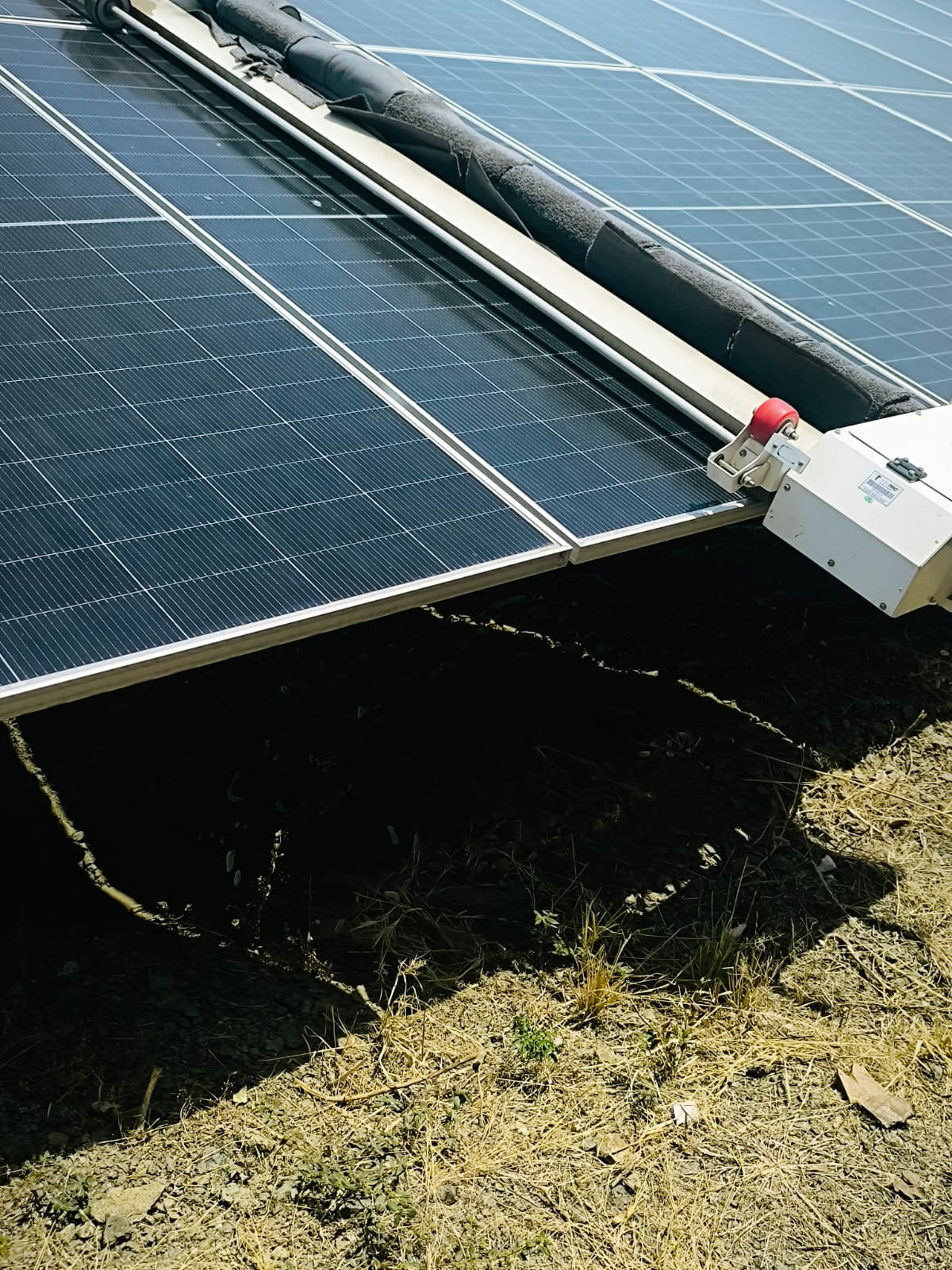
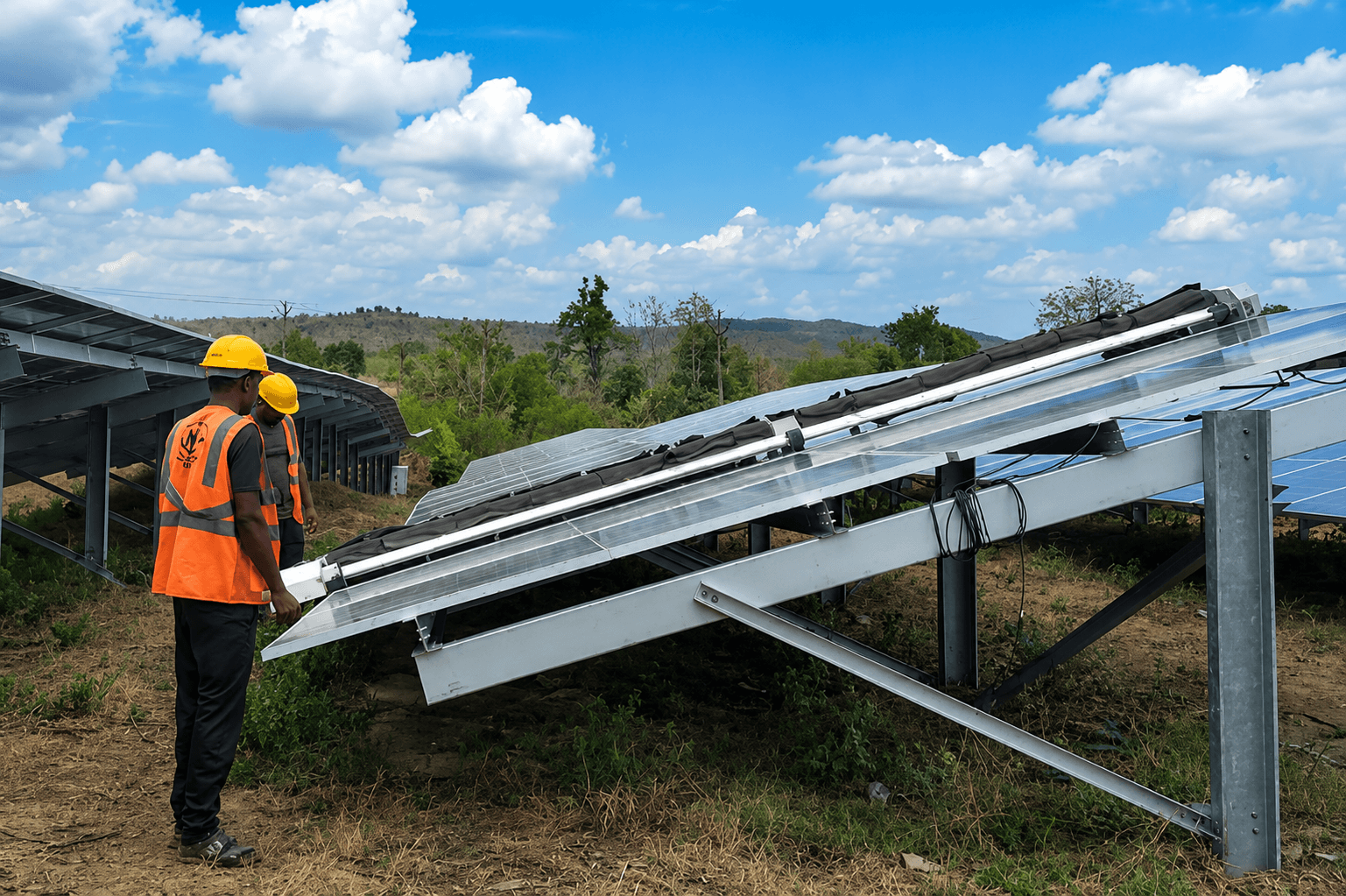
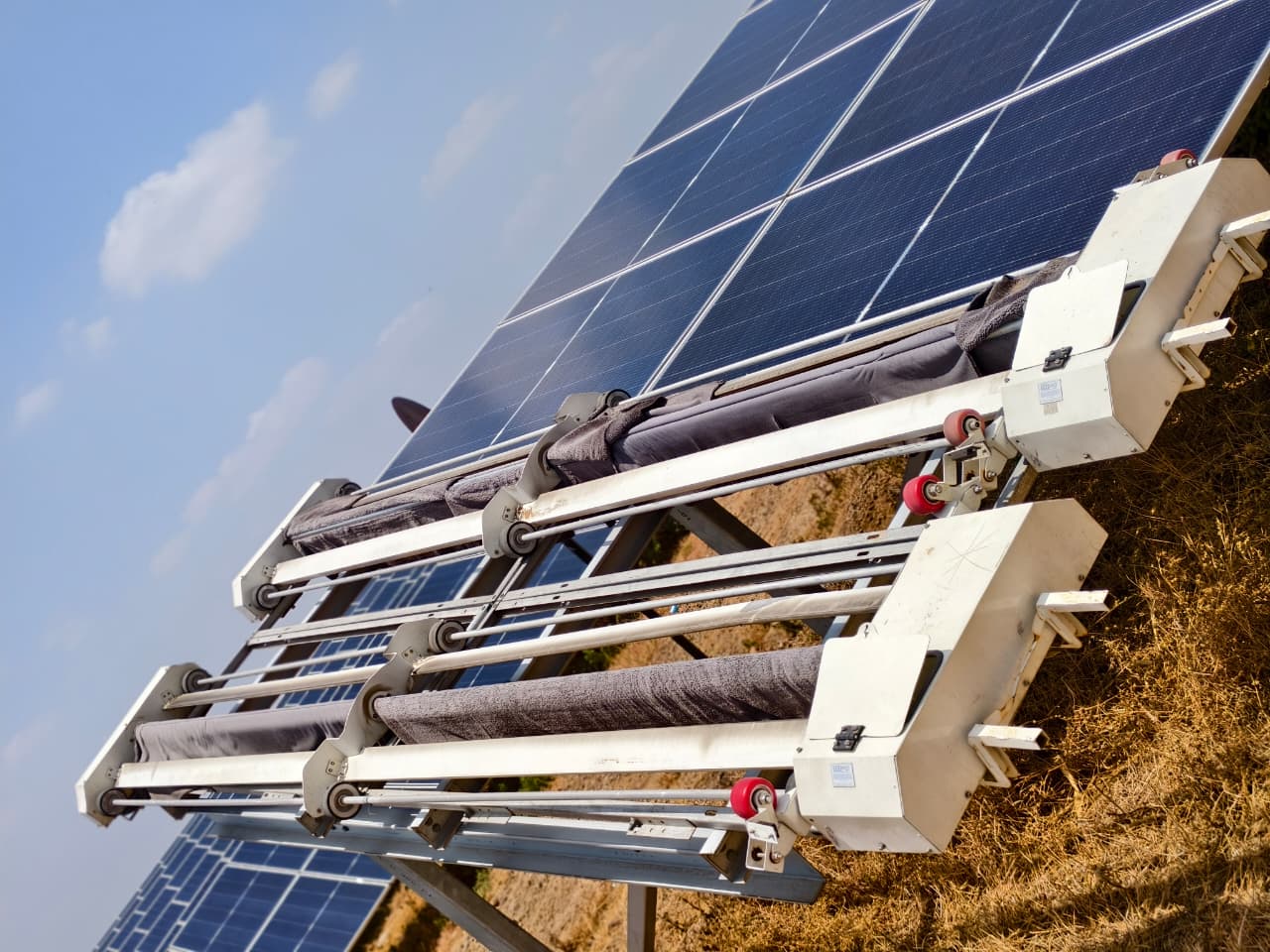
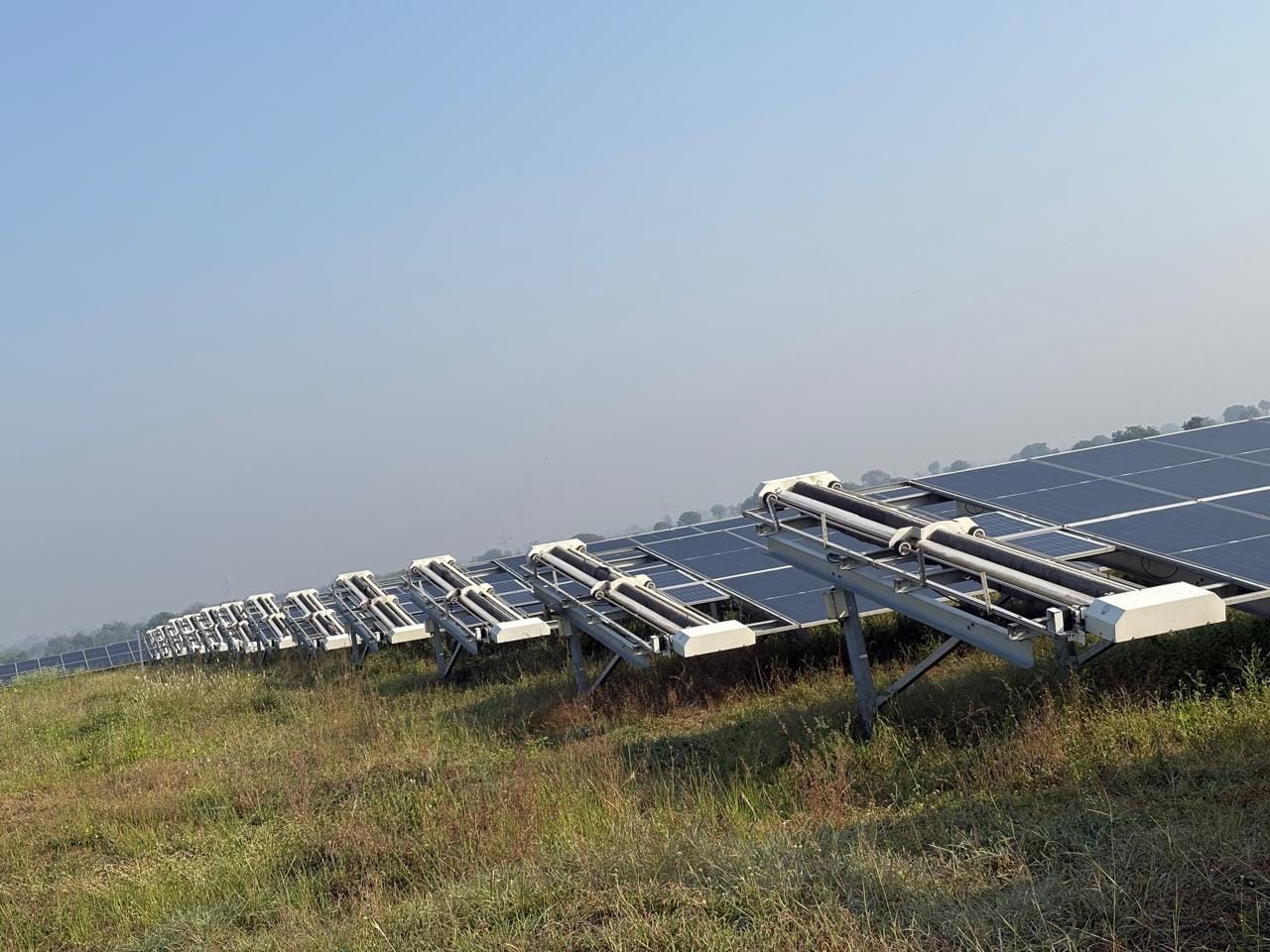
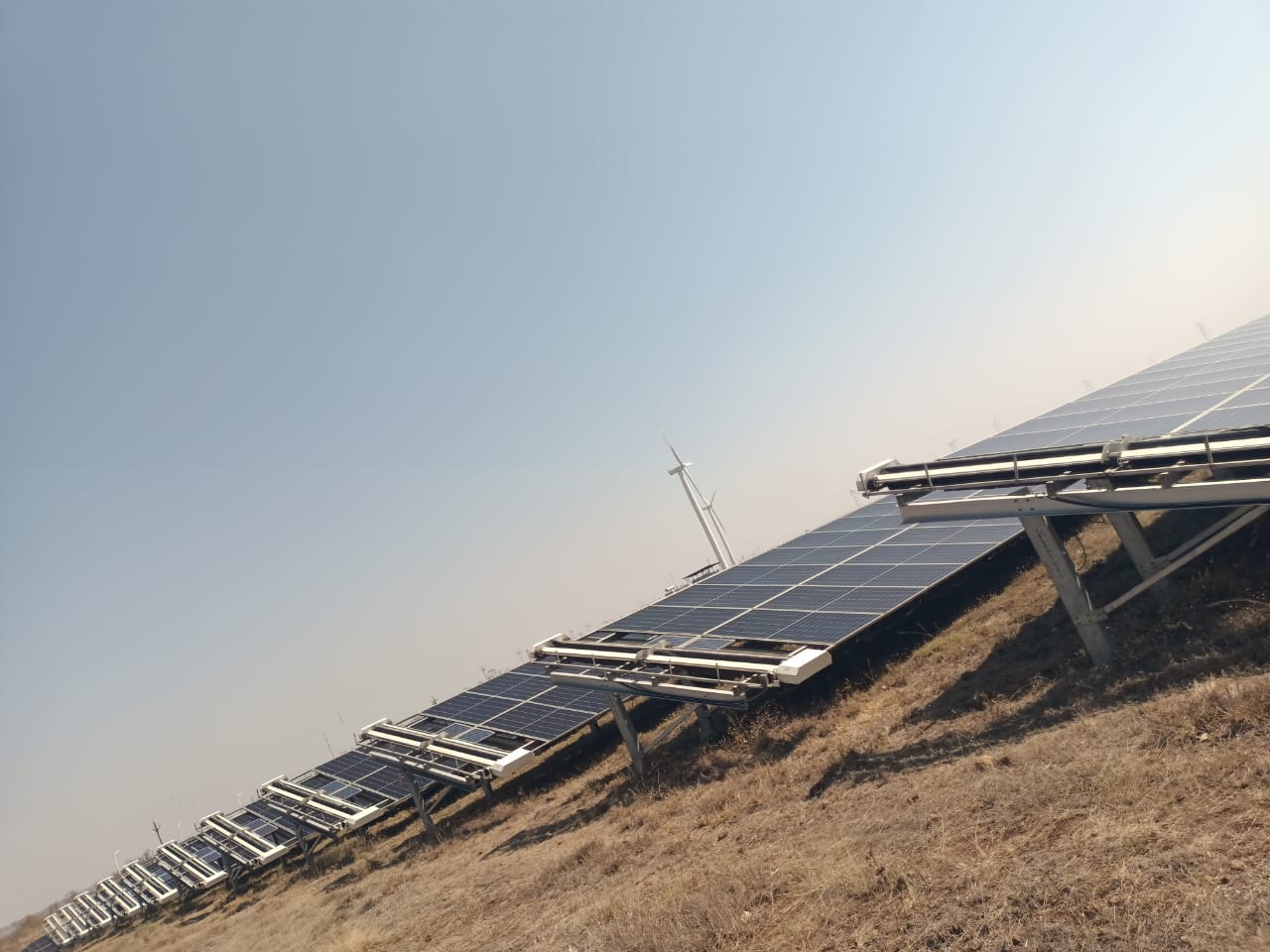
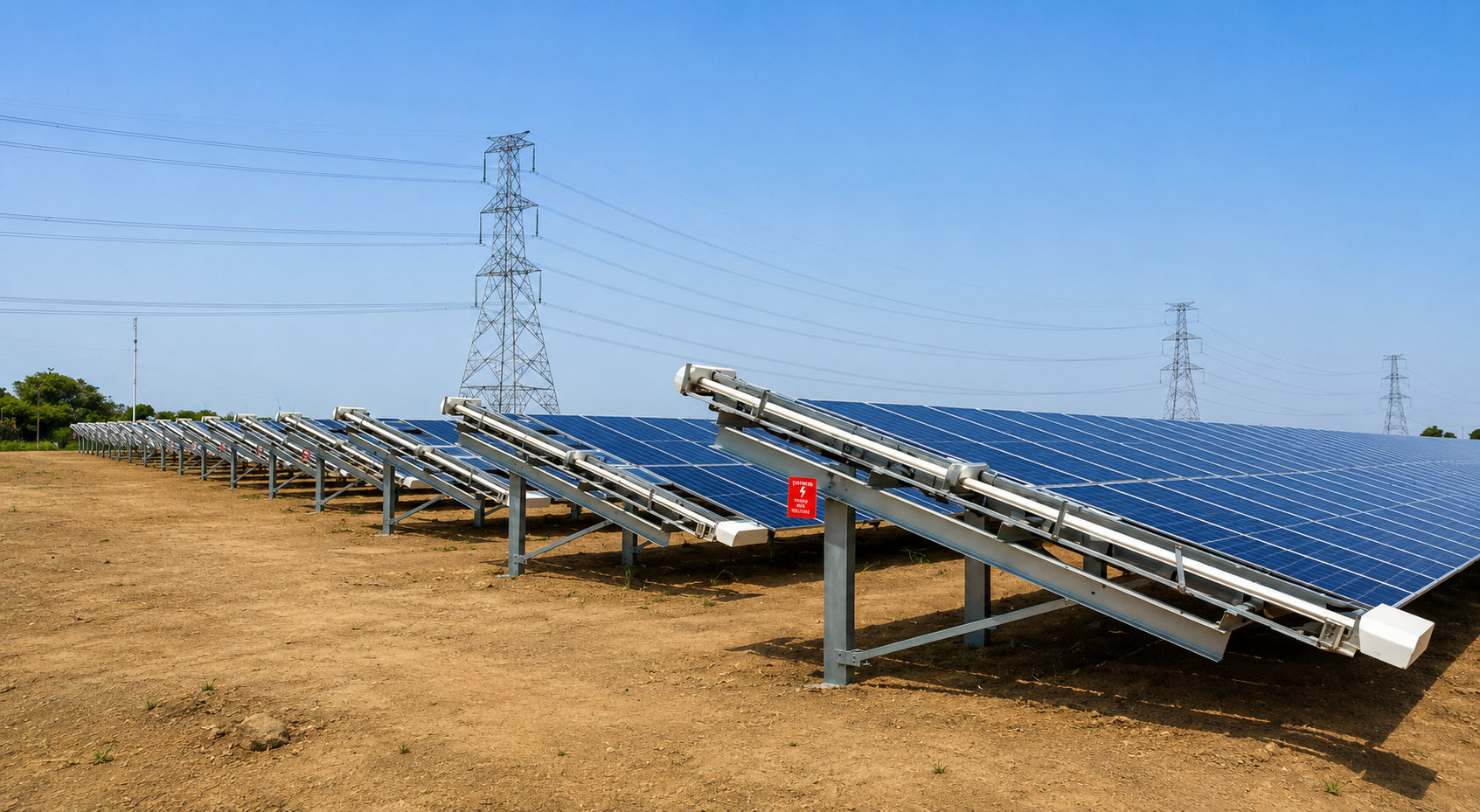
- Equipment Inspection: If using the Taypro Helyx robot, check the brushes first. Ensure they are free of grit. Replace cleaning media regularly to protect the ARC.
- Post-Cleaning Audit: Check module clarity every 1,000 units. Use a spectrometer or a reference panel. Ensure the robot removes debris without scratching the glass.
This trigger-based method avoids unnecessary wear. It preserves the optical life of your modules. Learn more about shortlisting PV module manufacturers for sustained reliability.
Decision criteria for O&M leads: A technical comparison checklist
Balance yield recovery against ARC degradation. Use this checklist to pick your strategy.
| Criterion | Manual Brush Cleaning | Autonomous Waterless Robotic Cleaning |
|---|---|---|
| Surface Impact | High risk of micro-pitting | Controlled contact; low abrasion |
| Cleaning Interval | Monthly or bi-monthly | Condition-based (daily/weekly) |
| Water Use | High (1–2 litres/panel) | Zero (waterless) |
| Safety Profile | High (human exposure) | High (remote operation) |
| ARC Preservation | Poor (abrasive over time) | Excellent (soft-media brushes) |
Before finalizing your O&M tender, check these thresholds:
- Soiling Threshold: Only clean when daily PR loss is 0.5%–0.8% in arid zones. This prevents scrubbing when soiling is still low.
- Material Compatibility: Ensure robots work with your module's coating. See our guide on shortlisting PV module manufacturers for Indian O&M strategy.
- Wind Velocity Limits: Stop robots when winds exceed 25 km/h. High winds turn dust into sandpaper during cleaning.
- Data-Driven Scheduling: Use automated performance monitoring systems. Schedule robots during off-peak hours to ensure clear panels during peak sun.
Technical methods to mitigate sand-induced damage during cleaning
Protect your modules by using contact-sensitive technology. The goal is to remove dust without scratching the surface. This protects the coatings essential for light transmittance.
- Precision Velocity Control: Set robot speeds between 10–15 metres per minute. Fast cleaning in dusty areas can grind particles into the glass.
- Airflow-First Removal: Use systems that use air to clear debris first. Our GLYDE fleet uses dual-pass microfiber. This lifts dust away before the brush touches the surface.
- Soft-Media Interface: Avoid hard nylon brushes. Use UV-stable PBT or soft microfiber. These handle Indian desert heat well.
- Integrated Obstacle Detection: Use sensors to prevent robots from dragging debris. This stops the localized scratching seen in manual cleaning.
- Climate-Adaptive Scheduling: Clean in the early morning or late evening. Higher humidity and lower heat reduce friction.
These steps protect your 25-year plant life. For more, see automated cleaning performance monitoring and waterless versus water-based cleaning systems.
Key takeaways for desert solar asset managers
Balancing soiling and surface integrity is vital. Managers must weigh immediate revenue against long-term micro-pitting risks.
- Differentiate soiling and abrasion: PR losses from soiling are reversible. Physical ARC damage is permanent and reduces lifetime yield.
- Use humidity-aware scheduling: Clean in the morning or evening. This reduces sand friction on the glass.
- Prioritize contact-safe tech: Use systems that lift debris. Do not drag coarse sand across the surface.
- Use telemetry for triggers: Avoid fixed calendars. Use real-time monitoring to clean only when PR drops by 3% to 5%.
- Ensure compatibility: Check that robots match your module's mechanical limits. This protects the ARC for the full 25-year life.
Data-driven approaches protect your assets in Rajasthan and Gujarat. Explore our guides on automated monitoring systems and waterless versus water-based cleaning systems.
Sources and further reading
Frequently asked questions
Utility-scale solar plants in India face a major challenge. Managers must balance soiling against sand abrasion.
Yes. Aggressive or improper cleaning techniques can strip the Anti-Reflective Coating from module glass. Once this protective layer is damaged by micro-pitting, the resulting loss in light transmittance is permanent and cannot be reversed by further cleaning, potentially impacting your long-term energy yield and asset lifespan.
You should prioritize soft-contact cleaning technologies. Manual dry brushing carries a high risk of abrasion because it grinds sand particles against the glass. Instead, utilize specialized automated waterless systems designed specifically for desert conditions to protect the integrity of the module surface.
For a large-scale plant in Rajasthan, cleaning frequency should be data-backed rather than reactive. By setting an automated trigger for when the performance ratio drops by 3% to 5%, you minimize the frequency of physical intervention, thereby reducing the cumulative risk of mechanical abrasion while maintaining efficient energy production levels.