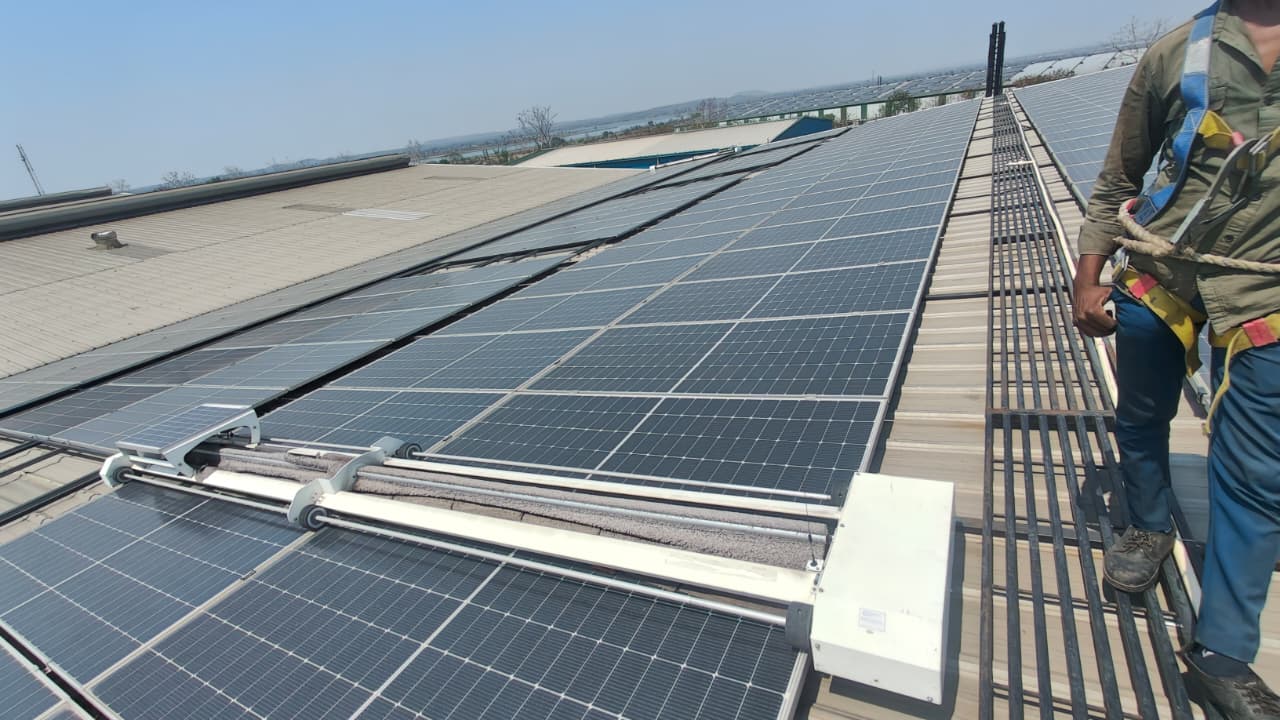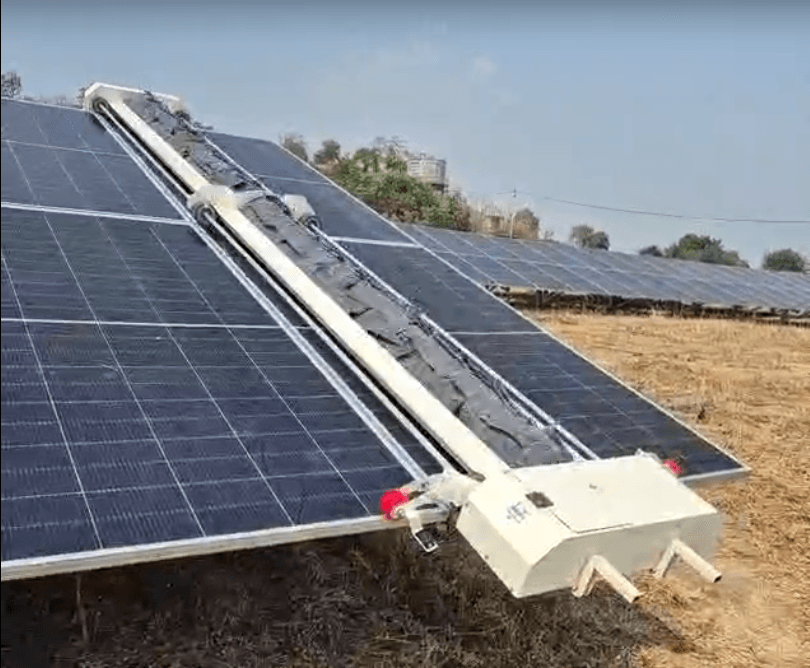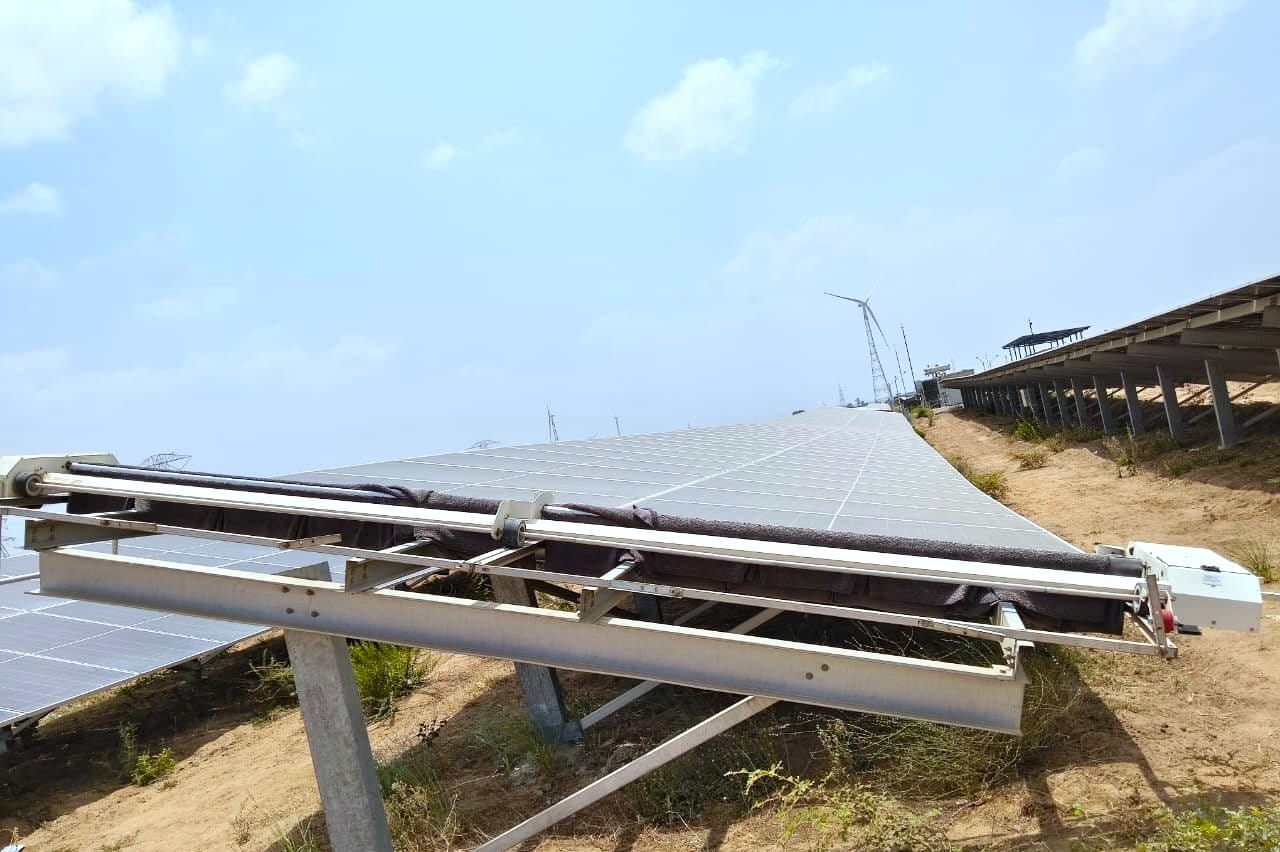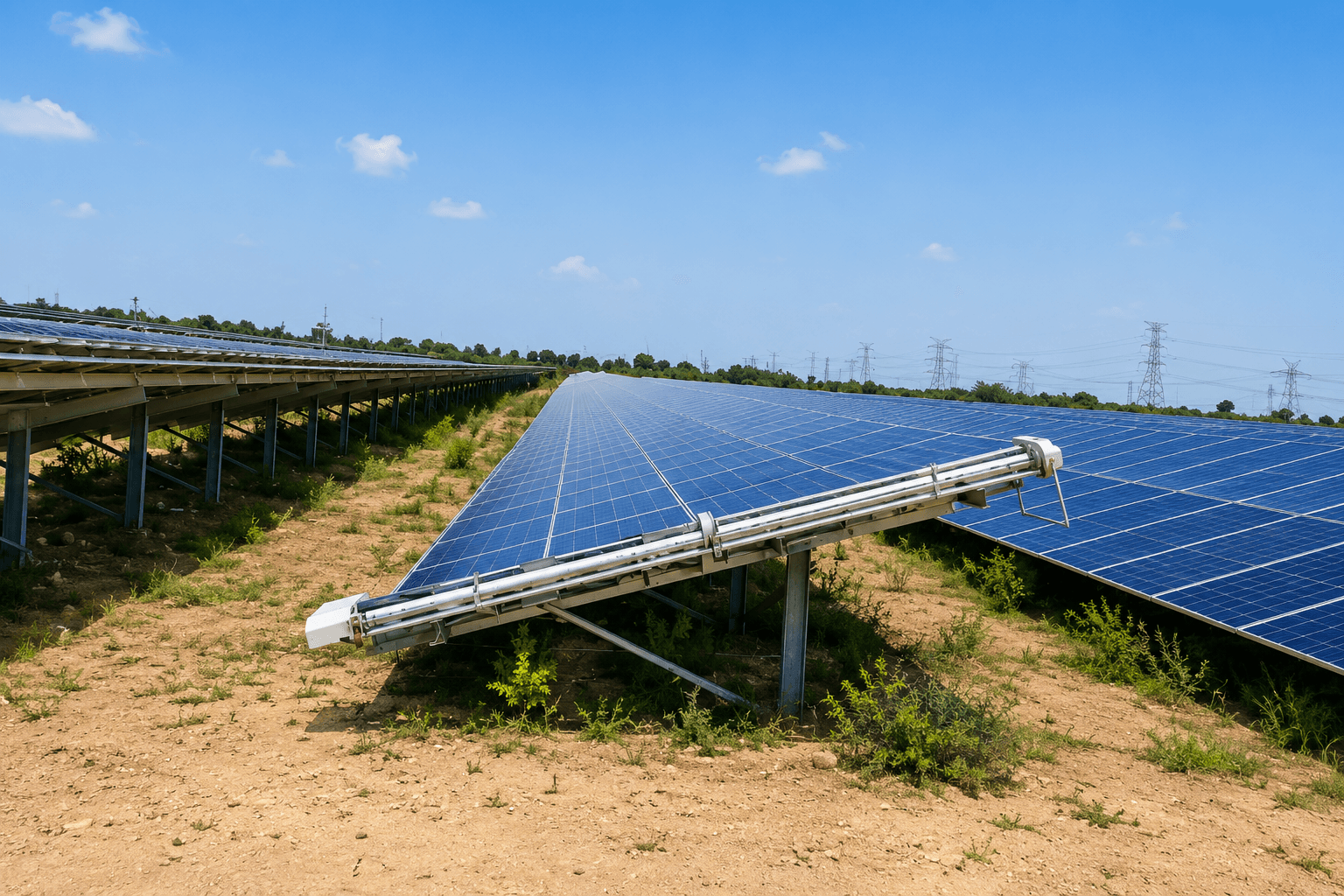
Quick answer: Shortlisting criteria for Indian utility PV
Shortlisting a PV module manufacturer for an Indian utility-scale project requires looking beyond initial CAPEX to the long-term operational integrity of the plant. Developers should prioritize manufacturers with a proven track record of sustaining performance in extreme climatic zones across India, such as the high-heat regions of Rajasthan or the dust-prone corridors of Gujarat. The selection process must integrate mechanical durability with O&M feasibility to ensure that assets remain bankable over their 25-year lifecycle.
- Track Record: Prioritize Tier-1 manufacturers with at least 5–10 years of consistent performance in high-heat Indian environments where temperatures frequently exceed 45°C.
- Warranty Standards: Ensure the manufacturer provides a minimum 12-year product warranty and a 25–30 year linear power output guarantee backed by verified financial stability.
- Mechanical Specs: Evaluate modules based on frame thickness (typically 35mm+ for structural rigidity) and prioritize glass-glass construction for enhanced durability against mechanical loads and automated cleaning compatibility.
- Local Logistics: Assess the manufacturer’s footprint regarding local technical support and replacement logistics; ensure they maintain inventory for module replacement on MW-scale sites to avoid lengthy downtime.
- Soiling and Compatibility: Confirm that the module frame and anti-reflective coating (ARC) are chemically and physically compatible with the intended long-term cleaning strategy, whether manual or robotic, to avoid coating degradation.
How does module selection affect long-term O&M performance?
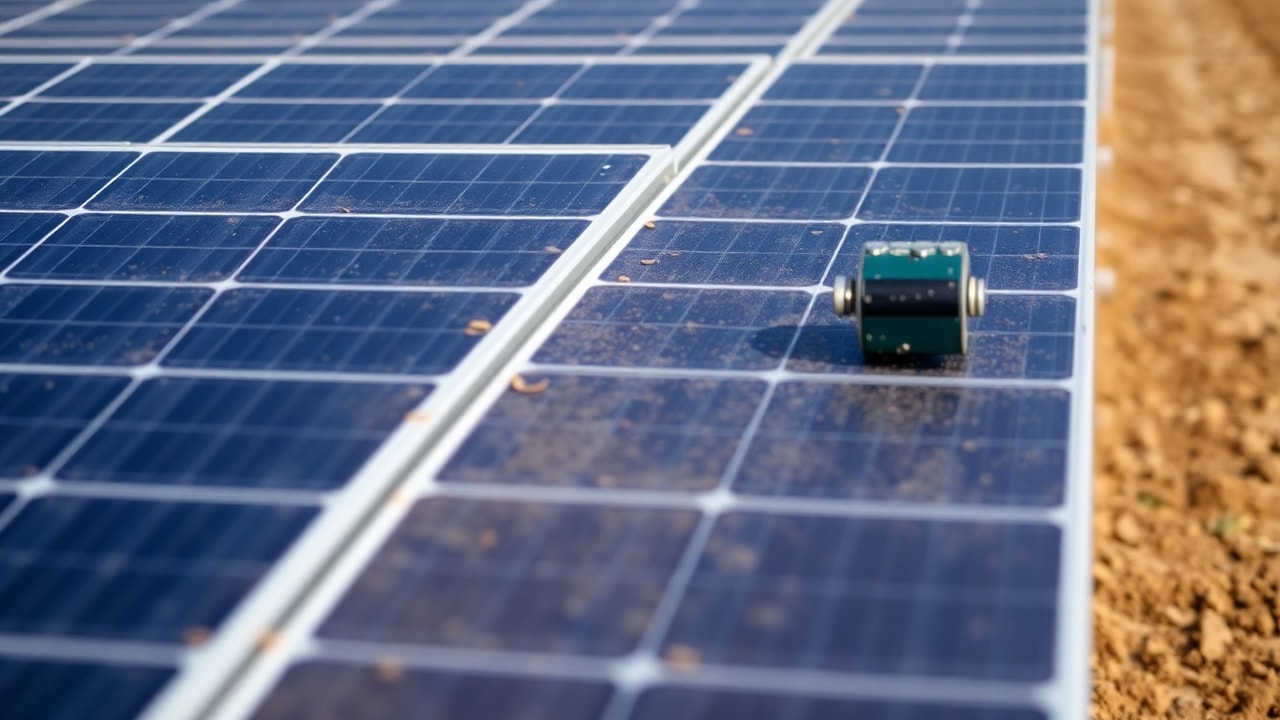
The choice of a pv module manufacturer dictates the physical constraints of your O&M strategy for the next two decades. In the Indian context, where 50 MW+ plants often experience significant soiling losses, the physical construction of the module, specifically the frame profile and the robustness of the glass, can either enable or hinder the deployment of autonomous operations. A module with a flimsy frame or an easily abraded anti-reflective coating limits the pressure that cleaning equipment can exert, effectively forcing a choice between lower cleaning frequency and increased risk of physical damage.
The relationship between the module and your O&M logistics begins at commissioning. For instance, when choosing between glass-backsheet and glass-glass bifacial modules, you are not just selecting a yield gain percentage; you are selecting the module's ability to resist the bending forces encountered during heavy dust storms or when cleaning robots traverse the tables. Modules that demonstrate poor tolerance to mechanical stress often exhibit premature micro-cracking, a silent failure that can degrade your Performance Ratio (PR) by 2–5% annually. As discussed in our previous look at the necessity of autonomous panel cleaning, the equipment chosen to clean your modules must be fundamentally compatible with the module manufacturer's structural specifications to avoid voiding product warranties.
Furthermore, the physical dimensions and junction box placement of the modules from a selected manufacturer impact the routing efficiency of robotic cleaning fleets. A manufacturer that offers a standard, uniform frame design across their product line simplifies the deployment of robotic fleet navigation. Conversely, sites that mix module brands or frame types from different manufacturers frequently struggle with consistent robot contact pressure, leading to non-uniform cleaning performance. For asset owners managing portfolios, standardizing the pv module manufacturer at the EPC stage is an essential risk-mitigation strategy that prevents complex, multi-modal cleaning schedules that increase OPEX and reduce the overall reliability of the plant.
Evaluating manufacturing quality and supply chain reliability
For an Indian utility-scale asset, the pv module manufacturer is not merely a component provider; they are a long-term partner in the project's technical bankability. When shortlisting, prioritize vendors who maintain verified manufacturing facilities within India or possess robust, multi-regional logistics networks that can support replacement cycles for large MW-scale projects. Relying on a manufacturer with limited local footprint introduces significant risks: if a batch suffers from PID (Potential Induced Degradation) or systematic junction box failure, the lack of local inventory can ground your asset for weeks, leading to massive revenue leakage that exceeds the cost of the module itself.
Supply chain reliability in the Indian context also requires evaluating the financial health and 'Tier-1' status beyond just brand recognition. Review the manufacturer’s history of fulfilling large-scale orders in the Indian market; specifically, look for data on their ability to deliver consistent quality across shipments meant for varying terrains like the arid belts of Rajasthan or the humid, saline regions of Gujarat. A manufacturer that struggles with batch-to-batch consistency in solar cell sorting or frame sealing can complicate your O&M strategy, as varying degradation rates across the site force your cleaning schedules to become reactive rather than predictive. For more on how early commissioning decisions impact later operations, see our technical breakdown on integrating cleaning systems at the commissioning stage.
Technical specs: Beyond efficiency to mechanical durability
While conversion efficiency is the primary metric for project tendering, the mechanical specifications of a pv module determine your OPEX burden for the next 25 years. Asset owners should prioritize modules that meet higher mechanical load requirements (typically 5400 Pa for snow/wind loads), which provides an extra buffer against the structural stress induced by automated maintenance hardware. If you are planning for long-term robotic fleet integration, the module's frame stiffness and its resistance to torsional loads during robot traversal are critical. A module with a 35mm or 40mm anodized aluminum frame generally offers superior stability during the mechanical clamping and movement cycles of cleaning robots compared to thinner, non-standard alternatives.
Moreover, scrutinize the Anti-Reflective Coating (ARC) specifications. In high-soiling Indian environments, the quality of this coating determines how easily dust particles adhere to the glass and, more importantly, how resilient the surface is to the abrasive nature of frequent cleaning. A lower-quality ARC can degrade prematurely when exposed to heavy, dry cleaning frequencies, leading to surface hazing that can permanently reduce the module's light transmission. Before signing a supply agreement, ensure the manufacturer provides data on surface hardness and chemical compatibility. This is particularly vital when comparing cleaning methods, as documented in our recent analysis of traditional versus modern robotic cleaning technologies.
| Criteria | Manual/Brush O&M | Autonomous Robotic O&M |
|---|---|---|
| Mechanical Stress | High (Human physical pressure) | Low (Controlled, calibrated) |
| Module Compatibility | Universal (Variable quality) | Specific (Requires tested profiles) |
| India Logistics Support | N/A (Local labor) | Critical (Spares & Firmware) |
| OPEX Predictability | Variable | High (Systematic) |
By shifting the focus from initial CAPEX savings to life-cycle mechanical compatibility, you ensure that the chosen module manufacturer provides a foundation that supports your cleaning technology rather than undermining it. For 50 MW+ plants, this alignment is the difference between a system that maintains its Performance Ratio throughout the monsoon and summer seasons and one that suffers from compounding, maintenance-induced damage.
Warranty frameworks and manufacturer commitment
For a 50 MW+ utility-scale asset in India, the standard 10 or 12-year product warranty is secondary to the manufacturer's field support infrastructure. The primary risk during the operational life of the pv module is not just catastrophic failure, but persistent, low-level performance degradation caused by mechanical stress and improper maintenance practices. When shortlisting a pv module manufacturer, asset owners must insist on clear, documented guidelines regarding third-party cleaning equipment. Some manufacturers may void warranties if specific mechanical pressures or abrasive cleaning materials are applied, making the vendor's policy on robotic cleaning a crucial non-financial selection criterion.
Examine the manufacturer's performance guarantee: typically, an annual degradation rate of less than 0.5% after the first year is the industry benchmark for Tier-1 modules. However, verify if these guarantees remain intact after the installation of automated hardware. The best suppliers in the Indian market provide compatibility certificates for robotic cleaning systems, confirming that their module designs, specifically the frame, glass-to-frame seal, and junction box potting, can withstand the cycles of daily automated O&M. This partnership-based approach is often a better predictor of long-term asset value than the module price per watt, as it prevents the high cost of warranty disputes when PR levels deviate from the energy model during the third or fourth year of operation.
Aligning module design with site-wide O&M strategies
The choice of module architecture directly limits the efficiency of your downstream O&M, particularly regarding cleaning cycles and tracker integration. For large-scale sites, the physical dimensions and mounting configuration of the module dictate the required clearance for autonomous cleaners. If your EPC strategy involves high-density arrays to maximize ground usage, you must select modules that allow for sufficient robot parking, docking, and inter-table bridge navigation. For instance, modules with a 210mm cell size (often referred to as M12 or G12 format) have different weight and surface area profiles than traditional M10 modules, impacting the total travel distance and battery consumption of your cleaning robots.
Effective O&M integration requires a unified strategy between the module supplier, the tracker manufacturer, and the cleaning technology provider. As detailed in our guide on robotic integration at the commissioning stage, the hardware-level decisions made during procurement set the ceiling for your fleet's future capabilities. In India’s dusty, high-soiling belts, selecting a module with a high-transparency glass surface and a well-tested frame design is the first step in ensuring that your pv module manufacturer supports, rather than restricts, your ability to automate cleaning. This ensures that when you eventually scale to a full fleet, your robots are operating on a compatible platform that minimizes structural wear and optimizes the battery usage per row, ultimately protecting your Performance Ratio throughout the project's life cycle.
What plant managers should do next
- Request a detailed list of approved cleaning methods from the module manufacturer, specifically asking for documentation on robotic contact surfaces.
- Verify the manufacturer’s local service and replacement support within India to ensure that any batch-level failures during the O&M phase can be addressed without prolonged import-related delays.
- Standardize module frame specifications across your portfolio to ensure that cleaning robots, once calibrated for a specific frame height and rigidity, can be easily redeployed between different plant blocks or sites.
- Review the warranty coverage against mechanical stress testing data, ensuring the module is rated for at least 5400 Pa to handle the load of automated cleaning hardware in high-wind regions.
Comparison of cleaning and O&M compatibility approaches
When selecting a pv module manufacturer for utility-scale deployment in India, the cleaning methodology you choose must be evaluated against the module’s structural integrity. While manual cleaning was once the standard for smaller portfolios, the shift to 50 MW+ sites necessitates an analysis of equipment-agnostic versus specialized hardware compatibility. The table below outlines how common module-handling approaches align with site-wide O&M requirements in Indian soil conditions.
| O&M Approach | Cleaning Method | Infrastructure Compatibility | Best Suited For |
|---|---|---|---|
| Manual Brush Cleaning | Water-based (Bucket/Hose) | Low; requires high human intervention | Small, non-standardized sites |
| Semi-Automatic (Pick & Place) | Single-pass PBT (e.g., HELYX) | High; portable across varied block layouts | Scattered sites, distributed MW plants |
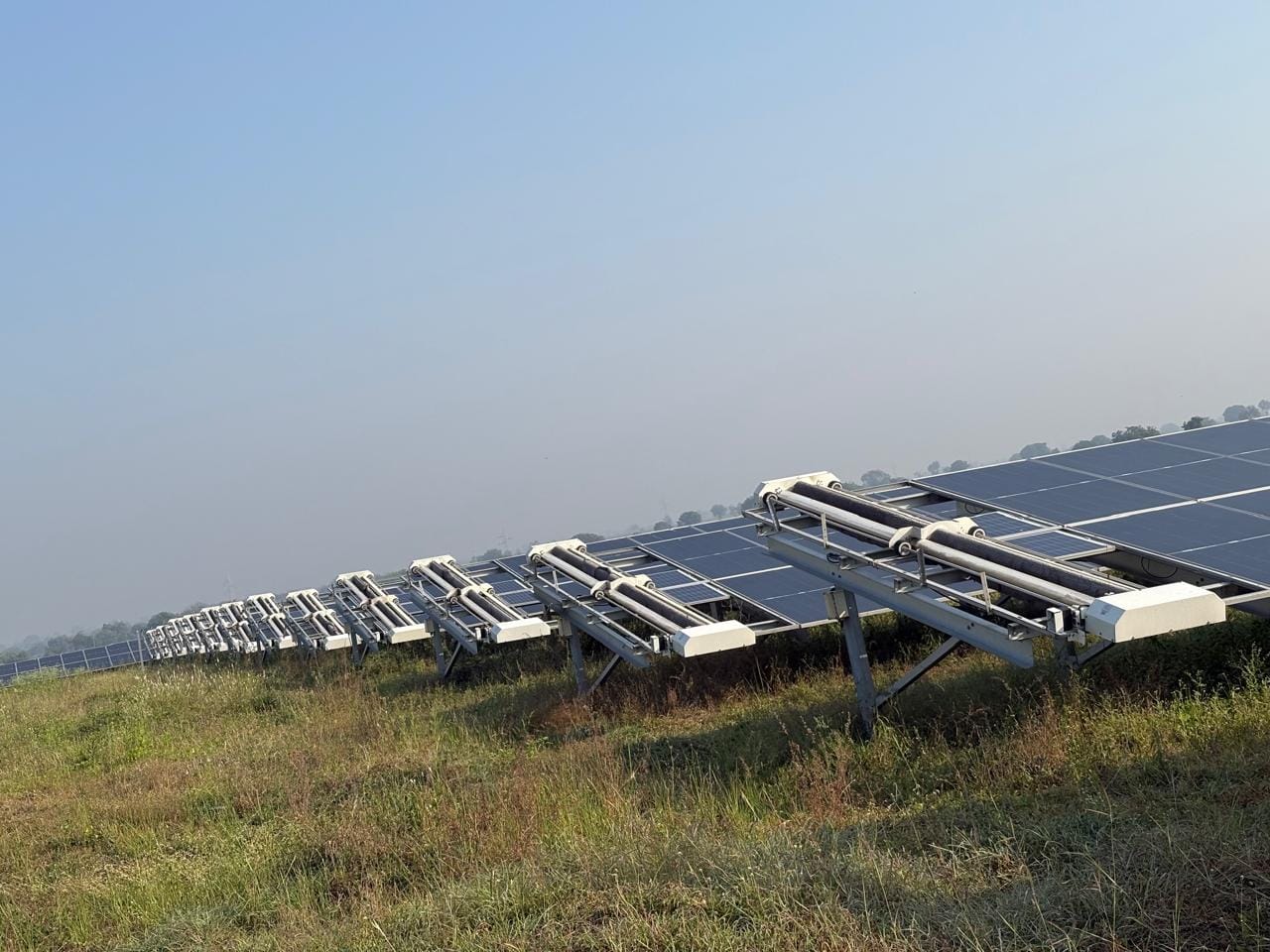
| Fully Autonomous Fixed-Tilt | Dual-pass Microfiber (e.g., GLYDE) | High; optimized for fixed-tilt rows | Large-scale fixed/seasonal-tilt sites |
| Fully Autonomous Tracker | Dual-pass/PBT (e.g., GLYDE-X/NYUMA-X) | Engineered for tracker rotation | Single-axis tracker utility plants |
For IPPs operating in high-soiling regions like Rajasthan or Gujarat, the primary conflict often arises between frame rigidity and the mechanical load of the cleaning device. Manufacturers who provide third-party validation certificates for automated hardware, such as the GLYDE-X or NYUMA-X series, allow for a more aggressive O&M schedule that maximizes the Performance Ratio without compromising the manufacturer warranty. When comparing manufacturers, prioritize those that offer standardized frame dimensions across their product batches. This uniformity is crucial for ensuring that a single fleet of robots can service multiple arrays without requiring constant recalibration or site-specific modifications to the robotic dock.
Frequently asked questions
Shortlisting a PV module manufacturer for an Indian utility-scale project requires looking beyond initial CAPEX to the long-term operational integrity of the plant. Developers should prioritize manufacturers with a proven track record of sustaining performance in extreme climatic zones across India, such as the high-heat regions of Rajasthan or the dust-prone corridors of Gujarat.
The frame design is critical because it dictates how well a module handles the mechanical stress of robotic cleaning. A frame thickness of 35mm or greater provides necessary structural rigidity. Additionally, manufacturers must ensure the frame profile and anti-reflective coating are compatible with cleaning equipment to prevent physical abrasion or degradation over time, which protects the asset from long-term performance loss.
You should require a minimum 12-year product warranty to cover manufacturing defects and structural integrity. Furthermore, verify that the manufacturer provides a 25–30 year linear power output guarantee. These warranties must be backed by the manufacturer's verified financial strength to ensure they remain solvent and capable of fulfilling potential claims or replacement obligations throughout the multi-decade lifecycle of the solar plant.
India's extreme heat and high dust levels require specific material choices. Opt for glass-glass module construction, which offers superior durability against mechanical loads compared to glass-backsheet options. The selected modules must demonstrate consistent performance in high-heat zones like Rajasthan or dust-prone areas like Gujarat. Ensuring technical compatibility with your specific cleaning strategy is vital to mitigate soiling losses while maintaining the integrity of the module's anti-reflective coating.