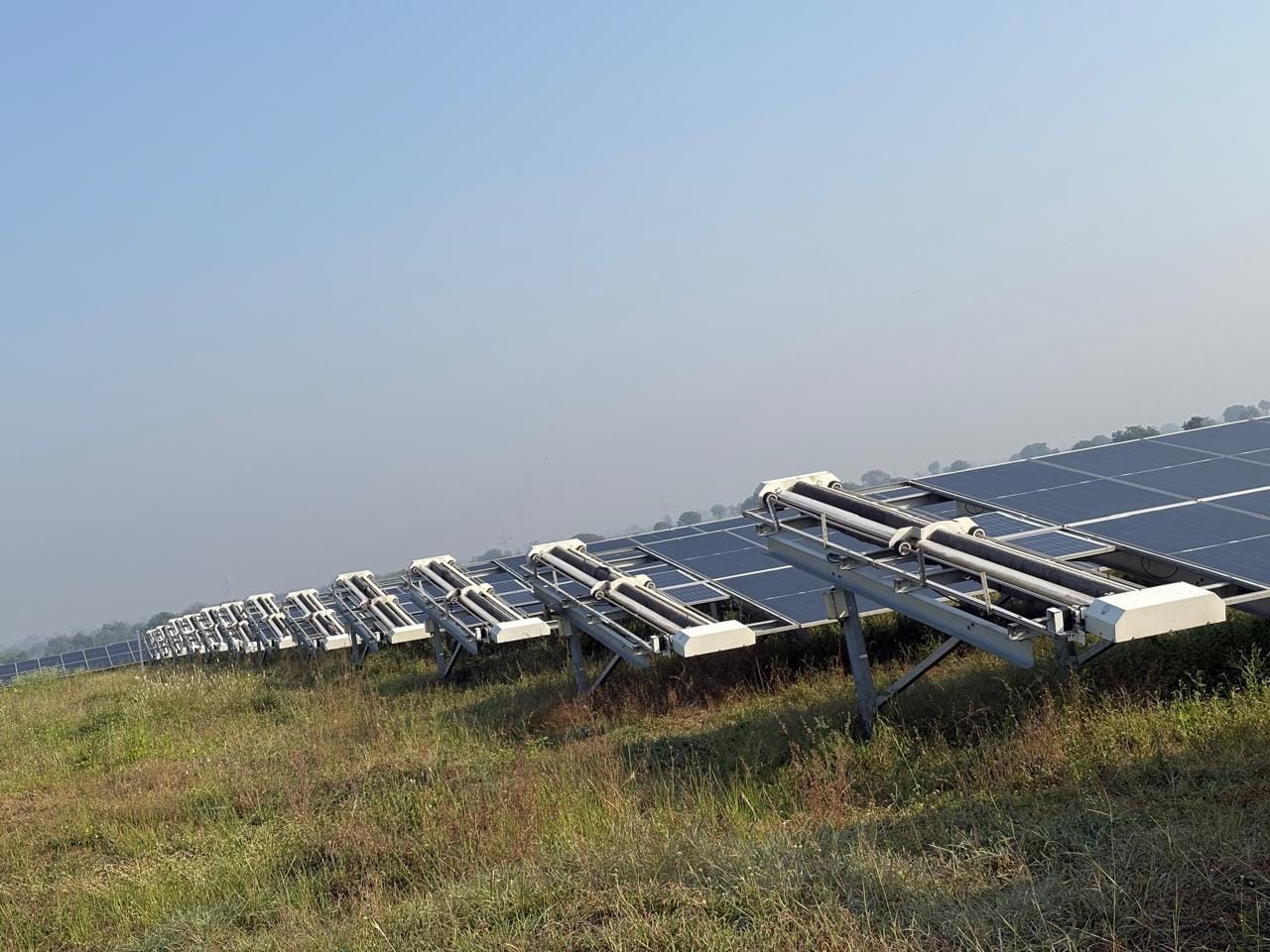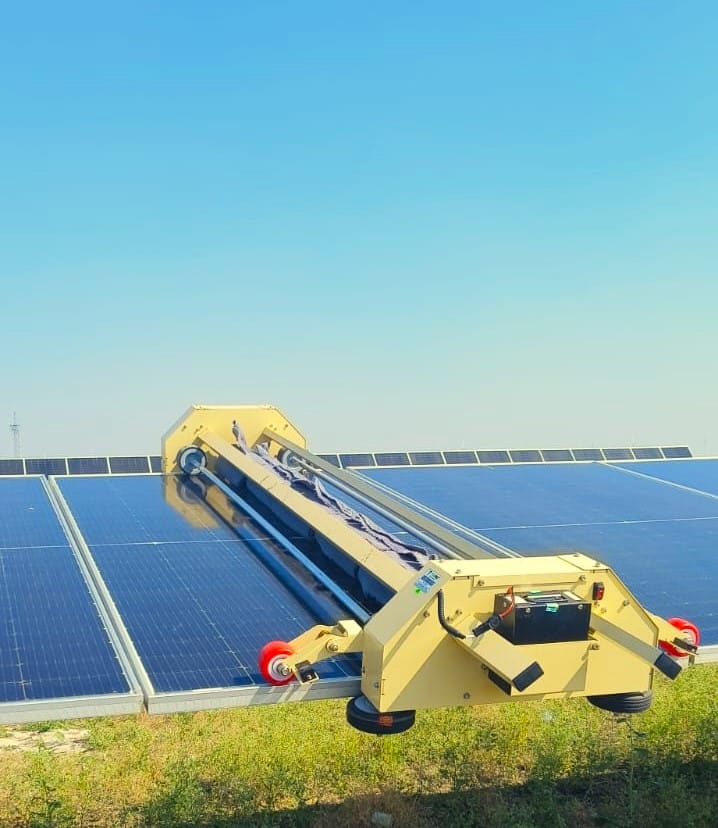

Monsoon-proofing your solar cleaning robot fleet is a critical operational requirement for any utility-scale plant in India. Heavy rainfall, high humidity, and subsequent mud accumulation can lead to motor failure, electronic short-circuits, and severe performance losses if robots are not properly secured and maintained before the season hits.
Quick answer: Monsoon-proofing your robotic cleaning fleet
- Implement IP67 or higher enclosure sealing checks for all robots before the onset of the monsoon in June.
- Schedule periodic dry-run movements during dry intervals to prevent mechanical seizing and motor fatigue.
- Expect a 15–25% reduction in plant generation if panels are left uncleaned through high-humidity dust buildup and post-monsoon mud.
- Deploy remote telemetry via systems like NECTYR to disable charging stations automatically during lightning surges in high-risk zones.
- Budget for a 5–10% increase in seasonal O&M labor costs to facilitate manual site access and equipment recovery in waterlogged terrain.
For plant managers overseeing 5MW+ sites, the monsoon is not just a season of weather; it is a period of high-stakes asset protection. Following these technical protocols ensures that your autonomous fleet remains ready for the post-monsoon generation ramp-up without requiring expensive mid-season component replacements.
Why monsoon-proofing is critical for 5MW+ Indian solar plants

In regions like Gujarat and Rajasthan, the transition from dry, dusty conditions to the heavy moisture of the monsoon creates a unique threat to robotic hardware. As dust settles on module surfaces and is then dampened by rain, it forms a cohesive layer that is significantly harder to remove than dry soil, often necessitating high-torque performance from your automatic solar panel cleaning system. If your robots have not been proofed, water ingress into the chassis or electrical connectors can cause downtime that persists well into the post-monsoon peak generation window. Protecting your fleet is a financial necessity, not an optional maintenance task, as the cost of a single damaged robotic unit often outweighs the cost of the preventative measures needed to secure the entire fleet.
Step-by-step checklist for robot protection and storage
Proper storage is the primary factor in determining whether your robotic fleet will return to operation immediately after the monsoon or suffer from hardware degradation. For 5MW+ sites in India, O&M leads should execute this checklist at least 15 days before the expected onset of the rainy season to prevent avoidable downtime.
- Seal all charging stations: Use high-grade, UV-stable, and water-repellent covers for docking stations. Ensure cable management is elevated at least 300mm above the ground to avoid pooling water. Verify that all IP65/IP67 rated seals on docking units are free of dust buildup, as these are the first points of failure for electrical shorts during high-humidity periods.
- Perform a final system firmware check: Use NECTYR or your existing telemetry dashboard to ensure all robots are parked and locked in their designated docking stations. Disable remote cleaning schedules during predicted heavy rain warnings to prevent the robots from attempting a cleaning cycle when visibility is low and panels are wet, which can result in traction failure on tilted surfaces.
- Grease and protect mechanical joints: For trackers or articulated robots, apply a layer of marine-grade water-resistant lubricant to all exposed gears and movement joints. This creates a barrier against rust caused by prolonged humidity in coastal or high-precipitation regions.
- Conduct a dry-run test: Move all robots through a full diagnostic cycle under supervision one week before the monsoon hits. This ensures motors, sensor arrays, and battery connections are functioning correctly. Any robot exhibiting sluggish behavior or error codes must be moved to an onsite climate-controlled workshop for inspection.
- Secure row-end infrastructure: If your plant utilizes CRADYL or similar rail-based systems, ensure the end-of-row buffers are locked and that the track rails are cleared of debris. Stagnant water around the rail mounts can lead to long-term corrosion, which may impede the movement of the transfer platform post-monsoon.
By treating the fleet as a high-value electronic asset rather than simple mechanical hardware, you avoid the common mistake of ignoring minor seal leaks that escalate into full-scale component failures during sustained moisture exposure.
How do you calibrate your cleaning cycle for post-monsoon mud and humidity?
Post-monsoon cleaning strategies require a fundamental shift in frequency because residual moisture and dried mud create a cement-like layer that significantly reduces module output. On utility-scale sites in high-soiling regions, you should prepare to initiate a comprehensive cleaning sweep within 72 hours of the final significant rainfall, as the moisture-to-dust binding process peaks during the immediate post-monsoon humidity window. Waiting for this layer to fully bake under the emerging sun makes the soiling nearly impossible to remove with standard dry-brush methods, often forcing a revert to costly water-based intervention.
Calibration must be data-driven rather than calendar-driven. If your plant utilizes NECTYR for telemetry, adjust your cleaning thresholds to trigger at a lower drop in the Performance Ratio (PR) than you would during the dry season. Because humidity remains high for several weeks post-monsoon, the friction between robot brushes and panels is altered. For fleets utilizing automatic solar panel cleaning systems with variable-torque motors, increase the cleaning cycle duration by 10% to ensure thorough coverage of hardened residue without overloading the drive train. In these conditions, consistency across the entire 5MW+ block is vital, as leaving partially cleaned rows creates uneven soiling patterns that disrupt string voltage balance and inverter tracking efficiency.
For tracker-based plants, the calibration must account for the mechanical load of mud buildup on module backsheets and torque tubes. Before resuming full-scale autonomous operation, verify that the cleaning robots are not stalling due to the increased resistance of the dried mud. A staggered resumption, cleaning the most impacted blocks first while the mud is still slightly pliable, is the most effective way to protect your hardware while maintaining a higher PR across the portfolio.
Managing site drainage and access constraints
The monsoon season transforms flat or gently sloped solar sites into complex water management zones where drainage paths and access road integrity dictate the feasibility of robot deployment. In 50 MW+ utility projects, standing water often pools near row ends, creating a risk of electrical short-circuiting for robots parked in docking stations. To mitigate this, O&M teams must prioritize the clearance of perimeter drains and ensure that culverts are not blocked by silt or vegetation regrowth. If your site uses CRADYL for row-to-row movement, the rail-based tracks must be inspected to ensure that heavy rainfall has not caused uneven soil settlement, which can misalign the docking bridge and halt fleet movement entirely.
Operational access for technical teams also becomes a primary constraint during heavy rain. During the monsoon, moving heavy cleaning equipment through muddy field paths is not only hazardous to the staff but can cause irreversible damage to the soil structure and plant infrastructure. Establish defined no-go zones for light vehicles during peak monsoon precipitation, and rely on telemetry-driven data from the NECTYR platform to remotely assess robot status. If a robot must be retrieved for repairs during a wet spell, utilize dedicated, gravel-reinforced paths rather than driving through the tracker alleys, which are prone to water-logging. Maintaining these pathways ensures that when the skies clear, the return to full-scale operations is immediate, avoiding the delays associated with damaged access routes that often plague improperly managed utility-scale plants.
Equipment maintenance during extended inactive periods
Extended inactivity during the monsoon requires a systematic decommissioning of the cleaning fleet to prevent hardware degradation. For robots left on site, verify that all external ports and charging contacts are sealed with moisture-resistant caps to prevent corrosion from persistent humidity. In high-precipitation regions, particularly coastal belts, humidity levels often exceed 85%, which can accelerate oxidation on delicate sensor interfaces. For fleets managed via the Taypro Opex model, our technicians perform a pre-monsoon seal audit to identify wear points in chassis gaskets that could allow moisture ingress. Robots should be moved to elevated or central docking stations where water pooling is minimized, and any units that show signs of casing compromise must be evacuated to an onsite climate-controlled facility before the first heavy showers. By managing these assets as high-value electrical components, you protect the core electronics that drive your fleet efficiency long after the rain stops.
What plant managers should do next
- Audit all docking stations and rail end-stops to ensure they are elevated above predicted flood lines for the upcoming monsoon season.
- Schedule a comprehensive fleet health check 30 days before the monsoon onset to replace any worn gaskets or loose sensor seals on robots across the 5MW+ site.
- Integrate monsoon weather alert triggers into your NECTYR platform to automatically pause autonomous schedules during heavy rainfall, preventing unnecessary battery drain and potential short-circuit risks.
- Establish a formal communication line between the onsite security team and the O&M leads to ensure that manual retrieval of any stalled robots during floods is performed only with appropriate safety gear and electrical isolation protocols.
- Review the maintenance strategies for your modules as outlined in our guide on shortlisting a PV module manufacturer to ensure that any post-monsoon cleaning protocols remain compatible with your long-term warranty and performance guarantees.
Sources and further reading
Frequently asked questions
Implement IP67 or higher enclosure sealing checks for all robots before the onset of the monsoon in June. Schedule periodic dry-run movements during dry intervals to prevent mechanical seizing and motor fatigue.
Prevent water ingress by verifying that all enclosure seals meet IP67 or higher standards and regularly inspecting chassis gaskets for degradation caused by high-humidity environmental conditions.
You should perform periodic dry-run movements during intervals of dry weather throughout the rainy season to maintain motor health and prevent mechanical seizing.
The primary risks include electronic short-circuits from water ingress and potential hardware damage from lightning surges, which can be mitigated by using remote telemetry to disable charging stations.