
Summary for plant managers
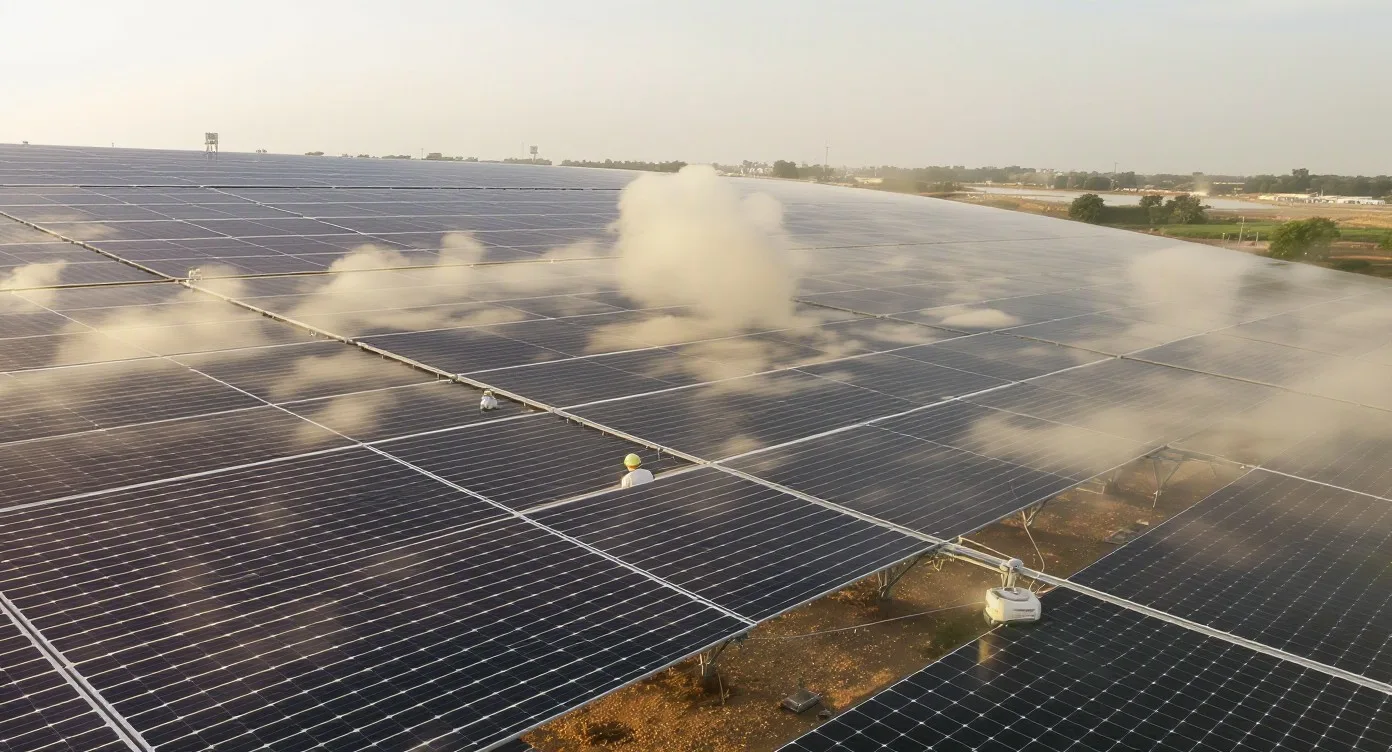
Switching to a waterless solar panel cleaning robot for a 5MW+ site isn't just about buying hardware; it's a shift from manual labor to a data-driven operation. To make it work, you need to focus on your site's infrastructure and precise soiling data to recover energy and cut water waste. This guide breaks down how to deploy these systems without risking your assets.
- Typical efficiency loss in arid Indian regions: 15% to 30%.
- Optimal cleaning trigger: 0.5% to 1.0% daily soiling rate or PR drop.
- Implementation requirement: Audit module rail and frame clearance for robot transit.
- Integration outcome: Reduced water use and stabilized PR for 5MW+ sites.
Managing large-scale sites comes with integration headaches. You've got to match robot mobility to your specific mounting structures and row lengths. As we've seen in Sunlight Panels: O&M Strategies and Soiling Mitigation in India, autonomous systems are a necessity in high-dust areas like Rajasthan and Gujarat. Run pilot tests to see how the hardware handles your local soil. Our look at predictive soiling models shows how AQI data can actually help you sharpen your cleaning schedule. Automation cuts down on labor risks and keeps performance steady through the dust seasons.
Pre-integration assessment: Infrastructure and module compatibility
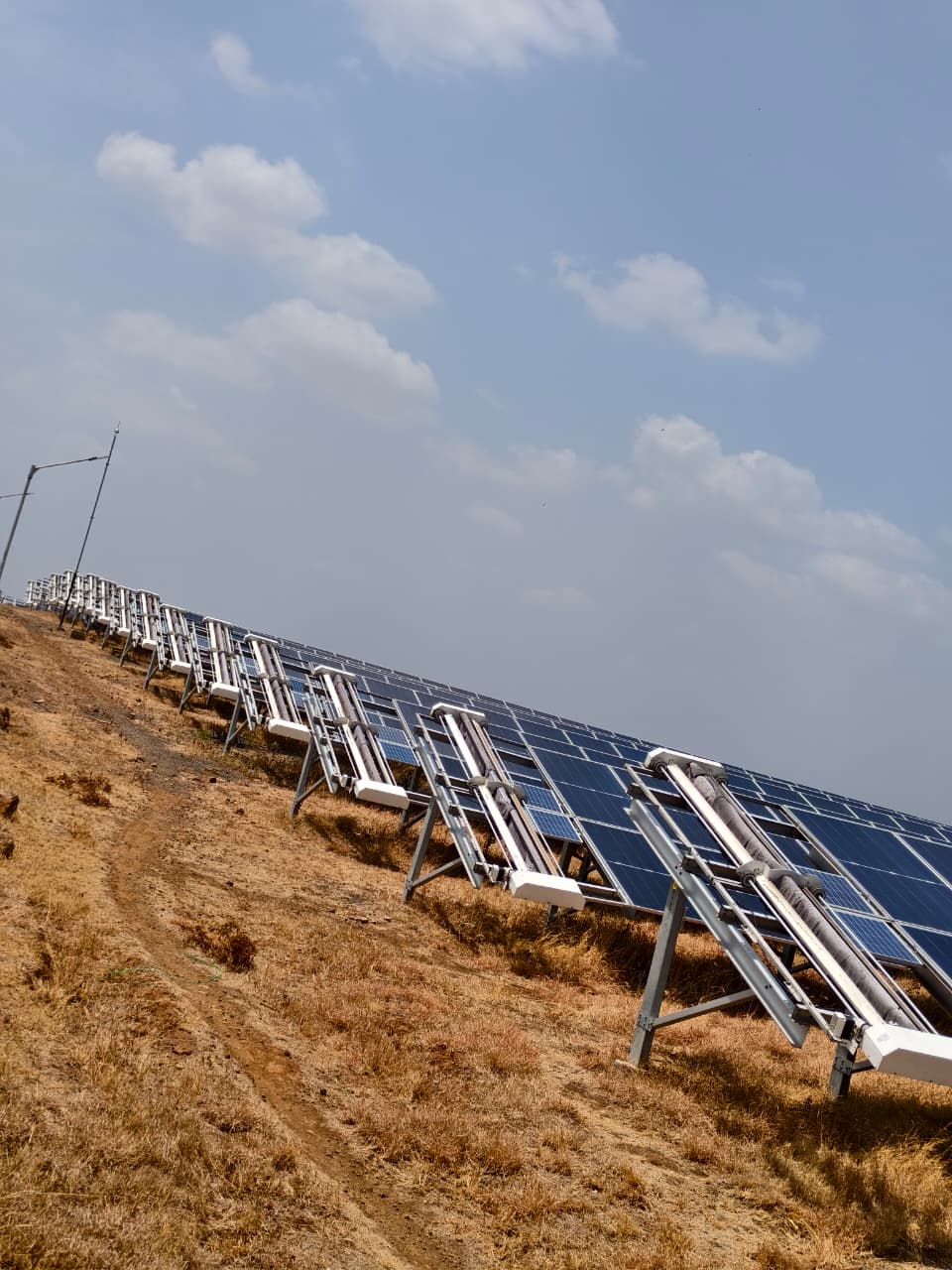
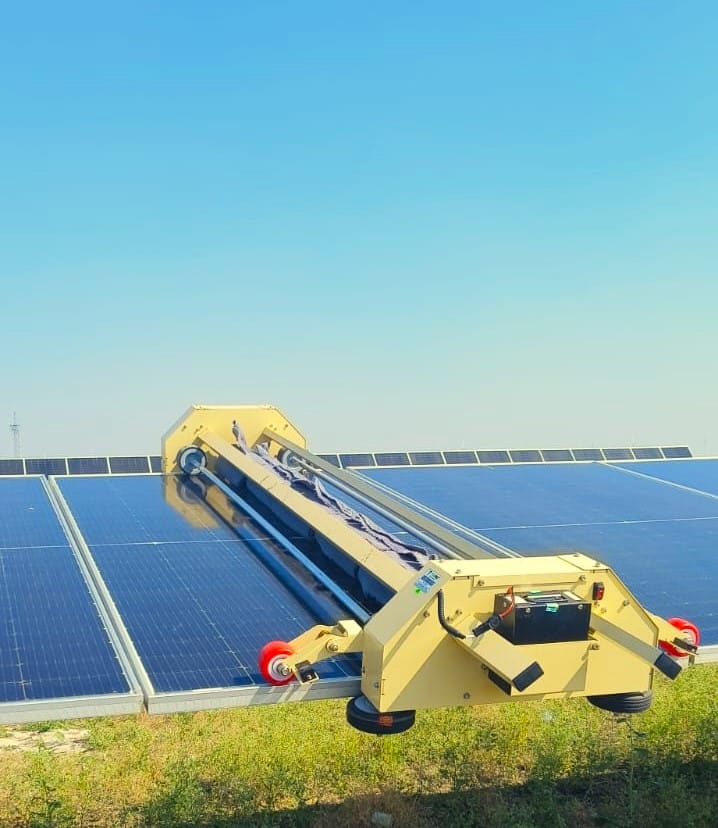
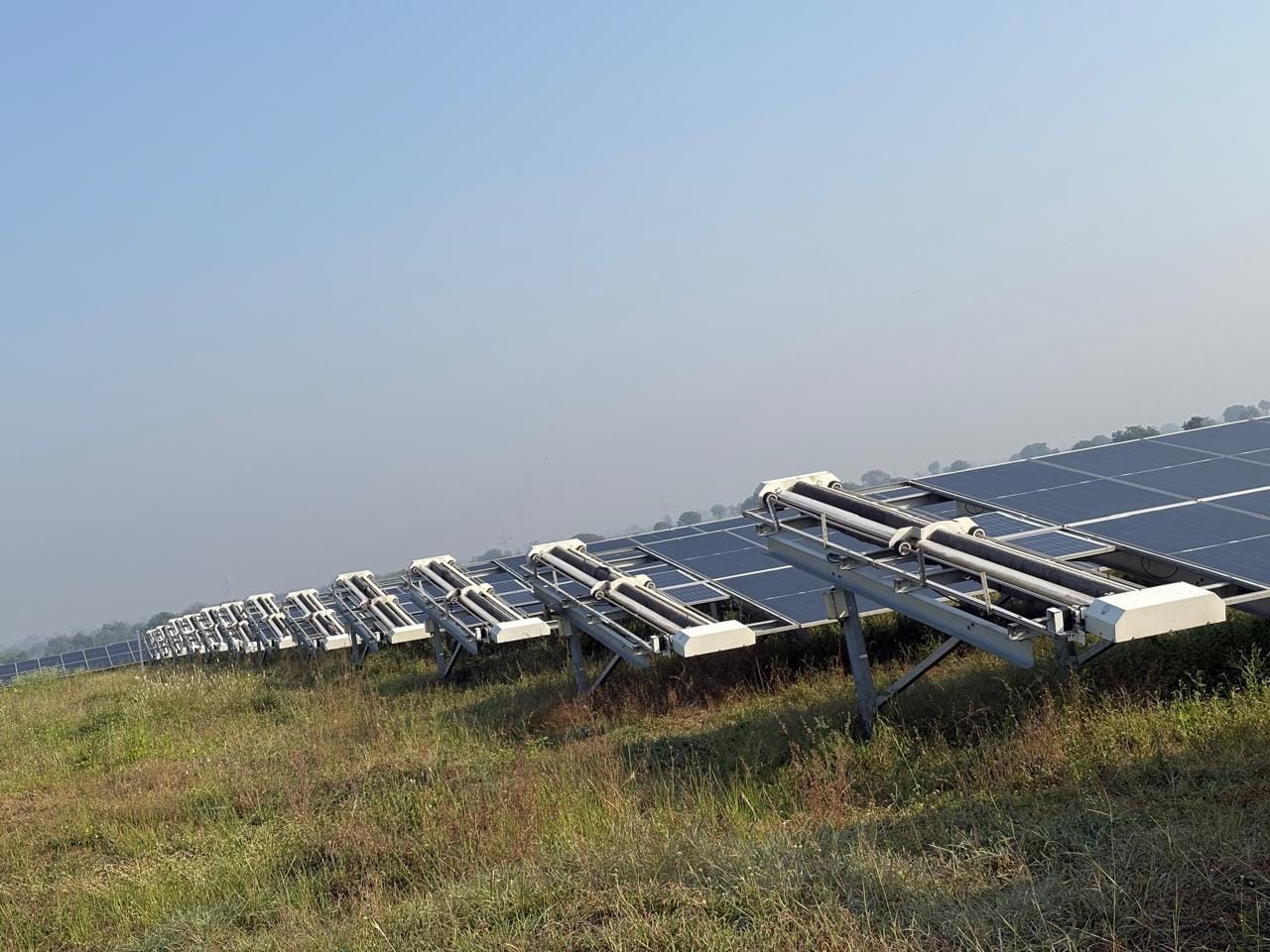
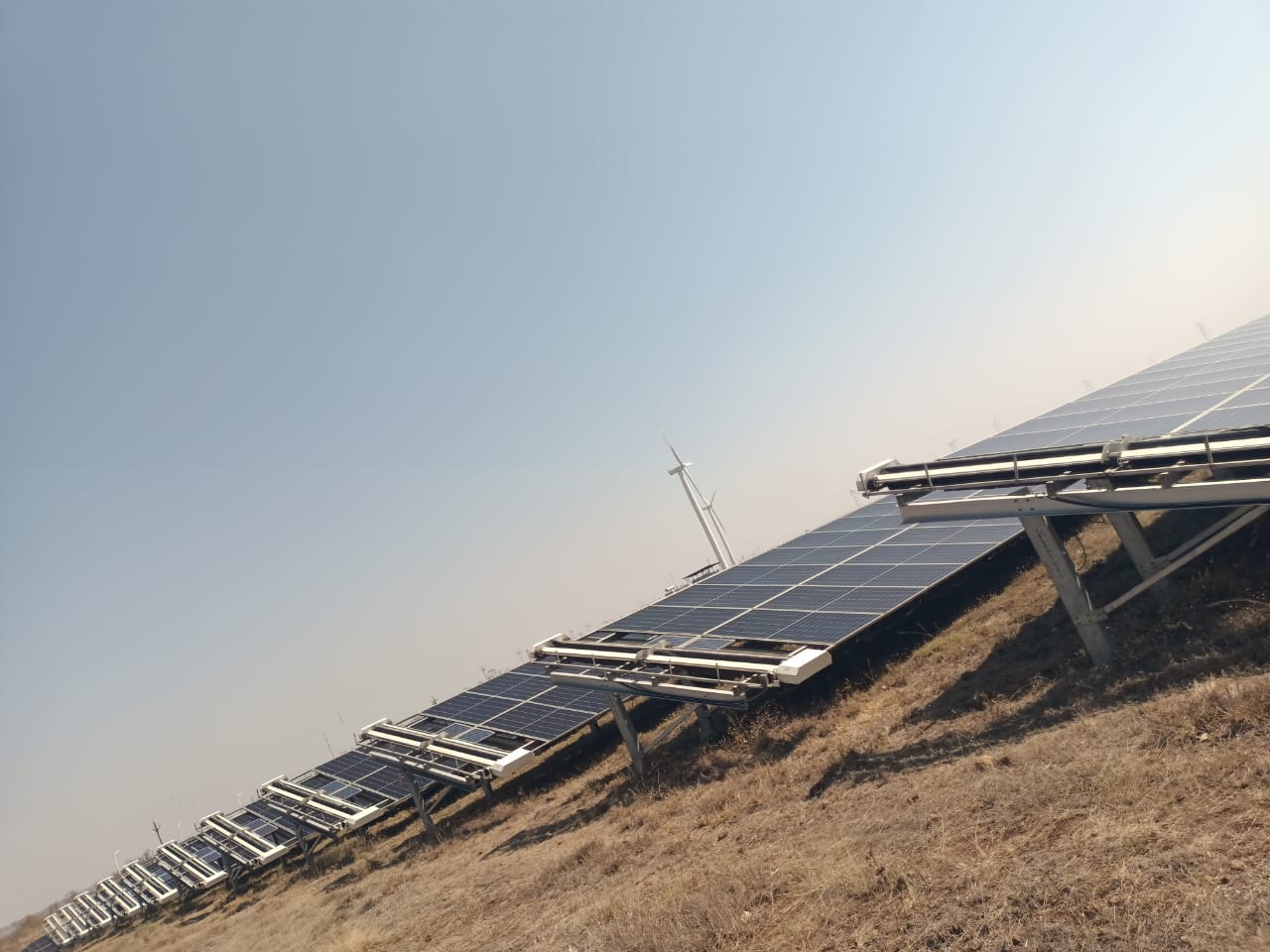
Don't skip a full site audit before you pull the trigger. You need to know your array geometry inside out, check row lengths, spacing, and ground levels. On 5MW+ utility sites, robots like GLYDE or NYUMA require specific clearances to move between rows without getting stuck. If you're running single-axis trackers, check that tilt range. You should also see if your row end-caps can support docking stations like CRADYL if you're aiming for fully automated movement.
Keep an eye on these technical specs to avoid mechanical failures:
- Row clearance: Make sure the gap between rows accounts for the robot's width and heat expansion, especially in places like Rajasthan.
- Module frame design: Verify that frame profiles work with the robot's locking mechanisms so nothing gets damaged.
- Tilt angle limits: Confirm your site's tilt angles don't exceed what the robot can handle.
- Obstacle mapping: Walk the site to find any cables, inverter boxes, or debris that might block the robot's path.
If your layout is complex, try a pilot deployment on a single 1MW block first. It lets your team test cleaning paths and NECTYR connectivity without risking the whole portfolio. A pilot helps you spot conflicts with tracker motors or site drains early on. Auditing the hardware now protects both your modules and the equipment itself.
How to integrate a waterless solar panel cleaning robot into existing MW-scale layouts
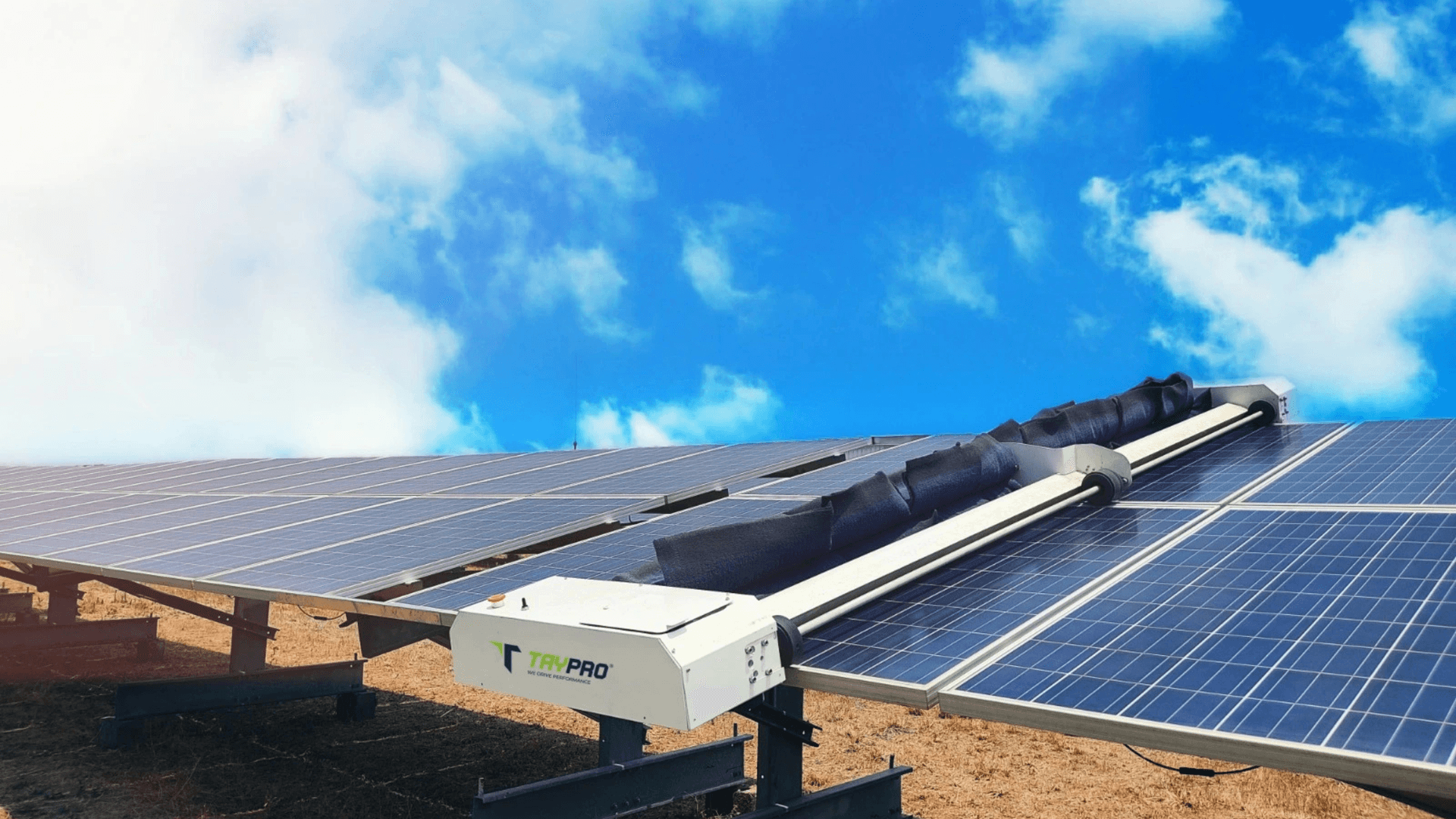
Integrating a waterless solar panel cleaning robot needs a solid plan that respects your site design. You've got to map the robot's path to your specific mounting system, whether it's fixed-tilt or single-axis trackers. For sites over 5MW, standardizing the deployment is the best way to move away from manual work. On tracker sites, robots like GLYDE-X or NYUMA-X need to maintain constant contact while working across the full rotation range of -52° to +52°.
Follow these steps for a smooth rollout:
- Pilot phase: Start with one unit on a 1MW block. Get your obstacle detection and docking calibrated before you scale up.
- Row-transfer logistics: If roads or drains separate your rows, use a CRADYL docking station. This lets the robot move between rows without needing a person to move it.
- Communication handshake: Link the NECTYR fleet portal to your SCADA or plant software. This way, you can pause cleaning during maintenance or bad weather.
- Power supply alignment: Check your charging setup. Position docking stations where they can get consistent solar charging to keep the batteries healthy.
Treat your robotic fleet like any other part of your plant control system. It's the best way to minimize damage to modules and hardware. Reliable cleaning paths and docking points are non-negotiable for long-term uptime. Also, remember that high-dust sites face extreme heat and wind, which can mess with navigation and speed. Following these steps helps you hit 99% cleaning efficiency while protecting your asset value.
Defining cleaning triggers: Soiling thresholds and performance ratio (PR) impact
Cleaning shouldn't be a guessing game. In utility-scale O&M, every decision needs to be backed by data. For 5MW+ plants, cleaning on a set calendar is a waste of resources; it leads to over-cleaning or letting energy slip through your fingers. In Rajasthan or Gujarat, PR losses can hit 15% to 30%, with daily degradation often sitting between 0.5% and 1.0%.
Use real-time data to set smart triggers. Monitor the output gap between a reference module and the rest of the array to find the sweet spot for cleaning. You want to ensure the extra energy you recover actually covers the cost of the cleaning. On large sites, it's rarely efficient to clean every single row every day.
Follow these best practices for setting triggers:
- Soiling loss threshold: Kick off a full cleaning pass when PR degradation in a block hits the 2% to 3% mark.
- AQI and weather integration: If high AQI suggests heavy dust is coming, pause cleaning to avoid immediate re-soiling.
- Resource-weighted scheduling: Prioritize blocks near roads or fences, as these tend to catch more dust than the middle of the array.
- Seasonal adjustments: Bump up cleaning frequency by 40% during peak dust months to keep your PR stable.
Use NECTYR to track these metrics and automate your signals. This keeps the robot running only when it's profitable, meaning the recovered revenue outweighs the cost of wear and energy. Setting these thresholds early gives you a scalable strategy that adapts to local wind and soil patterns, preventing the generation gaps caused by poor scheduling.
Managing operational logistics: Scheduling and site-wide deployment
Running a robot fleet across a 5MW+ site is a massive logistical task. It's about more than just the hardware; you have to account for topography, row length, and your power grid. For large Indian sites, success comes down to how you handle row transfers and power needs. If you don't have a plan, manual work will quickly eat up the gains you got from automation.
Use these strategies to manage scale:
- Hub-and-spoke deployment: Split your plant into sectors based on the layout and assign specific fleets to each to save on travel time.
- Docking station configuration: For 50MW+ sites, install CRADYL systems at row ends to allow for autonomous transfers.
- Networked fleet management: Use NECTYR or SCADA to keep tabs on every robot. Real-time logs help you spot stuck units or faults before they become big problems.
- Energy management: Time your cleaning during optimal charging windows. It's best to have robots dock during low-light hours to save grid power.
- Staffing for support: Plan for one O&M technician for every 5MW of robot infrastructure to handle things like firmware updates or sensor cleaning.
These controls make your operations predictable. When you treat the fleet as a core part of your O&M stack, you move from reactive cleaning to preventative management. That's the only way to hit high availability targets in India and ensure your investment actually delivers long-term yields.
Is a waterless solar panel cleaning robot safe for high-efficiency modules?
Modern modules like TOPCon and HJT have sensitive anti-reflective coatings (ARC) that can be ruined by bad cleaning habits. A waterless solar panel cleaning robot is actually safer than manual cleaning, which often relies on abrasive tools, uneven pressure, or hard water that can etch the glass. Waterless systems use controlled pressure and specific materials to keep stress to a minimum.
Follow these safety criteria to keep your module warranty intact:
- Material Compatibility: Stick to cleaning media like microfiber or soft PBT brushes to avoid micro-scratches on those delicate ARC layers.
- Contact Pressure Calibration: Make sure your robots have adjustable downward force. On 10MW+ plants, you need to test this to ensure you're removing dust without damaging the frames.
- Obstacle Detection: Use systems with edge-sensing tech to prevent the robot from hitting junction boxes, cables, or module clips.
- TÜV and Regulatory Standards: Stick to equipment with third-party certifications. It makes life much easier during manufacturer warranty audits.
Automation gets rid of the risks associated with heavy machinery and chemical cleaners. For a deeper look at technical hardware, check out our insights on cleaning technology. The right brush choice is critical for long-term module health. Following these protocols helps you maintain 99% efficiency while protecting against surface degradation and micro-cracks.
Key takeaways for utility-scale O&M integration
- Adopt a phased rollout: Test a pilot block first to see how your specific geography and dust levels affect the system before scaling.
- Prioritize data-driven triggers: Connect cleaning cycles to real-time SCADA and soiling data to maximize your revenue.
- Invest in infrastructure: Use docking solutions like CRADYL to cut labor costs and boost uptime.
- Maintain strict safety standards: Always monitor contact materials and pressure to protect HJT or TOPCon coatings.
- Leverage fleet management software: Use NECTYR to keep an eye on battery health and status, which can reduce manual workloads by 60%.
Sources and further reading
Frequently asked questions
Integrating a waterless solar panel cleaning robot into a 5MW+ site requires a new approach. You must move from manual cleaning to an autonomous, data-driven model.
The primary requirement is an infrastructure audit to confirm adequate rail and frame clearance for robot transit. Managers should also conduct pilot tests to validate how the hardware interacts with local soil composition and existing mounting structures.
Waterless cleaning helps stabilize the performance ratio by mitigating the 15% to 30% efficiency loss typically caused by dust in arid Indian regions. By triggering cleaning cycles at a 0.5% to 1.0% daily soiling rate, plants maintain consistent output while reducing water dependency.
Yes, but integration depends on the compatibility of your specific row length and mounting structure. Managers must verify that the robot hardware can safely navigate the array geometry and move across rows without compromising module integrity or existing tracker operations.