
Summary for Plant Managers
Establishing cleaning robot maintenance schedule best practices is a critical shift from traditional calendar-based O&M to performance-driven site management. By moving to robotic systems, utility-scale operators in India replace manual, water-intensive cycles with predictive, component-level care that protects module longevity and boosts energy yield. Plant managers must transition from managing headcounts to managing robot uptime and telemetry-backed maintenance routines.
- Daily soiling loss in arid Indian regions: 0.1% to 0.5% per day.
- Recommended robot inspection cycle: Weekly mechanical and sensor checks.
- Expected Performance Ratio (PR) improvement from optimized schedules: 2% to 5%.
- Water saving potential via dry robotic cleaning: Up to 90% to 100% vs manual cleaning.
Choosing an autonomous strategy is no longer just about water savings; it is an economic imperative for sites where manual labor availability is inconsistent or site size exceeds 5 MW. Consistent robotic deployment ensures that soiling buildup never reaches the point of significant revenue leakage, allowing O&M teams to allocate human resources to complex electrical faults rather than repetitive cleaning tasks.
Why traditional cleaning schedules fail utility-scale plants in India

Traditional manual cleaning schedules often rely on fixed quarterly or monthly rotations that ignore site-specific microclimates. In high-soiling regions like Rajasthan or Gujarat, dust accumulation is non-linear and heavily influenced by wind patterns, moisture, and local agricultural activity. A rigid schedule means your site is likely under-cleaning during peak dust months, leading to avoidable revenue loss, while over-cleaning during low-dust seasons wastes water and operational budget.
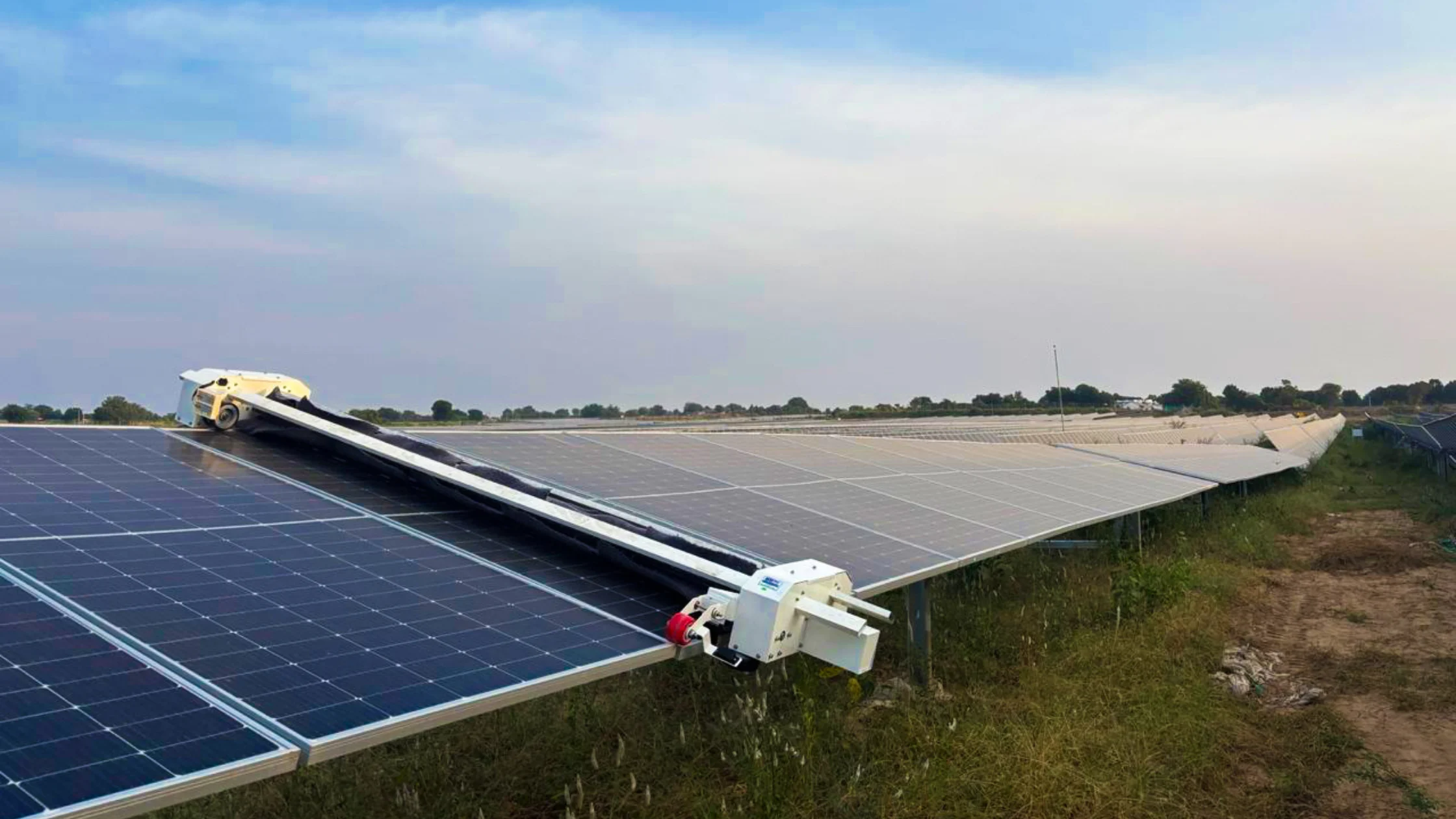
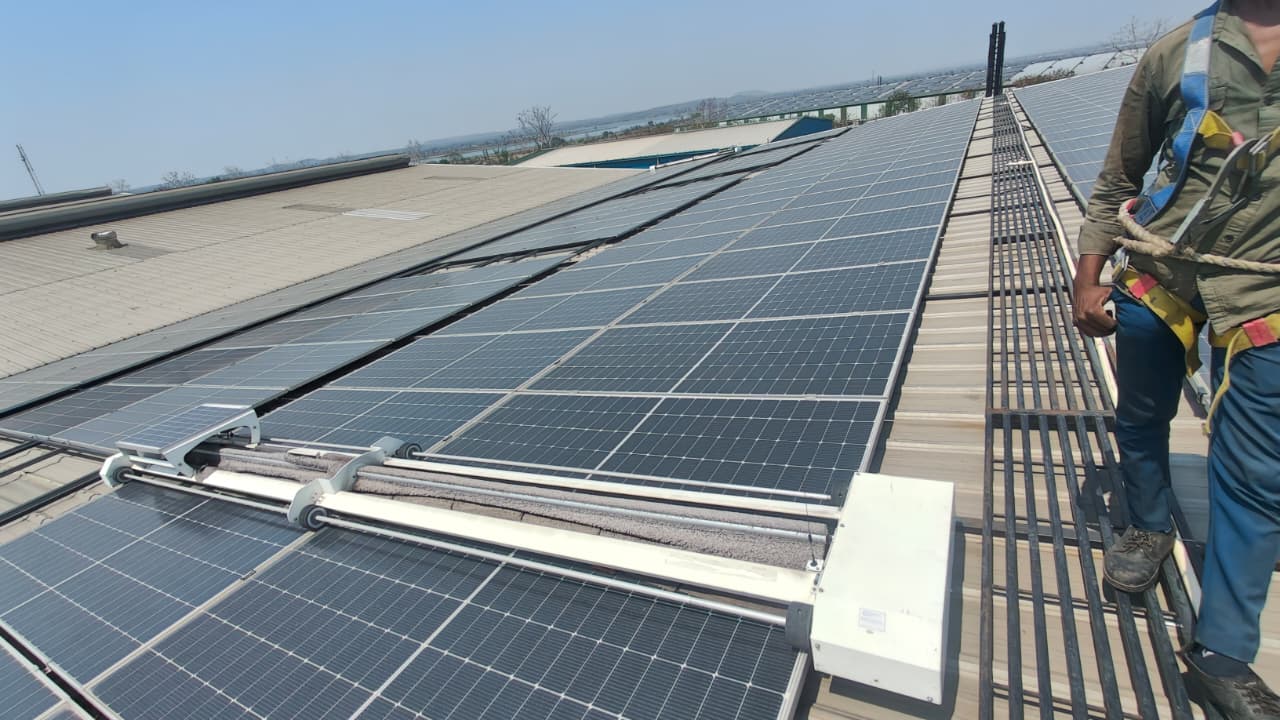
Manual teams also present significant variability in cleaning quality. Human error, surface contact pressure, and inconsistent path coverage lead to uneven PR recovery across row blocks. Conversely, automated robots like the GLYDE series maintain consistent contact and speed, ensuring uniform module health. Relying on manual crews often forces O&M leads to accept a
Establishing cleaning robot maintenance schedule best practices
Transitioning to an automated cleaning model requires a fundamental shift in how O&M teams view equipment care. Instead of managing a large workforce of manual cleaners, the focus shifts to managing a specialized fleet of robotic assets. Implementing cleaning robot maintenance schedule best practices means moving from reactive repairs to a proactive, component-based regime that ensures zero downtime during peak soiling periods.
A robust maintenance strategy for utility-scale robots must address four critical pillars: mechanical integrity, sensor calibration, power systems, and cleaning media hygiene. For instance, a robot like the NYUMA relies on its UV-stable PBT brushes to maintain high cleaning efficiency. If these brushes are not inspected for wear or unevenness, the robot may fail to remove fine particulate matter, leading to the very soiling losses the plant is trying to avoid. Effective maintenance ensures that the 95%+ to 99%+ dust removal per cycle (by robot model) promised by high-end automation is actually delivered on-site.
The proactive maintenance hierarchy
To maximize uptime, plant managers should categorize maintenance into three distinct frequency layers:
- Daily Operational Checks: Visual inspection of robot movement, verification of connectivity via NECTYR, and ensuring charging docks are clear of debris.
- Weekly Preventive Maintenance: Deep cleaning of microfiber or PBT brushes, checking battery health/voltage levels, and testing obstacle detection sensors (edge and obstacle detection) to prevent module damage.
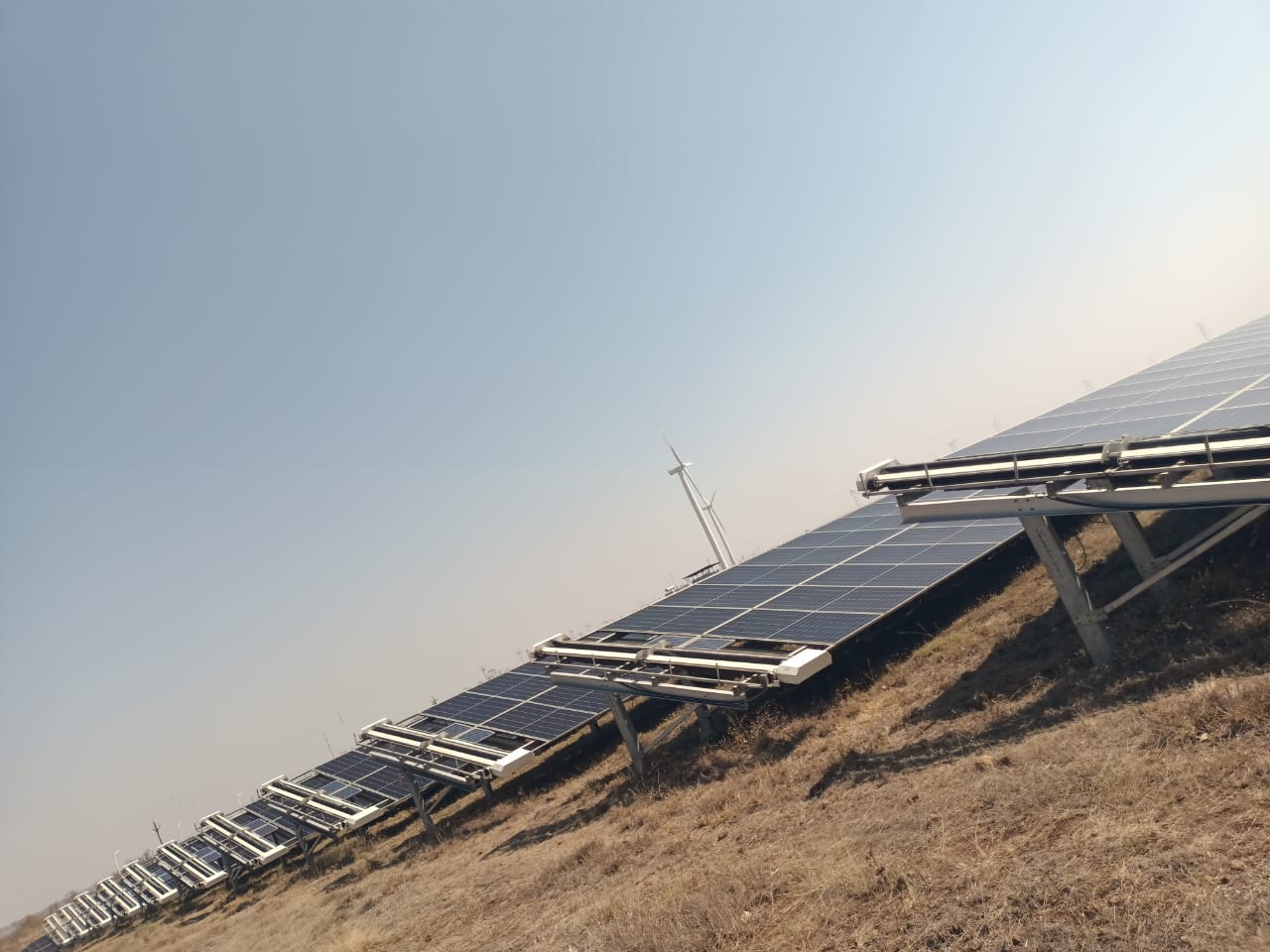
- Monthly/Quarterly Technical Audits: Checking motor torque, inspecting waterproof seals (IP65 ratings), and verifying structural integrity of moving parts like the 360 degree rotational bridge on tracker-specific models.
Failure to adhere to these intervals can lead to cascading failures. A neglected sensor might cause a robot to collide with a module frame, while a worn brush can cause micro-abrasions on anti-reflective coatings. By integrating these checks into your solar O&M services framework, you protect the long-term Performance Ratio of the entire site.
Comparing Maintenance Profiles: Autonomous Robots vs. Manual Labor Crews
The decision to switch to robotics is often driven by the need for predictability. Manual cleaning is inherently volatile, whereas robotic maintenance is structured and measurable. For a 50 MW plant, the difference in operational complexity is significant.
| Feature | Manual Labor Crews | Autonomous Cleaning Robots |
|---|---|---|
| Primary Focus | Labor management, safety, and water logistics. | Hardware uptime, battery health, and software telemetry. |
| Quality Control | Subjective; dependent on human diligence and visibility. | Objective; verified by ORION and NECTYR data. |
| Environmental Risk | High; heat stress, dust inhalation, and manual handling errors. | Low; robots are designed for harsh IP65 environments and high temperatures. |
| Schedule Reliability | Low; affected by local labor availability and weather. | High; scheduled via AI/ML based on real-time soiling data. |
| Resource Intensity | High water and human headcount requirements. | High technical skill for a smaller, specialized team. |
While manual crews require constant supervision and management of large, rotating teams, a robotic fleet requires a smaller, highly skilled technical team. This shifts the OPEX from variable labor costs to more predictable, technology-driven maintenance costs. For utility-scale operators, this predictability is vital for meeting PPA generation guarantees and maintaining stable cash flows.
How often should you perform preventive maintenance on a solar cleaning robot?
Preventive maintenance cycles for solar cleaning robots should be synchronized with your plant's specific soiling rates, which in regions like Rajasthan can necessitate high-frequency servicing. On utility-scale sites, daily visual inspections are essential to ensure the robot correctly navigates inter-row topography. Weekly preventive measures should focus on the integrity of brushes and sensor calibration, specifically clearing dust from obstacle detection and edge-tracking arrays. Quarterly audits involve a more technical deep dive, requiring torque measurements on drive motors and integrity checks on waterproof seals to ensure the hardware survives long-term exposure to high heat and abrasive environmental conditions.
Ignoring these maintenance milestones shifts your risk profile from predictable, managed downtime to catastrophic failure. A single misaligned sensor on a 50 MW plant can lead to physical module contact, potentially causing micro-cracks or damage to anti-reflective coatings. Plant managers must treat robot uptime with the same urgency as inverter availability. By standardizing these intervals, you ensure that the system maintains 95%+ to 99%+ dust removal per cycle (by robot model) rather than drifting into performance degradation.
Managing robot wear in high-soiling regions like Rajasthan and Gujarat
Operating cleaning robots in India requires adjusting the maintenance schedule to account for regional soiling chemistry. In arid areas with high sand abrasion, brush wear is accelerated compared to coastal or humid regions. For plants in Rajasthan or Gujarat, it is standard practice to increase the frequency of brush component replacements by 20% to 30% compared to sites in Karnataka or Maharashtra. Constant exposure to fine particulate matter necessitates that maintenance teams prioritize the cleaning of charging contacts and internal cooling vents to prevent thermal throttling.
Effective management in these high-soiling zones also involves using data-driven scheduling rather than fixed calendar days. By integrating real-time telemetry from NECTYR, O&M leads can identify when a specific robot row requires a maintenance intervention due to increased current draw or unexpected battery depletion. Proactive replacement of sacrificial components prevents the accumulation of mechanical stress across the fleet. This approach protects the capital investment of your cleaning system while ensuring the plant maintains the expected Performance Ratio throughout the peak summer generation months.
The relationship between robot uptime and Performance Ratio (PR)
For utility-scale assets, the relationship between robot uptime and PR is direct and measurable. When a fleet maintains 99% uptime, plant managers consistently capture generation that would otherwise be lost to soiling, which can range from 15% to 30% cumulative loss in unmaintained sites. A drop in cleaning robot availability forces a shift back to manual intervention, which introduces variance in cleaning quality and introduces safety risks associated with human movement through high-voltage areas. By standardizing maintenance best practices, you decouple your generation performance from labor-intensive manual schedules.
Operators who prioritize the health of their robotic infrastructure protect their Performance Ratio even during peak summer months. Regular sensor calibration ensures that robots operate at optimal speeds, preventing excessive pass times that consume battery capacity without improving cleanliness. Aligning your cleaning frequency with localized soiling rates through smart scheduling is the most reliable way to maintain the 2% to 5% PR improvement typical of well-managed utility plants in India. Failure to maintain these systems results in a gradual decline in power delivery, directly impacting your PPA generation guarantees and the long-term financial viability of the solar asset.
Optimizing Spare Parts Inventory and Replacement Cycles
Optimizing spare parts inventory and replacement cycles is a fundamental pillar of cleaning robot maintenance schedule best practices. For large-scale utility sites in India, logistics and supply chain delays can turn a minor component failure into extended downtime. Integrating your maintenance routine with a robust inventory strategy ensures that critical repairs happen in hours, not weeks.
Consumable vs. Critical Hardware Components
Effective inventory management requires categorizing parts by their failure rate and impact on operations. Consumables, such as PBT brushes, microfiber pads, and drive belts, are subject to predictable wear based on cumulative cleaning kilometers. These should be stocked in quantities that cover at least 3 to 6 months of operational demand. Critical hardware components, including LiDAR sensors, drive motors, and central control units, are different. While they fail less frequently, their absence causes immediate system outages. For these items, plant managers should maintain a safety stock based on historical reliability data and use telemetry to trigger replenishment.
Setting Reorder Thresholds for High-Wear Items
Rather than relying on visual inspections, use digital signals to manage stock. By analyzing NECTYR data, you can identify patterns that precede failure. For example, a gradual increase in motor current draw often indicates mechanical resistance from worn bearings. Setting a reorder threshold when current draw exceeds a specific mA baseline allows you to order parts before the motor fails. This predictive approach is essential for managing solar panel cleaning costs in India, as it prevents emergency shipping fees and unplanned outages.
A Comprehensive Maintenance Checklist for Site Technicians
To eliminate the variability of manual inspections, site technicians should follow a rigorous, data-backed checklist. This ensures that every robot in the fleet meets the same operational standard.
- Brush and Cleaning Media Inspection: Check for uneven wear or fraying. Replace the brush if the diameter decreases by more than 15% or if hard spots are detected.
- Sensor and Optical Clarity Check: Wipe all obstacle detection and edge-sensing arrays with specialized cleaners. Inspect for micro-abrasions that could interfere with ORION's precision mapping.
- Battery and Power System Audit: Measure terminal voltage and check for any corrosion on charging contacts. If battery capacity drops below 80% of its original Ah rating during a load test, schedule a replacement.
- Mechanical Drive and Torque Test: Verify that the drive wheels and rotational bridges move without stuttering. Any deviation in motor torque response exceeding 10% should be flagged for investigation.
- Environmental Seal Verification: Inspect all IP65-rated gaskets and waterproof seals for UV-induced cracks or degradation.
- Connectivity and Telemetry Validation: Ensure the wireless handshake between the robot and the gateway remains stable across 98% of the site area.
Implementing these structured checks is a key part of maximizing solar yield through automation. It transforms maintenance from a reactive chore into a precision engineering task.
What plant managers should do next
- Audit current soiling loss data to determine if your existing cleaning schedule aligns with actual PR degradation.
- Transition from calendar-based cleaning to data-driven intervals using telemetry from platforms like NECTYR to trigger maintenance tasks.
- Standardize preventive maintenance intervals for drive motors, sensors, and brushes to prevent small component failures from causing system-wide downtime.
- Evaluate your site-specific soiling chemistry in regions like Rajasthan or Gujarat to adjust the frequency of consumable replacements for your robot fleet.
- Review the cost-benefit analysis of robotic vs manual labor to confirm your operational model supports current site capacity requirements.
Sources and further reading
Frequently asked questions
Establishing cleaning robot maintenance schedule best practices is a critical shift from traditional calendar-based O&M to performance-driven site management. By moving to robotic systems, utility-scale operators in India replace manual, water-intensive cycles with predictive, component-level care that protects module longevity and boosts energy yield.
Yes. Robotic systems save up to 90 to 100 percent of water compared to manual cleaning. Furthermore, they allow site managers to reallocate human resources to complex electrical tasks while achieving a 2 to 5 percent improvement in Performance Ratio.
In arid regions like Rajasthan, daily soiling loss ranges from 0.1 to 0.5 percent. Because dust accumulation is non-linear and influenced by local wind patterns, robotic schedules should be adjusted based on real-time telemetry rather than fixed monthly rotations to prevent revenue leakage.
Neglected cleaning leads to significant revenue leakage due to unmitigated soiling buildup. Optimized robotic maintenance ensures uniform module health, preventing the performance drops that occur when manual cleaning is inconsistent or delayed.