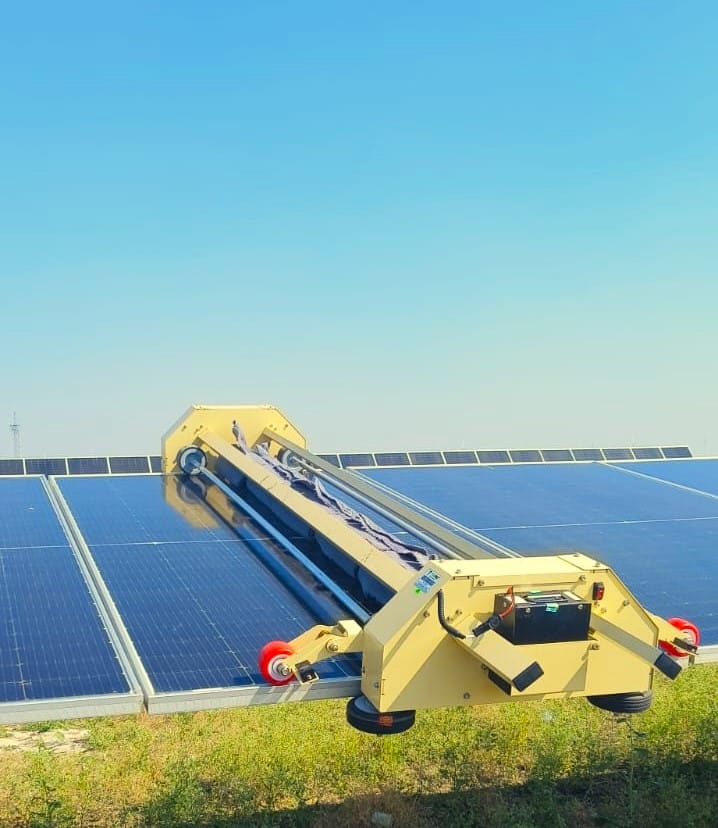
Quick answer: Battery and robot maintenance planning
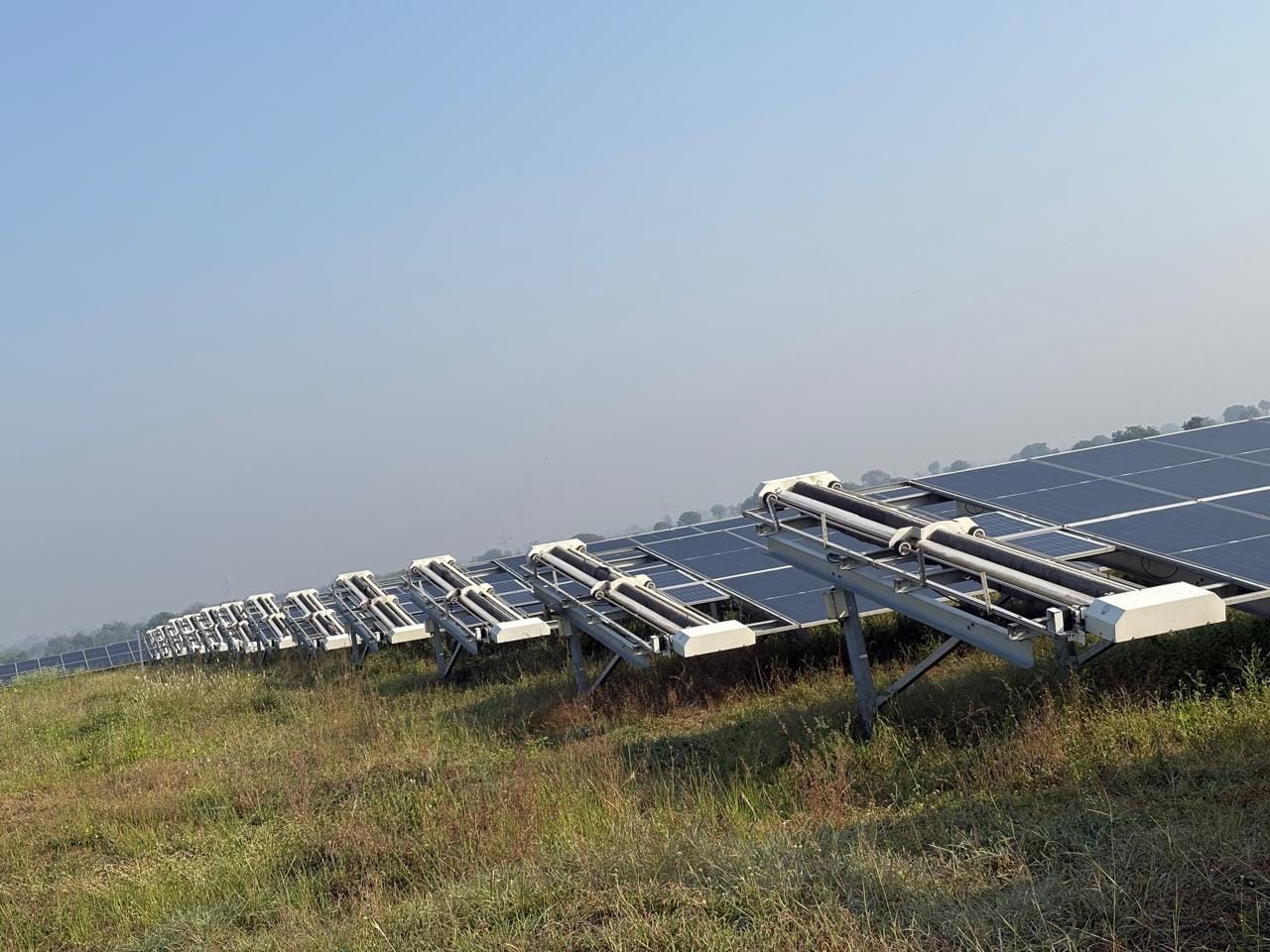
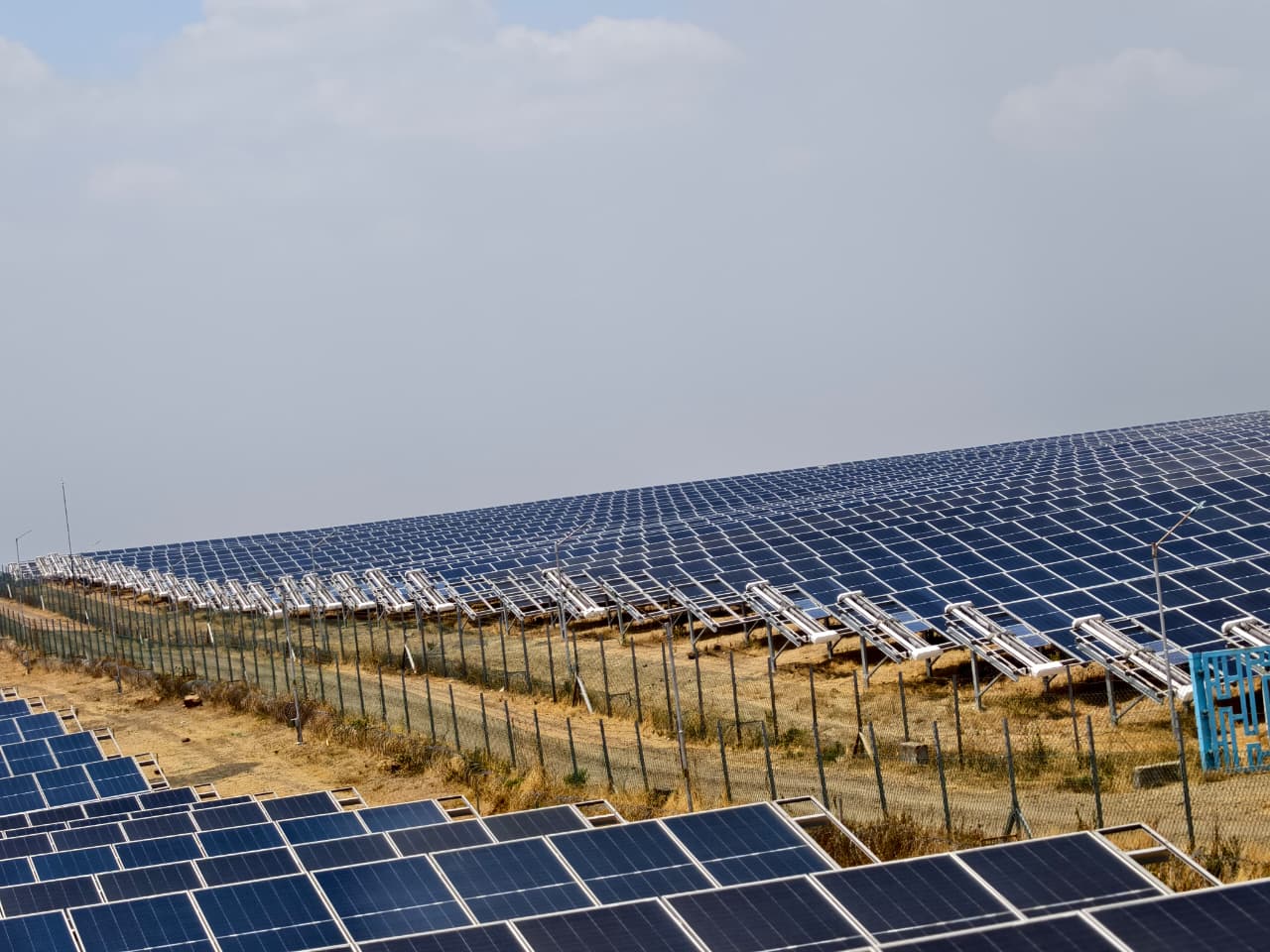
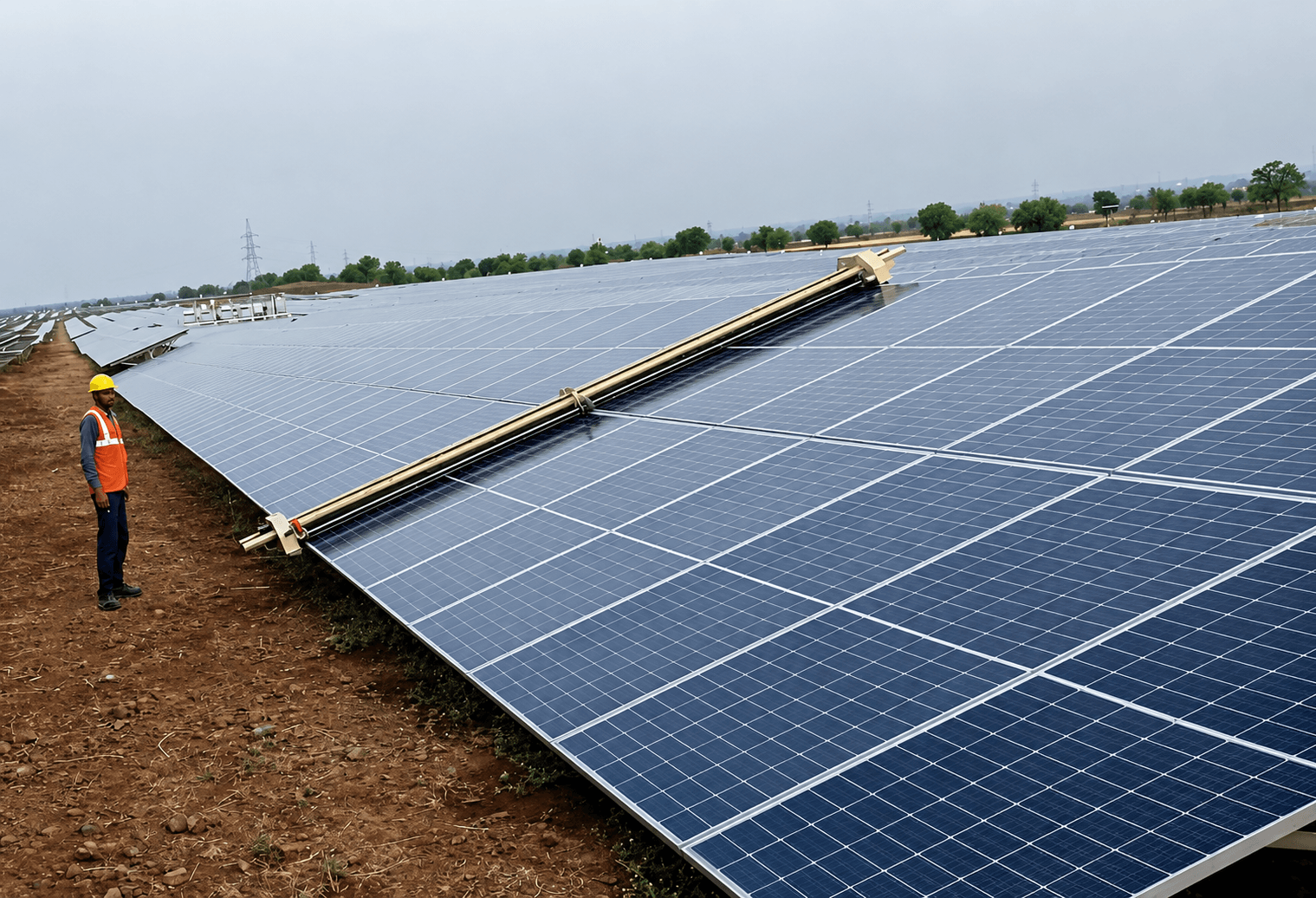
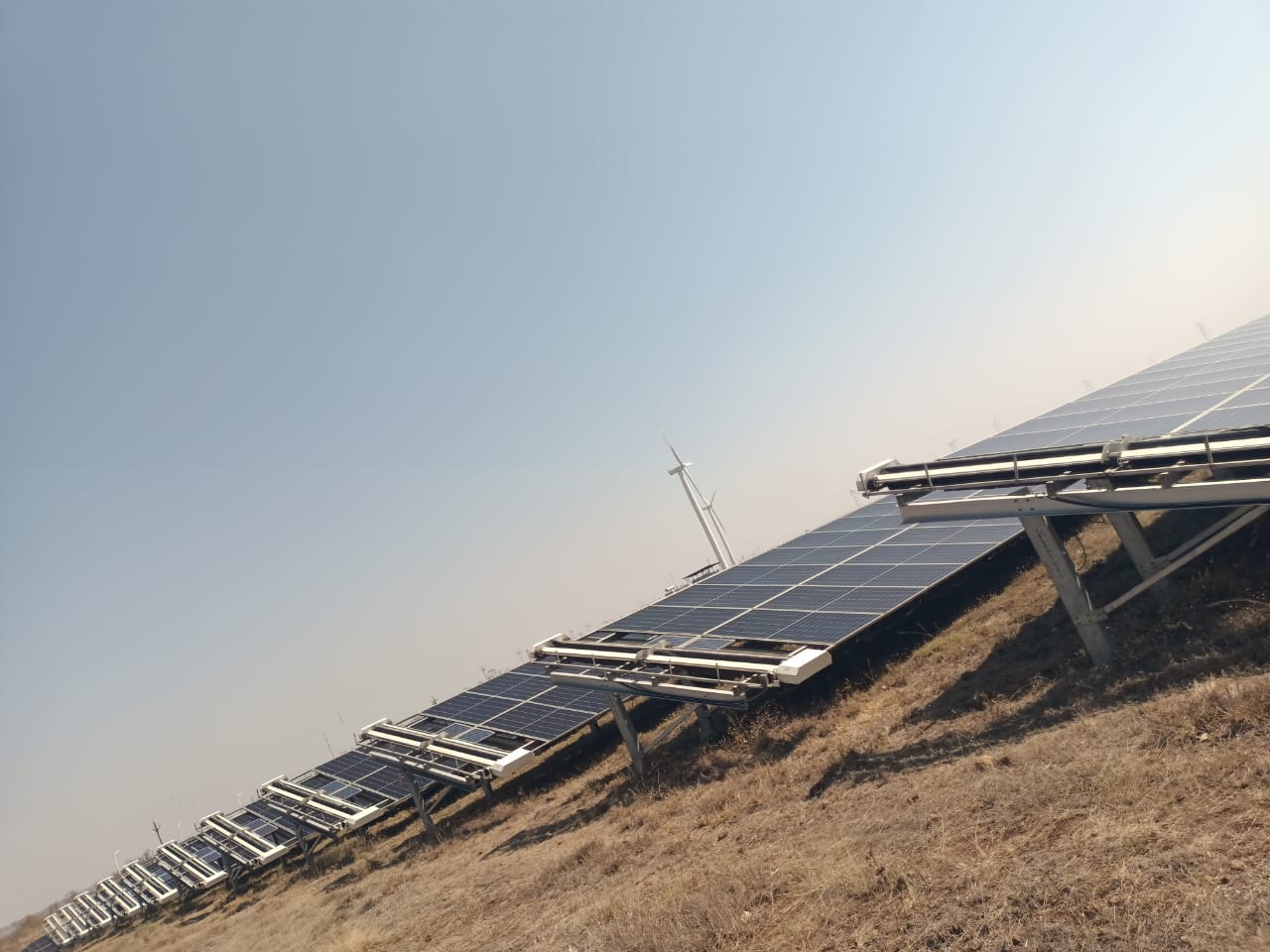
Proper maintenance planning for a solar cleaning robot fleet ensures high system availability and predictable O&M spending. Asset managers should account for periodic battery replacements, mechanical inspections of drive systems, and software updates to maintain site performance ratio (PR) targets. Relying on an integrated fleet management system allows for precise tracking of battery cycles and predictive maintenance triggers that prevent unexpected downtime during high-soiling months.
- Typical battery lifespan for industrial cleaning robots ranges from 3 to 5 years depending on cycle depth and local ambient temperatures.
- Budget 5% to 8% of total robot CAPEX annually for spare parts, including battery replacements and brush degradation.
- Soiling losses in Indian utility-scale sites can reach 15% to 30%; targeted cleaning improves PR by 2% to 5% consistently.
- Water consumption reduction through automated dry-cleaning can save 2 to 5 liters per module, significantly lowering O&M water-trucking costs.
How often should you replace a solar cleaning robot battery in India?
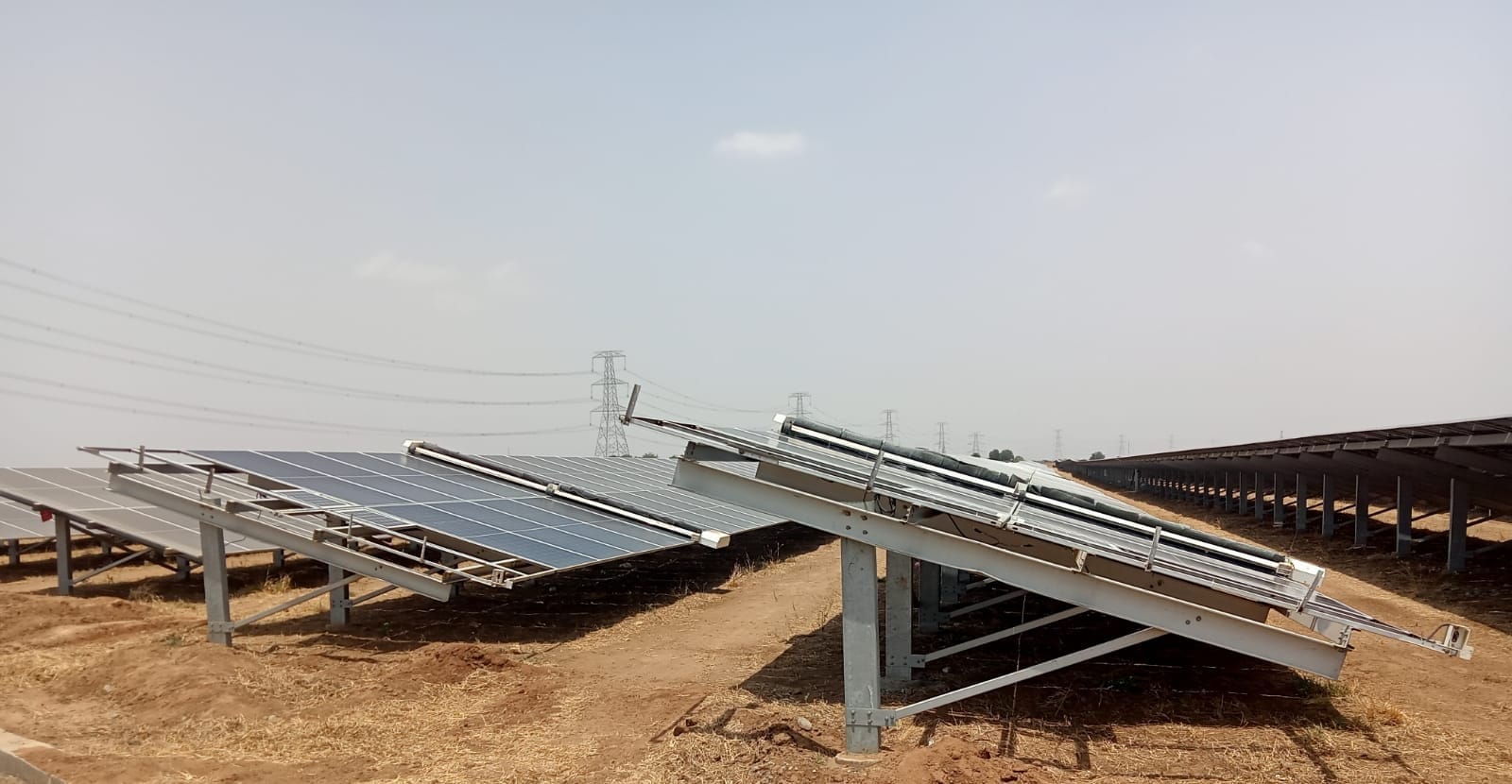
The replacement cycle for a solar cleaning robot battery in India is heavily influenced by the extreme ambient temperatures found in high-irradiance states like Rajasthan and Gujarat. While standard lithium-ion packs are rated for 3 to 5 years, operational intensity often dictates a tighter maintenance window. If a robot covers large distances daily across a 50 MW site, the cumulative discharge cycles will accelerate degradation, necessitating proactive battery capacity testing every 18 months.
High temperatures exceeding 40°C on site increase the risk of thermal stress on battery chemistry, which can lead to rapid capacity loss. O&M teams should leverage fleet monitoring portals, such as NECTYR, to track individual robot battery health in real-time. By identifying units with declining charge holding capacity before they fail, managers can prevent generation losses that often exceed the cost of the replacement battery. Integrating these lifecycle checks into your annual cleaning robot maintenance schedule avoids the reactive replacement costs that occur when a robot becomes stranded in the field.
In a typical 100 MW site in India, operators often see a 15% drop in battery performance after the first 600 cycles if no thermal management is implemented. By keeping robots in shaded docking zones, you can extend the replacement threshold by approximately 12 months. This shift from a 36-month cycle to a 48-month cycle reduces long-term opex by nearly 20% when considering the logistics of procurement and field installation in remote desert regions.
Evaluating battery chemistry for extreme irradiance zones
Selecting the right battery chemistry is a strategic decision that affects both the O&M budget and the operational capability of a solar cleaning robot. While Lithium Iron Phosphate (LiFePO4) is currently the industry standard due to its thermal stability and cycle life, some manufacturers are testing Lithium Titanate (LTO) for high-temperature resilience. Understanding the trade-offs between these technologies allows plant managers to optimize the replacement interval.
Comparative analysis of battery technologies
| Battery Type | Cycle Life (Expected) | Thermal Tolerance | Replacement Interval |
|---|---|---|---|
| Standard Li-ion | 800–1,200 cycles | Moderate | 24–36 months |
| LiFePO4 | 2,000–3,000 cycles | High | 48–60 months |
| LTO | 5,000+ cycles | Extreme | 72+ months |
For sites located in regions with extreme heat, the upfront cost premium of LiFePO4 or LTO cells is usually recovered within the first two years of operation. By reducing the frequency of site visits required for battery swapping, operators can significantly lower the hidden labor costs associated with maintenance logistics. Furthermore, as battery management system (BMS) logic becomes more advanced, balancing cells effectively in hot climates helps maintain the state of health (SoH) metrics, preventing the erratic voltage behavior common in standard cells during high-heat summers.
Supply chain considerations for spare part procurement
The procurement of spare batteries and critical drive components requires a phased approach to avoid supply chain bottlenecks during peak O&M periods. For utility-scale assets, relying on just-in-time delivery can be risky if local inventory levels are insufficient. Instead, O&M managers should maintain a safety stock of batteries proportional to the total fleet size.
Spare parts management checklist
- Maintain an inventory of at least 5% of your total robot fleet count in pre-charged spare battery packs.
- Implement a FIFO (First-In, First-Out) rotation strategy for battery storage to prevent permanent chemical degradation in idle stock.
- Audit supplier warranty lead times against your site generation peak periods to ensure replacements arrive before the high-soiling season begins.
- Standardize battery connectors and BMS firmware across different procurement batches to maintain fleet interoperability.
Failure to standardize components leads to inventory bloat, where site managers end up stocking incompatible parts for different robot vintages. By centralizing procurement, plants can achieve volume discounts and ensure all units in the field operate on the same maintenance cycle, which simplifies diagnostic protocols and technician training. It is common for large-scale operators to lose between 2% and 4% of potential generation per year simply due to mismatched spare part availability that renders a robot fleet incapable of cleaning during peak dust periods.
Lifecycle cost drivers for robot-based cleaning fleets
Managing a solar cleaning robot fleet on a utility-scale site requires evaluating more than just the initial equipment investment. The lifecycle cost is driven by a combination of battery cycles, mechanical wear on brushes, and the indirect costs of system downtime. For large 50 MW+ plants in India, where dust accumulation is constant, the O&M budget must account for an annual spare parts allocation of 5% to 8% of the total robot capital expenditure. This budget covers essential components such as microfiber brushes, drive motors, and periodic battery pack replacements.
Labor costs for manual supervision also remain a significant factor, even with autonomous systems. While robots handle the bulk of the cleaning, technical teams must perform routine inspections of end-row docking stations and verify connectivity via centralized dashboards. Using an integrated system like NECTYR helps track these maintenance triggers systematically, preventing the high costs associated with emergency site repairs or reactive part replacements.
| Site Scale | Annual Maintenance Budget | Battery Replacement Cycle | Expected PR Gain |
|---|---|---|---|
| 5–20 MW | 7–9% of CAPEX | 36–42 months | 2.0–3.0% |
| 20–50 MW | 6–8% of CAPEX | 40–48 months | 3.0–4.5% |
| 50 MW+ | 5–7% of CAPEX | 48–60 months | 4.0–5.5% |
Operational scale provides economies of density. As sites exceed 50 MW, the per-unit cost of spare parts and maintenance travel decreases, allowing for more precise inventory management of battery spares. Properly scheduling cleaning cycles based on real-time soiling data, rather than fixed calendar intervals, further extends battery life by reducing unnecessary motor runtime and deep discharge events.
Balancing cleaning frequency with module degradation
A critical oversight in long-term O&M planning is treating cleaning frequency as an isolated task. For utility-scale plants, the frequency of using a solar cleaning robot directly impacts two competing variables: the Performance Ratio (PR) and the physical health of the PV modules. In high-soiling corridors like Rajasthan or Gujarat, the daily degradation rate can reach 0.3% to 0.7% due to dust accumulation. While frequent cleaning maximizes immediate energy yield, an aggressive schedule can lead to accelerated mechanical stress if not managed correctly.
The relationship between cleaning and degradation is best managed through a data-driven approach rather than a calendar-based one. If a plant manager schedules cleaning too infrequently, the soiling-induced PR drift can become a significant revenue liability, as discussed in our analysis of carbon credit calculation from soiling loss reduction. Conversely, over-cleaning without monitoring can lead to unnecessary wear on the robot's drive system and battery cycles. The ideal equilibrium is found by monitoring the soiling-induced generation gap and triggering a cleaning cycle once the cost of lost energy exceeds the marginal cost of a robot deployment. For instance, in a 100 MW site, waiting for a 3% PR drop before dispatching robots often saves 15% on battery wear compared to a daily automated cycle.
Mitigating mechanical stress on modules
When selecting a cleaning method, plant managers must consider the physical impact of the cleaning mechanism on the module's anti-reflective coating (ARC). Robotic systems like the Taypro GLYDE series use a patented dual-pass microfiber method to ensure high cleaning efficiency (up to 99%) without the abrasive risks associated with high-pressure water or heavy manual brushes. In contrast, improper manual cleaning with abrasive tools can cause micro-cracks or surface scratches that permanently degrade the module's light absorption capabilities.
To maintain long-term asset integrity, O&M teams should adhere to these technical constraints:
- Use waterless, soft-contact technologies (like microfiber or UV-stable PBT) to protect ARC layers.
- Align cleaning robot deployment with tracker movement patterns to prevent structural mismatch on single-axis tracker plants.
- Integrate soiling sensors with your NECTYR fleet monitoring to ensure robots only run when the PR benefit outweighs the operational cost.
By shifting from reactive cleaning to a predictive model, operators can stabilize both the electrical performance and the physical lifespan of the solar field. Predictive models often look at local weather patterns; if a light rain or morning dew is forecasted, the system may delay cleaning by 48 hours to preserve battery cycles. These smart adjustments save roughly 100 to 150 cycles annually, extending total battery life by a significant margin.
Technical integration of robotic fleets into existing SCADA
Modern utility-scale operations require that a solar cleaning robot does not operate as a siloed asset. For seamless integration, the robot's operational data must eventually feed into the plant's broader Supervisory Control and Data Acquisition (SCADA) system or an Integrated Plant Management system. This allows for a holistic view of how cleaning activities correlate with real-time power output and inverter performance.
Effective integration follows a three-tier hierarchy of data flow:
- Edge Layer: The robot itself performs obstacle detection and manages its own immediate path planning to avoid module damage or row ends.
- Fleet Layer: Centralized software, such as NECTYR, aggregates telemetry from all robots, including battery health, cleaning progress, and motor torque levels.
- Plant Layer: High-level data is pushed to the plant's SCADA or asset management software to correlate soiling levels with total plant PR and energy yield.
For plants with decentralized or scattered blocks, using a mobility platform like CRADYL can simplify this integration. By automating the transfer of robots between rows via rail-based docking stations, the system reduces the manual interventions required. Integration also allows for automated emergency stops; if the SCADA detects a grid instability event or a high-wind condition that requires tracker stow, it can simultaneously signal robots to dock and power down, preventing mechanical collisions that would otherwise require costly field repairs.
Managing robot battery health in high-temperature environments
In Indian utility-scale plants where ground-level temperatures can exceed 50°C, the thermal management of a solar cleaning robot is as critical as its cleaning mechanicals. Batteries are often the first component to degrade when subjected to these extreme ambient conditions, especially if they remain exposed to direct sunlight while in a docked or idle state. Advanced thermal shielding on robot chassis has become standard practice for high-irradiance zones, as this simple design modification can drop internal component temperatures by up to 10°C.
To extend battery longevity, O&M teams should implement the following site-level protocols:
- Strategic Docking: Position charging docks in shaded areas or under the module rows during the peak thermal hours (typically 12:00 PM to 3:00 PM) to avoid high-temperature soak periods.
- Cycle Depth Management: Maintain a State of Charge (SoC) between 20% and 80% to reduce the chemical stress on lithium-ion cells, which directly impacts the battery replacement cycle frequency.
- Software-Defined Cooling: Utilize the NECTYR fleet portal to schedule cleaning during cooler early-morning or late-evening windows, which protects the electronics and ensures optimal battery runtime during the mission.
By treating the battery as a high-value consumable rather than a static piece of hardware, plant managers can prevent premature capacity loss. This systematic approach, coupled with early diagnostic alerts, ensures that fleet downtime does not interfere with critical generation windows. For a 200 MW plant, optimizing these schedules can prevent the loss of nearly 5,000 MWh of energy annually that would otherwise be lost to soiling-related PR degradation.
Key takeaways for plant managers
- Align cleaning frequency with real-time soiling data to prevent unnecessary mechanical wear and battery depletion.
- Integrate fleet software like NECTYR with existing SCADA to maintain visibility of robot health across MW-scale sites.
- Use waterless, soft-contact cleaning methods (like those in the GLYDE series) to protect module coatings and maintain long-term PR.
- Adopt a predictive maintenance schedule for batteries based on regional heat profiles and actual cycle counts.
- Leverage automated row-transfer systems like CRADYL to minimize labor requirements in scattered or large-format solar farms.
Sources and further reading
Frequently asked questions
Proper maintenance planning for a solar cleaning robot fleet ensures high system availability and predictable O&M spending. Asset managers should account for periodic battery replacements, mechanical inspections of drive systems, and software updates to maintain site performance ratio (PR) targets.
A solar cleaning robot impacts budgets by shifting costs from recurring labor and water trucking to hardware maintenance. By implementing automated dry cleaning, you can save 2 to 5 liters of water per module and improve the site performance ratio by 2% to 5%, which helps offset the periodic costs of mechanical and battery upkeep.
In high-irradiance regions of India, the battery service life for a solar cleaning robot ranges from 3 to 5 years. This duration can be shorter if the robot experiences high operational intensity or prolonged exposure to ambient temperatures exceeding 40°C, which accelerates thermal stress and capacity loss.
The primary cost factors include the initial capital expenditure for the robots, annual spare parts budgets of 5% to 8% for components like batteries, and the reduction in manual labor and water logistics expenses. Additionally, you must account for software monitoring costs to track performance and prevent unexpected downtime.