Summary for plant managers
Managing floating solar assets in Indian reservoirs is unique. You must account for high humidity and local microclimates. Water-based structures also create logistical hurdles. To keep your Performance Ratio (PR) high, do not use reactive cleaning. Instead, use a proactive schedule to manage rapid soiling rates.
- Typical soiling-induced power loss in Indian reservoirs: 5% to 25%
- Recommended cleaning frequency: Every 7–14 days during peak dry seasons
- Water savings potential: Up to 90% using waterless robotic methods
- Operational scale benchmark: Optimized for 100 MW+ utility projects
Effective management means balancing cleaning costs against lost revenue. Large-scale plants should consider automated, waterless solutions. These tools reduce labor risks and save water. They also ensure steady energy yields.
Understanding the unique floating panel cleaning challenges reservoir projects face
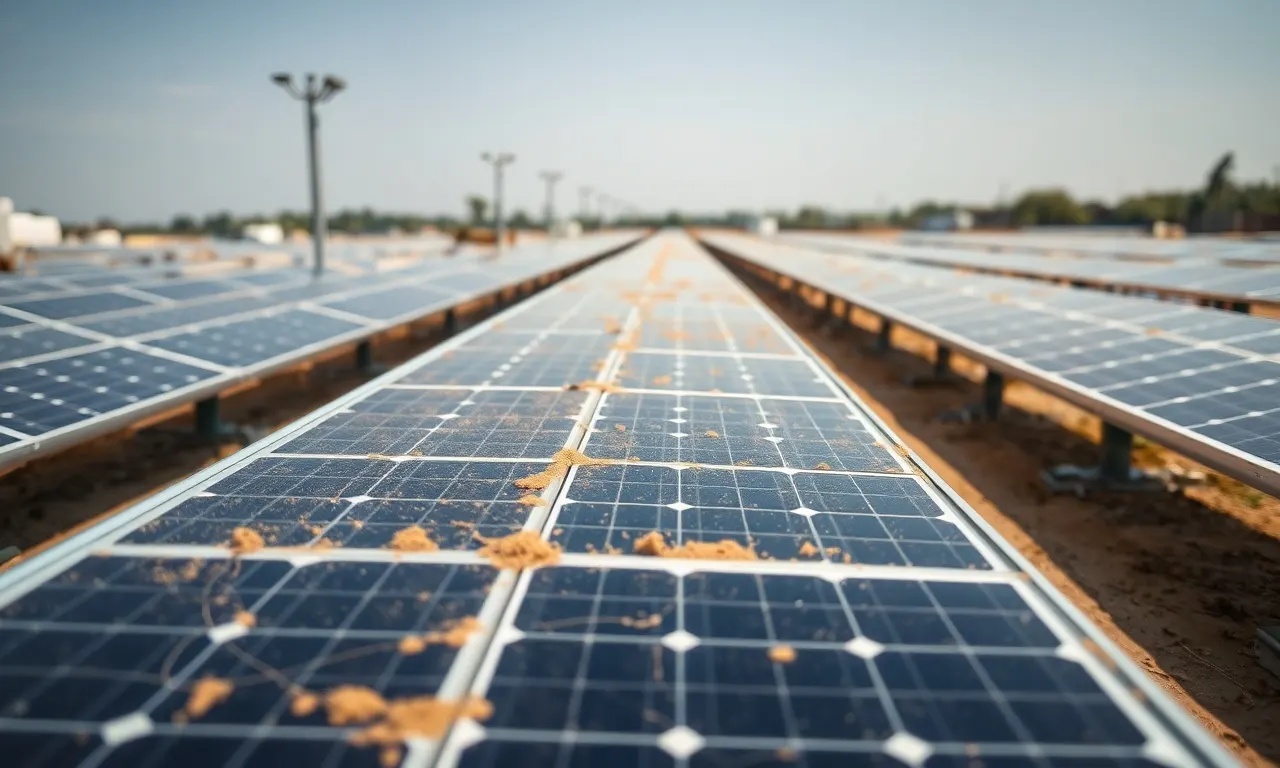
Floating solar projects are more complex than land plants. Engineers must look beyond simple dust accumulation. You must also consider the physical dynamics of water-based assets.
Structural stability and load distribution
Utility-scale plants use floating pontoons for support. These are secured by mooring and anchoring systems. Traditional cleaning often uses heavy manual labor or large water tanks. These methods add heavy, uneven loads to the floating structure. Concentrated weight can cause uneven buoyancy or stress mooring lines. For 100 MW+ plants, protecting structural integrity is vital during maintenance.
Logistical access and remote deployment
Land plants have service roads for easy access. Reservoir projects are often vast and split by open water. Crews must use boats or specialized walkways to move. This increases the time and cost of every cleaning cycle. Such delays can cause power losses to reach 25% in dusty Indian regions. Efficient management requires equipment that moves autonomously across the array.
The water-quality and scarcity paradox
It may seem smart to use reservoir water for cleaning. However, many Indian operators face strict environmental rules. Manual wet cleaning can introduce detergents or silt into the water. This may violate local compliance standards. Also, many projects sit in water-stressed areas. Using fresh water for cleaning can hurt your sustainability goals. This is why operators compare waterless vs water-based solar cleaning technologies to protect yields.
Why reservoir microclimates and humidity accelerate soiling
Floating solar sites in India often have higher soiling rates than land sites. This is due to the microclimates near large water bodies. Water keeps ambient temperatures lower, but it also increases humidity. This moisture creates a damp layer on panel surfaces. It acts like glue for dust, pollen, and salt. This creates a sticky, hard layer that is difficult to remove.
This problem is worst during the early morning. Heavy dew creates a hardened film on the panels. This film blocks sunlight more effectively than dry dust. This can cause soiling losses to climb from 5% toward 25% quickly. Furthermore, constant water vapor can promote algae or bacterial growth. This can create shading issues and complicate long-term cleaning.
You must understand this behavior to build a good O&M strategy. Humidity-induced soiling often follows a daily cycle. A static cleaning schedule might fail in these environments. You must account for seasonal humidity spikes. This ensures waterless robots clean before grime becomes permanent. You can monitor weather and dew-point data via the NECTYR fleet portal. This allows you to adjust robotic cycles without using inefficient manual methods.
What is the optimal cleaning schedule for floating PV in India?
Optimal cleaning for Indian FPV projects requires a shift in strategy. Do not use fixed, monthly intervals. Instead, use variable cycles based on real-time soiling data. Many reservoir sites face rapid dust buildup from humidity and insects. Operators should clean immediately after heavy rain or when the Performance Ratio (PR) drops by 2–3%.
For MW-scale plants, cleaning usually happens every 7 to 15 days. This depends on local dust and nearby farms. During the monsoon, do not clean during heavy rain. Natural rain can wash the panels for free. This saves resources and reduces equipment wear. Using NECTYR cleaning frequency optimization helps managers time these cycles perfectly.
Implementing event-triggered maintenance cycles
Divide your plant into performance zones to manage cleaning better. Zones near the shore or farms may need cleaning every 7 days. Modules in the center of the reservoir might stay clean for 20 days. Track soiling against weather data to deploy robots only when needed. This protects the anti-reflective coating from too much scrubbing. You can use insights from seasonal solar soiling rates to plan your fleet size for peak summer months.
Technical implementation: A step-by-step guide for MW-scale reservoir sites
Cleaning a large floating plant requires careful logistics. The array is moored, not fixed to the ground. First, assess the site's bathymetry and mooring. Ensure your automatic cleaning systems do not put too much stress on pontoons. For 50 MW+ sites, your strategy must handle row-to-row movement without manual help.
Follow these steps to integrate your cleaning system safely:
- Baseline mapping: Scan the array structure and inter-row distances. Ensure robot weight matches the walkway capacity.
- Mooring stability check: Inspect all anchor points. Confirm they can handle the kinetic load of moving robots, especially in high winds.
- Zonal configuration: Divide blocks into zones based on water flow. Use the NECTYR fleet portal to track block output.
- Pilot integration: Start with a 5–10 MW pilot. Test cleaning speed and brush pressure. Ensure the robot stays in contact with swaying panels.
- Autonomous transition: Once calibrated, start full autonomous cycles. Use real-time data to skip rows that are already clean. This saves battery and reduces wear.
Treat the floating array as a dynamic machine. This helps avoid safety risks or damage to buoyancy systems. An automated waterless approach secures generation. It also avoids the hard task of moving water onto the reservoir.
Comparing manual labor vs. automated cleaning on floating structures
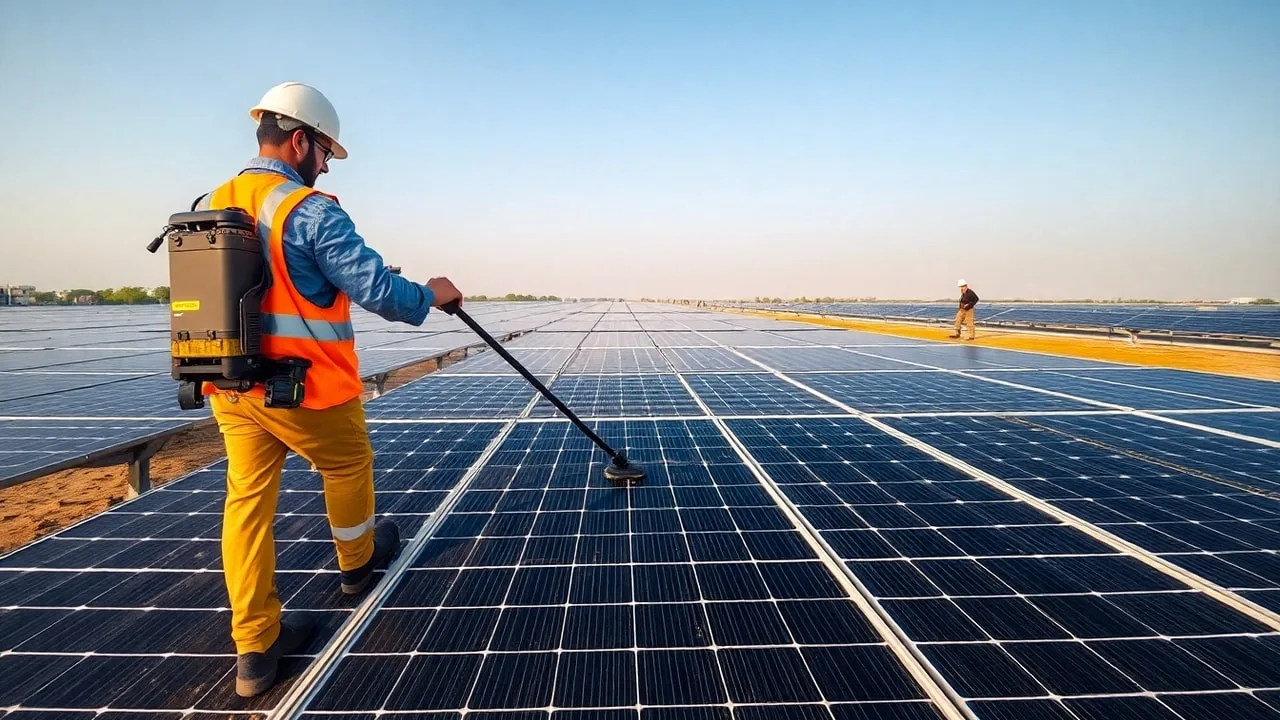
For large projects, the choice is about safety and consistency. Manual cleaning on floating arrays is risky. Technicians must walk narrow paths with heavy hoses. This increases the risk of falls or damage to the modules. Also, moving heavy water tanks onto pontoons creates weight risks. These floats were not always designed for such heavy loads.
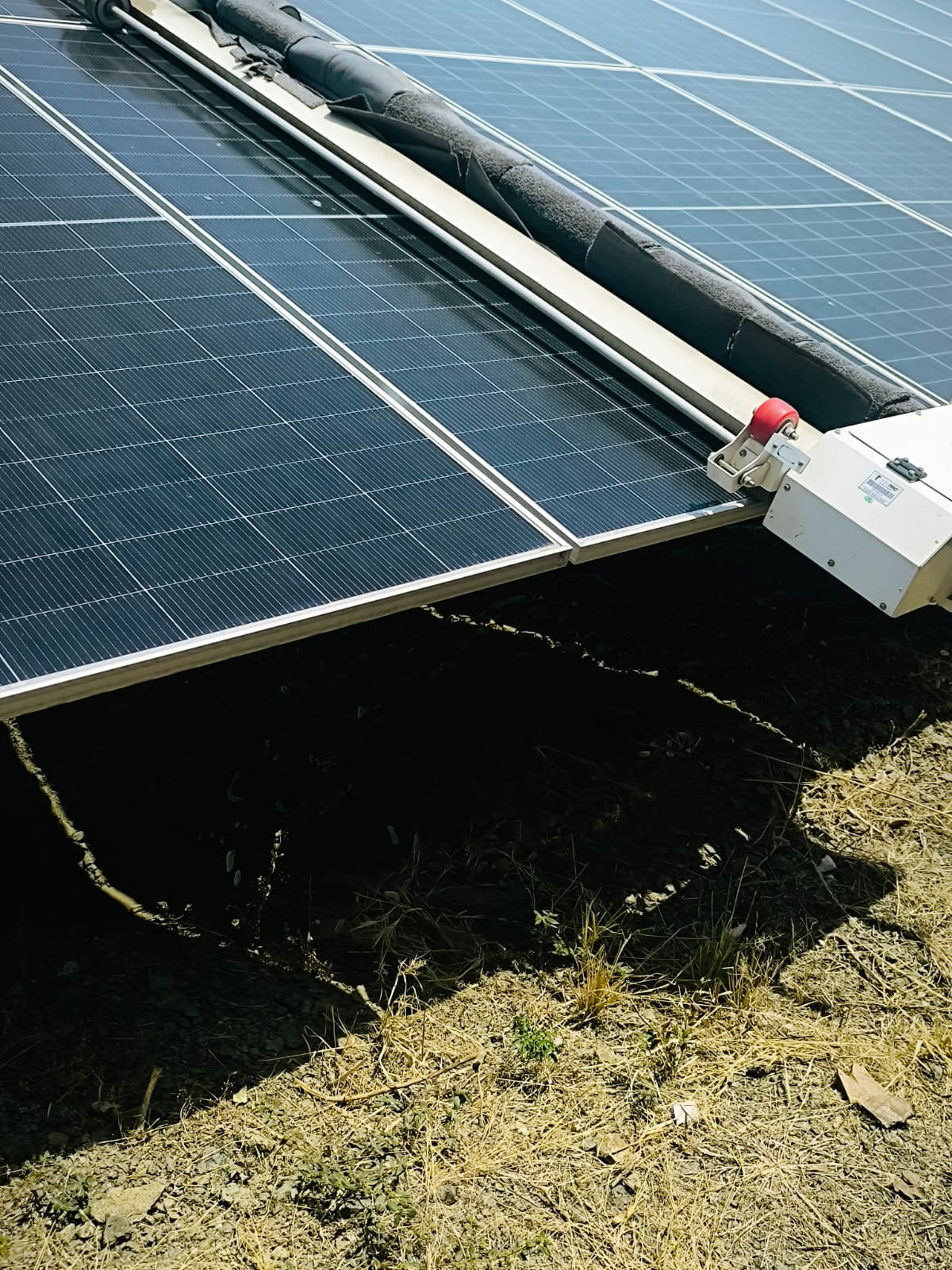
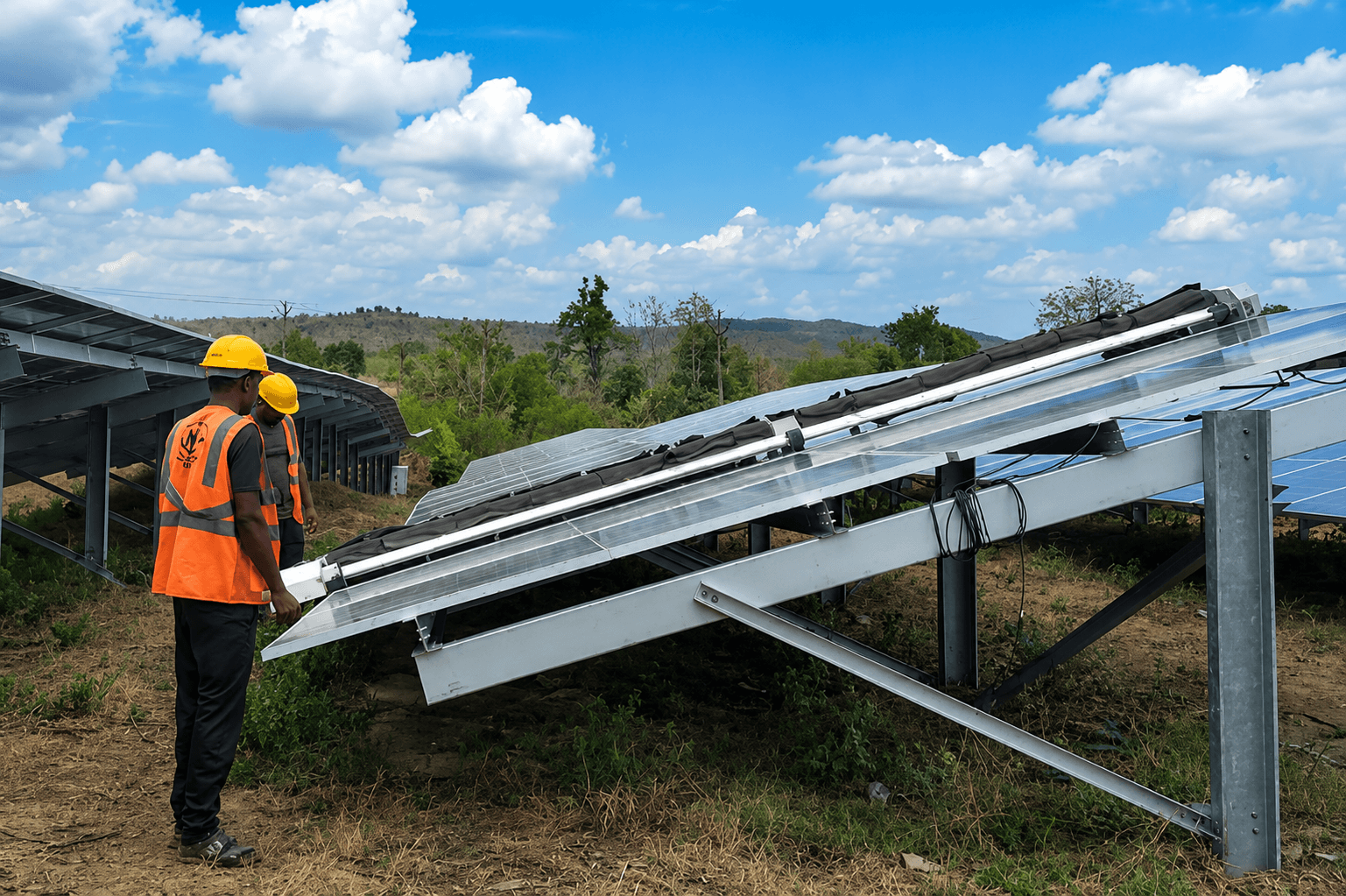
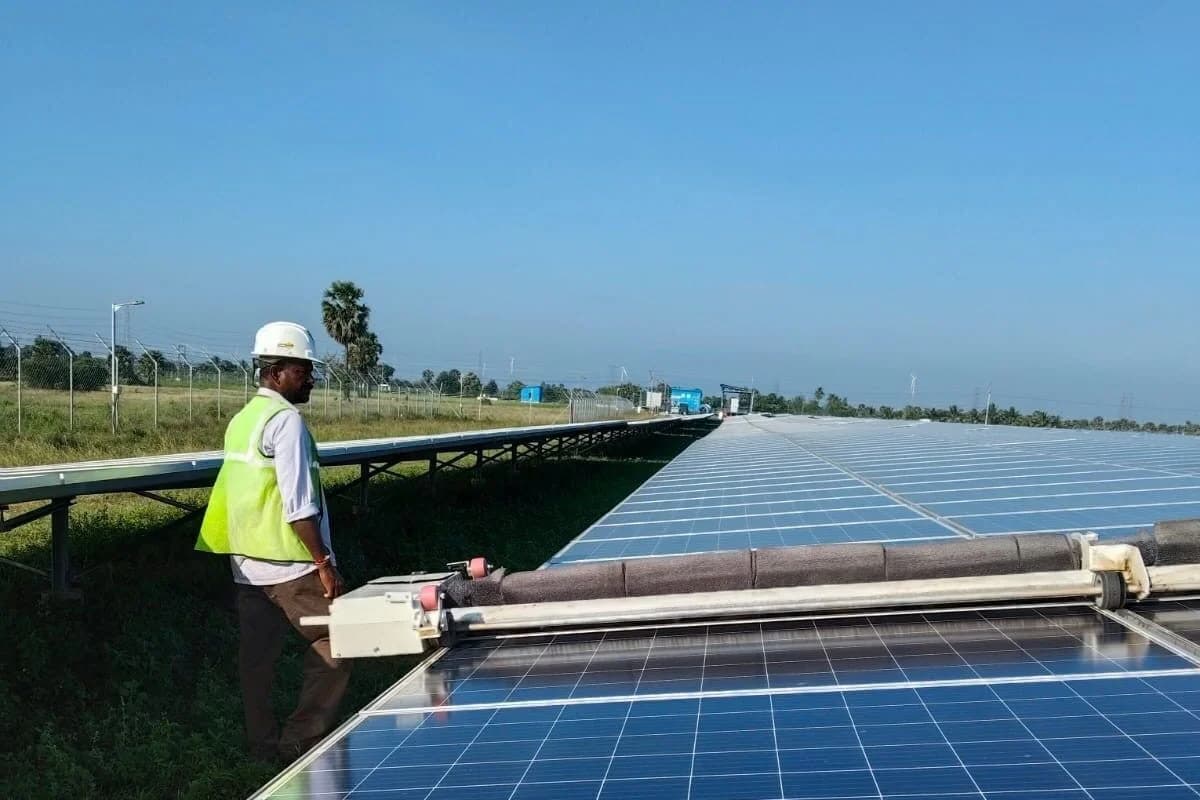
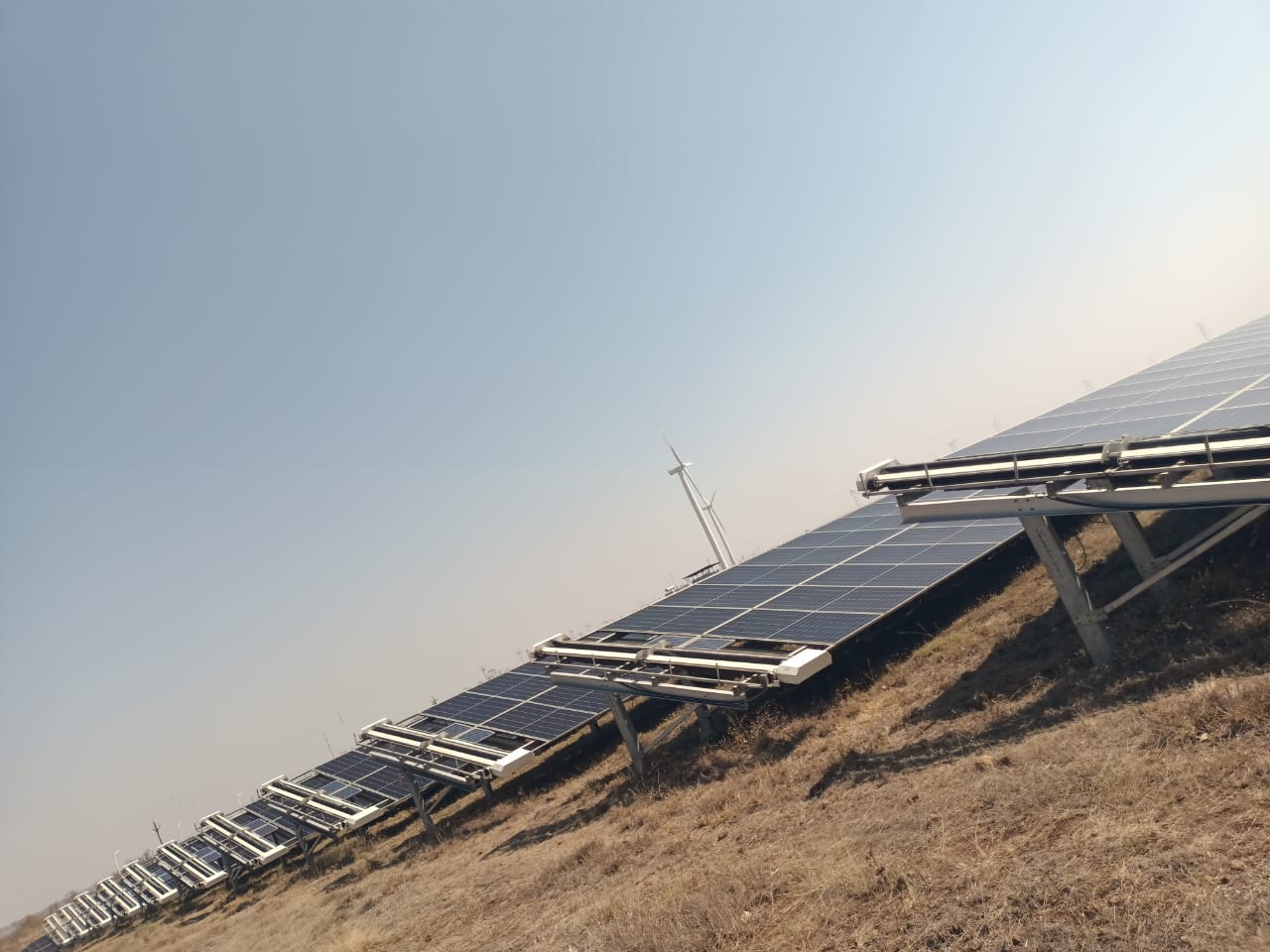
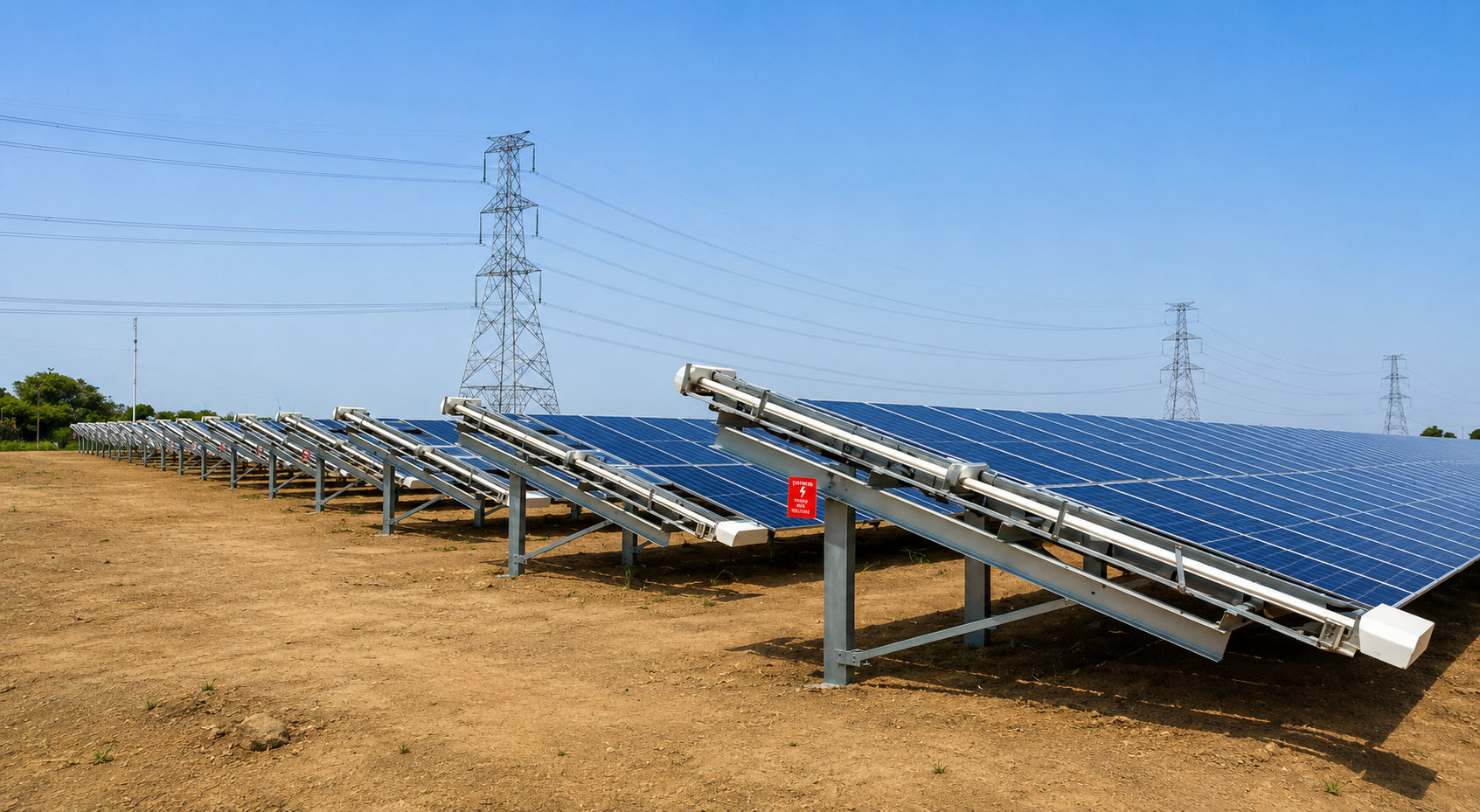
Automated waterless systems are a better fit for floating PV. These units move across the modules like they are on rails. This distributes weight more evenly than a person. This method also eliminates the need for water. This prevents chemical residue from damaging the pontoons. As noted in our manual vs. robotic cleaning guide, robots provide more consistent power. They remove human error in cleaning pressure and frequency. In humid areas, automated brushes protect coatings better than manual scrubbing.
| Factor | Manual Wet Cleaning | Automated Waterless Cleaning |
|---|---|---|
| Water Consumption | High (15,000+ liters/MW) | Zero |
| Safety Risk | High (Fall/Drowning risk) | Low (Remote monitored) |
| Cleaning Consistency | Low (Variable human effort) | High (Programmed frequency) |
| Structure Load | Heavy (Water tanks/hoses) | Low (Lightweight robotics) |
| O&M ROI | Linear with scale | Scalable efficiency |
Plant managers should view automated cleaning as critical infrastructure. It stabilizes your performance ratios. By removing the need for manual water supply, you recover lost energy. You can see a 5% to 25% improvement in plants with managed soiling. For more tips, review our soiling mitigation strategies.
Managing mooring and structural constraints during cleaning cycles
Indian reservoir projects have unique physical limits. Mooring systems keep the array stable as water levels change. These systems are sensitive to sudden weight shifts. When using robots, ensure they do not cause too much vibration. Floating arrays have flexible joints. Repeated, uneven stress can degrade these modules over time.
O&M teams should use a load-balancing protocol. Calibrate the robot's weight against your specific pontoon type. For 100 MW+ plants, stagger the cleaning schedule across the array. This prevents localized sinking or tilting. Lightweight, autonomous robots are better than manual teams with heavy water gear. To protect your assets, integrate your solar panel cleaning system with your site plan. This ensures cleaning paths align with strong stress points.
Key takeaways for reservoir O&M leads
- Check the weight limits of your pontoons before buying robots to avoid structural fatigue.
- Use waterless cleaning to avoid the hassle of moving water onto the reservoir.
- Stagger cleaning cycles to keep weight even and prevent mooring strain.
- Verify that cleaning methods meet your module warranties, as seen in our PV module maintenance guide.
- Use real-time data to skip clean rows. This saves battery life and reduces mechanical wear.
Sources and further reading
Frequently asked questions
Managing floating solar assets in Indian reservoirs is unique. You must account for high humidity and local microclimates.
To maintain an optimal Performance Ratio (PR), it is recommended to implement a cleaning frequency of every 7–14 days during peak dry seasons.
Yes, transitioning to automated, waterless robotic methods can provide up to 90% water savings and reduce the labor risks and logistical constraints of large-scale maintenance.
For utility-scale projects such as 100 MW+ installations, regular cleaning is essential to prevent the cumulative soiling that typically causes power losses between 5% and 25%.