Summary for plant managers
- Utility-scale manual cleaning in India consumes 7,000–20,000 litres of water per MW annually, while waterless robotics cut this by up to 80%.
- Manual labor costs for 50 MW+ plants are typically 60% higher than autonomous systems due to workforce scaling and safety liabilities.
- Using a manual module cleaning brush on trackers increases the risk of micro-cracks and coating damage, potentially reducing panel lifespan.
- Performance Ratio (PR) losses in high-dust regions like Rajasthan can exceed 15% if cleaning cycles are delayed by manual scheduling constraints.
- For plants exceeding 50 MW, the transition from manual, brush-based human crews to autonomous robotic systems is no longer optional for maintaining a target PR.
Why manual brush cleaning reaches a breaking point at 50 MW
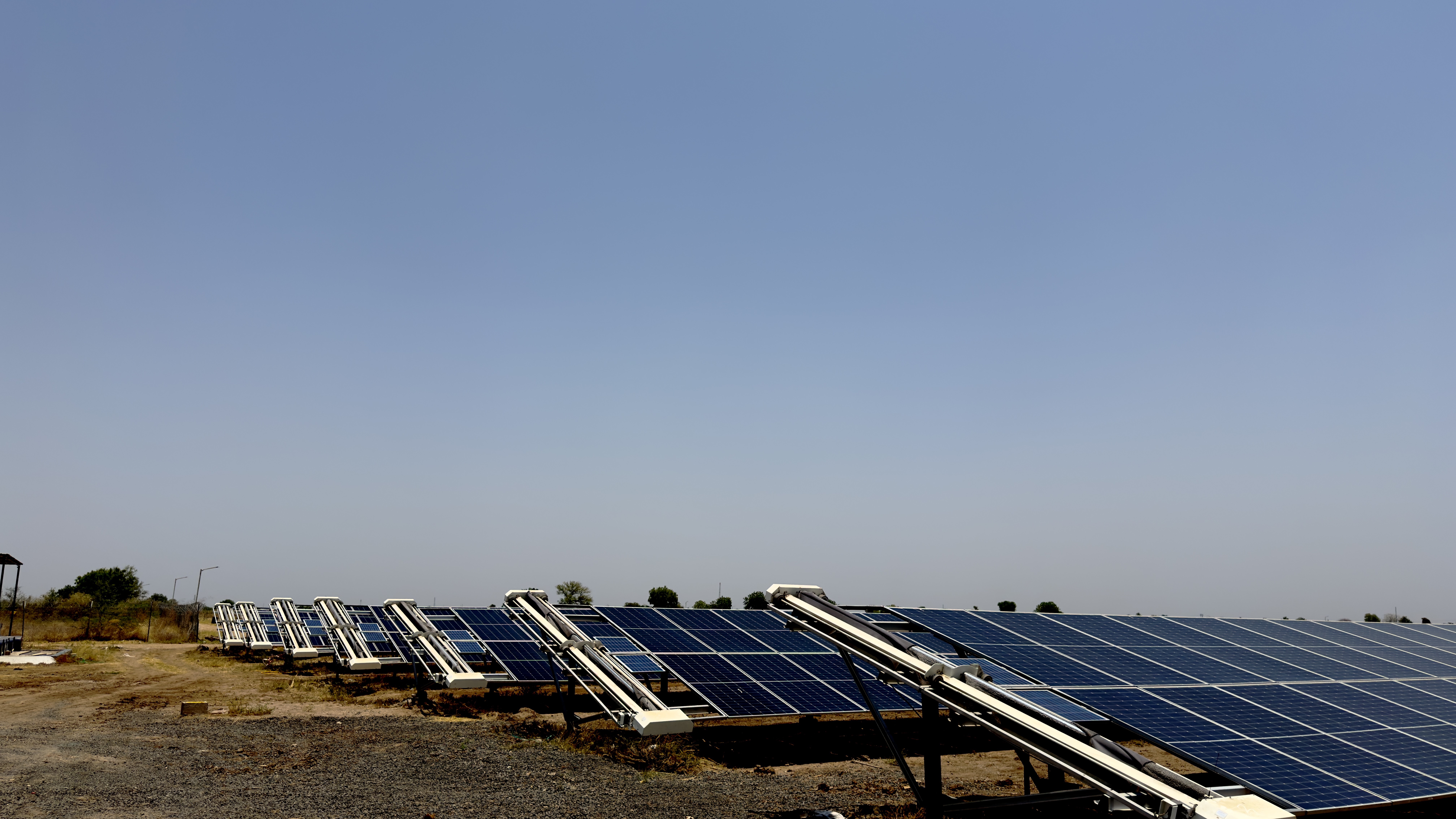
Scaling a solar asset to 50 MW and beyond introduces operational geometry constraints that make the traditional manual module cleaning brush both inefficient and technically hazardous. At this scale, the sheer volume of modules to be cleaned requires an army of manual cleaners, which directly contradicts the need for standardized, repeatable O&M. While manual teams can adequately manage smaller 5–10 MW sites, the logistical complexity of managing hundreds of workers across thousands of tracker rows creates a significant overhead that degrades the overall plant performance ratio (PR).
The core issue lies in the cycle time of manual brush operations. On a 50 MW single-axis tracker site, the physical act of moving between rows and manually scrubbing panels with a water-based brush is prone to massive variance. Crew productivity is limited by site access, water refill intervals, and the physical exhaustion inherent in repetitive, high-heat work. When human laborers are responsible for manual brush cleaning across 50 MW, the cleaning frequency naturally slips. In regions with high soiling rates, such as Rajasthan or Gujarat, a delay of even one week in the cleaning cycle can result in yield losses exceeding 10–15%. This variance makes it impossible for asset owners to guarantee consistent energy generation.
Furthermore, manual cleaning at this scale creates a fragmented data environment. Unlike automated robotic systems that report cleaning status through platforms like NECTYR, manual crews provide inconsistent reports that are often subjective. For plant managers overseeing utility-scale portfolios, the ability to track the exact state of cleanliness across every module is essential to managing the plant's long-term health. The shift from manual tools to autonomous technology is a necessary evolution, as discussed in our guide on modern solar farm maintenance strategies.
Beyond the labor and schedule, the mechanical nature of the tracker array itself is under threat. Manual teams often step on sensitive panels or lean heavily against the torque tubes of the trackers while applying force with a module cleaning brush. This pressure, when applied thousands of times daily, leads to structural stress and premature failure of the tracking drive systems. At 50 MW, you are not just managing dust; you are managing a complex mechanical asset that requires precision, not the unpredictable force of a manual cleaning crew.
The hidden cost of manual labor in utility-scale O&M
At the 50 MW threshold, the reliance on a manual module cleaning brush transforms from a manageable expense into a significant drag on plant OPEX. The direct labor costs are only the tip of the iceberg. Asset owners must account for the indirect costs of recruiting, training, and insuring large manual crews. In arid Indian regions where seasonal water scarcity is a reality, the logistics of transporting, storing, and distributing water for manual wet cleaning can inflate O&M budgets by up to 60% compared to dry, automated alternatives. These costs are often masked by local service contracts but reveal themselves in annual audit reports as an inability to meet target revenue per MW.
Worker productivity is inherently non-linear in large-scale solar plants. A manual crew using a module cleaning brush faces diminishing returns as the day progresses under the harsh sun. As fatigue sets in, the quality of the cleaning pass becomes inconsistent, leading to 'streaking' or partial cleaning that fails to restore the plant's Performance Ratio (PR). This inconsistency forces O&M managers to pay for rework or accept suboptimal output. Unlike automated solutions such as the autonomous robotics systems, which maintain a consistent speed and pressure regardless of environmental conditions, human labor requires constant supervision to ensure that safety protocols and cleaning standards are maintained across thousands of modules.
Beyond the wage bill, manual cleaning at scale involves significant safety and liability exposure. The Occupational Safety and Health requirements for teams operating within the restricted space of a 50 MW plant involve mandatory PPE, heat stress management, and potential insurance premiums tied to high-risk outdoor activities. When you aggregate these variables, labor turnover, supervision, water logistics, and insurance, the per-cleaning cost often exceeds the initial valuation of manual O&M service agreements. For a detailed view on how these variables affect the bottom line, refer to our analysis on utility-scale maintenance strategies.
How does manual cleaning impact the mechanical integrity of solar trackers?
Manual cleaning on single-axis tracker arrays introduces mechanical risks that are absent in fixed-tilt configurations. Trackers are designed for precision movement to track the sun, and their drive motors and torque tubes are sensitive to external, non-uniform loads. When human operators use a long-reach manual module cleaning brush, they frequently apply uneven pressure or use the module table as a support point for leverage. This repetitive, unauthorized loading can cause micro-deflections in the tracker structure, potentially leading to long-term wear on the bearings and tracking gearboxes.
The impact of improper cleaning goes beyond the structure. The consistent contact of abrasive brush materials against high-efficiency bifacial modules can lead to surface micro-abrasions. In the high-UV environments characteristic of Rajasthan and Gujarat, even minor degradation of the anti-reflective coating (ARC) significantly lowers the module's light absorption over its 25-year lifecycle. Robotic systems, particularly those utilizing dual-pass microfiber or specialized PBT bristles, are engineered to contact the surface with calibrated, uniform pressure, protecting the structural and optical integrity of the panel.
| Feature | Manual Brush Cleaning | Automated Robotic Cleaning |
|---|---|---|
| Cleaning Consistency | Variable; prone to human error | High; repeatable AI-calibrated pressure |
| Tracker Load Risk | High; lateral pressure on structures | Negligible; lightweight distributed load |
| Water Requirement | High (7,000–20,000 L/MW/yr) | Near-zero (Waterless) |
| Operational Data | Subjective/Fragmented | Real-time/Integrated via NECTYR |
| Surface Integrity | Risk of micro-abrasions | Safe; engineered brush/fiber contact |
For utility-scale assets, the transition to autonomous cleaning is a move toward long-term asset protection. While the capital allocation for robots may appear higher initially, the preservation of the tracker’s mechanical health and the avoidance of panel coating damage provide a superior return on investment over the life of the plant. Asset owners are increasingly opting for systems that offer deep integration with their SCADA and tracker controllers to ensure that cleaning paths and timing do not interfere with the tracker’s operational safety parameters.
Water usage, cleaning frequency, and environmental impact
At the 50 MW+ scale, the environmental footprint of water-based cleaning is a significant operational liability. In arid regions such as Rajasthan and Gujarat, traditional cleaning methods require approximately 24,000 litres of water per megawatt for a single wash cycle. Given that optimal performance in these high-dust zones often necessitates bi-weekly or even weekly cleaning, a 50 MW plant can consume upwards of 1.2 million litres of water annually just for dust mitigation. This level of consumption is increasingly incompatible with India's National Water Policy and the growing focus on Environmental, Social, and Governance (ESG) criteria for utility-scale solar asset management.
Beyond the raw volume, the logistics of water transport, often involving tankers across remote, unpaved terrain, create a secondary, hidden carbon footprint and operational dependency. When managers rely on a manual module cleaning brush system, the frequency of cleaning is frequently dictated by water availability and tanker scheduling rather than actual plant soiling levels. In contrast, automated, waterless robotic systems allow for daily, precision-controlled cleaning cycles that require zero water. This transition not only preserves local groundwater levels but also eliminates the recurring operational cost and variability associated with water procurement and logistics.
Comparative analysis: manual vs. automated cleaning methods
For plant managers evaluating long-term O&M strategies, the choice between manual labor and automation is fundamentally a question of technical efficacy versus operational risk. Manual methods using a module cleaning brush are inherently inconsistent, as individual performance varies across large 50 MW sites. Conversely, automated systems ensure a uniform standard of cleanliness, directly protecting the Performance Ratio (PR) of the asset. The following table highlights the critical performance and operational differences encountered when managing utility-scale trackers.
| Comparison Metric | Manual Brush Cleaning | Automated Robotic Cleaning |
|---|---|---|
| Cleaning Frequency | Low (bi-weekly/monthly) | High (daily/on-demand) |
| Water Usage | 7,000–20,000 L/MW/year | Zero (Waterless) |
| Operational Labour | High (on-site crew management) | Low (remote monitoring/NECTYR) |
| Risk to Tracker | High (structural leverage) | Minimal (balanced, lightweight) |
| Precision | Variable | Consistent/Calibrated |
In addition to these metrics, the shift towards autonomous O&M allows for advanced performance monitoring. Systems like NECTYR integrate with robotic fleets to provide data-driven insights into how dust accumulation impacts energy yield, allowing for more precise scheduling. For owners concerned about long-term module health, the use of robotic systems removes the human variable, preventing the over-scrubbing or pressure-induced damage that often occurs with manual maintenance teams. By optimizing the cleaning schedule, managers can maintain high energy production without the physical degradation of the anti-reflective coating on PV modules. For deeper context on planning these operational shifts, review our solar panel maintenance checklist and further analysis on new solar panel technologies impacting utility performance standards.
Key takeaways for utility-scale solar asset owners
Managing a 50 MW+ plant requires moving beyond localized maintenance tactics toward integrated, data-backed operational strategies. As asset owners in India transition from manual labor models to autonomous technology, the following takeaways define the path to long-term profitability and site health.
- Eliminate variable water dependency: Utility-scale trackers in arid zones like Rajasthan and Gujarat face significant water scarcity. Replacing water-based manual cycles with waterless systems saves an estimated 7,000 to 20,000 litres of water per MW annually, aligning with ESG mandates and national water conservation policies.
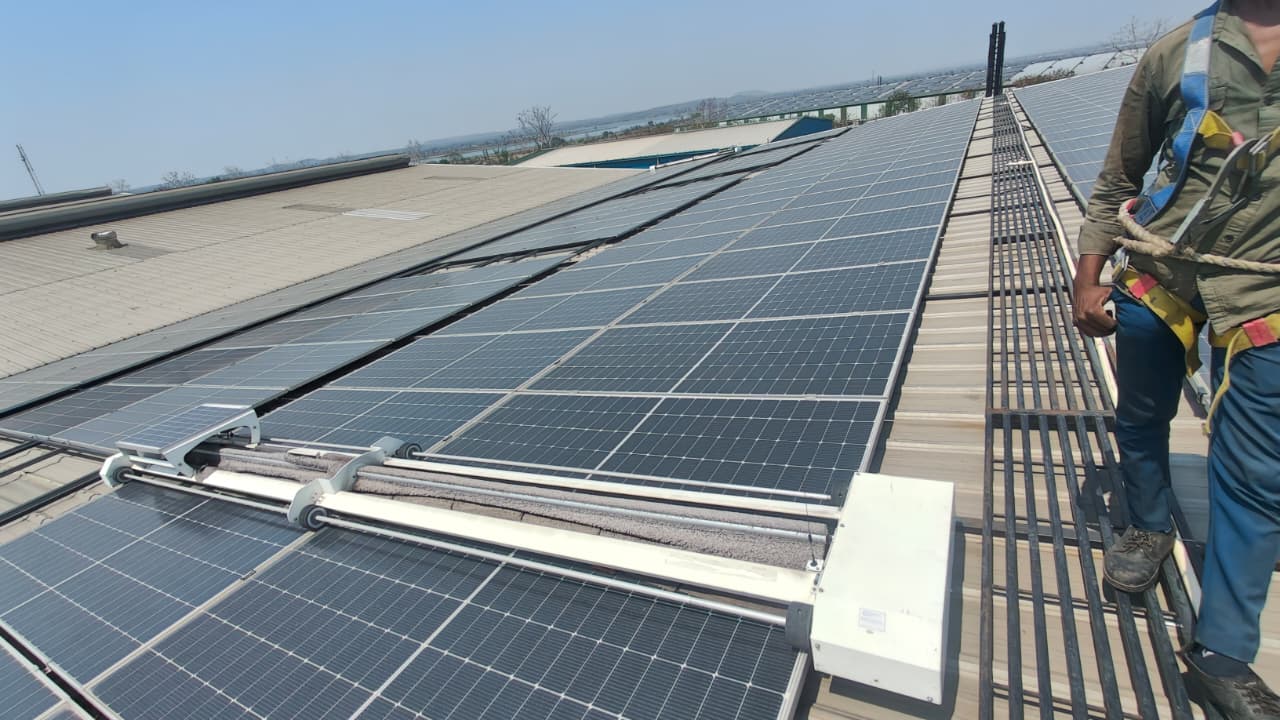
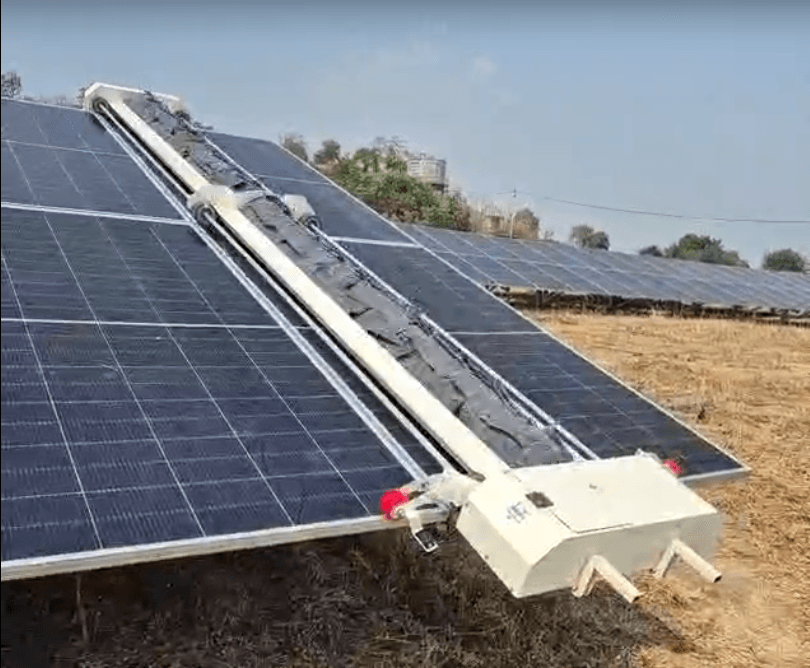
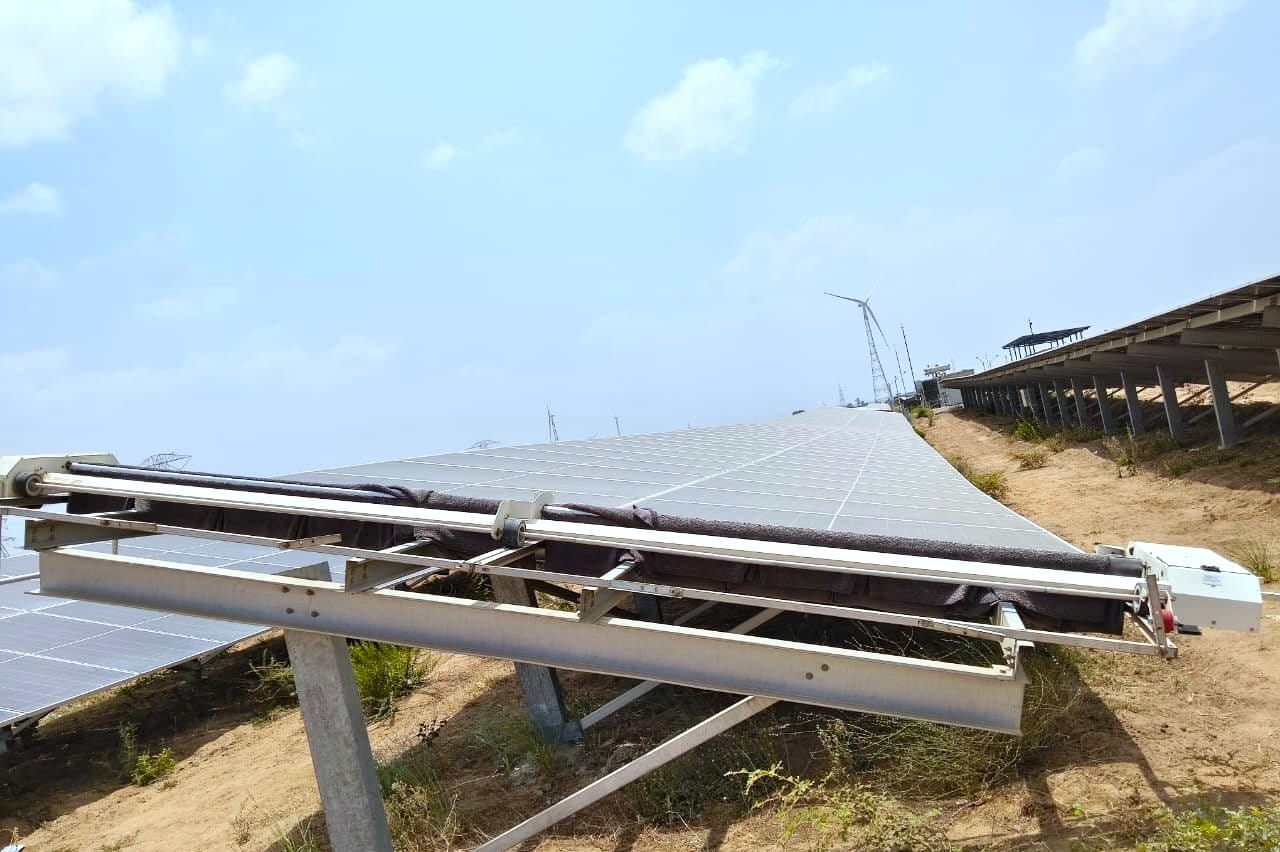
- Preserve tracker mechanical integrity: Manual module cleaning brush usage subjects torque tubes and bearings to uneven, high-leverage physical force. Robotic systems like the GLYDE-X or NYUMA-X operate with balanced, distributed weight, significantly lowering the risk of long-term mechanical misalignment or structural fatigue.
- Standardize cleaning for performance: Manual cleaning consistency often fluctuates based on crew turnover and shift fatigue. Automated systems ensure 99% cleaning efficiency, consistently protecting your Performance Ratio (PR) and preventing the micro-abrasions caused by improper brush pressure or contaminated water sources.
- Integrate data-driven operations: Modern O&M is about more than just clearing dust. Implementing a fleet management layer like NECTYR allows for real-time monitoring of soiling losses, helping you deploy resources only when and where they are required, which optimizes the lifecycle of your cleaning equipment.
- Evaluate CAPEX vs. OPEX flexibility: For large-scale portfolios, selecting a partner that offers both outright equipment purchase and managed service (OPEX) models allows you to balance immediate budget constraints with long-term O&M performance goals.
To deepen your understanding of these transitions, we recommend reviewing our analysis on solar panel maintenance checklists for 2026 and exploring the impact of new solar panel technologies on utility-scale output. By integrating these systems today, you are not just cleaning panels; you are securing the future yield of your solar asset.
Frequently asked questions
Utility-scale manual cleaning in India consumes 7,000–20,000 litres of water per MW annually, while waterless robotics cut this by up to 80%. Manual labor costs for 50 MW+ plants are typically 60% higher than autonomous systems due to workforce scaling and safety liabilities.
Automated systems reduce O&M costs by 60% compared to manual crews. At the 50 MW scale, manual labor becomes prohibitively expensive due to high workforce overhead and logistical scaling challenges. Furthermore, robotic systems are waterless, which helps plants reduce water consumption by up to 80% while ensuring consistent cleaning cycles that maintain a higher target performance ratio across the entire array.
Manual cleaning poses a long-term threat to PV modules due to the inconsistent pressure applied during scrubbing. This repetitive physical contact with a brush can lead to micro-cracks and surface scratches on the glass. These defects reduce the lifespan of the panels and negatively impact long-term energy yield, unlike specialized autonomous robots designed to clean without damaging module integrity.
In high-dust regions like Rajasthan, trackers require frequent, consistent cleaning to avoid performance losses. Manual scheduling constraints often lead to cycle delays, causing yield losses that can exceed 15%. To maintain an optimal performance ratio, asset managers must ensure cleaning cycles are strictly followed, which is best achieved through the standardized, repeatable scheduling capabilities of autonomous robotic systems.