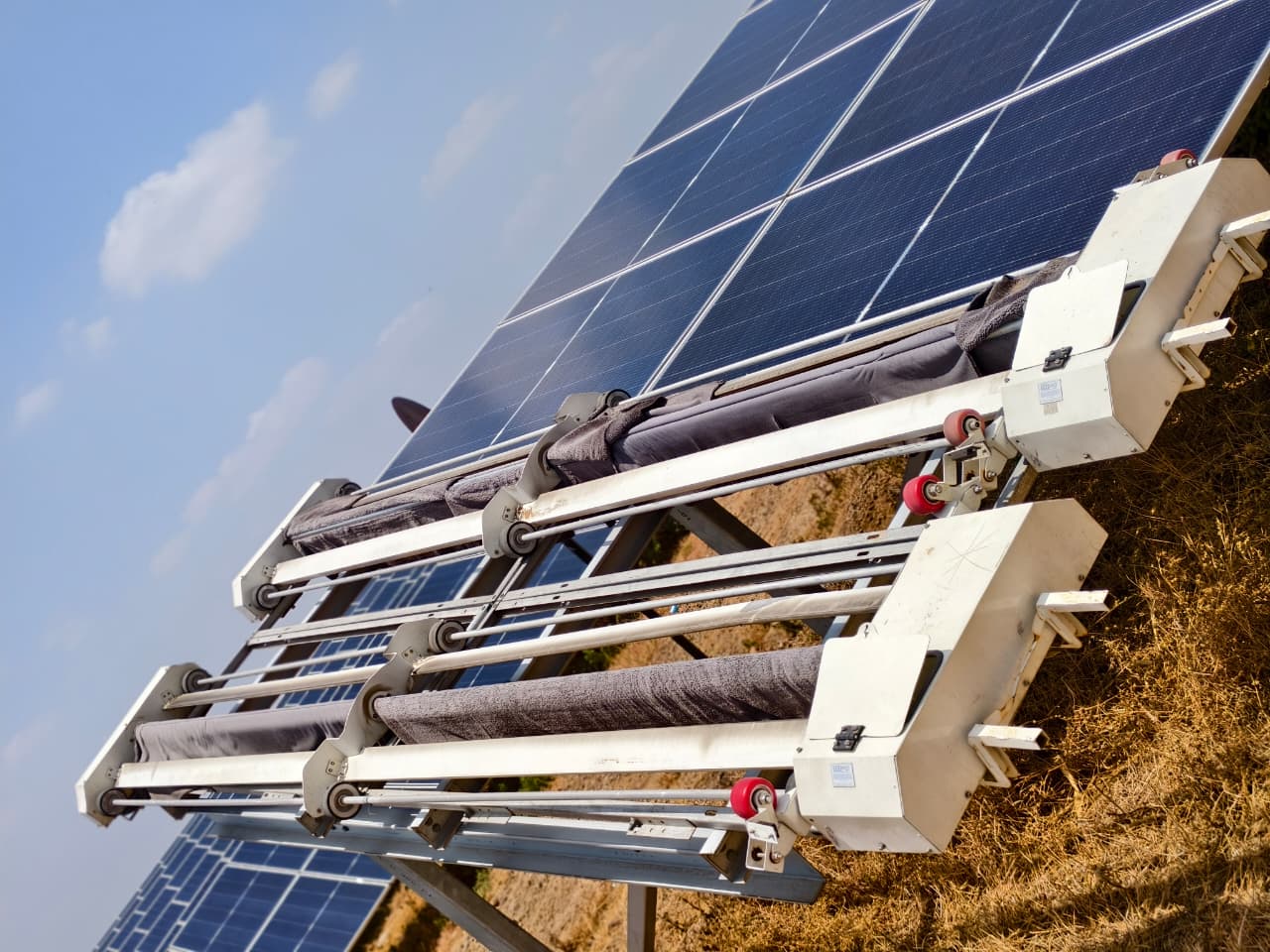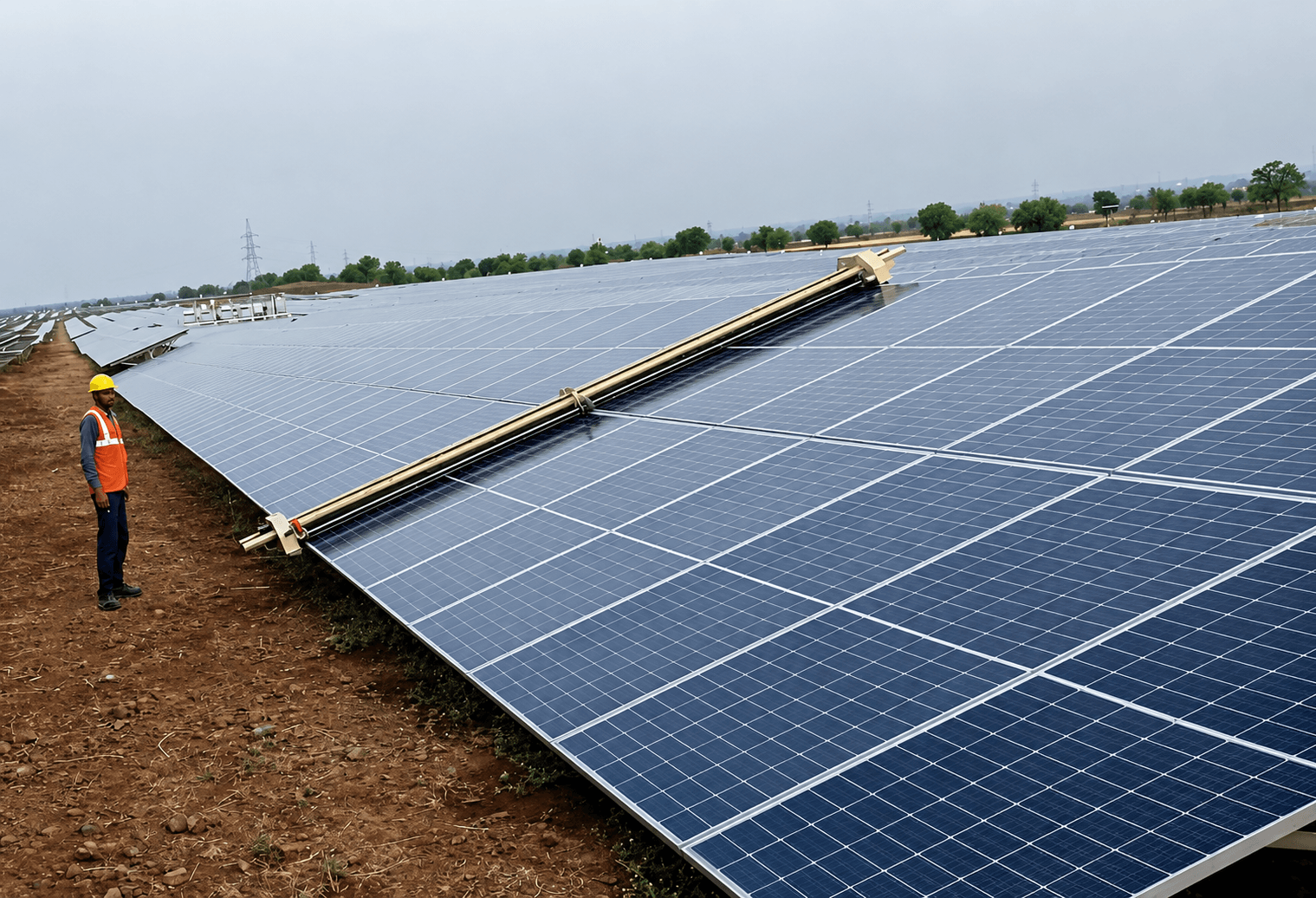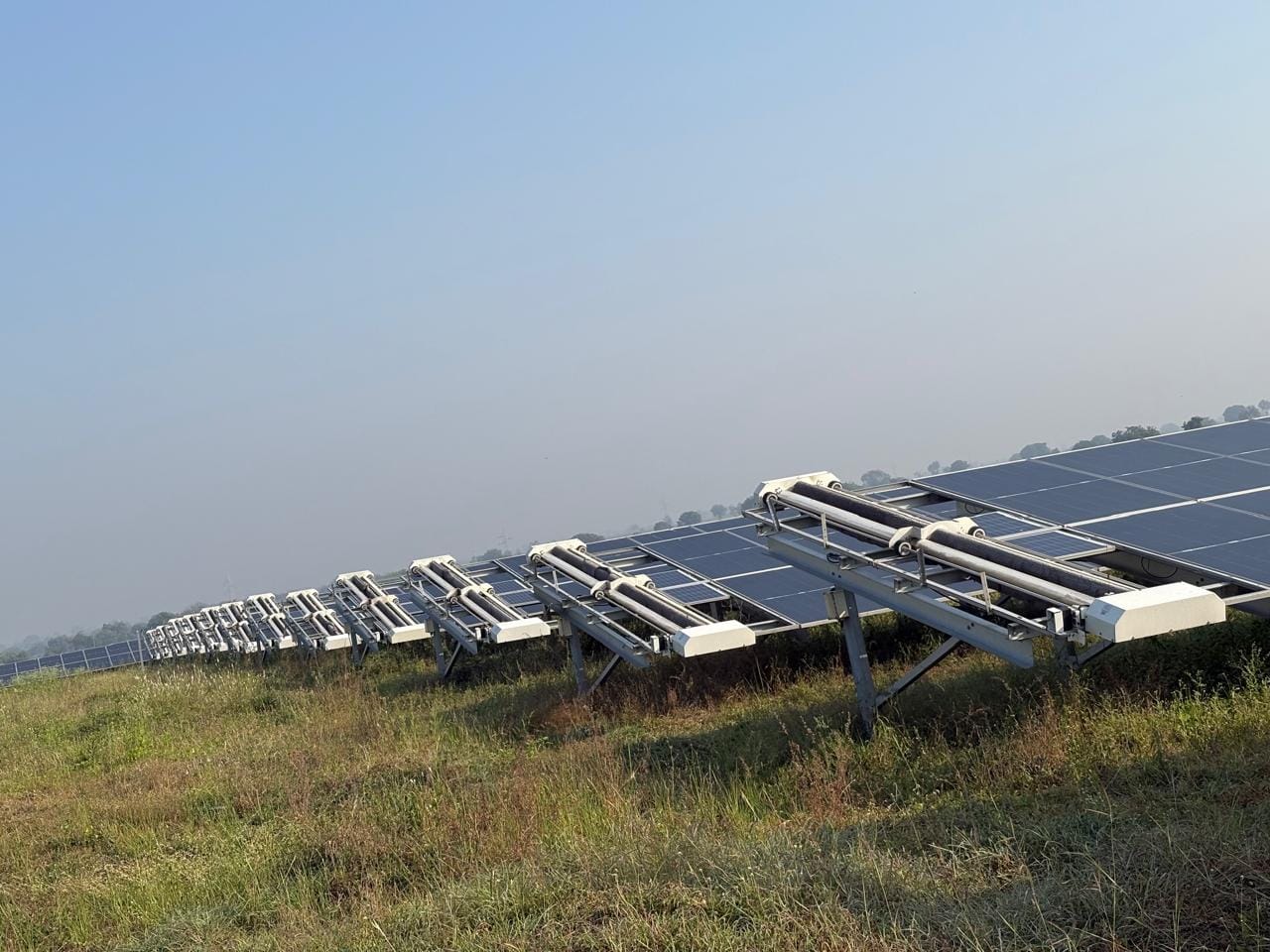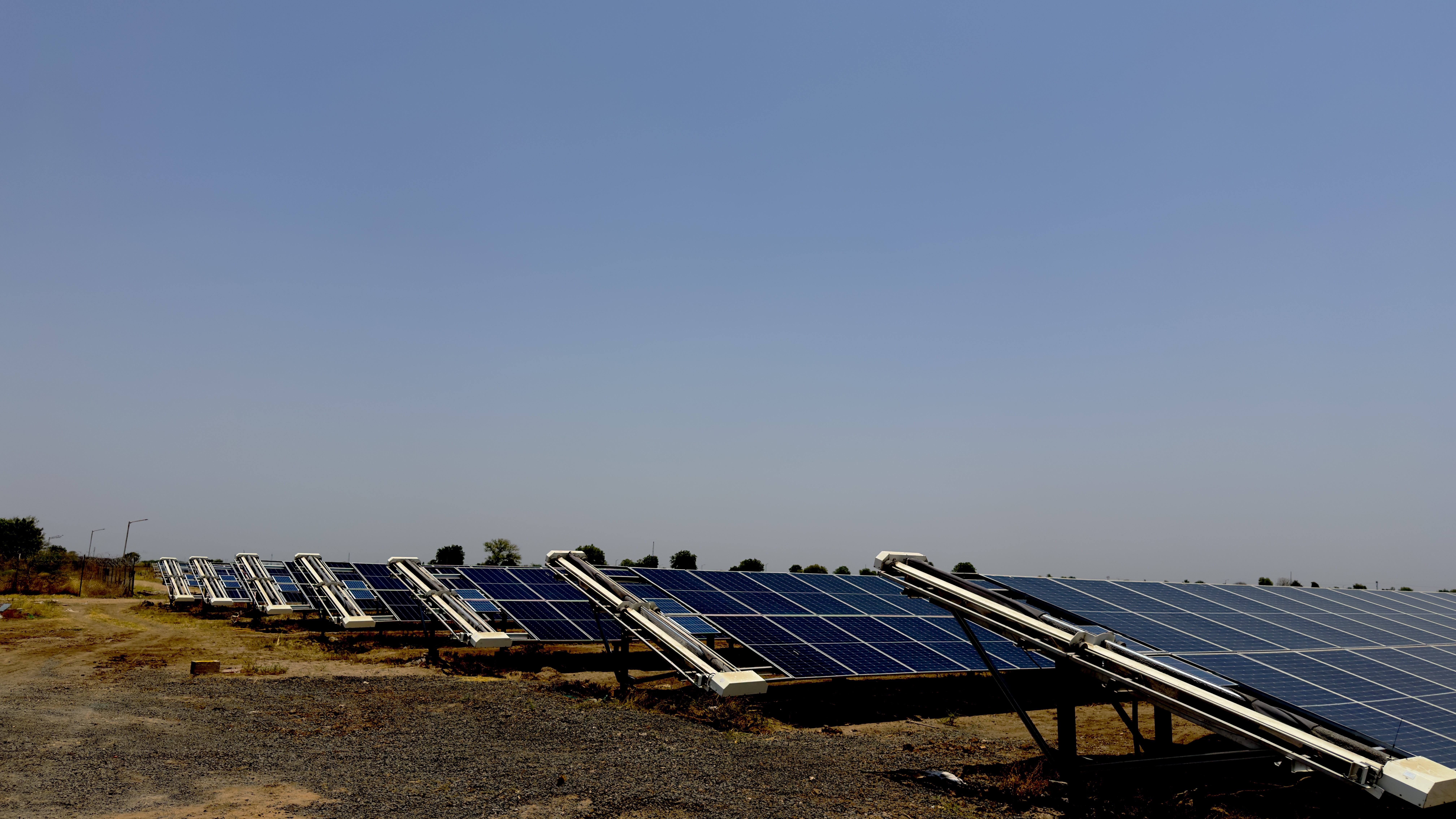

Deciding between manual and robotic cleaning requires a deep dive into labor safety compliance, manual risk exposure, and the efficiency of robotic cleaning. For Indian utility-scale plants, this choice determines your ability to meet CEA safety standards while maintaining peak generation in arid environments.
The Compliance Challenge: A 100MW Solar Site Scenario in Rajasthan
Imagine a 100MW utility-scale solar plant located in the high-dust corridors of Rajasthan. In these arid regions, industry-standard estimates suggest that soiling can lead to daily efficiency losses between 0.3% and 1.0%. To protect the plant's Performance Ratio (PR), the O&M schedule must be aggressive, often requiring cleaning cycles every few days to prevent significant revenue leakage.
When a plant relies on manual labor for these cycles, the scale of the operation introduces complex compliance requirements. Comparing labor safety compliance for manual vs robotic cleaning becomes a critical task for O&M managers during site auditing. Under the Occupational Safety, Health and Working Conditions Code (2020), plant managers are strictly responsible for protecting workers from extreme heat, falls, and electrical hazards. Scaling a manual workforce to cover 100MW of modules significantly increases the probability of safety incidents. Such incidents not only harm workers but also trigger investigations under CEA (Measures relating to Safety and Electric Supply) Regulations, potentially leading to operational shutdowns or legal liabilities.
The compliance burden extends to environmental and technical standards as well. In water-stressed regions like Rajasthan, the heavy water usage required for manual wet-cleaning can conflict with local sustainability mandates. Moreover, the technical execution must remain compatible with the module's design. As highlighted in PV module supplier plant maintenance strategies, how you clean is just as important as how often you clean. Improper manual handling can cause micro-cracks or damage the anti-reflective coating (ARC), which complicates warranty claims and long-term asset health.
Evaluating Manual Cleaning: Labor Risks and Safety Vulnerabilities
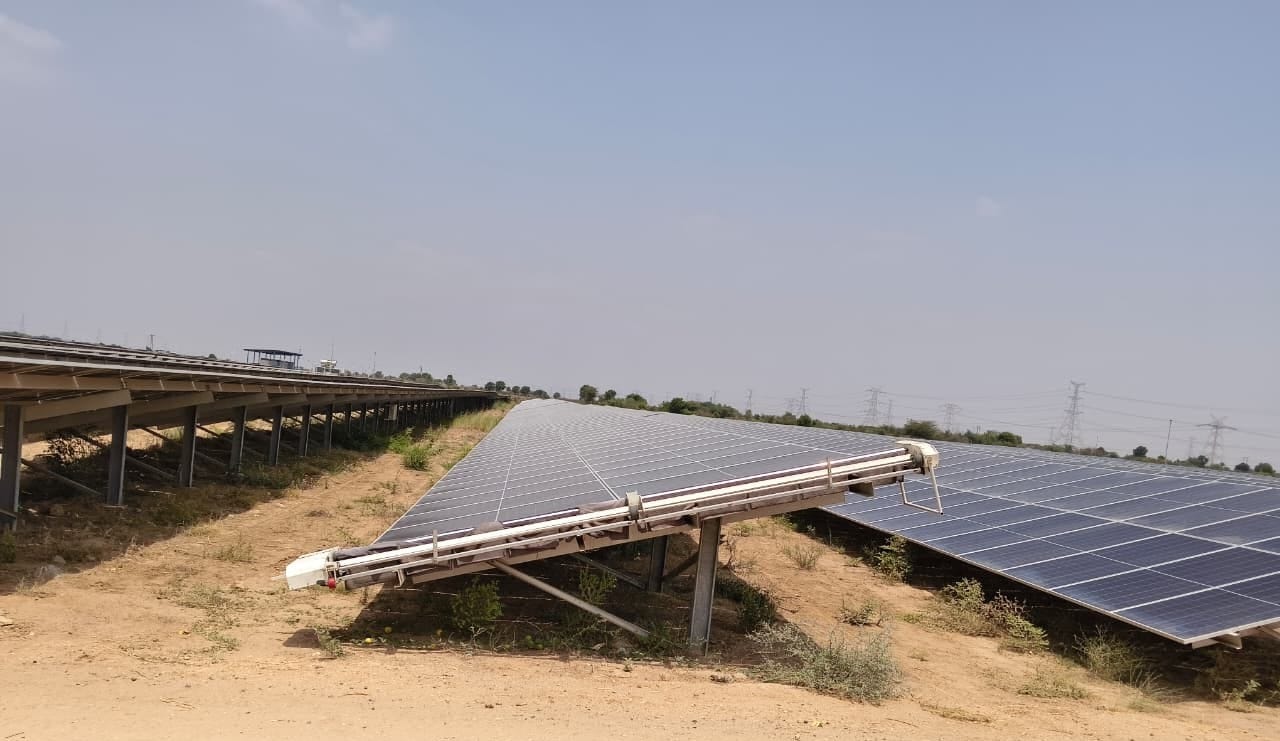
Manual cleaning operations on 50MW+ sites in India face inherent risks that often exceed the risk appetite of modern IPPs. When cleaners navigate rows of PV modules in regions like Gujarat or Karnataka, they are frequently exposed to high ambient temperatures that reach 45°C, increasing the risk of heat exhaustion and worker fatigue. Beyond thermal stress, the physical nature of moving heavy, water-filled hoses and manual brushes across uneven terrain creates significant trip and fall hazards. These dangers are further complicated by the proximity of high-voltage DC cabling, which requires specialized training that general laborers may lack.
The safety vulnerability is not just personal but also systemic. Every instance of an O&M worker leaning on a module frame or stepping between rows introduces a high probability of mechanical damage. Even minor micro-cracks from localized pressure can lead to hot spots, reducing panel longevity and voiding warranty protections provided by PV module supplier plant maintenance agreements. In the context of the Occupational Safety, Health and Working Conditions Code (2020), these physical risks necessitate high-cost insurance premiums and rigorous safety audits that escalate the operational expenditure (OPEX) of a manual cleaning program.
For plant managers, the shift to robotic solutions is often driven by the need to eliminate these variables. While manual teams require constant supervision and specialized HR overhead to maintain safety compliance, automated systems function within defined, non-human-centric parameters. Reducing the presence of human personnel in the active generation blocks not only lowers the risk of workplace accidents but also ensures that the cleaning process is predictable, repeatable, and documented. This shift effectively decouples generation performance from the risks associated with large-scale manual deployment in harsh industrial environments.
Navigating Regulatory Standards: CEA and MNRE Compliance in India
Compliance in Indian utility-scale solar is not a suggestion; it is a mandatory requirement enforced by several regulatory bodies. For O&M managers, evaluating labor safety compliance manual robotic cleaning options is a key component of risk mitigation. Integrating automated cleaning into the site plan helps avoid the heavy legal penalties and operational shutdowns that follow workplace accidents.
The Occupational Safety, Health and Working Conditions Code (2020) serves as the primary legal pillar. This code mandates strict protections for workers against extreme environmental hazards common in Indian PV plants. In high-irradiance states such as Rajasthan or Gujarat, this specifically includes managing heat stress and preventing heatstroke among manual cleaning crews. Failure to document safety training, provide adequate hydration, or supply appropriate protective gear can lead to severe legal penalties under this code.
Electrical safety protocols are strictly governed by the CEA (Measures relating to Safety and Electric Supply) Regulations. Manual cleaning crews often navigate rows while working in close proximity to high-voltage DC cabling. Any incident involving electrical shock or improper grounding during wet-cleaning processes triggers intensive investigations by the Central Electricity Authority. Transitioning to autonomous, waterless systems allows a plant to significantly reduce the presence of human personnel in high-risk electrical zones, which aligns directly with CEA safety mandates.
Advertisement
Furthermore, the MNRE (Ministry of New and Renewable Energy) provides the overarching technical frameworks that influence solar park development. As the industry moves toward greater environmental stewardship, MNRE-aligned projects are increasingly scrutinized for their water consumption. Utilizing a solar cleaning service in India that prioritizes robotic, waterless technology helps plants stay compliant with local water conservation guidelines. This compliance is becoming a critical metric for the long-term viability and approval of large-scale solar projects in water-stressed regions.
Decision Matrix: Comparing Manual vs Robotic Cleaning Methods
Choosing between manual labor and autonomous systems requires a multi-dimensional evaluation. For utility-scale assets in India, the decision is rarely just about the cost of a brush versus the cost of a robot. It involves weighing long-term labor safety compliance manual robotic cleaning risks against operational predictability, water scarcity constraints, and the ability to maintain a stable Performance Ratio (PR).
Plant managers must consider the specific layout of their site. A 100 MW plant with fixed-tilt arrays in a water-stressed region like Rajasthan faces a different risk profile than a 20 MW tracker-based site in a high-humidity coastal zone. While manual cleaning offers low initial CAPEX, the escalating costs of safety compliance, insurance, and water procurement often make robotic solutions more viable as the plant matures.
| Decision Criterion | Manual Cleaning (Labor-Intensive) | Robotic Cleaning (Autonomous) |
|---|---|---|
| Labor Safety & Compliance | High risk (heat stress, falls, electrical contact); high HR/compliance overhead. | Minimal human presence in active generation blocks; aligns with CEA safety mandates. |
| Water Consumption | High (often requires significant volumes for effective dust removal). | Low to Zero (waterless technologies like Taypro's dual-pass microfiber). |
| Operational Consistency | Variable (dependent on crew skill, weather, and human fatigue). | High (predictable, repeatable, and scheduled via NECTYR software). |
| Module Protection | Risk of micro-cracks from uneven pressure or abrasive tools. | Controlled pressure and specialized materials (PBT brushes or microfiber). |
| Scalability (MW Scale) | Difficult (requires proportional increase in manpower and supervision). | High (fleets can be scaled; one operator manages multiple robots). |
| Typical OPEX Trend | Increases with labor laws and rising water costs. | Decreases over time as technology matures and scale increases. |
When evaluating these methods, it is also critical to review your existing PV module supplier plant maintenance agreements. Many manufacturers now offer specific warranties that are contingent upon using approved, non-abrasive cleaning methods. Moving from manual scrubbing to a robotic system often simplifies the documentation required to prove warranty compliance during audits.
For managers focusing on the long-term financial health of the asset, comparing CAPEX vs OPEX models is essential. A robotic deployment might require a higher upfront investment, but the mitigation of labor-related legal risks and the recovery of lost generation through consistent cleaning schedules often provide a superior internal rate of return (IRR) over the plant's 25-year lifecycle.
How does automating cleaning improve labor safety compliance?
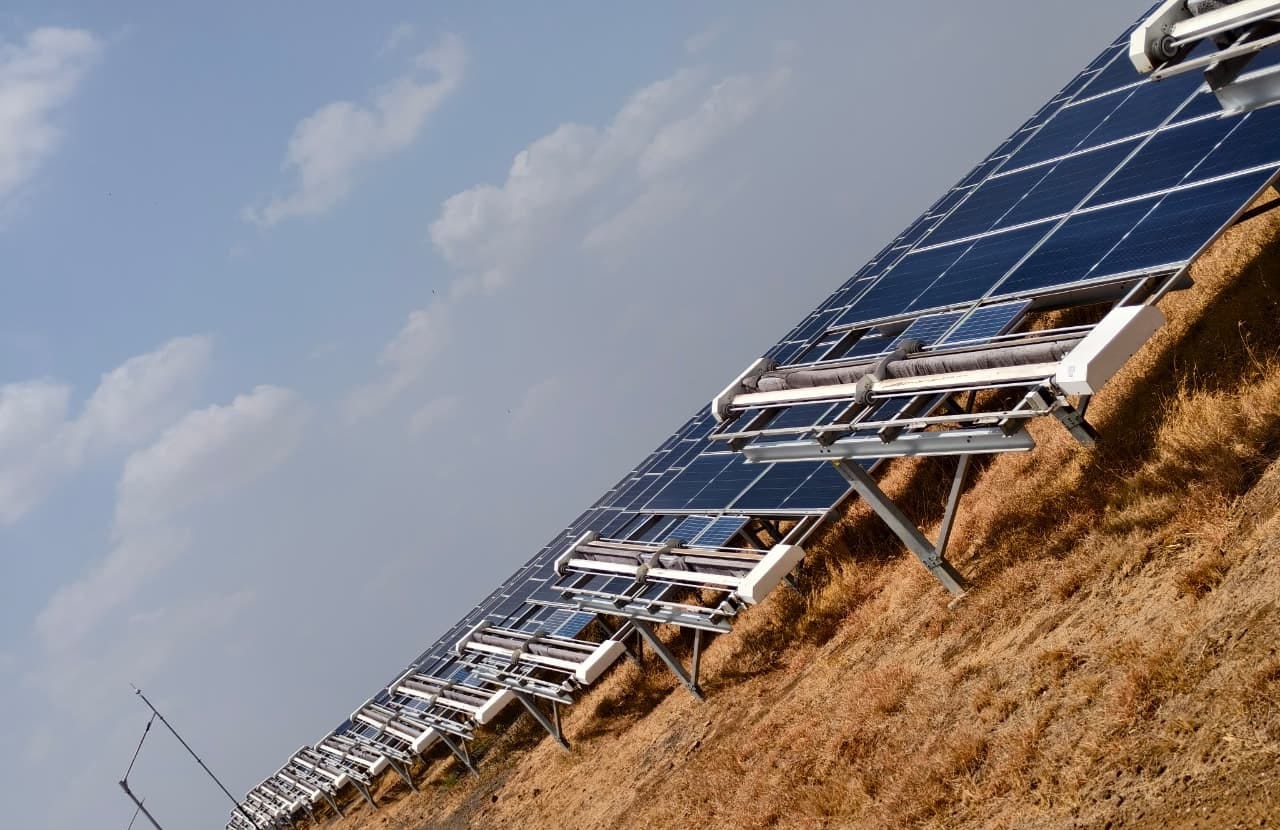
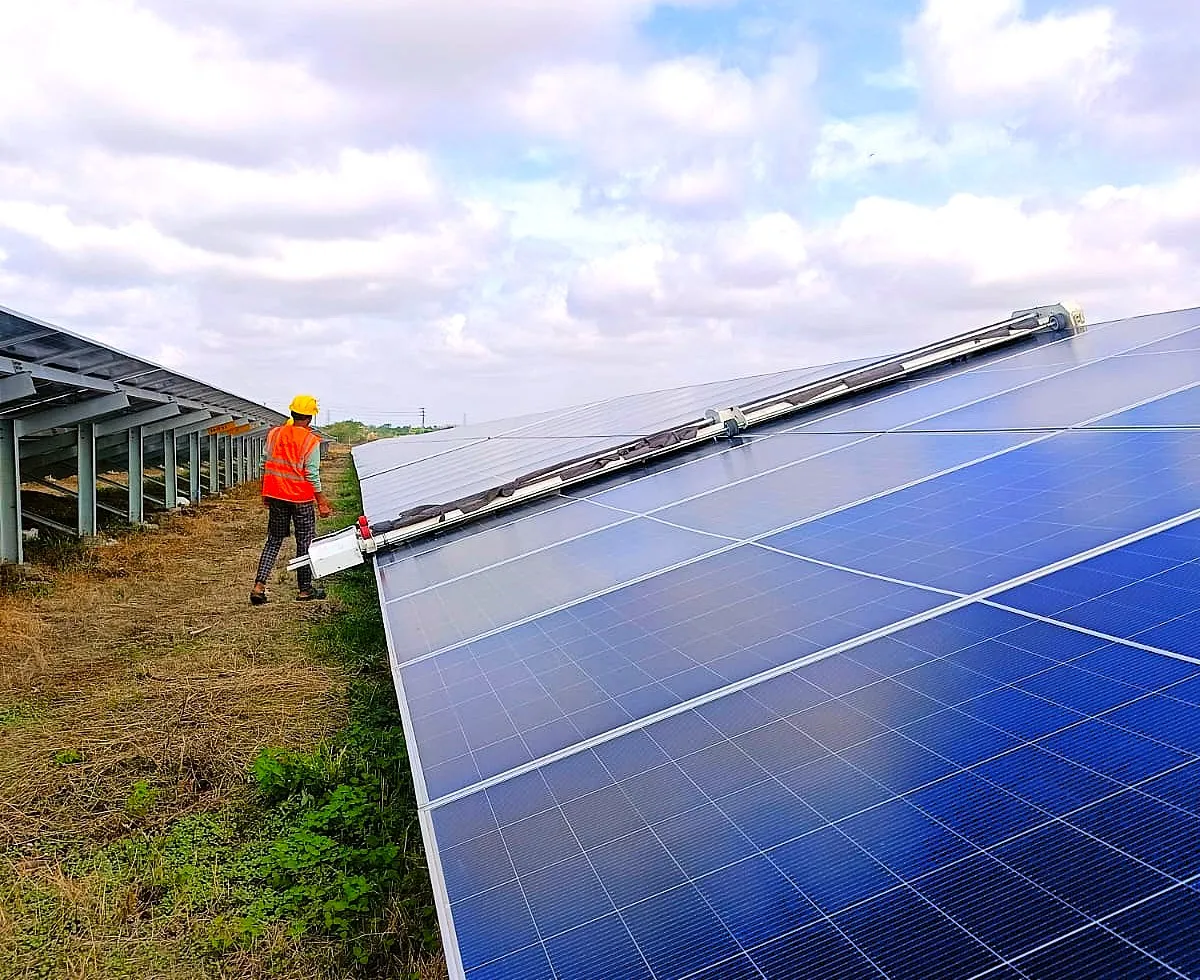
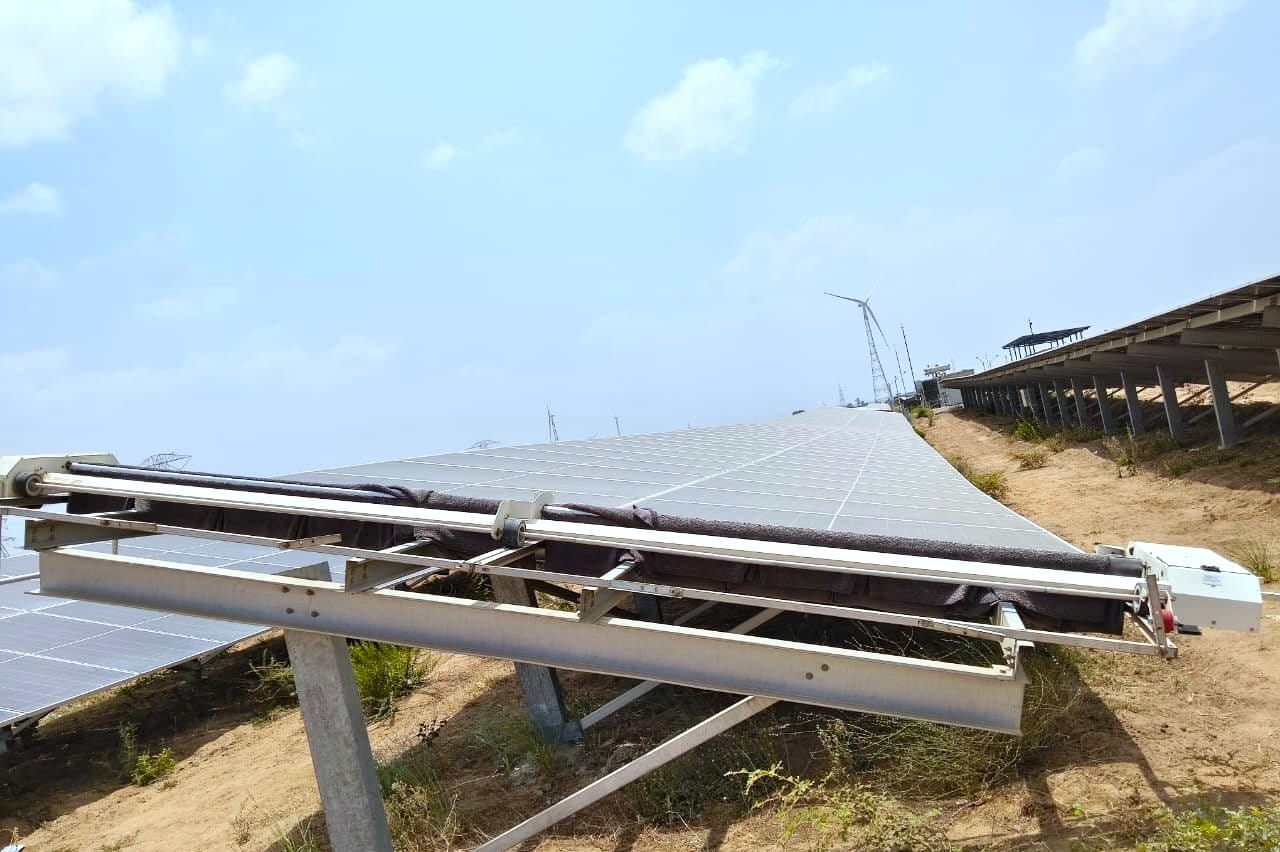
Automating cleaning processes significantly reduces the reliance on manual intervention, which is the primary source of safety risk for utility-scale solar sites in India. By deploying autonomous units like the GLYDE or NYUMA, plant operators eliminate the need for human personnel to work at height, traverse uneven desert terrain, or operate in extreme heat conditions prevalent in regions like Rajasthan and Gujarat. This transition directly addresses the compliance mandates outlined in the Occupational Safety, Health and Working Conditions Code (2020).
When a site shifts to automated cleaning, the physical footprint of the O&M team within the active generation block drops significantly. This separation of personnel and high-voltage equipment naturally aligns with the Central Electricity Authority (CEA) safety guidelines. Reducing human exposure to the live electrical infrastructure limits the probability of accidental contact, arc flash incidents, and standard workplace injuries like heat exhaustion or musculoskeletal strain.
Furthermore, automation provides a data-backed trail of safety compliance. Systems integrated with fleet monitoring portals like NECTYR document every cleaning session, the robot movement, and system status without requiring physical presence. For plant auditors and regulatory bodies, this digital audit log serves as definitive proof that the facility follows safe, standardized operating procedures. By minimizing human risk, asset owners not only protect their workforce but also stabilize their operational insurance premiums and reduce the potential for liability claims associated with manual field work.
Implementation Roadmap: Transitioning from Manual to Robotic Cleaning
For a successful shift, O&M managers should execute a staged implementation that preserves generation while mitigating risk. Start by auditing your current cleaning program and identifying sites with the highest soil-induced yield losses. A typical 50 MW plant in a high-soiling area can see 2% to 5% increases in LCOE when cleaning is unoptimized or inconsistent. The transition roadmap below ensures technical continuity and regulatory adherence.
- Phase 1: Site Audit and Data Collection. Map out topography, array layouts, and average seasonal soiling losses to determine the optimal robot model. Use existing SCADA data to identify high-soiling zones that require prioritized cleaning.
- Phase 2: Pilot Deployment. Deploy a small test fleet on a subset of the plant to validate cleaning performance, connectivity via NECTYR, and battery efficiency in real-world conditions.
- Phase 3: Integration and Safety Training. Conduct safety briefings for the existing O&M team on how to manage, monitor, and troubleshoot robotic units while maintaining distance from active module rows.
- Phase 4: Full-Scale Commissioning. Scale the fleet across the entire site, ensuring the charging infrastructure and communication network are robust enough to handle the full MW capacity.
- Phase 5: Performance Monitoring. Use daily telemetry to compare PR recovery post-cleaning against historical manual performance data. Continuously refine schedules to account for seasonal dust patterns and weather.
Key Takeaways for Utility-Scale O&M Managers
Deciding between manual cleaning and robotic automation is a fundamental choice between managing high-risk labor and implementing high-efficiency technology. For utility-scale assets in India, this decision impacts not just the bottom line, but the very safety of your workforce and your ability to remain compliant with evolving national standards.
Prioritizing Safety and Regulatory Compliance
As regulatory scrutiny increases under the Occupational Safety, Health and Working Conditions Code (2020), plant managers must move beyond traditional cleaning methods that rely on intensive manual labor. The primary risks in Indian utility sites, such as heat exhaustion in Rajasthan or electrical hazards in high-voltage DC environments, can be significantly mitigated through automation. Transitioning to autonomous units like the GLYDE or NYUMA series allows you to decouple human personnel from the active generation blocks, aligning your operations with CEA (Measures relating to Safety and Electric Supply) Regulations and reducing the liability associated with workplace injuries.
Ensuring Economic and Resource Resilience
Beyond safety, the operational impact of your cleaning choice is measurable in your plant's long-term performance. Manual cleaning often suffers from inconsistency, leading to unoptimized soiling cycles that can increase the Levelized Cost of Electricity (LCOE) by 2% to 5%. Robotic systems provide the consistency required to protect your Performance Ratio (PR) and maximize generation. Furthermore, in water-stressed regions of Gujarat and Karnataka, the 80% to 90% reduction in water consumption offered by waterless robotic cleaning is no longer just an environmental benefit; it is a critical strategy for operational continuity in the face of tightening water regulations.
Final Decision Checklist for IPPs and EPCs
When evaluating your next O&M upgrade, use the following criteria to determine if your facility is ready for a transition to robotic cleaning:
- Regulatory Audit: Does your current manual cleaning schedule meet the safety mandates of the 2020 Occupational Safety Code and CEA guidelines?
- Risk Profile: Is your workforce regularly exposed to extreme temperatures (above 40 degrees Celsius) or difficult terrain that increases the likelihood of injury?
- Water Availability: Is your plant located in a region where water scarcity poses a risk to your scheduled cleaning frequency?
- Data Requirements: Do you require a digital, timestamped audit trail of all cleaning activities for investors, auditors, or insurance providers?
- Technical Compatibility: Have you verified that your chosen robotic solution (such as GLYDE-X for trackers or NYUMA for fixed-tilt) is compatible with your specific module architecture and mounting systems?
By shifting from a labor-intensive model to a data-driven, robotic approach, utility-scale operators can transform cleaning from a high-risk operational burden into a streamlined, compliant, and value-adding component of their O&M strategy.
Sources and further reading
Frequently asked questions
Critical factors include adhering to CEA safety standards and the Occupational Safety, Health and Working Conditions Code (2020) to protect workers from risks such as extreme heat, falls, and electrical hazards.
Yes, because scaling a manual workforce for large-scale sites increases the probability of safety incidents, which can trigger investigations under CEA regulations and lead to operational shutdowns or legal liabilities.
In water-stressed regions like Rajasthan, manual wet-cleaning requires heavy water usage that can conflict with local sustainability mandates, whereas robotic methods offer a more efficient alternative.
Yes, improper manual handling can cause micro-cracks or damage the anti-reflective coating (ARC), which complicates long-term asset health and potentially jeopardizes warranty claims.