
Summary for plant managers
Integrating retrofit-friendly cleaning robots into legacy Indian solar plants requires a systematic assessment. Focus on your existing mounting structures and tracker geometry. Asset owners operating 5MW+ sites in regions like Rajasthan or Gujarat can improve their Performance Ratio (PR). Adopt robotic solutions that avoid mechanical stress on aging module frames and trackers. You can manage site-specific soiling rates, which often range from 10% to 30%, while reducing water use.
- Compatibility Check: Verify the robot load against your mounting structure and tracker torque specifications before deployment.
- Soiling Loss Mitigation: Modern robotic cleaning recovers energy losses that often reach 10% to 30% in dusty, water-stressed regions.
- Water Efficiency: Transitioning to waterless robotic systems can reduce site water consumption by up to 90% compared to wet-cleaning.
- Implementation Scale: Start with a pilot program on a single block. This helps validate PR impact before scaling fleet-wide operations.
O&M teams often struggle with inconsistent manual cleaning. Automated platforms provide a reliable way to stabilize generation. Whether your site uses fixed-tilt arrays or single-axis trackers, align the robot weight with your structural health. Effective O&M planning also considers predictive soiling models. Learn more in our guide on predictive soiling models. You may also find that deploying semi-automatic robotic cleaning offers a flexible entry point without massive immediate costs.
Defining 'retrofit-friendly' for legacy Indian PV assets
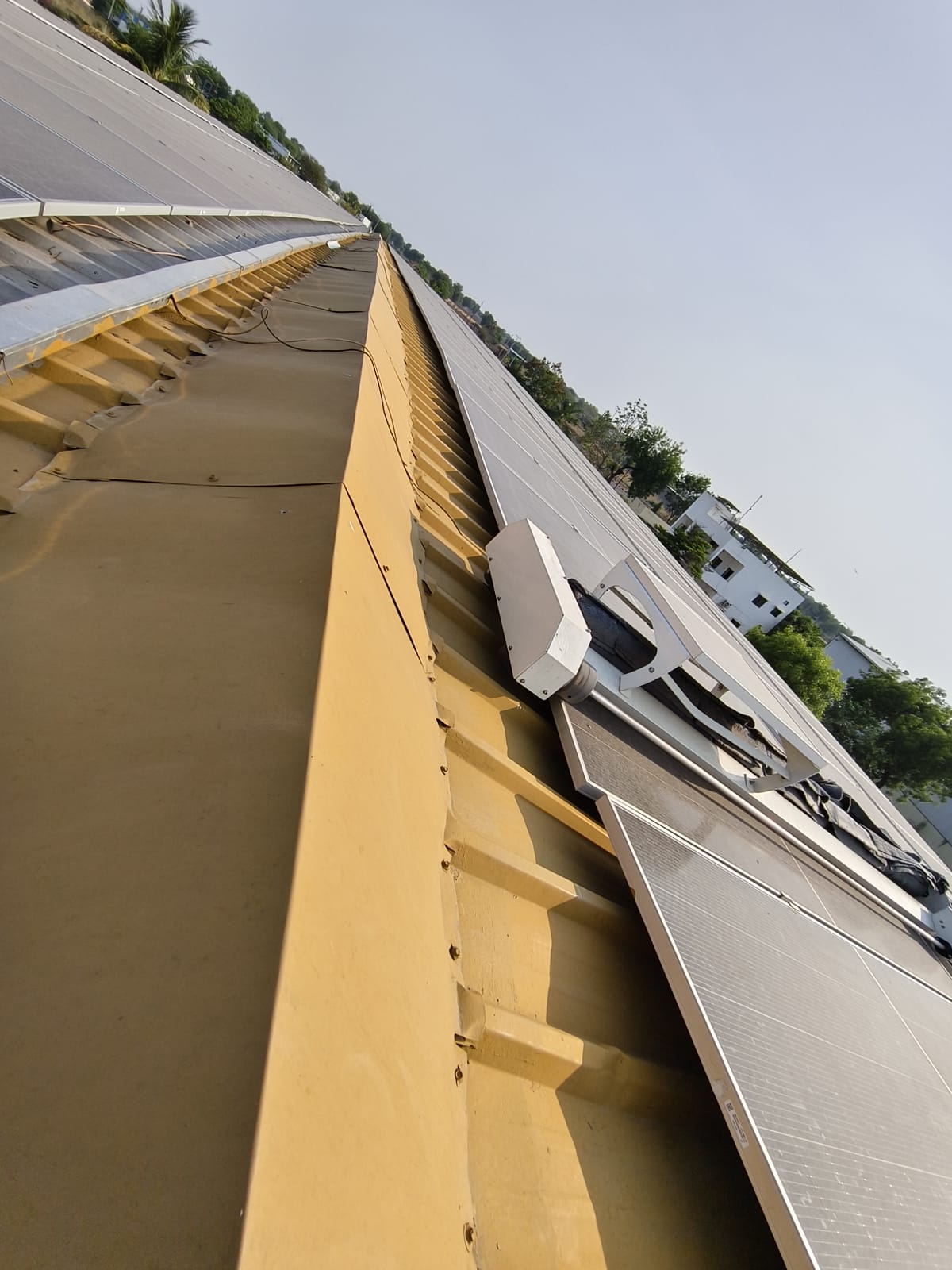
A retrofit-friendly robot must operate within the constraints of structures built years ago. Legacy plants often have frame variability and structural settling that modern robots cannot easily navigate. A truly friendly system adapts its movement to these site imperfections. It avoids forcing the structure to match narrow tolerances.
The main hurdle is the load-bearing capacity of existing structures. Many legacy fixed-tilt mounts were designed for static loads and manual access. They were not built for the repetitive weight of an autonomous fleet. A retrofit-friendly solution must distribute its weight efficiently. It should ensure point-loading stays within safety limits defined by the manufacturer. For single-axis trackers, the robot must account for varying tilt angles without putting torque on drive motors or bearings.
Retrofit-friendly robots also prioritize ease of deployment. The system should rely on the modules for navigation. It should use existing gaps rather than requiring major structural changes. In India, this compatibility is essential for maintaining warranty compliance. Before deploying on a 50MW+ site, O&M teams must audit the structure. Ensure the robot does not compromise module seals or frame integrity. Retrofitting helps extend the life of your infrastructure without costly upgrades.
Technical assessment: Can your cleaning robots work with existing mounting structures?
Assessing structural compatibility is the most critical phase. Many assets installed before 2020 lack standardized frame spacing. Before buying, your team must audit all module interfaces. Determine if your array supports the weight and movement of a robotic fleet.
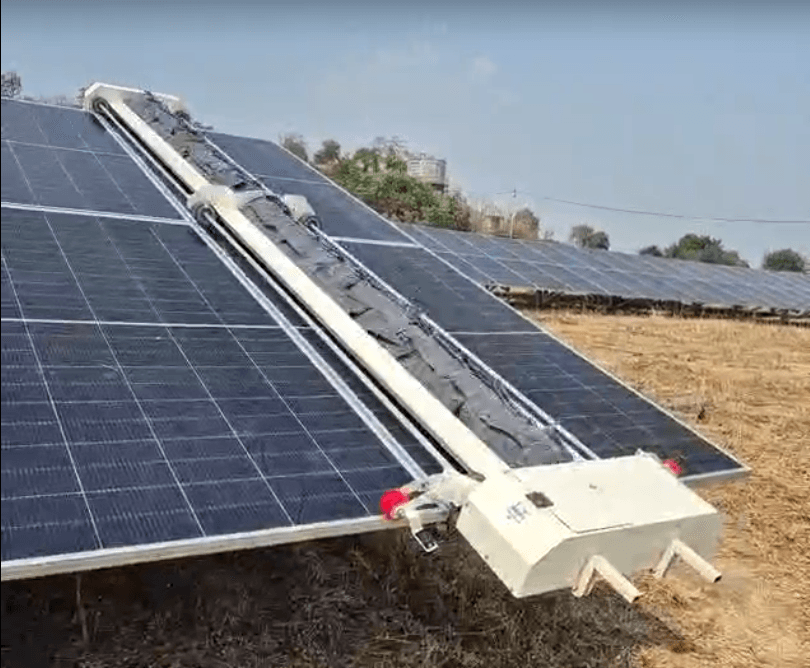
For single-axis trackers, verify the drive system and torque tube integrity. Robots weighing between 26 kg and 39 kg, like the NYUMA-X or GLYDE-X, suit these loads if bearings are in good condition. Check for pinch points at the end of each table. Legacy tracker designs often have exposed fasteners that can block a cleaning system.
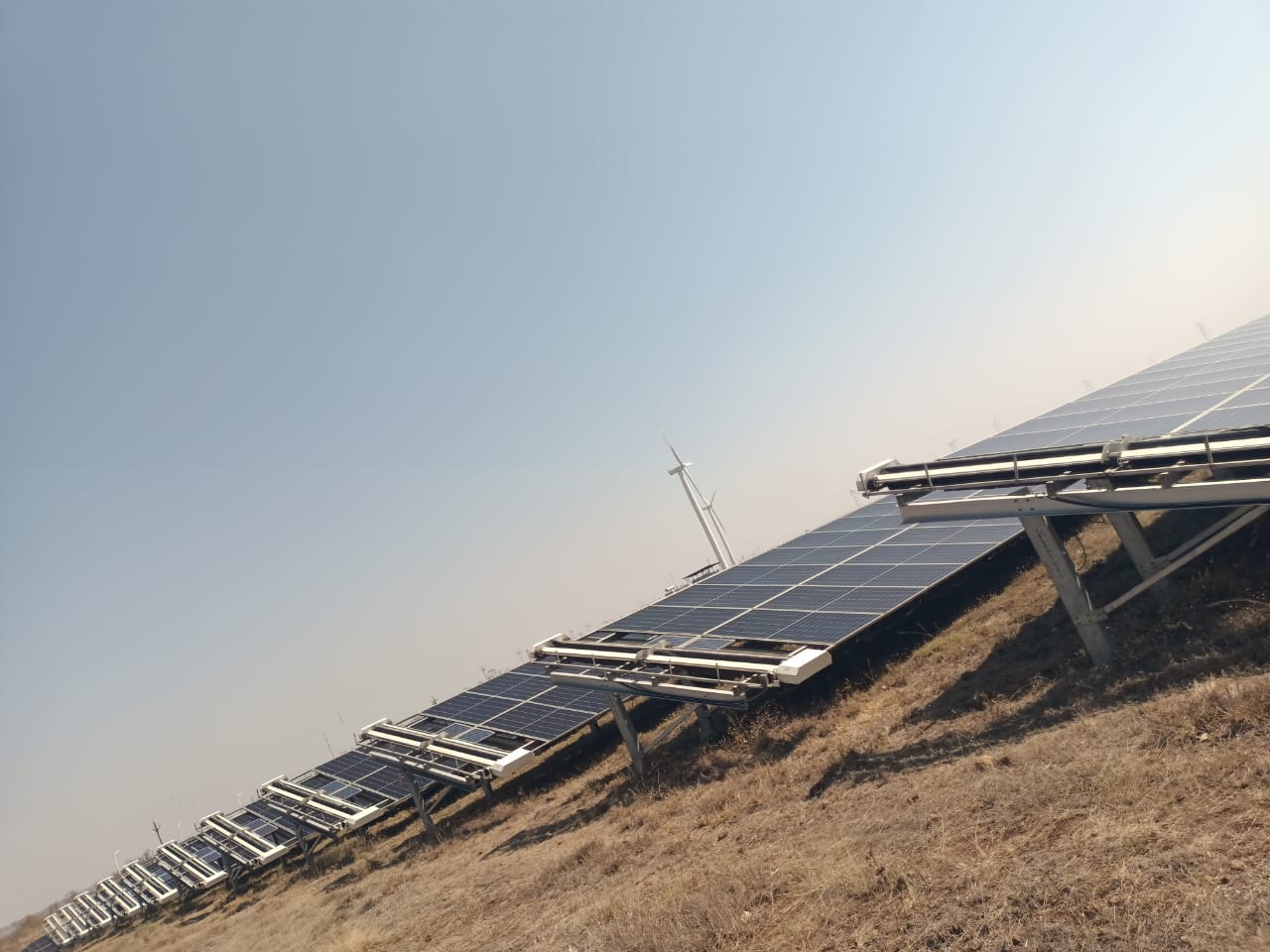
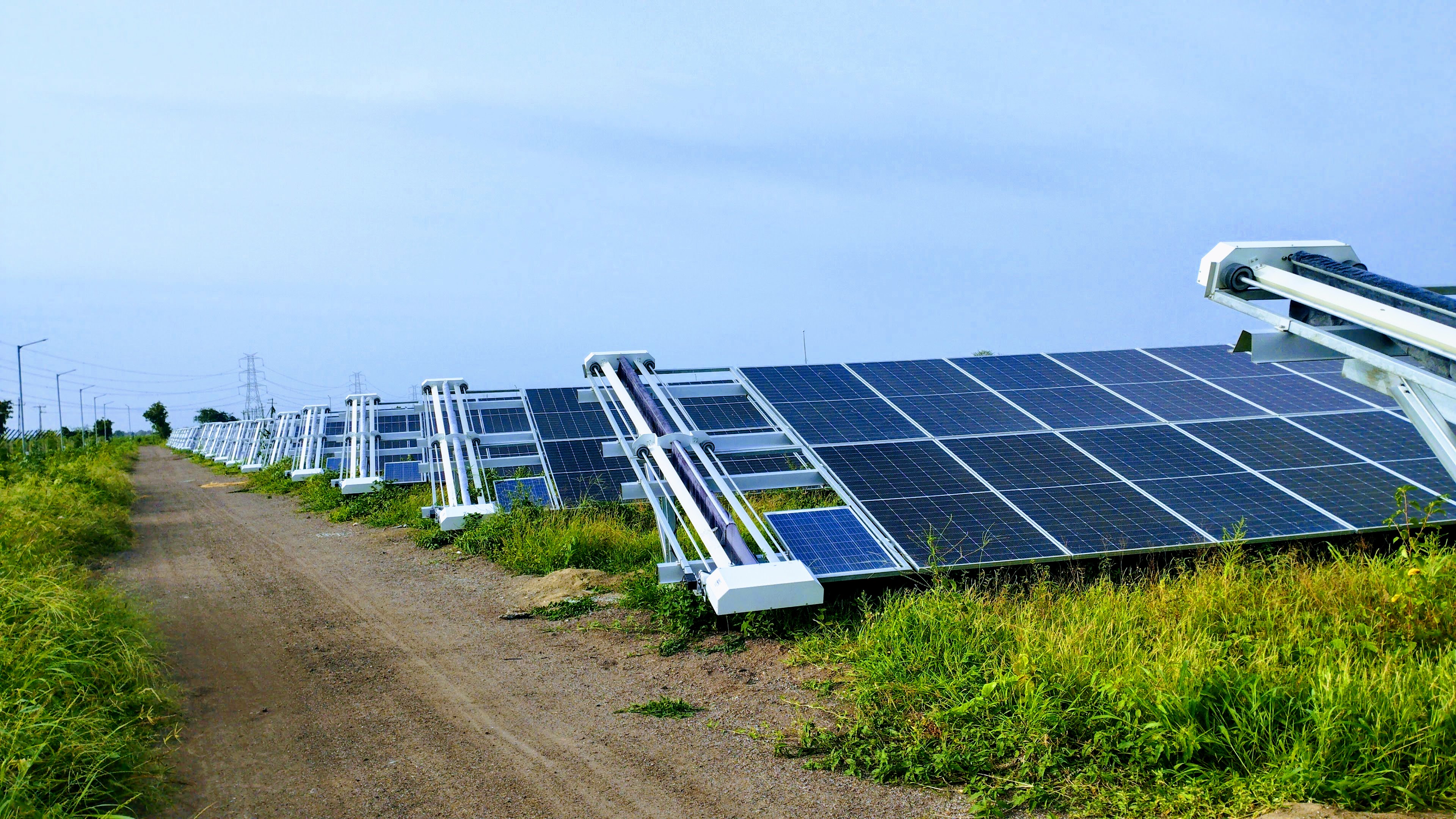
For fixed-tilt sites, focus on rail-based or module-navigating mobility. If your plant lacks end-row tracks, look for systems that use the frame for navigation. Ensure module edge seals meet modern load-bearing standards. Examine the following structural factors during your audit:
- Frame protrusion depth: Ensure no bolts rise more than 5 mm above the frame. This prevents damage to the cleaning mechanism.
- Row spacing and uneven terrain: Verify the incline limits of your robot. Many legacy sites in India have uneven slopes that exceed 15 degrees.
- Module-to-structure stability: Check that all module clamps are tight. Loose modules can shift under brush vibration.
- Bifacial module vulnerability: If you use bifacial modules, ensure the robot pressure is on the frame. Avoid force on the rear glass surface.
Documenting these variables helps create a compatibility profile. This data decides whether to deploy a fully autonomous fleet or a semi-automatic model like the HELYX. For more on optimizing site logistics, see our guide on site preparation for automatic solar panel cleaning.
Step-by-step: Implementing robotic cleaning on a 50MW+ legacy site
Deploying automated solutions at a 50MW+ asset requires a data-driven workflow. Start with a structural and electrical audit to confirm load capacity. Confirm connectivity for software like NECTYR. Do not rush the rollout. Start with a 5MW pilot block to validate performance.
Follow this five-phase plan to minimize downtime:
- Phase 1: Asset mapping. Assess module frame integrity and gaps. Determine if your plant needs specialized tracker robots or fixed-tilt variants.
- Phase 2: Power and connectivity. Establish a communication mesh across the initial block. Validate that docking stations charge correctly and telemetry data transmits to your portal.
- Phase 3: Performance baseline. Operate the pilot for 15 days to track PR improvements. Compare results against manual logs to calculate the breakeven timeline.
- Phase 4: Scaled fleet integration. Deploy units based on pilot findings. Use satellite data to optimize schedules and avoid cleaning during monsoons. Read more about optimizing cleaning frequency.
- Phase 5: Maintenance and handoff. Train your team to handle robot diagnostics and firmware updates. Consider an Opex service model for larger portfolios, as described in our guide on robotic cleaning as a managed service.
Document each phase for your insurance and warranty providers. Keep the contact pressure within manufacturer limits to protect your hardware.
How often should you clean solar panels on a legacy tracker plant?
In high-dust regions like Rajasthan, legacy plants face daily soiling losses of 0.2% to 0.5%. For an optimized PR, clean panels when losses exceed 2% to 3%. At a 50MW+ scale, calendar-based cleaning is rarely cost-effective. It ignores fluctuating particulate matter and wind patterns. Modern O&M teams now shift toward conditional cleaning. They use satellite data to trigger robots only when revenue gain exceeds the cleaning cost.
On trackers, frequency depends on mechanical wear. Your robot must be compatible with the specific table dynamics and cable management of your design. Limit cleaning to once every 7 to 10 days during peak soiling. Alternatively, use predictive models to target cleaning after events like dust storms. Aligning frequency with data protects your tracker drives and maintains your PR. For more on this approach, read our guide on optimizing cleaning frequency using intelligent data.
Comparing retrofit-ready robotics vs. manual cleaning workflows
Transitioning from manual to robotic cleaning requires understanding your labor and water costs. Manual cleaning at large sites relies on big crews and heavy water use. This is often unsustainable in water-scarce corridors. Robotic solutions replace manual tasks with consistent, waterless cycles. These protect the anti-reflective coatings on legacy modules. See the trade-offs in the table below.
| Metric | Manual Cleaning | Robotic Integration |
|---|---|---|
| Cleaning Method | Water-based (wet) | Waterless (dry) |
| Labor Intensity | High (large daily crews) | Low (fleet monitoring only) |
| Efficiency | Variable (human error) | High (99% consistency) |
| Module Safety | High risk of scratches | High (soft contact) |
| Water Usage | Significant | Zero |
| Utility Scale Fit | Challenging at 50MW+ | Scalable, data-driven |
Robotic integration shifts your budget from manual labor to predictable capital or Opex costs. This improves worker safety by reducing exposure to high-voltage equipment. It also provides a better ROI through energy recovery. For the financial details, see our resource on waterless robotic versus manual cleaning cost comparison.
Managing water use and PR impact in water-stressed Indian regions
Water-based cleaning is a primary driver for adopting waterless robotics. Legacy plants consume thousands of litres of water per cycle. This is increasingly restricted by regulations and groundwater scarcity. Automated dry-cleaning systems deliver 99% efficiency without water. This preserves resources and avoids hard-water scaling on panels.
Protecting your PR with waterless robots mitigates risks from organic soiling like bird droppings. These particles often 'cement' to the glass under intense heat. Dry-cleaning removes these particles without causing shading or hotspots. This extends the life of your legacy modules. This approach is essential for meeting PPA yield requirements in the Indian utility segment.
Key takeaways for O&M optimization
- Prioritize structural audits: Verify the compatibility of your legacy mounting and tracker systems before selecting a robot.
- Adopt data-driven scheduling: Shift from calendar-based cleaning to condition-based runs to reduce mechanical wear.
- Benchmark PR and water savings: Use industry-wide deployment figures as a performance benchmark for your own site targets.
- Optimize fleet logistics: Use intelligent portals to monitor robot health, turning O&M into a proactive generation tool.
Sources and further reading
Frequently asked questions
Integrating retrofit-friendly cleaning robots into legacy Indian solar plants requires a systematic assessment. Focus on your existing mounting structures and tracker geometry.
Modern robots designed for retrofitting are engineered to operate within the mechanical limits of aging infrastructure. By confirming that the robot load does not exceed tracker torque limits, you can avoid stress on actuators and mounting frames.
The most effective approach for 5MW plus sites is to initiate a phased pilot program on a single block. This allows you to validate performance ratio recovery and operational feasibility before committing to a full fleet-wide rollout.
Transitioning to waterless robotic cleaning significantly addresses water-stress concerns, as these systems can reduce total site water consumption by up to 90 percent compared to traditional wet-cleaning methods.