Summary for plant managers
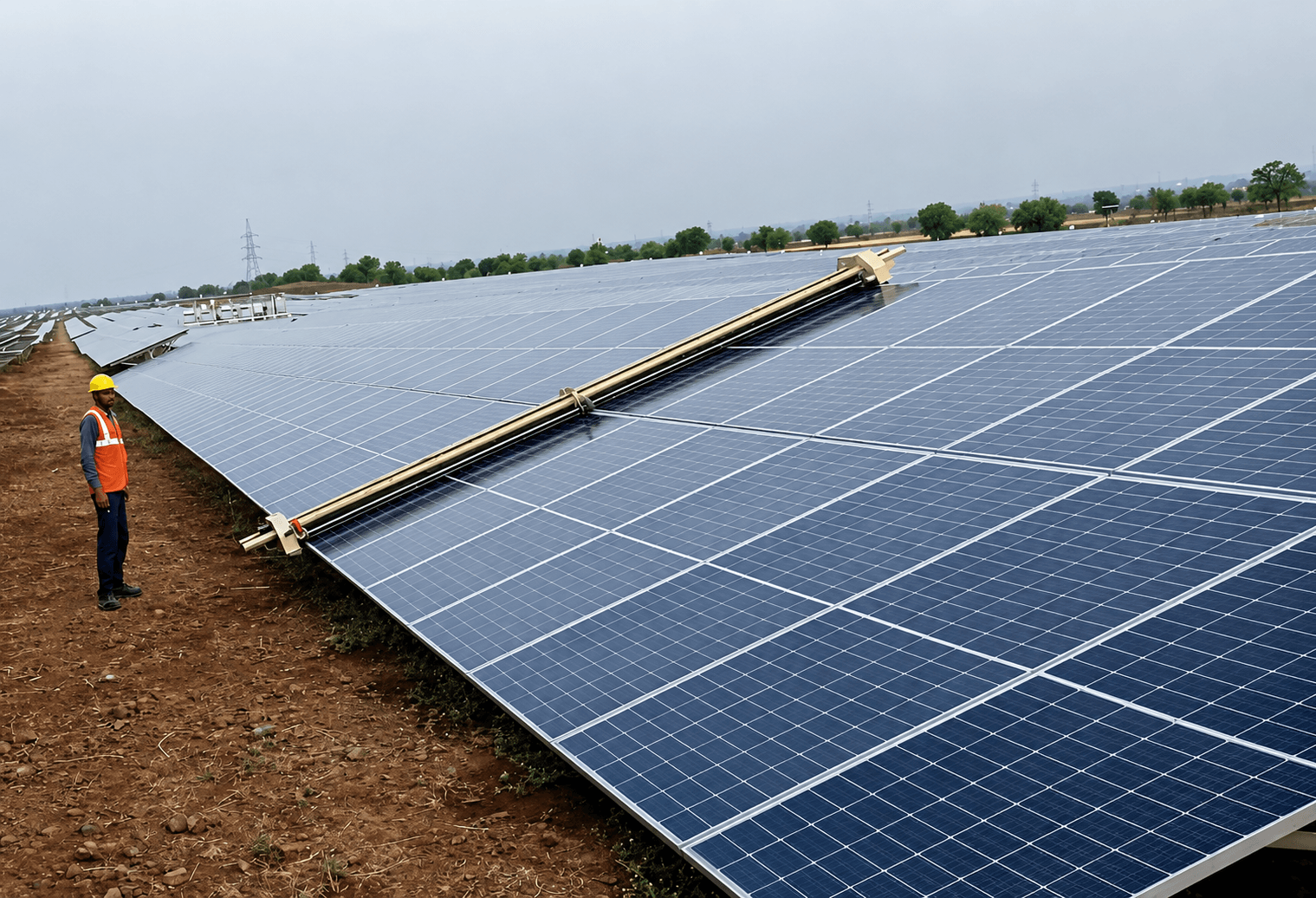
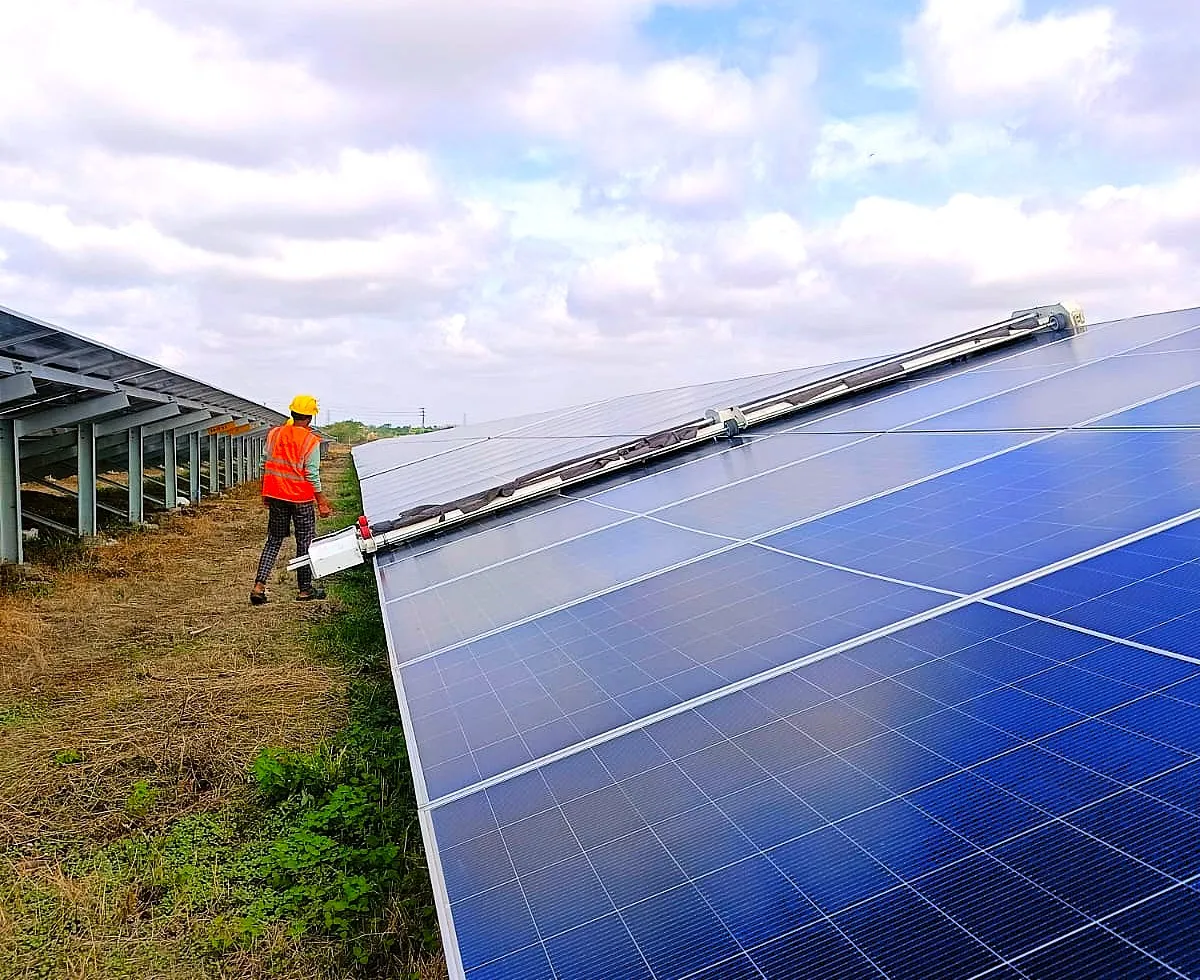
Integrating robotic cleaning for elevated and canal-top solar in India requires a focus on structural safety. These sites lack ground-level access. They demand robots that operate within strict weight and vibration limits. By automating, managers recover generation losses while saving water and reducing labor needs.
- Deployment Mode: Waterless robots are the standard for canal-top solar to avoid water logistics.
- Cleaning Threshold: Schedule cleaning based on a 3–5% performance ratio drop. Aim for every 7–14 days in dusty regions.
- Structural Clearance: Check that robot track-width and weight fit your support structures.
- Typical Scale: Robots provide the best efficiency for sites over 5 MW. They replace manual labor with a data-driven cycle.
For large-scale operations, link maintenance to site data. Using tools described in Predictive Soiling Models Using Satellite and AQI Data helps. You can trigger cleaning based on real-time dust levels rather than fixed dates. Also, work with manufacturers to protect module coatings. See our guide on PV Module Supplier Plant Maintenance. This protects your asset performance and your warranties.
Technical requirements for robotic cleaning in elevated and canal-top setups
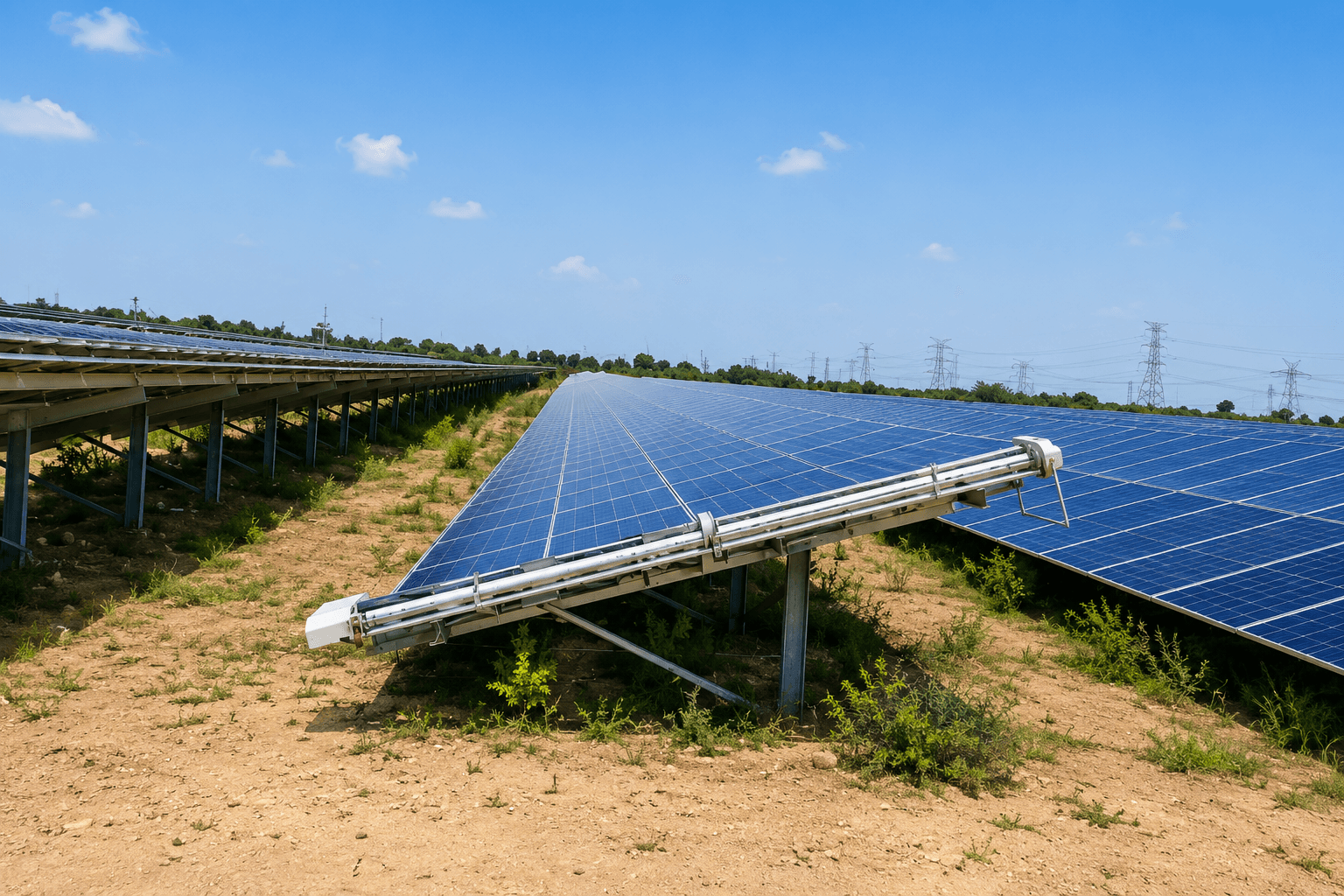
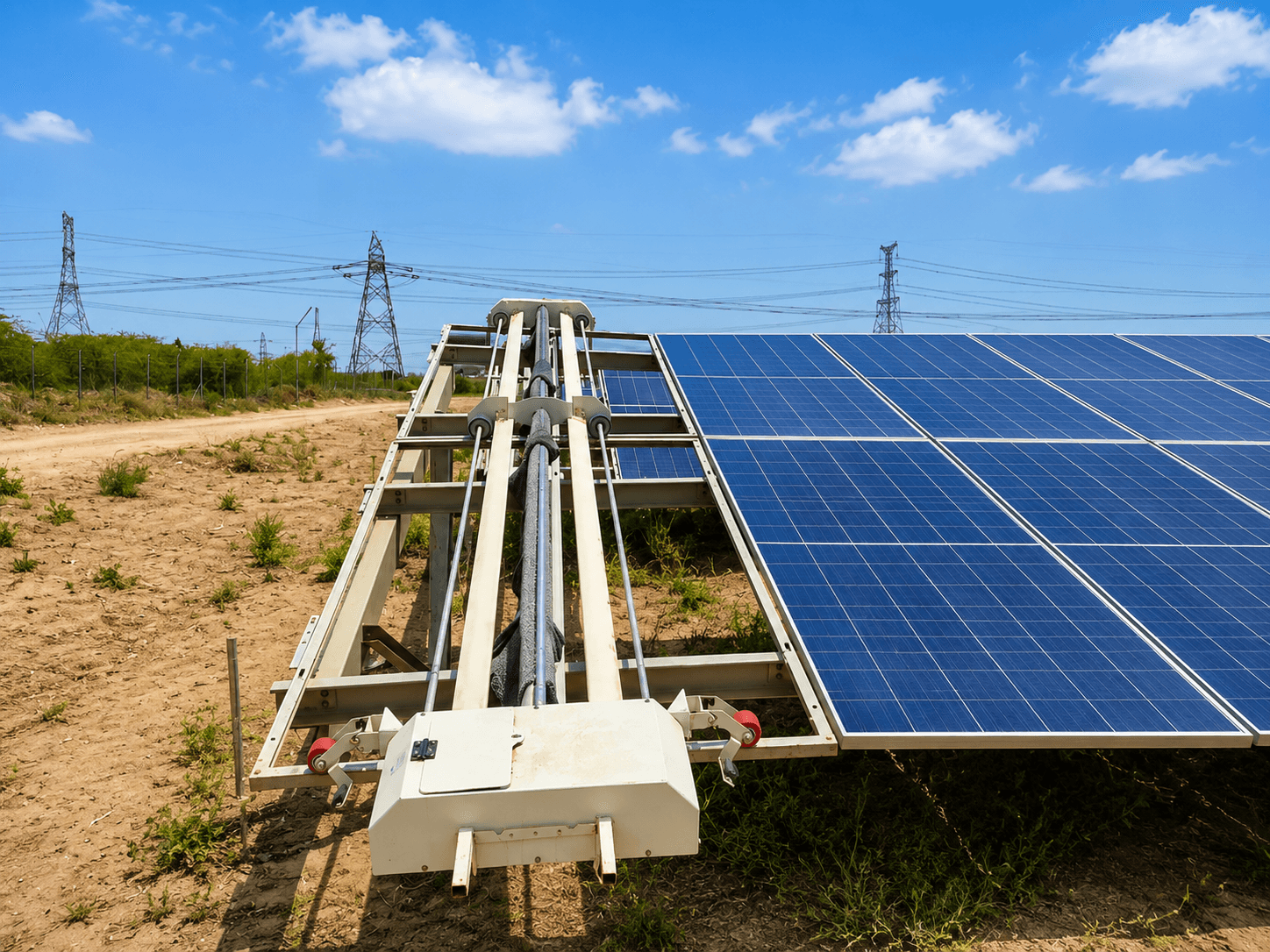
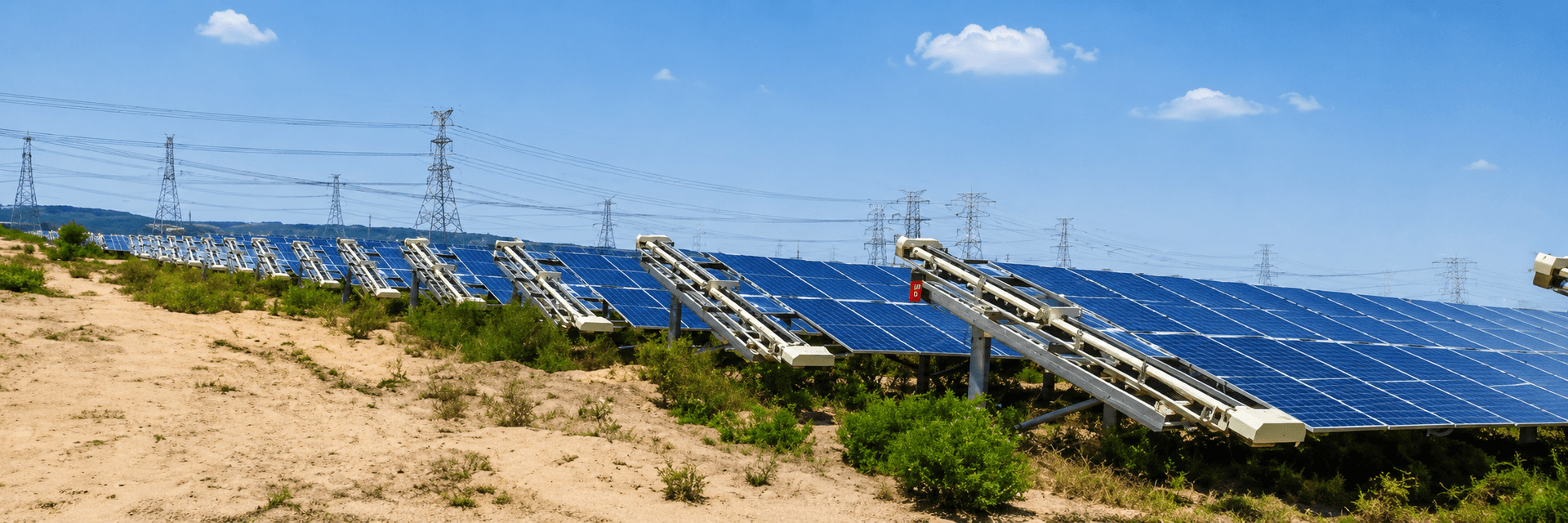
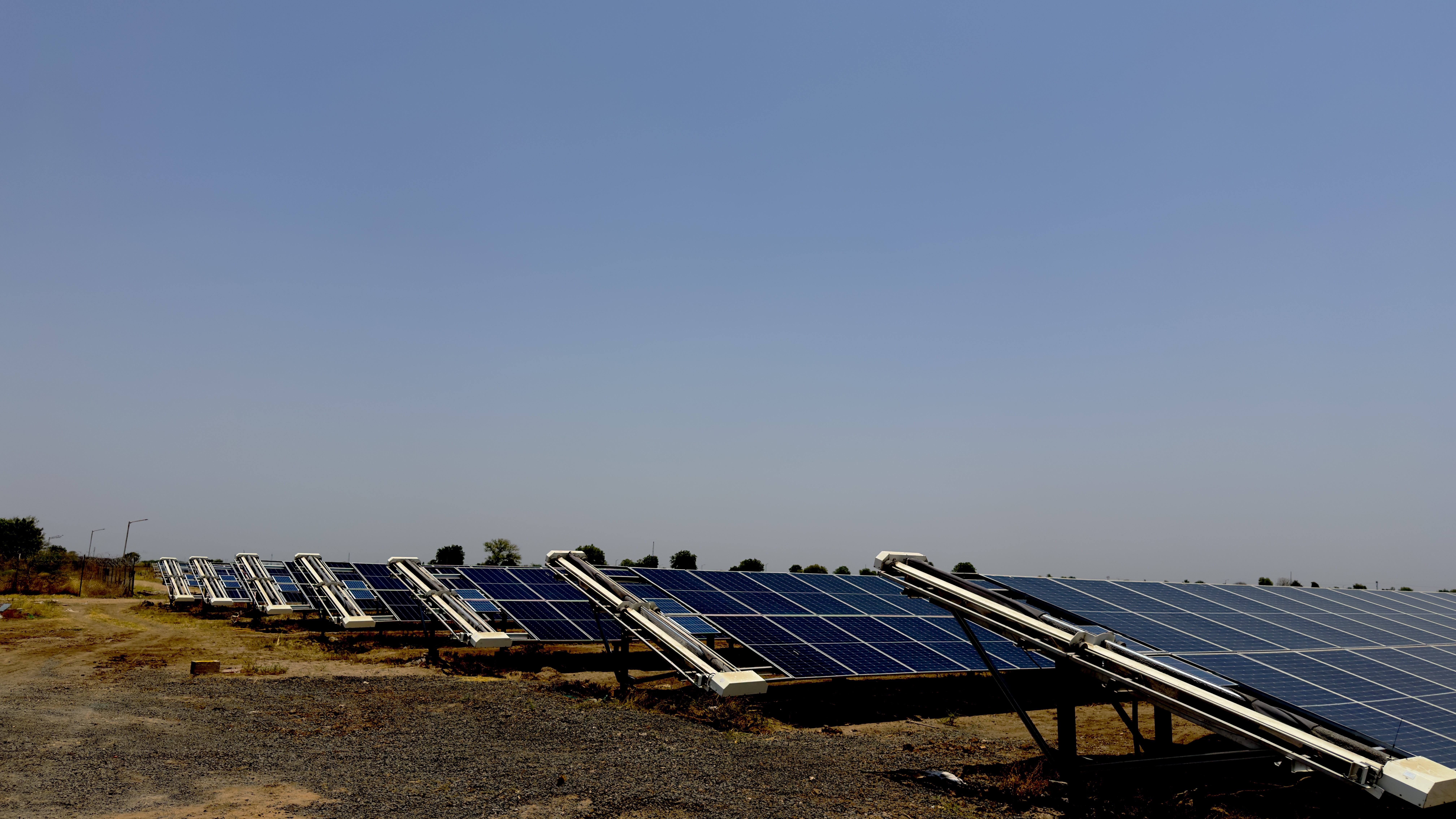
Canal-top installations have unique geometry compared to ground arrays. They sit over water or narrow walkways. You need a lightweight, high-traction platform. Heavy, water-based machines put too much stress on supports. They also need complex piping that risks moisture damage. Waterless robots are necessary to keep weight low and remove the need for water storage.
Operational safety requires strict adherence to clearance rules. Canal-top designs often have aisles between 600 mm and 900 mm. Robots must be compact to travel rows without hitting railings or columns. The locomotion system must handle the tilt of canal-top structures. Use autonomous units with non-invasive clamping to prevent frame damage.
Structural loading and vibration mitigation
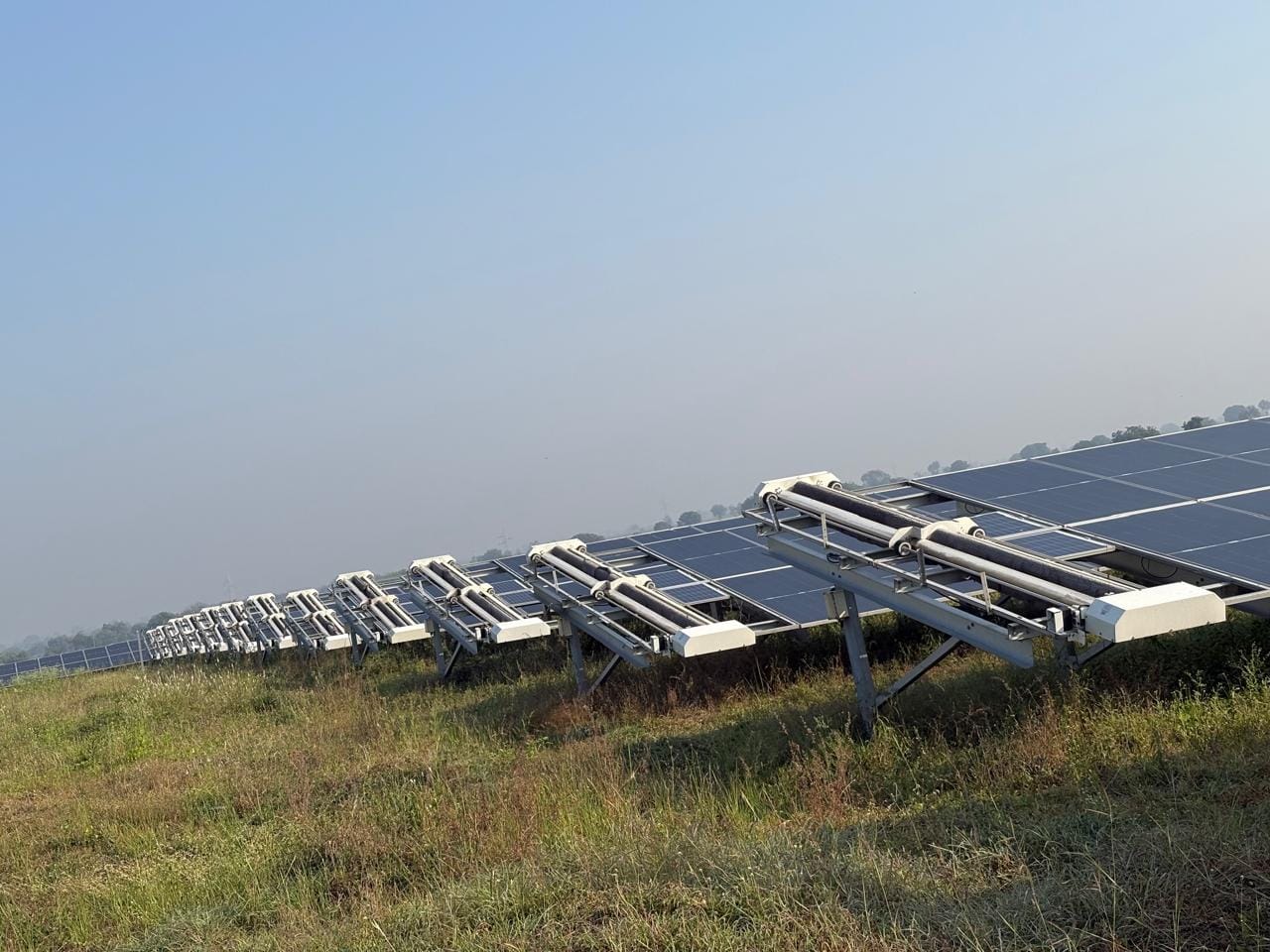
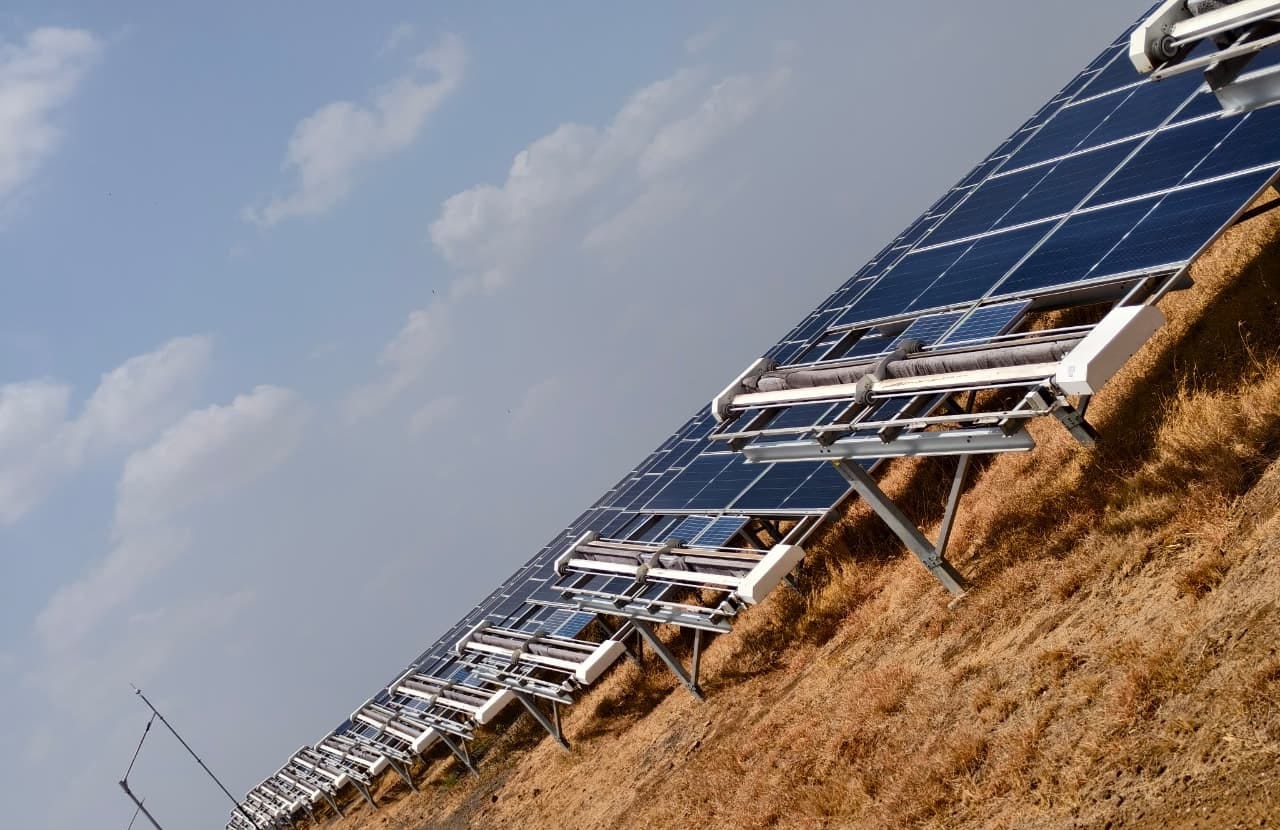
Engineers must check the static and dynamic loads before deploying. Robotic cleaning creates vibrations. This can stress panel clamps if the equipment lacks good suspension. Systems like the GLYDE-X or NYUMA-X have flexible bodies. They absorb misalignments in tracker tables. This protects module glass and mounting structures from micro-cracking. Asset managers should choose platforms that spread weight across multiple panels.
Integration with plant control systems
Success requires linking robot telemetry with SCADA or NECTYR fleet systems. This is vital for elevated sites where inspections are hard. You need real-time data on battery, torque, and obstacles. Use a robust mesh network to cover the canal span. Configure systems like the CRADYL to move robots between rows. This reduces manual transport and keeps walkways clear for safety.
Step-by-step: Integrating robotic cleaning into elevated solar structures
Successful integration requires a plan that prioritizes stability. Start with a structural audit of the mounting frame. Ensure it supports your chosen robot model. Verify the structure withstands dynamic loads during movement. Full automation avoids manual steps by operating within your SCADA framework.
Deployment roadmap for 5MW+ sites
- Site assessment: Measure maintenance aisles and platform slopes. Ensure space for docking stations like the CRADYL.
- Network and power configuration: Build a strong RF mesh or cellular network. This supports remote monitoring via NECTYR. Position charging stations to reduce travel distance between rows.
- Pilot installation: Test a small fleet on a 1–5 MW block. Validate performance under actual site conditions like wind and dust.
- Calibration and testing: Set sensors to tell the difference between module frames and debris. This prevents false alarms.
- Full-scale scaling: Once performance goals are met, scale across the plant. Use data to refine cleaning based on local dust patterns. This is detailed in our Predictive Soiling Models analysis.
Automating your schedule removes risks for teams working at height. This protects modules from impact damage. Cleaning only happens when losses exceed the cost of the cycle. For ongoing strategy, check our guide on PV Module Supplier Plant Maintenance to stay within warranty terms.
Managing environmental constraints: Canal-top robotic cleaning challenges
Canal-top sites have high humidity. This can cause corrosion and increase soiling from condensation. Robots like the GLYDE and NYUMA must have IP65-rated enclosures. They need seals to keep moisture out of motors and sensors. These sites also face high wind speeds due to the tunnel effect over water. Ensure docking hardware like the CRADYL can resist winds over 150 km/h.
Organic debris and insects can also leave residues on glass. Manual cleaning with water is wasteful and adds unwanted moisture. Autonomous waterless cleaning maintains high performance without liquid tanks. Limited access makes any maintenance task slow. Use a low-maintenance fleet with NECTYR to spot issues early. This predictive approach is vital in regions with rapid soiling, as noted in our analysis of Soiling Revenue Loss on Indian Utility Solar Plants. A strong data connection is essential for these remote stretches.
How often should you schedule robotic cleaning for 5MW+ Indian plants?
In India, cleaning schedules should be dynamic. Do not use a fixed calendar. Robotic fleets allow for adjustments based on actual soil rates. For sites in Rajasthan or Gujarat, 7 to 10 days is a common baseline. Speed this up to 3–5 days during peak dust or harvest seasons.
Integrate sensor data with fleet software to find your optimal rate. Trigger cleaning when power drops by 2% to 3% below expected levels. This prevents unnecessary wear and keeps energy yield high. For more, review our guide on Predictive Soiling Models Using Satellite and AQI Data.
Defining your cleaning cadence
Requirements vary by climate and location. Plants near roads or industrial zones need more frequent cleaning than those in remote areas. Use NECTYR to track daily yield and see which rows need help. This prevents revenue loss from delayed cleaning. When setting thresholds, ensure your brushes are approved for your module coatings as shown in our PV Module Supplier Plant Maintenance guide.
Safety and reliability: Preventing module damage during automation
Robotic cleaning introduces risks for elevated structures. The biggest concern is stress on module frames. Use systems like the GLYDE-X that stay within manufacturer load limits. Canal-top arrays are subject to wind uplift. Calibrate robots to avoid added vibration that could cause micro-cracks over time.
Perform a clearance audit before starting any fleet. Ensure mid-clamps are flush with the frame. Protruding elements can catch the robot mechanism. Every robot should have edge-detection sensors and automatic stops. This stops the unit if it reaches a gap or alignment issue. Use NECTYR to monitor safety events and stop mechanical wear early.
Match your brush technology to your module coating. Anti-reflective coatings are sensitive to abrasion. Wrong brush density will strip this layer and lower your yield. Use gentle materials like the microfiber brushes on the GLYDE series. This keeps your generation warranty valid. Follow the standards in our PV Module Supplier Plant Maintenance guide for the best results.
Scaling your O&M: Managing a robotic cleaning fleet in high-soiling regions
As capacity grows to 50 MW or more, manage your fleet with a central portal. In corridors like Rajasthan, soiling patterns change by location. Use NECTYR to adjust schedules in real time. Focus your robots on the rows with the highest loss rather than a rigid calendar.
Logistics are a priority for elevated projects. Do not rely on manual labor to move robots between tables. Use row-transfer systems like the CRADYL. This is crucial for sites where access is limited by water or steel structures. Monitor battery health to ensure robots are ready for every cycle. This keeps your plant running at maximum efficiency.
What plant managers should do next
- Audit soiling-related loss to find priority zones.
- Check site layouts to ensure robots fit your load limits.
- Buy cleaning solutions that work with your fleet software for central control.
- Schedule a site-specific assessment for safety and obstacle handling.
- Check manufacturer warranties to ensure your cleaning method is approved.
Sources and further reading
Frequently asked questions
Integrating robotic cleaning for elevated and canal-top solar in India requires a focus on structural safety. These sites lack ground-level access.
Yes, provided the chosen technology is compatible with your specific module anti-reflective coatings and structural requirements. Waterless robots are recommended to avoid moisture damage to the structures and to remove the need for water logistics.
The primary challenges include limited ground-level access, strict weight and vibration limitations for the mounting systems, and the need for robots that can operate within the narrow walkways common in canal-top designs.
Yes. Waterless robotic systems eliminate the need for water logistics at remote canal-top sites. By scheduling cleaning based on a Performance Ratio drop of 3–5 percent or every 7–14 days, you can maintain optimal yield while conserving water.