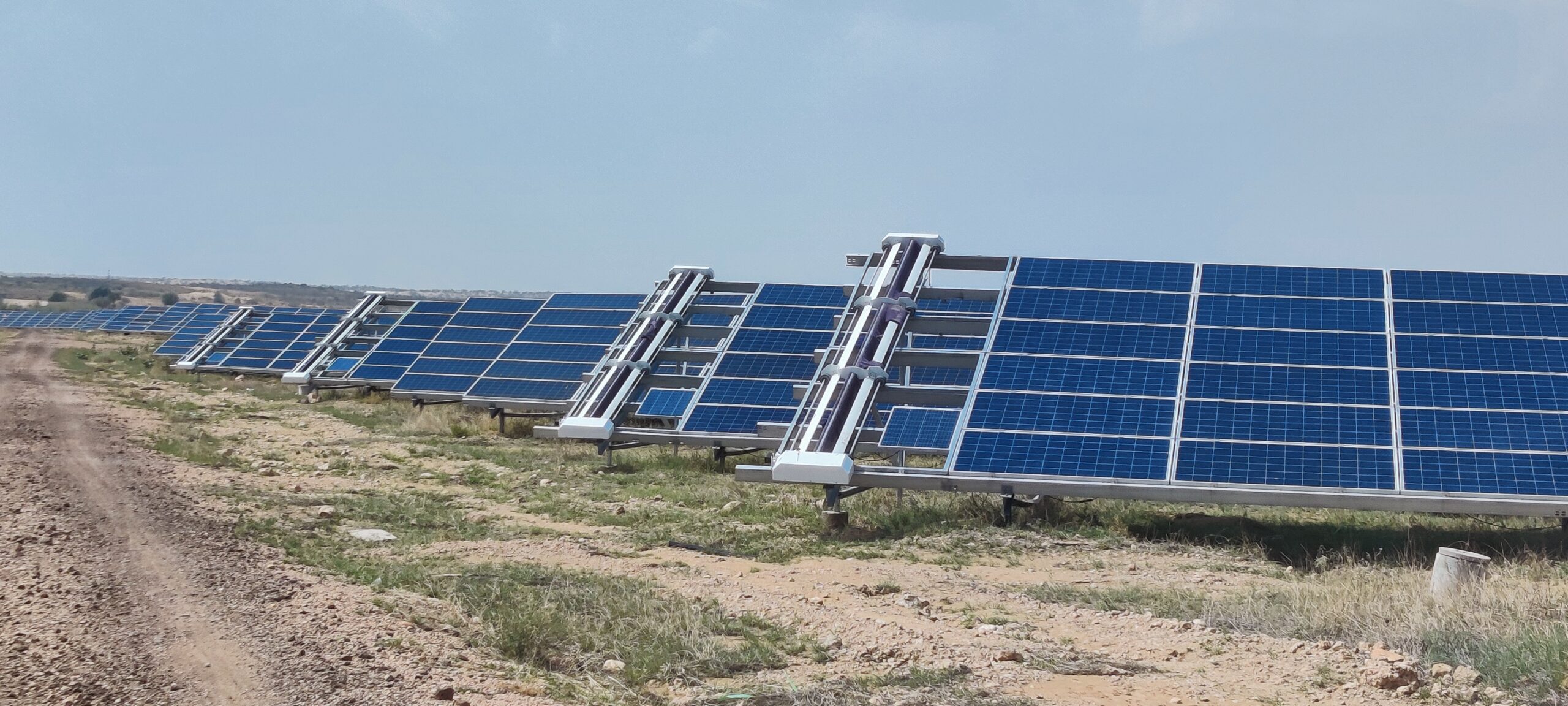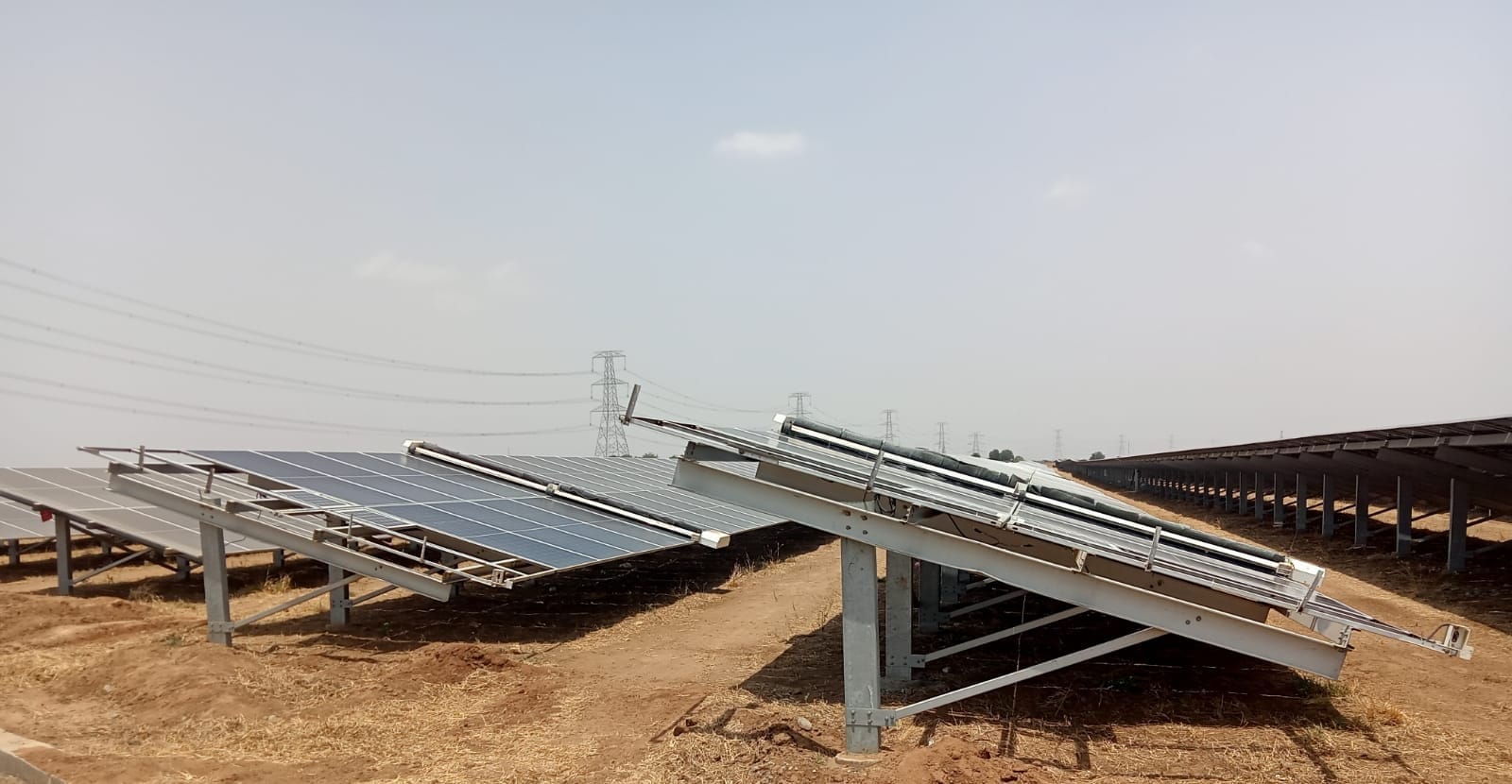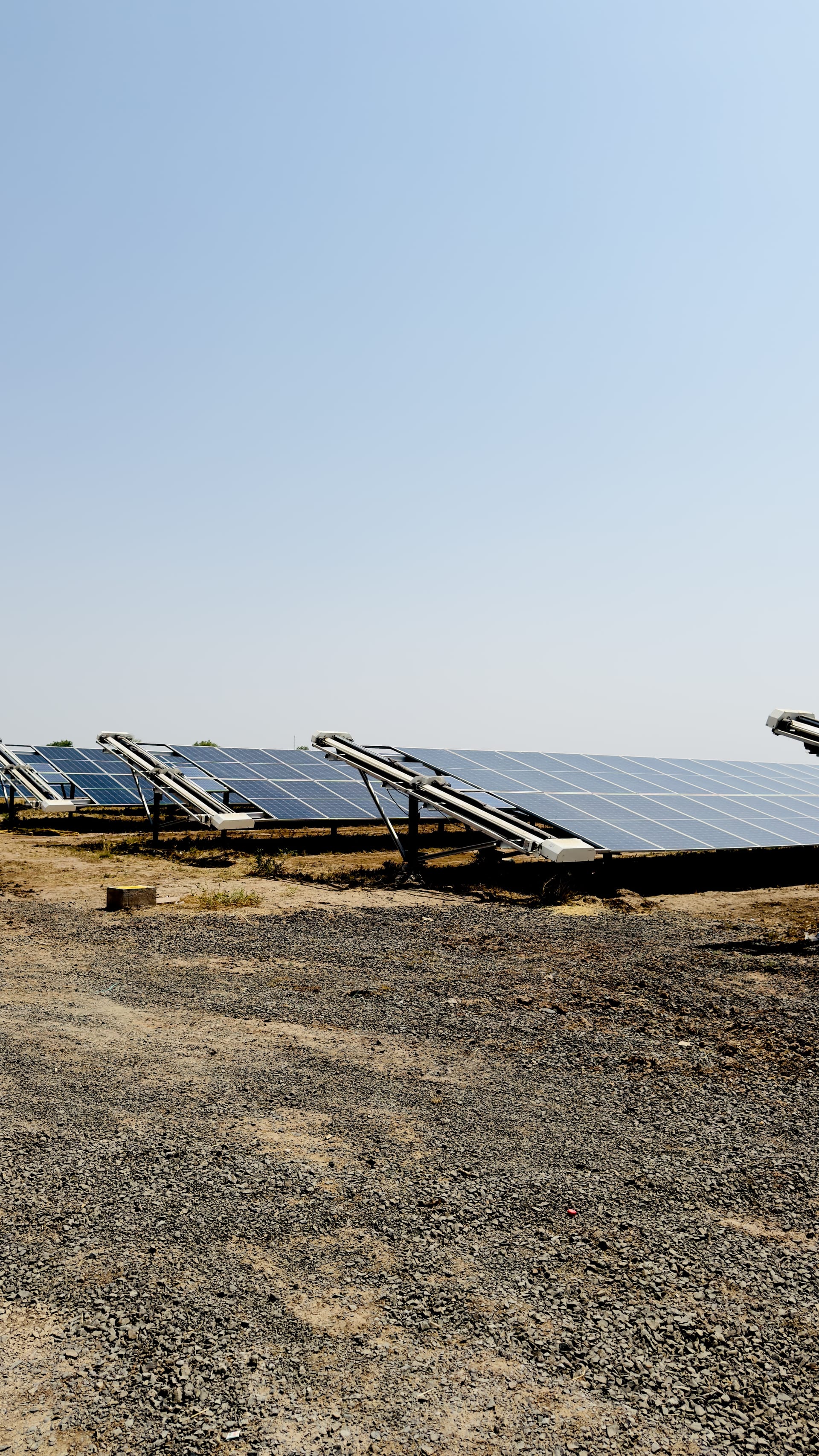
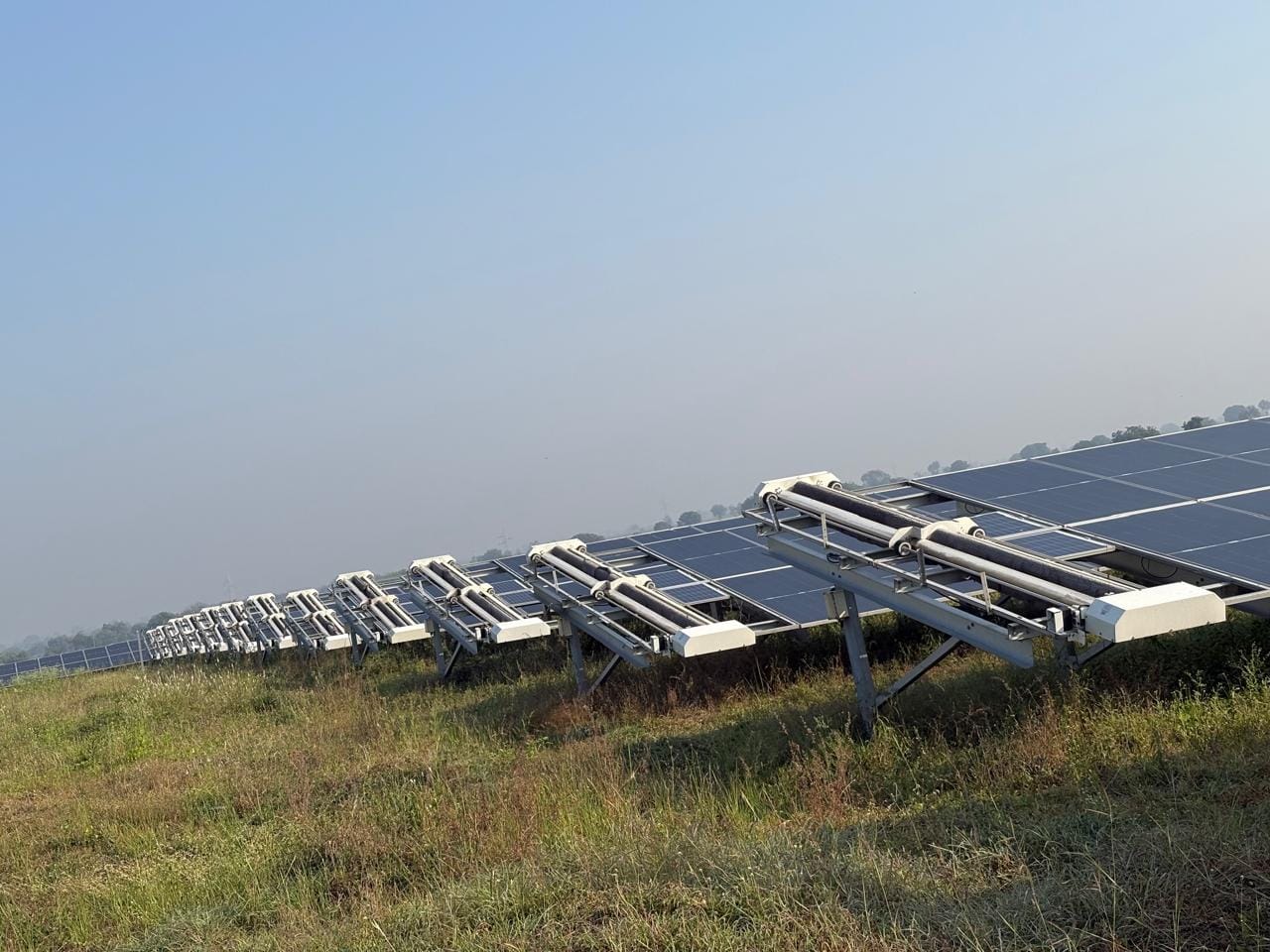
Quick answer: Why spare parts and after-sales service matter for India
In the context of India's utility-scale solar assets, the long-term viability of robotic cleaning hinges entirely on the vendor's ability to maintain a localized supply chain. When an autonomous system experiences downtime, waiting for imported components to clear customs can result in revenue losses that quickly exceed the cost of the robot itself. For plant managers, service reliability is a primary financial decision factor, not a secondary consideration.
- Utility-scale sites face 10% to 25% energy yield losses due to soiling, making robot uptime a critical metric for maintaining performance ratios.
- Reliable vendors should maintain 95%+ availability of critical spares within 48 to 72 hours across major Indian solar clusters.
- Centralized service models often fail in remote locations; decentralized regional depots are necessary to ensure rapid technician response and parts replacement.
- Prioritize vendors that bundle their offering with comprehensive Annual Maintenance Contracts (AMC) and defined SLAs for parts logistics to minimize generation leakage.
The transition toward autonomous operations, as discussed in our guide on soiling revenue loss, requires a shift in how O&M teams evaluate procurement. Choosing a vendor solely on initial CAPEX ignores the reality of operating in environments like Rajasthan or Gujarat, where dust composition and high temperatures place constant physical demand on robotic chassis and brush assemblies. If a component fails during a peak generation season, a lack of local spare parts availability leads to immediate generation downtime. As detailed in our breakdown of automated monitoring systems, the goal is to trigger field work before PR dips become critical, which is only possible if your vendor has the parts in-country to support those alerts. For owners of large-scale assets, the real cost of ownership is defined by the mean time to repair (MTTR) rather than the purchase price of the hardware. Consistent, high-performance cleaning requires a support infrastructure that functions as reliably as the robots themselves.
Comparative analysis of robot service models
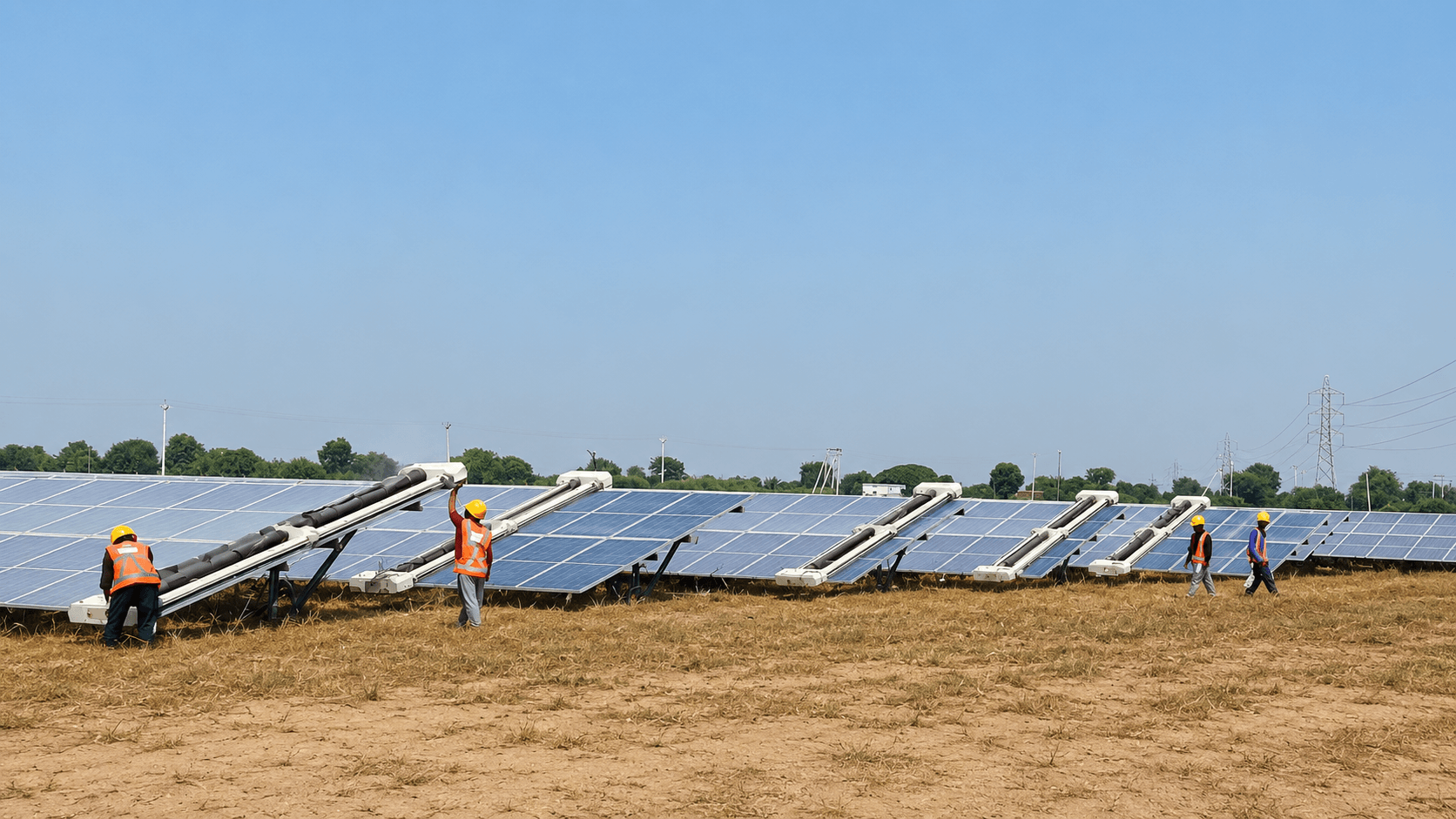
Choosing an autonomous cleaning partner requires evaluating three distinct service models prevalent in the Indian utility market. Each model carries different trade-offs regarding capital expenditure, technical risk, and long-term O&M stability. Asset owners must determine if their team has the bandwidth to manage inventory or if they require a fully outsourced service layer to protect their performance ratio (PR).
| Feature | Vendor-Managed Opex | CAPEX + Hybrid Support | Self-Managed CAPEX |
|---|---|---|---|
| Parts Logistics | Vendor handles inventory | Vendor provides, site manages | Plant manages stock |
| Uptime Responsibility | Guaranteed via SLA | Shared responsibility | Asset owner responsibility |
| Technician Presence | Dedicated onsite teams | On-call / remote support | Internal O&M staff |
| Cost Structure | OpEx-based / per wash | High upfront / annual fee | High upfront / low recurring |
| Risk Profile | Low (Performance risk) | Moderate (Support lag) | High (Inventory risk) |
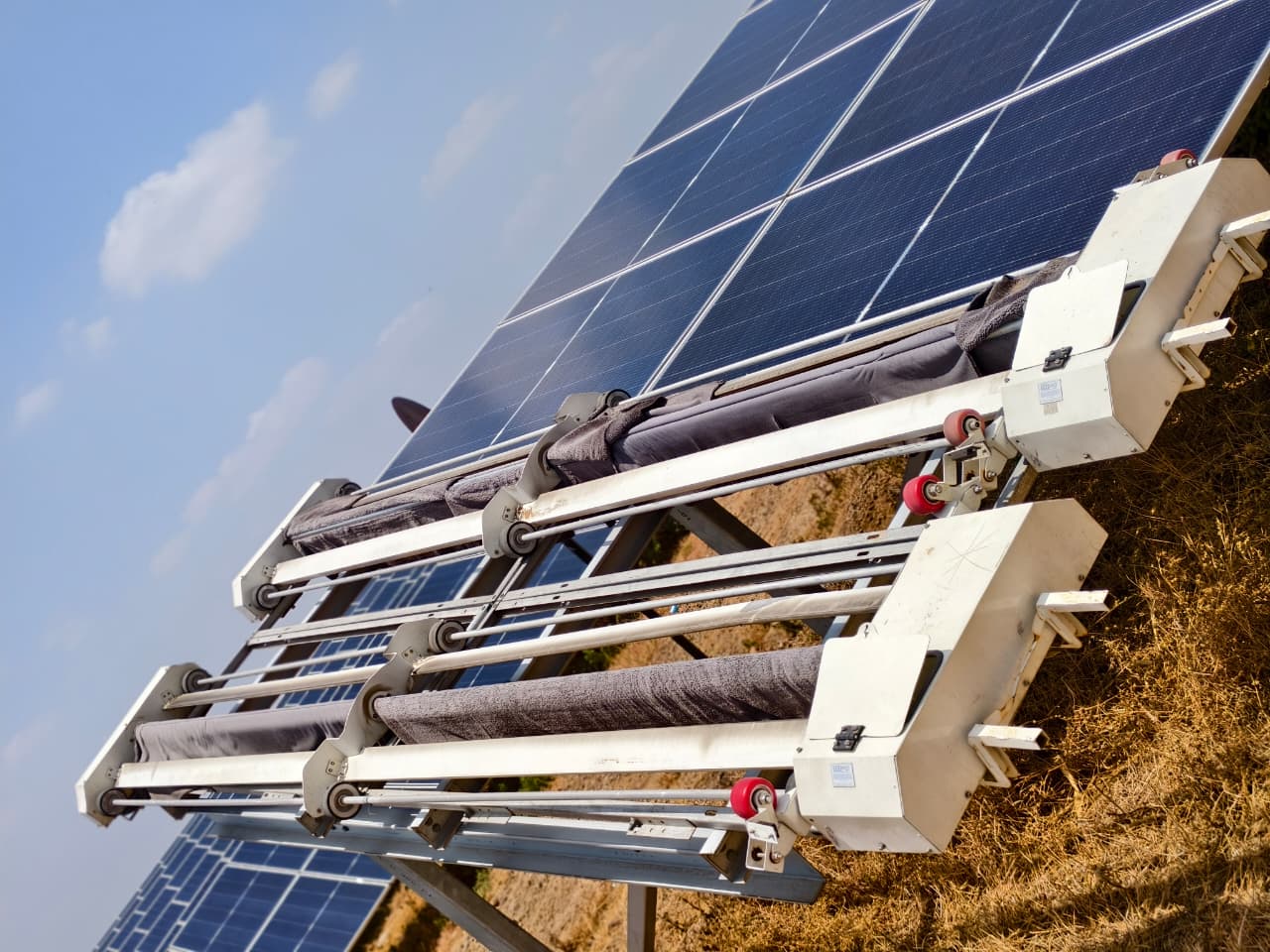
The vendor-managed Opex model is increasingly popular for 50MW+ portfolios where asset owners prioritize guaranteed generation uptime over upfront equipment ownership. Vendors operating on this model, including Taypro, often utilize sophisticated fleet portals like NECTYR to track soiling and robot health, ensuring that spare parts like brush assemblies or drive motors are proactively replaced before failure. In contrast, self-managed CAPEX models often leave plants vulnerable to long wait times when critical components are unavailable in the local warehouse. For utility-scale sites in remote regions like Jaisalmer or Kutch, a model that integrates parts supply directly into the service contract is the most effective way to prevent the cumulative losses described in our analysis of soiling revenue loss. While a higher upfront cost or service premium might exist, the reduction in MTTR (Mean Time To Repair) effectively mitigates the risk of generation leakage during peak solar cycles. Plant managers should compare these models based on their internal O&M headcount, regional access to technical personnel, and the specific failure-rate profile of their installed robot fleet.
How do you evaluate a cleaning robot vendor's spare parts supply chain?
Evaluating a supplier goes beyond reviewing price quotes or mechanical specs. For a 50 MW site, the logistics of spare parts after sales service cleaning functions as an extension of your own O&M team. Start by verifying the vendor's physical footprint in India. A warehouse located in Pune, Mumbai, or near major solar hubs like Bikaner or Bhadla matters significantly more than a promise of future support from a central office. When auditing a provider, ask specifically for their lead time on critical failure components: brushes, drive motors, and battery modules. A vendor relying on international shipping for basic replacement parts introduces an unacceptable layer of risk to your annual generation budget.
You must also assess the inventory management process. A mature partner should provide a rolling forecast of required parts based on your plant's specific operational environment. Coastal sites with salt-heavy air will require a higher frequency of chassis component replacement, while desert-based plants may burn through brushes faster due to sand abrasion. Check if the vendor uses real-time diagnostic tools, such as the NECTYR fleet portal, to predict part degradation before a robot stops moving. If the vendor cannot map their spare parts logistics to specific performance data, you risk facing the same revenue leakage that results from unoptimized manual cleaning schedules.
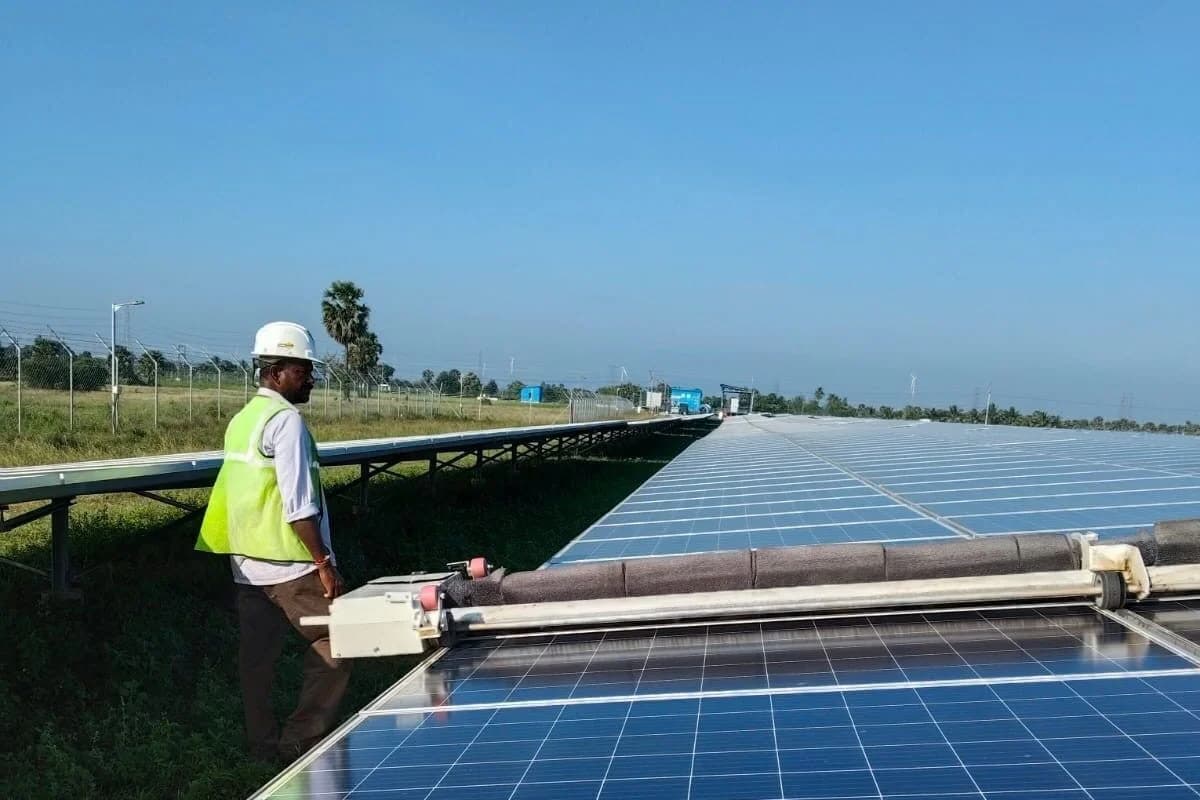
Finally, investigate the technician deployment model. Are the parts stocked by the vendor's own team, or are they outsourced to third-party logistics firms? Dedicated onsite service teams that carry local safety stock often provide a shorter Mean Time to Repair (MTTR) than vendors who rely on centralized regional hubs. For utility-scale projects where downtime directly triggers liquidated damages, prioritize vendors who demonstrate a proven 5 GW+ deployment history with established local service centers. This infrastructure provides the necessary physical evidence that the parts and service are actually available in-country, rather than just written into a service level agreement (SLA) as a theoretical promise. Before signing, demand a written list of standard lead times for critical spares and a breakdown of their service coverage map across the specific Indian states where your assets are located.
Operational risks of poor after-sales support in remote Indian sites
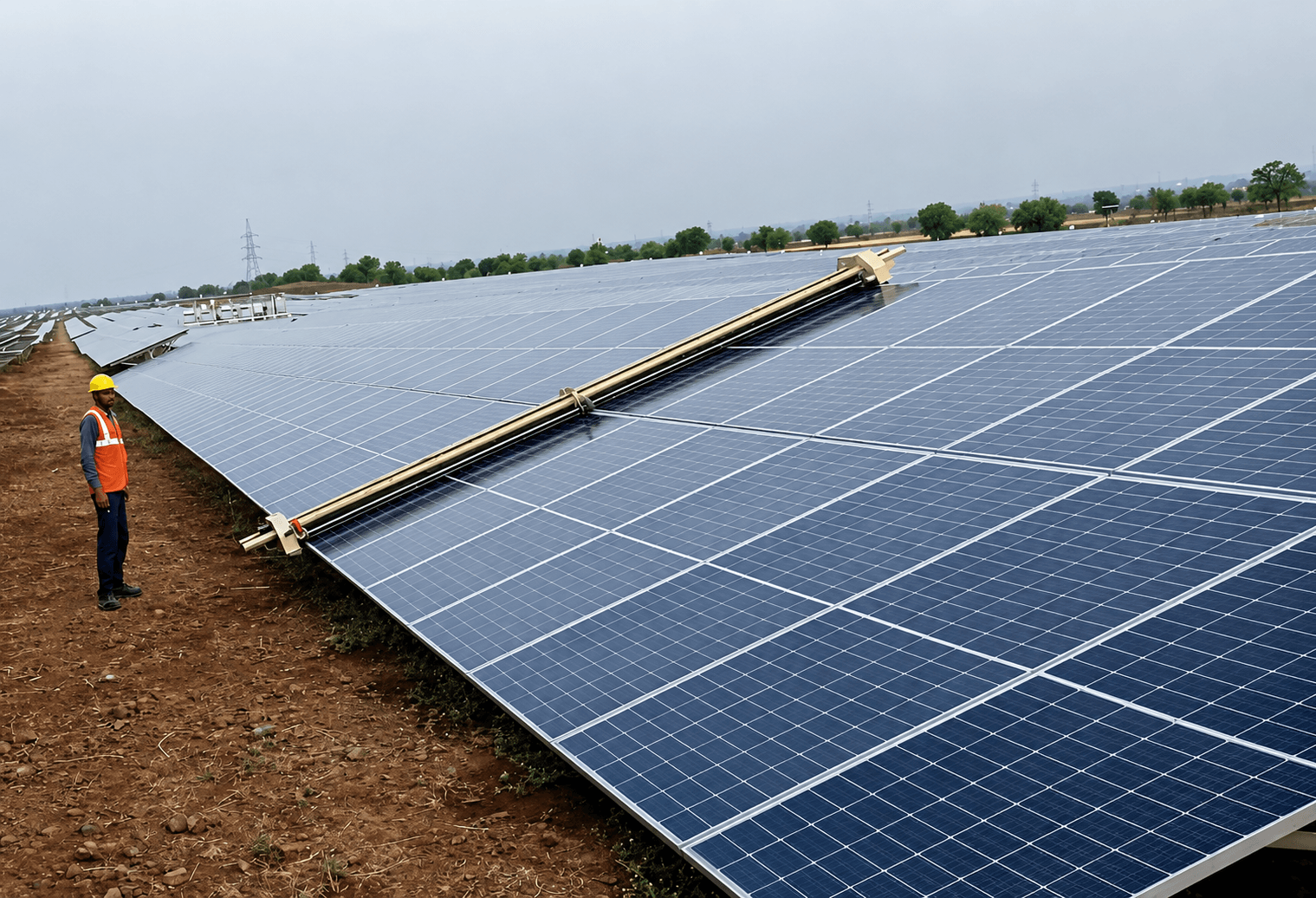
For utility-scale assets located in regions like the Thar Desert of Rajasthan or the remote plains of Gujarat, the risk profile of cleaning equipment changes significantly. Unlike urban rooftop solar, where technicians can reach a site within hours, remote sites often face travel delays of over 24 hours. When a cleaning robot fails due to a damaged drive motor or a faulty sensor, the resulting downtime creates immediate generation leakage. If your service contract lacks a clear SLA for spare parts and onsite technical response, you essentially accept that the robot will remain stationary until a logistics window opens for repair.
Poor after-sales support in these regions is not merely an inconvenience; it manifests as a direct decline in the plant Performance Ratio (PR). Every day that a robot is out of commission, soiling accumulation continues unabated. On a 100 MW site, a 1% drop in PR due to a stalled robotic fleet can represent significant revenue loss over the course of a week. Beyond revenue, lack of support forces site managers to revert to manual, water-intensive cleaning to recover generation. This transition incurs unexpected costs in water procurement, manual labor wages, and, crucially, increases the risk of micro-cracks or damage to modules due to improper manual brush techniques.
A robust after-sales model must include local buffer stocks of critical components at the site or a nearby regional warehouse. Relying on a manufacturer who ships parts from centralized hubs or overseas creates a critical bottleneck. For managers, the true cost of an "affordable" robot often surfaces when these spares are unavailable during a peak generation quarter. To mitigate this risk, evaluate potential partners not just by their technical brochure, but by their ability to prove a 4-hour to 8-hour response window for technical issues. Ensuring that your O&M vendor or the robot manufacturer maintains a physical presence within 150 km of your site acts as an essential insurance policy for your asset performance.
For further reading on how to manage these risks, we recommend our analysis on soiling revenue loss and our guide on performance monitoring. These resources detail how integrating your cleaning strategy with real-time data allows you to predict component failures before they trigger an unplanned outage.
Is a robot provider with local support worth a higher CAPEX?
In the Indian utility-scale market, comparing CAPEX figures without adjusting for long-term service risk is a common procurement error. A robot provider that offers a higher upfront cost but maintains 8 or more regional warehouses across India delivers value through reduced Mean Time to Repair (MTTR). For a 100 MW site, the financial impact of having an idle fleet for just two weeks during a peak dust season can exceed the premium paid for a vendor with localized, dedicated onsite support. When parts are stocked in-country rather than shipped from international hubs, you eliminate the customs clearance delays and logistics overheads that often turn a minor component failure into a multi-week generation loss.
The decision to pay a premium for localized support rests on the trade-off between initial investment and the certainty of operational uptime. A vendor with 5 GW+ of deployment experience in India typically provides a more robust supply chain, as they have already stress-tested their spare parts logistics in remote regions like Rajasthan and Gujarat. Managers should look at the total cost of ownership (TCO) over the 25-year life of the plant, rather than just the initial equipment bid. Choosing a provider based on a low-cost, remote-serviced model often results in hidden costs, including emergency manual cleaning labor, water truck rentals, and the inevitable revenue decline when your automated system fails to perform.
| Support Model | Spare Parts Availability | Response Time | Risk Profile |
|---|---|---|---|
| Local Manufacturer (Dedicated Centers) | Onsite/Regional Buffer Stock | 8–24 Hours | Low (Minimal Downtime) |
| Third-Party Logistics Partner | Centralized Warehouse | 3–7 Days | Moderate (Supply Lag) |
| International OEM (Import Only) | Subject to Custom Clearance | 15–30 Days | High (Generation Loss Risk) |
To confirm whether a vendor is worth the extra investment, request a detailed breakdown of their local service infrastructure. A legitimate Indian partner will provide clear evidence of their service coverage map and a list of standard lead times for critical components like drive motors, brushes, and sensors. If they cannot guarantee, in writing, that replacement parts are held in a domestic warehouse, the risk of a performance gap is too high for utility-scale O&M. Integrating this level of reliability into your contract is essential for maintaining the high Performance Ratio (PR) required by your PPA. For more details on calculating these financial impacts, see our analysis on soiling revenue loss and our guide on robot price evaluation.
Calculating the cost of downtime due to lack of spare parts
In a utility-scale environment, the financial risk of a stalled robot fleet is rarely limited to the cost of the replacement component. For a 100 MW solar park in India, a single week of downtime during high-soiling months like April or May can lead to an estimated 3% to 5% drop in Performance Ratio (PR). When calculated at a PPA tariff of ₹3.00 to ₹4.50 per kWh, this generation loss creates an immediate revenue impact that often dwarfs the cost of the spare part itself.
Managers should factor in the cost of emergency manual cleaning when robot parts are unavailable. Relying on labor-intensive water trucks or brush crews mid-season introduces variable costs that are typically 30% higher than the cost of a routine robotic cleaning cycle. Furthermore, frequent manual intervention on tracker arrays creates unnecessary traffic and potential module damage, increasing the risk of micro-cracks that impact long-term module warranty claims.
To perform an accurate risk assessment, use the following operational downtime variables:
- Estimated daily generation loss per MW during peak soiling periods.
- The cost of deploying emergency manual cleaning labor per day.
- Logistics lead time for critical spare parts (motors, brushes, sensors) from current vendor warehouses.
- The revenue delta between automated cleaning efficiency (typically 99% recovery) and intermittent manual cleaning results.
By mapping these variables, you can clearly demonstrate that procurement contracts requiring local spare parts stocking are not just a technical preference but a financial hedge against revenue leakage. For guidance on how to model these losses against your asset performance data, consult our analysis on soiling revenue loss. Ensuring your O&M contract mandates a 24-hour response time for critical component replacement is one of the most effective ways to protect your plant P&L.
Key takeaways for plant managers and O&M leads
- Prioritize vendors who maintain active spare parts buffers within India to avoid international customs delays.
- Audit vendor service maps to confirm they have engineers located within a 6-hour radius of your site.
- Include specific penalty clauses for fleet downtime in your procurement contracts to align vendor incentives with your uptime targets.
- Transition from reactive part replacement to a predictive inventory model based on robot duty cycles and sensor feedback.
- Always calculate the true cost of downtime, including generation loss and emergency cleaning, when comparing initial robot bid prices.
Sources and further reading
Frequently asked questions
In the context of India's utility-scale solar assets, the long-term viability of robotic cleaning hinges entirely on the vendor's ability to maintain a localized supply chain. When an autonomous system experiences downtime, waiting for imported components to clear customs can result in revenue losses that quickly exceed the cost of the robot itself.
Utility-scale sites in India often face 10 to 25 percent energy yield losses due to soiling. If a robotic cleaning system fails, waiting for imported components to clear customs leads to significant downtime. Localized support is vital to ensure that maintenance teams can perform repairs immediately, protecting the plant performance ratio during peak generation seasons.
Plant managers should maintain local inventory of high-wear components such as brush assemblies, drive motors, sensor arrays, and battery modules. A reliable vendor will provide a recommended list of critical spares based on the specific environmental conditions of your site, such as the abrasive dust found in Rajasthan or Gujarat, to ensure rapid replacement and maximum uptime.
Industry-standard SLAs for utility-scale solar robots should include a guaranteed parts turnaround time of 48 to 72 hours and a minimum of 95 percent availability for critical components. Contracts should be structured as comprehensive Annual Maintenance Contracts that define clear response times for both technician dispatch and component logistics to prevent long-term revenue leakage.