Summary for plant managers
If you're managing utility-scale assets in India, choosing a solar panel cleaning service isn't just about getting rid of dust, it's a balancing act between boosting performance and risking your hardware. We've seen how improper methods can trigger microcracks or strip away expensive anti-reflective coatings, which often ends up voiding manufacturer warranties. To protect your site, you need to audit cleaning methods, ensure CEA compliance, and keep a solid digital audit trail for every O&M task.
- Soiling loss in arid Indian regions: Typically 10% to 30%.
- Warranty risk: High. Abrasive methods or high-pressure water can void warranty terms.
- Compliance focus: You must follow CEA standards and site safety protocols.
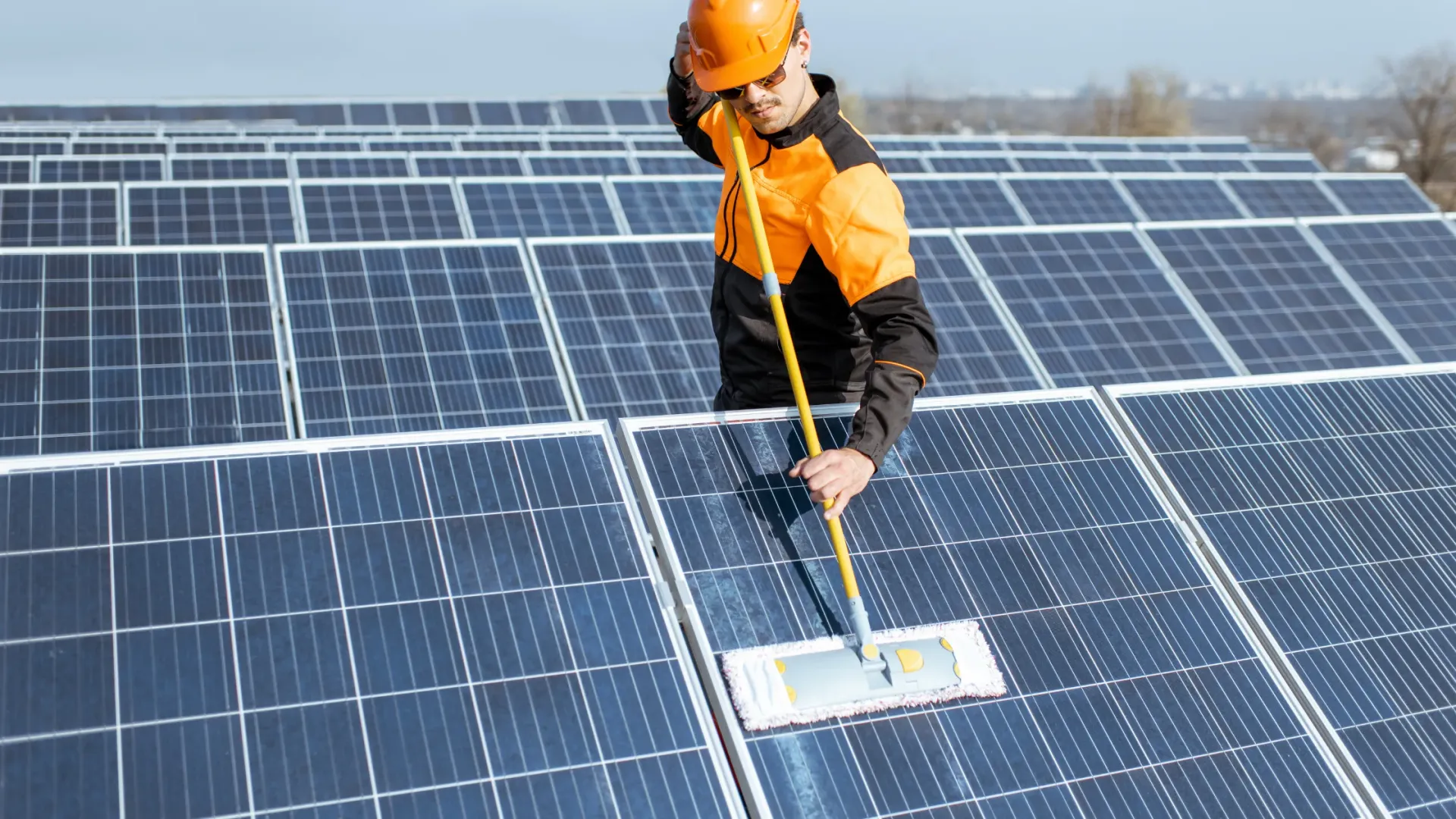
- Water efficiency: Manual cleaning uses 2 to 5 liters per module. This increases costs in water-scarce Indian states.
For Indian utility-scale plants, moving toward autonomous cleaning has become a necessity rather than an option. It's a key part of a risk mitigation strategy. When vetting vendors, look for those providing transparent maintenance logs that follow module-specific guidelines. This is how you protect your long-term ROI. Learn more in Solar Panel Cleaning Service: ROI and OPEX Planning for MW Plants. Maintaining consistent technical standards keeps your performance ratio (PR) stable and prevents unnecessary mechanical stress.
Managing this effectively requires better tech and more reliable service models. For more on total cost of ownership, see our Cost-Benefit Analysis of Solar Panel Cleaning Services in India. Stop relying on fixed calendar schedules; instead, align your cleaning frequency with actual soiling rates to optimize O&M spend and stay compliant with MNRE and CEA requirements.
Why a professional solar panel cleaning service is vital for asset integrity
At the utility scale, cleaning is a core pillar of asset health, not just a routine chore. A professional service manages your most exposed hardware. If techniques are handled poorly, like using high-pressure water or abrasive brushes, you can strip coatings in a single season. That results in permanent light-harvesting losses that no amount of cleaning can fix.
Inconsistent cleaning also hits your plant's performance ratio. Professional services for MW-scale sites use strict procedures that align with the module manufacturer's own cleaning manuals. By centralizing this, you cut down on human error. Manual labor often leads to streaks or microcracks caused by excessive force. A professional approach turns cleaning into a preventative measure rather than a liability for your warranty.
A data-backed strategy also makes lifecycle management easier. Modern services use platforms like NECTYR to track performance trends, identifying exactly which areas need attention based on real-time soiling. This approach extends module life and provides the digital audit trail you'll need during technical due diligence or when verifying performance-linked O&M contracts. Getting these protocols right early on prevents asset degradation and avoids the massive cost of premature panel replacement.
Does the cleaning approach affect your module warranty?
It definitely does, particularly regarding mechanical damage. Most Tier-1 manufacturers issue strict cleaning manuals that set hard limits on water pressure, brush hardness, and water quality. If you use unauthorized tools, you risk causing microcracks, frame stress, or stripping anti-reflective coatings, all of which manufacturers use as grounds to void performance guarantees.
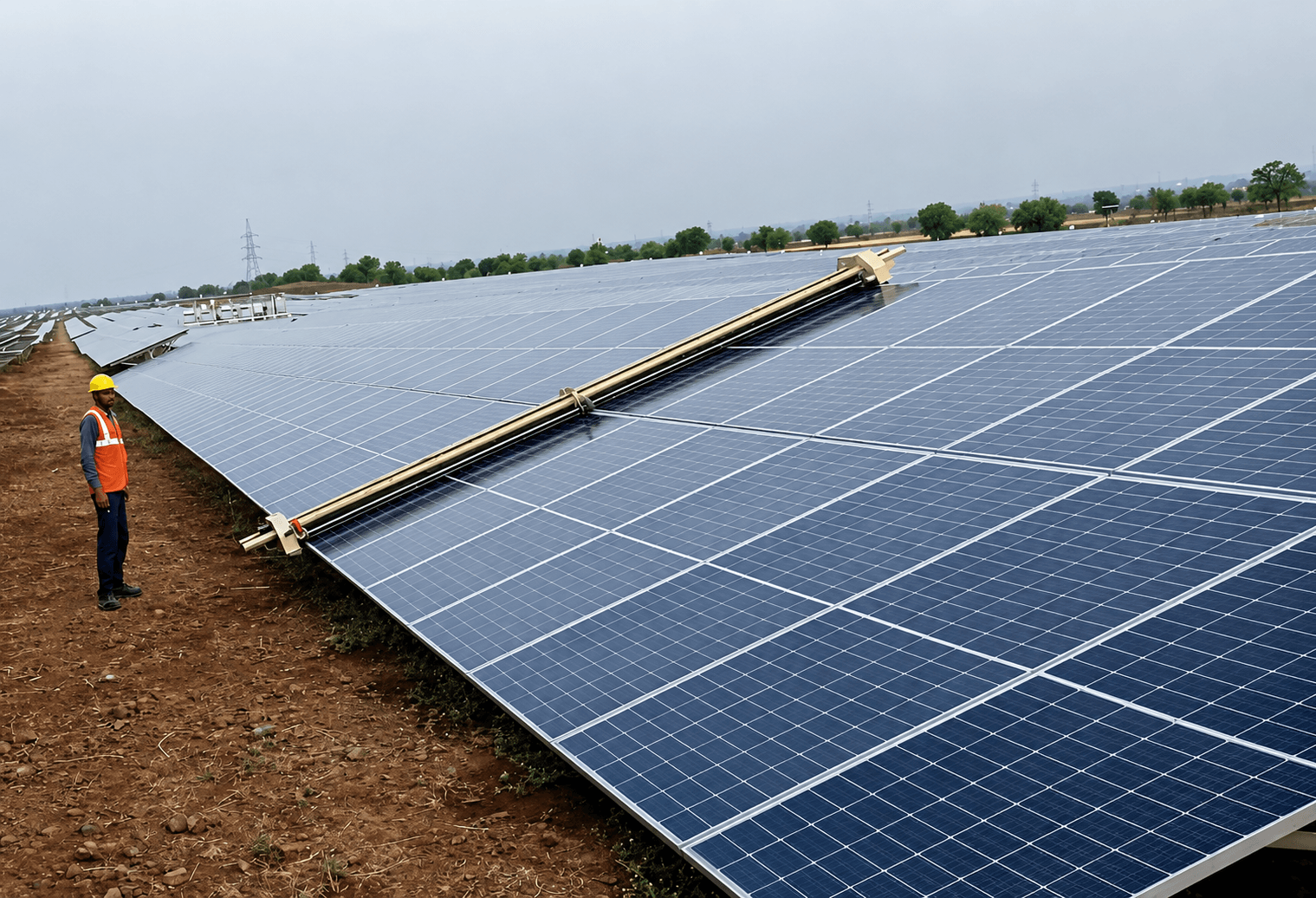
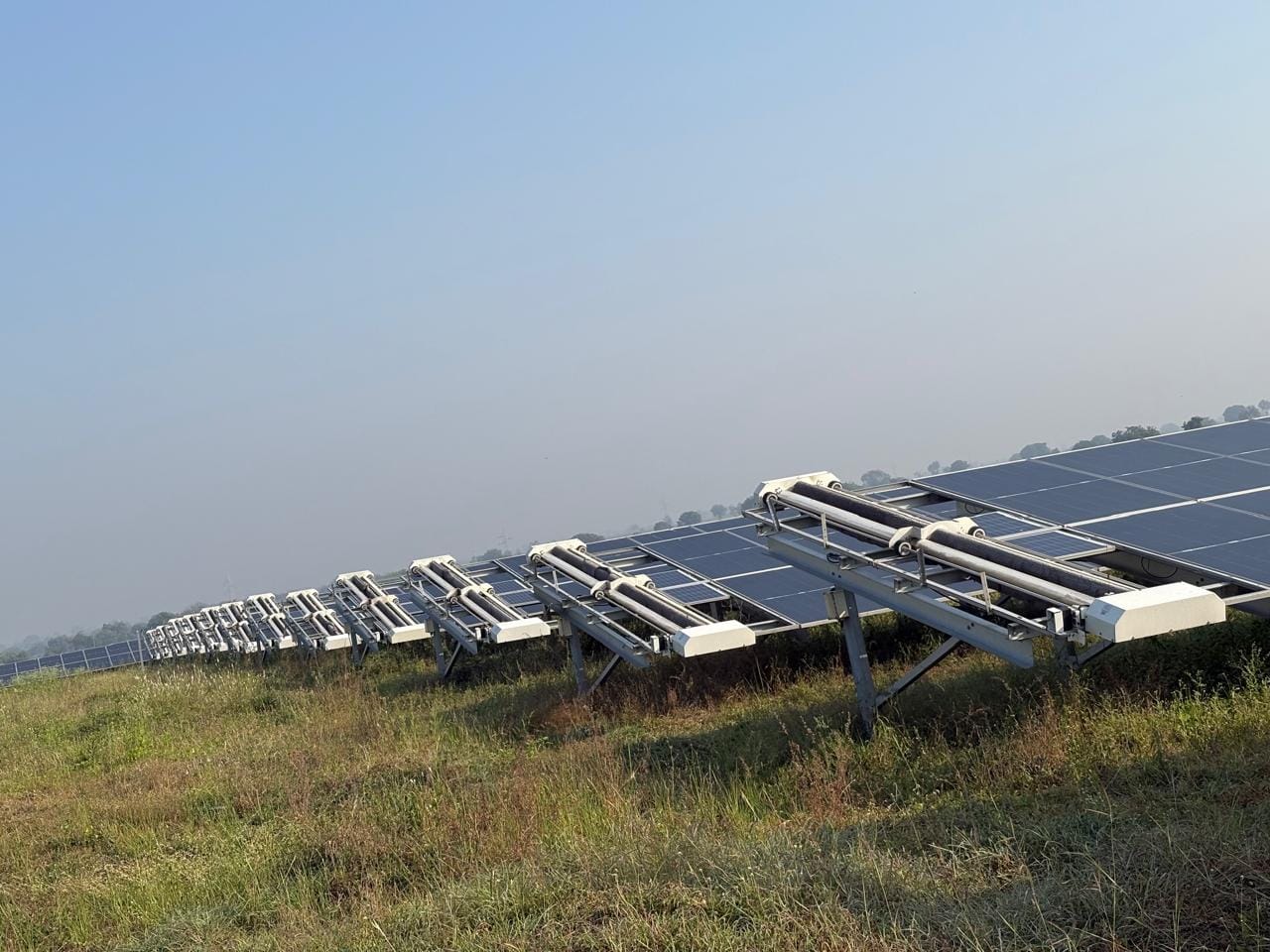
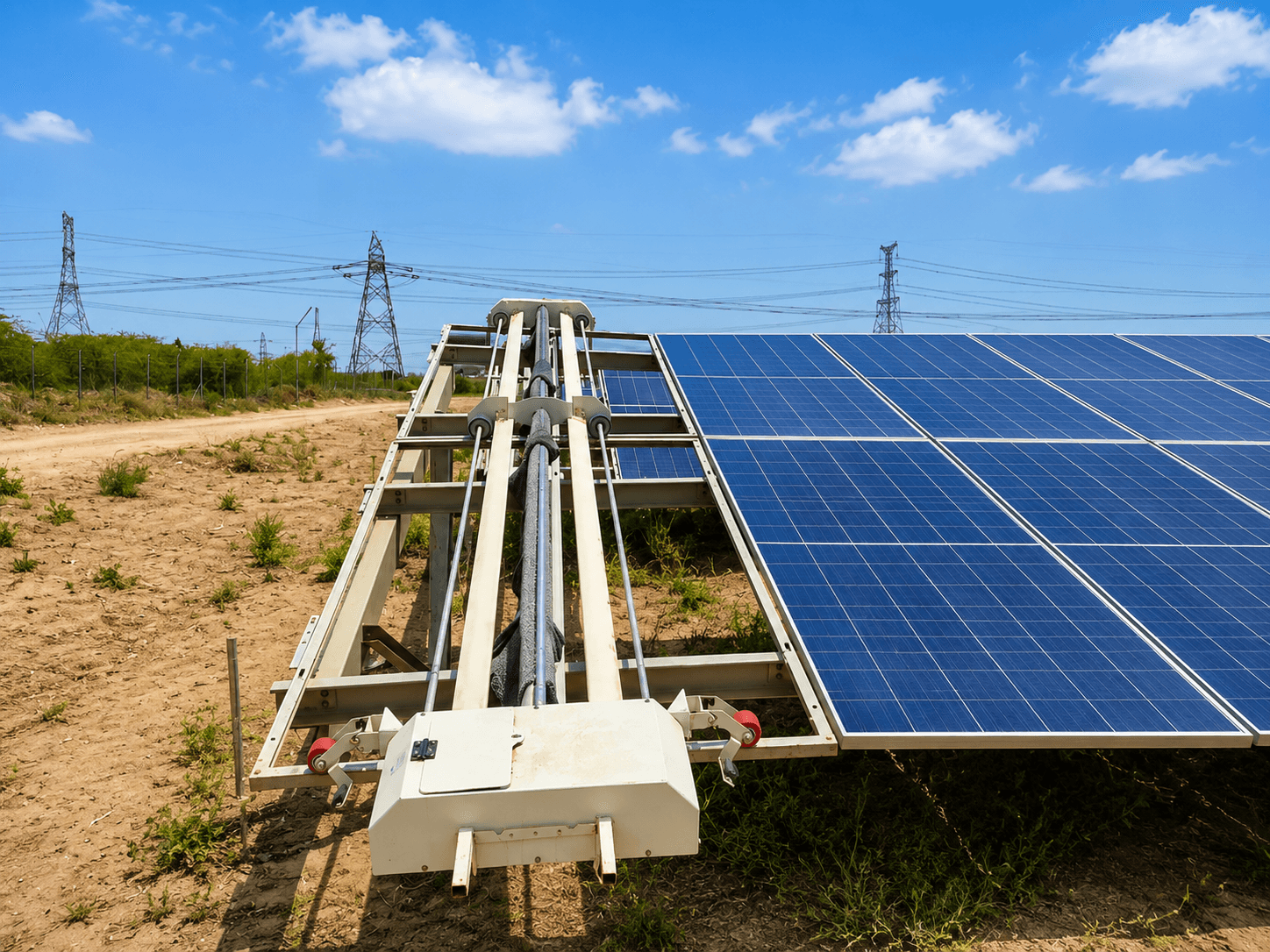
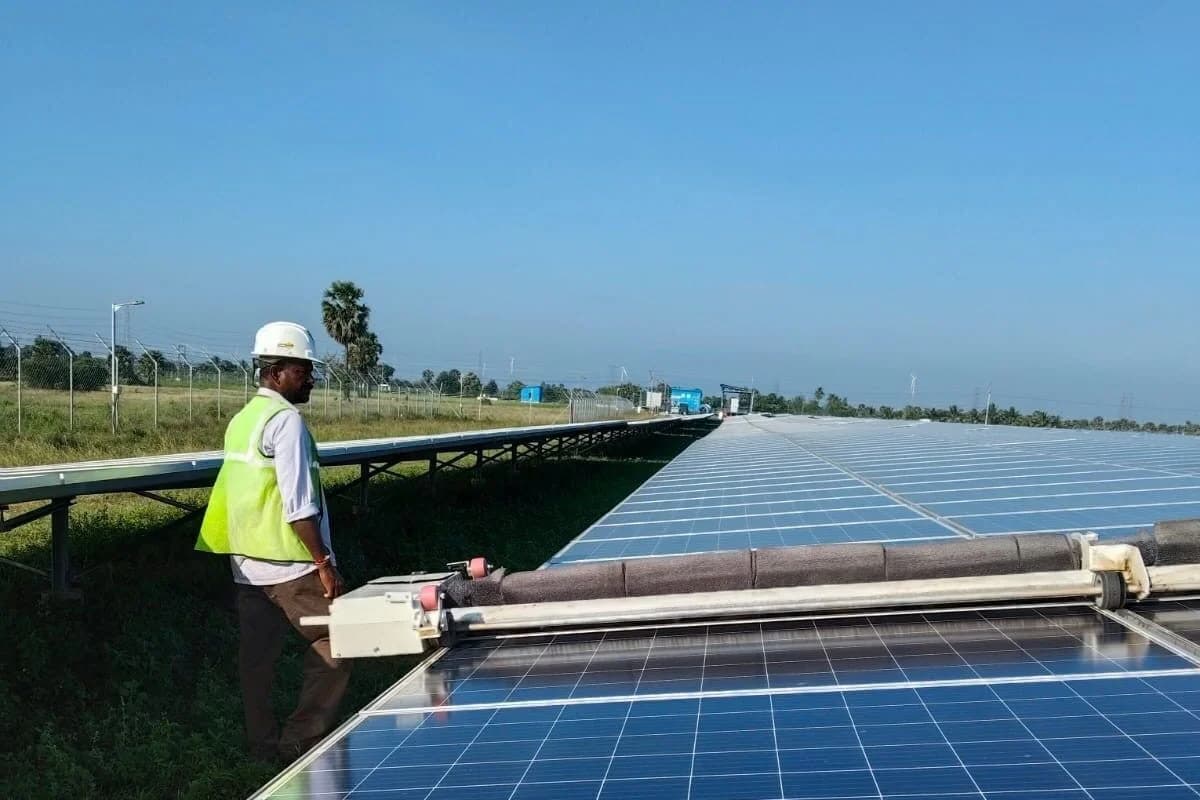
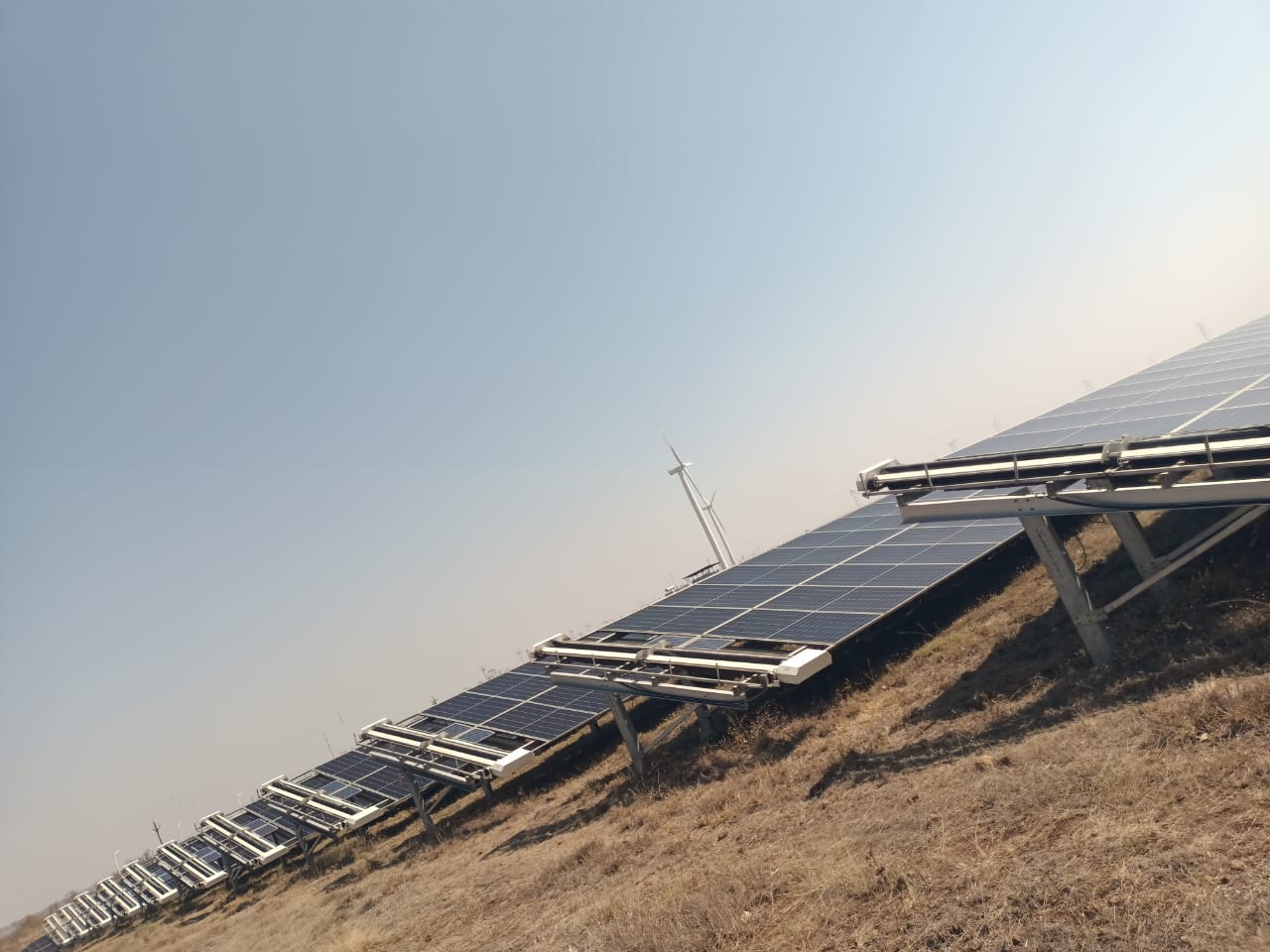
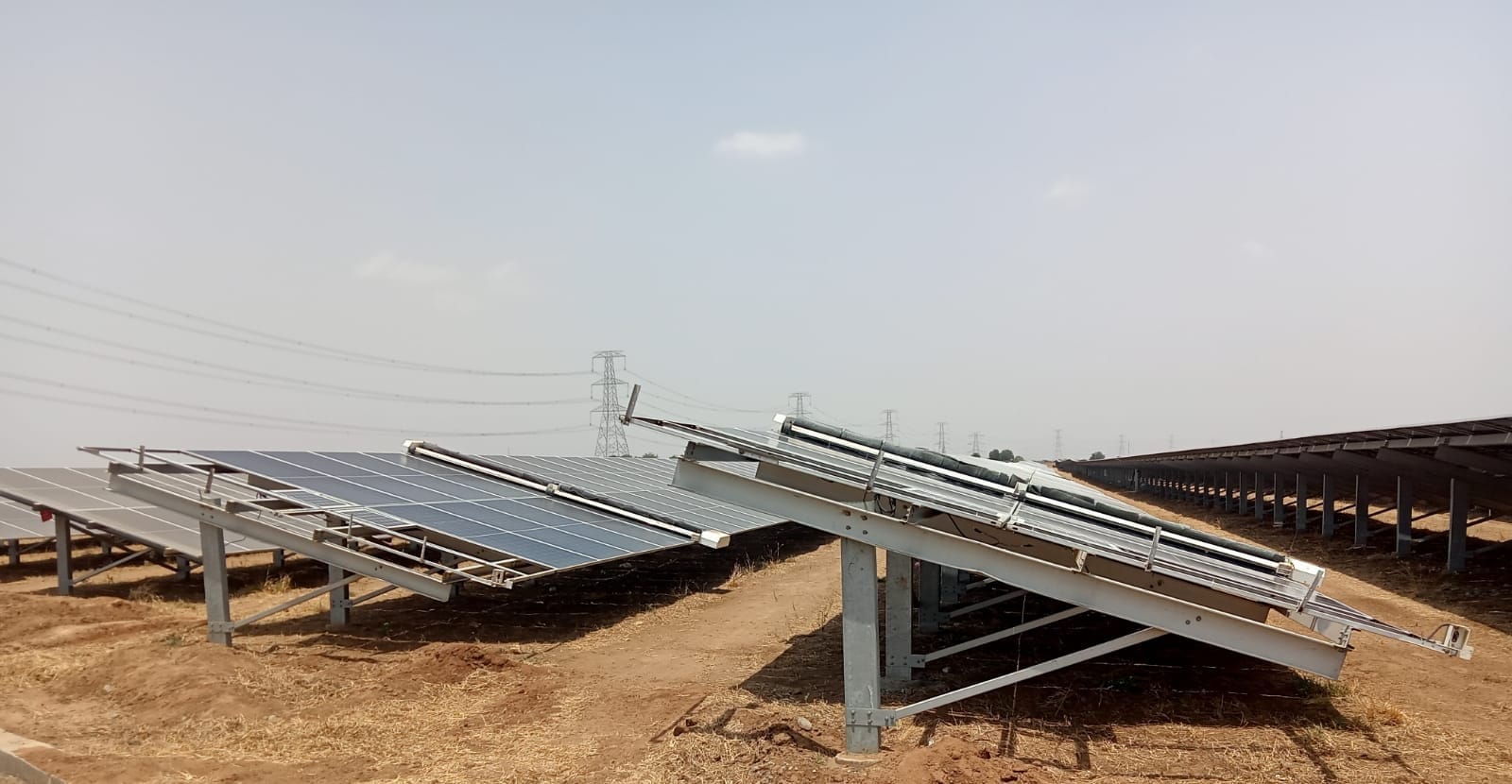
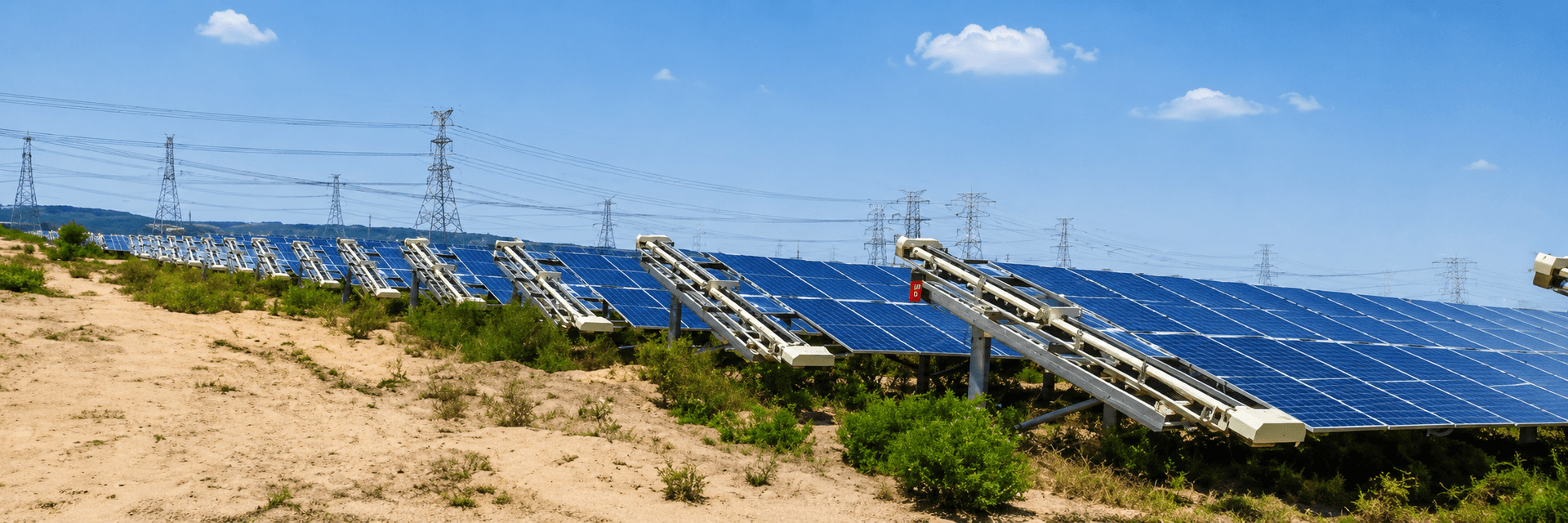
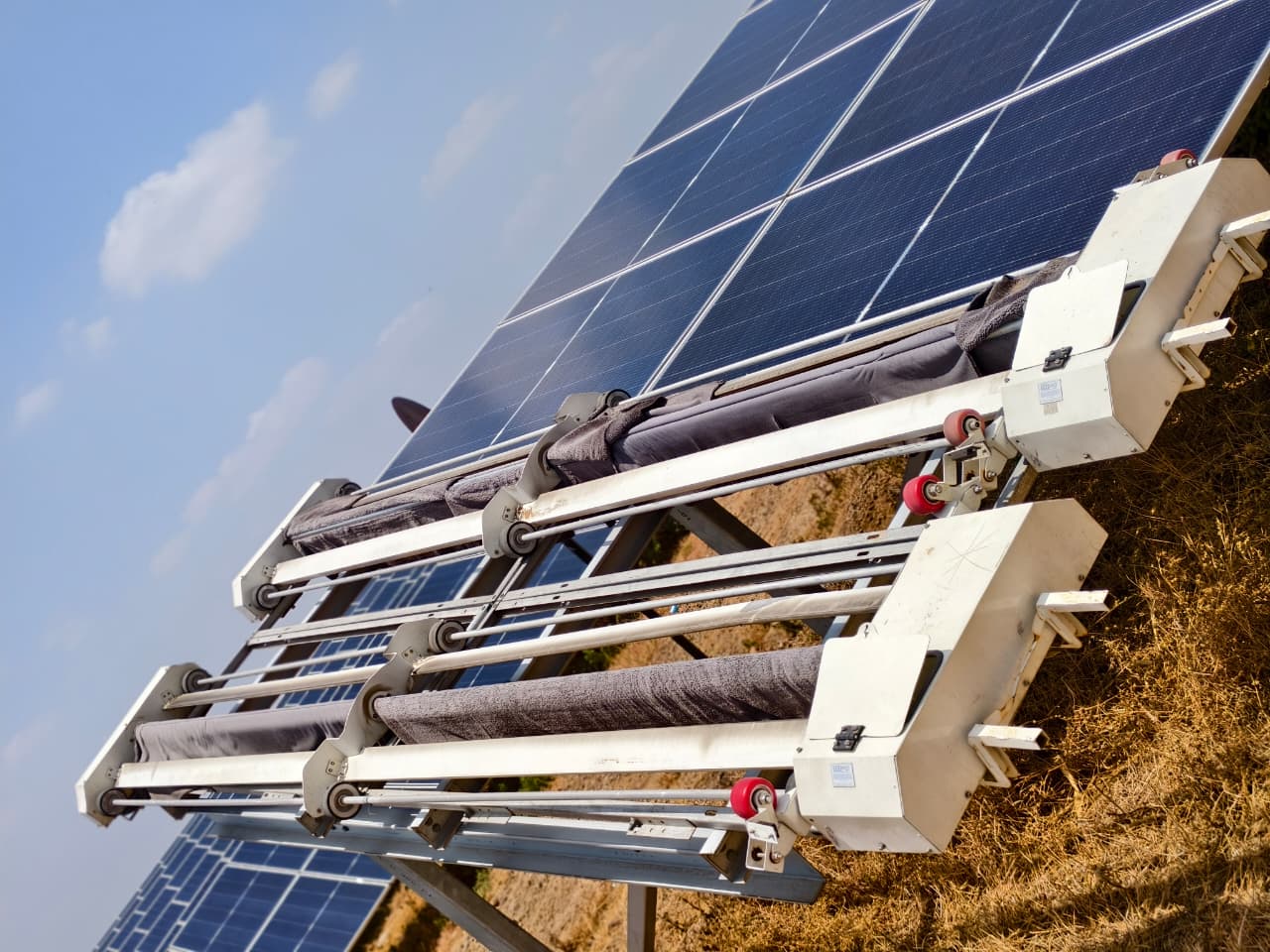
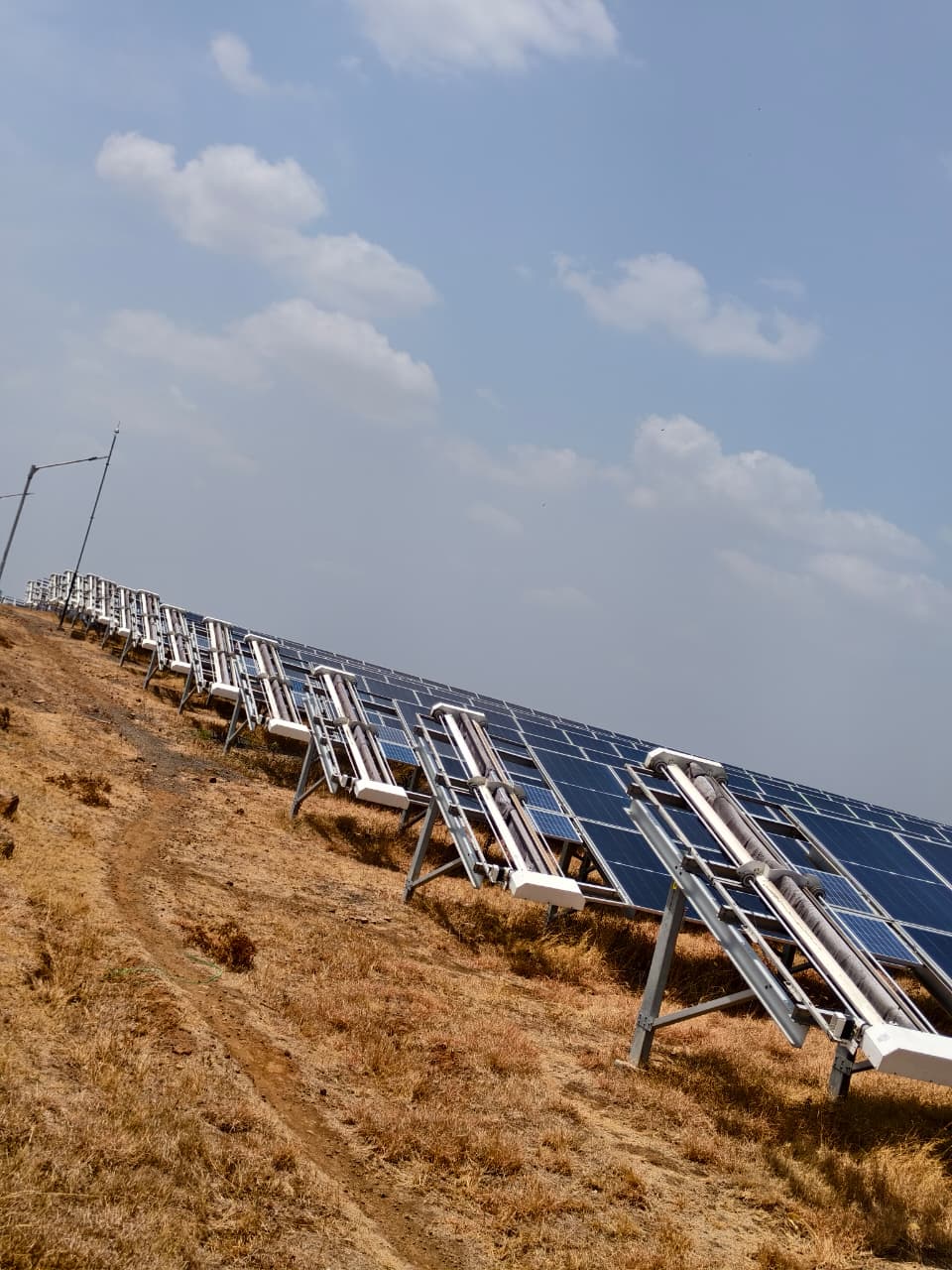
For utility-scale assets, robotic systems are becoming the standard because they mitigate these specific risks. Manual labor is prone to uneven pressure as workers get fatigued. Robotic systems like the GLYDE or NYUMA series ensure uniform contact, operating strictly within the limits set by manufacturers. Asset managers should ensure their providers use certified equipment; look for TÜV NORD certifications to confirm they meet industry standards.
When you're selecting a partner, demand documentation. Their process must link back to your specific module datasheets. A strong O&M strategy should document operating pressure, contact frequency, and the specific materials used for brushes. For those managing multi-site portfolios, keeping these records in NECTYR is vital. This documentation protects you during technical due diligence and ensures your warranty claims stay valid, preventing legal headaches from improper maintenance.
Compliance requirements for utility-scale solar O&M in India
In India, utility-scale plants have to follow MNRE and CEA guidelines to ensure reliability and safety over a 25-year lifespan. When you're picking a cleaning service, check their track record with data logging and maintenance records.
If your projects fall under government schemes or use ALMM modules, documenting all work is mandatory for audits. Regulatory bodies expect clear, digital records to justify the generation numbers in your Performance Ratio (PR) reports. Using a platform like NECTYR helps you log everything from cleaning frequency to equipment use, providing the transparency required by financiers and grid operators.
Safety compliance is also non-negotiable. CEA standards mandate strict electrical and mechanical safety protocols to prevent accidents and protect grid infrastructure. A cleaning service without clear safety procedures is just a liability. Your O&M strategy has to include:
- Valid certification for all mechanical equipment used on-site.
- Documented maintenance logs to support manufacturer warranty requirements.
- Strict adherence to local environmental regulations, especially in water-stressed regions.
Prioritize vendors using digital tracking and compliant hardware to avoid the risks associated with manual labor. For more on managing risks and finances, see Solar Panel Cleaning Service: ROI and OPEX Planning for MW Plants. High standards are the only way to ensure long-term project success in India.
Comparative risk assessment of cleaning methods
Choosing a strategy means balancing efficiency against module health. Manual cleaning often lacks quality control and can damage anti-reflective coatings. Automated and robotic systems give you much more control. Here is how the common methods in the Indian market compare:
| Feature | Manual Labor | Semi-Automatic | Fully Automatic Robotic |
|---|---|---|---|
| Plant type fit | Small to mid-scale | Scattered, distributed | Utility-scale, MW-scale |
| Water usage | High (2–5 L/module) | Low (Waterless) | Zero (Waterless) |
| Warranty risk | High (Surface scratches) | Moderate | Low (Validated contact) |
| Compliance data | Manual logs (low trust) | Basic digital logs | Automated audit trails |
| India support | Variable/Fragmented | Regional | Pan-India OEM service |
For IPPs, manual labor carries high risks. Abrasive materials or excessive pressure can lead to microcracks. Automated systems, however, use microfiber or UV-stable PBT brushes to maintain consistent contact across modules, which helps preserve warranties. Plant managers should prioritize technology with built-in sensors that monitor brush health and operating conditions, ensuring every task is documented and meets Indian standards.
How often should you schedule cleaning to prevent compliance failures?
If you're operating in dusty regions like Rajasthan or Gujarat, you should be cleaning every 15 to 30 days. This depends on the AQI and your real-time generation data. In peak summer, waiting longer than 30 days can lead to 15% generation losses due to dust buildup. Don't just stick to a calendar; use automated monitoring systems that trigger cleaning based on actual soiling levels.
This approach keeps your Solar Panel Cleaning Service: ROI and OPEX Planning for MW Plants aligned with your actual budget and protects your module warranties. Digital logs also create the robust audit trail required for CEA compliance and help optimize your Performance Ratio (PR). For more tips, check our guide on Sunlight Panels: O&M Strategies and Soiling Mitigation in India. Consistent, recorded cleaning is your best defense against underperformance and warranty disputes.
Mitigating mechanical risks and microcracks during cleaning
Mechanical stress is the biggest threat to your module's lifespan, and improper cleaning is a primary cause. High-pressure jets or abrasive brushes can create microcracks that are hard to see, but they cause significant power loss over time. IPPs must ensure that service providers use equipment designed for light, uniform pressure. This is especially critical for newer technologies like TOPCon and HJT, which have different structural requirements than older modules.
Owners should mandate regular health inspections for all robotic systems, focusing specifically on brush pressure and moving parts. Using certified equipment is the simplest way to reduce risk. Always ask for documentation regarding contact protocols to ensure the force applied stays within the limits of your module datasheets. This proactive management is what protects your asset value and long-term sustainability.
What plant managers should do next
- Audit all cleaning service contracts annually to ensure they align with the latest OEM warranty guidelines.
- Require providers to use digital logs and integrate them with portals like NECTYR for a clear audit trail.
- Verify that all cleaning equipment holds the relevant industry certifications.
- Request a trial period that includes pre- and post-cleaning inspections; use electroluminescence imaging to check for microcracks.
- Prioritize service agreements with clear liability clauses to protect your asset value if physical damage occurs.
Sources and further reading
Frequently asked questions
Choosing a professional solar panel cleaning service involves balancing performance gains against hardware risks. Asset managers in India face unique challenges.
Cleaning-induced microcracks lead to the degradation of solar cells and their protective coatings. These structural defects reduce the efficiency of the module and accelerate the rate of power loss over time, directly negatively impacting the performance ratio of the utility-scale plant.
Compliance with CEA technical standards and site-specific safety protocols is mandatory for all utility-scale assets. Adhering to these guidelines ensures that your operation and maintenance activities meet national requirements, preventing regulatory penalties and safeguarding the longevity of your solar infrastructure.
Yes. Robotic solutions mitigate risks by ensuring consistent, non-abrasive cleaning that adheres to module-specific guidelines. Furthermore, they are more water-efficient, using significantly less than the 2 to 5 liters per module typically required for manual cleaning, which lowers operational costs and reduces resource consumption in water-scarce regions.