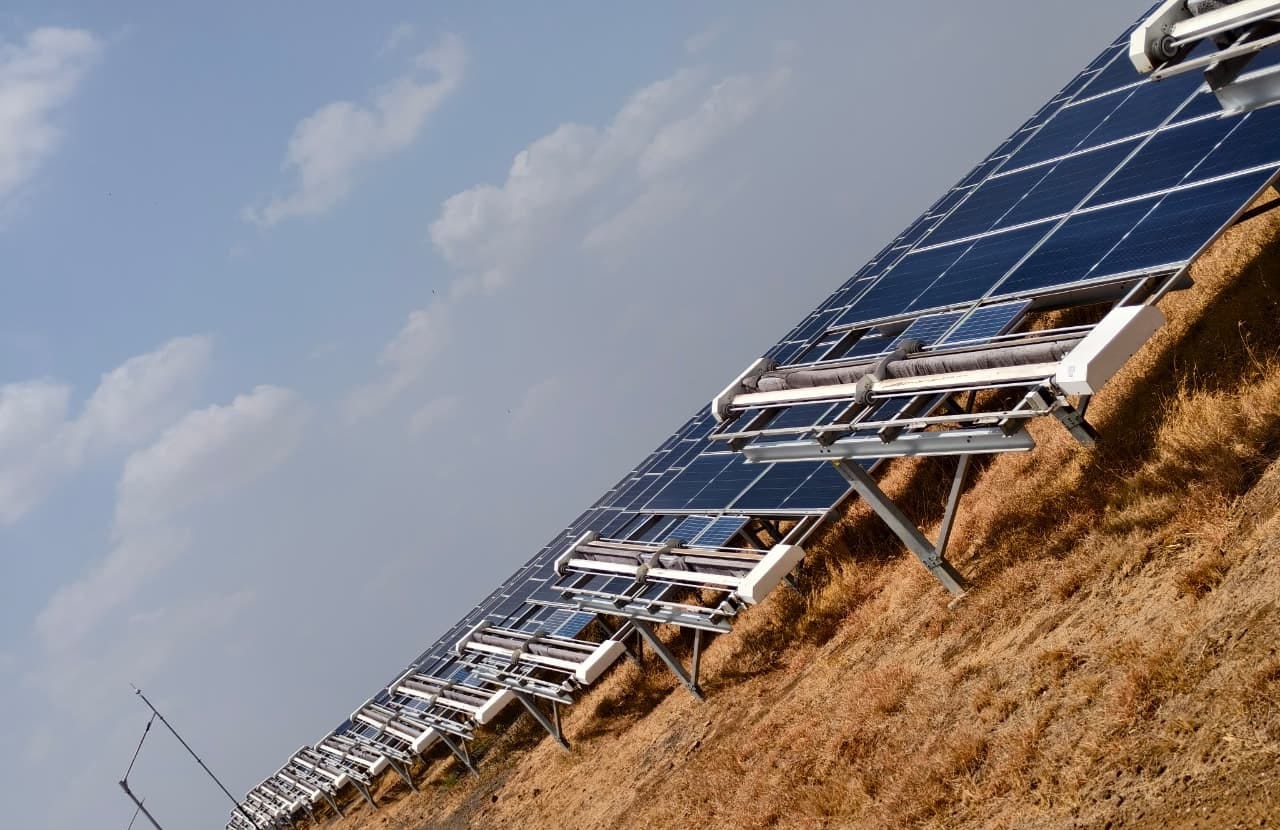

The 50MW Rajasthan Scenario: When Soiling Meets Audit
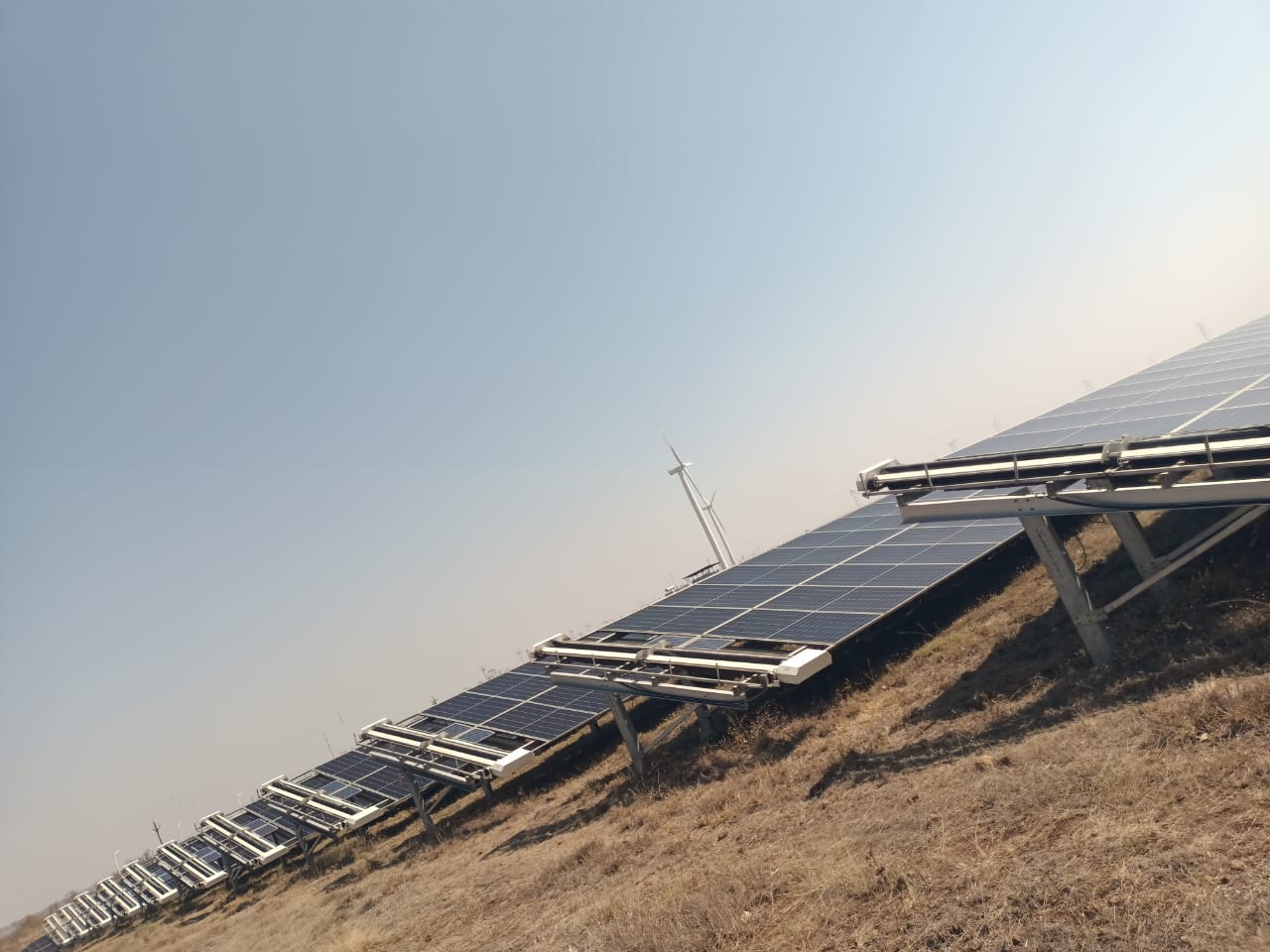
In a 50MW utility-scale plant located in Rajasthan, high irradiance levels are frequently undermined by rapid dust accumulation and coarse particulate matter. When Performance Ratio (PR) drifts from an expected 82% to 74% due to irregular cleaning, asset managers face a critical insurance risk. Beyond the immediate revenue loss, underperforming plants trigger audit discrepancies regarding generation guarantees stipulated in Power Purchase Agreements (PPAs).
Insurance underwriters assessing utility-scale assets in India now demand granular documentation of maintenance logs, especially when shifting from manual to automated cleaning methods. If your robotic cleaning schedule does not align with OEM module warranty requirements, or if the fleet deployment causes physical damage to panels, you risk voiding your equipment insurance. A documented, verifiable cleaning protocol, which captures the specific robot route, frequency, and water consumption, serves as the primary defensive layer during an insurance audit or when assessing liability for potential micro-cracks on modules.
For owners operating large-scale sites, the shift toward robotic systems represents more than just a change in labor: it is a transition toward data-backed asset protection. As detailed in our guide on optimizing robot fleet sizes, the decision to automate must be backed by accurate soiling loss data to ensure that cleaning frequency does not compromise hardware integrity. With India’s solar capacity exceeding 160 GW, insurers have become increasingly wary of manual cleaning inconsistences, making standardized, sensor-driven robotic operations a preferred mitigation strategy for high-value portfolios.
Defining Insurance Considerations for Robotic Cleaning Assets
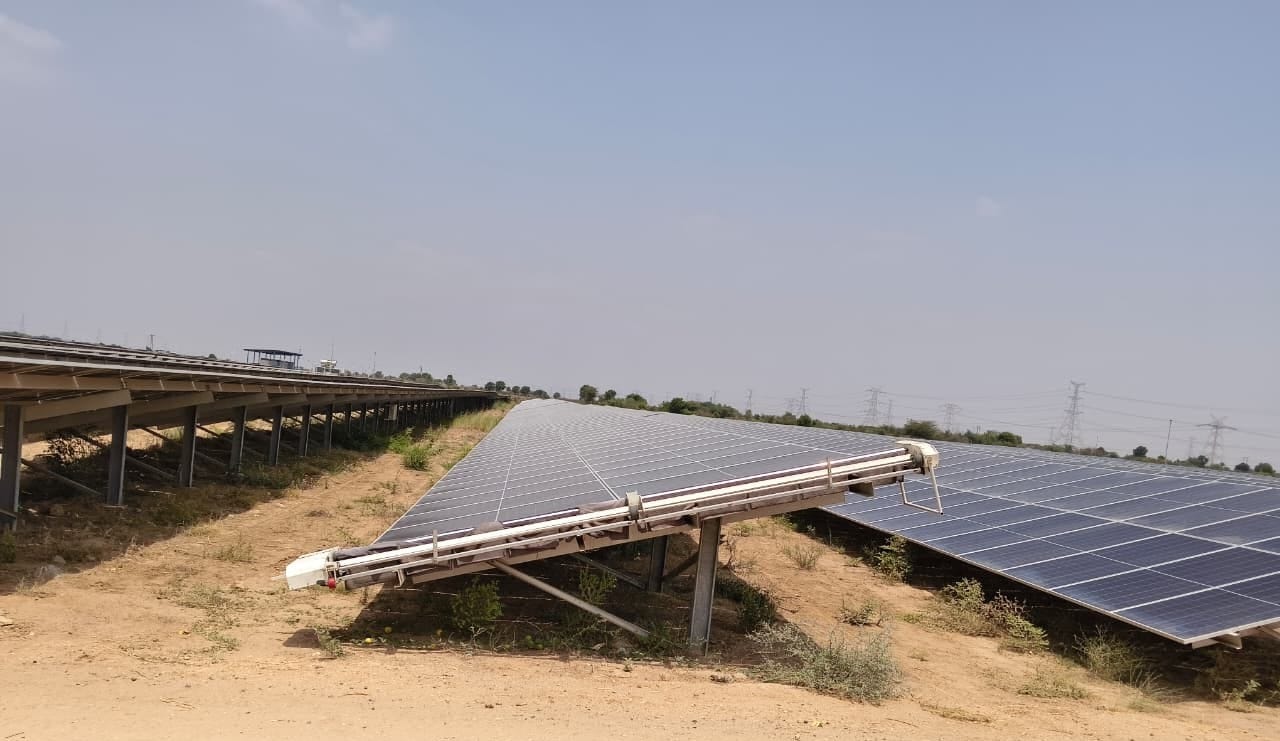
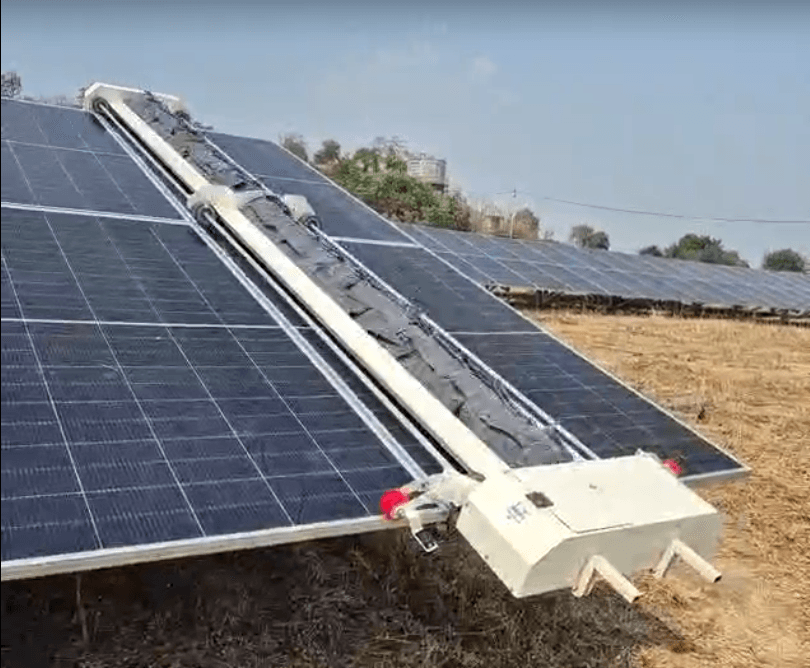
Insurance considerations for robotic cleaning assets center on mitigating operational liability and ensuring compliance with module warranty terms. In the context of large-scale Indian projects, underwriters view manual cleaning, often involving uncontrolled water use or abrasive tools, as a high-variance risk. Transitioning to autonomous systems like the GLYDE or NYUMA series allows plant operators to document precise cleaning parameters, such as brush pressure, route patterns, and cycle frequency, into their O&M logs.
For an insurance carrier, the primary concern is the physical integrity of the photovoltaic cells. Improper cleaning force can induce micro-cracks, which are often invisible during commissioning but manifest as severe hotspots during high-irradiance months. By implementing robotic systems, asset managers shift from human-dependent variables to consistent, machine-governed routines. This transition is typically viewed favorably by insurers, provided the robots are certified for use on specific module types. Proper fleet management, supported by platforms like NECTYR, ensures that these assets remain within manufacturer-approved mechanical stress limits.
Technical Risks: Module Micro-cracks and Warranty Compliance
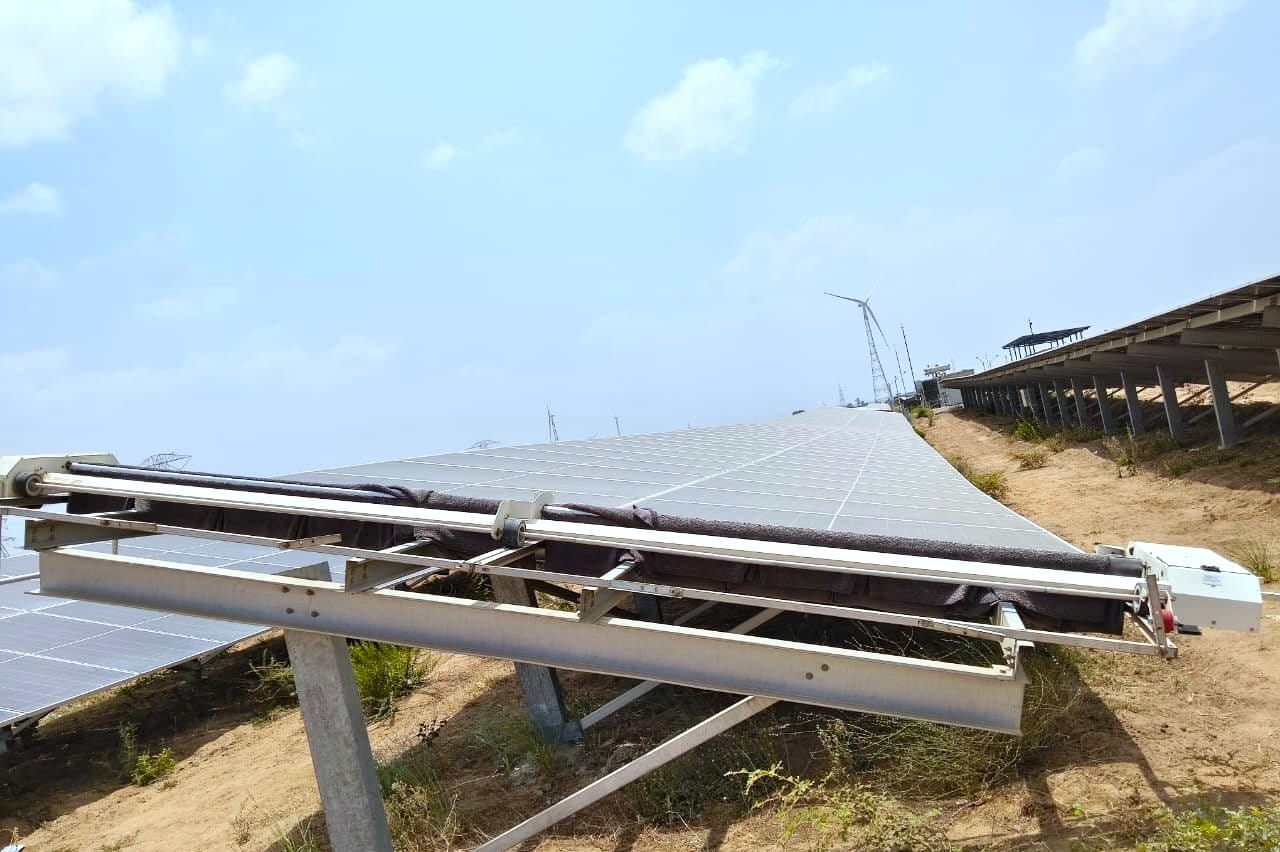
The technical risk assessment for robotic cleaning hinges on the interaction between the module glass and the robot mechanism. In India, where temperature fluctuations can reach 90°C at the module surface, incorrect robot deployment can cause accelerated degradation. To satisfy insurance requirements, operators must select systems that offer validated hardware compatibility. Systems such as the GLYDE utilize a dual-pass microfiber method that avoids the aggressive abrasion sometimes associated with rigid PBT brushes, minimizing the risk of scratching the anti-reflective coating (ARC) of high-efficiency modules.
Warranty compliance also requires adherence to module-specific cleaning instructions. Many Tier-1 manufacturers explicitly stipulate the maximum downward pressure allowed on the glass surface. Robotic systems allow for the digital enforcement of these mechanical limits, whereas manual teams often fluctuate in pressure applied during fatigue-prone late-shift operations. A documented O&M strategy that includes sensor-driven speed control and obstruction detection reduces the probability of equipment failure, which is a key requirement for retaining full insurance coverage against physical loss and damage on 50 MW+ portfolios.
How does robotic cleaning impact plant insurance premiums?
Robotic cleaning can lead to lower insurance premiums by providing underwriters with predictable, standardized O&M data that reduces site-wide liability. When asset owners transition from variable manual labor to consistent, sensor-driven cleaning, they significantly reduce the statistical probability of micro-crack formation caused by manual pressure, boot-wear, or unmonitored water usage. Insurers look for evidence of operational maturity, and having a documented, automated cleaning regime, such as those discussed in our analysis of performance ratio triage, signals a proactive approach to asset longevity.
By maintaining a higher, more stable Performance Ratio (PR) and eliminating the manual handling of panels, site operators mitigate the risks associated with recurring soiling losses, which commonly range from 5% to 15% across Indian solar sites. Underwriters often view the inclusion of autonomous systems as a risk-mitigation layer that protects the plant's long-term generation capacity. Ultimately, lower physical risk and higher data transparency allow owners to present a stronger case for optimized insurance coverage.
Step-by-Step: Implementing Automated Cleaning on Utility-Scale Sites
Transitioning a 50MW+ utility plant in India from manual to robotic cleaning requires a structured deployment to ensure insurance and warranty compliance. A haphazard rollout can lead to integration gaps that underwriters may flag as increased operational risk.
1. Technical Audit and Hardware Compatibility Verification
Before purchasing any assets, conduct a thorough audit of your existing module specifications. Ensure that the chosen cleaning method is compatible with your module type (fixed-tilt vs. tracker) and that the robot's mechanical pressure limits are within the manufacturer's allowable range. For example, if you are managing a single-axis tracker site, selecting a tracker-specific model like the GLYDE-X or NYUMA-X ensures the robot can navigate the module tilt range (typically -52 to +52 degrees) without causing structural stress. This step is critical for maintaining the validity of your module warranties.
2. Integration with Fleet Monitoring Systems
Do not deploy robots in isolation. For utility-scale operations, every cleaning cycle must be logged. Integrating robots with a fleet management platform like NECTYR allows you to create a digital audit trail. This trail should include:
- The exact date and time of each cleaning pass.
- The specific rows or blocks cleaned.
- The sensor-detected cleaning efficiency.
- Any technical alerts or obstruction detections.
3. Pilot Deployment and Baseline Establishment
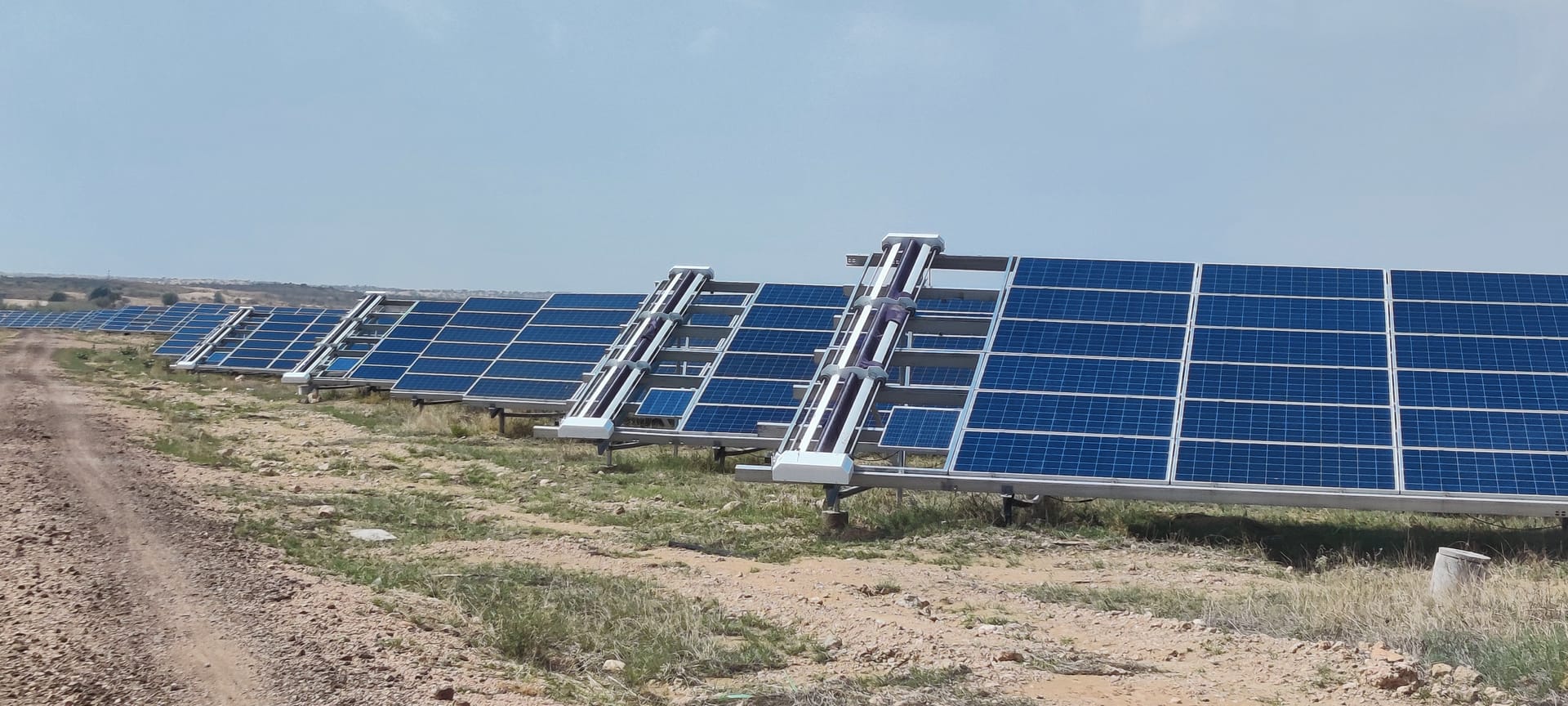
Rather than a site-wide rollout, begin with a pilot block (e.g., 1–5 MW). Use this period to establish a performance baseline. Monitor the impact on your Performance Ratio (PR) and correlate cleaning frequency with soiling levels in your specific region, such as the arid zones of Rajasthan or the industrial corridors of Maharashtra. Once the cleaning interval is optimized, scale the fleet. For larger deployments, consider using a row-transfer system like CRADYL to move robots between scattered blocks, which improves operational efficiency without the high CAPEX of a robot for every single row.
4. Standard Operating Procedure (SOP) Finalization
Develop a formal SOP that includes weather-contingency protocols. For instance, if your site experiences high winds or unexpected monsoon activity, the SOP should define when robots must be docked. For robots like the NYUMA series, which have an IP65 rating and can operate in temperatures up to 90°C, the SOP should clearly define the safe operating envelope to prevent equipment-induced damage during extreme heatwaves.
Water Use and Regulatory Alignment in Arid Indian States
In states like Rajasthan and Gujarat, where solar capacity exceeds 40 GW, water conservation is a regulatory mandate enforced by both state DISCOMs and MNRE guidelines. Manual wet cleaning typically consumes up to 3 liters per panel, totaling hundreds of thousands of liters per MWp annually. Underwriters increasingly view this water dependency as a business continuity risk in water-stressed regions, where local municipal supplies can be suddenly restricted.
By switching to waterless robotic systems, such as the GLYDE or NYUMA series, plant managers achieve a dual benefit of compliance and operational resilience. Waterless cleaning eliminates the logistical friction of water procurement, tanker transportation, and storage, while simultaneously preventing the potential for water-related equipment corrosion. This approach aligns with industry-standard efforts to lower the water footprint of utility-scale assets to near-zero levels. For further guidance on comparing cleaning methodologies, see our technical comparison of waterless vs water-based cleaning.
Regulatory compliance also extends to the safe operation of cleaning hardware. Modern robotic deployments in India must meet technical standards for module protection, ensuring that the cleaning pressure does not accelerate glass scratching or anti-reflective coating degradation. Using autonomous robots like the GLYDE-X on tracker-based farms ensures that cleaning occurs at optimal, manufacturer-recommended pressures. For large-scale portfolios, integrating this technology ensures that generation performance stays within the PPA guarantee brackets, effectively mitigating the financial risks associated with seasonal soiling losses and regulatory water-use audits.
Operational Thresholds: When to Trigger a Cleaning Cycle
Establishing an operational threshold is critical for balancing energy yield against equipment wear. In dusty regions like Rajasthan, waiting for a visible layer of sand to appear often results in a cumulative PR loss of 10% or more, which far exceeds the cost of a daily or weekly cleaning cycle. For a 50 MW plant, the optimal trigger point is typically defined by a decline in performance ratio data from your SCADA monitoring systems, rather than a fixed calendar schedule.
Using data-driven triggers instead of arbitrary dates allows you to optimize your battery cycles and brush life. For sites using autonomous systems like the GLYDE or NYUMA series, you can set alerts for when local soiling loss exceeds a 2% threshold. This dynamic approach ensures the robots operate only when necessary, which is essential for preserving the long-term integrity of module anti-reflective coatings.
Data-Driven Cleaning Optimization
- Performance Trigger: Automate cleaning cycles when the daily PR drops below 95% of your baseline, accounting for seasonal irradiance variances.
- Weather-Indexed Scheduling: Use local weather station data to postpone cleaning during predicted monsoon conditions or high-wind events to prevent unnecessary robot strain.
- Sector-Specific Cleaning: In large-scale sites exceeding 50 MW, focus robot activity on blocks with the highest soiling impact first, such as areas near unpaved access roads or agricultural plots.
For operations teams managing fleet schedules, aligning cleaning frequency with real-time soiling data prevents the common pitfall of over-cleaning, which can lead to premature mechanical degradation. By using platforms like NECTYR to manage your robot fleet deployment, you ensure that every cleaning pass is justified by verified production data, keeping your insurance and warranty compliance profiles clear and documented.
What plant managers should do next
- Audit your current site soiling loss and correlate it with historical PR data to determine your specific break-even cleaning frequency.
- Review existing O&M contracts to ensure robotic, waterless cleaning protocols are explicitly permitted and supported by module OEM warranty terms.
- Pilot an automated system on a 5 MW block to establish a clean-performance baseline before scaling across your full portfolio.
- Transition from manual, calendar-based cleaning to data-driven automated schedules to lower your water consumption and improve long-term asset health.
Sources and further reading
Frequently asked questions
Primary considerations include maintaining detailed maintenance logs, ensuring robotic cleaning parameters align with original equipment manufacturer warranty requirements, and providing verifiable data on brush pressure and cycle frequency to prevent hardware damage.
Not necessarily, provided the robotic system is certified for use on your specific module type. You must ensure that the cleaning protocol, including brush pressure and robot route, is documented and strictly adheres to the manufacturer's maintenance guidelines to maintain warranty validity.
Cleaning frequency depends on site-specific soiling rates, such as those found in Rajasthan. Operators should utilize sensor-driven data to determine the optimal schedule, ensuring that cleaning frequency mitigates revenue loss without causing physical stress to the panels.
Yes, waterless robotic systems reduce operational risk by eliminating variables like water quality issues and inconsistent manual labor. Standardized, sensor-driven robotic operations provide the granular documentation required by insurers to verify that maintenance is performed safely and consistently.