Summary for plant managers
Integrating cleaning service bundles into RESCO and OPEX models requires a shift to data-driven, performance-based scheduling. Plant managers at utility-scale sites must use cleaning triggers that reflect local dust levels. This is better than using fixed dates. Bundling these services into a contract ensures consistent hardware care. It also helps manage power degradation without the volatility of spot-contract bidding.
- Expected yield recovery: 10% to 30% through optimized cleaning frequency.
- Water conservation: 80% to 90% reduction via waterless robotic service bundling.
- Operational trigger: Implement cleaning when daily degradation reaches 0.3% to 0.5%.
- Budgeting baseline: Allocate 1% to 2% of total CAPEX for industry-standard O&M.
The choice to bundle services depends on local dust chemistry and asset type. Utility-scale assets in India often face high soiling losses. Using automated fleets managed under a service-level agreement (SLA) allows for a performance-linked approach. This aligns the contractor’s goals with site generation targets. You can learn more in our guide on managing long-term O&M and soiling costs. Success depends on standardized reporting through fleet software. Every cleaning cycle should be tracked against revenue targets. For further operational insights, see our analysis on soiling mitigation strategies.
Understanding cleaning service bundling in RESCO and OPEX models
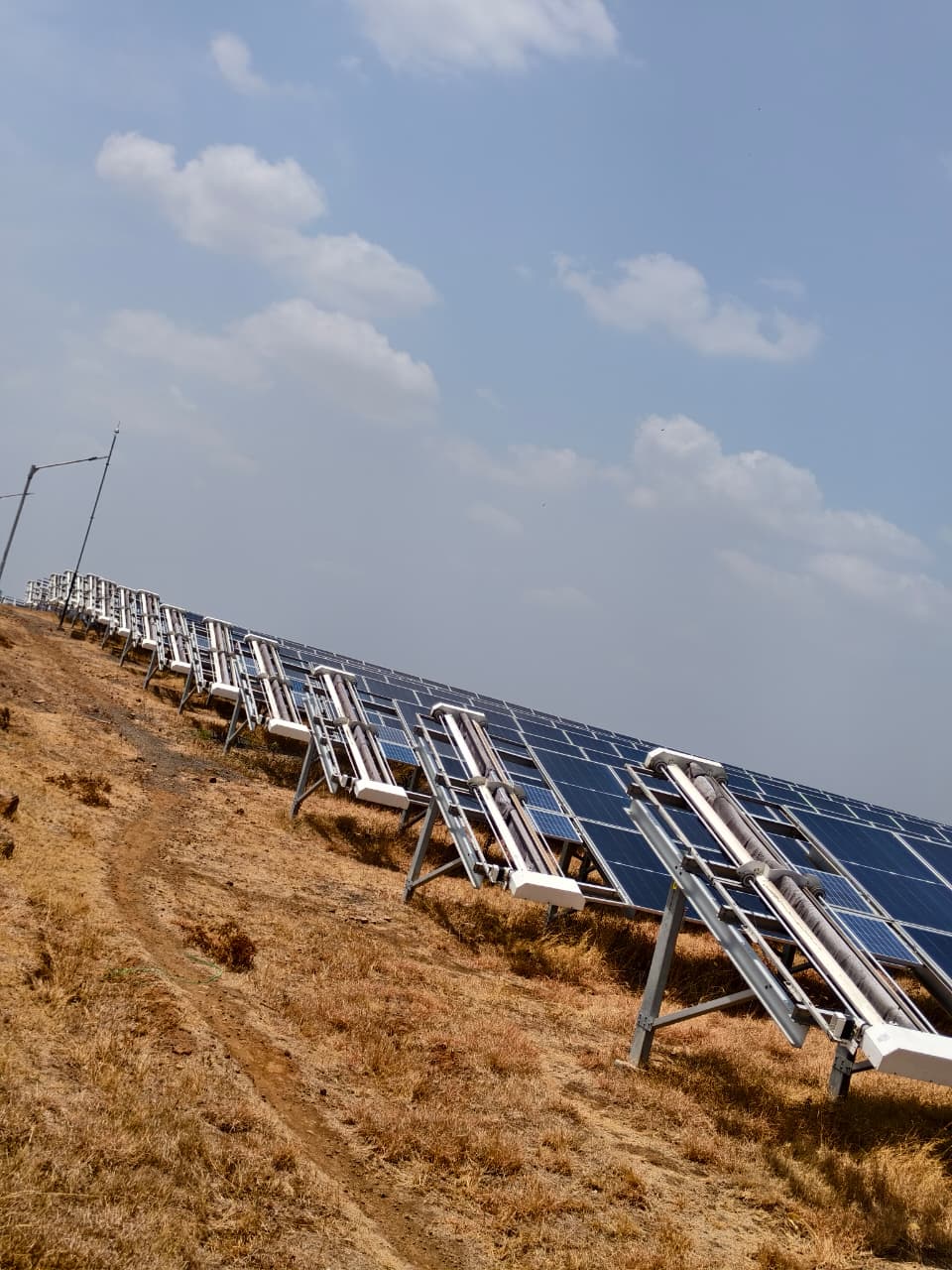
In modern Indian solar portfolios, bundling represents a change in risk allocation. Under a traditional fixed-fee contract, the owner absorbs production losses from dust. The contractor often just cleans a set number of rows. When you bundle cleaning into a RESCO or OPEX model, the vendor must maintain surface cleanliness. Their SLA is usually tied to generation uptime or performance thresholds.
The bundling process starts by setting cleaning frequency within the long-term contract. The agreement should specify soiling-loss triggers instead of a calendar. For example, a contract might mandate cleaning when sensors show a 0.5% daily degradation rate. This creates a predictable cost structure that is easy to audit.
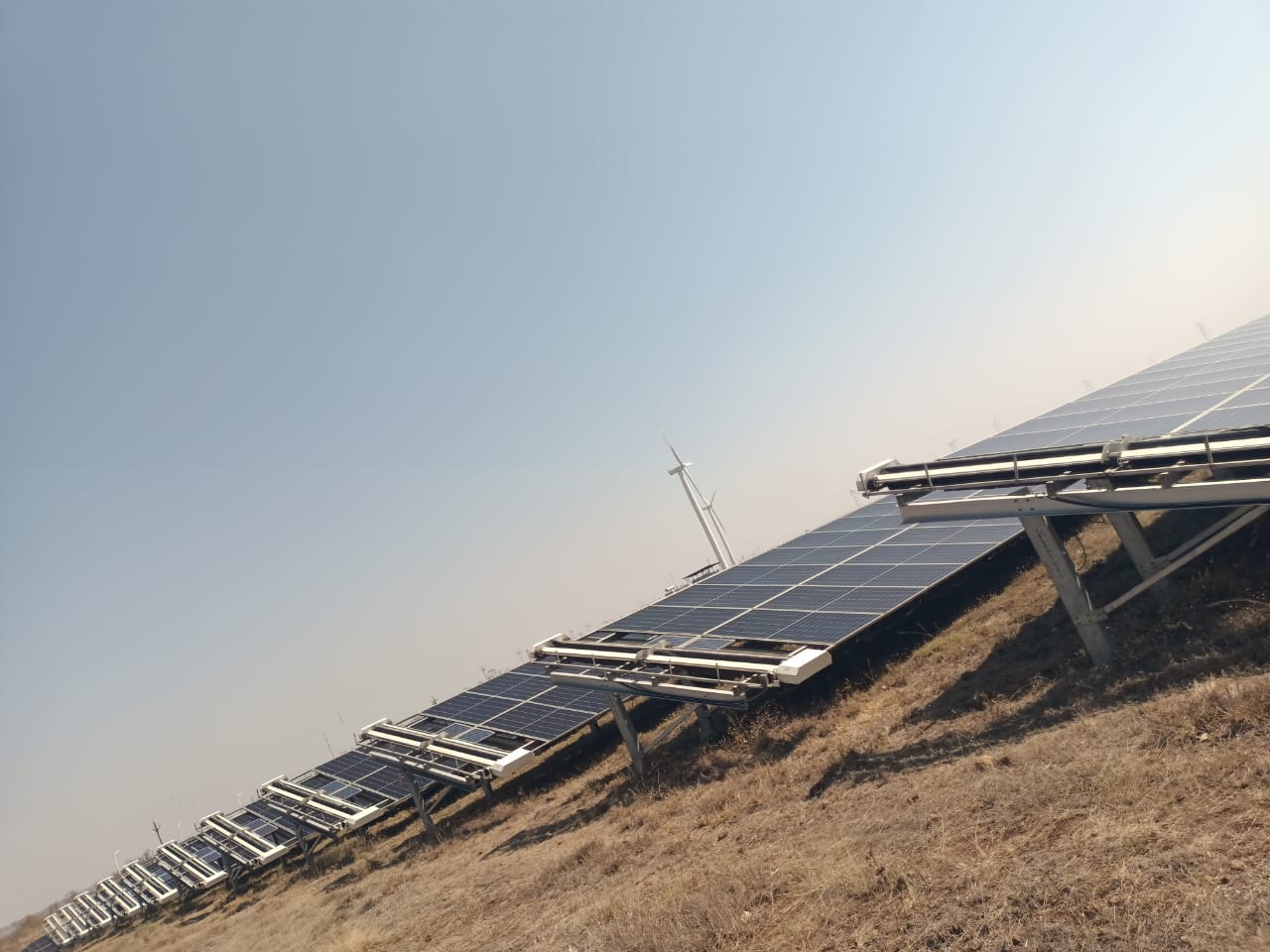
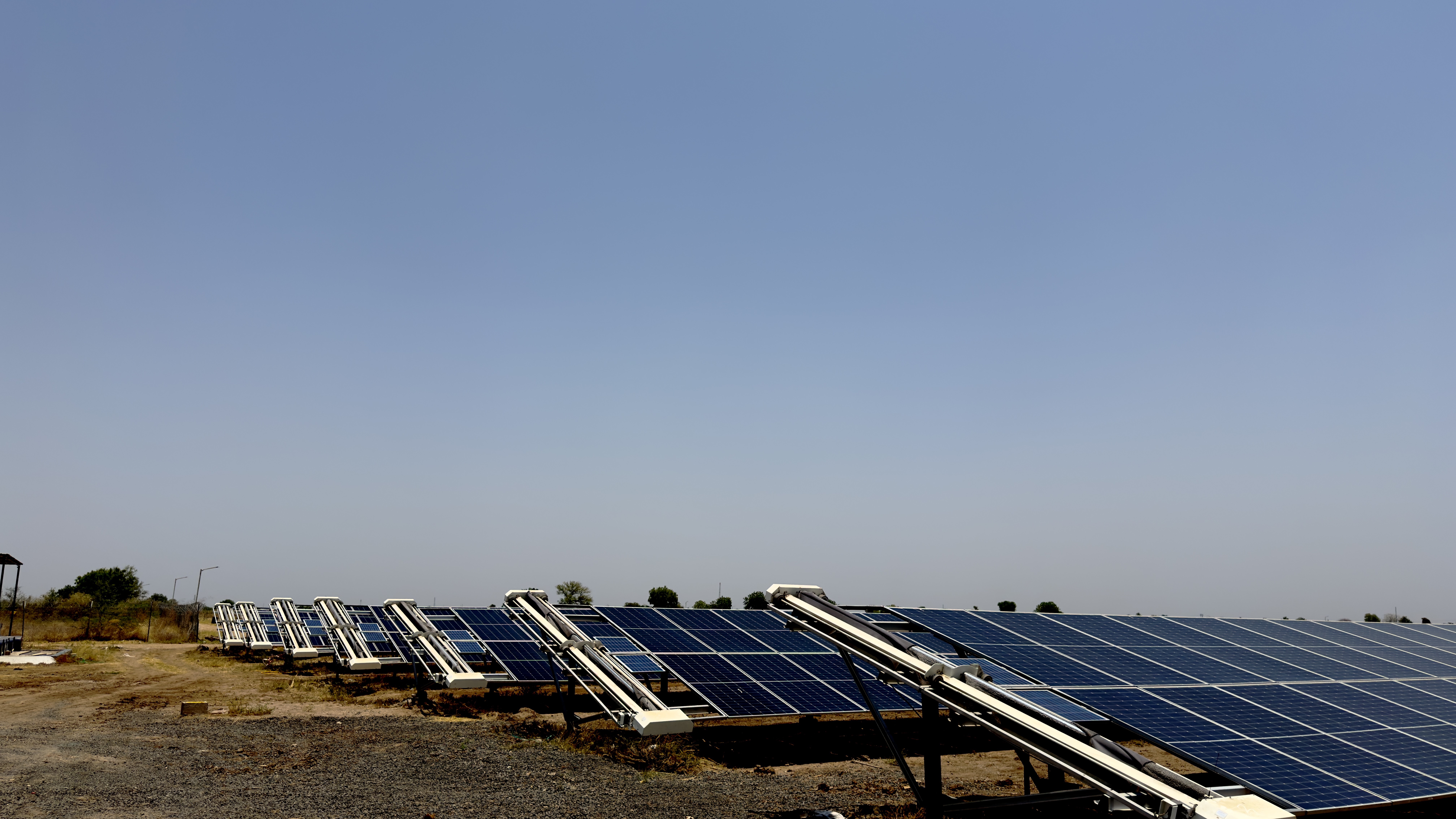
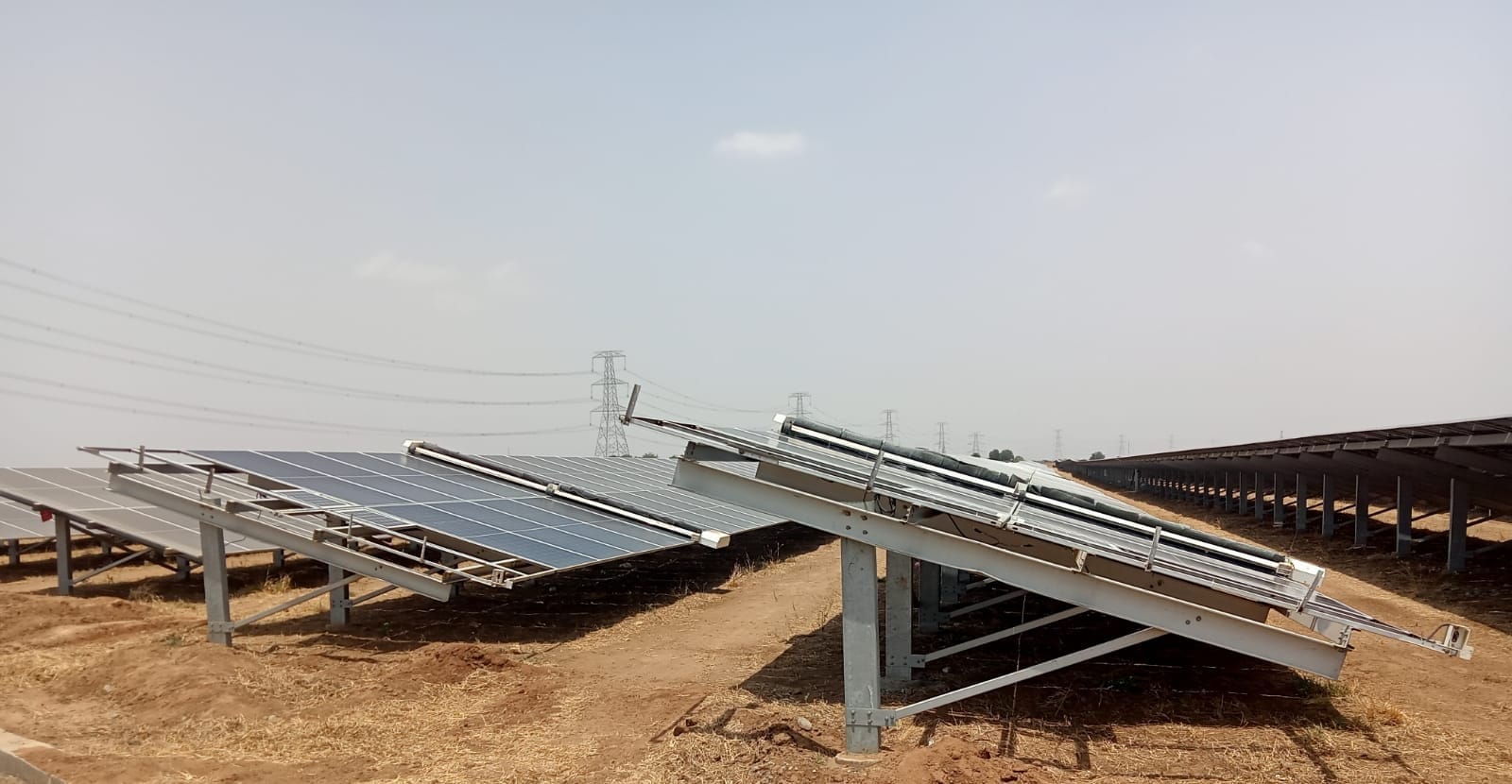
Bundling also centralizes procurement for hardware and labor. Under a comprehensive RESCO model, the provider manages the entire cleaning stack. This includes autonomous systems like the GLYDE or NYUMA series. This removes the need for the owner to manage multiple vendors for robot parts or labor. Developers should choose vendors that offer full-stack support. Integrating different robotic fleets with legacy SCADA systems can cause data silos. For more on these arrangements, see our guide on CAPEX vs OPEX procurement for Indian utility IPPs. Bundled services ensure that every action is backed by data. This moves the site from manual labor to efficient generation management.
Technical implementation: Integrating automated cleaning into service contracts
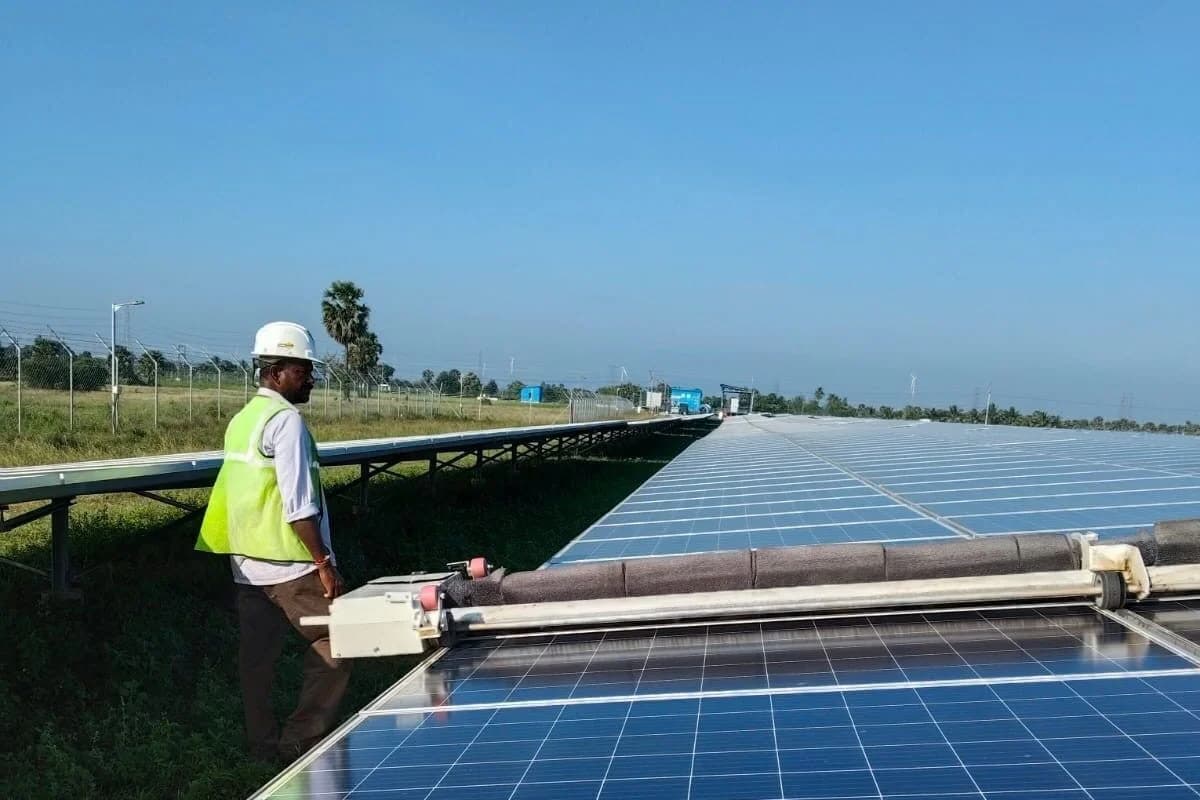
Integrating robotics into your RESCO or OPEX framework changes the scope from manpower to outcomes. For large plants in India, the contract should specify the use of autonomous systems. The GLYDE or NYUMA series ensure consistent cleaning cycles. Define all requirements in the technical annex of your O&M agreement. This includes specifying the need for NECTYR-compatible telemetry. This allows owners to track cleaning progress in real-time without site visits.
Technical implementation must address three plant-level constraints:
- Connectivity: Ensure the site has enough RF mesh or LTE coverage to command robots remotely.
- Parking and docking: Designate spots for robots to charge. Use stations like CRADYL for inter-row transfers.
- Compliance: Verify that robots meet module safety standards. They must match the anti-reflective coating requirements of your panel supplier.
The contract should mandate a standard reporting format for IPPs in multiple regions. This ensures data from all sites feeds into one dashboard. A performance-linked SLA shifts the burden of proof to the contractor. They must prove that the robot frequency counters the 0.3% to 0.5% daily degradation. This approach removes the guesswork of manual logs. It provides a clear trail for ESG reporting. Refer to our guide on fleet monitoring software to see how these streams integrate with SCADA.
Managing soiling thresholds and cleaning frequency for MW-scale Indian sites
Defining the trigger for a cleaning cycle is a critical technical step. Calendar-based cleaning often leads to over-cleaning or under-cleaning during dust storms. Managers should use a sensor-based threshold. A cleaning sequence should start when the performance ratio (PR) drops by 1% to 2%.
For sites using robots like the NYUMA or GLYDE, the NECTYR portal manages frequency. In high-dust regions, this requires daily or bi-weekly cycles. This prevents the 0.3% to 0.5% yield loss typical of arid sites. In low-dust regions, weekly cycles are enough to prevent hard-soiling buildup.
Consider these technical constraints when setting thresholds:
- Data granularity: Use satellite data combined with site sensors to calculate accurate loss.
- Environmental volatility: Adjust triggers seasonally. Humidity can increase how dust sticks to glass.
- Response time: Ensure the provider can deploy robots to high-loss blocks within 24 to 48 hours.
Automated thresholds remove the variability of manual labor. This ensures the plant hits its generation guarantee. This approach prevents the cumulative loss caused by slow manual crews. Read our study on seasonal soiling rates and yield loss for more depth. Managing these metrics in a bundle ensures the provider handles the risk of peak performance.
How often should cleaning be bundled to protect Performance Ratio (PR)?
In high-soiling Indian environments, cleaning frequency is a dynamic threshold. Bundling for 50 MW to 100 MW plants requires defining a specific PR trigger. A 1% to 2% drop usually signals the need for cleaning. The provider must show that their interval stops the 0.3% to 0.5% daily yield loss.
For plants using systems like the GLYDE or NYUMA, bundles should cover the cost per cycle. Do not use a flat monthly fee. This incentivizes the provider to maintain output during high-risk windows. The contractor assumes the operational risk when cleaning is integrated into an OPEX model. They use real-time telemetry from platforms like NECTYR to manage triggers. This makes cleaning a predictable, performance-linked strategy, as noted in our guide on fleet monitoring software. Aligning the bundle with weather data prevents under-cleaning and over-cleaning wear.
Vendor selection: Evaluating robotic cleaning service partners
Selecting a partner requires more than comparing price per panel. Asset owners should prioritize vendors that offer a complete stack. They need both hardware and remote management. The partner must prove their gear works in local conditions, from deserts to humid coasts. Use the criteria below to evaluate potential providers.
| Evaluation Criterion | Target Metric or Requirement |
|---|---|
| Plant Coverage | 10–100+ MW portfolio capability |
| Cleaning Method | Waterless; dry-pass microfiber or PBT |
| Deployment Model | Flexible CAPEX or Pay-per-clean OPEX |
| Tech Integration | Cloud-based fleet portal (NECTYR-compatible) |
| India Support | Pan-India spares, service engineers, 24/7 support |
Prioritize partners with experience in your specific terrain. This includes single-axis trackers or canal-top installations. These sites need specialized robots like the GLYDE-X or NYUMA-X. Confirm that the provider offers an SLA with penalties for missed cycles. For more, see our study on comparing robotic cleaning vendors. A quality partner will integrate with your SCADA. This gives you a clear view of every cleaning event across the site.
Comparison of cleaning methods in service-based models
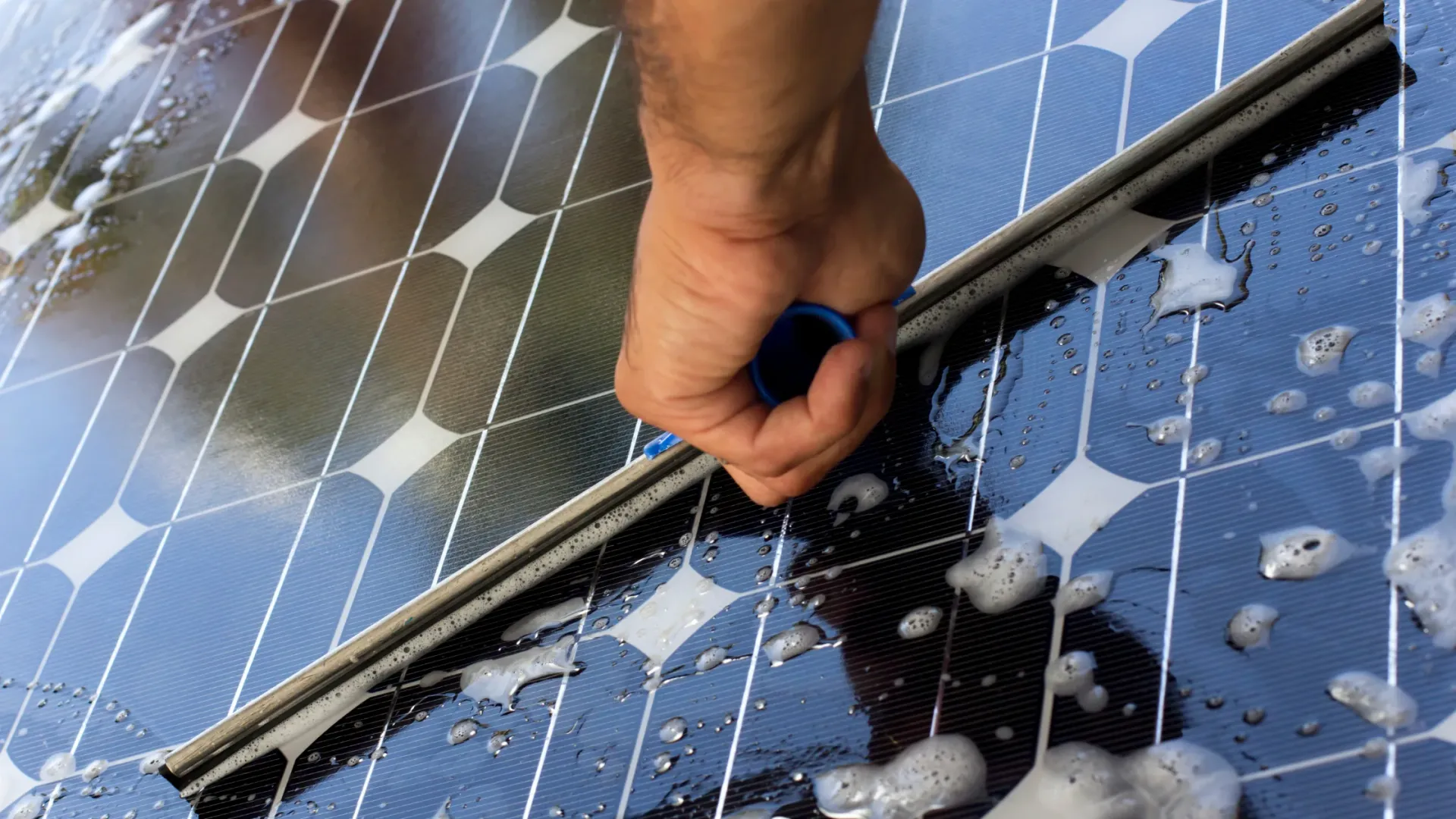
In service bundling, the choice between manual brushing and robotic solutions dictates long-term OPEX. Manual wet cleaning faces high labor costs and high water consumption. It often uses over 2 litres per panel per cycle. This is expensive in arid zones like Rajasthan. Sourcing tankers creates logistical problems for operations.
Dry robotic cleaning offers a standard, consistent alternative. It avoids the risks of water-based corrosion and calcium deposits. Bundling these robots into an OPEX contract shifts the performance burden to the vendor. The table below compares different service approaches.
| Cleaning Method | Water Usage | Labour Intensity | Module Risk | Best For |
|---|---|---|---|---|
| Manual Brush | High (Wet) | High | High (Abrasion) | Budget-constrained sites |
| Waterless Robot | Zero | Low | Low (Controlled) | Utility-scale 25+ MW |
| Autonomous Fleet | Zero | Minimal | Very Low | Predictive O&M plants |
Robotic systems integrated into bundles offer better yield protection than manual teams. Technologies like the dual-pass microfiber (in GLYDE and GLYDE-X lines) clean effectively. They do not damage the anti-reflective coating of the glass. Always confirm the vendor provides integrated fleet management through NECTYR. This ensures the cleaning schedule is always linked to live soiling sensors.
Key takeaways for O&M leads
- Define clear PR triggers: Shift from calendar-based cleaning to data-driven, performance-linked thresholds (1%–2% PR degradation).
- Bundled OPEX value: Choose service providers that take responsibility for soiling losses rather than charging a flat fee per visit.
- Regional robot fit: Select waterless robotic cleaning partners with proven deployment records in your specific climate, such as the GLYDE-X for tracker-intensive sites in arid regions.
- Prioritize SCADA integration: Ensure your robotic service partner integrates with your monitoring portals to maintain full transparency on cleaning logs and site coverage.
- Lifecycle optimization: Always assess cleaning costs against the 10%–30% potential energy yield loss common in India to justify the transition to automated waterless systems.
Sources and further reading
Frequently asked questions
Integrating cleaning service bundles into RESCO and OPEX models requires a shift to data-driven, performance-based scheduling. Plant managers at utility-scale sites must use cleaning triggers that reflect local dust levels.
In traditional fixed-fee maintenance, the asset owner bears the risk of production losses due to soiling. In contrast, bundling cleaning into RESCO or OPEX models transfers the responsibility to the vendor, who is incentivized to maintain a high Performance Ratio through systematic cleaning cycles and standardized reporting.
Yes, robotic cleaning is highly compatible with service bundling. Integrating these systems can achieve a 10% to 30% yield recovery while reducing water consumption by 80% to 90%. It is recommended to allocate 1% to 2% of total CAPEX for these industry-standard O&M activities.
To address high soiling in these regions, implement cleaning triggers based on daily degradation. Cleaning should be performed when the daily degradation rate reaches 0.3% to 0.5%. Using automated robotic fleets managed under a performance-linked service-level agreement ensures consistent mitigation that accounts for local soiling chemistry.