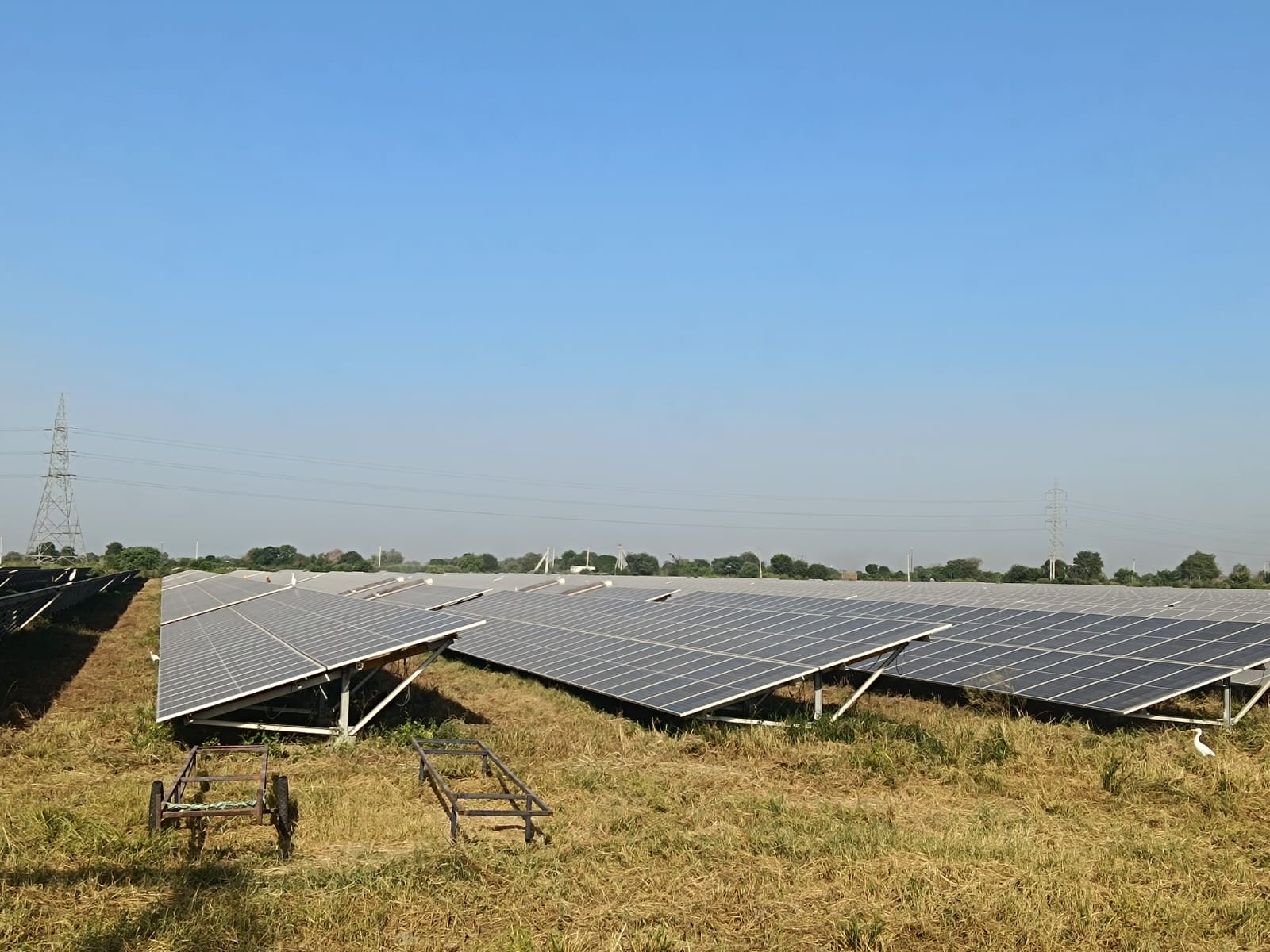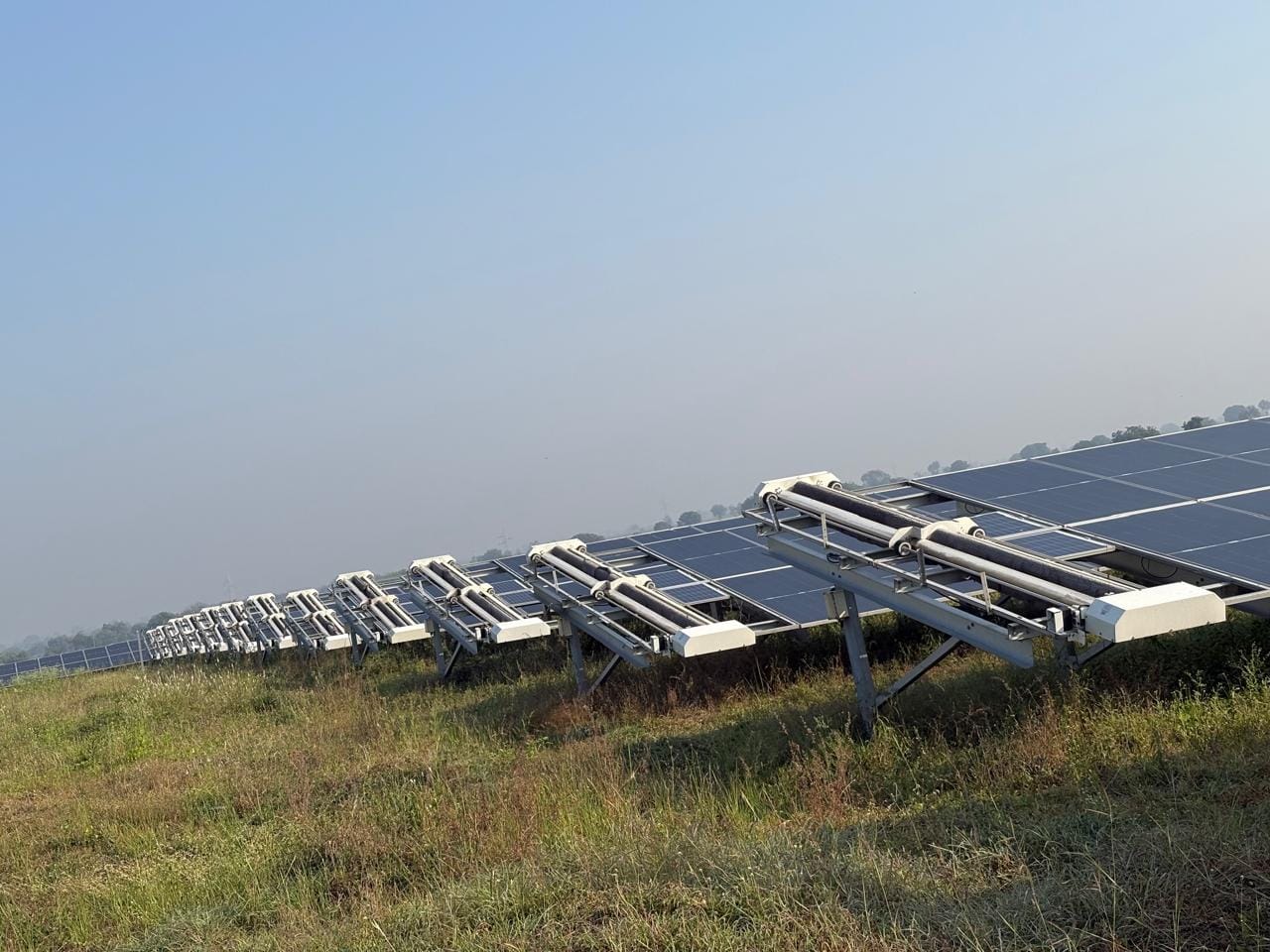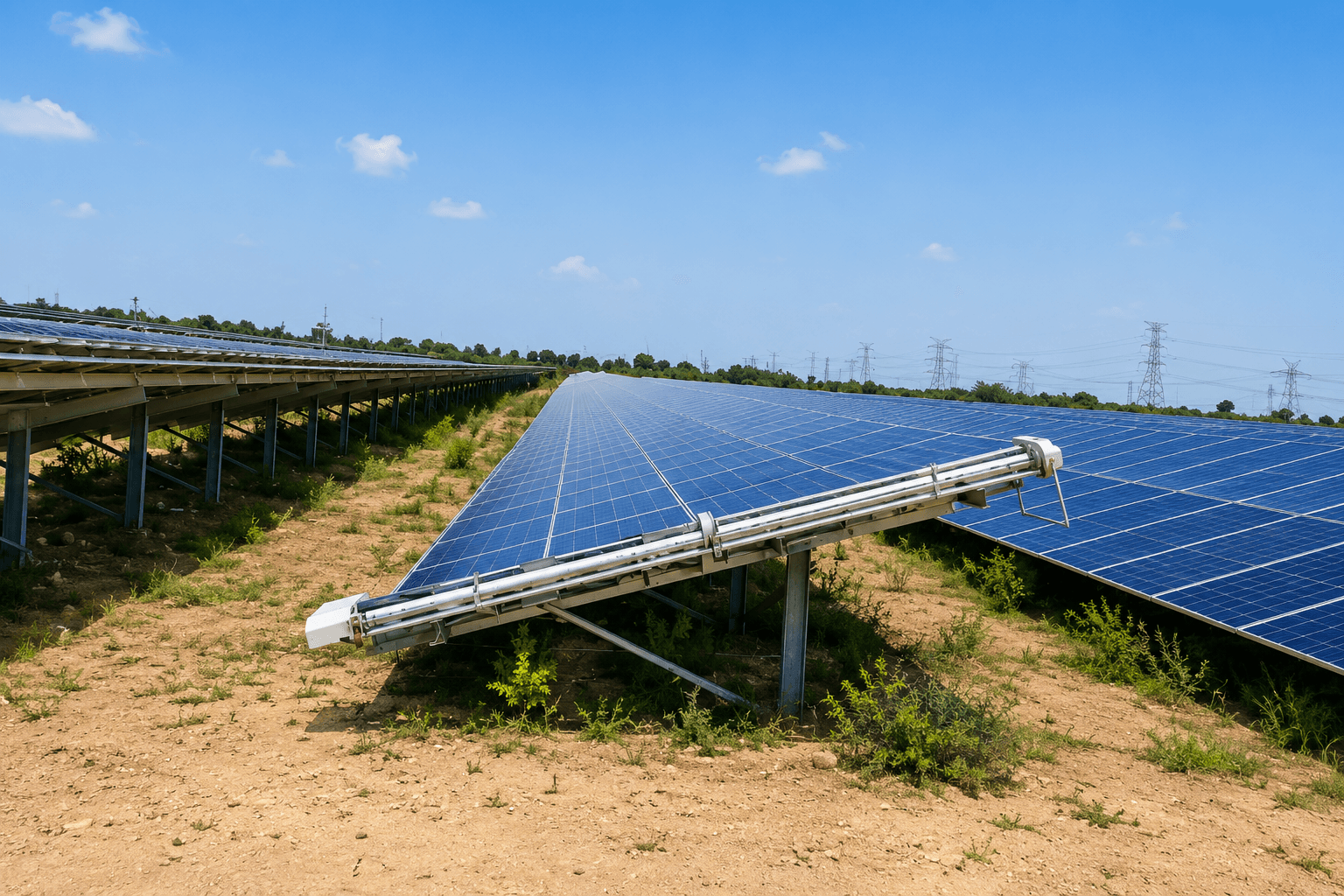
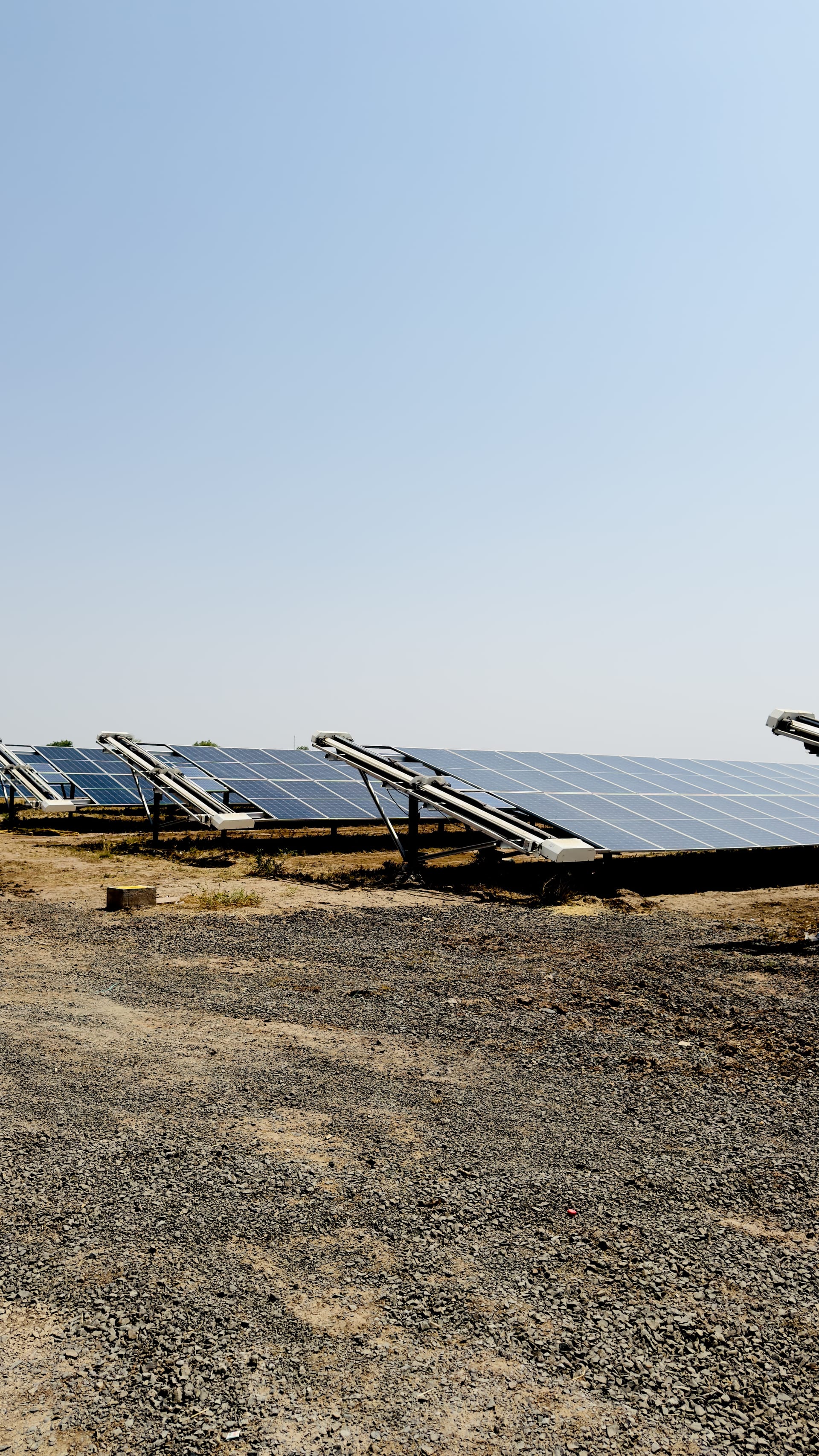
Indian solar sites are growing beyond 5MW. This growth introduces a new need: robust data privacy for cloud-connected cleaning robots. These systems help reduce soiling and protect energy yields. However, they also increase digital risks. Continuous data streams create new points for potential attacks.
Plant managers must implement new security protocols. They must protect sensitive site telemetry. All cloud data transfers must comply with India's Digital Personal Data Protection (DPDP) Act 2023. Securing the digital connection is now as vital as mechanical maintenance.
Summary for plant managers
- Encryption: Use AES-256 protocols for all data sent to the cloud. This maintains strict data privacy.
- Network Isolation: Place cleaning robots on dedicated, isolated IoT VLANs. This prevents breaches from reaching SCADA or inverter networks.
- Regulatory Compliance: Ensure all vendors align with the DPDP Act 2023. They must also follow local data residency rules.
- Data Minimization: Use edge-processing to hide sensitive metadata. This includes precise locations or site images.
- Security Auditing: Treat the robotic fleet like a standard O&M asset. Perform regular security audits alongside hardware inspections.
Effective O&M requires a balance. You must provide digital safeguards and physical soiling mitigation.
The lifecycle of data in cloud-connected cleaning systems
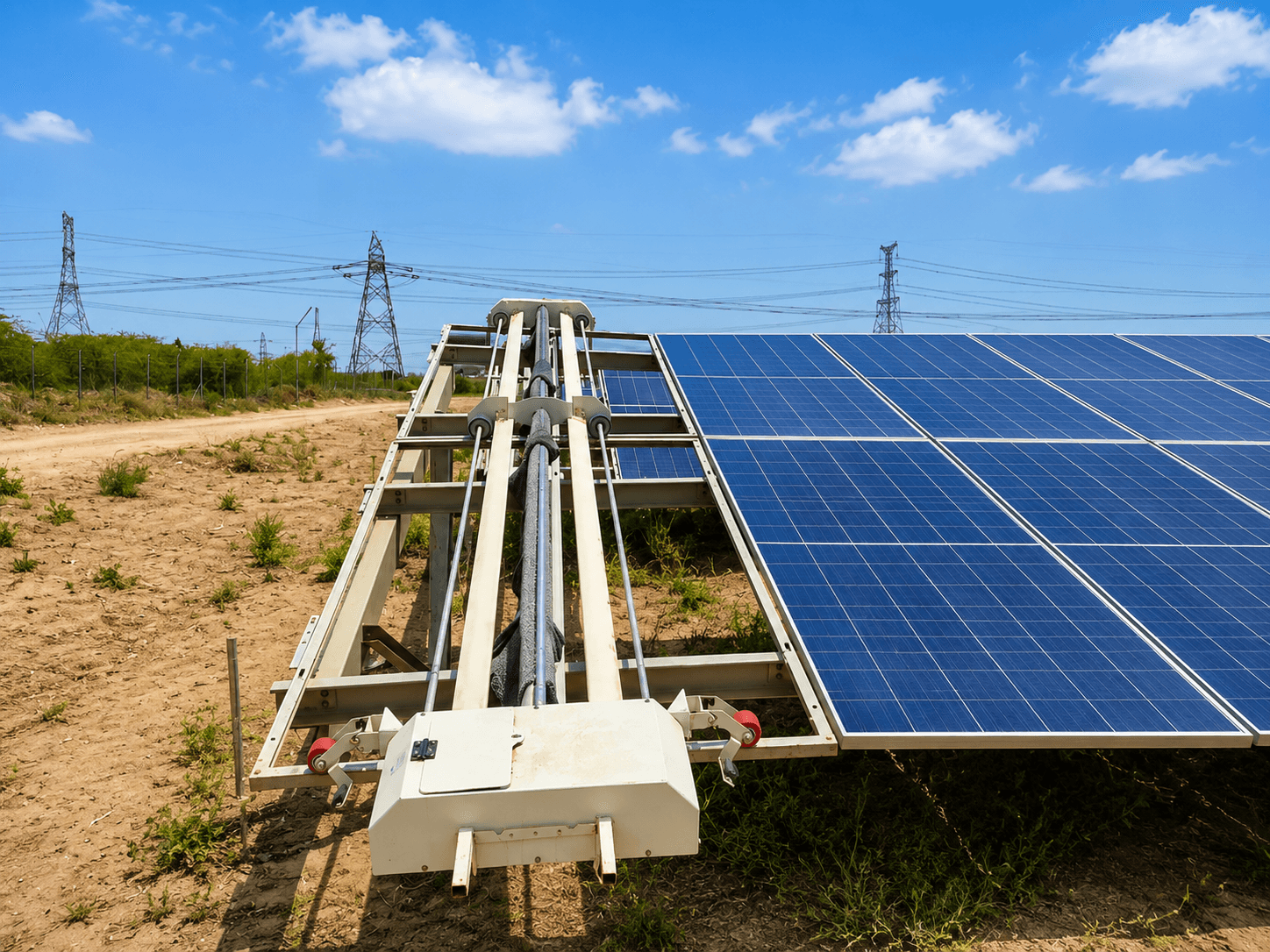
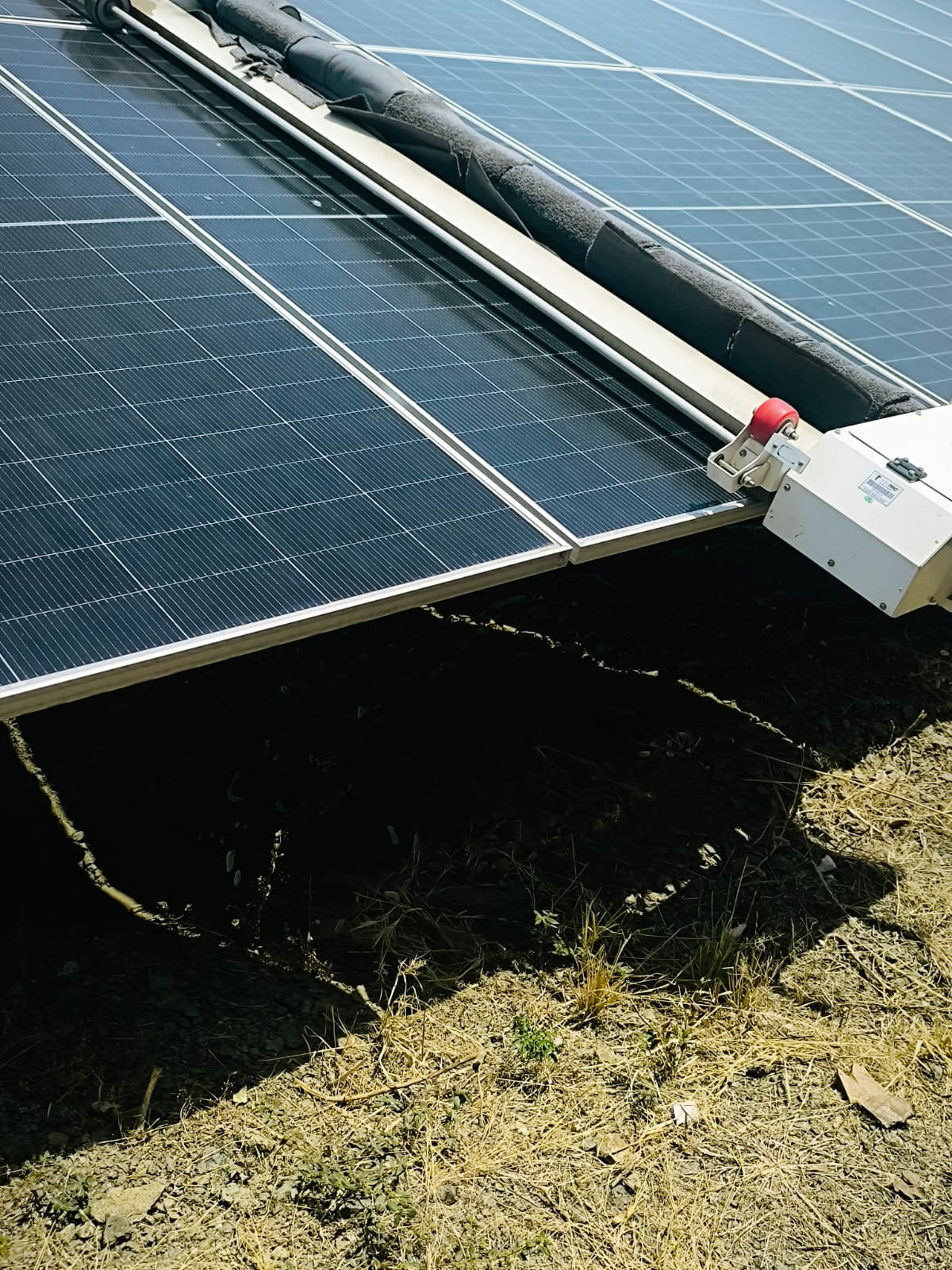
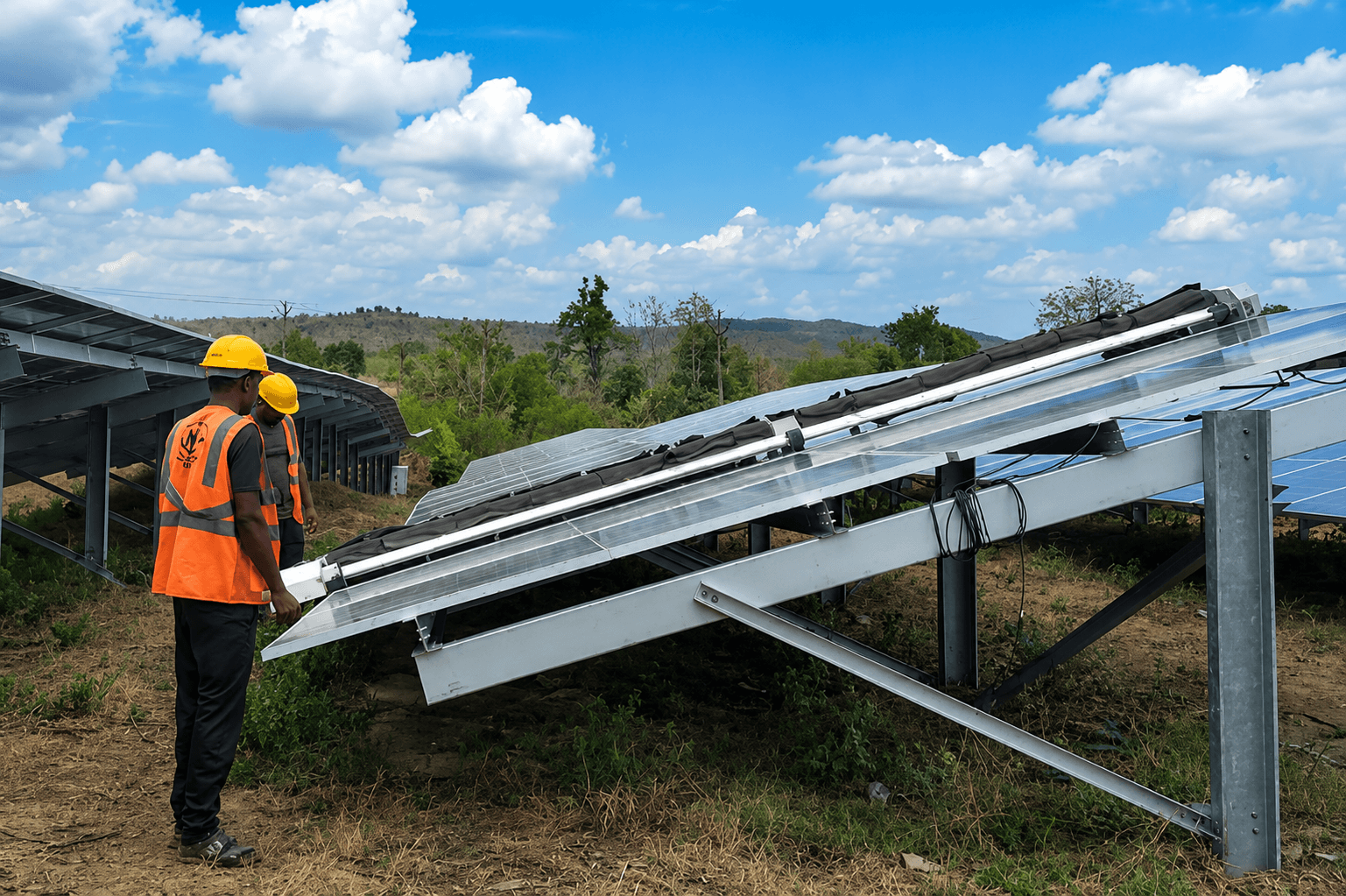
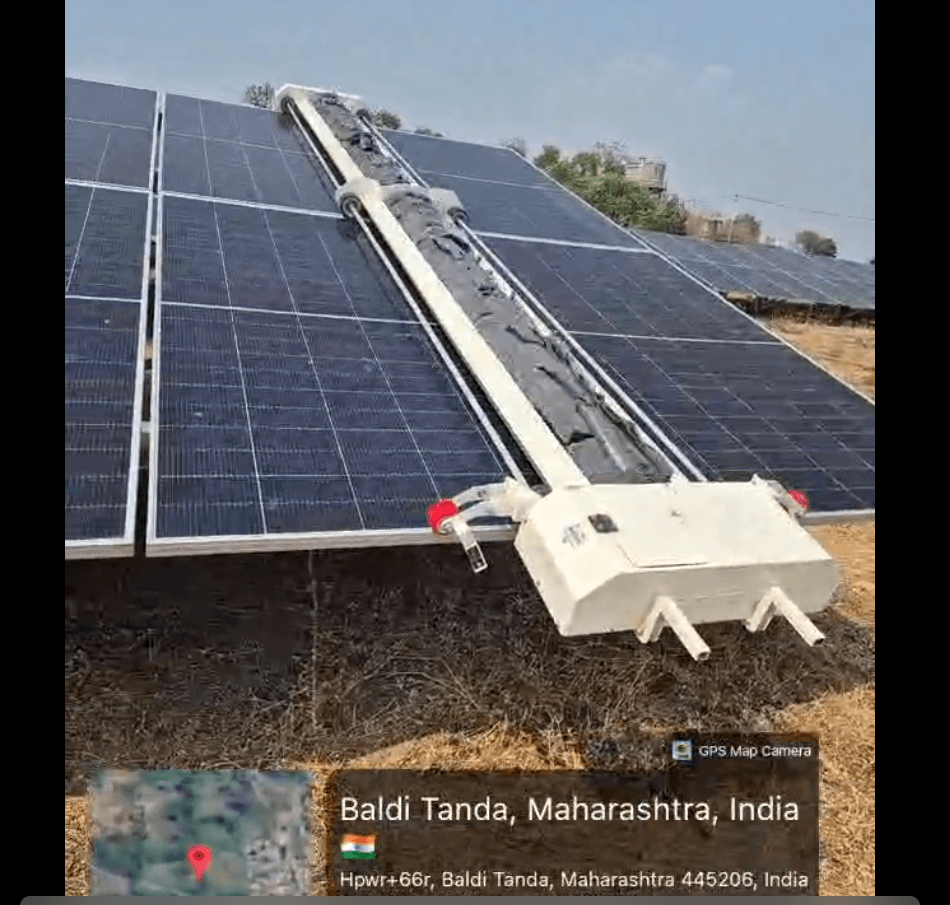
Data moves from the solar field to a central cloud dashboard. In a 50 MW+ plant, each robot acts as an IoT edge device. It collects data like battery voltage, speed, and motor current. It uses RF mesh or Wi-Fi to send this info. A local gateway collects this data before it reaches the cloud. You can use platforms like NECTYR for monitoring.
Data flows into two separate streams. The first is system health metrics. This includes diagnostic alerts, firmware versions, and charging status. It helps with routine maintenance scheduling. The second stream is operational intelligence. This includes cleaning history and soiling trends.
Indian operators should separate these streams at the edge. This helps comply with the DPDP Act 2023. You can filter sensitive metadata, like exact site coordinates, before cloud upload. This protects performance data. It also enables the predictive modeling needed to recover 10% to 30% of energy lost to soiling.
Data integrity requires end-to-end encryption. Use industry-standard AES-256 protocols for all data packets. This covers the robot, the gateway, and the cloud server. Large plants must audit these communication paths. This ensures no unauthorized third parties access the IoT network. Keep the plant SCADA network separate from the robotic network. This lets you use automation without risking site security.
Establishing privacy protocols for automated cleaning fleets
Securing robots requires more than standard IT policies. It requires site-specific infrastructure design. At the 50 MW+ scale, the main risk is not just theft. It is also malicious interference with robot telemetry. This can hurt cleaning schedules and plant performance. Use VLANs to isolate the network. This keeps robot data away from inverter SCADA traffic.
Technical implementation should focus on three core areas:
- Device Authentication: Every robot needs unique cryptographic certificates. Do not use hardcoded factory passwords. Ensure portals like NECTYR require multi-factor authentication.
- Data Minimization: Configure robots to send only essential data. Strip or hide GPS coordinates and site images at the edge gateway.
- Encryption Protocols: Ensure all firmware updates and logs use end-to-end encryption. This prevents hackers from intercepting data during transit.
Treat the robot network as a managed asset. This bridges the gap between innovation and risk. Segmentation allows for predictive insights while keeping the core network safe. Consistent auditing of IoT gateways is essential in India. This helps maintain uptime and meet data privacy standards.
Navigating cloud connectivity and plant network security
Large Indian plants (50 MW+) need a strong isolation strategy. Do not connect cleaning robots directly to the plant SCADA system. This is a major security risk. Robotic networks should exist on separate VLANs or physical segments. This stops a compromised device from reaching inverter controls or grid relays.
Use a firewall-heavy approach at the network edge. Set up gateways for automatic solar panel cleaning systems to support one-way data flow. Robot data should move out to a platform like NECTYR. However, inbound access should be limited. Use VPN tunnels or multi-factor authentication to control access. This stops attackers from using robots to reach deeper into the plant.
Standardize on MQTT with TLS encryption. This protects packets containing cleaning metrics and battery status. For plants managing many sites, check your cloud provider. They must follow the DPDP Act 2023 for data residency. Perform regular vulnerability scans on IoT gateways. This is a key part of your preventative O&M strategy.
Is cloud-connected cleaning essential for MW-scale O&M efficiency?
Cloud connectivity is essential for 50 MW+ projects. It is the main engine for scaling operations. Without real-time data, managers have blind spots. They might rely on slow, manual logs. Cloud systems turn reactive work into predictive work. You can deploy robots based on soiling thresholds. This is found through revenue-linked soiling analysis. This helps maintain high output in Indian climates.
Cloud-connected robots provide three efficiency gains:
- Automated Soiling Triage: Sync robot data with local light sensors. Managers can rank areas by cleaning priority. This focuses resources on areas with high energy loss.
- Reduced Downtime: Use portals like NECTYR for remote troubleshooting. This fixes minor errors without field visits. It is a key way for raising output on utility-scale plants.
- Granular Performance Auditing: Cloud platforms keep a history of every cleaning pass. This helps validate service contracts. It also provides reports for ESG or green bond audits.
The risk is not in connecting devices. The risk is working without these insights. Disconnected robots lead to wasted energy and over-cleaning. Use VLANs and encrypted gateways to stay safe. This is the best path to maximize MWh recovery.
A step-by-step checklist for secure robotic deployment
Deploying robots on a 50 MW+ plant requires discipline. Follow these steps to ensure security and data integrity. This prevents vulnerabilities in your SCADA network.
- Step 1: Network Segmentation: Put robot traffic on a dedicated VLAN. Keep it separate from inverter and tracker controls. The IoT gateway should be the only entry point.
- Step 2: Hardware-Level Authentication: Use 802.1X access control for every robot. Each device needs a unique digital certificate to talk to NECTYR.
- Step 3: Encryption of Telemetry Data: Use TLS 1.3 or higher for all data. This protects soiling indices and battery health. It stops man-in-the-middle attacks.
- Step 4: Firmware Management: Use a central policy for updates. Only allow signed updates from verified sources. Schedule these during low-sun hours.
- Step 5: Regular Audit Log Review: Set your gateway to keep a permanent log of requests. Review these logs monthly. Look for odd data patterns that suggest a hack.
Treat the robot fleet as a secure IoT cluster. This helps Indian IPPs get performance benefits. It also ensures compliance with digital safety rules. This preventative maintenance and security protocol keeps robots as an asset, not a liability.
Regulatory compliance: Aligning with the DPDP Act 2023 in India
Under the DPDP Act 2023, solar sites are digital hubs. Connectivity requires strict data rules. For 50 MW+ assets, check if any data is 'personal.' This includes operator logins or site activity logs.
- Data Minimization: Only send essential data like soiling and battery levels. Do not store logs with staff names unless required for safety.
- Consent and Processing Transparency: Contracts must define how data is used. If a vendor manages the robots, the contract must cover data deletion. It must also ban using plant data for other purposes.
- Storage and Localization: Ensure cloud providers host data in India. This is vital for audits and ESG reports.
- Incident Reporting: The DPDP Act requires you to report breaches. Have a plan to tell managers, vendors, and authorities.
Implementing these steps builds a compliant framework. This reduces the risk of data exposure. It also protects your project's reputation. Managing these workflows is vital for long-term asset health.
What plant managers should do next
Securing a robotic fleet is a base requirement for 5 MW+ sites. Prioritize these steps in your next procurement cycle:
- Conduct a Technical Audit of IoT Gateways: Check for WPA3 or TLS 1.3 support. Ensure traffic uses isolated VLANs.
- Standardize Vendor Data Contracts: Limit data use to maintenance. Require Indian server storage. Demand immediate reporting on security issues.
- Phase Out Manual Data Entry: Move from spreadsheets to portals like NECTYR. This reduces errors and makes auditing easier.
- Implement Quarterly Security Reviews: Check firmware like a critical plant part. Schedule regular patch checks. Keep a log of all remote changes to stay DPDP compliant.
An automated soiling mitigation strategy is about more than just MWh. It is about balancing efficiency with digital safety. Treat robots as secure data nodes. This lets you scale while protecting your entire portfolio.
Sources and further reading
Frequently asked questions
Encryption: Use AES-256 protocols for all data sent to the cloud. This maintains strict data privacy.
The main risks include potential unauthorized access to site operational data and potential security vulnerabilities if IoT devices are not properly isolated from the primary SCADA or inverter control networks.
The DPDP Act 2023 requires all IoT hardware and software vendors to demonstrate explicit compliance regarding data processing. Plant managers must ensure that any vendor handling fleet data adheres to these national regulations to avoid non-compliance.
Yes, by utilizing dedicated and isolated IoT VLANs for robot communication, you can prevent interference with critical plant infrastructure. This allows for real-time performance monitoring and fleet visibility while maintaining the security of your core network.