Quick answer
Evaluating a solar panel cleaning robot vendor requires balancing operational constraints with specific site requirements at the 5MW scale and above. Plant managers should prioritize vendors that offer proven uptime reliability and compatibility with their existing module and tracker infrastructure.
- Typical annual soiling loss in arid Indian regions: 15% to 30%.
- Water savings via robotic dry-cleaning technology: Up to 90% reduction compared to manual wet-cleaning.
- Daily performance ratio impact in high-dust environments: 0.3% to 0.5% loss per day.
- Operational threshold: Automated robotic solutions provide significant ROI for sites exceeding 5MW of capacity.
Choosing a partner is not just about the hardware purchase, but about the long-term O&M commitment. Successful implementation relies on a clear understanding of your site-specific soiling chemistry and the vendor ability to provide support, spare parts, and remote diagnostics, as discussed in our guide on managing performance ratio losses. For plants operating in water-stressed belts like Rajasthan or Gujarat, the primary objective is minimizing water consumption while maintaining a consistent cleaning frequency that keeps PR decay within acceptable limits. As referenced in O&M strategies for sunlight panels, the shift from calendar-based cleaning to autonomous, data-driven cycles is the single most effective lever for utility-scale efficiency. Procurement teams should treat vendor evaluation as a technical audit, focusing on system uptime guarantees rather than just upfront capital cost. Ensure that the selected technology aligns with your long-term asset management software to enable seamless integration of cleaning schedules and performance alerts across your portfolio.
Key criteria for your solar panel cleaning robot vendor evaluation
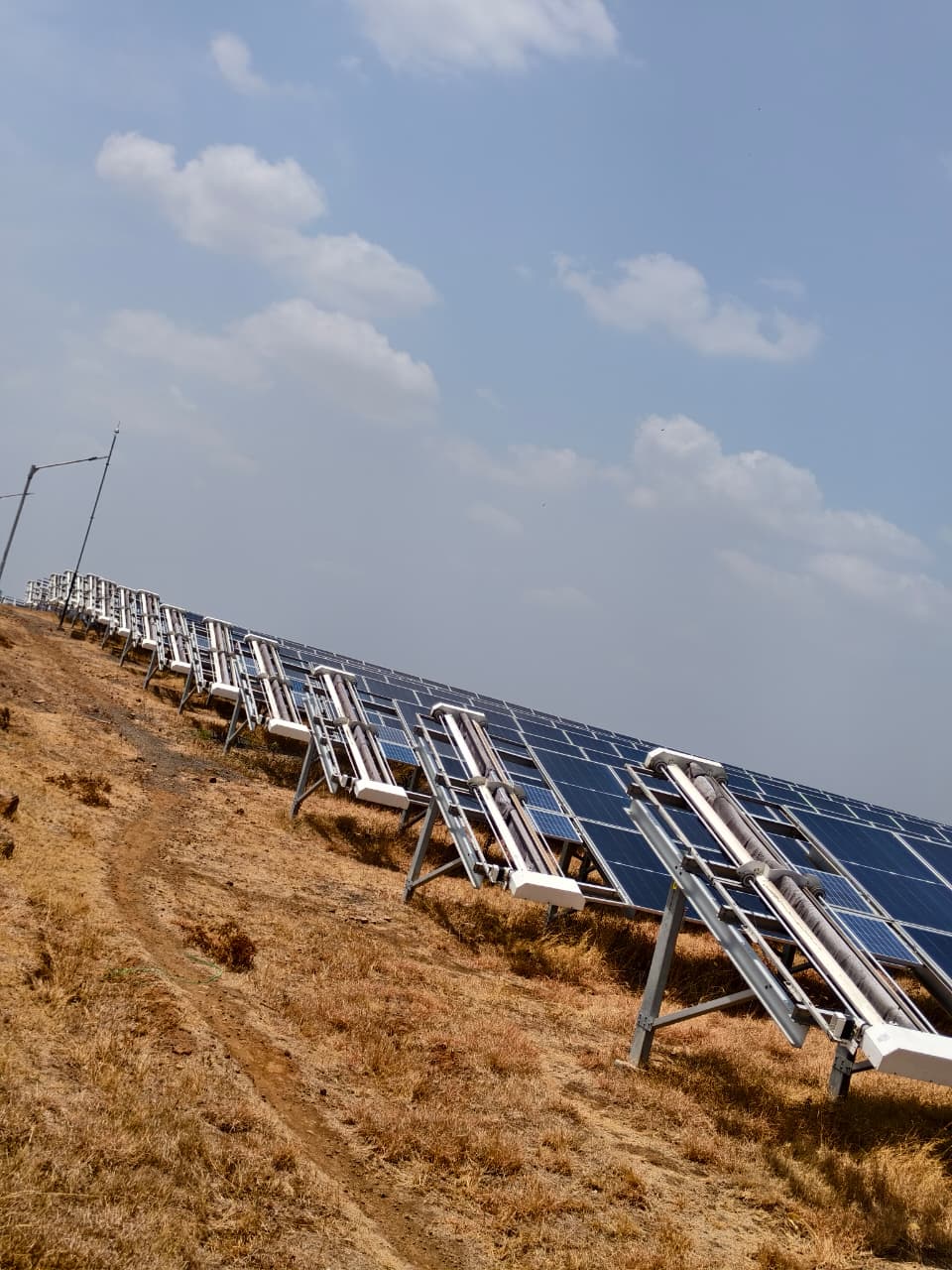
Selecting a solar panel cleaning robot vendor at the utility scale requires a shift from standard procurement to a technical partnership. Because a 5MW+ site operates 24/7, your chosen vendor must prove their technology integrates seamlessly with your specific module types and existing mounting infrastructure. Evaluate vendors based on these four critical pillars:
- Operational Uptime and SLAs: Do not just request a warranty; demand clear uptime guarantees for the fleet. Ask for the vendor mean time to repair (MTTR) metrics and their process for dispatching field engineers to remote sites in states like Rajasthan or Karnataka.
- Infrastructure Compatibility: Verify that the robotic hardware is compatible with your site module specifications and, if applicable, tracker brand. Ensure the weight of the robot does not exceed the mechanical load limits of your module mounting structures.
- Fleet Intelligence Integration: A standalone robot is a liability if it does not report back to your SCADA or dedicated platforms like NECTYR. Confirm the vendor offers real-time diagnostic logs, remote scheduling, and automated error reporting that links directly to your asset management dashboard.
- Spare Parts and Local Support: Avoid vendors that rely entirely on international shipping for basic wear-and-tear components. A viable vendor should maintain a local warehouse network in India to ensure spare parts and maintenance tools reach your site within 48 hours of a reported issue.
Beyond hardware, evaluate the business model alignment. If your site team lacks the technical bandwidth to manage a large robotic fleet, prioritize vendors that offer a comprehensive O&M service model. As discussed in our previous analysis of performance ratio losses, the cost of downtime caused by an unmanaged robot fleet often exceeds the initial savings of a cheaper, unsupported unit. Treat the initial site pilot as a requirement, not an option. A 5MW trial provides the empirical data needed to validate the robot performance under your specific local dust chemistry, which dictates the efficacy of dry-cleaning methods. Use this pilot phase to audit the vendor claims against actual cleaning cycle times and battery life, ensuring they perform as promised before scaling across your portfolio. For complex sites, explore platforms like sunlight panel O&M strategies to see how fleet monitoring acts as the backbone for consistent, high-yield operation.
Comparing cleaning methods: Manual vs. Semi-automated vs. Robotic
For utility-scale assets, the choice of cleaning method dictates both long-term operational health and the total cost of ownership. The following table provides a comparison based on operational scenarios for 5MW+ sites in India.
| Method | Water Usage | Labour Intensity | PR Impact (Typical) | Best Use Case |
|---|---|---|---|---|
| Manual (Wet) | High (approx. 1-2L/module) | Very High | Moderate/High (Variable) | Small, scattered C&I sites |
| Semi-automated (HELYX-style) | Low (Waterless) | Moderate | Consistent | Distributed utility blocks |
| Robotic (Automatic) | Zero (Waterless) | Low | High (Optimized) | Utility-scale, tracker, fixed-tilt |
Manual wet cleaning remains the standard for many legacy sites, but it introduces significant risks. The use of water in arid regions like Rajasthan creates operational reliance on local water logistics and may cause mineral deposition on panel surfaces, which actually reduces light transmission over time. More importantly, manual teams face safety risks and high personnel turnover, leading to inconsistent cleaning quality that disrupts the plant performance ratio (PR).
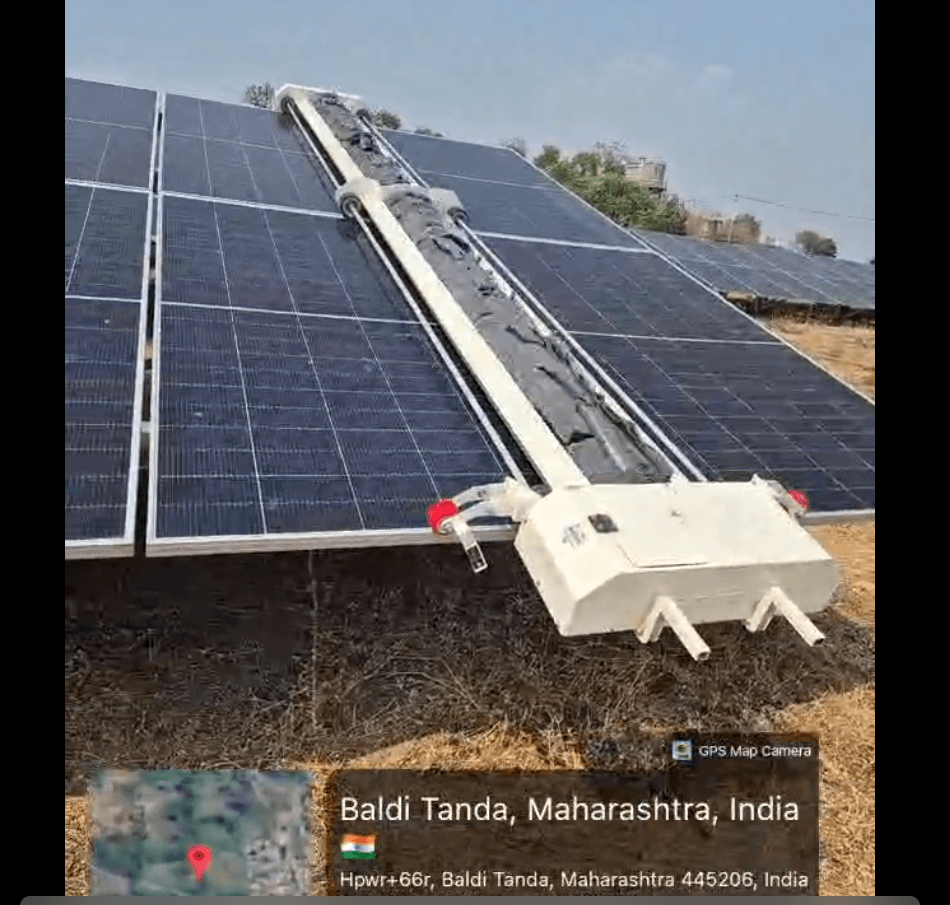
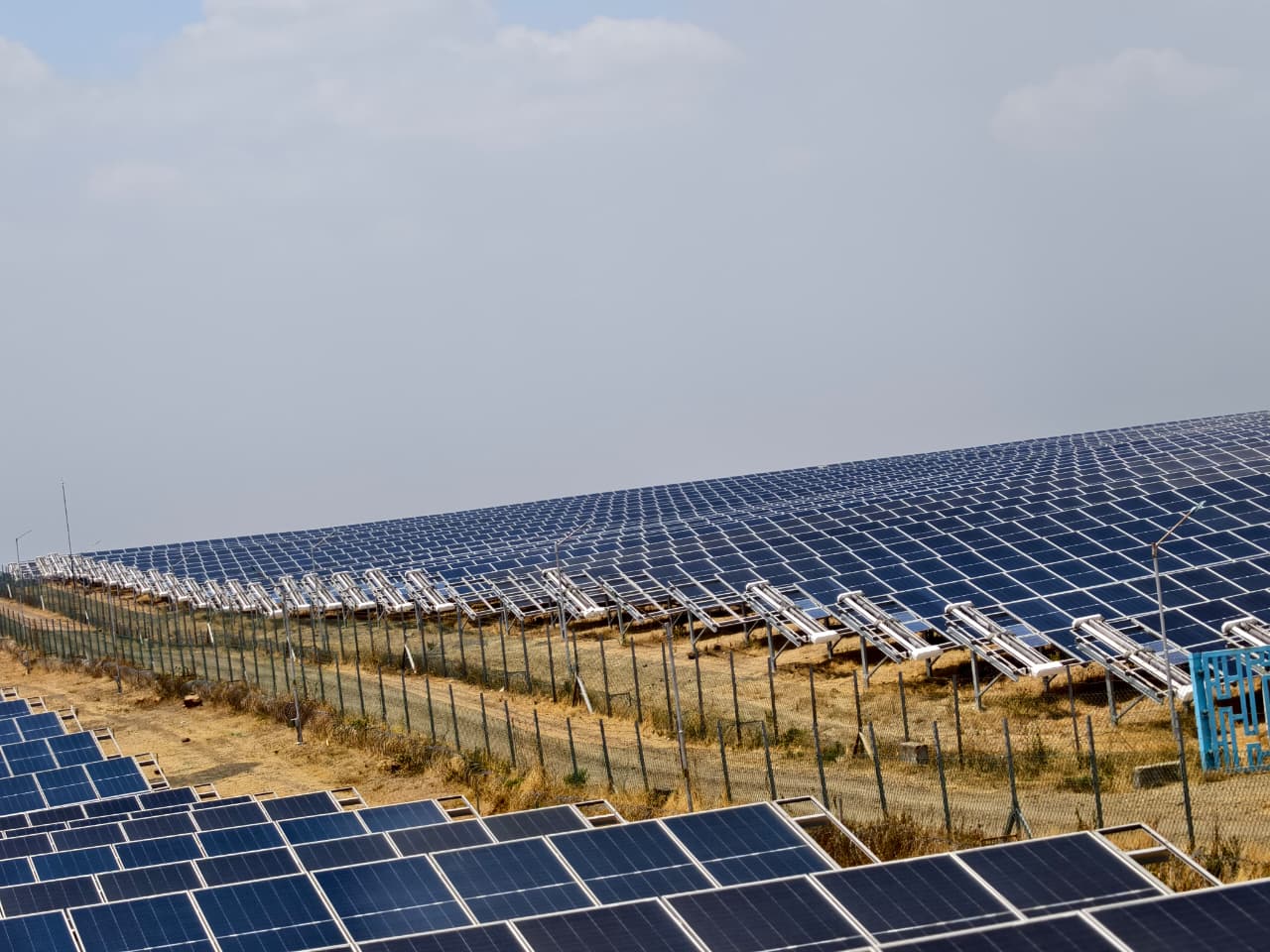
Semi-automated systems, such as the HELYX pick-and-place robots, bridge the gap for distributed utility assets. They allow for a leaner O&M team to manage multiple rows, providing the cleaning consistency of a machine without the need for fixed infrastructure at every row end. However, for large-scale contiguous fields, fully autonomous robotic systems like GLYDE provide a superior model by removing the human factor entirely.
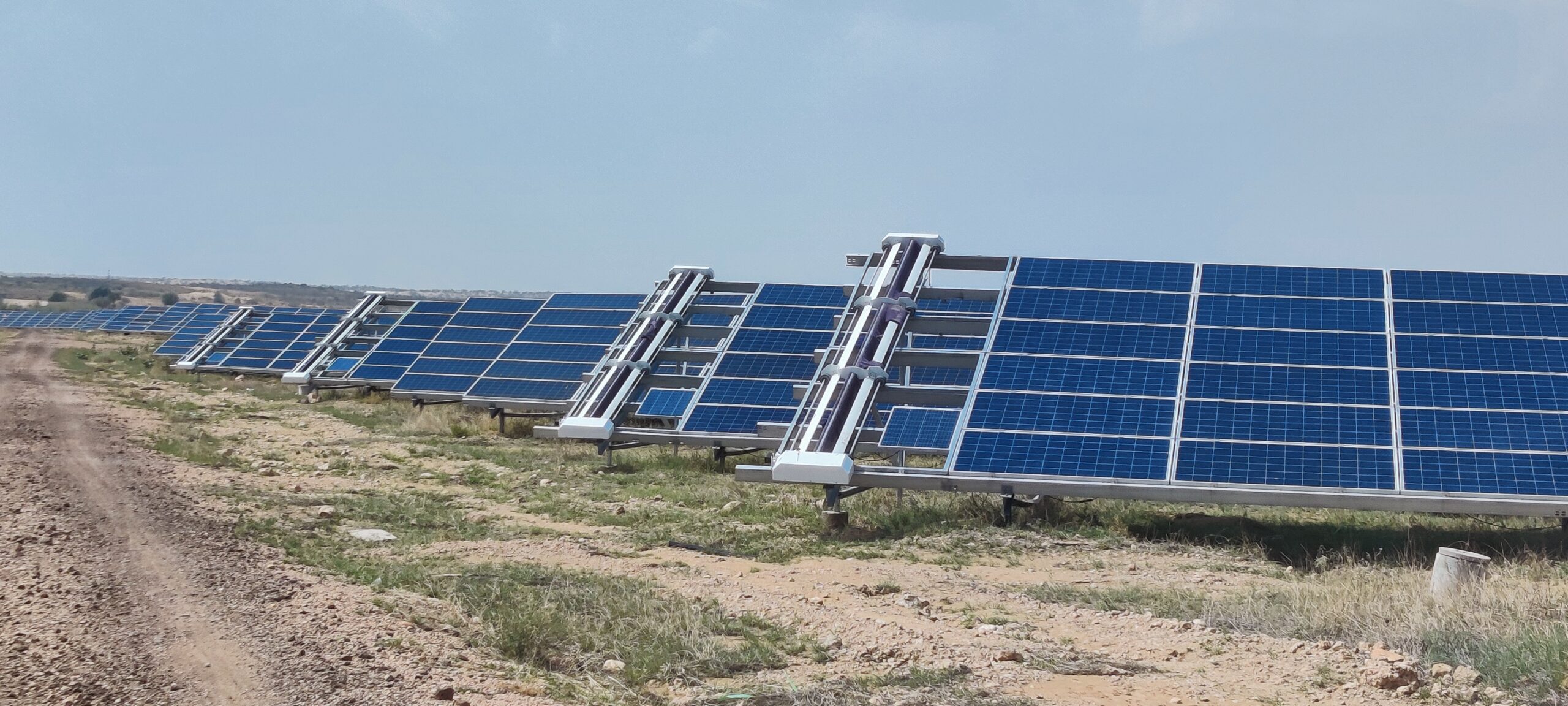
Autonomous robots, particularly those utilizing dual-pass microfiber or PBT brush technology, offer the highest frequency of cleaning. By running shorter, more frequent cycles, these systems keep the PR decay curve flat, preventing the significant production drops seen when cleaning intervals stretch beyond 15 or 30 days. When evaluating these methods, look at your site layout. If your site features single-axis trackers, the mechanical compatibility of the robot, such as the NYUMA-X or GLYDE-X, becomes the deciding factor in your procurement checklist. Plants that transition to autonomous waterless solutions typically see a measurable gain in annual energy yield, as highlighted in our previous analysis of performance ratio losses.
How does cleaning technology impact PR and soiling losses in India?
In high-dust regions across India, such as the Thar Desert or arid pockets of Karnataka and Gujarat, soiling is the single largest contributor to unpredictable Performance Ratio (PR) drift. Without an autonomous cleaning schedule, utility-scale plants typically experience a daily generation loss between 0.3% and 0.5%. Over a standard 30-day cleaning cycle, this cumulative loss can degrade plant output by up to 15% before the next manual intervention occurs. By contrast, deploying automated robotic systems stabilizes the PR decay curve by performing frequent, low-impact cleaning cycles that maintain module clarity.
The choice of technology directly influences the extent of this PR recovery. Technologies using dual-pass airflow and microfiber, such as the GLYDE system, provide deep particulate removal that preserves the anti-reflective coating of modern PV modules. This is critical for high-efficiency cells like TOPCon and HJT, where improper manual cleaning or abrasive PBT brushes can induce micro-scratches over time. In contrast to manual wet-based methods which introduce the risk of mineral-rich water spots and calcification, waterless robotics ensure that the spectral transmission remains consistent, preventing the long-term degradation of the glass surface.
For asset managers, the primary indicator of effectiveness is the 'PR delta', the gap between the theoretical yield and actual generation. When you integrate a data-driven approach, such as our management of performance ratio losses, you effectively replace periodic, heavy cleaning with consistent, light maintenance. This prevents the 'sawtooth' pattern of power loss common in manual O&M. As documented in our research on soiling mitigation strategies, sites that transition to robotic systems see a flattened energy production profile, even during intense dust storms or high-humidity months. The robotic cleaning frequency can be tuned dynamically based on NECTYR telemetry, allowing the plant to respond to local environmental conditions in real time rather than waiting for a monthly or quarterly maintenance window.
Evaluating water consumption and environmental compliance
For utility-scale projects in water-stressed states like Rajasthan and Gujarat, the environmental impact of O&M is becoming a critical procurement metric. Traditional wet cleaning methods often consume between 0.5 to 1.5 litres of water per panel during each cycle, which can translate into millions of litres annually for a 50 MW plant. When you transition to robotic dry cleaning systems, you effectively reduce water usage by up to 90%. This not only lowers your operational water procurement costs but also strengthens your environmental, social, and governance (ESG) reporting, as evidenced by the 700M+ litres of water saved annually across Taypro-supported sites.
Environmental compliance extends beyond simple water savings; it also involves the management of module integrity and chemical runoff. Manual wet cleaning relies heavily on detergents that can leach into the soil around the site, potentially violating local environmental discharge regulations. Robotic systems, such as the GLYDE or NYUMA lines, are strictly mechanical, using dry brush or airflow technology that eliminates the need for soaps or surfactants entirely. This approach protects the local soil chemistry and avoids the long-term risk of mineral calcification on the glass surface, which is a common side effect of using hard, unfiltered groundwater in manual wet cleaning.
When assessing a vendor's compliance credentials, you should request documentation regarding their equipment’s impact on anti-reflective coatings. Using an abrasive cleaning medium on high-efficiency modules like TOPCon or HJT can void manufacturer warranties if the brushing technique is not approved. Robotic vendors must provide testing reports that demonstrate their cleaning process does not induce micro-scratches or damage the frame seals. Furthermore, since automated cleaning reduces the foot traffic on your rows, you significantly decrease the risk of structural damage to trackers and module mounting hardware. By aligning your O&M strategy with these low-impact technologies, you ensure that your plant meets both current environmental mandates and long-term asset reliability standards, a strategy detailed further in our analysis of soiling mitigation strategies. Asset managers should prioritize vendors who provide empirical data on how their cleaning cycles maintain panel surface health over the full 25-year lifespan of the modules, rather than focusing solely on immediate dust removal efficiency.
What is the total cost of ownership (TCO) for robotic cleaning?
Evaluating the TCO for a solar panel cleaning robot requires shifting your focus from initial hardware procurement to a 5-year or 10-year operational horizon. While the upfront investment for automated fleets often appears higher than traditional water-based cleaning contracts, the long-term O&M savings typically justify the transition at utility scale. Industry-typical TCO calculations account for four primary pillars: hardware depreciation, electricity for battery charging, planned maintenance (such as brush replacement), and the labor overhead associated with monitoring the NECTYR fleet portal.
A critical component of this calculation is the avoidance of generation loss. In high-dust zones, where daily degradation can hit 0.5%, manual cleaning schedules that occur once or twice a month lead to significant 'sawtooth' revenue losses. When you apply robotic cleaning, the increased frequency keeps the module surface within the optimal performance band, directly boosting your plant's Annual Energy Production (AEP). For a 50 MW plant, the difference between a reactive manual cycle and an autonomous robotic frequency can translate to a 3% to 5% improvement in net output.
Beyond raw production, the hidden costs of manual labor often go unreported in simple budget spreadsheets. These include the logistical expenses of mobilizing large water tankers, managing crew safety compliance, and the long-term impact of abrasive manual brushing on anti-reflective coatings. Robotic systems like the GLYDE or NYUMA series remove these variables by providing consistent, repeatable mechanical action. By moving to a predictable robotic OPEX model, asset managers can stabilize their cash flow and minimize the volatility of annual cleaning budgets. We recommend that procurement teams use a 25-year levelized cost of cleaning (LCOC) approach rather than focusing on the initial equipment price. This methodology demonstrates that robotic cleaning is not just an equipment upgrade, but an essential risk mitigation tool for securing the performance ratio (PR) and longevity of the entire utility-scale solar asset.
A technical checklist for utility-scale solar cleaning procurement
Selecting a vendor for your 5 MW or larger solar site requires a rigorous evaluation of both the hardware capabilities and the operational support structure. Use this technical checklist to vet prospective partners before signing any long-term service agreements or procurement contracts.
- Anti-reflective coating (ARC) safety: Require empirical test reports from independent third-party labs verifying that the robotic brushes or microfiber elements do not cause micro-scratches on your specific module technology (e.g., PERC, TOPCon, or HJT).
- Communication and fleet integration: Confirm the robot communicates via reliable RF mesh or LTE and integrates seamlessly into your existing SCADA or monitoring platform. A siloed robot fleet requires manual data entry, which creates operational blind spots.
- Deployment architecture: Ensure the vendor offers the correct model for your mounting structure. For example, trackers require specialized designs with 360-degree articulation and dynamic tilt adjustments, such as those found in the GLYDE-X or NYUMA-X series, while fixed-tilt sites can leverage standard autonomous fleets.
- Maintenance and spare parts availability: Verify the presence of local warehouses and service teams in India. A vendor that relies on international shipping for basic brush replacements or controller boards will inevitably fail to meet uptime SLAs during peak soiling months.
- Waterless operation and energy efficiency: Prioritize systems that operate without water to eliminate the logistic and financial burden of tanker mobilization. Ensure the robots are self-powered by integrated solar panels to prevent parasitic loading on your plant grid.
- Edge and obstacle detection: Ensure the robot features robust collision avoidance sensors. This protects your panels from impact damage when navigating irregular row ends or unforeseen debris on the mounting hardware.
- Operational longevity: Demand a reference list of utility-scale sites in India with over 50 MW of cumulative capacity where the vendor has maintained consistent cleaning performance for at least 12 months.
Procurement teams should treat this checklist as a baseline for risk management. By requiring vendors to demonstrate their capabilities in these specific areas, you avoid common pitfalls such as increased module degradation, high labor overhead, and missed performance ratio targets. For further guidance on integrating these technologies into your specific site layout, refer to our overview of automatic solar panel cleaning systems and our detailed robot price guide for Indian utility buyers.
What plant managers should do next
For plant managers currently overseeing 5 MW or larger sites, the transition to automated cleaning is a strategic move to secure long-term yield. The shift from manual to robotic methods requires more than a purchase order; it requires an integrated approach to site layout, data visibility, and vendor reliability.
- Conduct a pilot study: Deploy a test fleet of 3 to 5 units across different row orientations at your most heavily soiled block. This allows you to measure real-world performance against your historical PR data and verify the robot’s navigation safety on your specific mounting hardware.
- Perform a TCO audit: Use a 25-year levelized cost of cleaning analysis to compare the CAPEX of purchasing equipment against an Opex-based service model. This analysis should account for the water-savings benefit, the cost of labor for manual washing, and the potential revenue uplift from consistent PR maintenance.
- Evaluate digital maturity: Verify that the vendor provides an actionable software interface, such as NECTYR, which integrates with your existing SCADA system. Data-driven scheduling is the single most effective way to optimize battery life and ensure that cleaning intensity matches actual site soiling rates.
- Check local service footprints: Before finalizing any contract, confirm the vendor's physical location for spares and technician dispatch. In the Indian market, proximity to your plant in states like Rajasthan, Gujarat, or Karnataka is a critical factor in meeting your target uptime SLAs.
- Review compliance and warranties: Ensure that your module manufacturer approves the specific cleaning technology, whether microfiber or PBT-based, for use on your modules to avoid any potential voiding of standard performance warranties.
By following these steps, you can mitigate the operational risks of utility-scale soiling while maximizing your asset's total generation. To get started, you may want to consult our ROI price calculator for a clearer picture of your site's specific payback potential or explore our robot price guide for market-wide pricing trends relevant to Indian IPPs.
Sources and further reading
Compare waterless robots, automatic and semi-automatic models, and managed OPEX on Taypro's solar panel cleaning system for utility plants.
Frequently asked questions
Evaluating a solar panel cleaning robot vendor requires balancing operational constraints with specific site requirements at the 5MW scale and above. Plant managers should prioritize vendors that offer proven uptime reliability and compatibility with their existing module and tracker infrastructure.
Deployment frequency depends on local soiling rates, which can cause performance losses of 0.3% to 0.5% per day in high-dust environments. In arid regions, moving from calendar-based cleaning to data-driven cycles is the most effective way to manage performance ratio decay.
High-quality robotic solutions are engineered to be compatible with standard and high-efficiency modules. When evaluating a vendor, ensure their equipment is certified for your specific module type and mounting structure to prevent mechanical stress during operation.
For sites exceeding 5MW, automated robotic solutions provide significant ROI by reducing water consumption by up to 90% and mitigating annual soiling losses of 15% to 30%. These systems are especially cost-effective in water-stressed belts like Rajasthan and Gujarat.