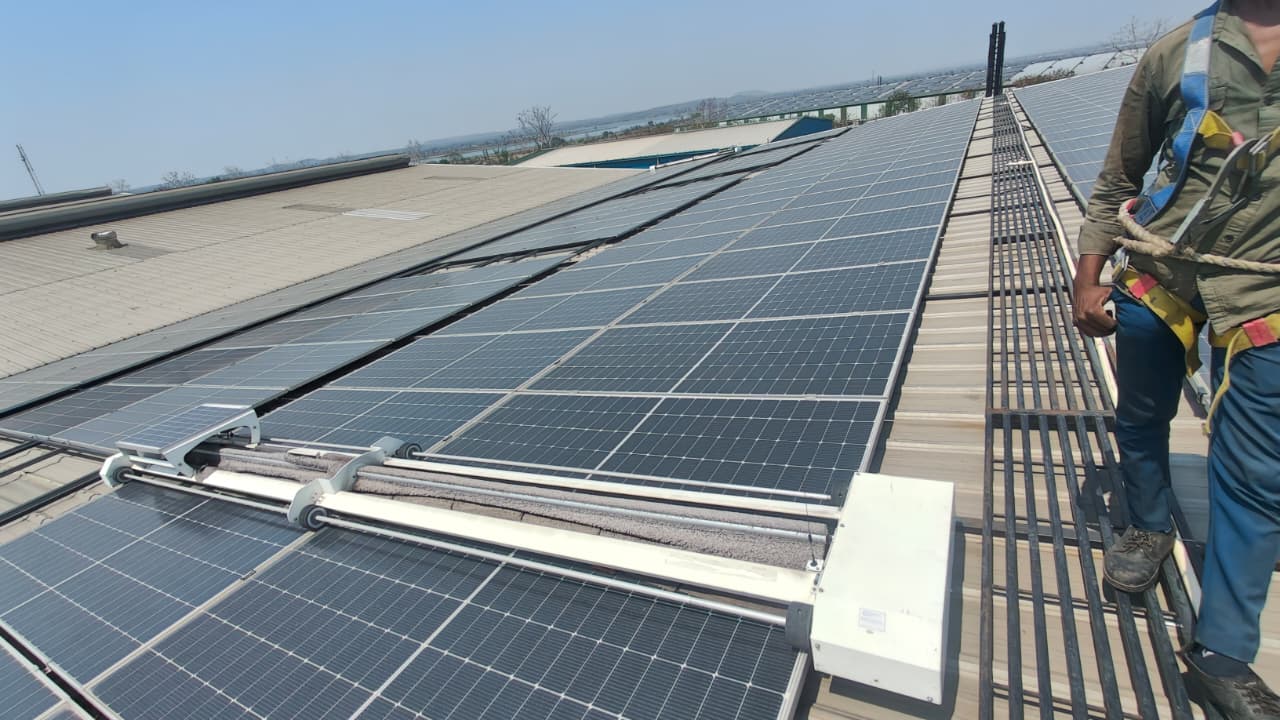
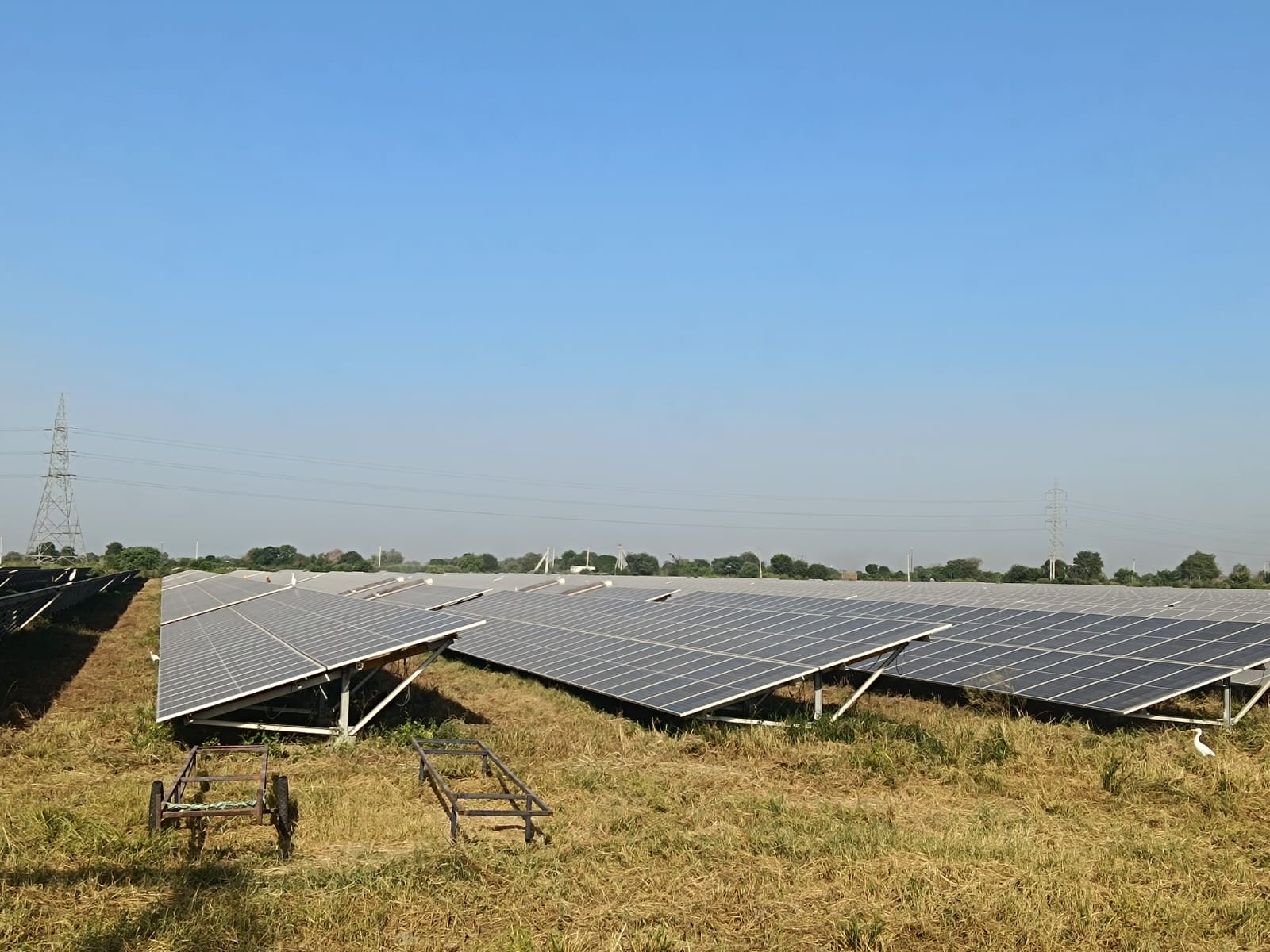
Summary for plant managers
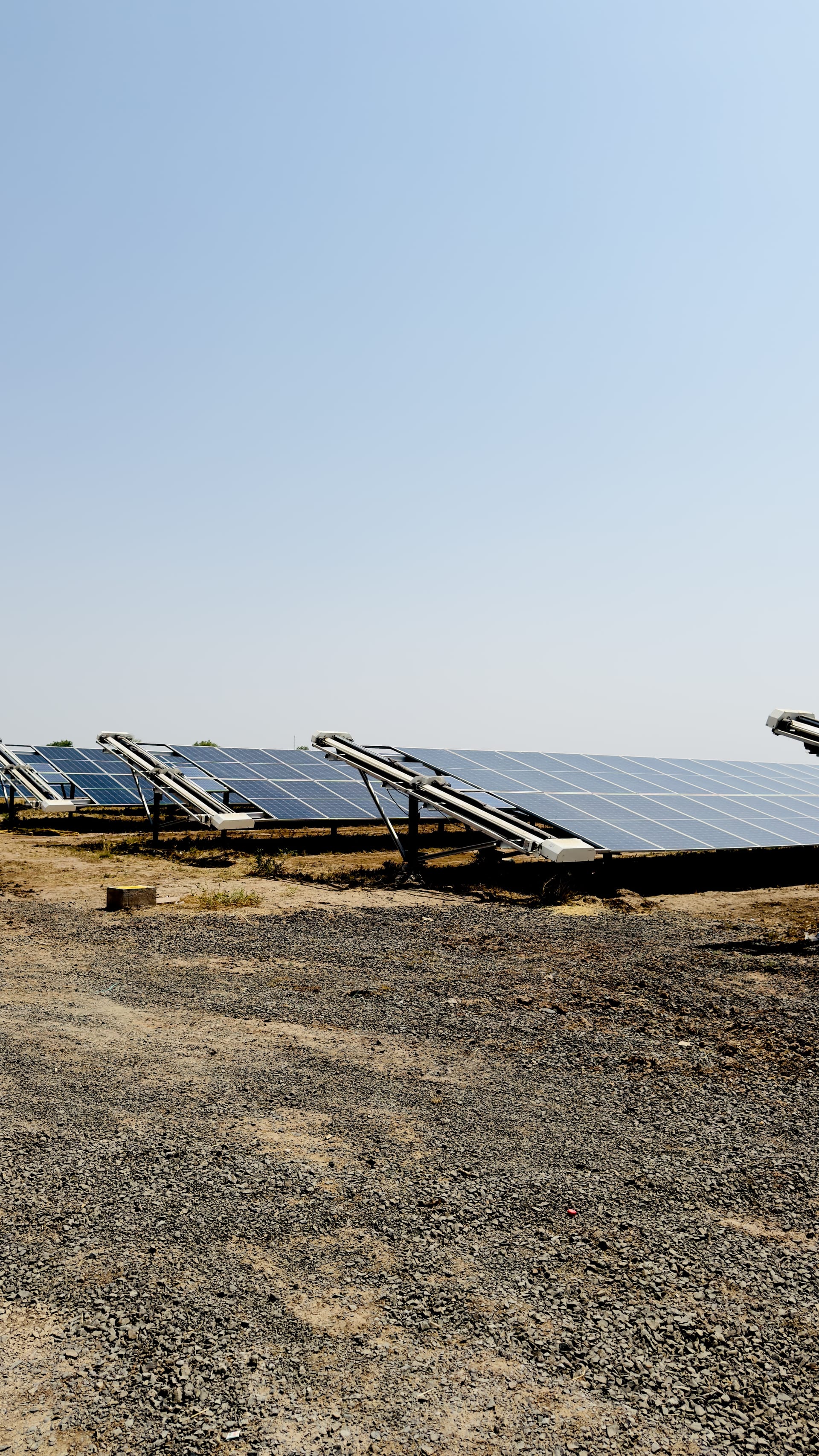
If you're an IPP in India, setting enforceable cleaning robot uptime SLA benchmarks is the only way to protect your Performance Ratio (PR) and stop revenue leakage caused by heavy soiling. For 5MW+ sites, robotic uptime is your most critical metric. Manual cleaning just can't keep up with the frequency needed in high-dust states like Rajasthan or Gujarat, where the weather impact on solar panel soiling in India is a constant factor.
- Target robot availability SLA: 95% to 98% during peak soiling months.
- Typical soiling loss threshold for triggering emergency cleaning: 3% to 5% reduction in yield.
- Standard response time for technical failures: 24 to 48 hours for critical faults.
- Impact of downtime: Every 1% drop in robot fleet uptime can correlate to site-specific yield losses, depending on local dust density and module technology.
Plant managers should look for contracts that define uptime as a percentage of the total operating window during daylight hours. When you're negotiating these SLAs with O&M partners or equipment providers, you have to distinguish between scheduled maintenance and unplanned failures. For more on how this fits into your broader strategy, see our guide on how often should you clean solar panels on utility plants in India. By tying financial penalties to these uptime benchmarks, IPPs move from reactive firefighting to a predictable, performance-driven O&M model that protects long-term ROI.
Defining cleaning robot uptime SLA benchmarks for Indian IPPs
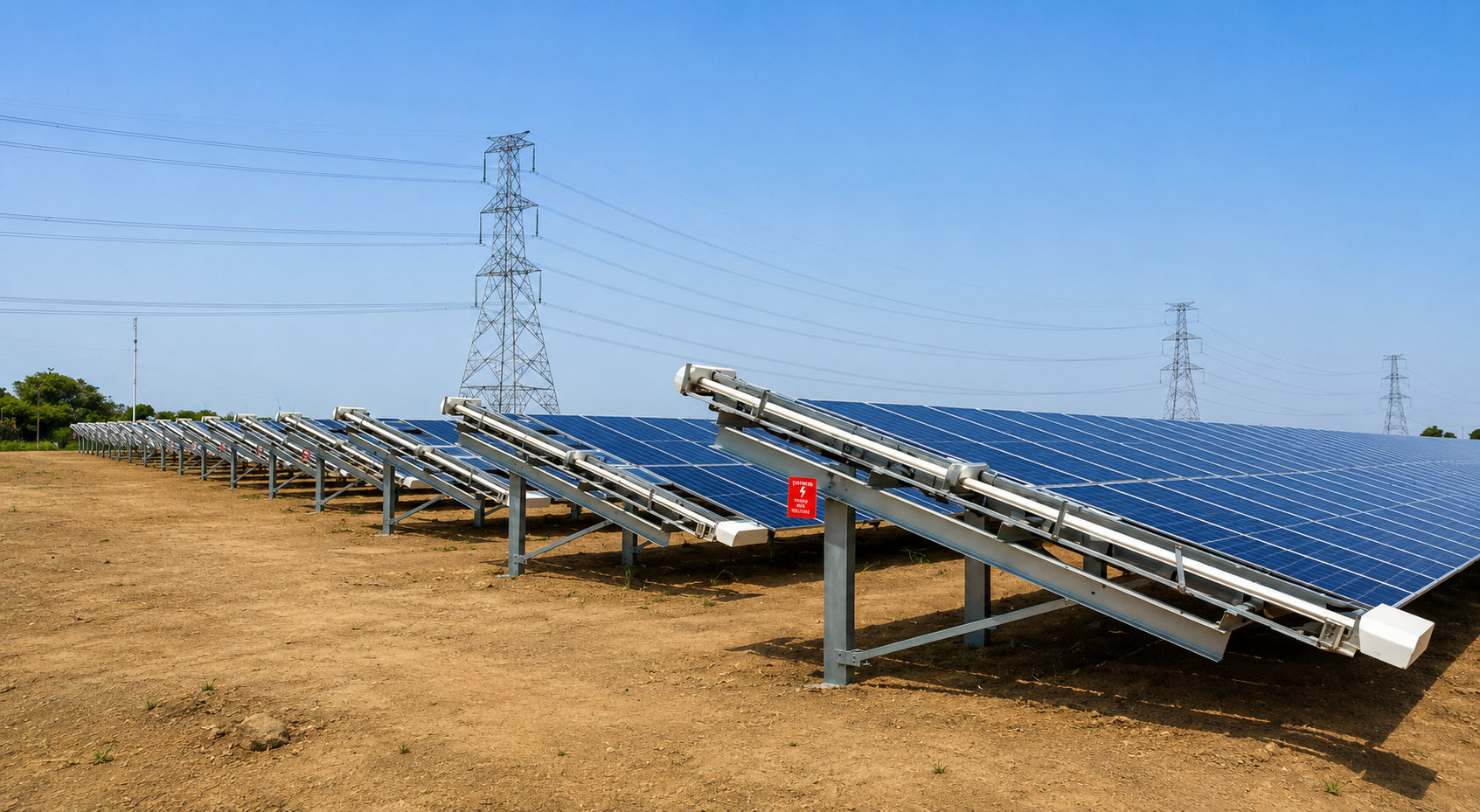
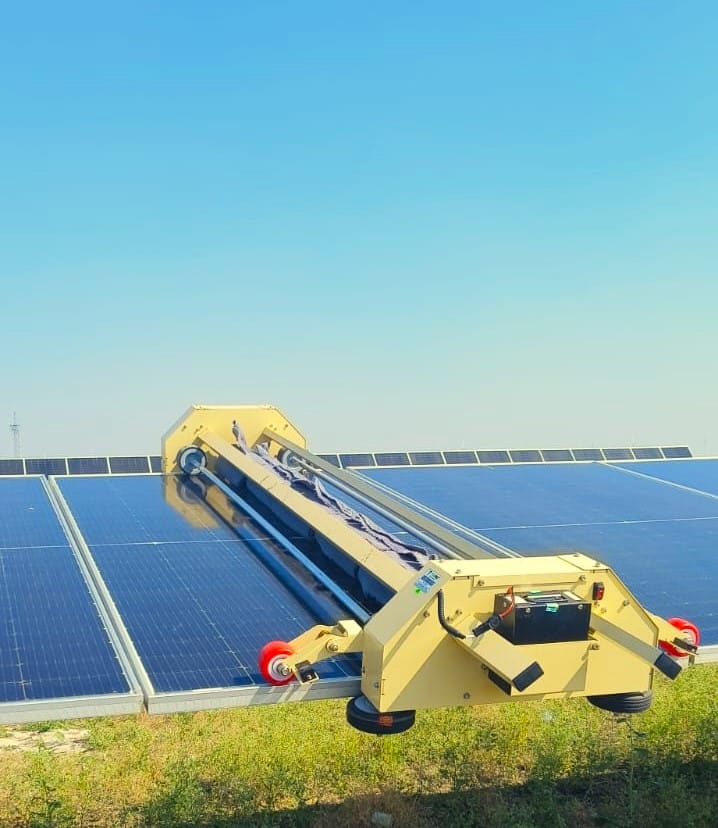
On a 5MW+ utility-scale site in India, an uptime SLA needs to clearly separate 'technical availability' from 'active operational coverage.' IPPs should set a 95% baseline for system availability during peak generation windows. This metric tracks the percentage of time robots are actually capable of moving, excluding planned charging or maintenance that happens outside peak sunlight hours.
Your contracts must define the 'uptime window' based on the regional dust cycle. In arid regions like Rajasthan or Kutch, where soiling rates jump around, the SLA should demand a 98% availability threshold during the main dust seasons (March to June). You need the robot fleet actively mitigating daily yield loss when it matters most. For smaller distributed blocks, it's often more efficient to focus on regularly scheduled cleaning cycles rather than just availability metrics.
When setting these benchmarks, don't confuse hardware downtime with connectivity issues. A solid SLA for an Indian IPP should include:
- Operational Uptime (Target 95%–98%): The percentage of robots reporting 'ready' status during pre-dawn or post-sunset cleaning windows.
- Critical Fault Recovery: A 24-hour maximum response time for mechanical failures in high-soiling zones.
- Maintenance Exclusion: A pre-approved schedule for firmware updates or brush replacements that won't count against uptime penalties.
Shift your focus from the 'number of units' to 'fleet availability percentages' to ensure automated monitoring of panel performance stays accurate. When robots miss these thresholds, the SLA should trigger automated penalty clauses or liquidated damages. This forces O&M partners to prioritize fleet health in a setup where manual cleaning is too slow to maintain a high PR.
How does robot downtime impact Performance Ratio (PR) and soiling losses?
In utility-scale solar, robot downtime is basically an invisible revenue leak. When your robotic fleet is down, the plant stays dirty, leading to a direct hit to your Performance Ratio (PR). Because soiling in arid regions like Gujarat or Rajasthan doesn't follow a linear path, you have to manage the weather impact on solar panel cleanliness to prevent massive yield drops. Site-specific losses often sit between 5% and 30%, and every day a robot is offline, dust buildup reduces how much light your PV modules can actually absorb.
For a 50 MW plant, the math is simple: a 5% reduction in PR from an inactive robot fleet means massive generation loss. If uptime drops from 98% to 90%, the impact on annual revenue is huge. IPPs need to treat robot unavailability with the same urgency as an inverter trip or a transformer fault. When cleaning robots are offline, manual intervention is usually too slow to keep up, causing a sustained dip in PR until the technical issue is fixed. Using platforms for automated monitoring of panel performance helps O&M teams figure out if a drop in generation is caused by soiling or mechanical faults.
To protect site PR, evaluate the correlation between fleet downtime and yield loss data. Consistent monitoring shows that sites keeping 98% fleet availability usually avoid the severe soiling spikes seen at under-maintained plants. By putting these metrics in the O&M contract, plant managers ensure the robotic infrastructure remains a driver of efficiency rather than an operational risk. Check our guidelines on the optimal cleaning frequency for Indian plants to align your mechanical uptime goals with local dust cycles.
Technical thresholds: Uptime, availability, and cleaning frequency
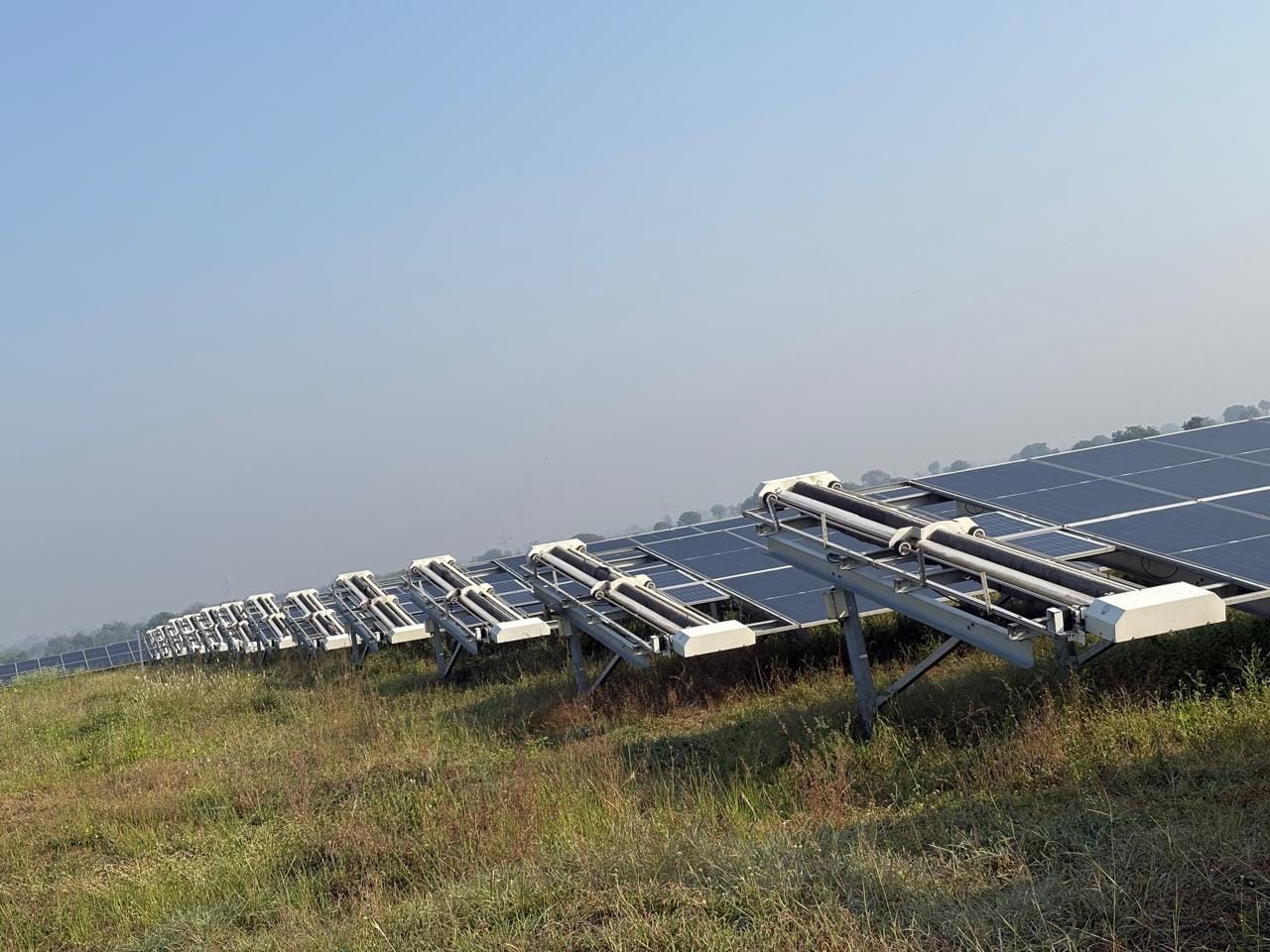
At a 50 MW plant, setting technical thresholds is all about balancing mechanical limits with dust patterns. Industry-standard uptime for robotic fleets is usually measured against the intended cleaning schedule, with a 98% availability target serving as a high-performance benchmark. Calculate availability over a rolling 30-day window to account for both hardware health and connectivity across the site.
Cleaning frequency shouldn't be based on a static calendar; it should be tied to real-time soiling data. In arid zones of Rajasthan or Gujarat, you might need to clean every 3 to 7 days to prevent dust from caking and effectively raise output on utility solar plants in India. Configure robotic systems to run these cycles during low-irradiance periods, like pre-dawn, to maximize your generation window.
- Fleet Availability (Target): Maintain 98% uptime so all site blocks get their scheduled maintenance.
- Connectivity Latency: Aim for sub-5-minute telemetry updates to the NECTYR dashboard for real-time fault detection.
- Critical Failure Recovery: Set a maximum 24-hour turnaround for hardware repairs to avoid long-term PR degradation.
- Operational Window: Use low-light periods (pre-dawn or post-sunset) to avoid shading and maximize solar harvest.
These thresholds are the foundation of an effective O&M contract. By setting these limits, plant managers ensure the robotic fleet stays in sync with local soiling cycles. When these benchmarks are clear, it's much easier to hold O&M teams accountable for under-performance. Staying on top of these parameters helps maintain high yield across utility projects, no matter the seasonal dust intensity.
Step-by-step: Implementing robot SLAs in utility-scale O&M contracts
Building an enforceable SLA for a robotic fleet means moving past general uptime clauses. IPPs have to codify specific requirements that separate critical hardware failure from routine maintenance. Follow these steps to structure a contract that incorporates green AI solutions for utility solar and protects site performance:
- Define Availability Metrics: Specify that uptime is calculated over a rolling 30-day window, measuring the percentage of modules cleaned per the site schedule. A standard benchmark for high-performing utility sites is 98% fleet availability.
- Quantify Liquidated Damages: Tie financial penalties directly to the PR impact of inactive robots. For example, if downtime goes past 48 hours, assign a per-block cost penalty equivalent to the estimated soiling loss at that site.
- Set Response Time Tiers: Use a two-tier response structure. Routine maintenance, like battery issues or sensor recalibration, should have a 72-hour window. Critical failures that stop an entire robot block must trigger an on-site technician response within 24 hours.
- Include Data Transparency Clauses: Mandate that the O&M contractor provides API access or dashboard exports from the robot fleet software, such as automated monitoring of panel performance, to verify connectivity and operational logs.
- Establish Hardware Replacement Procedures: Define the maximum time a robot can be out of rotation for mechanical repair before the vendor has to provide a functional replacement unit from their regional inventory.
Implementing these granular requirements helps plant managers move from reactive maintenance to performance-based asset management. Consistent monitoring prevents long-term PR erosion from minor, unaddressed technical faults. Refer to the optimal cleaning frequency for Indian plants to ensure your SLA targets stay aligned with the dust and soiling challenges in your region.
Operational constraints for 5MW+ sites in arid Indian regions
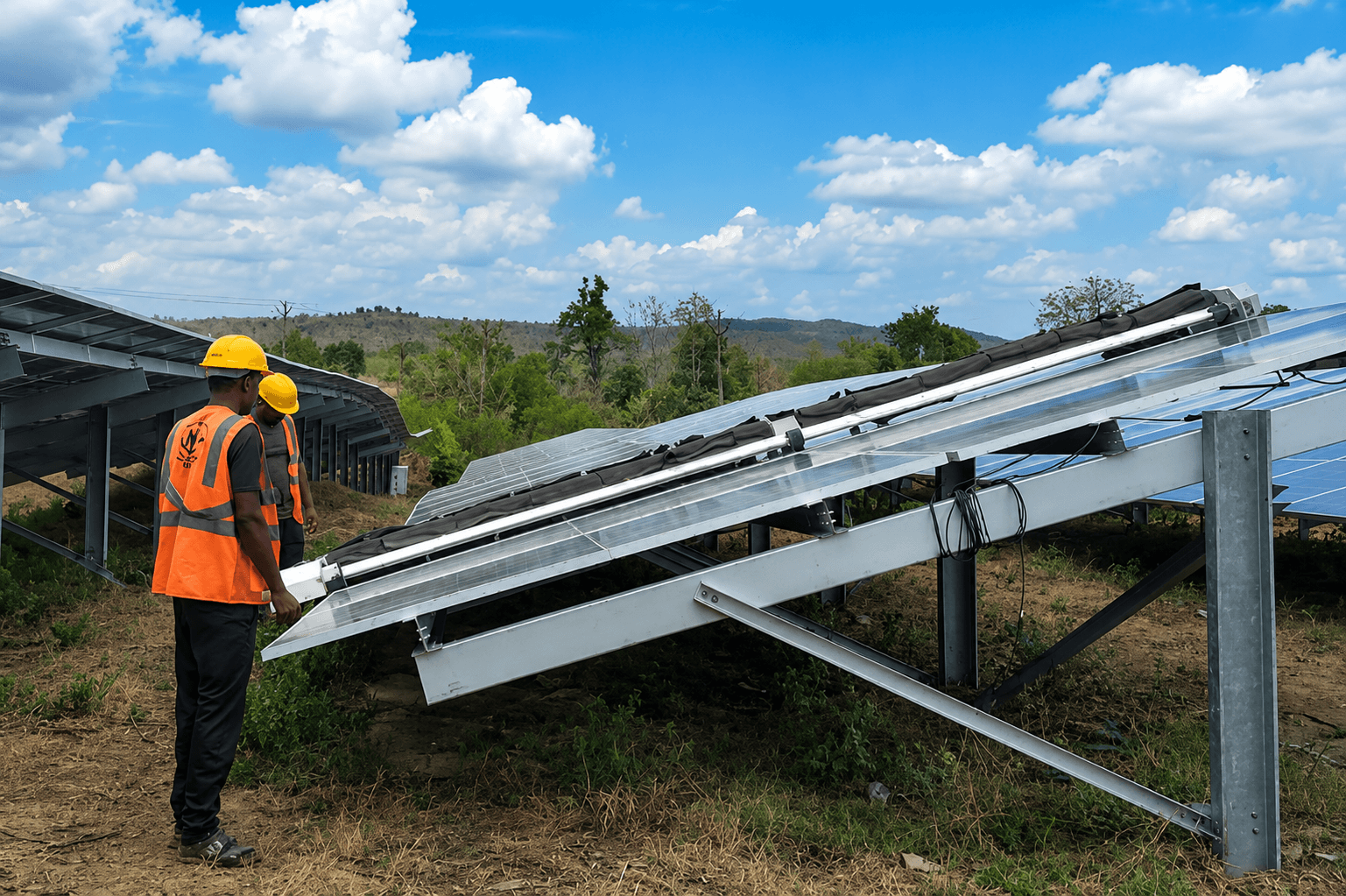
Utility-scale plants in arid regions like Rajasthan and Gujarat deal with unique hurdles that dictate how you handle robot uptime SLAs. High ambient temperatures, often exceeding 45°C, put massive stress on robot battery chemistry and control circuits. For plants over 5MW, this means mid-day cleaning is often impossible. Hardware needs to stay docked during peak heat to prevent battery degradation or electronic failure, pushing maintenance windows to pre-dawn or post-sunset intervals.
Dust composition is another major uptime challenge. Silica-heavy dust is abrasive and builds up fast, which can overwhelm standard brushes if your rotation frequency isn't mapped to real-time soiling data. When writing your O&M contract, make sure the SLA accounts for these physical realities:
- Terrain Adaptability: Ensure the robot platform is rated for the specific tilt and soil conditions of your site, especially if the layout has uneven ground or steep panel rows that could trigger safety stops.
- Wind Resistance: In arid zones prone to sudden dust storms, specify that robots must have a secured-docking mode to stay stable during high winds and prevent displacement downtime.
- Regional Spare-Part Logistics: For 5MW+ portfolios, mandate that the O&M provider keeps a regional warehouse of critical components, like brushes or battery packs, to keep Mean Time to Repair (MTTR) within the 24-hour window for critical failures.
- Connectivity Infrastructure: Use robust local mesh networks or LTE boosters to ensure that automatic monitoring of panel performance isn't interrupted by the massive footprint of a utility site.
Ultimately, a one-size-fits-all SLA won't work in the Indian context. Site-specific agreements that prioritize local climate resilience will offer better long-term protection for your assets. By aligning your robotic maintenance with the unique heat and dust cycles of your region, you can achieve the optimal cleaning frequency for Indian plants without risking the hardware.
What are the industry-standard response times for robot failure?
For utility-scale solar in India, industry-standard response times for robot failures are usually categorized by how severe the issue is. A critical failure, like a hardware malfunction or an unresponsive unit, should trigger a resolution within 24 to 48 hours. This gives O&M staff time to diagnose the issue remotely via fleet portals like NECTYR and, if needed, send a technician to the specific module block.
Standard benchmarks suggest that for 5MW+ portfolios, the Mean Time to Repair (MTTR) shouldn't exceed 3 working days. If it takes longer, it usually means there's a breakdown in the spare parts supply chain. To mitigate this, IPPs should require O&M partners to stock high-wear parts like brushes, motors, and battery packs in a regional warehouse within 200km of the site. Missing these response times leads to increased soiling losses that compound daily in high-dust regions like Rajasthan or Gujarat, quickly eating into the site's PR.
When contracting for robot uptime, make sure your SLA includes these response tiers:
- Priority 1 (Critical Failure): Total robotic unit stoppage or sensor failure. Resolution window: 24–48 hours.
- Priority 2 (Degraded Performance): Reduced cleaning coverage or intermittent connectivity. Resolution window: 5–7 days.
- Priority 3 (Routine Inspection): Preventative maintenance and software updates. Resolution window: Per the scheduled seasonal maintenance plan.
Enforcing these response times shifts the operational burden from the asset owner to the service provider. This ensures the optimal cleaning frequency for Indian plants is maintained regardless of mechanical setbacks. Tracking these metrics against a documented SLA is essential to protecting project IRR and keeping automatic monitoring of panel performance accurate and actionable.
Key takeaways for O&M lead implementation
- Define specific robotic uptime percentages in the O&M contract, targeting 95% availability for primary cleaning blocks.
- Mandate regional spare part inventory to keep the Mean Time to Repair under 72 hours for critical component failures.
- Integrate fleet monitoring software directly into the plant SCADA to receive real-time alerts on robot health and cleaning completion status.
- Align your cleaning robot maintenance schedule with regional seasonal dust cycles to ensure hardware remains in the field when soiling pressure is highest.
- Review SLA performance against actual PR data monthly to adjust the service provider's operational incentives and liquidated damage clauses.
Sources and further reading
Frequently asked questions
Establishing enforceable cleaning robot uptime SLA benchmarks for Indian IPPs is critical to maintaining a healthy Performance Ratio (PR) and avoiding revenue leakage caused by heavy soiling. At the 5MW+ scale, robotic uptime is the single most important operational metric because manual cleaning cannot scale to meet the frequency requirements of high-dust environments in states like Rajasthan or Gujarat, which are h
Performance should be monitored by tracking the robot uptime percentage during peak daylight generation windows. IPPs should measure this against predefined thresholds and ensure technical faults are addressed within the standard 24 to 48 hour response time for critical failures.
Robot uptime refers to the percentage of time that hardware is physically capable of movement, whereas cleaning availability accounts for the operational coverage needed to mitigate soiling. Contracts should clearly distinguish between these metrics and exclude scheduled maintenance occurring outside of peak sunlight hours.
Liquidated damages should be tied to the direct revenue impact caused by reduced uptime. Since every 1% drop in robot fleet uptime can correlate to site-specific yield losses, penalties should trigger when soiling losses exceed the established 3% to 5% reduction threshold.