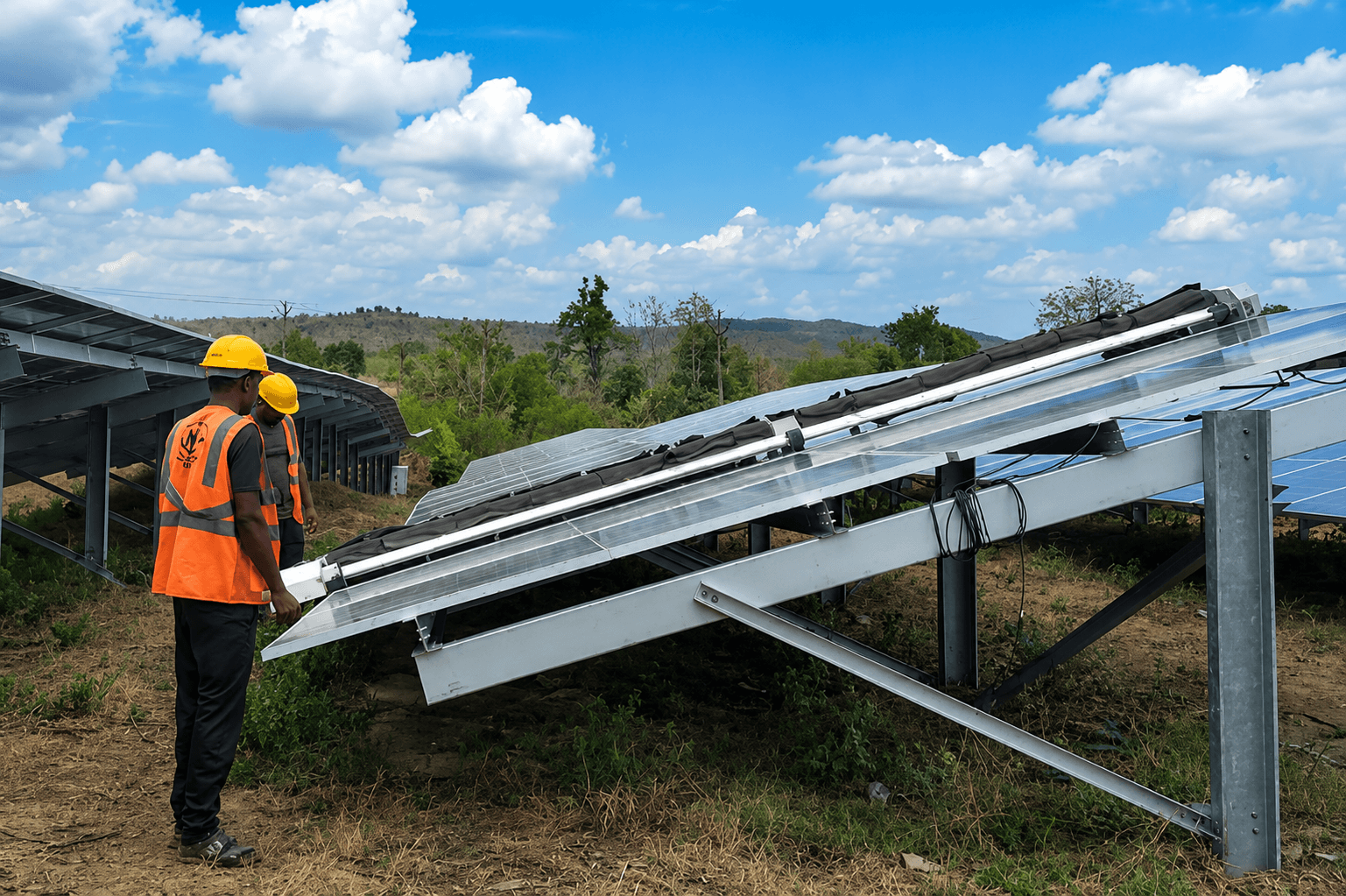
The Audit Threat: A 50MW Rajasthan Site Scenario
A 50MW solar plant in Rajasthan faces high risks. Managers must verify ALMM and DCR compliance for cleaning robot parts. Failure to do this is a major financial threat. It can lead to rejected invoices or audit penalties. You might even lose government-backed subsidies.
Auditors check more than just solar modules. They examine the entire list of site equipment. This includes cleaning robots and their parts. They look at controllers, motors, and mounting brackets.
Imagine an O&M lead buys imported robots for a PM-KUSUM project. The robot logic or parts might fail DCR rules. The manufacturer might not be recognized in the project framework. This creates an immediate compliance block. In bad cases, owners must replace the whole fleet. This causes heavy financial losses. This risk is why owners must treat robots like PV modules.
O&M teams must audit hardware before they buy it. Ask manufacturers for proof of where parts come from. Ensure cleaning systems follow Indian regulatory rules. For more on financial risks, see our analysis of soiling revenue loss. Learn how automated monitoring helps with compliance reporting.
Decoding ALMM and DCR: The Regulatory Foundation for Indian Solar
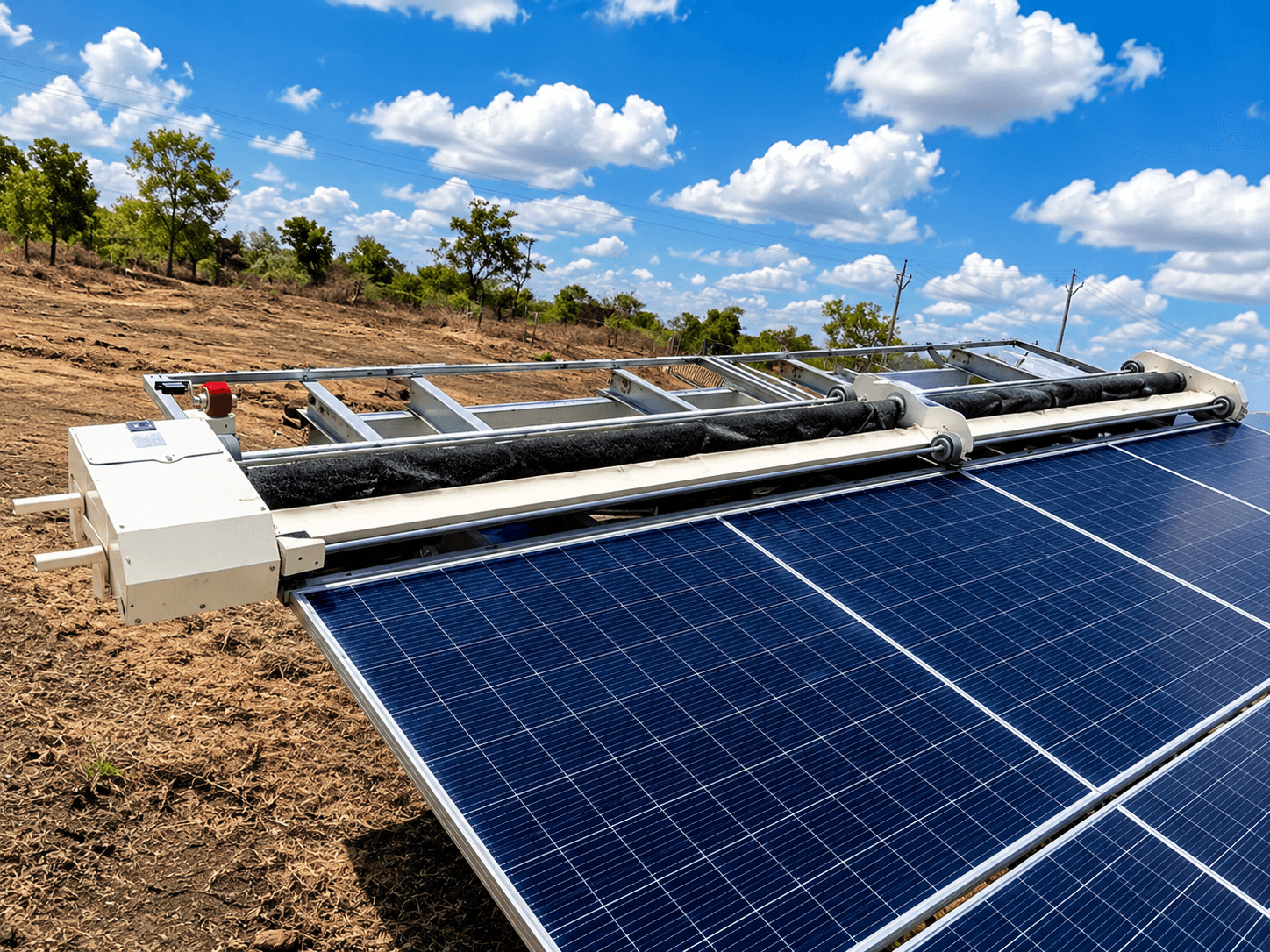
O&M managers must know two key rules. First is ALMM. The Approved List of Models and Manufacturers focuses on PV modules. These modules must meet strict quality and local content rules for government projects. While ALMM targets modules, the rules also affect critical system parts. This ensures national grid reliability.
The second rule is DCR. This stands for Domestic Content Requirement. Projects like PM-KUSUM often require local parts. This allows projects to get financial incentives. For O&M leads, cleaning hardware must show clear local value. If a robot is imported as a finished unit, it may fail audits. This happens if parts lack valid certification.
Following these rules helps India reach its 500 GW green energy goal by 2030. Audit failures can trigger subsidy clawbacks. They can also hurt future PPA extensions. Managers must change how they buy equipment. Do not just pick robots for cleaning power. Instead, verify that vendors have a local supply chain. This avoids trouble during plant inspections. Read about soiling revenue loss. See how automated systems help in maintaining plant performance standards.
The Intersection of Module Compliance and Cleaning Robot Components
In utility-scale solar, module procurement and cleaning tech are linked. This link is created by regulatory paperwork. ALMM ensures modules meet efficiency and local standards. However, cleaning robots add a new layer of risk. Many EPC contracts now include strict rules. They require all equipment to maintain the plant's DCR status.
For an O&M lead, a robot is more than a tool. It is a part of the plant's hardware. If a project uses DCR status for subsidies, the robots must match. You must source units with local drive systems and chassis. Do not rely on 'black-box' imported systems. These systems often lack clear supply chain data.
Audits also check the physical link between robots and modules. Agencies want to know if robots affect panel warranties. A 'non-compliant' robot can cause issues during commissioning. Therefore, keep a detailed list of all robot parts. Note which parts are imported and which are local. This is as important as checking inverters or mounting structures. This transparency protects your subsidies. It also follows MNRE guidelines for local value addition.
Technical Workflow: Integrating Automatic Solar Cleaning Systems with DCR Mandates
Large 50 MW+ sites need strict documentation. This is just like module procurement. When you pick a cleaning system, audit its parts. Confirm where every subsystem comes from. Ask for a formal declaration of local value. Focus on drive motors, control modules, and chassis parts. These parts are expensive and highly scrutinized by inspectors.
Follow these three steps to ensure compliance:
- Component Traceability Mapping: Get a detailed list of parts from your vendor. Each electrical and structural part must have a clear origin. Match this list to your project's rules, like PM-KUSUM.
- On-Site Verification of Assembly: Audit the assembly process for large rollouts. Ensure robots are integrated and tested in India. Do not just accept imported units that are packed locally.
- Regulatory Documentation Handover: Keep a central folder for all robot data. Include certificates of origin and manufacturing logs. This data is vital for biennial audits. It proves your O&M does not hurt your DCR status.
Treat robots as permanent hardware, not consumables. This avoids the stress of subsidy clawbacks. This strategy bridges the gap between performance and regulation. Learn how monitoring helps via our guide on automated monitoring systems.
How does ALMM compliance affect the selection of automatic solar cleaning systems?
ALMM applies to PV modules. However, it affects how you choose cleaning robots. Adding robots changes your plant's hardware setup. If robots connect to modules or trackers, they must be safe. They must not hurt the site's certification. While cleaning robots are not on the ALMM list yet, financiers still audit them. They treat robots as permanent plant assets.
O&M managers should pick future-proof hardware. Avoid robots with untraceable imported electronics. These parts may fail regulatory reviews. They might also affect module warranties. Pick vendors who show clear part origins. Their sensors and motors should meet high quality standards. This keeps your cleaning fleet as an asset, not a liability.
Use this logic for effective procurement:
- Regulatory Audit Alignment: Treat robots as critical BOS components. This helps them pass audits by lending agencies.
- Component Origin Transparency: Ask for proof of where parts are made. Favor local systems to meet DCR needs.
- Warranty Integration: Confirm that robot movement does not void module warranties.
Focus on high-uptime, local equipment. Our dedicated tracker cleaning systems do exactly this. This avoids the risks of unverified imported hardware. It helps you focus on recovering performance ratio losses with confidence.
Component Verification Checklist for EPCs and O&M Managers
Treat every robot part as a critical asset. Use this checklist during tenders and audits. This prevents subsidy losses and certification issues.
- Bill of Materials (BOM) Audit: Demand a detailed BOM for every robot. Check the origin of motors, controllers, and sensors. Prioritize parts made in India to meet DCR rules.
- Module Compatibility Certification: Get a 'No Objection Certificate' from your module maker. Confirm the robot's weight and brush type are safe. Check if the 26 kg to 39 kg weight range is okay.
- Warranty Documentation: Ensure robots do not void your module or tracker warranties. This is vital for 100MW+ projects. Financiers demand strict adherence to OEM protocols.
- Data Integration Standards: Ensure robots work with your SCADA or NECTYR system. Use standard and secure protocols. Avoid 'black-box' systems that are hard to audit.
- Regulatory Compliance Declaration: Demand a formal compliance letter from the supplier. The hardware must meet Indian safety standards, like IP65. It should also help maintain your PR targets.
This checklist helps you move from reacting to managing. It protects your CAPEX investment. It keeps your hardware as an asset. For help with costs, read our guide on CAPEX vs OPEX procurement.
Mitigating Risk: Avoiding Warranty Voidance through Compliant Hardware
In 50MW+ plants, the link between robots and modules is critical. Using uncertified or imported parts is risky. This can void warranties or insurance. To avoid this, vet your cleaning robots strictly. Focus on material safety and electrical certification.
- Documented Compatibility: Get a signed letter from your module maker. They must confirm the robot's weight and materials are safe. For the GLYDE-X, check it against your specific tracker models.
- Structural and Electrical Safety: Ensure all hardware has IP65 ratings or higher. This includes end-row docks like the CRADYL. This prevents failures from dust and moisture.
- Standardized Connectivity: Use open communication protocols. This lets your team add cleaning data to SCADA. It creates an audit trail. This is essential for proving compliance with ALMM and DCR rules.
- Mechanical Integrity: Robots must not stress tracker parts. A compliant robot should balance its own load. For tracker models, keep the footprint under 30 kg.
A compliance-first strategy protects your plant and its value. Choose robots that follow Indian rules and OEM safety standards. This prevents performance loss and warranty disputes. For more on strategy, see our guide on CAPEX vs OPEX procurement.
What plant managers should do next
Adopt a phased approach to buying equipment. Prioritize long-term security over low prices. Follow these steps to stay safe from policy changes and audits.
- Audit Current Procurement Specs: Check your contracts now. Ensure cleaning robots are clearly defined within DCR rules. Use the latest MNRE guidelines for all decisions.
- Standardize Vendor Vetting: Ask partners for notarized proof of local manufacturing. For Indian sites, this must include motors and control circuits.
- Integrate Compliance Data into SCADA: Use software like NECTYR to log all hardware. Track serial numbers and origin certificates. This makes regulatory audits easy and transparent.
- Schedule Periodic Regulatory Reviews: Rules like ALMM change often. Check your compliance quarterly with legal teams. This lets you adjust before new policies hit your subsidies.
- Prioritize Proven Local Support: Choose OEMs with a presence in India. Our Pune facility is a great example. This ensures parts and support are always available. Partners with 5GW of capacity offer the best resilience.
Treat cleaning robots as critical infrastructure. This protects your plant's performance. It also avoids the risks of non-compliant tech. For teams planning their CAPEX vs OPEX procurement, this audit-ready approach is the best path.
Sources and further reading
Frequently asked questions
To ensure compliance, O&M teams must perform a deep-dive hardware audit before procurement. This includes requiring manufacturers to provide documented proof of component origin and ensuring the integration of automated cleaning systems adheres to the specific local content thresholds and regulatory requirements governing your project.
While regulations like ALMM primarily target solar modules, auditors examine the entire bill of materials for site infrastructure. This includes cleaning robot fleets and critical components such as controllers, motors, and mounting brackets, as non-compliance in these areas can result in audit penalties or subsidy loss.
Auditing for compliance requires verifying that the robot control logic and structural hardware meet local content thresholds. You should mandate that suppliers provide transparency regarding the origin of their components to ensure they align with the project approval framework and government-supported scheme requirements.
Yes. Beyond potential impacts on your PR due to system downtime or replacement needs, non-compliant hardware triggers significant regulatory risks. These include rejected invoices, severe financial clawbacks, or the total loss of government-backed subsidy support for your utility-scale project.