Quick answer
Choosing batteries for utility-scale cleaning robots involves three key factors. You must consider lifecycle costs, energy density, and heat resilience. In India, extreme heat is a major concern. Lithium-ion (LiFePO4) is currently the industry standard for sites over 5MW. It offers better cycle life and faster charging than older types.
- Lithium-ion (LiFePO4) is the best choice for autonomous fleets. It provides 2000+ deep-discharge cycles. It also stays stable in heat up to 50 degrees Celsius.
- Lead-acid batteries have lower initial costs. However, they often fail within 12 to 18 months. This happens due to electrolyte evaporation and heat stress in dry areas.
- Lithium-ion packs allow for 'opportunity charging' during peak sun hours. This helps increase cleaning frequency. It can recover 17% to 25% of annual power yield lost to soiling.
- Uptime is vital for utility-scale O&M. Lithium-ion systems reduce the need for manual work. This allows for reliable deployment across large assets.
Plant managers should prioritize batteries with at least a 3-year design life. This is important for high-heat conditions. It helps avoid the hidden costs of early replacement. While lead-acid units look cheaper at first, lithium is better for 50MW+ sites. Lithium offers higher energy density and much longer life.
Why battery technology comparison for cleaning robots is critical for utility-scale O&M
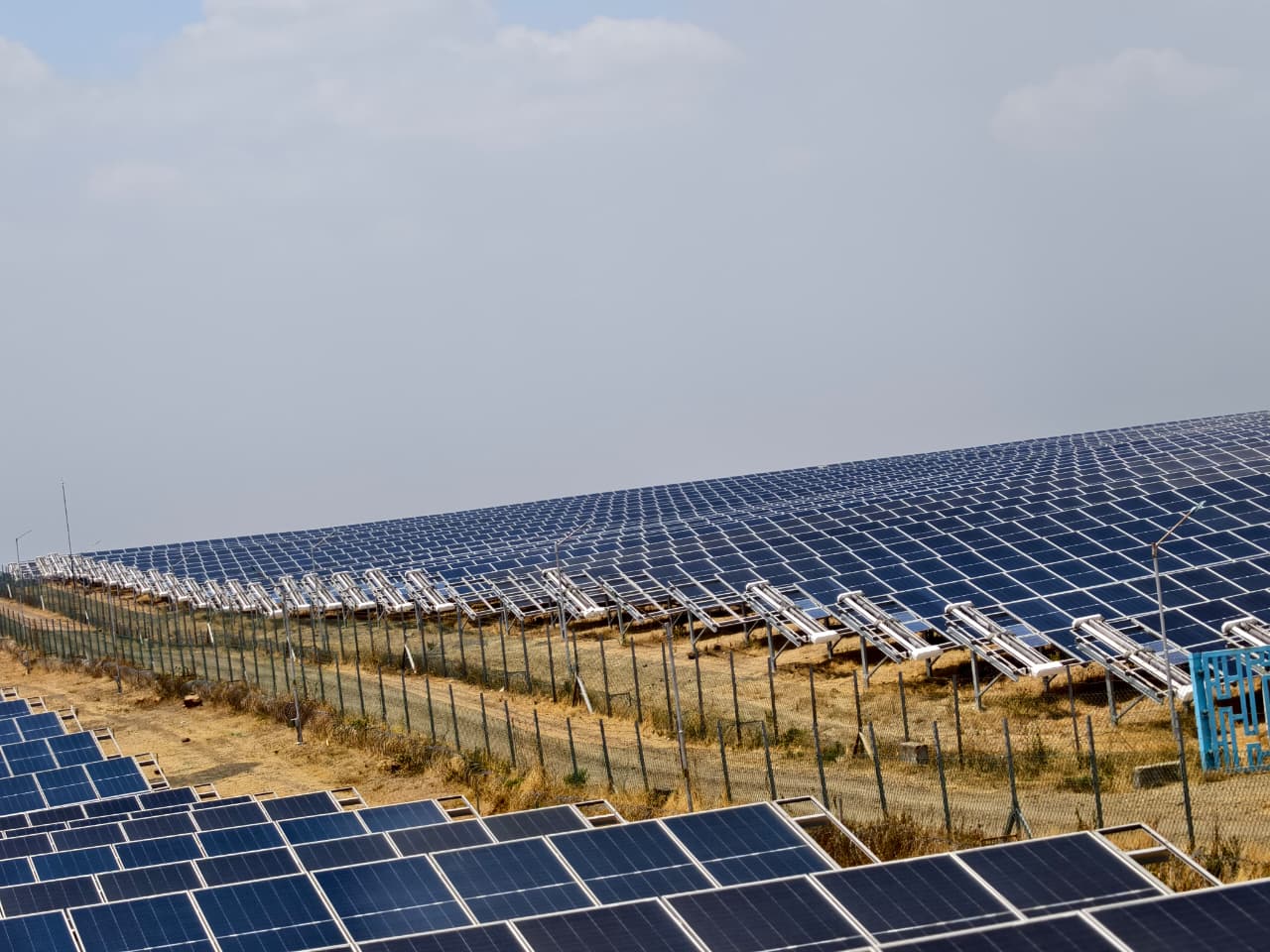
In a 50 MW+ plant, batteries are more than just a part. They are a central limit on robot uptime and cost recovery. Robots must move across massive solar arrays. Consistent power determines if a plant meets its target performance ratio (PR). Using poor batteries in hot zones like Rajasthan or Gujarat causes fast capacity loss. This leads to frequent replacements and higher operational costs (OPEX).
For asset managers, energy density is vital. It dictates how far a robot can travel and when it must charge. Robots that charge too often lose valuable cleaning hours. This is especially true when cleaning during peak sun hours. Harsh climates also require batteries that resist heat and evaporation. Choosing the right system stabilizes the O&M cycle. It ensures robots recover the 17% to 25% yield lost to dust.
Effective O&M requires high-cycle technologies. These must survive multi-year use without constant help. This comparison shows why lithium is the industry standard for autonomous fleets. It ensures reliable operation for large assets. It also lowers the hidden costs of battery failures and manual repairs.
Lead-Acid vs. Lithium-ion: A technical deep dive for solar robots
The choice between lead-acid and lithium-ion (LiFePO4) defines how reliable your cleaning cycle is. Lead-acid batteries have low upfront costs. But they struggle in the extreme heat of Rajasthan and Gujarat. High temperatures cause electrolyte loss and sulfation. This often reduces their life to less than 18 months under daily use.
Conversely, LiFePO4 chemistry offers a robust solution for automation. These batteries provide superior energy density and heat resilience. They work well across a wide temperature range. Most stay stable up to 50 degrees Celsius. This is critical for robots in high-heat zones. Deep-discharge capability allows for more cleaning cycles. This supports the 17% to 25% yield recovery needed for 50MW+ portfolios.
The table below compares these battery types. It shows their impact on fleet uptime and replacement needs.
| Feature | Lead-Acid | Lithium-ion (LiFePO4) |
|---|---|---|
| Cycle Life | 300–500 cycles | 2000–3000+ cycles |
| Thermal Tolerance | Poor (Degrades >35°C) | Excellent (Stable up to 50°C) |
| Energy Density | Low | High |
| Maintenance | High (Frequent electrolyte check) | Negligible (BMS managed) |
| Weight/Footprint | Heavy/Bulky | Compact/Lightweight |
| Lifecycle Cost | High (due to frequent swaps) | Low (long-term amortized) |
For IPPs and O&M teams, lithium-based systems save money over time. The higher initial cost is offset by lower operational costs. Lead-acid units require much more manual labor. Frequent battery swaps also increase logistics costs. Our O&M strategies guide explains why high-cycle components are vital. They help maintain the performance ratio and avoid early failure costs. Lithium-ion ensures fleets stay active during peak hours. This provides the highest return on investment.
Impact of India's thermal profile on battery lifecycle and performance
Batteries in India face extreme thermal stress. Regions like the Thar Desert in Rajasthan are very hot. In Gujarat, arid zones are also common. When ambient heat exceeds 40°C, the inside of a robot gets even hotter. Lead-acid batteries struggle in these conditions. Heat causes water loss and internal corrosion. This reduces their cycle life. Managers often have to replace them every 12 to 18 months.
Lithium-ion technology, specifically LiFePO4, is more stable. These batteries can handle higher discharge temperatures. This resilience is vital for 50 MW or 100 MW sites. Robots often perform multiple daily passes in these areas. For O&M teams, this means fewer maintenance tasks. It also means more predictable performance during summer.
Thermal stability also improves monitoring accuracy. Modern portals like NECTYR rely on stable battery data. Lead-acid batteries use voltage-based estimates. These become inaccurate as the battery degrades in heat. This leads to robots returning to the dock too early. Lithium-ion systems use an integrated Battery Management System (BMS). This provides precise data for better cleaning schedules. As our guide on soiling losses in arid regions notes, reliable batteries are essential. They ensure robots maintain yield recovery all year. For utility operators, lithium is the clear choice for reliability in India.
How does battery runtime affect cleaning frequency on 50MW+ plants?
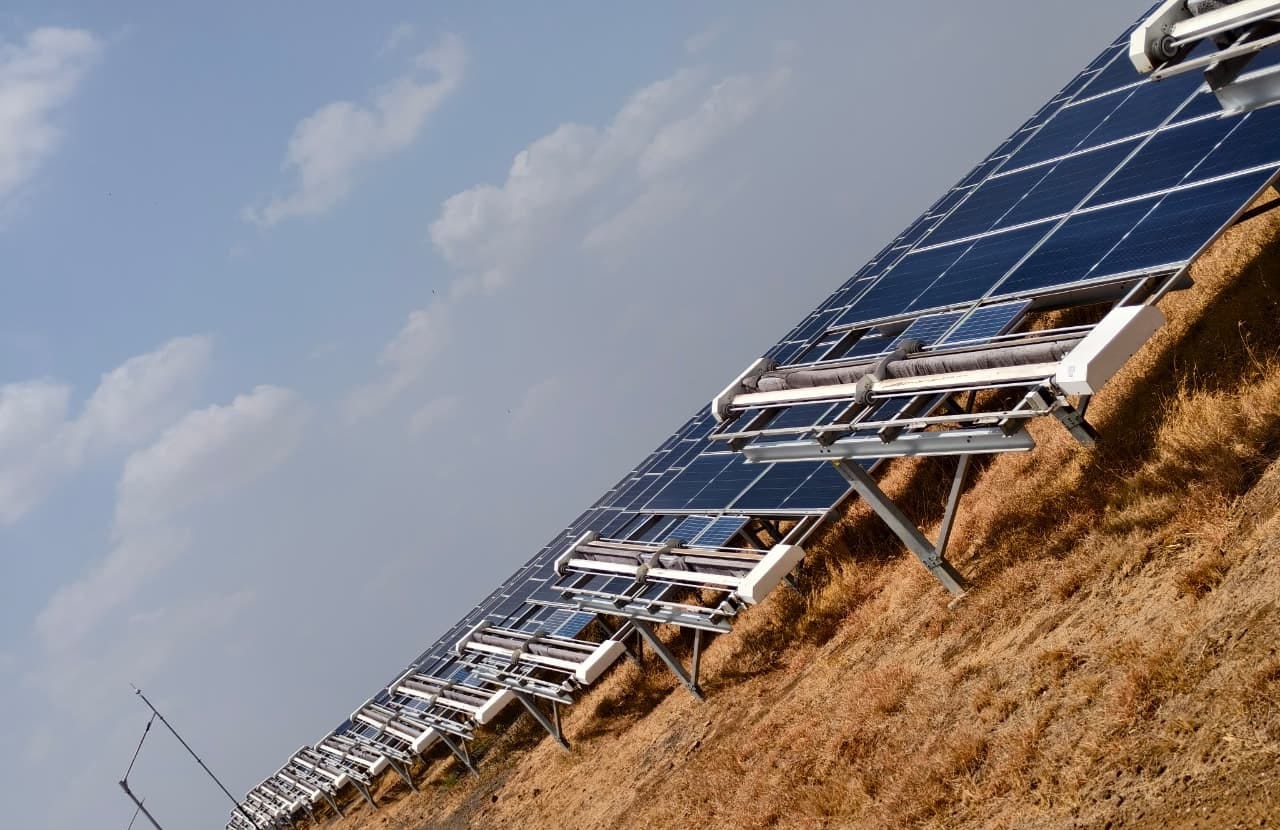
In a 50MW+ plant, battery runtime limits how much a robot can clean. Each robot can only cover a set number of modules per charge. On sites with 3,000 modules per MW, timing is critical. A fleet must balance work time against charging time. This avoids downtime during optimal morning hours. Robots like the solar panel cleaning robot in India often have long charge ranges. They can clean over 2 km in one deployment. This ensures large blocks are cleaned in one pass.
Insufficient battery capacity forces robots to make more trips. This increases wear on mechanical parts. It also extends the cleaning window. On large Indian projects, high capacity is better. A robot that covers 3,600 modules per charge is highly effective. It avoids the need for mid-row recharging. This efficiency helps prevent the 17% to 25% yield loss in dusty regions. Optimized runtime also reduces docking cycles. This preserves the health of lithium-ion batteries.
Operational thresholds for battery management
- Coverage per charge: Aim for robots that cover 3,000 to 3,600 modules. This allows them to finish a row in one session.
- Cycle time: Units should operate for 4 to 6 hours continuously. This ensures full coverage of a 5MW block.
- Docking logistics: Use docking platforms like the cradyl row transfer docking station. This keeps battery levels optimized.
- Fleet uptime: Use high-cycle batteries and NECTYR scheduling. This keeps fleets ready after dust storms.
Ultimately, battery runtime dictates your O&M headcount. Short runtimes require more manual work to swap batteries. This negates the benefits of robotic vs manual cleaning. Prioritize robots with long battery life and high heat tolerance. This helps IPPs in India maintain a truly autonomous system.
Comparison matrix: Battery chemistry for autonomous cleaning fleets
Selecting the right battery is a critical decision for Indian solar owners. It affects both reliability and long-term costs. The following matrix compares Lithium-ion and Lead-Acid. These metrics are essential for 5MW+ site performance.
| Metric | Lithium-ion (Li-ion) | Lead-Acid |
|---|---|---|
| Cycle Life | 2,000+ cycles (5-7 years) | 300–500 cycles (1-2 years) |
| Thermal Tolerance | High (optimized for 45°C+) | Poor (degrades rapidly in heat) |
| Energy Density | High (lighter robot, lower friction) | Low (heavier robot, higher torque) |
| Maintenance | Zero maintenance required | Periodic topping-up needed |
| TCO at 5MW Scale | Lower long-term cost | Higher due to replacement frequency |
Lithium-ion is the standard for autonomous fleets in India. Lead-acid batteries have lower purchase prices. However, they fail quickly in high heat. This causes significant downtime for 50MW+ sites. Managing lead-acid replacements for hundreds of robots is difficult. It creates high hidden labor costs. Lithium-ion systems work better with the NECTYR fleet portal. This allows for predictable maintenance and constant uptime. IPPs choose lithium to protect performance during the dry season.
Total Cost of Ownership (TCO): Evaluating CAPEX vs. long-term replacement costs
TCO calculations must include more than the purchase price. You must also include the costs of battery decay and labor. Lithium-ion systems have a higher upfront cost than lead-acid. However, they last 5 to 7 times longer in high heat. This difference creates a large gap in long-term OPEX. This is especially true when managing hundreds of robots.
Asset managers should look at replacement intervals. They should also consider site-wide labor productivity. A fleet that needs new batteries every 18 months is expensive. It requires constant logistics, transport, and waste management. In contrast, lithium fleets are much more predictable. When paired with NECTYR, they enable multi-year cycles. This keeps cleaning consistent during peak generation.
Consider these cost drivers for a 50MW plant over 5 years:
- Procurement overhead: Lithium batteries cost 20-30% more initially. However, they eliminate the need for multiple replacement cycles.
- Labor utilization: Low-grade batteries require 3x more human help. This can increase annual O&M labor costs by 15-25%.
- Performance stability: Long runtimes prevent cleaning gaps. This protects the performance ratio (PR) from 17-25% losses in dusty areas.
IPPs must choose between low CAPEX and high stability. Low CAPEX can lead to frequent maintenance and operational risk. High-cycle technology stabilizes your O&M budget. Prioritizing battery performance ensures your solar panel cleaning system remains a reliable asset. Reliable technology is vital for modern utility-scale solar operations.
What should plant managers look for when procuring robotic cleaning systems?
Procuring a fleet for a 5MW+ site requires a lifecycle approach. Managers must choose hardware that matches their site. The wrong brush or battery in a place like Rajasthan causes failure. This ruins the robotic vs manual cleaning business case.
Focus on these technical and operational metrics during procurement:
- Battery Lifecycle and Thermal Resilience: Check the battery chemistry and life in high heat. Lithium-ion usually offers better TCO in India.
- Software-Driven Maintenance: Use a system that connects to NECTYR. Automated alerts prevent downtime and revenue loss.
- Site-Specific Compatibility: Ensure the cleaning method matches your module coating. Fixed-tilt and tracker systems may need specialized hardware like GLYDE-X or NYUMA-X.
- Support and Uptime SLAs: Check the supplier's presence in India. A good partner provides guaranteed uptime and local service.
Focusing on these metrics helps avoid high replacement costs. It also ensures better field support. A robust cleaning system becomes a core O&M asset. For portfolios over 50MW, fleet monitoring is essential. It is the best way to protect your performance ratio.
Key takeaways for O&M decision-makers
For IPPs managing 5MW+ portfolios, autonomous cleaning is a strategic investment. Your choices in battery and cleaning methods dictate long-term reliability.
- Prioritize Battery Lifecycle: Use high-cycle lithium-ion batteries for Indian plants. They handle heat well and reduce maintenance costs by 15-25%.
- Align Method to Site Profile: Match hardware to your plant design. Use GLYDE for fixed-tilt sites or NYUMA-X for single-axis trackers.
- Adopt Centralized Fleet Monitoring: Use NECTYR to automate scheduling. Real-time data prevents massive revenue losses. A 1% power drop can cost $200,000 annually on a 150MW site.
- Lifecycle-Based Procurement: Look at total cost of ownership instead of just CAPEX. Robust hardware is cheaper over the life of a 50MW+ project.
- Leverage Expert O&M Support: Ensure your vendor has a strong presence in India. Reliable SLAs protect your yield against dust and pollution.
Treat robotic cleaning as a critical asset. This ensures consistent generation and lower costs. For more help with budgeting, use our ROI price calculator. It shows how optimized cleaning affects your specific portfolio.
Sources and further reading
Frequently asked questions
Choosing batteries for utility-scale cleaning robots involves three key factors. You must consider lifecycle costs, energy density, and heat resilience.
Yes, Lithium-ion is better suited for high-heat zones. Lead-Acid batteries often fail within 12 to 18 months due to electrolyte evaporation and rapid degradation, whereas Lithium-ion provides the longevity and resilience required to minimize manual intervention and operational costs.
Higher energy density batteries, such as Lithium-ion, support faster opportunity charging during peak sunlight hours. This capability allows robots to operate more frequently, which can recover 17% to 25% of annual power yield that would otherwise be lost to panel soiling.
Yes, battery chemistry significantly affects the total cost of ownership. While Lead-Acid has a lower initial cost, the frequent replacement requirement every 1 to 2 years increases long-term operational expenditure compared to the more durable Lithium-ion systems designed for high-heat environments.