Quick answer
If you're running 5MW+ sites in India, your training programs for O&M teams are what keep the plant alive. It's not just about showing someone how to push a button; you need your crews to master sensor calibration, troubleshooting, and SCADA-linked monitoring to protect module integrity and maximize uptime.
- Training needs to hit site safety, basic mechatronics, and SCADA troubleshooting.
- For 5MW+ plants, pick a 'Lead Robotic Technician.' This person is responsible for fleet uptime and sensor calibration.
- Automated systems can cut manual labor by up to 70% while improving PR consistency.
- Refresh training every six months to cover new firmware updates and module coatings.
Proper training is the only way to manage an autonomous fleet effectively, especially in high-dust zones like Rajasthan or Gujarat. We recommend integrating these programs directly into your existing maintenance schedules so the robots become a seamless part of your daily operations.
Defining the scope of training programs for O&M teams on robotic cleaning systems
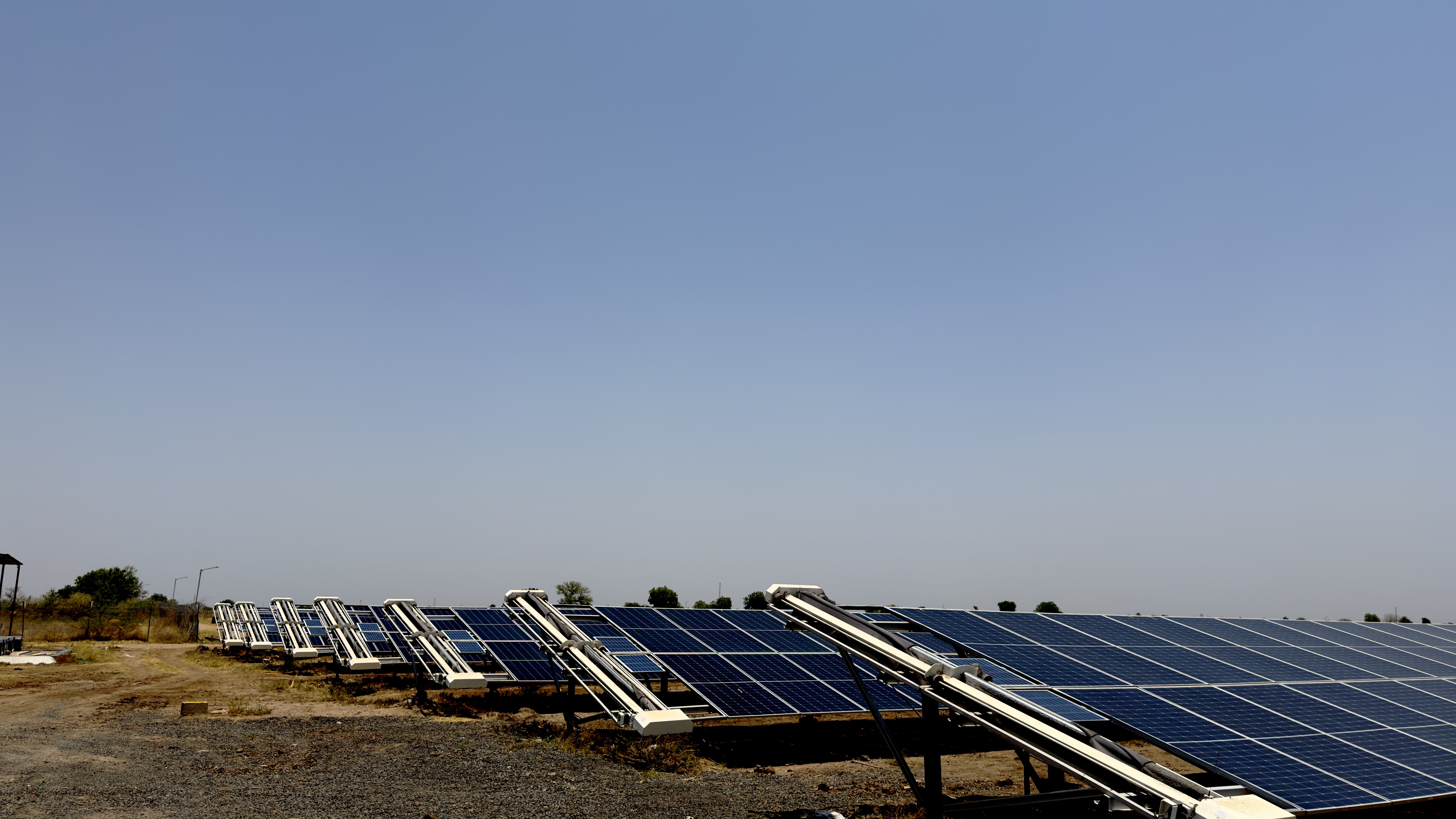
At a 5MW+ scale, you can't just wing it. You need a structured program that bridges the gap between old-school manual cleaning and modern autonomous workflows. Manual cleaning is all about headcount and water access, but robotic systems demand a focus on mechanical and software maintenance.
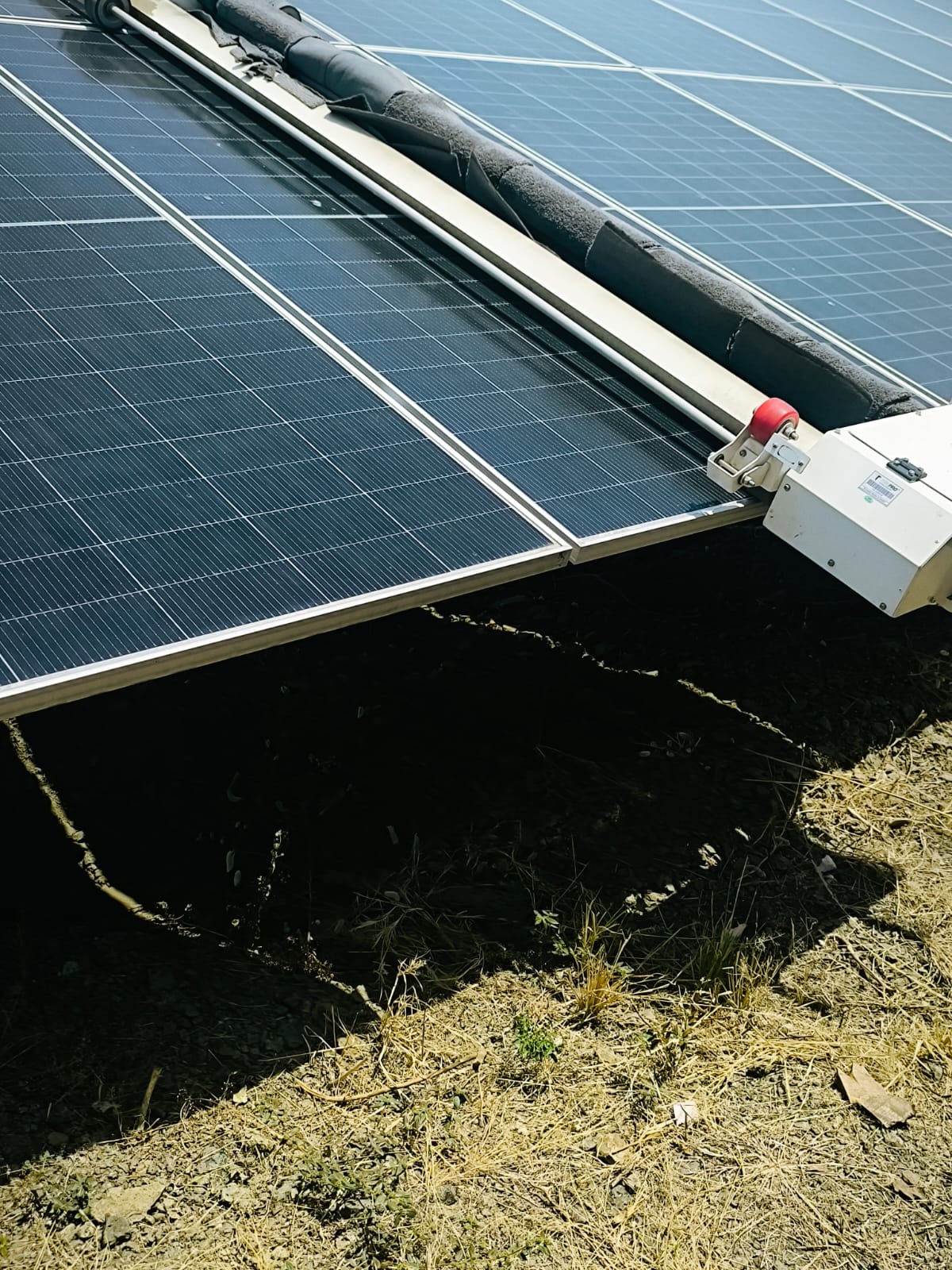
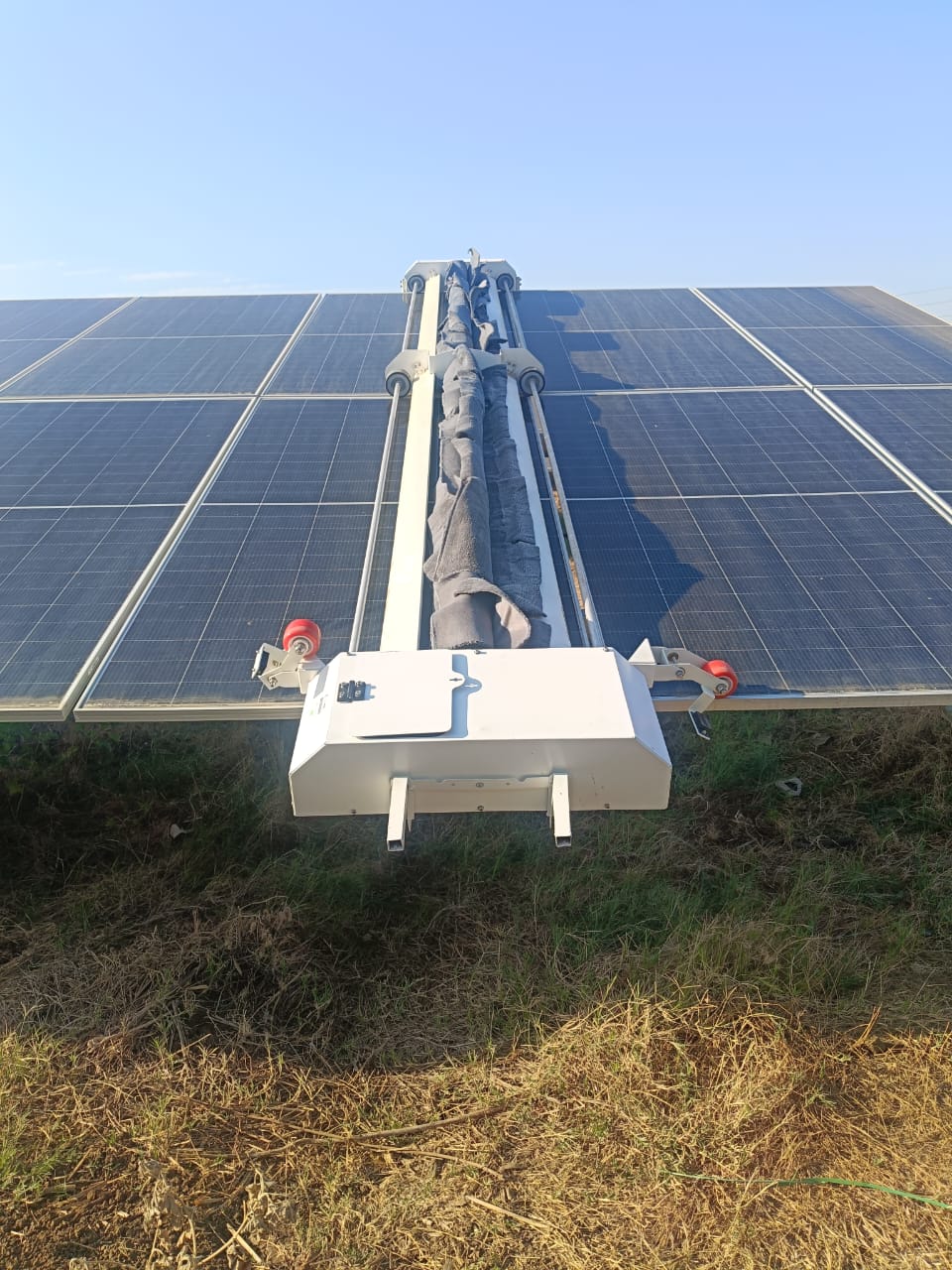
Your training should center on three pillars: mechanical upkeep, electronic diagnostics, and data supervision. First, get your technicians doing hands-on field maintenance. They need to know how to check brushes for debris, whether they are using microfiber or PBT components found in robotic cleaning systems. They also have to verify that dock-to-row systems are aligned correctly.
Second, the team has to be proficient with diagnostic tools. They should use fleet portals like NECTYR to spot connectivity issues and catch sensor alerts before they mess up the cleaning schedule. Third, you must standardize how maintenance is recorded. This is non-negotiable for cleaning frequency planning and staying compliant with warranties.
In India, soiling losses can easily top 15% during the dry season. Your team needs the skill to tell the difference between a robot error and a SCADA issue. That distinction is what keeps your uptime high.
The evolution of roles in utility-scale O&M
The job description for O&M is changing. A 50MW plant that used to require 20 to 30 laborers for manual cleaning can now run with a much smaller, highly skilled team of 3 to 5 technicians. This shift means training has to move toward digital dashboards, firmware updates, and remote troubleshooting.
The table below shows the transition in skill sets for modern solar plants:
| Metric | Manual Cleaning (Legacy) | Robotic Cleaning (Modern) |
|---|---|---|
| Daily Labor Need | High (10-20 workers) | Minimal (1-2 supervisors) |
| Primary Goal | Surface dirt removal | PR optimization and data logging |
| Water Consumption | Up to 1.5 liters/module | 0 liters (dry brushing) |
| Uptime Impact | Limited by labor availability | Controlled by SCADA schedule |
Technical modules for field engineers and technicians
Training needs to go deeper than general maintenance. For 5MW+ sites, we break technical training into three modules: mechanical assembly, electronic diagnostics, and software-guided fleet management.
Advertisement
Mechanical and mechatronic competency
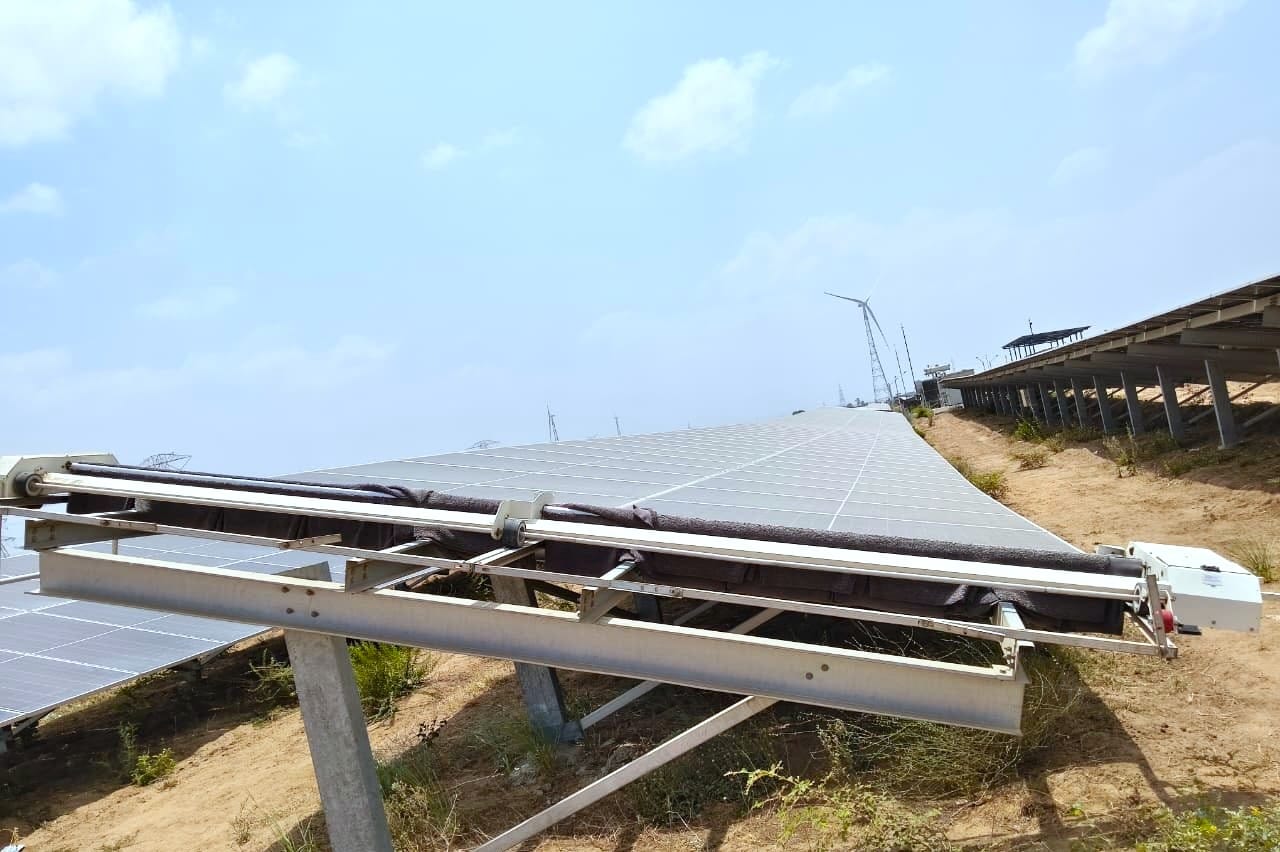
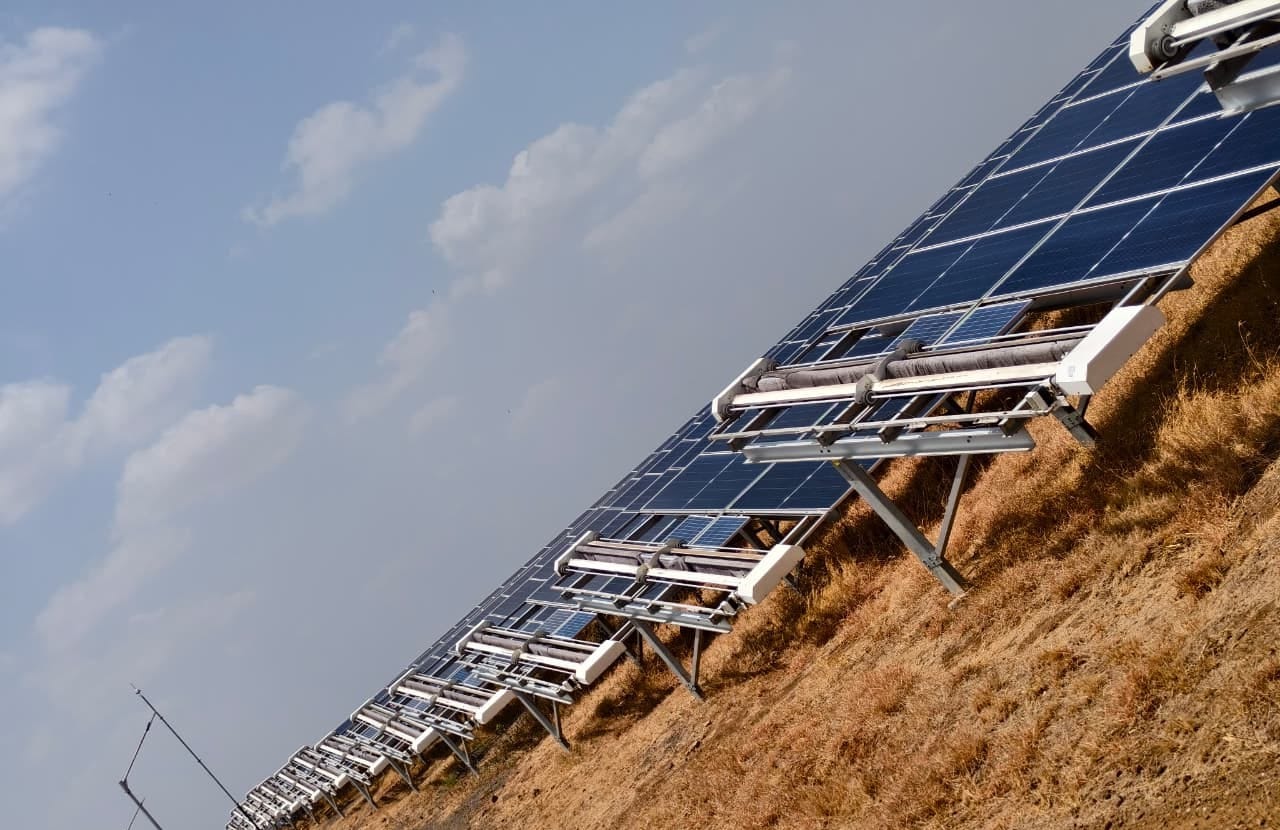
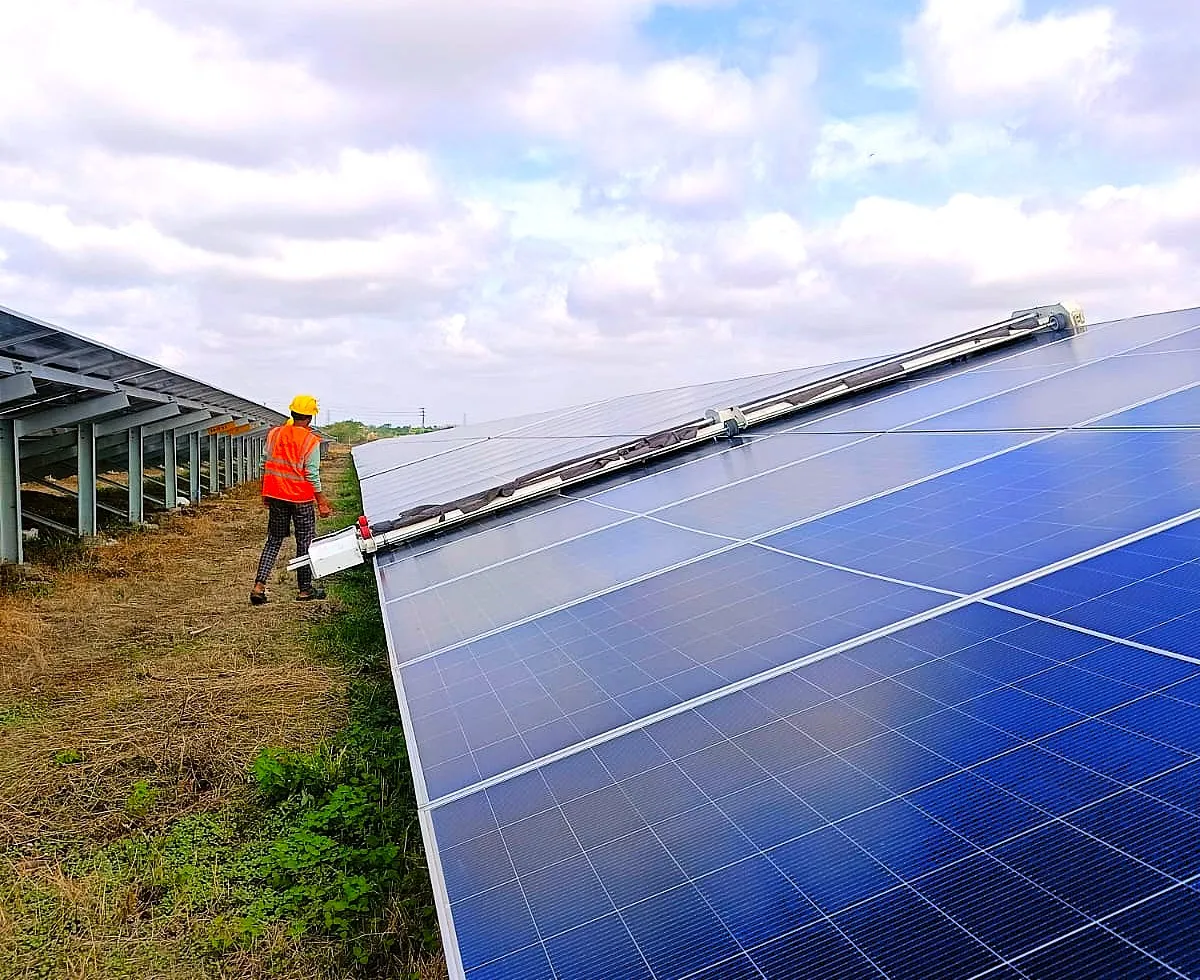
Engineers have to understand the actual cleaning mechanics. For instance, training for the Taypro NYUMA should focus on the PBT brush, teaching technicians to check for bristle wear and proper alignment. If you're using tracker-mounted models like the NYUMA-X, the instruction changes; teams need to understand 360-degree articulation and the flexible bridge mechanism to avoid causing structural strain.
In Gujarat, you should be checking brushes for sand every 15 days. Abrasive sand can kill your brush life by 30%. Use clear visual guides in your training so staff can spot bristle distortion early and avoid replacement costs, which typically run between 500 to 1,500 INR per unit.
Electronic and diagnostic troubleshooting
Robotic systems require a certain level of mechatronic literacy. Technicians must be able to calibrate sensors for obstacle and edge detection to keep the robots on their paths. Battery management is another big one, monitoring voltage and safe charging is critical, especially in Rajasthan or Gujarat where temps regularly climb above 40 degrees Celsius.
High heat degrades lithium-ion batteries. Your techs should know how to read thermal warning logs in the NECTYR interface. If a robot flags an 'edge-detection failure', tell them to follow a two-step check: first, clean the optical sensor lens with isopropyl alcohol, then re-calibrate the row boundaries via the mobile app. Doing this properly can cut external service calls by 40% annually.
Data integration and SCADA proficiency
Modern fleets are essentially data systems. Training should teach O&M leads how to navigate portals like NECTYR to interpret robot health logs and find connectivity gaps. They also need to link robot data back to SCADA inverter efficiency to resolve minor issues on-site.
For 50MW+ portfolios, this is vital for maintaining high PR levels. Asset managers should look for training that covers API integration so robot data flows directly into plant management software. This makes generating automated soiling loss reports much easier, which helps justify the hardware costs to your stakeholders.
How do you ensure safety when training teams on robotic cleaning systems?
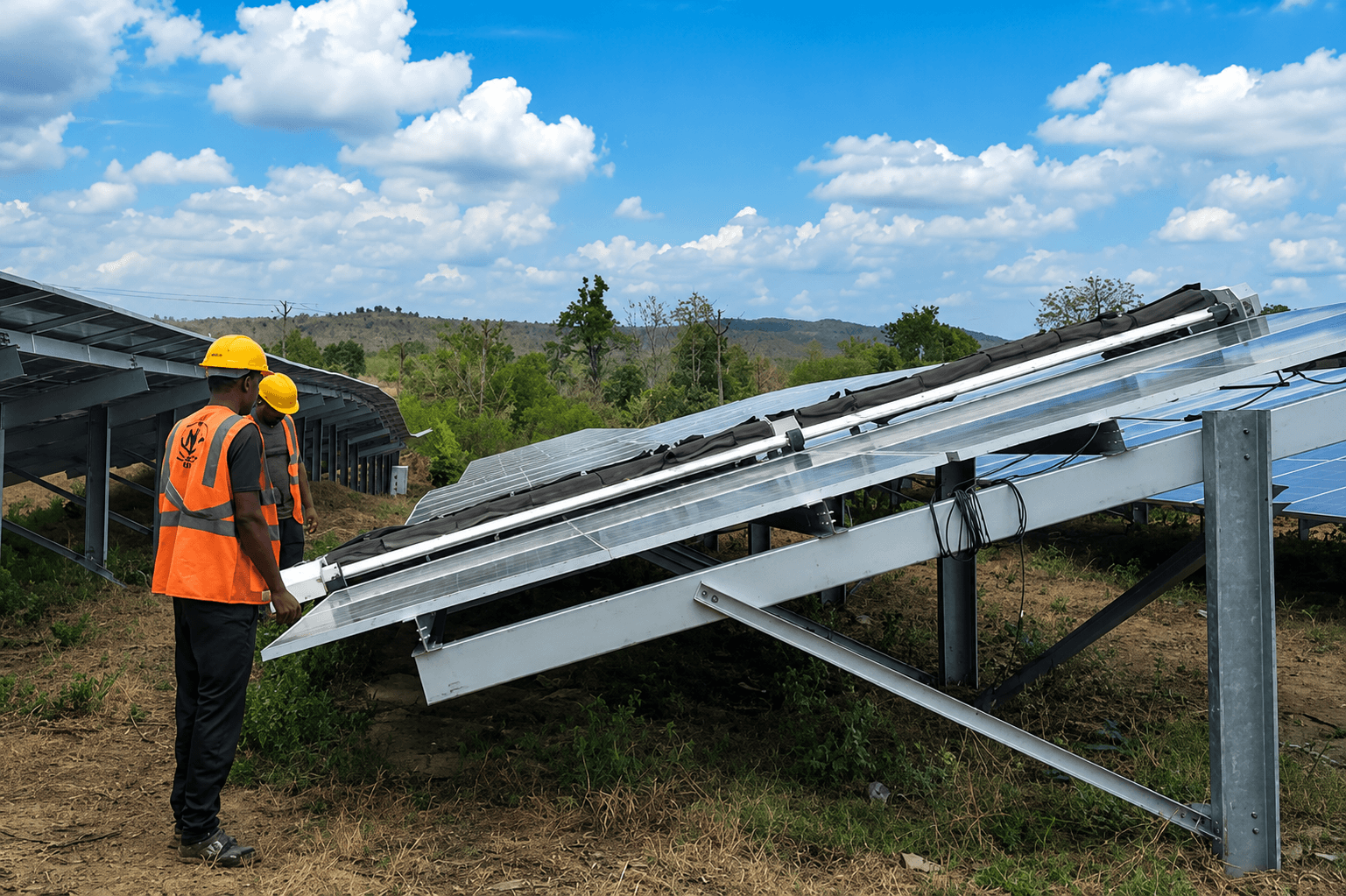
Working around high voltage requires strict protocols. Always use isolation and lock-out procedures before anyone touches a robotic asset. Every person on site must have high-voltage safety certification and know how to identify electrified busbars and combiner boxes.
You also need a clear tagging system. If a robot is undergoing manual repair, tag it. This stops someone from accidentally starting a cleaning cycle through the control portal and hitting a worker on the mounting tables.
Robots like GLYDE or HELYX operate on PV modules under tension, so handling protocols are a must. Only move or retrieve robots when the array is in a stable position, this is especially important for tracker-based plants during high winds. These rules protect your crew and your modules. For 10MW sites, conduct safety audits every quarter and have a senior engineer verify all lock-out/tag-out training hours.
Managing the transition from manual cleaning to robotic oversight
Moving from manual crews to robots is a management shift. Don't just cut staff; reallocate them. Shift your O&M team from manual scrubbing to fleet supervision. The training should emphasize that this is about scaling your operations, not just reducing headcount.
A crew that once managed 5 MW manually can be replaced by a single trained supervisor managing 50 MW via digital dashboards. Your leads need to learn how to spot the difference between routine maintenance and systemic plant issues, like distinguishing between a battery health issue and an abnormal soiling pattern.
Use the data from NECTYR to drive your cleaning, rather than relying on a rigid calendar. Using weather data to set cleaning frequency saves water and protects module coatings. For example, in the monsoon season, teach your team to configure the system to pause cleaning to prevent moisture-related electrical faults. This is a key part of 'Advanced Fleet Oversight' training.
Performance monitoring and data literacy for O&M leads
Data literacy is the backbone of any utility-scale robotic program. You have to move your staff from being mechanics to being fleet overseers. Focus the training on cleaning logs and PR recovery metrics. If O&M leads cross-reference cleaning schedules with weather data, they can predict soiling patterns and adjust on the fly.
Check out our guide on optimal cleaning frequency for more details. Standardized workflows are what ensure a high Performance Ratio (PR). For example, teach your teams to track 'cleaning-induced gain' (CIG), the PR change before and after a robot run. If the CIG is low, they need to check for shading or missed soiling. Using this data helps you manage resources across 100MW+ portfolios and saves thousands of labor hours every quarter.
Key takeaways for asset owners and plant managers
- Standardize training to focus on fleet supervision and diagnostics.
- Prioritize safety-first training. Use strict lock-out procedures in high-voltage areas.
- Use fleet management software for data-driven scheduling. Do not rely on calendars.
- Account for technical differences between models. For example, GLYDE uses microfiber while NYUMA uses PBT brushes.
- Scale from 5 MW to 100 MW by using digital records. Track performance, maintenance, and component life cycles.
Sources and further reading
Frequently asked questions
Training programs for O&M teams are vital for 5MW+ sites in India. They maximize plant uptime and protect module integrity.
Teams require skills in mechanical upkeep, such as brush debris removal and dock alignment, alongside electronic diagnostics. They must also be proficient in using fleet portals to monitor sensor alerts and maintain documentation for warranty compliance.
As you scale to a 50MW plant, training must shift from basic operational tasks to supervisory fleet management. It is essential to designate a Lead Robotic Technician to oversee fleet uptime, sensor calibration, and consistent performance monitoring across the larger installation.
While formal external certification may vary by region, internal training is critical to ensure staff move from manual labor to managing autonomous systems. Effective training ensures robots function as a seamless extension of operations, which can reduce manual labor requirements by up to 70 percent.