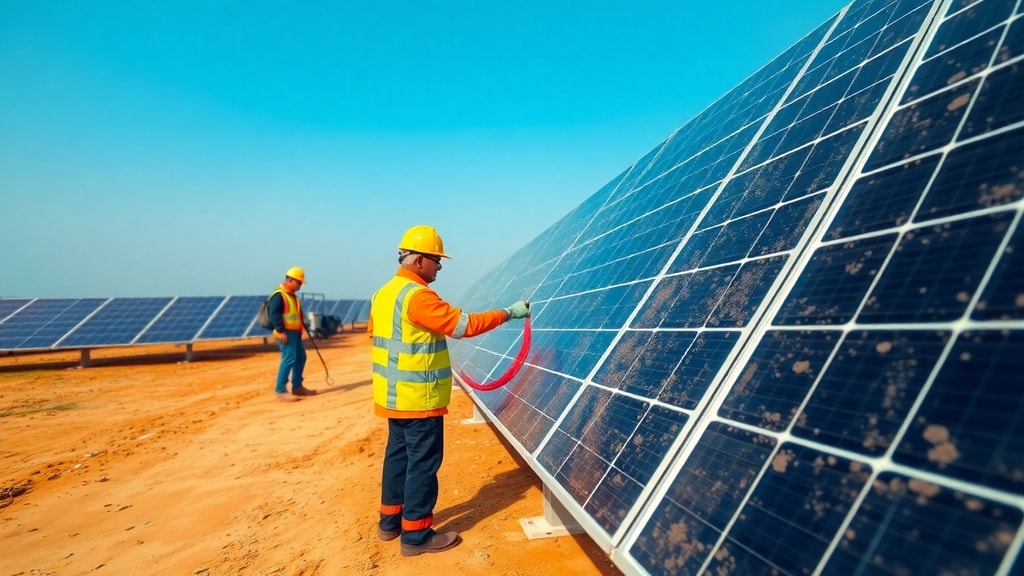
How Much Water and Operational Cost Can You Save by Switching to Waterless Robotic Cleaning in Arid India?
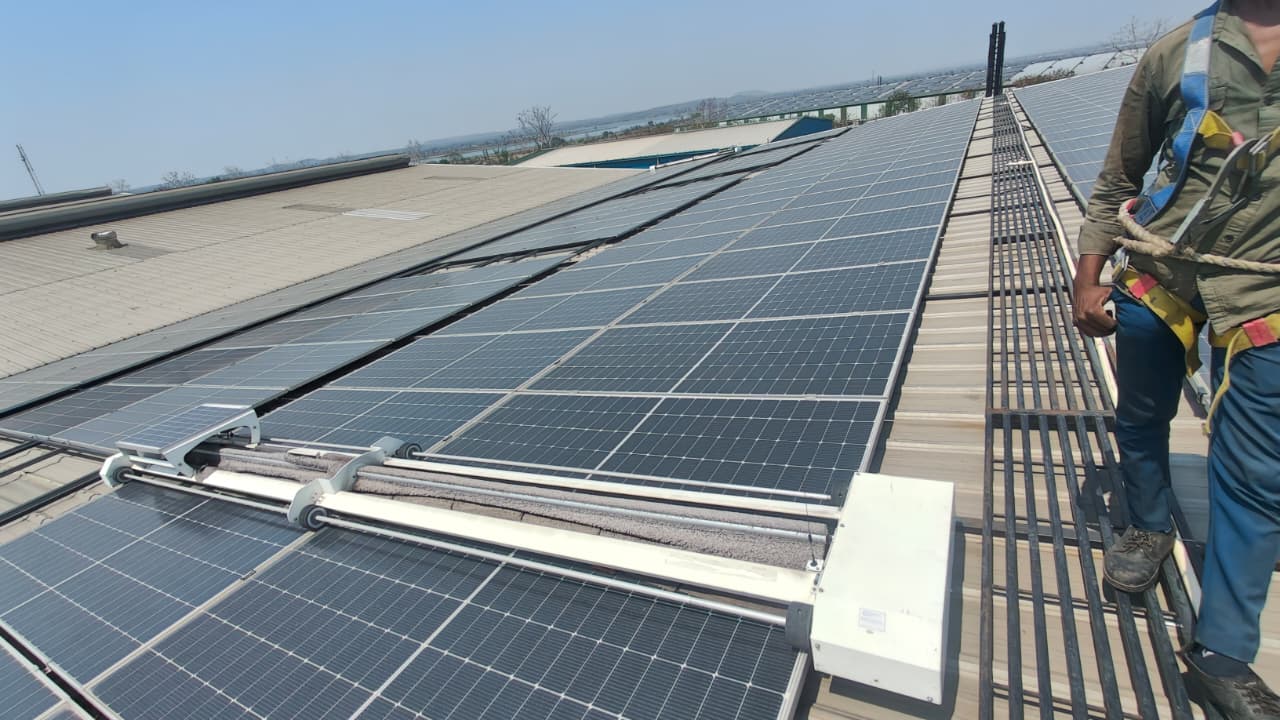
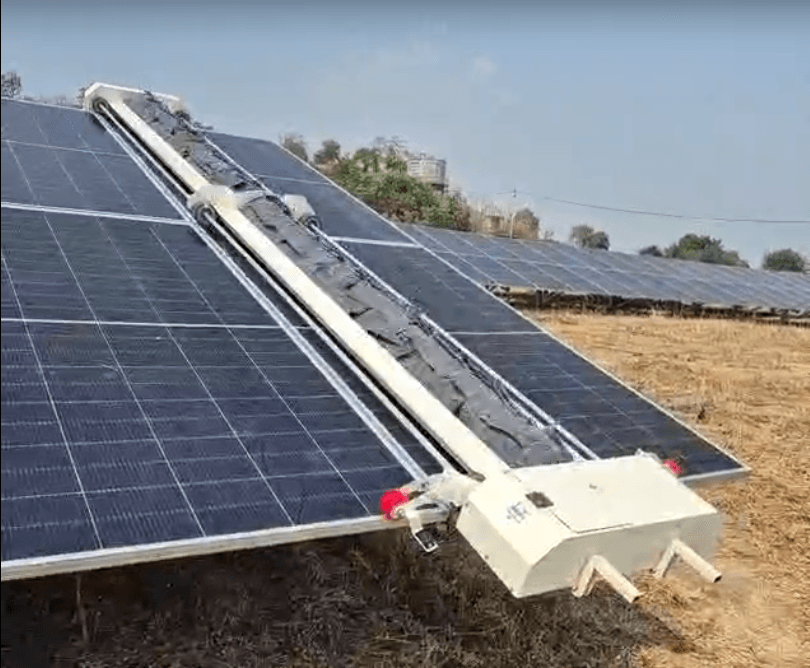
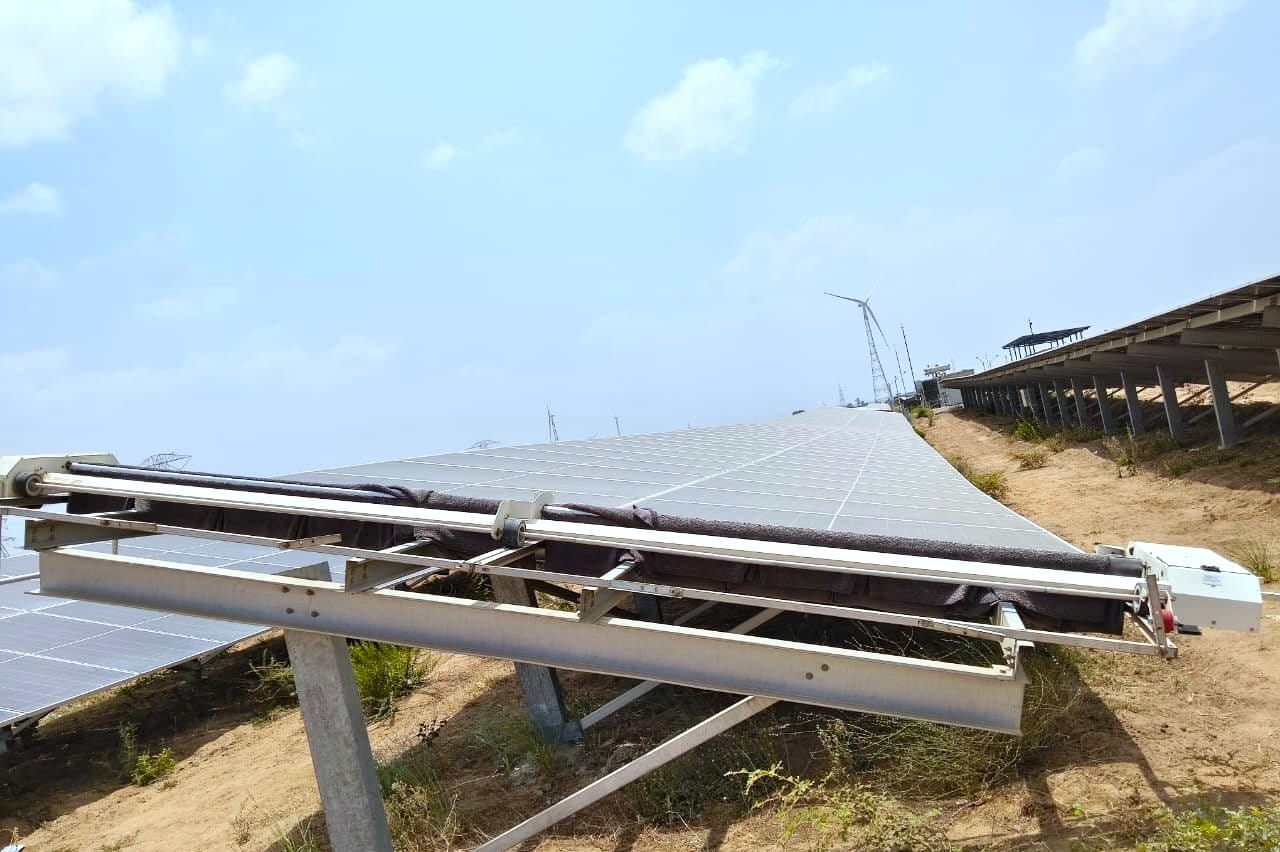
India's solar developers in Rajasthan, Gujarat, and Andhra Pradesh face a compounding problem: water for cleaning is expensive, scarce, and increasingly restricted, while the cost of not cleaning is even higher. Waterless robotic cleaning solves both. This article calculates the actual annual savings, water and rupees, for plants of different sizes, backed by field data from TAYPRO deployments and published industry benchmarks.
The Water Problem in Arid Solar Zones
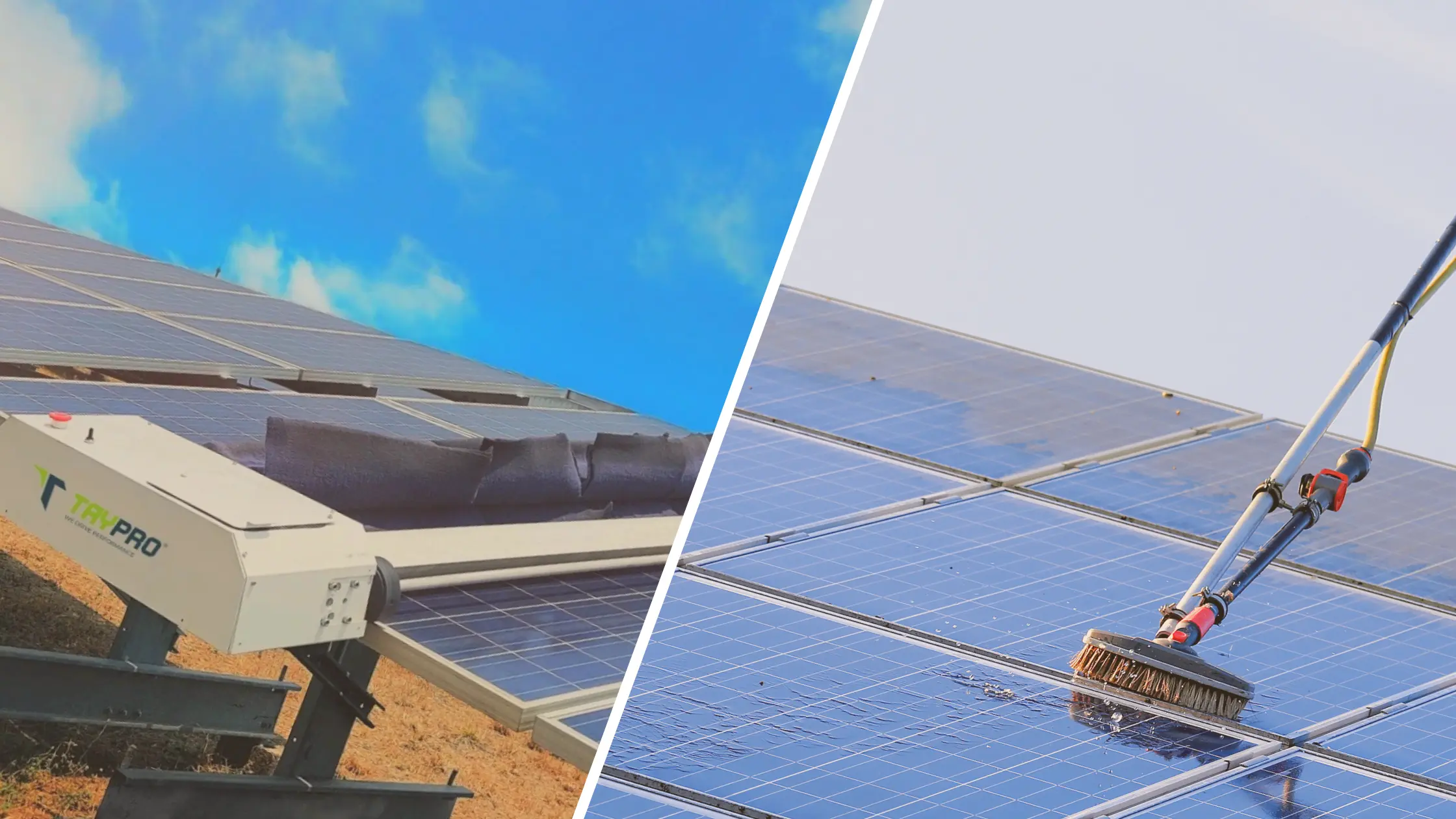
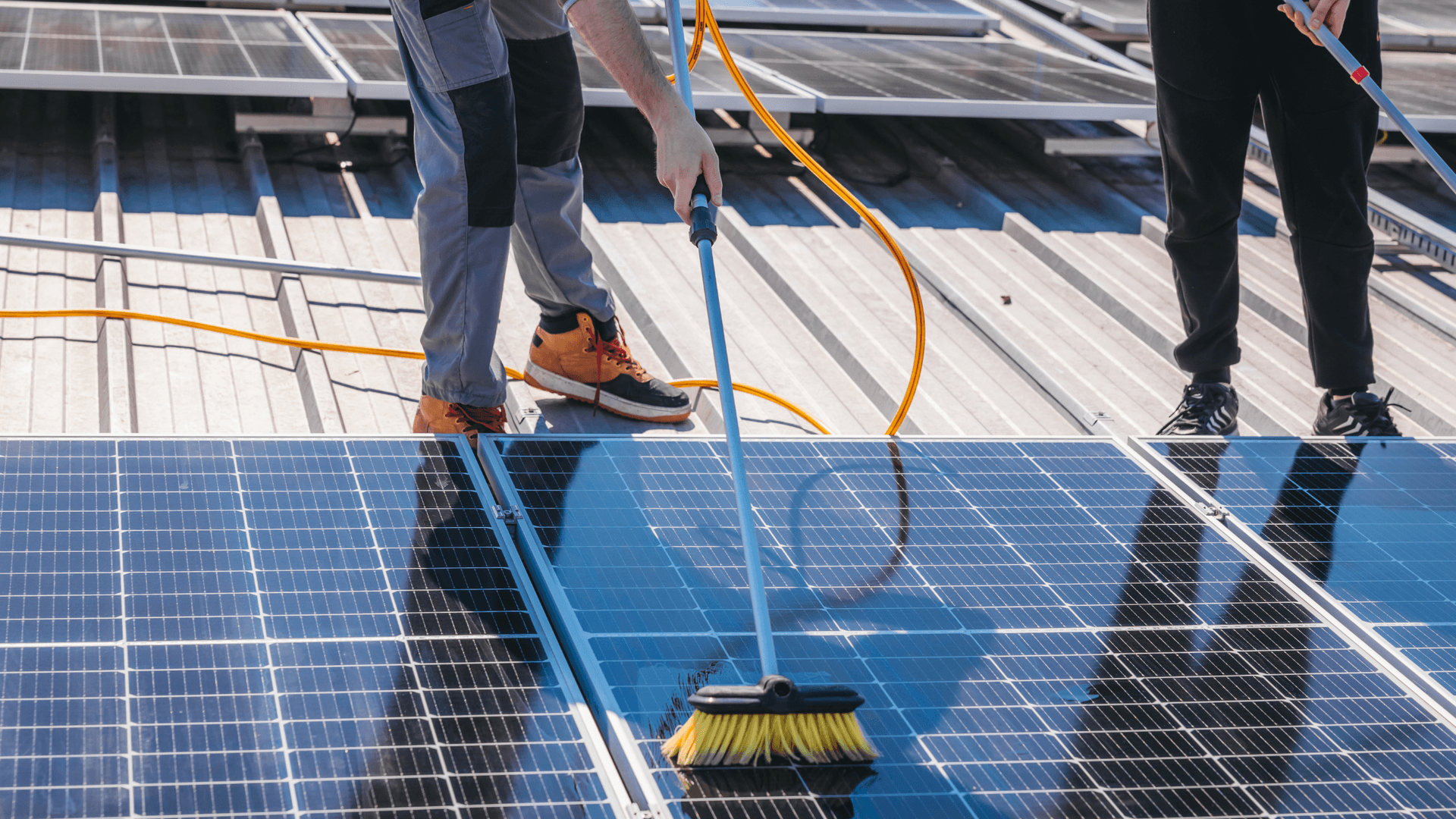
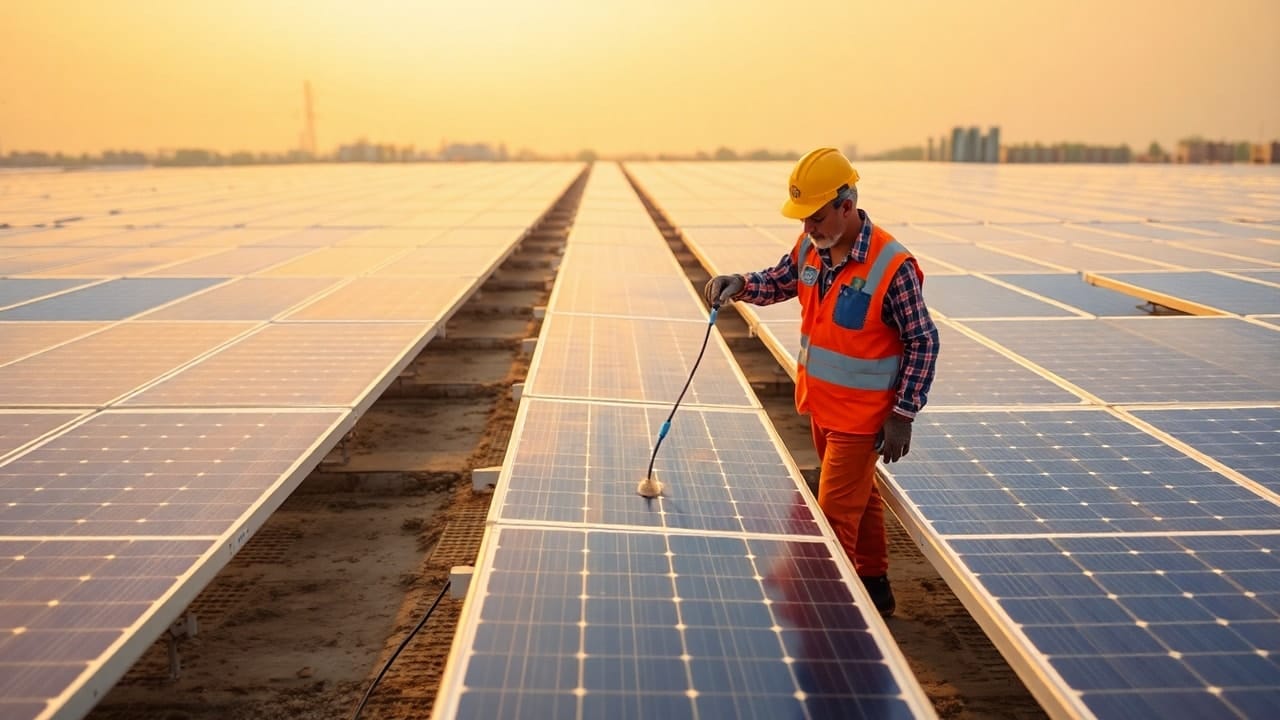
Manual wet cleaning of utility-scale solar plants consumes 15,000–25,000 litres of water per MW per year in water-stressed regions, based on 2026 market data from India's dry cleaning sector. For a 100 MW plant, this translates to 1.5–2.5 million litres annually, enough to supply drinking water to 7,500–12,500 people for a year at WHO's 200 litres/person/day standard.
In districts like Barmer (Rajasthan) and Kutch (Gujarat), groundwater is classified as overexploited by India's Central Ground Water Board. Tanker water supply to remote solar sites costs ₹200–400 per kilolitre, and in peak summer this price can double. The cost of water alone for manual cleaning at a 100 MW plant in these districts is ₹30–100 lakh per year, depending on site location and access.
Water Savings: Plant-Size Breakdown
Plant Size | Annual Water Use (Manual Cleaning) | Annual Water Saved (Robotic) | Equivalent Use |
|---|---|---|---|
10 MW | 1.5 – 2.5 lakh litres | 1.5 – 2.5 lakh litres | Annual supply for 750 – 1,250 people |
50 MW | 7.5 – 12.5 lakh litres | 7.5 – 12.5 lakh litres | Annual supply for 3,750 – 6,250 people |
100 MW | 15 – 25 lakh litres | 15 – 25 lakh litres | Annual supply for 7,500 – 12,500 people |
200 MW | 30 – 50 lakh litres | 30 – 50 lakh litres | Annual supply for 15,000 – 25,000 people |
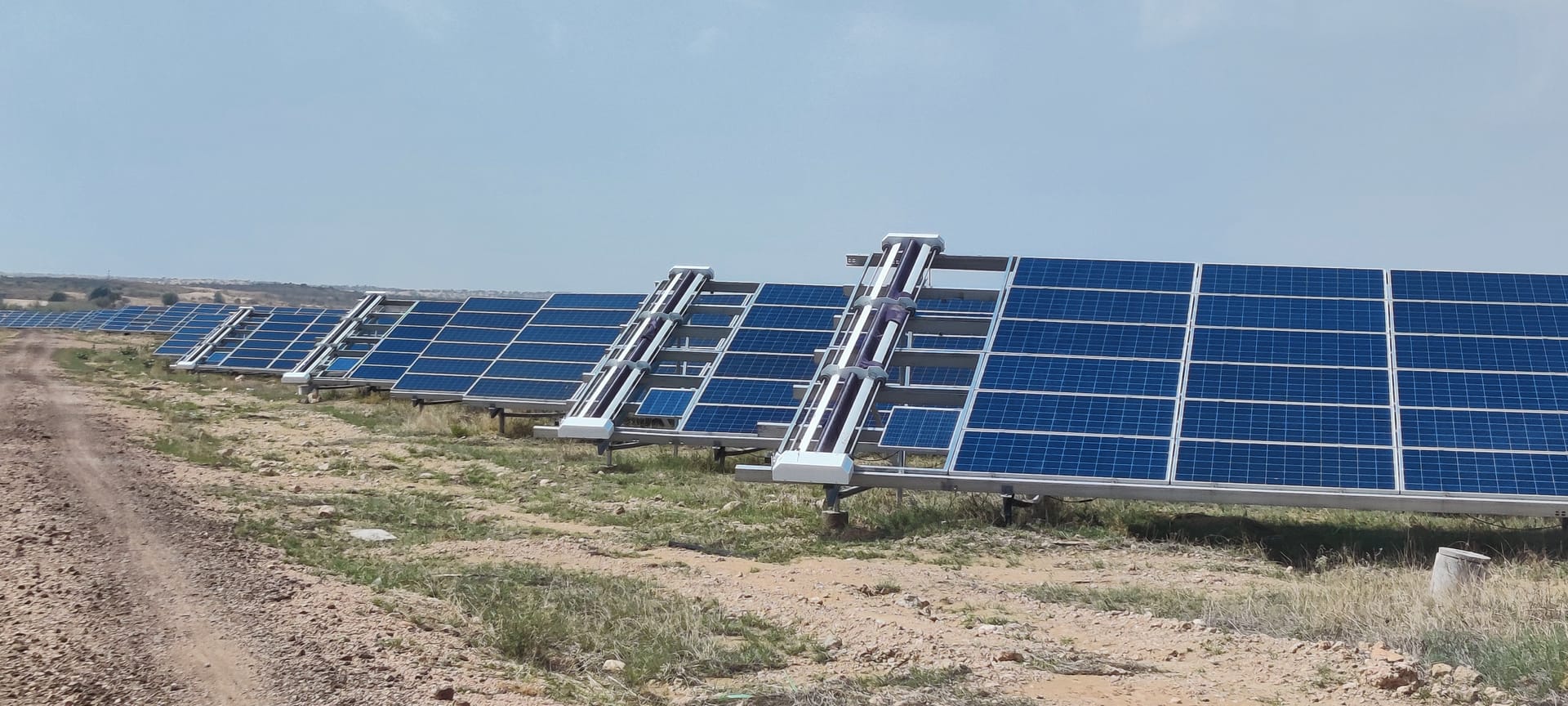
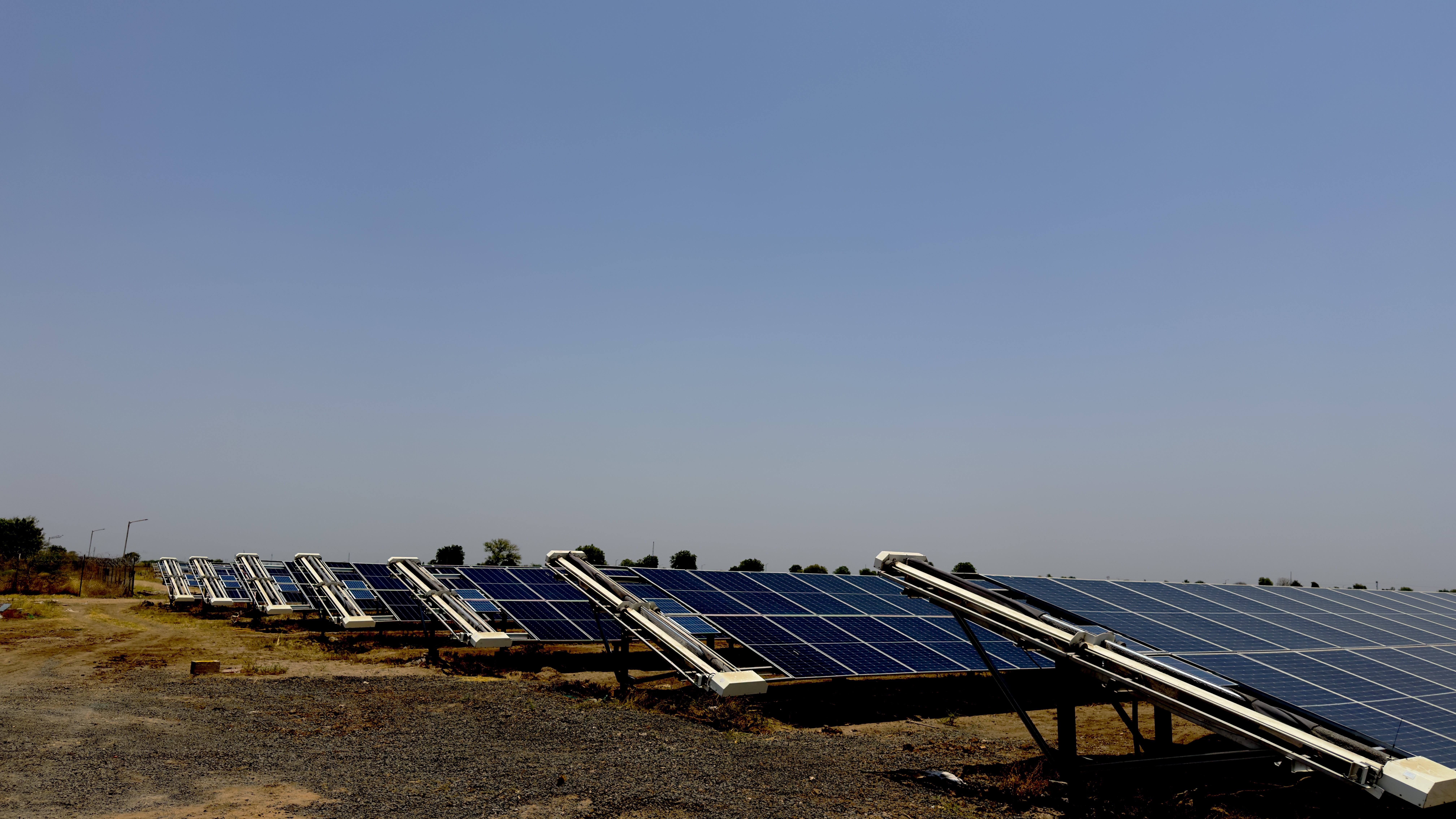
TAYPRO's deployment at a 150 MW plant in Chayan, Rajasthan saved 1.63 crore litres of water in a single operating cycle, water that was subsequently diverted to support agricultural use in the surrounding village cluster.
At the fleet level, a 200 MW TAYPRO-managed plant conserves over 2.2 crore litres of water annually, enough to support 600 rural households for a year.
Operational Cost Savings: The Full Calculation
Water is one component of savings. The full operational savings picture has four parts.
1. Labour Cost Reduction
TAYPRO's case study data (published, Taypro.in) showed a 60% reduction in cleaning personnel at an automated plant versus the equivalent manual operation. Industry data from DataNext Research (2025) places annual savings from robotic cleaning at up to ₹7 lakh per MW due to reduced water use, lower labour costs, and increased generation. At 70% labour cost reduction for a 50 MW plant:
Manual cleaning labour: ₹3–5 lakh per MW per year = ₹1.5–2.5 crore for 50 MW
Robotic cleaning labour (site technician only): ₹0.5–0.8 lakh per MW per year = ₹25–40 lakh for 50 MW
Labour savings: ₹1–2 crore annually for a 50 MW plant
2. Water Cost Reduction
Manual cleaning water cost (arid site, tanker supply): ₹3–10 lakh per MW per year
Robotic (waterless): ₹0
Water savings: ₹1.5–5 crore annually for a 50 MW arid-zone plant
3. Generation Revenue Recovery
This is the largest savings driver, and the one most often omitted from O&M cost comparisons. Daily waterless robotic cleaning vs weekly manual cleaning eliminates the soiling accumulation that builds between cleaning cycles. At 0.45%/day soiling rate and weekly manual cleaning:
Average soiling between cycles: ~3% mid-cycle
Residual soiling revenue loss (weekly manual): 4–7% of annual generation
Residual soiling revenue loss (daily robotic): 0.5–1% of annual generation
Incremental recovery: 3.5–6% of annual generation
For a 50 MW plant generating 82 million kWh annually at PR 80%:
3.5–6% incremental recovery = 2.9–4.9 million additional kWh
At ₹3.50/kWh = ₹1 – 1.7 crore additional revenue annually
4. Panel Life Extension
Soft microfibre dry cleaning eliminates the mineral scaling caused by hard water and the micro-scratch risk from abrasive manual cleaning. Industry data suggests this extends effective panel life by 3–5 years. At ₹2.50–3.50 per watt replacement cost, deferring panel replacement by 3 years on a 50 MW plant is worth:
50,000 kW × ₹3/W avoided = ₹15 crore in deferred capex
Combined Annual Savings Summary
Savings Category | 10 MW | 50 MW | 100 MW |
|---|---|---|---|
Labour reduction | ₹20 – 40 lakh | ₹1 – 2 crore | ₹2 – 4 crore |
Water cost elimination | ₹3 – 10 lakh | ₹15 – 50 lakh | ₹30 – 100 lakh |
Generation revenue recovery | ₹20 – 34 lakh | ₹1 – 1.7 crore | ₹2 – 3.4 crore |
Total Annual Savings | ₹43 – 84 lakh | ₹2.15 – 4.2 crore | ₹4.3 – 8.4 crore |
These figures explain why DataNext Research reports robotic cleaning systems offer 15–20% higher ROI than manual cleaning methods in the Indian market, with annual savings reaching ₹7 lakh per MW in well-optimised deployments.
Payback Period for Robotic Cleaning Investment
On a CAPEX purchase model (robot hardware + installation), payback periods in arid India:
Plant Size | Robot CAPEX Estimate | Annual Savings | Simple Payback |
|---|---|---|---|
10 MW | ₹95 – 175 lakh | ₹43 – 84 lakh | 1.5 – 3 years |
50 MW | ₹4 – 8.5 crore | ₹2.15 – 4.2 crore | 1.5 – 2.5 years |
100 MW | ₹8 – 17 crore | ₹4.3 – 8.4 crore | 1.5 – 2.5 years |
On an OPEX contract, where service fee replaces hardware capex, the net savings are positive from month one for plants above 10 MW in arid zones, making OPEX the financially dominant model for plants that cannot immediately commit to hardware capex.
How TAYPRO's Gujarat Case Validates These Numbers
A Gujarat solar park client running a TAYPRO deployment recovered ₹8.2 crore per year in previously lost revenue following the switch from manual to waterless robotic cleaning. The recovery came from two sources: reduced soiling losses (daily cleaning vs fortnightly manual), and elimination of hard-water scaling that had been permanently reducing transmission by an estimated 1.5–2% on older panel rows.
Related resources
For procurement and O&M teams evaluating robotic cleaning in India:
- waterless vs water-based solar cleaning
- robotic vs manual solar panel cleaning
- Taypro robotic solar panel cleaning service
Related reading
Frequently asked questions
A 100 MW plant in an arid Indian location (Rajasthan, Gujarat) can save 15–25 lakh litres of water annually by switching from manual wet cleaning to waterless robotic cleaning — the annual drinking water requirement of approximately 7,500–12,500 people.
For a 50 MW plant in an arid zone, annual operational savings (labour + water + generation recovery) from robotic cleaning compared to weekly manual wet cleaning range from ₹2.15–4.2 crore per year. For 100 MW, the range is ₹4.3–8.4 crore annually.
Simple payback on CAPEX purchase of robotic cleaning systems for arid-zone Indian plants is 1.5–3 years, depending on plant size, soiling intensity, and cleaning frequency achieved. OPEX models (cleaning-as-a-service) deliver net savings from the first month of operation.
Direct mandates are limited, but several state policies and Central Ground Water Authority orders restrict groundwater extraction in overexploited zones (which include large parts of Rajasthan and Gujarat). The regulatory direction is clearly toward reduced water use in solar O&M, and multiple state solar policies now require water-use impact statements for large plant operations.