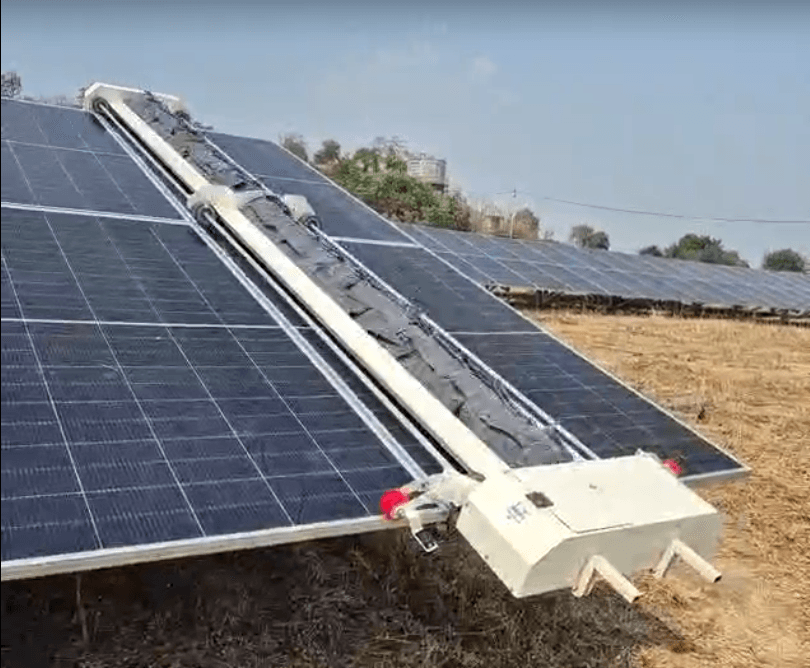
The operational shift: From manual maintenance to robotic engineering
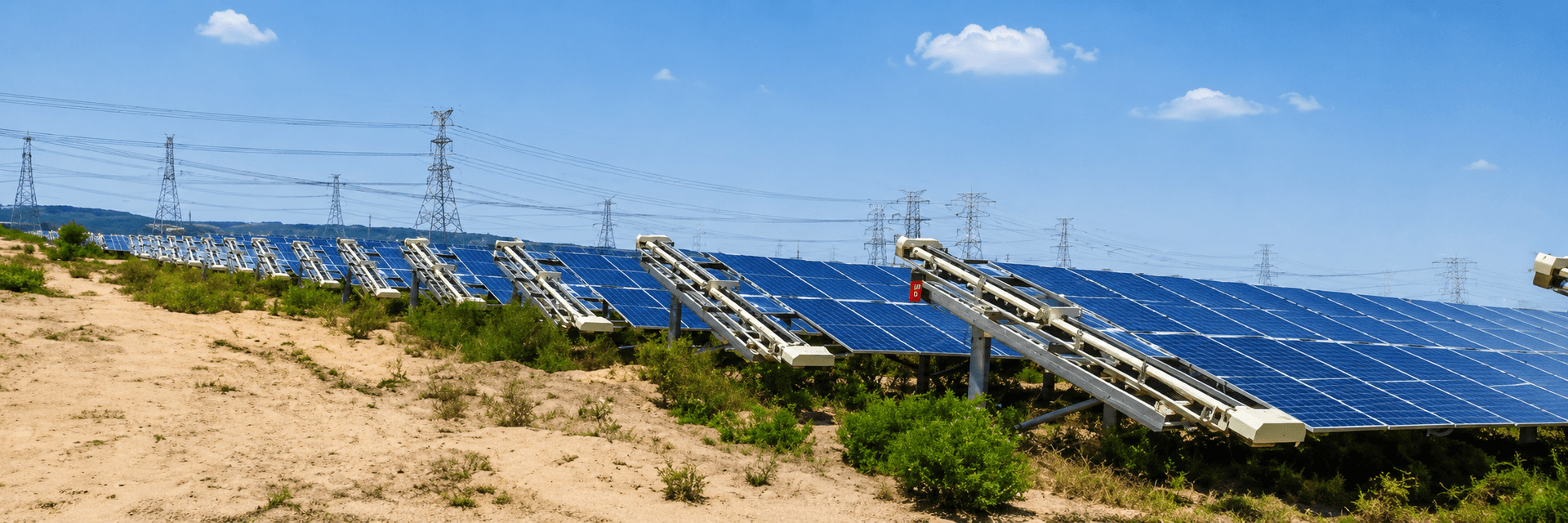
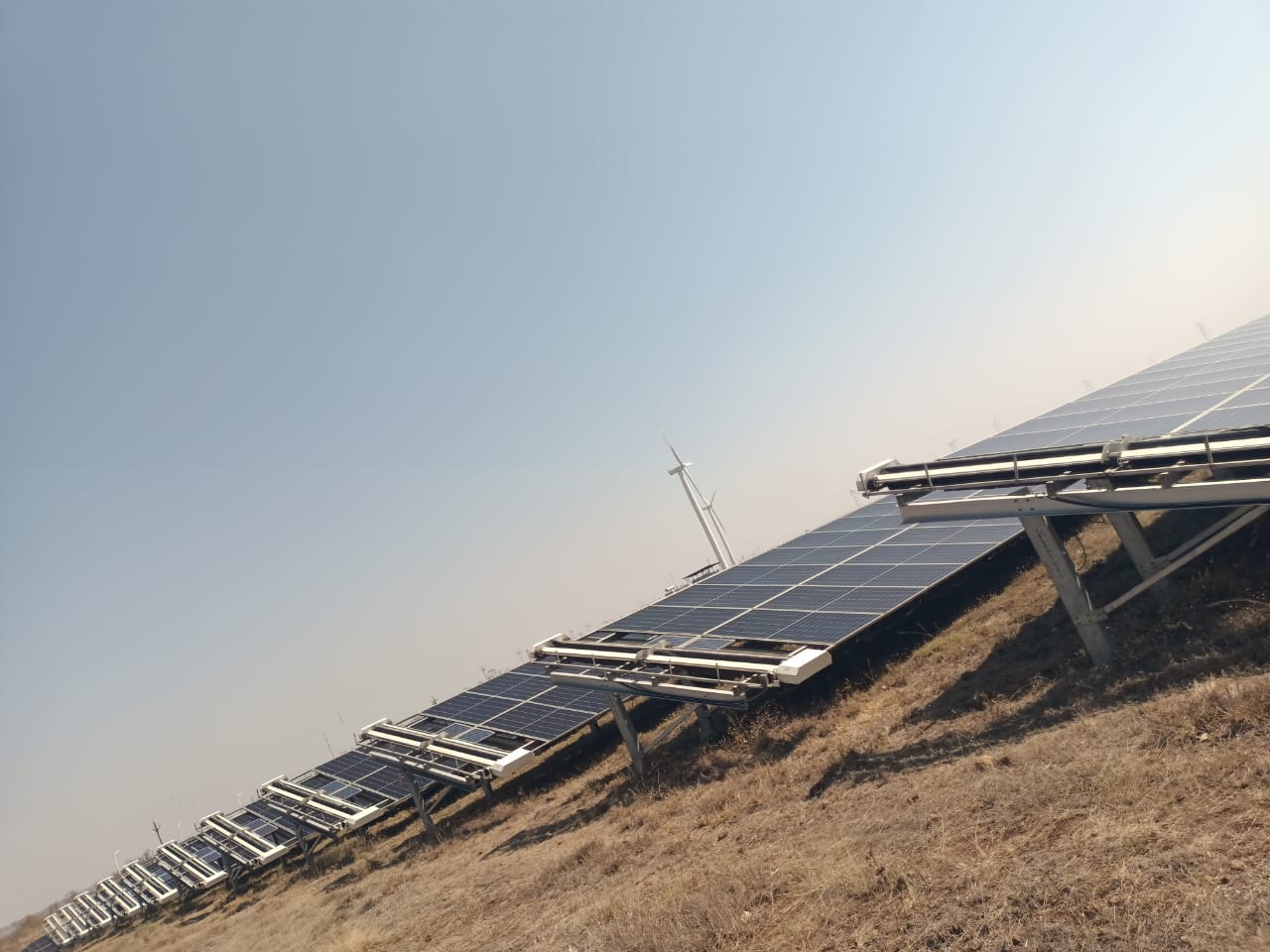
The move from manual labor to automated robotics is a central pillar of utility-scale operations in India. Portfolios often exceed 50MW. Reliance on large cleaning crews often fails to reach the precision needed for a stable Performance Ratio (PR). Plant managers are moving away from manual water-based washing. They now prefer integrated, sensor-driven systems that require specialized technical oversight.
This shift demands that engineering teams move beyond simple hardware supervision. Modern solar management requires understanding how robots integrate with SCADA and fleet telemetry systems to enable data-driven cleaning. Professionals now manage autonomous fleets. According to industry-typical performance benchmarks, these systems reduce water use by 90%. They also reduce the degradation risks common in manual scrubbing. The career path now includes fixing firmware, optimizing battery health for tracker rows, and using soiling data to adjust schedules in real-time.
Transitioning a plant requires moving from reactive maintenance to proactive fleet management. This evolution turns cleaning from a labor expense into a continuous, data-backed optimization process. For site leads, the technical burden shifts toward managing digital uptime and robot obstacle detection as the primary levers of robotic solar panel cleaning systems.
What does a career in solar robotics engineering in India actually involve?
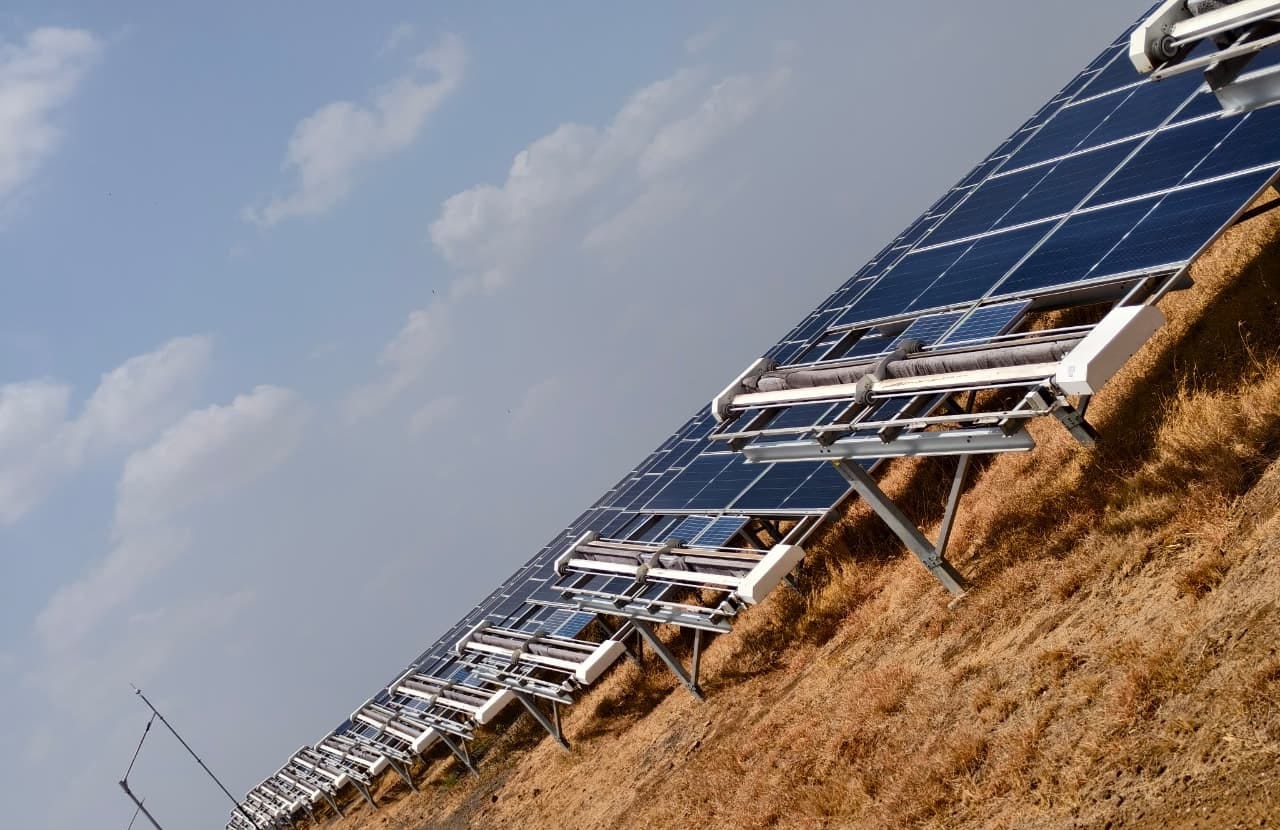
A career in solar robotics engineering at a large Indian site goes beyond traditional maintenance. It centers on the lifecycle management of autonomous fleets. It demands expertise in site terrain, sensor calibration, and diagnostic telemetry. Professionals must balance hardware deployment with the analytical needs of large-scale solar plants.
Daily responsibilities for an engineering lead focus on four critical domains:
- Fleet Telemetry and SCADA Integration: Monitoring robot health across hundreds of megawatts via platforms like NECTYR to ensure cleaning schedules align with power generation.
- Hardware and Sensor Optimization: Managing brush health and ensuring obstacle detection sensors handle the high-dust environments found in regions like Rajasthan and Gujarat.
- Adaptive Maintenance Planning: Interpreting soiling data to decide which blocks need robots versus routine cleaning, effectively managing the plant PR cycle.
- Grid-Compliant Operations: Working within CEA technical standards to ensure robotic movement and charging infrastructure do not interfere with plant stability or tracker row integrity.
The role requires a hybrid skillset. Engineers must understand mechanical nuances like tracker compatibility. They must also master the software side of fleet monitoring. This career path now includes predictive maintenance. Engineers use sensor data to flag battery wear before it forces a robot out of commission, reducing downtime in 50MW+ portfolios.
Advertisement
Plant owners are scaling to meet India's 500 GW renewable energy targets. Managing thousands of autonomous units from a central dashboard is becoming the O&M standard. Professionals who bridge the gap between heavy hardware and digital fleet management are essential to maintaining the performance gains from robotic deployment. The focus is shifting from manual labor supervision to high-tech site intelligence and automated fleet uptime.
How do you implement and scale robotics across a 50MW+ utility site?
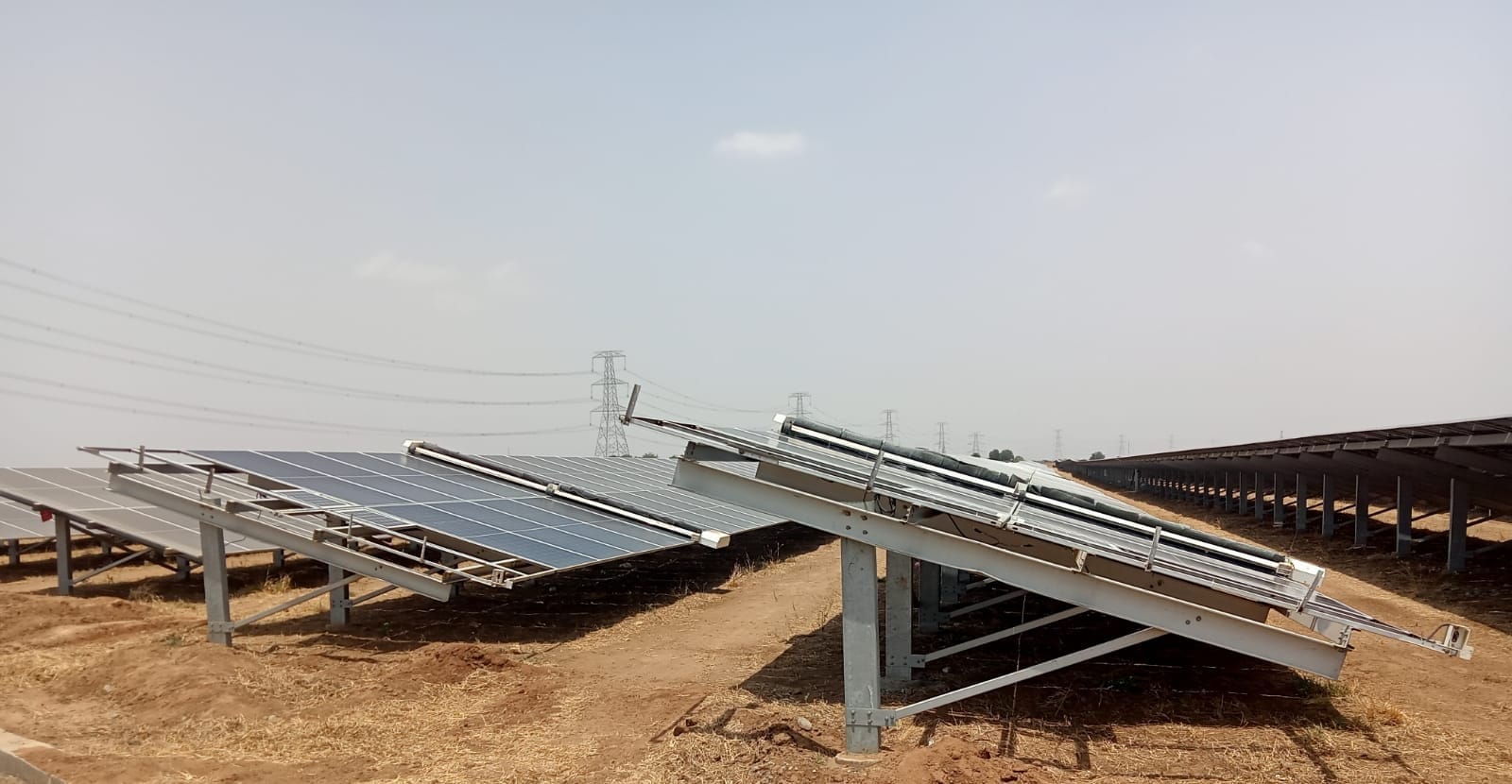
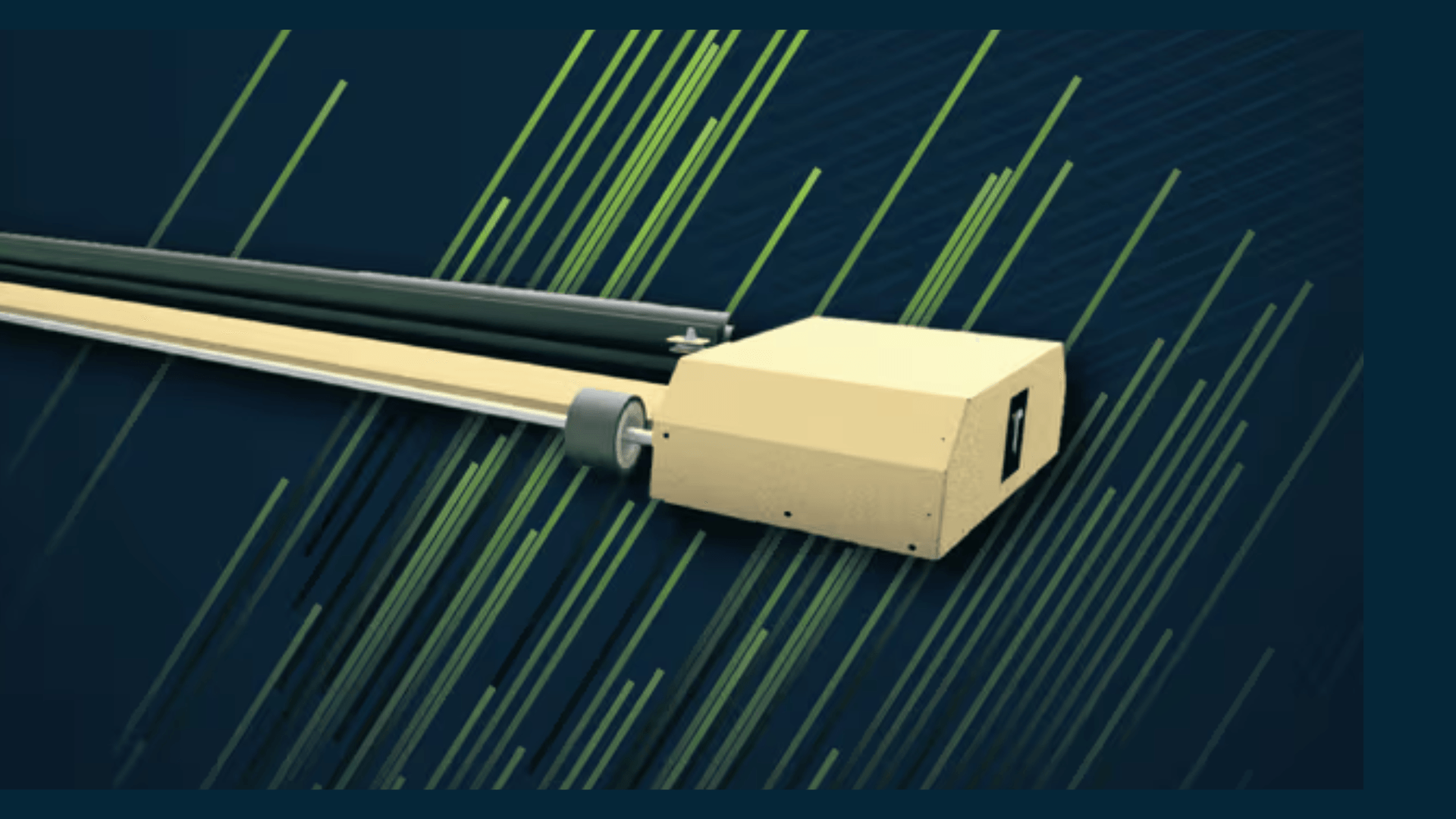
Scaling robotics on a 50MW+ site requires moving from pilot tests to a phased strategy. Engineers must treat the plant as a series of repeatable blocks. Implementation begins by evaluating site topography and tracker row lengths. Compatibility with systems like NEXTracker or Gamechanger dictates whether you deploy robots like the GLYDE-X or NYUMA-X.
Implementation follows a three-stage rollout process:
- Infrastructure Audit: Confirm end-row rail capacity, communication signal coverage, and DC power availability for robotic charging.
- Block-Level Pilot: Deploy a small fleet to 1–2 MW blocks to establish baseline cleaning efficiency and monitor battery health under real-world temperatures.
- Full-Fleet Synchronization: Integrate robot units with NECTYR or a SCADA portal to automate scheduling and error reporting across the entire 50MW+ portfolio.
The primary scaling challenge is the density of data. Engineers must ensure the fleet communicates effectively across large areas. This often requires a robust RF mesh or cellular network. Managers should prioritize row-transfer solutions like the CRADYL to minimize manual effort when moving robots between rows. This lowers the risk of module damage. By focusing on predictive diagnostics, teams identify battery degradation or sensor malfunctions before they cause performance drops across the site.
Technical competencies for managing autonomous cleaning systems
Engineering leads managing 50MW+ assets need a clear technical toolkit. The primary requirement is mastery of SCADA and IoT integration. Managers must know how robots transmit data via RF mesh or LTE. They must diagnose latency issues and interpret fleet telemetry to distinguish between block-level soiling and sensor drift.
- Mechanical Troubleshooting: A deep understanding of structural tolerances is necessary for flexible tracker bridges. Engineers must perform root cause analysis on battery health and brush wear cycles to minimize downtime.
- Data-Driven Maintenance: Proficiency in analyzing generation loss against cleaning logs is essential. Asset managers must isolate soiling impact from equipment degradation to ensure PR recovery metrics remain accurate.
- Software Lifecycle Management: The role involves managing over-the-air firmware updates and cybersecurity for cloud-connected fleets. Teams must ensure secure data transmission without compromising the plant control environment.
- Safety and Compliance: Practical knowledge of CEA technical standards is vital for maintaining electrical safety. This includes following module handling protocols to prevent micro-cracks and ensuring safe charging infrastructure management.
These competencies shift the career trajectory from reactive manual labor to strategic fleet intelligence. Professionals who integrate diagnostic data with automated maintenance schedules are critical to achieving 95%+ to 99%+ dust removal per cycle (by robot model). Mastering these skills allows for better control over expenses and improvements in long-term generation performance across arid Indian project sites.
Which engineering career paths are most relevant to solar O&M?
As utility-scale projects in India move toward the 500 GW target by 2030, the demand for talent has shifted. It has moved from general electrical maintenance to systems engineering. Professionals should prioritize roles that bridge physical plant assets and digital diagnostic layers. Three distinct operational verticals are most relevant.
- Robotics & Fleet Systems Integration: Engineers focusing on autonomous hardware lifecycle gain experience managing robots across large arrays. This path requires a foundation in mechanical troubleshooting and remote monitoring.
- Data-Driven Asset Management: This role suits engineers comfortable with SCADA telemetry and cloud-based platforms. By analyzing generation loss against fleet cleaning logs, they turn raw data into strategies that improve plant-wide PR.
- Technical Operations & Field Engineering: For those preferring on-site work, field engineering involves deploying and maintaining high-throughput cleaning infrastructure. This includes managing row-transfer platforms like the CRADYL on expansive tracker sites.
Each path benefits from proficiency in India-specific grid standards and module safety protocols. Understanding module cleaning requirements for TOPCon or bifacial panels is a base requirement for senior leads. As the industry moves away from manual labor, engineers who optimize waterless cleaning efficiency will lead the next wave of O&M transformation across Indian portfolios.
Key takeaways for plant managers and aspiring engineering leads
The transition toward automated O&M requires a fundamental change in professional development. For those overseeing 50 MW or larger assets, the focus must shift to high-level fleet management and diagnostic precision. This evolution is a career pivot for the entire O&M department.
- Prioritize Data Literacy: Engineering teams must analyze SCADA telemetry alongside fleet-wide performance logs. The ability to identify PR drift and correlate it with soiling patterns is a high-value skill in the Indian market.
- Master Integration Protocols: Modern leads should focus on the technical integration of robotics with tracker controllers and weather stations. Maintaining communication uptime, including LTE and Mesh network reliability, is critical for autonomy.
- Focus on Proactive Maintenance: Shift your team toward predictive robotic maintenance. Using automated cleaning logs allows engineers to perform checks on robot batteries before a failure occurs.
- Stay Compliant with Indian Standards: Compliance with CEA technical standards for grid-scale solar is mandatory. Professionals who understand electrical safety during robotic deployment across varied terrain will remain in high demand.
By treating robotic infrastructure as a core component of the plant intelligence stack, engineering leads can secure better long-term generation performance. Investing in these specialized skills today provides a clear advantage in a market where efficiency drives profitability for large-scale solar developers.
Sources and further reading
Frequently asked questions
The most viable career paths involve specializing in autonomous fleet management, SCADA integration, and sensor-driven maintenance. Engineers can transition from site hardware supervision into roles focused on firmware diagnostics, battery health optimization, and real-time soiling data analysis for utility-scale assets.
Engineers can bridge this gap by gaining proficiency in fleet telemetry systems and data-driven scheduling. By learning to integrate physical robotic assets with SCADA platforms, mechanical professionals can transition into roles that focus on digital uptime and proactive performance optimization.
To manage fleets effectively, professionals require training in sensor calibration, diagnostic telemetry, and firmware troubleshooting. It is also essential to develop expertise in managing battery life for long tracker rows and interpreting site-specific terrain data to ensure consistent cleaning cycles.
Yes, it is a highly stable career as utility-scale operations in India shift from manual, water-based cleaning to integrated, sensor-driven systems. As portfolios expand to 50MW or larger, the demand for specialized technical oversight to manage robotic fleet uptime and performance will continue to grow.