Summary for plant managers
By 2026, autonomous and waterless cleaning won't be optional for large solar plants in India. With regional soiling causing 15% to 30% energy losses, we have to move away from reactive manual work. Instead, you'll want to transition to predictive scheduling using real-time sensors and management software. This shift should be done in phases.
- Recover the 15% to 30% of annual energy production (AEP) typically lost to soiling.
- Cut water consumption by up to 90% through waterless robotic cleaning.
- Switch to predictive schedules when the performance ratio (PR) drops 2-3% below seasonal levels.
- Shift O&M budgets from manual labor costs to fixed-cost robotic models for 5MW+ sites.
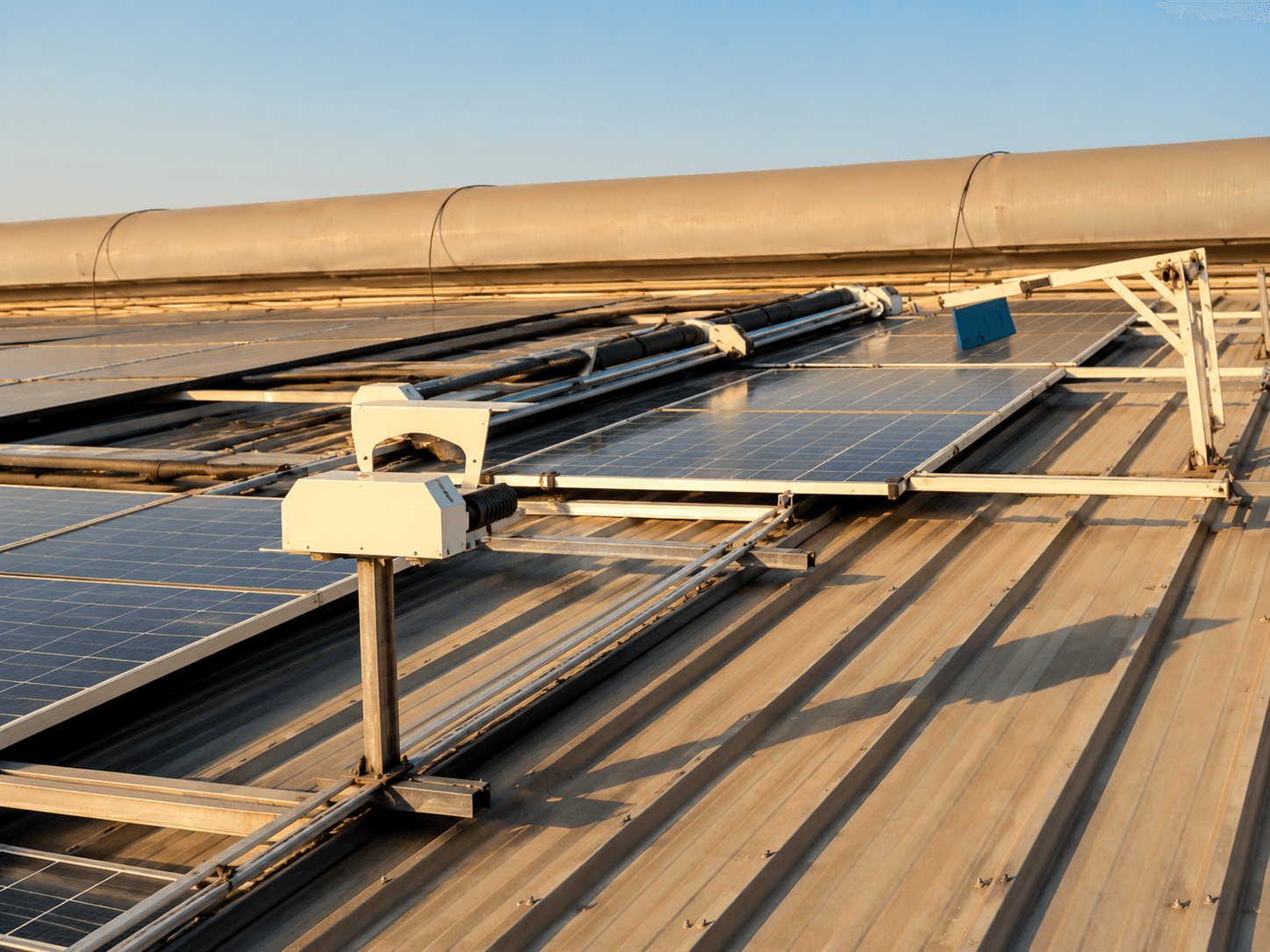
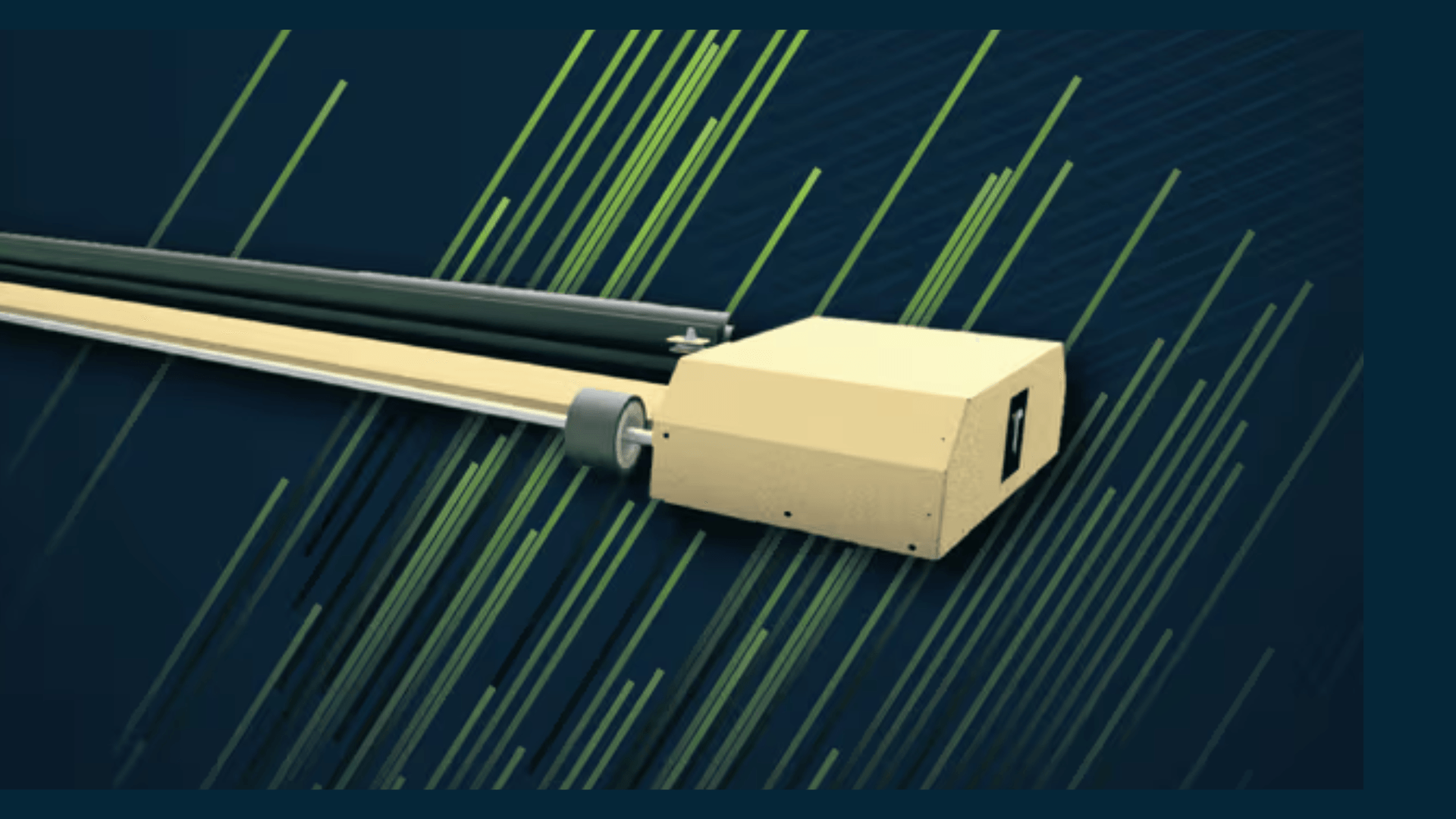
If you're managing 5MW+ portfolios, start by evaluating your terrain and tracker compatibility. Systems like the GLYDE or NYUMA series are standard options. For 2026, R&D is centered on maximizing uptime through NECTYR-integrated analytics. Rather than following a fixed calendar, use smart, trigger-based cleaning. This protects your panel coatings and keeps yields steady in dry regions like Rajasthan and Gujarat. As noted in our O&M strategy guide, automation is now a necessity for protecting plant profits.
Understanding the core trends cleaning robotics 2026 will drive
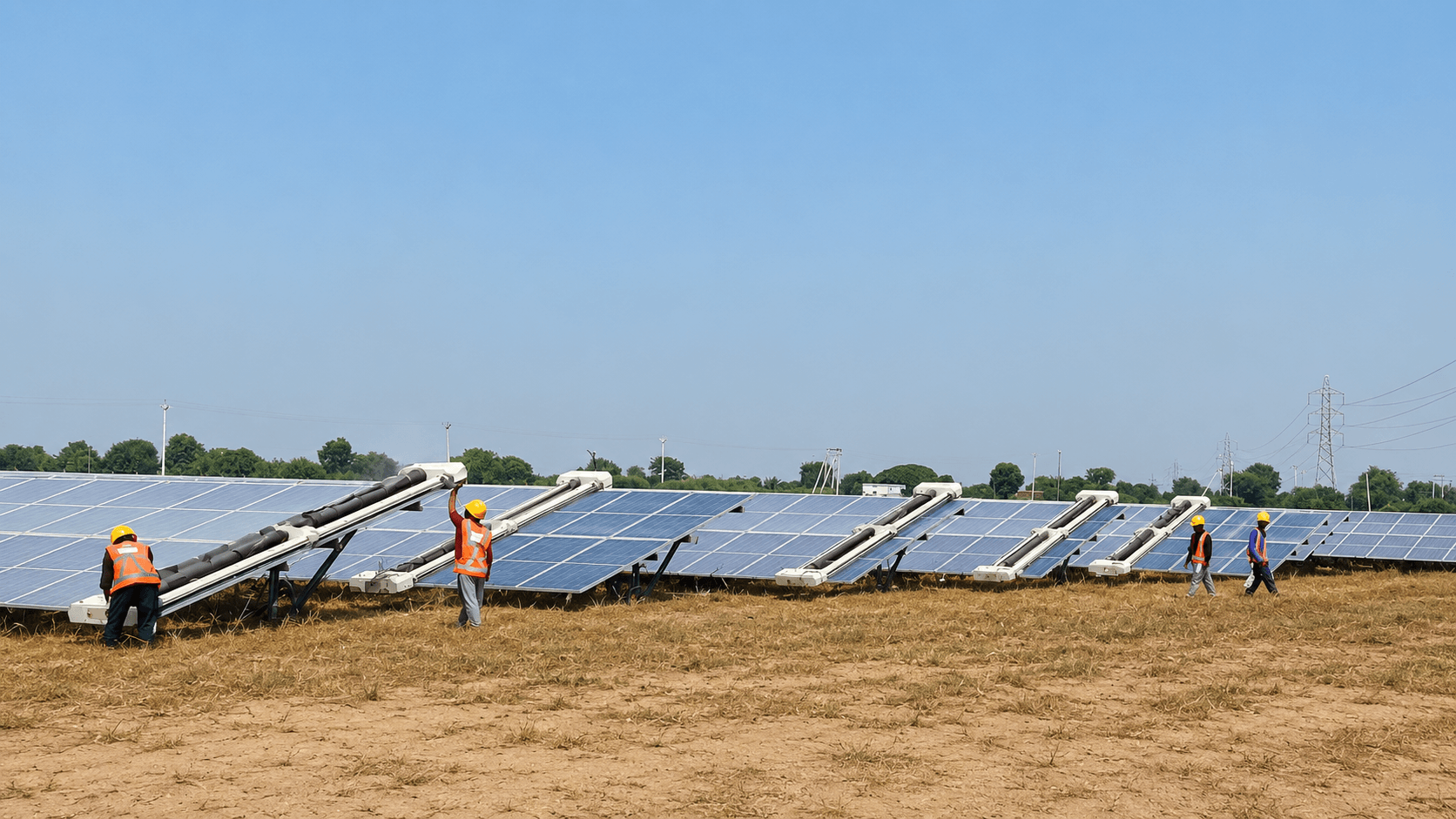
In 2026, solar R&D is shifting from basic hardware to intelligent ecosystems. Plant managers need to understand the difference between simple cleaning and managing an autonomous fleet. Since soiling can hit the Performance Ratio (PR) by up to 30% in India, the industry is focusing on three main pillars.
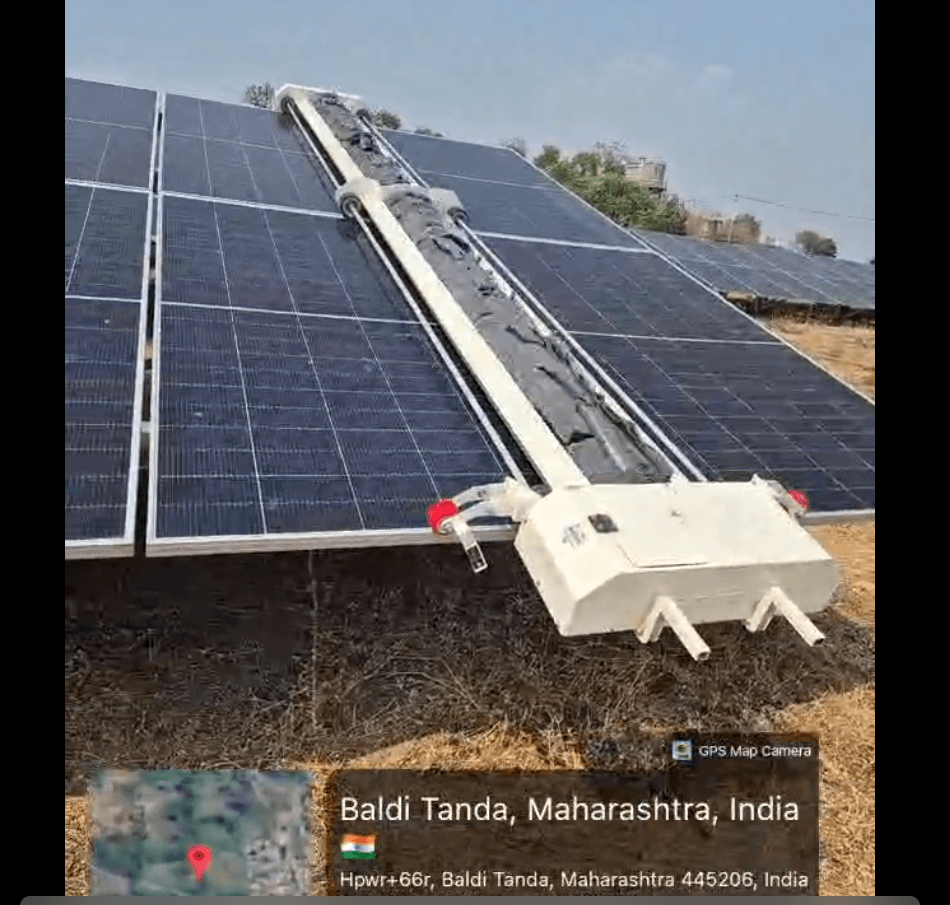
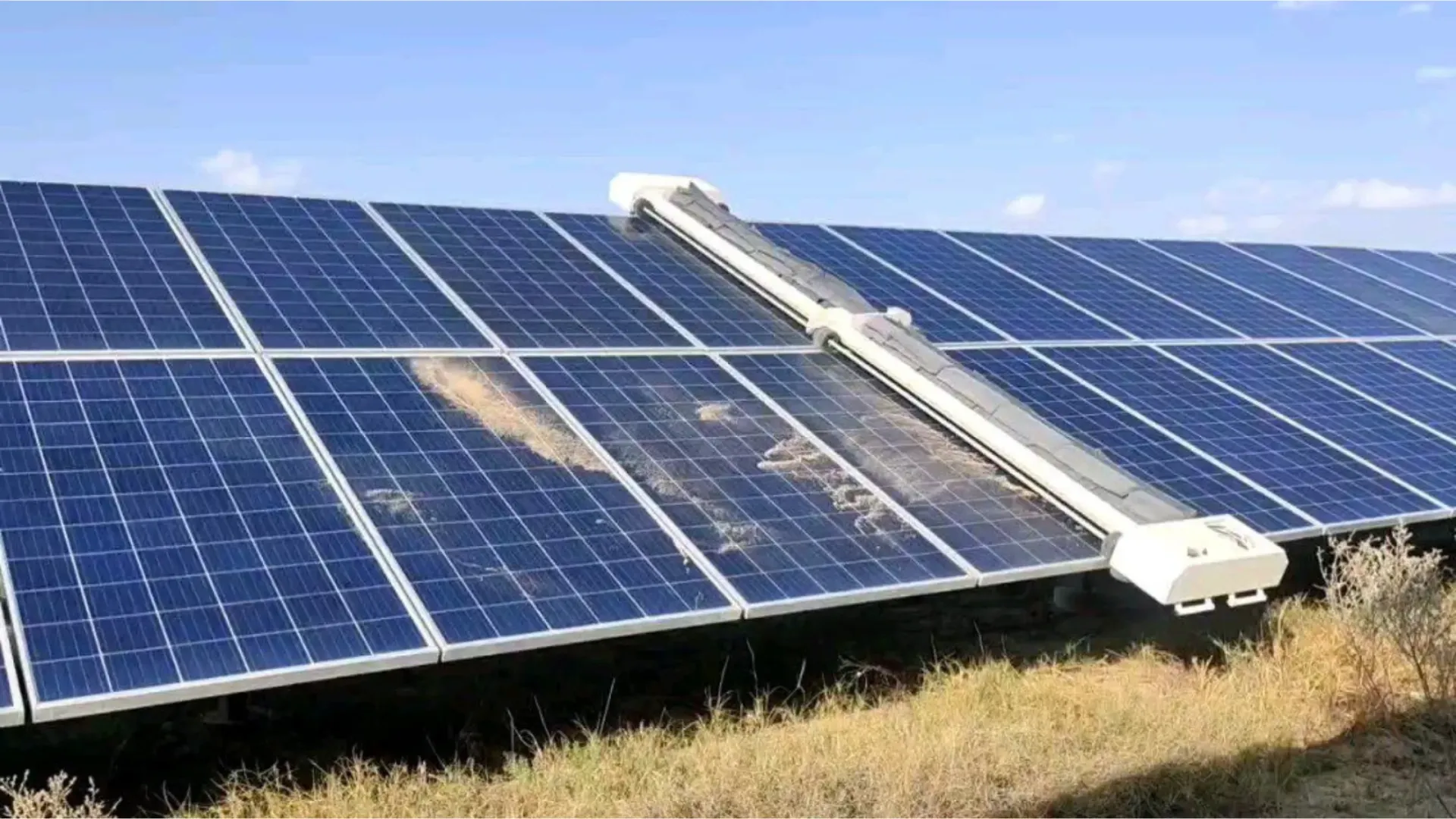
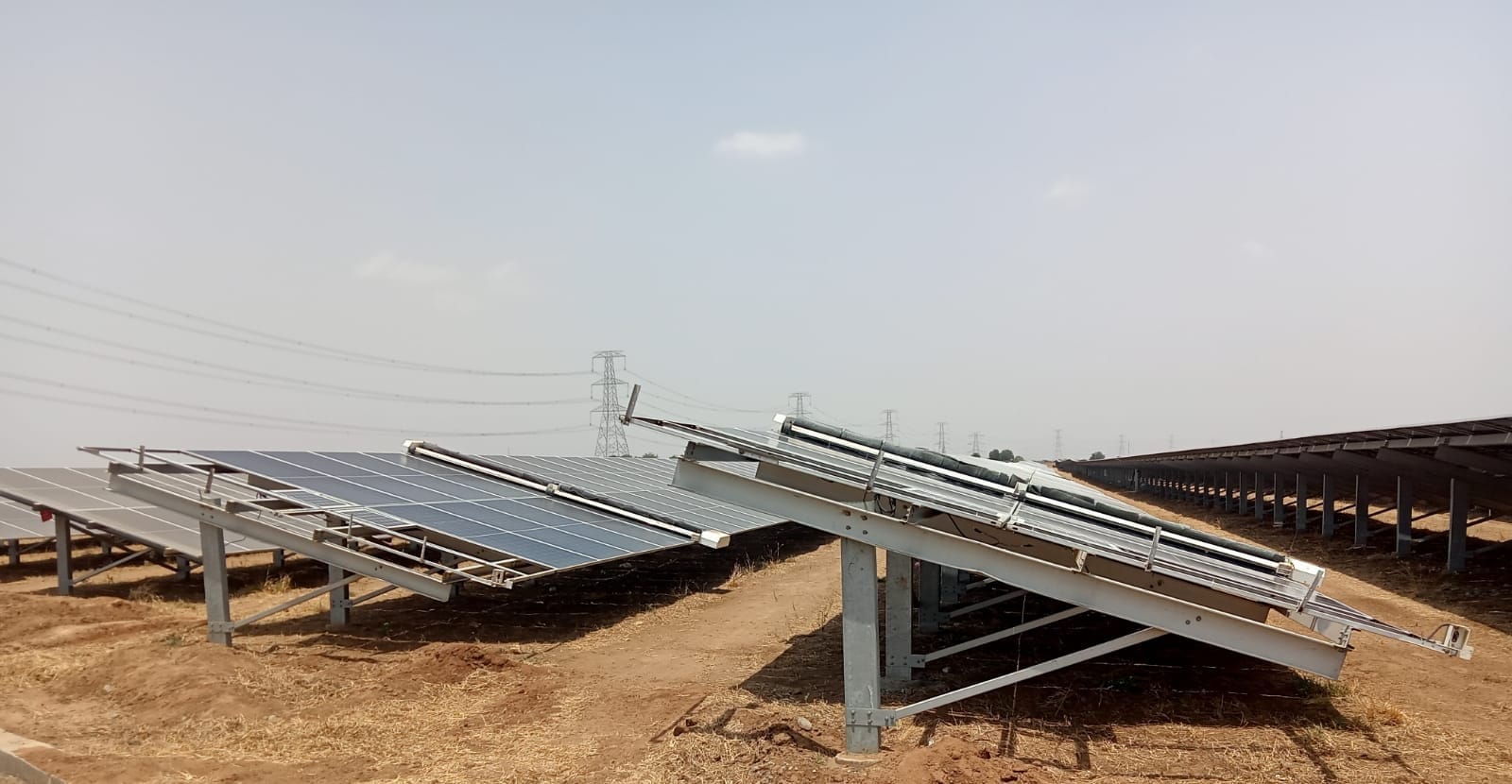
First, we're seeing specialized robot designs. Standard models are being swapped for tracker-compatible units like GLYDE-X or NYUMA-X. These use flexible bodies to maintain contact with panels at various angles, allowing you to clean while trackers are moving. This stops dust from cementing onto the modules during long periods when they're stationary.
Second, data is replacing fixed calendars. Modern sites use NECTYR-integrated predictive cleaning, where robots only deploy when sensors or AQI data indicate high soiling. This limits robot wear, saves energy, and ensures cleaning happens exactly when the energy gain is highest.
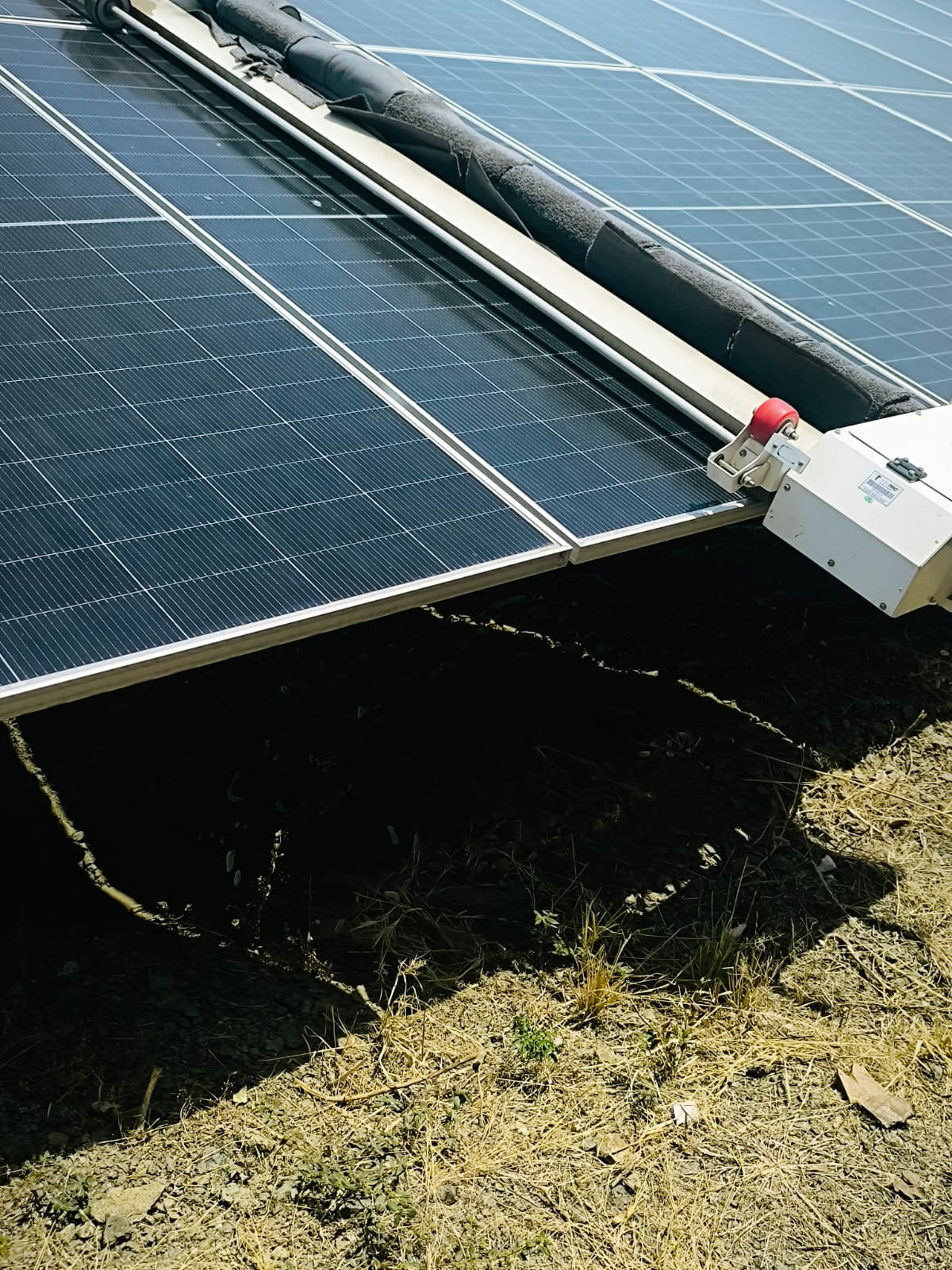
Third, the water scarcity in Gujarat and Rajasthan is forcing a move toward dry cleaning. R&D trends in 2026 focus on non-abrasive methods like dual-pass microfiber or UV-stable PBT brushes. These tools strip away dust without heavy water use, protecting anti-reflective coatings from damage. Using these smart robotic fleets helps Indian IPPs protect their assets and lower variable costs.
How to implement automated cleaning schedules on 5MW+ Indian sites
Moving a 5MW or larger site to robotic cleaning requires a phased approach. You need to make sure the robots play nice with your trackers and the local weather. I recommend starting with a pilot deployment on a single 1MW block. This lets you test sensor triggers against local dust and see the energy gains compared to manual cleaning without messing up your current operations.
Phase 1: Baseline Site Mapping and Sensor Calibration
Before you install GLYDE-X or NYUMA-X robots, map out your row lengths and any obstacles. Connect your automated soiling sensors to your existing SCADA system. In dusty zones like Jaisalmer or Kutch, a 3% drop in PR is your usual trigger. This data-driven approach optimizes how the robots move, protects battery health, and reduces mechanical stress.
Phase 2: Operational Integration and Fleet Staging
Successful implementation in India depends on smart fleet staging. Place CRADYL docking stations at the end of rows to keep travel time down. If your site has scattered blocks, the HELYX system is a good choice for cost-effective cleaning of non-continuous sections. This modular setup lets you scale your fleet based on seasonal soiling peaks found through regular O&M monitoring.
Phase 3: Performance Validation and Scaling
Monitor your daily PR improvements for at least a month. You should see AEP gains of about 3% to 5%. Once things are stable, you can move your team from manual crews to technical supervisors who manage the fleet via the NECTYR dashboard. This lets you track energy recovery and water savings, providing the data needed for carbon credit reporting and investor ESG requirements.
Will autonomous dry cleaning disrupt existing module warranties?
A lot of Indian IPPs worry about whether dry cleaning works with HJT or TOPCon technology. Most Tier-1 manufacturers accept dry, non-abrasive robotic cleaning, provided the robot uses approved materials like UV-stable PBT or microfiber. Manual wet cleaning often uses the wrong brushes or too much pressure, which can damage seals or coatings. Certified robots use controlled pressure to keep things safe.
When you're picking a partner, look for compatibility certifications. Manufacturers like Taypro ensure their tools are safe; for instance, NYUMA uses single-pass PBT brushes, while the GLYDE series uses dual-pass microfiber. Both stay within the stress limits set by module suppliers. Maintaining a proper cleaning strategy for high-efficiency modules is vital for long-term output, and precise path control prevents operator errors like cracked cells.
Plant managers should check their O&M contracts and warranties to ensure your robot provider follows module supplier guidelines. A robotic approach lowers safety risks compared to manual labor and provides the gentle cleaning needed for module health. In high-soiling areas, dry robots prevent 'cementing,' which stops permanent glass damage caused by repeated water spraying.
Technical integration: Moving from reactive to predictive cleaning
Predictive cleaning is the biggest trend for 2026. It moves you away from rigid cleaning calendars and toward real-time data from sensors and AI. By sending soiling data to the NECTYR portal, managers can set dynamic triggers. This prevents cleaning during low-dust periods and prioritizes rows seeing the highest energy loss.
On a 5MW+ site, integration usually follows these steps:
- Sensor Calibration: Install sensors that link local AQI data to PR loss.
- Threshold Setting: Set a cleaning trigger based on cost. In arid regions, a 1.5% to 2% PR drop is common.
- Automated Scheduling: Use the NECTYR dashboard to send tasks to the robots. A robot starts cleaning as soon as a row hits the threshold.
- Post-Clean Verification: Use the system to audit PR gains immediately, creating a clear audit trail.
Automating these decisions can recover 3% to 5% of annual energy production, something proven across over 150 sites using robotic fleets. This optimizes costs, creates an asset health record for ESG audits, and reduces hardware wear. Using NYUMA or GLYDE units ensures robots only run when it actually makes sense.
Scaling robotics: Deployment logistics for utility-scale projects in India
Scaling to 50 MW+ requires a solid logistics plan focused on site access and uptime. The goal is to cut down manual work. Robots like GLYDE-X or NYUMA-X need to move between rows easily, so start by checking your infrastructure. You might need to install end-row rails or guide paths to help robots stay aligned on long tracker tables.
I recommend a phased rollout to allow for testing before you go full scale. For a 100 MW site, follow these phases:
- Infrastructure Audit: Check row spacing, clearance, and tracker tilt compatibility.
- Pilot Deployment: Test 5 to 10 units on one block. Watch performance in local dust and check battery life in the heat.
- Full Integration: Scale the fleet using fleet sizing calculations to find the right number of robots per MW.
- Ongoing Maintenance: Keep a repair facility on-site for spares and routine service.
For sites with complex terrain, a row-transfer system like CRADYL is useful. It allows one robot to service many rows without manual help, which avoids safety hazards for manual teams and keeps cleaning quality consistent. These logistics help managers reach 99% cleaning efficiency while saving water in regions like Rajasthan and Gujarat.
What should plant managers do next?
A 2026 fleet strategy requires moving toward data-driven, predictive models. Asset managers should start by auditing current infrastructure for compatibility with row-based robots. For sites over 5 MW, run a pilot to measure potential PR recovery. Use the NECTYR dashboard to centralize operations and get the data needed for financial and health audits.
In dust-prone areas like Rajasthan or Gujarat, prioritize waterless cleaning to reduce water stress and extend module life. Consider these steps to improve your O&M:
- Benchmark Soiling: Use historical PR data to identify exact energy losses.
- Upgrade Infrastructure: Retrofit rails or guide paths for units like GLYDE-X or NYUMA-X.
- Pilot and Scale: Test a small fleet in your local soil before scaling up.
- Use Predictive Scheduling: Link your robot fleet management software with weather and AQI forecasts.
- Audit ROI: Track energy gains and water savings to build your business case.
Prioritize partners that provide both hardware and intelligence. Robotic cleaning isn't just an equipment upgrade; it's how Indian IPPs can keep generation steady and hit ESG targets. By using fleet sizing strategies, managers can secure high output for the life of the asset.
Sources and further reading
Frequently asked questions
In 2026, autonomous and waterless cleaning is a must for large solar plants in India. This is vital because regional soiling causes 15% to 30% energy losses.
Operators should transition from manual schedules to predictive triggers immediately when site-wide Performance Ratio drops by 2-3% below established seasonal baselines to effectively recover between 15% and 30% of energy losses.
Current 2026 robotic solutions are designed for tracker compatibility and precise operation, focusing on maximizing uptime and protecting panel coatings through smart deployment rather than the aggressive scrubbing associated with traditional manual methods.
For sites larger than 5 MW, it is recommended to transition the O&M budget from variable, headcount-heavy manual labor costs to a predictable, fixed-cost robotic OPEX model, which supports both acquisition and long-term fleet management.