
Quick answer
Preventing cleaning robot module coating damage requires a strategic focus on track pressure and material composition, particularly for modern N-type and TOPCon modules that feature delicate anti-reflective coatings. Plant managers must ensure that robot tracks are selected based on high-friction, non-abrasive polymers to avoid micro-scratches that degrade long-term module performance. For those managing complex assets, understanding optimal cleaning frequencies is crucial to balancing output with surface safety.
- Prevent up to 2.3% increase in reflectance caused by ARC abrasion.
- Verify non-abrasive track materials for N-type and TOPCon modules.
- Monitor cleaning frequency to manage sand-grit accumulation under tracks.
- Standardize track pressure thresholds to avoid micro-scratches during operation.
For utility-scale sites, this approach is vital to maintaining module longevity. Implementing a structured O&M plan ensures that automation does not sacrifice the very performance gains that cleaning robots are intended to provide. For deeper insights on how soiling costs compare to maintenance, see our guide on soiling revenue loss and learn about monitoring automated system performance.
Understanding the mechanics of cleaning robot module coating damage
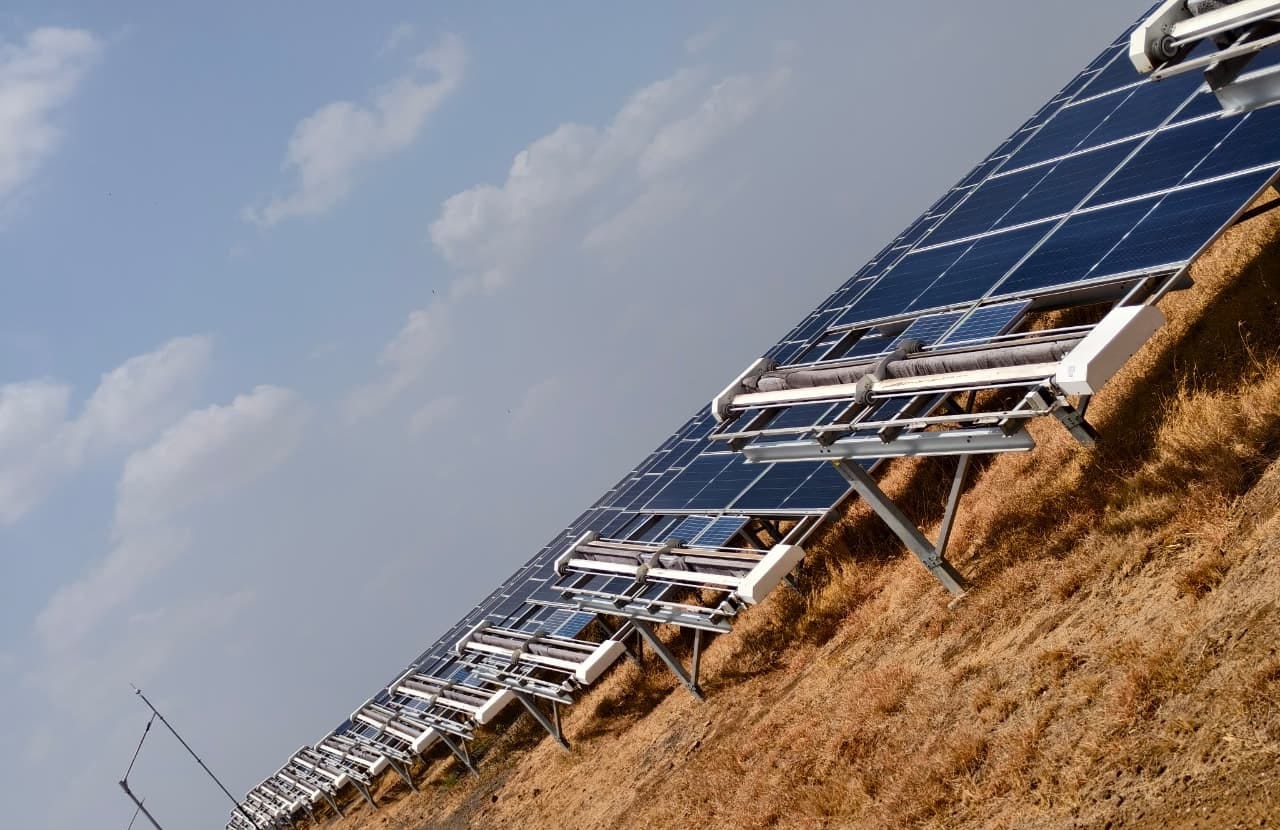
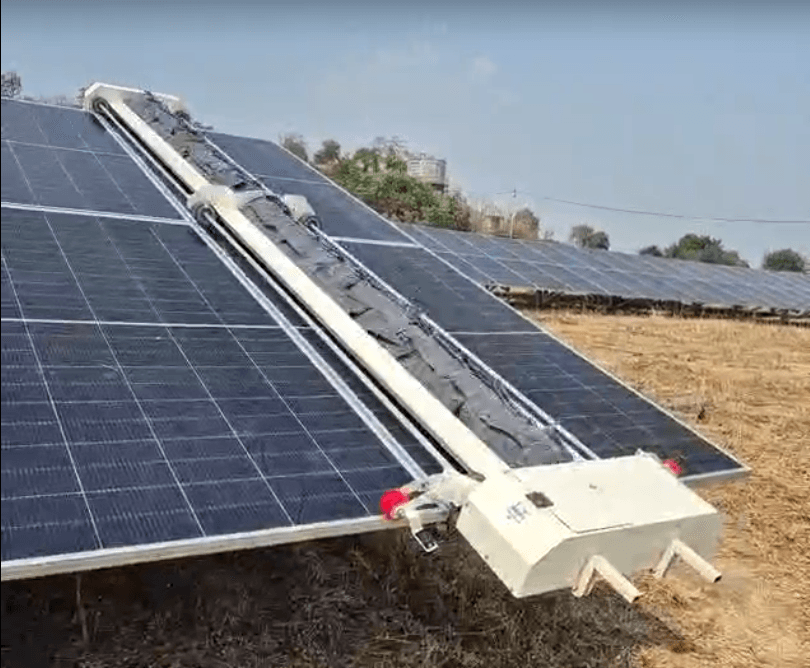
Mechanical wear on anti-reflective coating (ARC) typically occurs when foreign particles like silica-based dust are trapped between the cleaning robot track and the glass surface. Under the weight of a robotic system, these particles act as an abrasive medium, effectively grinding against the coating during every pass. While standard glass is durable, ARC is a thin, structured layer designed to trap light; once micro-scratches develop, the module permanently loses 2% to 3% of its light-harvesting efficiency.
For utility-scale assets in India, this risk is magnified by the region-specific composition of dust, which often contains high concentrations of fine, abrasive quartz. When a robot track with high shore hardness moves over this grit, the interface creates a localized pressure point. If the track material lacks sufficient elasticity, the force is concentrated rather than distributed, accelerating the wear of the delicate coating. The damage often remains invisible to the naked eye until the performance degradation appears in site-specific soiling revenue loss reports as a mismatch between theoretical performance and real-world PR. To mitigate these risks, teams should refer to our weather impact and O&M playbook for localized guidance.
Technical site teams should prioritize tracks made of high-friction, non-abrasive polymers that provide adequate traction without digging into the module surface. In high-grit environments, routine inspection of the robot tracks for embedded debris is a critical maintenance step. If the cleaning robot treads accumulate large sand particles, the system effectively becomes a sander, converting a preventive O&M activity into a long-term degradation event. For sites integrating performance monitoring, detecting sudden, localized output dips after a cleaning cycle can often serve as an early indicator of localized abrasive wear.
Why robot track wear is a critical risk for high-efficiency N-type modules
Modern module technologies like TOPCon and HJT rely on thinner, highly optimized ARC layers to maximize light capture and achieve lower degradation rates of 0.3% to 0.4% per year. Unlike legacy P-type modules, these high-efficiency cells are sensitive to mechanical surface alterations. When a robotic cleaning system traverses these surfaces with worn or abrasive tracks, it risks stripping the ARC layer at the points of contact. This microscopic damage increases light reflection and promotes hot spots, effectively cancelling the performance benefits of selecting premium modules in the first place.
For Indian utility sites where extreme heat and dust chemistry vary by state, the risk is compounded by the material properties of the tracks. N-type modules often feature glass-glass construction, which requires a specific support structure during robotic cleaning to prevent bending stress. If track pressure is not calibrated for the mechanical load capacity of the module frame, the repetitive cycles of an autonomous fleet can lead to cumulative coating degradation. This is particularly problematic in desert regions like Rajasthan or coastal plants where silicate and salt deposits act as grinding agents under the robot tracks. Ensuring ESG compliance regarding water and land use often involves proving these sustainable maintenance practices to stakeholders.
Technical O&M teams should view track-module interface compatibility as a core component of plant commissioning. Selecting a cleaning partner that uses specialized, high-friction polymers, rather than hard, industrial rubber or metal-reinforced treads, is a necessary hedge against ARC degradation. Maintaining a strict schedule for track replacement based on operating hours, rather than visual failure, ensures that the robot maintains its intended coefficient of friction without ever becoming an abrasive element on your high-efficiency glass.
How to prevent track-induced abrasion on PV glass?
Preventing mechanical damage during robotic cleaning requires a three-pronged approach focused on material selection, debris management, and pressure-sensitive operation. The primary goal is to maintain the integrity of the anti-reflective coating (ARC) while removing soiling. In India’s arid utility environments, quartz-based dust is the most common agent of abrasion, turning improperly maintained tracks into high-friction grit traps.
Technical managers should implement these specific prevention measures across all sites with 5MW+ deployments:
- Specify material hardness: Choose robot tracks made of high-friction, non-abrasive polymers. These materials are engineered to be softer than tempered PV glass, ensuring the track deforms against grit rather than pressing it into the coating.
- Adopt rigorous pre-cycle inspection: Ensure that cleaning robots are inspected for embedded debris before each deployment. Cleaning teams should use compressed air or soft brushes to clear the tracks of accumulated grit before the machine enters a new row, especially following dust storms or high-wind events.
- Calibrate downward pressure: Modern utility-scale systems must be calibrated to apply just enough force for cleaning efficiency without exceeding the structural load limits of the module glass. This is critical for bifacial and large-format modules that may experience bending stress during transit.
- Implement scheduled track replacement: Replace robot treads based on total operating hours or defined duty cycles rather than waiting for visible physical failure. For high-efficiency N-type modules (TOPCon/HJT) that possess thinner coating layers, a more conservative replacement schedule is standard industry practice to mitigate the risk of micro-abrasions that accumulate over the 25-year plant life.
By shifting to an operations-first maintenance model, O&M teams move away from reactive fixes and toward a proactive asset management strategy that protects the performance ratio of the entire fleet. Monitoring for localized surface degradation via annual sample testing or high-resolution drone inspection can confirm if your track material and maintenance schedule are successfully preserving the module ARC over the long term.
Step-by-step: Implementing safe robotic cleaning on 5MW+ sites
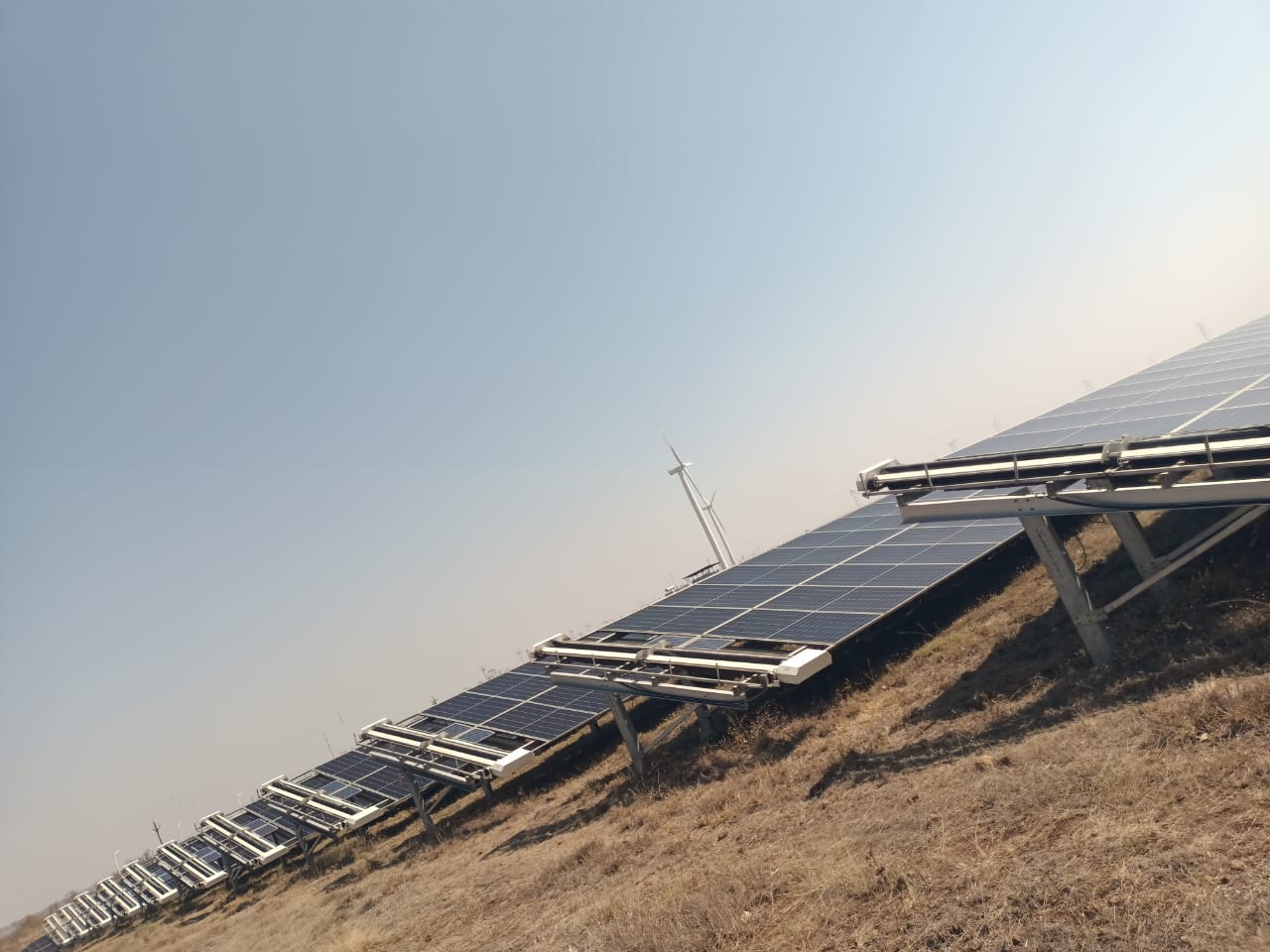
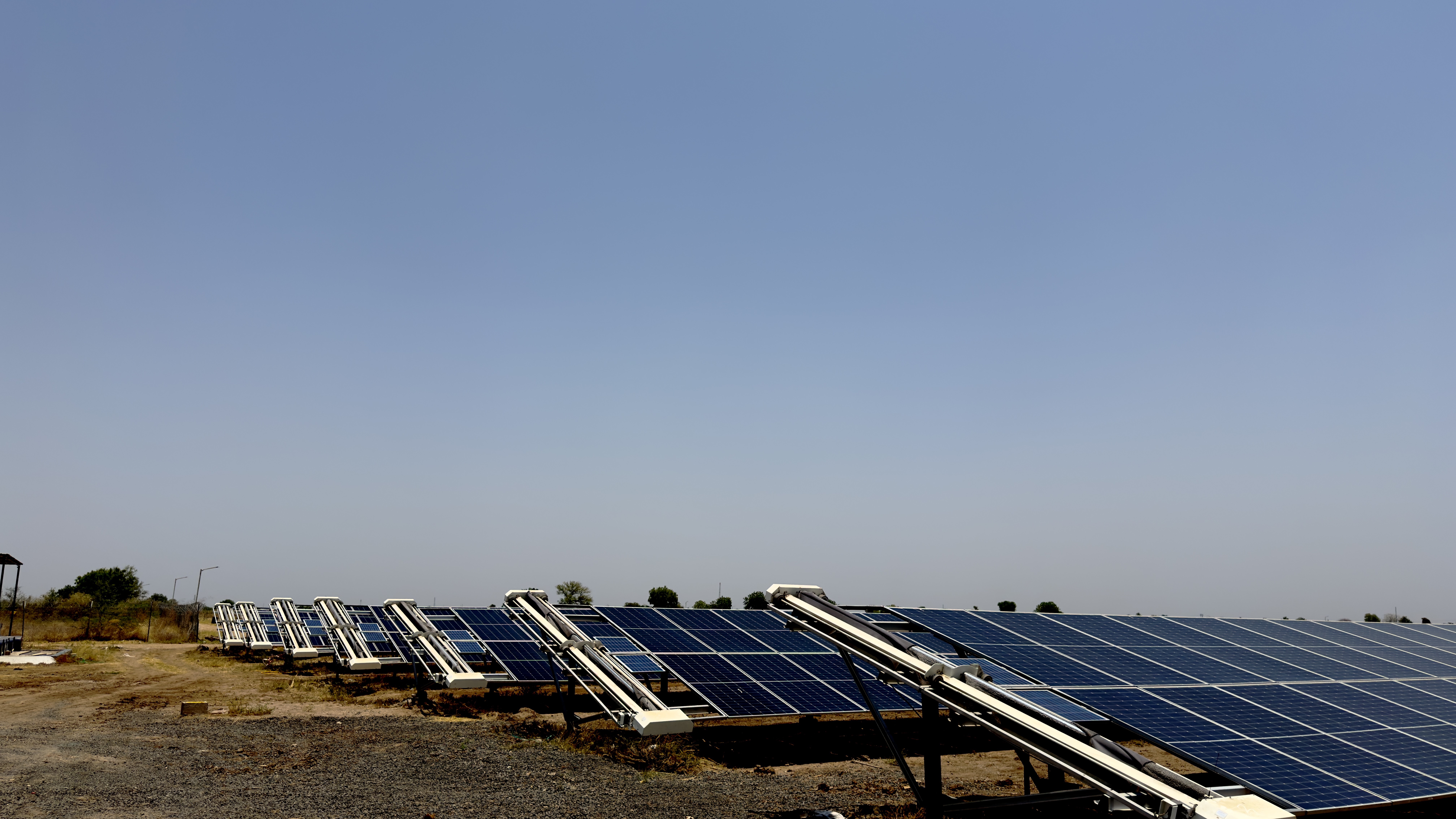
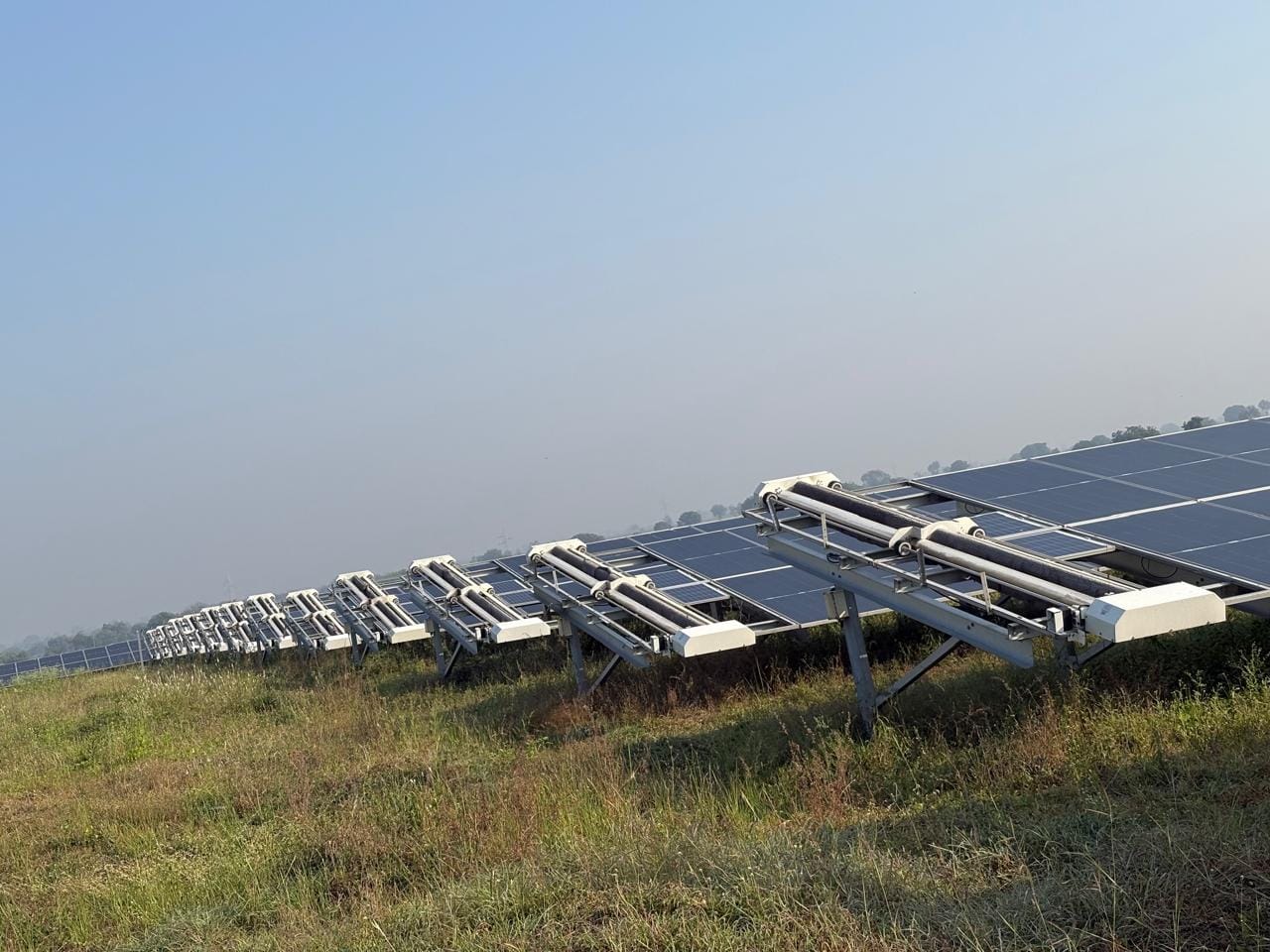
For utility-scale deployments across India, transitioning from manual water-based washing to automated dry cleaning is a major operational shift. To avoid cleaning robot module coating damage, technical managers should follow this structured implementation cycle.
- Site assessment and grid mapping: Before deploying, conduct a baseline survey of module degradation and glass integrity. Use drone-based thermal imaging to identify existing micro-cracks or delamination, ensuring your fleet setup respects the structural limits of your specific module type, whether PERC or N-type.
- Surface compatibility audit: Verify that the cleaning robot tracks are compatible with the anti-reflective coating (ARC) of your installed modules. Consult with the module manufacturer to confirm that robot tread friction coefficients fall within approved parameters for the glass-type coating, particularly for bifacial units that are prone to higher thermal stress.
- Pilot phase and telemetry integration: Deploy a small test fleet on a representative 5MW block to monitor for localized mechanical wear. During this 30-day trial, use fleet monitoring platforms like NECTYR to track robot torque, track slip rates, and real-time performance ratio (PR) recovery, adjusting operational thresholds accordingly.
- Phased scaling and maintenance protocols: Once the pilot confirms no ARC abrasion, roll out the fleet across the larger 50MW+ site. Implement a rigid schedule for track cleaning using compressed air to clear silica grit after dust storms. Establish strict revenue loss tracking to justify the capital allocation for regular track replacement, ensuring the hardware never becomes an abrasive risk factor.
- Audit and audit-loop: Conduct quarterly inspections of the module surface, specifically looking for swirl patterns or scuffs that indicate tread-induced wear. If identified, immediately pause the fleet to re-calibrate downward pressure or evaluate the replacement of treads with softer, higher-friction polymers.
Technical comparison: Track material vs. ARC resilience
Selecting the right track material is a fundamental decision in preventing cleaning robot module coating damage, as the coefficient of friction and material hardness directly impact the long-term integrity of the glass surface. Harder, rigid polymers may provide superior traction on high-slope terrains or during dust-heavy monsoon conditions, but they often lack the compliance required to avoid micro-abrasions on delicate anti-reflective coatings (ARC). For utility-scale installations, we recommend prioritizing tracks made from specialized synthetic elastomers or soft-shore polyurethanes that offer high friction without compromising the protective layer of the PV module.
The following table summarizes the trade-offs between common track materials used in robotic cleaning, evaluated against the need for ARC preservation in Indian utility environments where silica-rich dust creates an abrasive medium between the robot and the panel surface.
| Track Material | Hardness (Shore) | ARC Abrasion Risk | Best Use Case |
|---|---|---|---|
| Hardened Rubber | 80-90A | High | Non-delicate glass; heavy-soiling industrial zones |
| Synthetic Elastomer | 60-70A | Low | Standard ARC; N-type TOPCon/HJT modules |
| Soft-Shore Polyurethane | 40-55A | Minimal | Premium high-efficiency bifacial modules |
Mechanical wear is often not a result of the track material alone, but the entrapment of environmental grit. Regardless of track material, grit accumulation acts as a grinding paste if not cleared before the robot engages. This makes the implementation of compressed air pre-cleaning or self-cleaning track design essential for plants in regions with high quartz content in the soil, such as parts of Rajasthan and Gujarat. By utilizing innovative AI-driven maintenance models and ensuring track elasticity, O&M leads can prevent the localized scuffing that leads to degradation of the ARC, which typically boosts module energy output by 2% to 3% when intact. For further insights on how performance ratios are maintained through precision cleaning, refer to our analysis on monitoring solar panel performance across utility-scale fleets.
O&M inspection checklist for track-related module wear
Establishing a rigorous audit cadence is essential for identifying early-stage friction damage before it results in permanent ARC degradation or loss of warranty compliance. On sites exceeding 10MW, O&M teams should conduct monthly walkthroughs during the first quarter of robotic deployment to establish a baseline for normal module wear. Use this checklist to systematically inspect for mechanical abrasion linked to robot tracks:
- Visual contrast test: Conduct inspections during low-light conditions using high-intensity directional lighting to reveal surface scuffs or swirl patterns that may be invisible under direct midday sunlight.
- Edge-to-center profiling: Specifically examine the module glass along the parallel paths corresponding to the robot track contact zones. Focus on the bottom 100mm and top 100mm of the module frame where acceleration and deceleration forces are highest.
- Micro-abrasion audit: Use a portable gloss meter to measure the reflectivity in the track path versus the non-traversed center of the module. A drop in reflectance exceeding 0.5% in the track zone compared to the baseline suggests the need for immediate adjustment of robot downward pressure or track material replacement.
- Grit accumulation monitoring: Perform a physical check of the robot tread crevices after dust-heavy shifts. If fine silica or quartz grit is embedded in the elastomer, the robot is effectively functioning as a sand-papering device. Schedule compressed air cleaning for the robot treads as part of the daily charging routine.
- Frame-seal integrity: Ensure that the track contact does not exert lateral pressure on the module encapsulation or junction box seals. Any sign of sealant displacement near the frame edge indicates an alignment issue that requires re-calibration of the robot travel path within the NECTYR fleet management system.
By digitizing these findings into a centralized performance monitoring framework, O&M managers can correlate localized wear patterns with specific robot units. This allows for proactive maintenance, such as rotating high-wear tread sets or adjusting navigation parameters, long before the cumulative effect impacts the site's annual generation targets.
Key takeaways for plant managers
- Prioritize track materials with low Shore hardness ratings to minimize micro-abrasion on sensitive N-type module coatings.
- Implement daily compressed air purging for robot tracks in regions like Rajasthan or Gujarat where silica-rich soil acts as a grinding agent.
- Audit module reflectivity quarterly; a drop of over 0.5% in contact zones indicates the need for immediate hardware re-calibration.
- Integrate track maintenance into your revenue loss tracking protocols to ensure cleaning efficiency does not come at the cost of long-term asset degradation.
- Deploy robotic fleets with variable downward pressure capabilities to compensate for varying module glass-glass or glass-backsheet structural rigidity.
Sources and further reading
Frequently asked questions
Preventing cleaning robot module coating damage requires a strategic focus on track pressure and material composition, particularly for modern N-type and TOPCon modules that feature delicate anti-reflective coatings. Plant managers must ensure that robot tracks are selected based on high-friction, non-abrasive polymers to avoid micro-scratches that degrade long-term module performance.
Yes. When abrasive particles like silica or quartz dust are trapped beneath robot tracks, the weight of the system grinds these particles into the ARC. This process creates micro-scratches that can permanently reduce light-harvesting efficiency.
Track material composition directly impacts module longevity. Tracks with high shore hardness often cause localized pressure points that damage coatings. Using elastic, non-abrasive polymer materials helps distribute pressure more evenly and protects the delicate surfaces of N-type and TOPCon modules.
Abrasion of the anti-reflective coating can cause a 2.0% to 2.3% increase in reflectance. This degradation results in a direct loss of light-harvesting capability, which lowers the performance ratio of the entire utility-scale solar asset.