Summary for plant managers
If you're managing a solar site in India, CGWA compliance isn't just a paperwork exercise, it's a core operational risk. With groundwater getting harder to come by and regulators tightening the screws, you can't afford to treat water management as an afterthought. We're seeing a massive shift toward waterless cleaning methods because they're the most reliable way to keep your No Objection Certificate (NOC) valid without hitting your extraction limits.
- Every commercial project needs a registered NOC.
- In dry zones, dust can eat 0.3% to 0.8% of your daily power yield. You've got to find the sweet spot between keeping modules clean and staying under your water quota.
- Ignoring CGWA rules can lead to massive fines or even losing your operating permit entirely.
- Switching to waterless cleaning technology is the smartest way to maintain high performance while saving water.
- Keep track of water consumption per block. It's the only way to ensure you're staying within your NOC limits.
For teams running plants in Rajasthan or Gujarat, over-extraction is a constant threat. One bad audit could ruin a project's future. You should be using fleet telemetry and scheduling to optimize your cleaning cycles. Instead of cleaning on a fixed calendar, use real-time dust levels to decide when to act. This minimizes water waste without sacrificing energy yield. Moving to automated monitoring lets you run data-driven models that keep you compliant with environmental standards.
Understanding CGWA groundwater extraction norms for solar IPPs
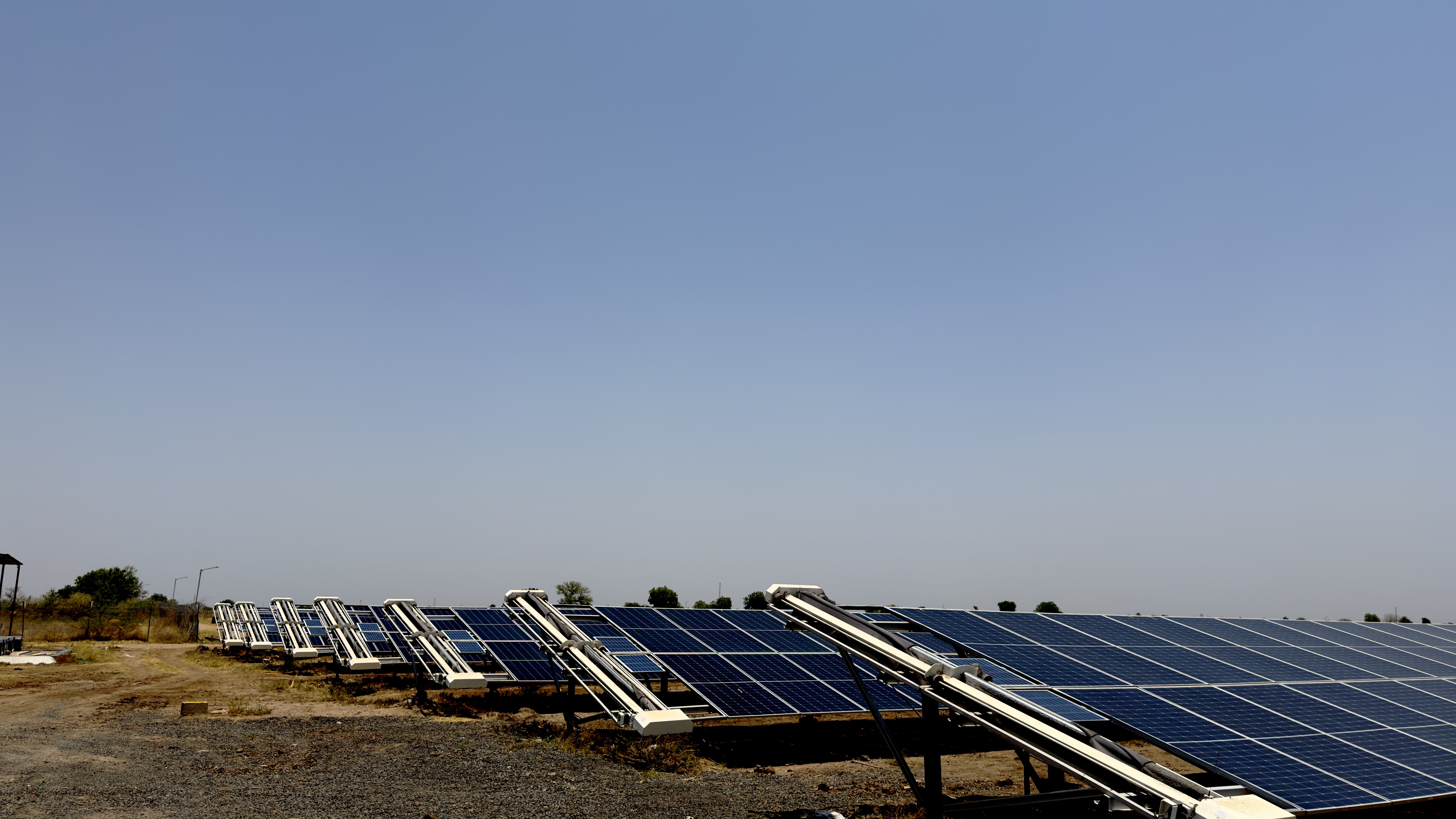
The CGWA treats solar IPPs like any other industrial or commercial entity. You have to follow the rules to the letter. The biggest hurdle for O&M teams is moving away from water-heavy cleaning habits. Your NOC sets a strict annual limit on groundwater use; if you blow past that limit, you're looking at heavy fines or a revoked permit.
You need to log every single cleaning event. We see many plants in Rajasthan and Gujarat try to chase power levels by over-using water, but they usually hit their limits far too early. Instead, use fleet telemetry to prioritize your cleaning. By targeting only the blocks that actually need it, you save water while protecting both your energy yield and module health.
The CGWA also expects you to have digital water meters on site. Ideally, these should be integrated into your plant's SCADA system so you have real-time data ready for audits. Using data-driven cleaning isn't just about efficiency, it's about staying within your legal limits and avoiding penalties. Treat every liter like a finite resource and make sure you can justify every drop with measurable power gains.
The NOC application process: A step-by-step technical guide
Securing an NOC from the CGWA involves a lot of technical documentation. For any solar plant, this permit is non-negotiable for continuous operation. If your paperwork is messy, you're looking at project delays and potential fines once you're live.
Phase 1: Hydrological Assessment and Categorization
Start by checking your site's specific water status. The CGWA categorizes regions as Safe, Semi-Critical, Critical, or Over-Exploited. If your plant is in an 'Over-Exploited' zone, expect much stricter scrutiny. You'll likely need a robust water conservation plan and an Impact Assessment Report written by a qualified hydrogeologist to prove your expected daily and annual cleaning water needs.
Phase 2: Digital Portal Submission and Documentation
All applications must go through the official CGWA portal. You'll need to have these documents ready:
Advertisement
- A water balance report detailing all sources and usage.
- A site plan that clearly marks all borewells and metering points.
- Proof of rainwater harvesting, which is now mandatory for most industrial NOCs.
- A detailed O&M plan that outlines your cleaning frequency and total anticipated water use.
Phase 3: Inspection and Metering Compliance
Don't be surprised if the CGWA shows up for a site inspection. They'll be checking your digital flow meters to ensure they're connected to your SCADA and fleet monitoring systems for real-time reporting. Missing or uncalibrated meters are a fast way to get rejected. Adopting waterless cleaning methods actually helps your application by proving you have a low water demand, which aligns with national conservation goals.
How does groundwater extraction affect O&M schedules in arid regions?
In arid states like Gujarat or Rajasthan, there is a constant tug-of-war between cleaning needs and water regulations. Dust can tank your power output by 0.3% to 0.8% every single day. While the instinct is to wash the panels to recover that power, doing so can drain your water quota faster than expected and put your NOC at risk.
Relying on heavy water use is a massive operational risk. First, as groundwater levels drop, you might be forced to dig deeper wells, which drives up your costs. Second, exceeding your limits leads to heavy fines or permit loss. These factors make water-intensive cleaning a bad long-term strategy.
The fix is to use data instead of a calendar. Use telemetry to identify exactly where power is dropping and clean only those specific blocks. Using fleet telemetry isn't just about efficiency; it's a defensive move to protect your compliance status in water-stressed regions.
You also have to consider the modules themselves. Wet cleaning can leave mineral deposits on the glass, which can eventually require even more water to scrub off. Using waterless cleaning methods avoids this cycle and keeps your modules free from abrasive contaminants.
Monitoring and reporting requirements for industrial abstraction
Getting the NOC is just the beginning. You have to actively monitor and report your usage, or you'll fail your audits. Your O&M team needs to log every drop used for module cleaning.
Make sure you hit these requirements:
- Install government-certified, tamper-proof digital flow meters at all points.
- Submit quarterly reports to the CGWA detailing your total water use and usage reasons.
- Maintain a site water logbook with weekly cleaning volumes for when inspectors arrive.
- Link meter data to your SCADA system to build a reliable digital audit trail.
Manual logs are prone to error. It's much safer to use fleet telemetry systems. These give you real-time accuracy, allowing you to adjust your cleaning schedule before you hit your limit. This is essential for proving your sustainability during permit renewals.
Mitigating regulatory risk through waterless cleaning technologies
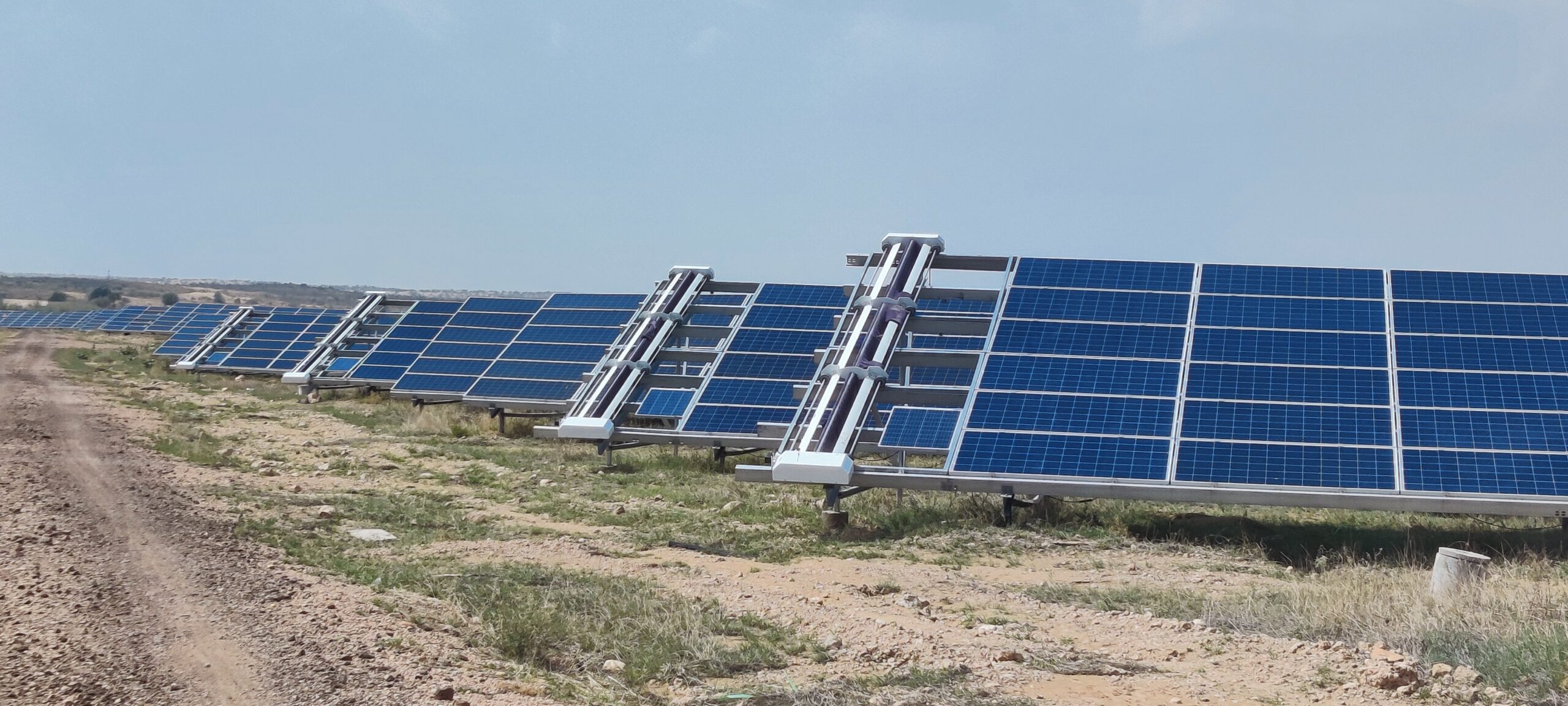
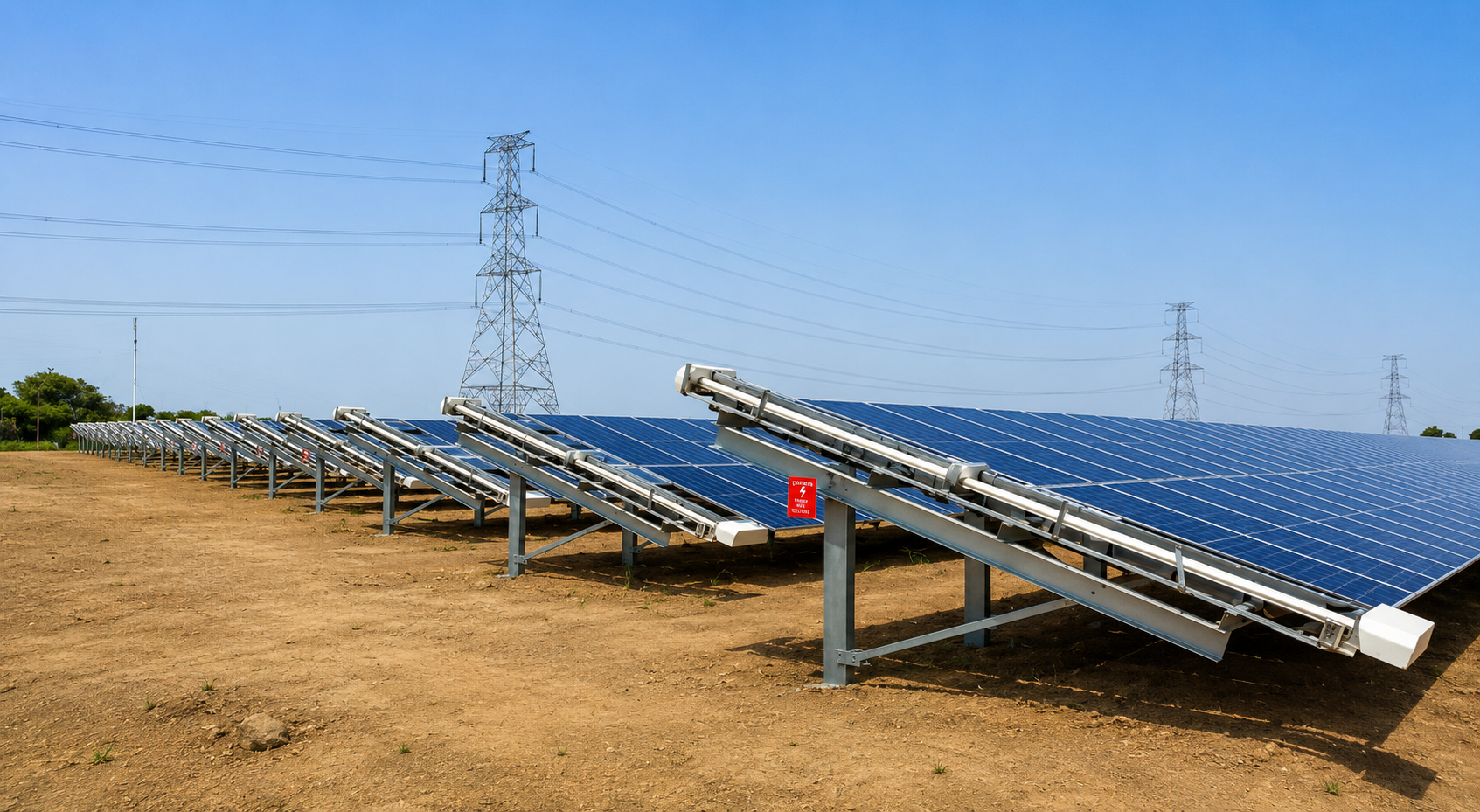
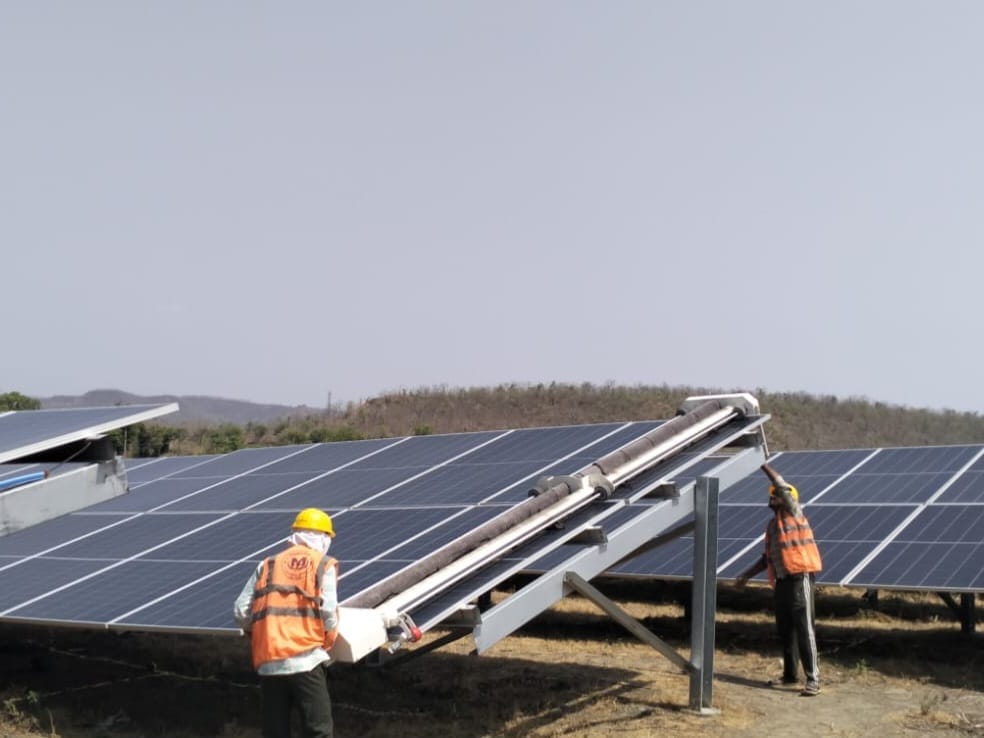
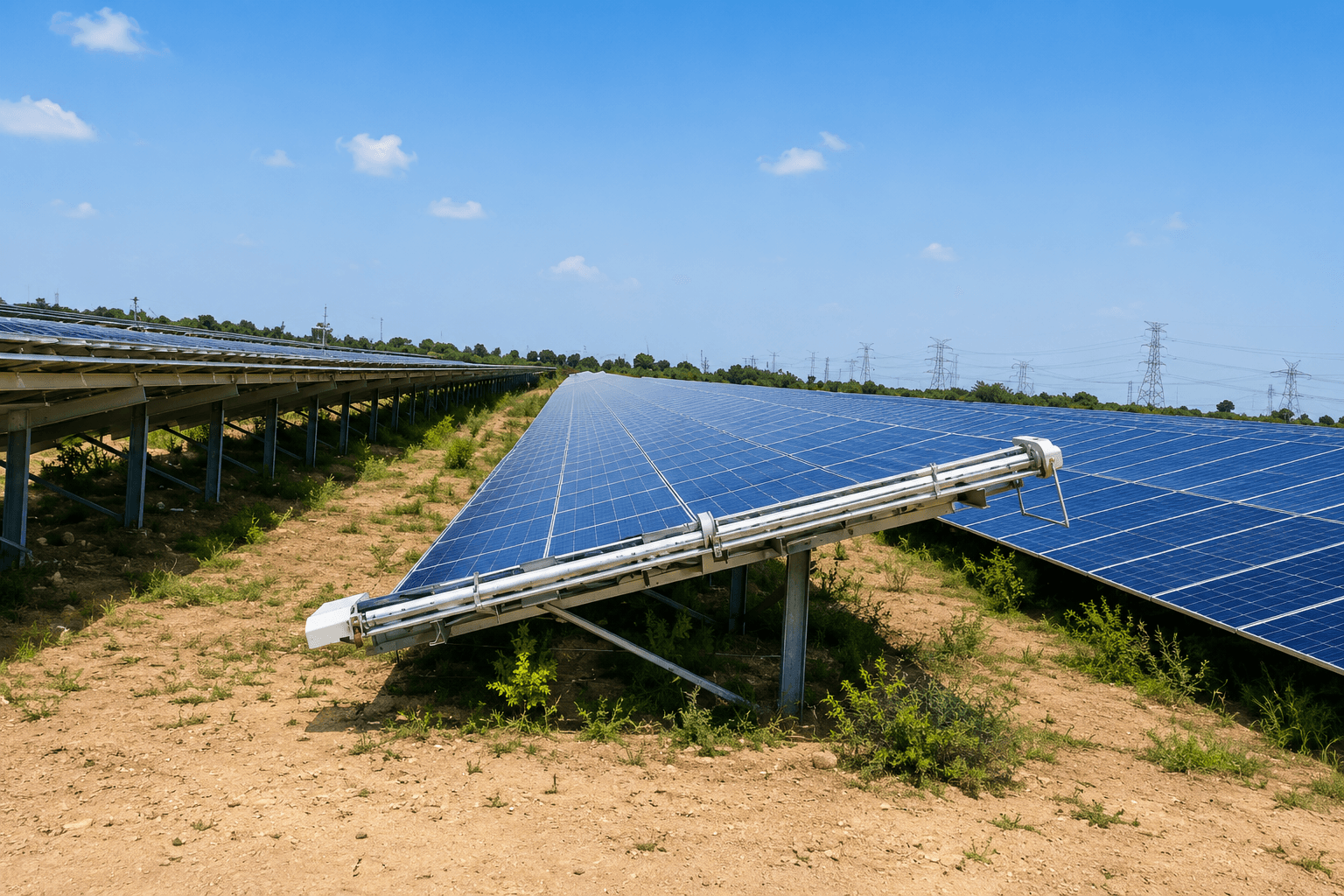
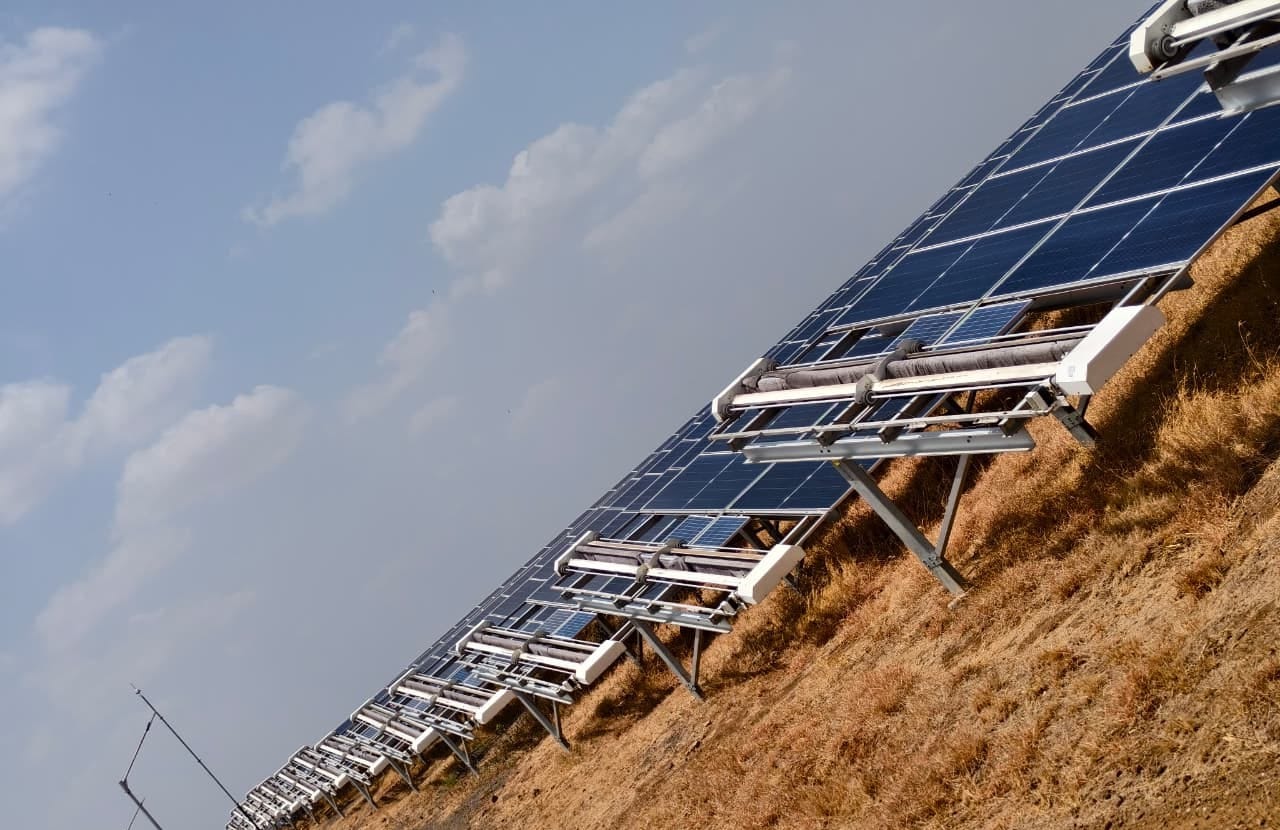
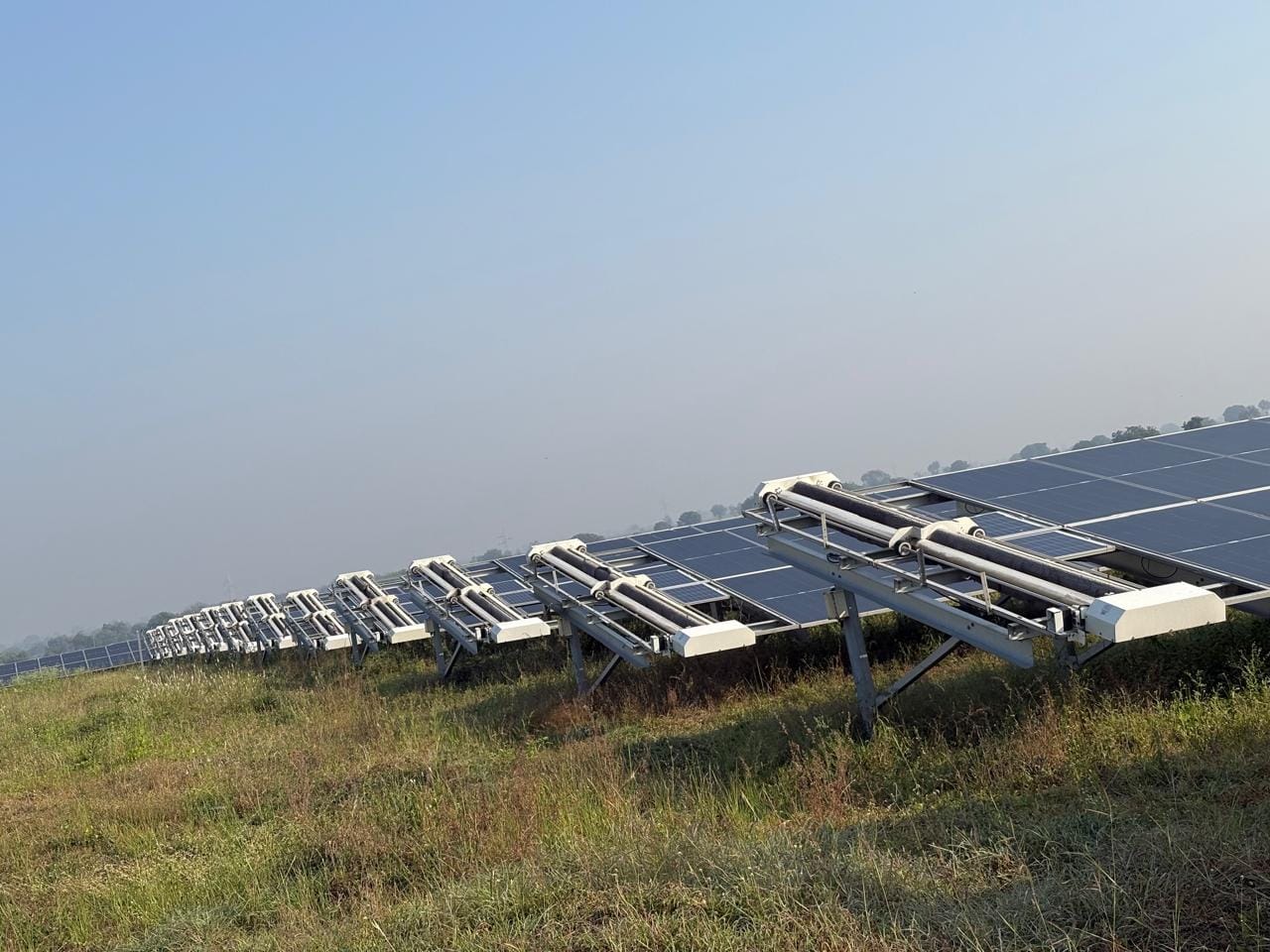
The most effective way to follow the rules is to stop relying so heavily on water. Waterless cleaning technologies allow you to maintain cleaning frequencies without increasing your groundwater extraction, which directly mitigates the risk of an NOC violation, especially for plants in Rajasthan or Gujarat.
Waterless cleaning also addresses technical issues. Wet washing can lead to mineral buildup on the glass. As we've noted in our guide on preventing robot track wear, using the right robotic tools is key. They clean dust effectively without the massive water management headache, helping you maintain performance while protecting your budget from rising water costs.
Compliance checklist for utility-scale solar O&M leads
Compliance is just as critical to your site's success as safety. Use this checklist to audit your current operations and avoid CGWA risks:
- Audit all water points: Ensure every well is labeled and matches your site plan.
- Check meter accuracy: Use certified digital meters and calibrate them annually.
- Digitize your logs: Move away from paper and integrate water data into your SCADA platform.
- Watch your quotas: Keep a close eye on daily and monthly use to ensure you don't hit your annual limit.
- Check cleaning efficiency: If water use is climbing, pivot to cleaning only critical blocks or switch to waterless methods.
- Prepare for audits: Keep all NOC and meter documentation organized in a single digital folder.
What plant managers should do next
Managing the balance between energy and water is vital. To protect your permit, take these steps immediately:
- Calculate your current water use per MW and compare it to industry benchmarks.
- Review your NOC status to ensure your reporting is up to the latest CGWA standards.
- Run a pilot of waterless cleaning on a few blocks to see how it impacts power and module health.
- Implement fleet telemetry to automate your reporting and cut out human error.
- Plan a transition to waterless robotic cleaning to reduce your groundwater dependency.
Sources and further reading
Frequently asked questions
Plant managers must follow CGWA rules for groundwater extraction. This is now a key task for Indian solar companies.
Yes, the Central Ground Water Authority requires a formal No Objection Certificate for all commercial and industrial groundwater extraction projects. This registration is a mandatory operational requirement for Indian utility-scale solar IPPs.
Non-compliance with CGWA groundwater norms carries significant risks, including the imposition of heavy environmental compensation fines. In severe cases of over-extraction, the authorities may revoke the operating permits for your solar plant, which threatens the long-term viability of the project.
Yes, adopting waterless cleaning technologies is the most effective strategy to lower water dependency while maintaining peak energy performance. By reducing the volume of water required to mitigate the 0.3% to 0.8% daily soiling degradation, operators can more easily adhere to the strict abstraction limits set by the CGWA.