Quick answer
Managing solar cleaning at airports and large infrastructure sites is complex. You must balance strict security rules with high performance standards. For these sites, plant managers should use waterless robotic solutions. This approach maintains site access and avoids water use.
- Typical soiling loss in dusty Indian regions: 10% to 30% energy yield reduction.
- Recommended cleaning frequency: Every 7–14 days depending on local AQI and dust levels.
- Standard threshold: Start cleaning once soiling loss exceeds 3% of baseline PR.
- Operational priority: Use waterless robotic cleaning for high-security, high-traffic zones.
Use intelligent fleet management to set a proactive cleaning schedule. This helps operators prevent performance drops and ensures long-term asset use. Tracking PR is essential to protect energy generation. You can learn more in our analysis of soiling loss impacts and carbon credit calculations.
Defining cleaning for airport and large infrastructure installations
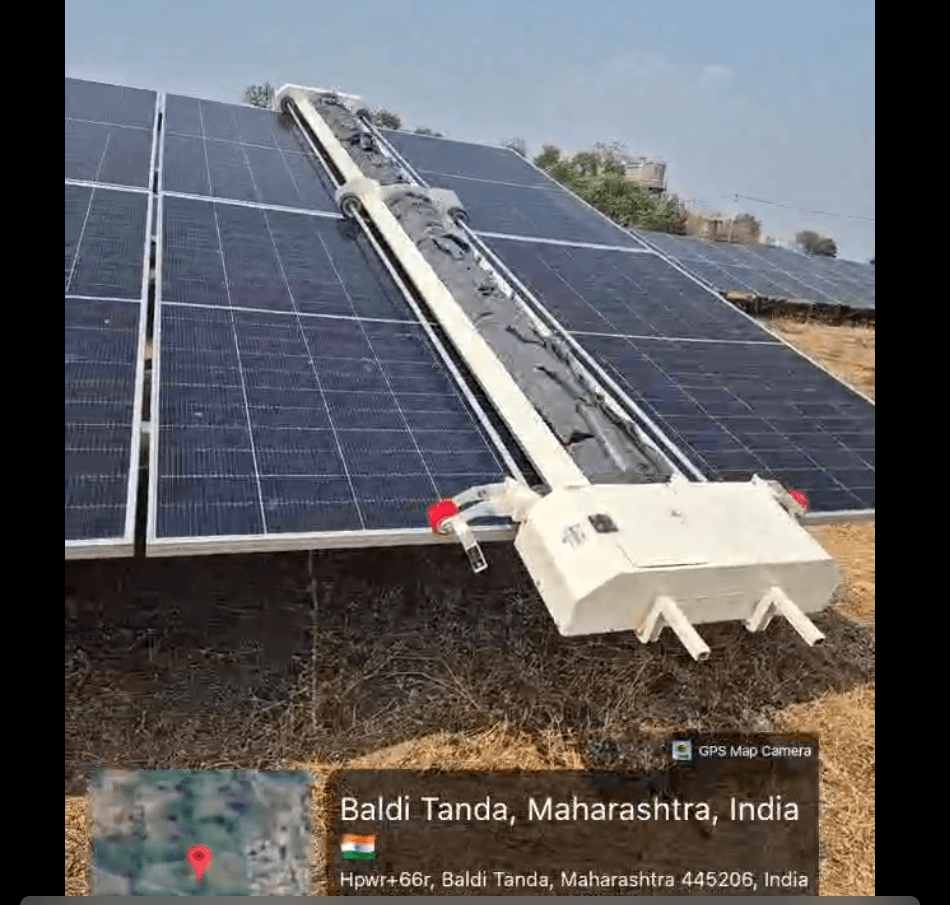
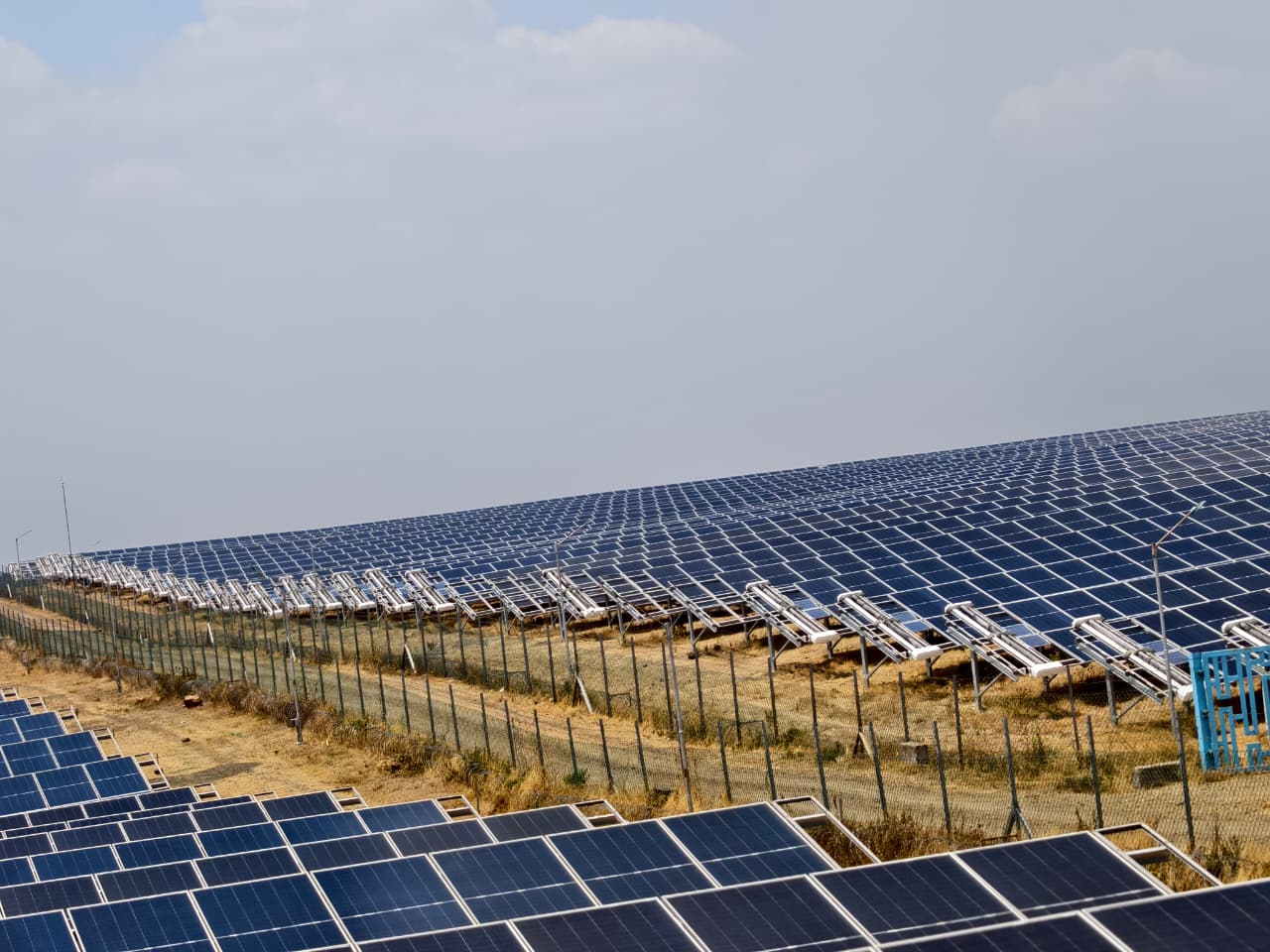
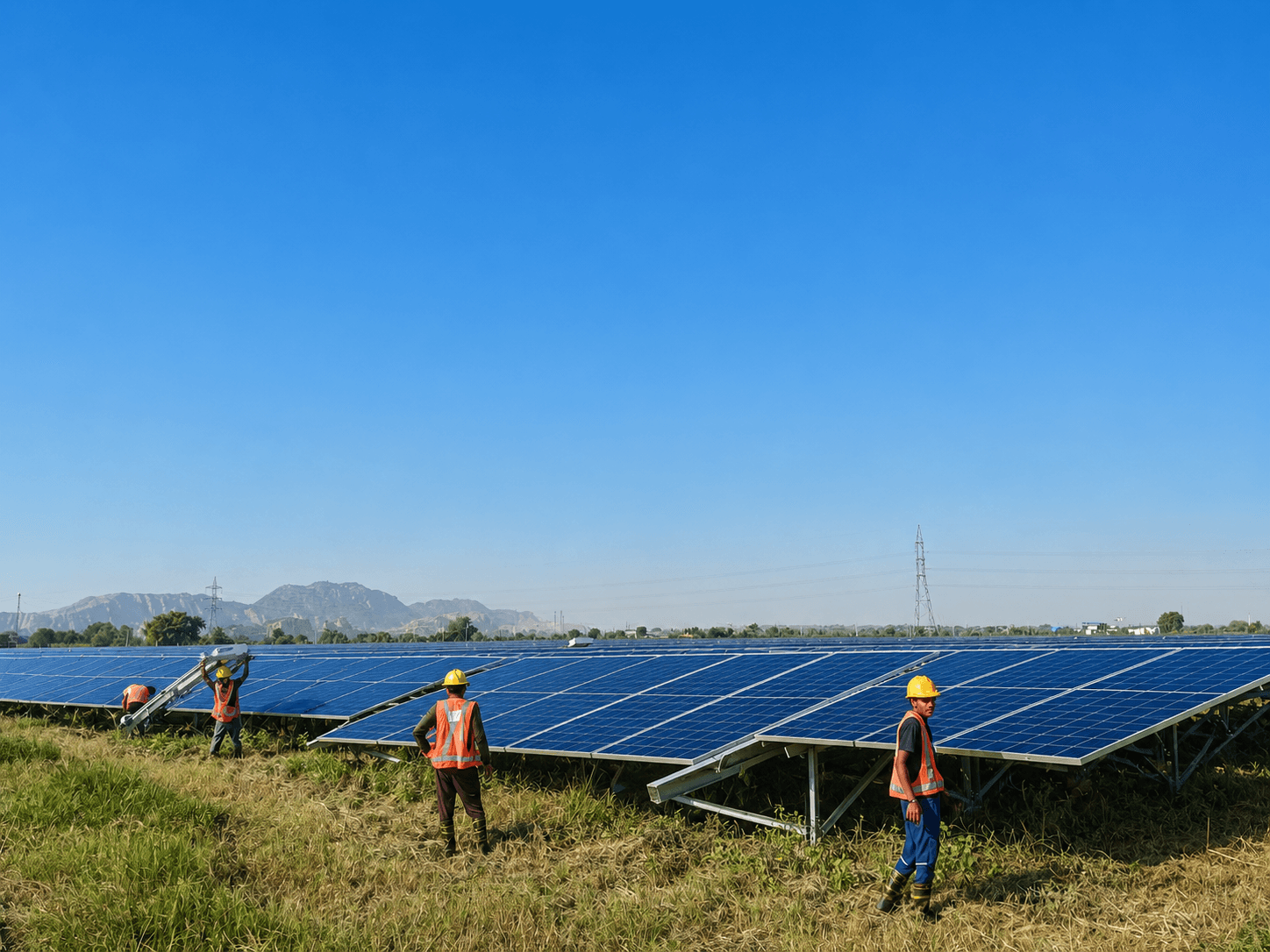
Cleaning at airports and large infrastructure sites is more than just removing dust. It is a systematic way to manage how PV modules interact with unique pollutants. These sites face jet exhaust, fine dust from heavy traffic, and strict safety rules. For operators, cleaning is a core part of utility-scale solar operations. It helps keep energy production high in sensitive areas.
Large sites often have land-use limits. These limits make manual maintenance difficult. Unlike remote projects, airport solar sites need maintenance that does not interrupt operations. Manual methods use too much water. Many high-security zones strictly monitor or limit water use. Instead, use autonomous tools that work within specific maintenance windows. Success requires moving from random cleaning to data-led actions. These actions must account for site dust and strict access rules.
Use intelligent fleet management to set cleaning cycles based on real-time data. Do not rely on fixed calendar dates. Even small performance drops can cause large financial losses. Managers should aim for a consistent Annual Performance Ratio (PR). Success means keeping PR within 2% of the maximum, despite local dust or aerosols.
Technical challenges of large-scale infrastructure solar O&M
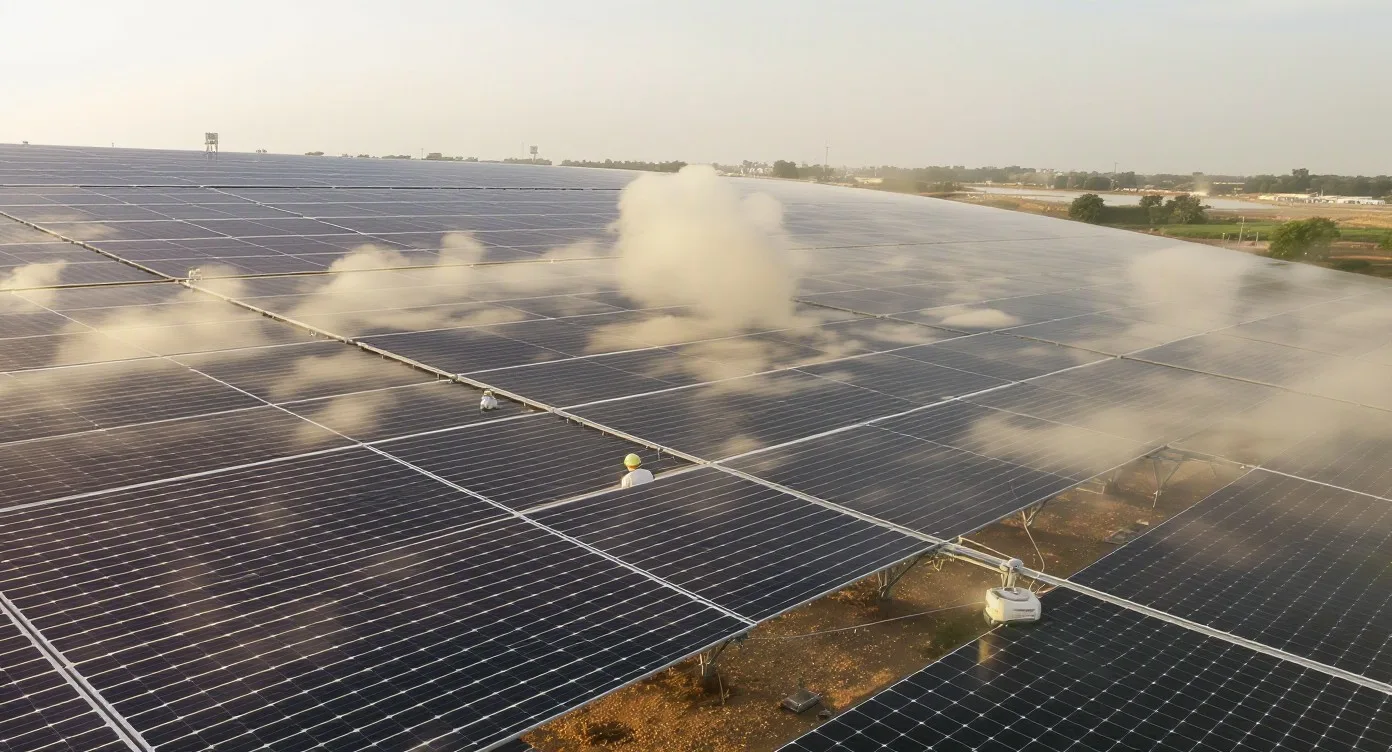
Solar assets at airports face unique hurdles. These differ from standard remote plants. The main challenge is the local soiling profile. Indian regions have dust and grit. However, these sites also face jet fuel exhaust and rubber particles from runways. These oily aerosols stick to modules more than regular dust. They may require specialized cleaning to prevent coating degradation or glass etching.
Physical access is the second major constraint. Security rules at infrastructure sites are very strict. Manual crews face long delays for clearance. This makes traditional wet cleaning expensive and complex. Wet cleaning needs water tankers, hoses, and large teams. Relying on manual labor creates operational risk. If a team is delayed at a security gate, energy losses can quickly exceed the cost of automation. Waterless robots offer more control over the maintenance cycle without external logistics.
Finally, these plants often have strict uptime requirements. Airport solar is often part of critical power microgrids. Inconsistent performance can hurt local grid stability. Dust buildup causes PR drift. Frequent, data-driven cleaning prevents these shortfalls. Using SCADA-integrated cleaning fleets helps bridge this gap. This ensures modules stay clean regardless of traffic or air quality.
How often should you clean solar panels on large infrastructure sites?
Cleaning frequency at airports depends on local dust, not a calendar. In dry areas with high industrial traffic, clean every 7 to 15 days. This protects the Annual Performance Ratio (PR). Some cleaner sites clean every 21 to 30 days. However, rubber and fuel exhaust at infrastructure sites create film quickly. This requires more frequent cleaning to prevent permanent staining.
You must set your fleet sizing based on soiling thresholds. Watch your SCADA data for PR declines. If PR drops by 0.15% to 0.2% daily, it is time to clean. Ignoring this leads to revenue loss. For a 50 MW plant, real-time cleaning keeps the PR between 80% and 84% during the dry season.
Advertisement
Use these technical triggers for airport cleaning schedules:
- Soiling Thresholds: Start cleaning when energy yield drops by >2% in a specific block.
- Air Quality Index (AQI): Sync robot cleaning with high aerosol or dust events.
- Infrastructure Traffic Peaks: Clean more often during high traffic or low rain seasons.
- Robot Uptime: Ensure your SCADA-integrated fleet can cover all rows within 48 hours of a trigger.
This data-led approach reduces costs and risks. It prevents oily layers from building up. This keeps the solar asset healthy for the long term.
Implementing a multi-stage cleaning schedule for MW-scale plants
A tiered cleaning schedule manages costs and protects asset value. Do not clean the whole site at once. Instead, divide the site into zones based on dust levels. Areas near runways or unpaved paths get more dust. Prioritize these areas for weekly or bi-weekly cleaning. Low-traffic zones may only need monthly cycles.
This method uses SCADA-integrated cleaning fleets. Deploy them based on real-time data. This modular program prevents wasting effort on clean rows. It ensures heavy areas are cleaned before they hit a 15% energy loss. Good fleet sizing is vital. Your fleet must handle peak soiling without needing extra robots.
Follow these steps for an effective schedule:
- Define Soiling Zones: Group blocks by proximity to runways and roads.
- Establish Threshold Triggers: Set a trigger for a 0.15% daily PR decline in SCADA.
- Staggered Deployment: Send robots to high-priority blocks first.
- Continuous Audit: Use cleaning fleet telemetry to compare yield recovery against cost.
This strategy moves maintenance from reactive to predictable. It is perfect for sites with strict security or logistics rules.
Comparing water-intensive vs. waterless cleaning for high-security sites
At airports, the logistics of cleaning are as important as the cleaning itself. Water-heavy methods like tankers or hoses create many hurdles. Heavy vehicles must enter restricted zones. This requires security escorts and gate passes. This can turn a few days of work into weeks. Also, large water tanks can cause mud or damage hardware with high pressure.
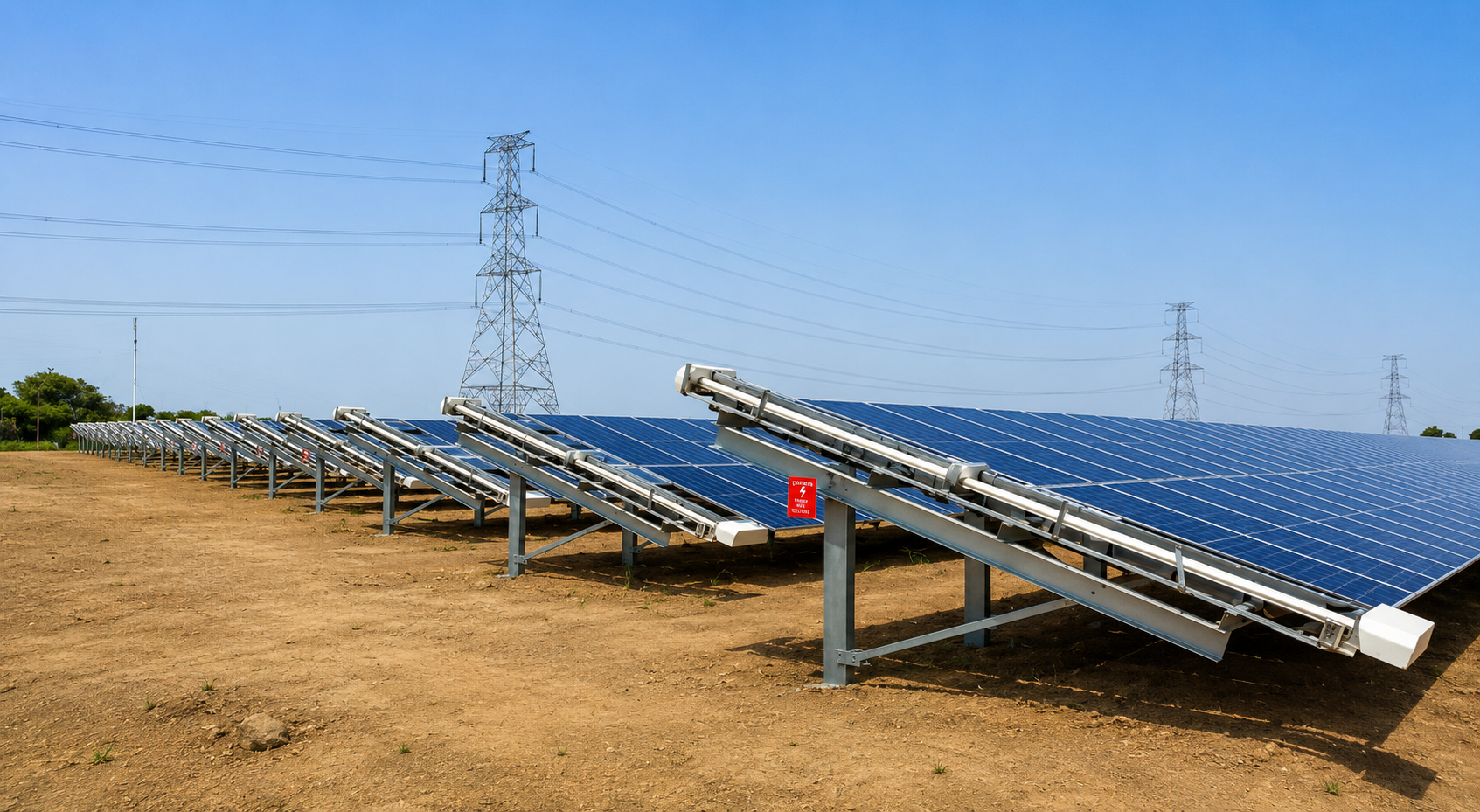
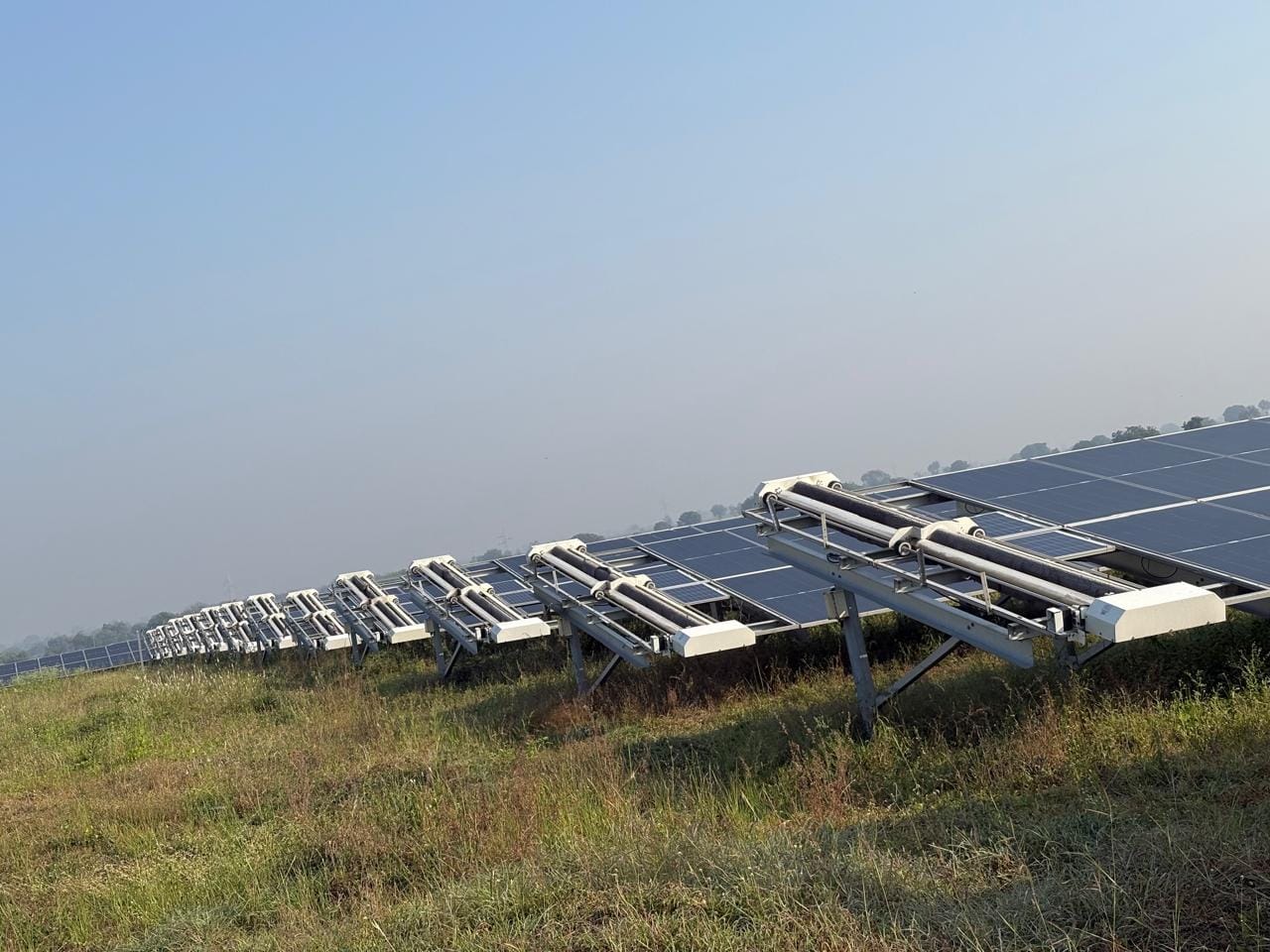
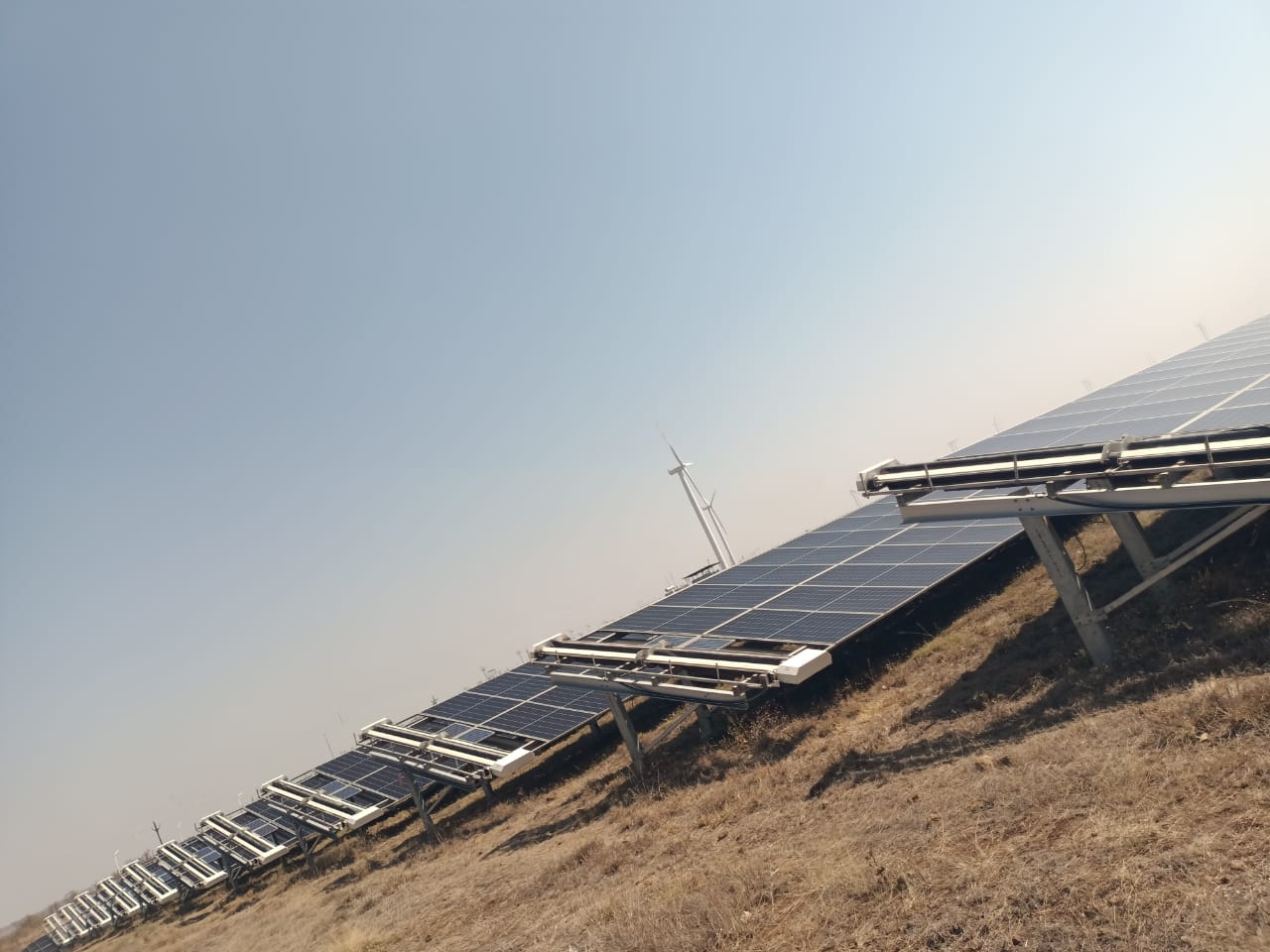
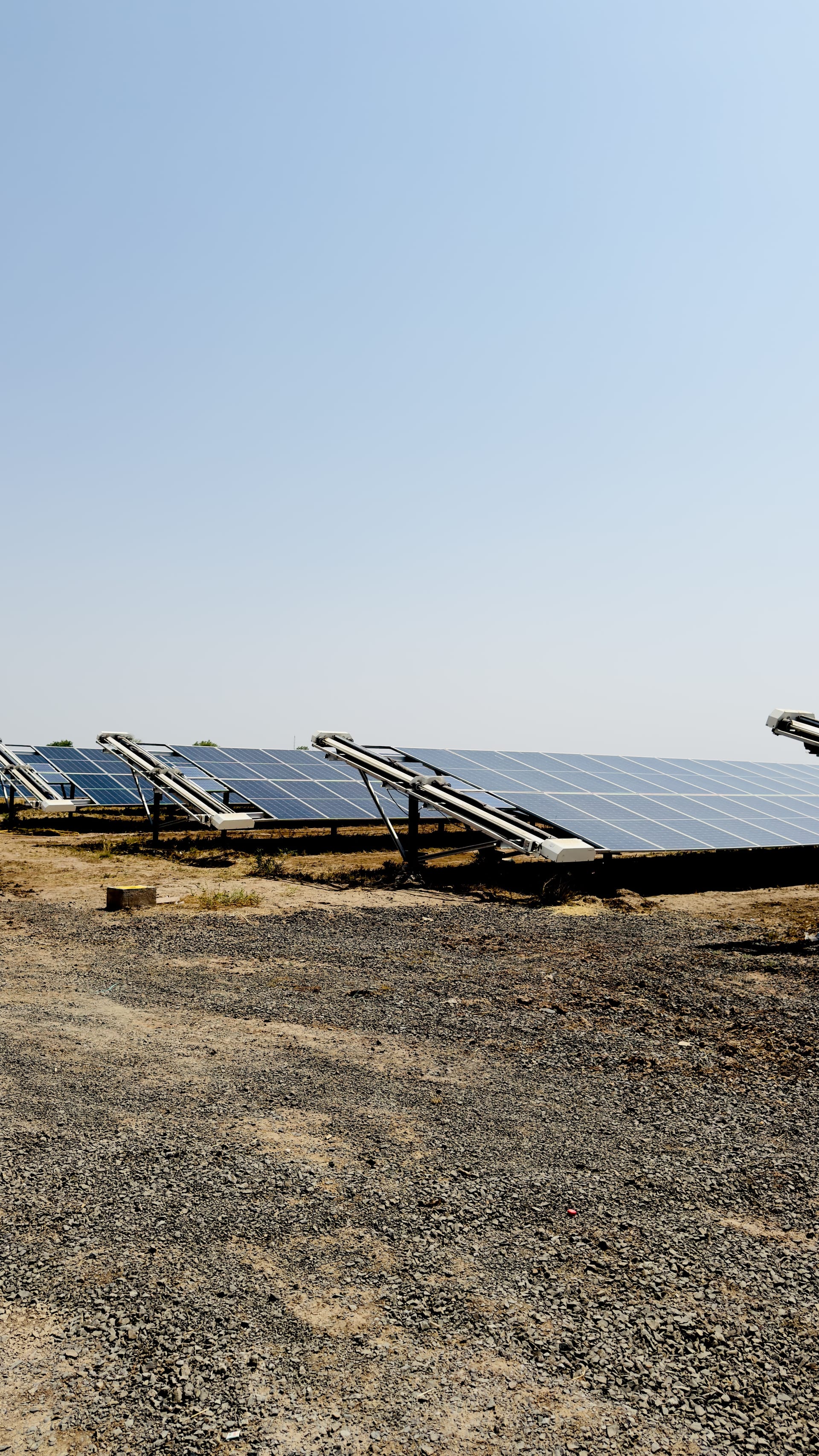
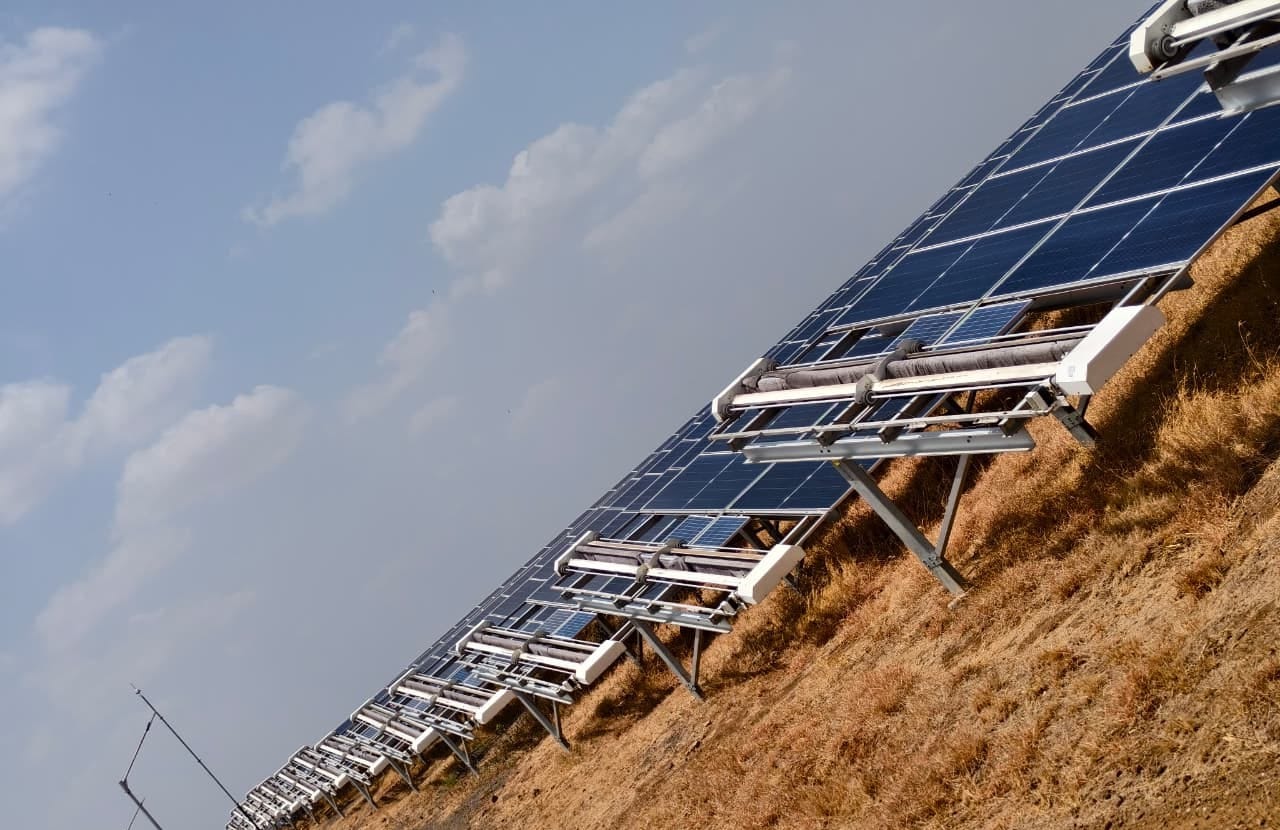
Waterless, autonomous systems are better for secure sites. They decentralize the O&M process. Robots like the GLYDE or NYUMA stay on-site. This removes the need for daily vehicle access or manual labor. Once installed, the cleaning happens automatically via SCADA. This reduces both security risks and downtime.
| Factor | Water-Intensive Cleaning | Waterless Robotic Cleaning |
|---|---|---|
| Site Security Impact | High: Requires vehicle/personnel access | Low: Fully autonomous, minimal human need |
| Operational Logistics | Heavy: Tankers, escorts, logistics | None: Docked, solar-powered systems |
| Water Requirement | Significant: 1–2 litres/module/clean | Zero: Dry cleaning technology |
| Compliance Overhead | High: Vehicle permits, safety checks | Low: Standard SCADA reporting |
| Infrastructure Risks | Potential mud, high-pressure damage | Controlled, surface-safe cleaning |
Plant managers must weigh downtime costs against schedule stability. Waterless fleets provide a reliable routine. They protect the PR without the volatility of manual labor. This predictability is vital for sites with strict revenue guarantees. It keeps dust-driven losses below 10-15% in dry Indian regions.
Managing logistical and safety constraints at airport solar installations
Airport solar sites have unique challenges. Security rules make cleaning a complex task. Mandatory background checks and flight path rules can slow things down. Scheduling water tankers often leads to delays. Every truck needs approval and an escort. This raises the cost and time of every cycle.
To fix this, move toward autonomous solutions. Use autonomous robots like the GLYDE or NYUMA series. These units decouple cleaning from vehicle logistics. Since they stay within the plant, they do not need repeated security clearance. They are ready to work once installed.
Safety is also vital. Airport sites must manage foreign object debris (FOD). Manual cleaning uses hoses and rags that can pose risks to runways. Dry cleaning robots avoid this. They operate in a closed-loop environment. They also prevent water spills that cause slips or soil erosion. Choose equipment with remote telemetry through NECTYR. This lets you monitor cleaning from a control room. You can ensure a high PR while meeting strict safety standards.
What plant managers should do next
Moving to a data-driven cleaning protocol protects your energy yield. This is the best way to manage India's harsh climate. Start by auditing your current cleaning frequency. Identify common soil types at your site. This helps you move from reactive to predictive maintenance.
Follow these steps to modernize your strategy:
- Conduct a soiling analysis this quarter. Find the exact PR drop that triggers cleaning.
- Review your budget. Compare the cost of manual versus automated cleaning. Include costs for transport and insurance.
- Check your plant layout. Ensure row spacing is ready for robotic upgrades.
- Use fleet sizing tools to model your needs.
- Assess your carbon credit potential. Use NECTYR to turn cleaning data into an ESG metric.
A documented cleaning regime reduces operational risk. It works for 50 MW plants and multi-gigawatt parks alike. Waterless technology ensures asset health and meets grid mandates.
Sources and further reading
Frequently asked questions
Managing solar cleaning at airports and large infrastructure sites is complex. You must balance strict security rules with high performance standards.
In dusty Indian regions, soiling can cause energy yield reductions ranging from 10% to 30%. Operators should monitor the performance ratio and initiate cleaning once soiling-induced losses exceed 3% of the baseline performance ratio.
Yes, waterless robotic cleaning is the recommended priority for high-security and high-traffic airport zones. This approach helps in adhering to site safety protocols while mitigating performance drift in environments where water consumption is strictly monitored or discouraged.
The recommended cleaning frequency is every 7 to 14 days. The exact interval depends on the local air quality index and the specific dust levels present at the installation site.