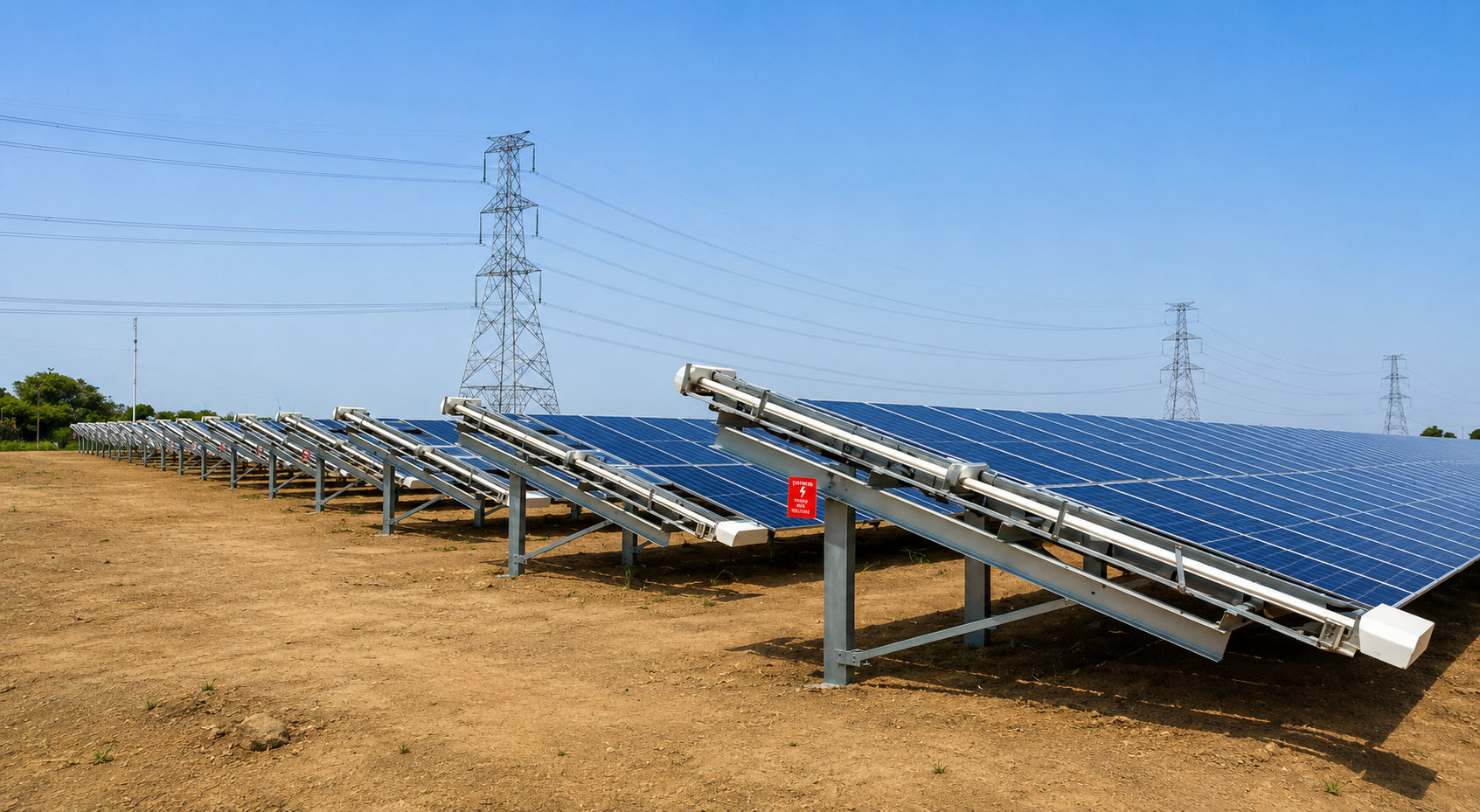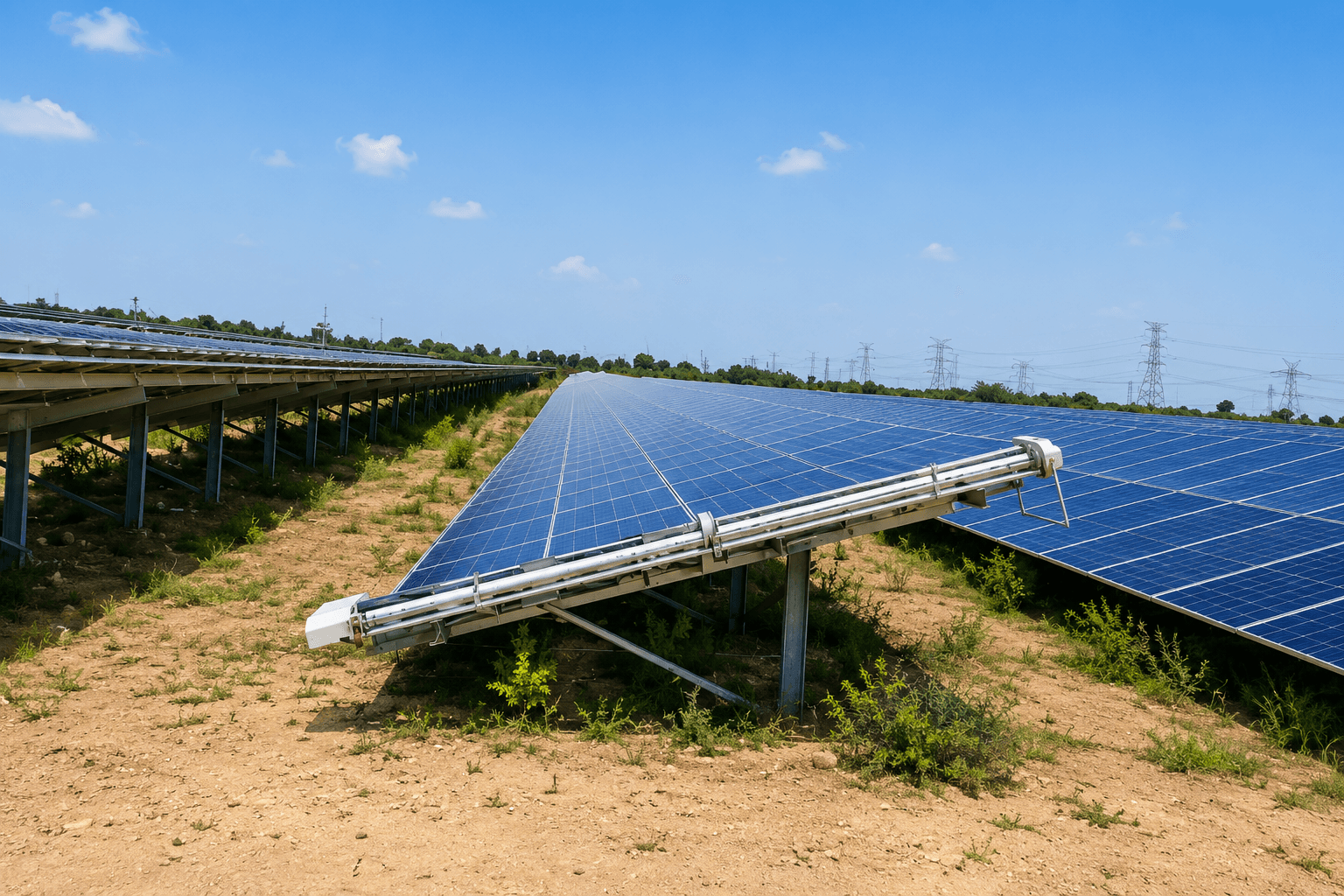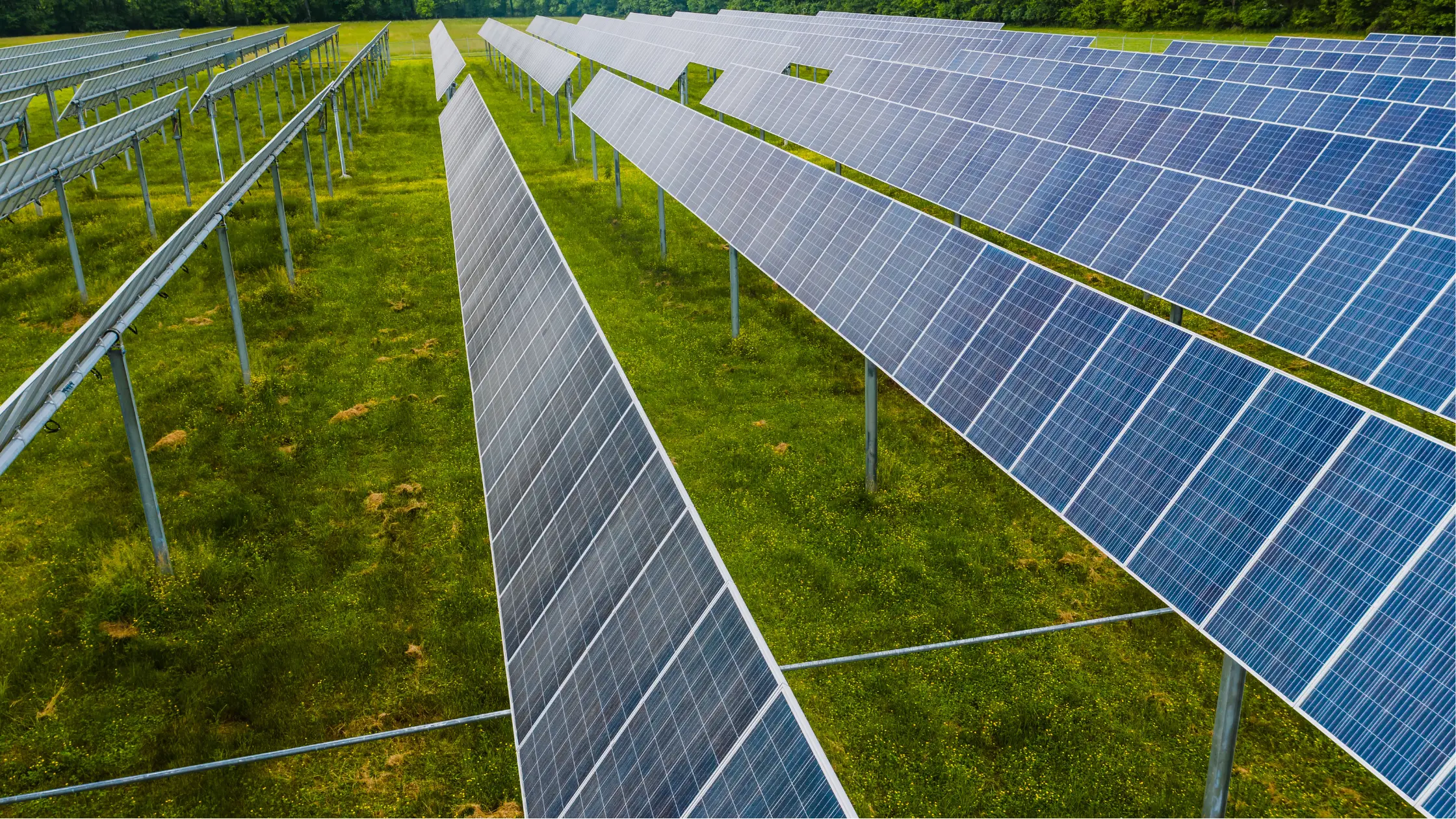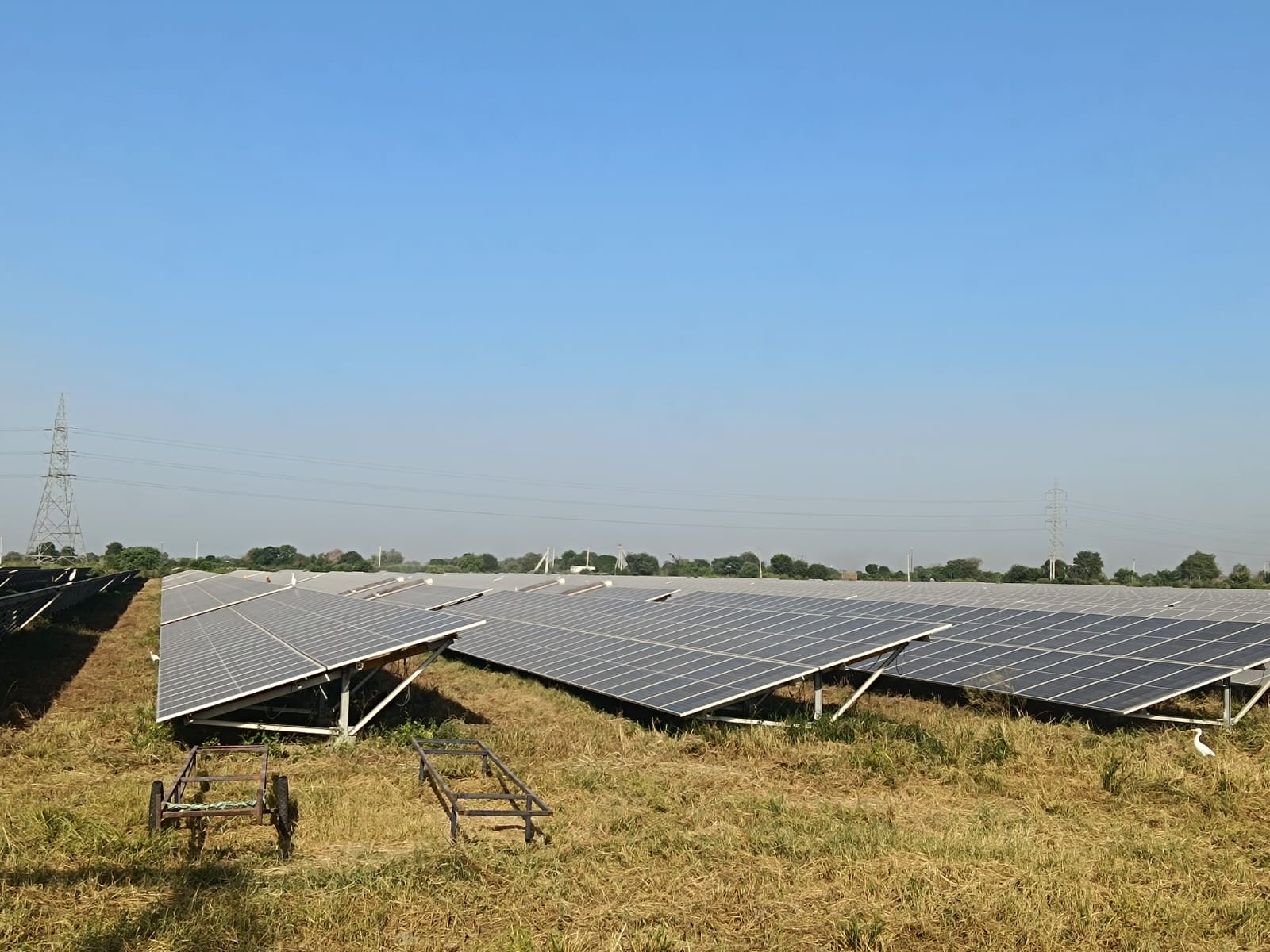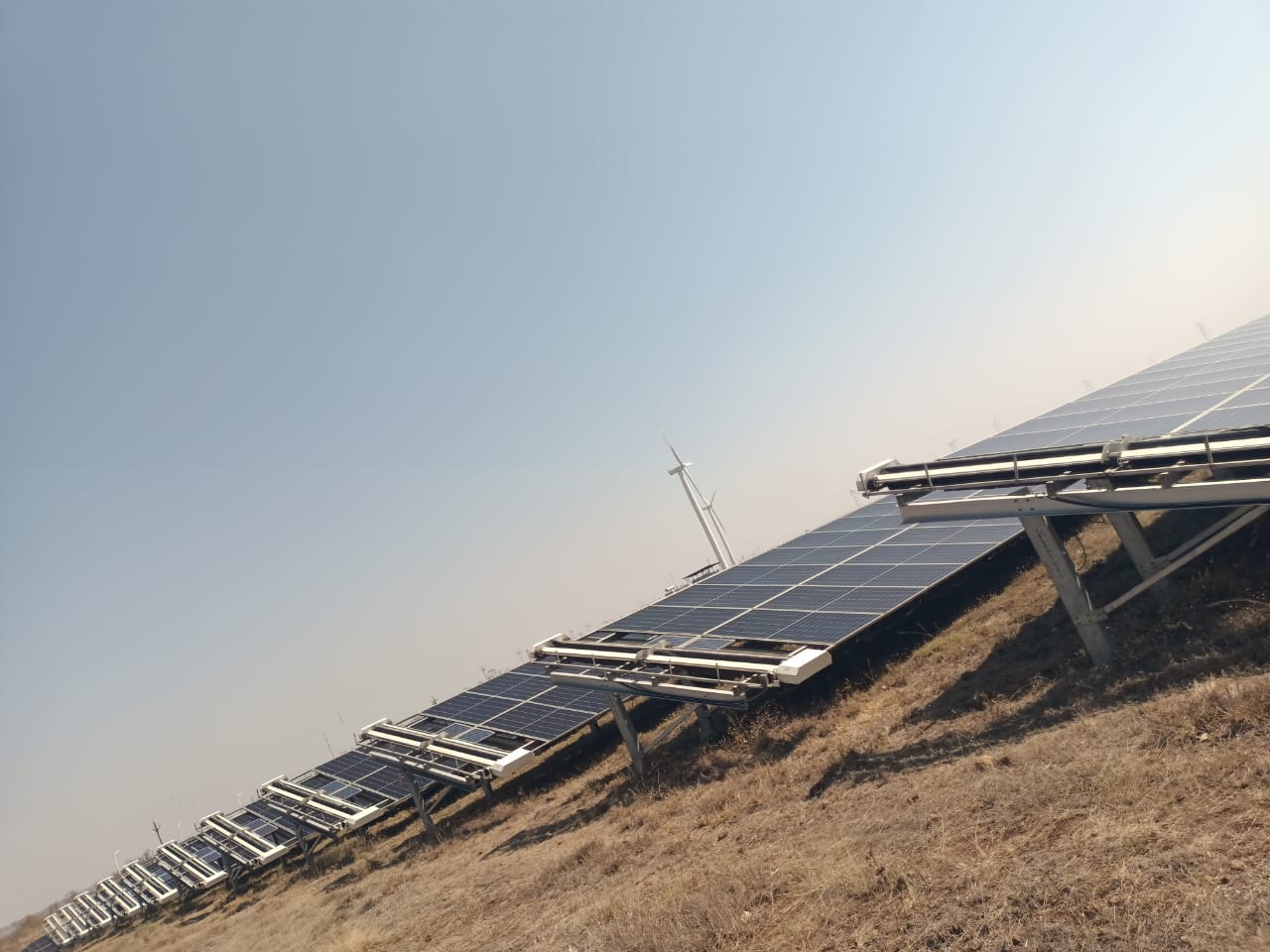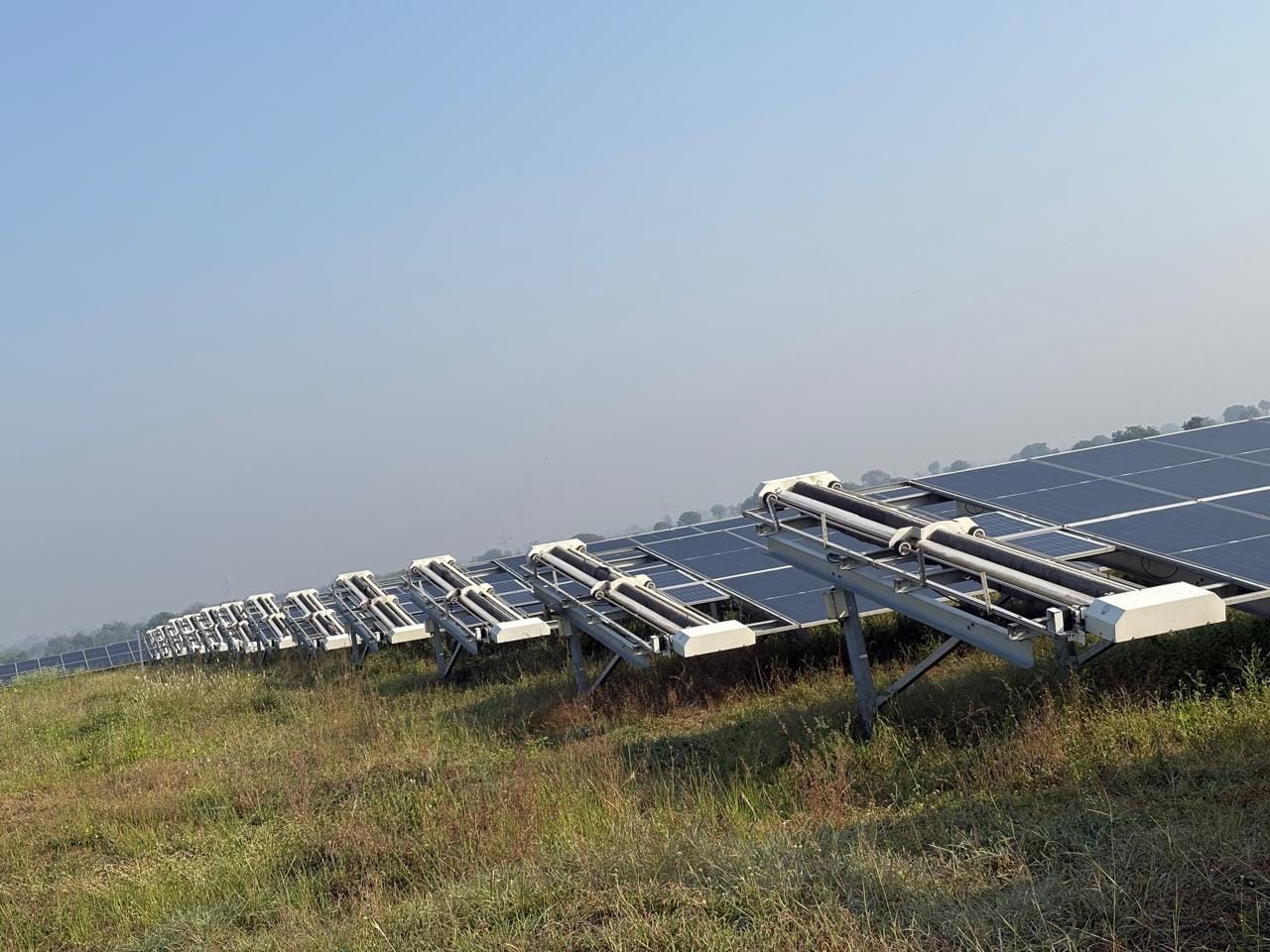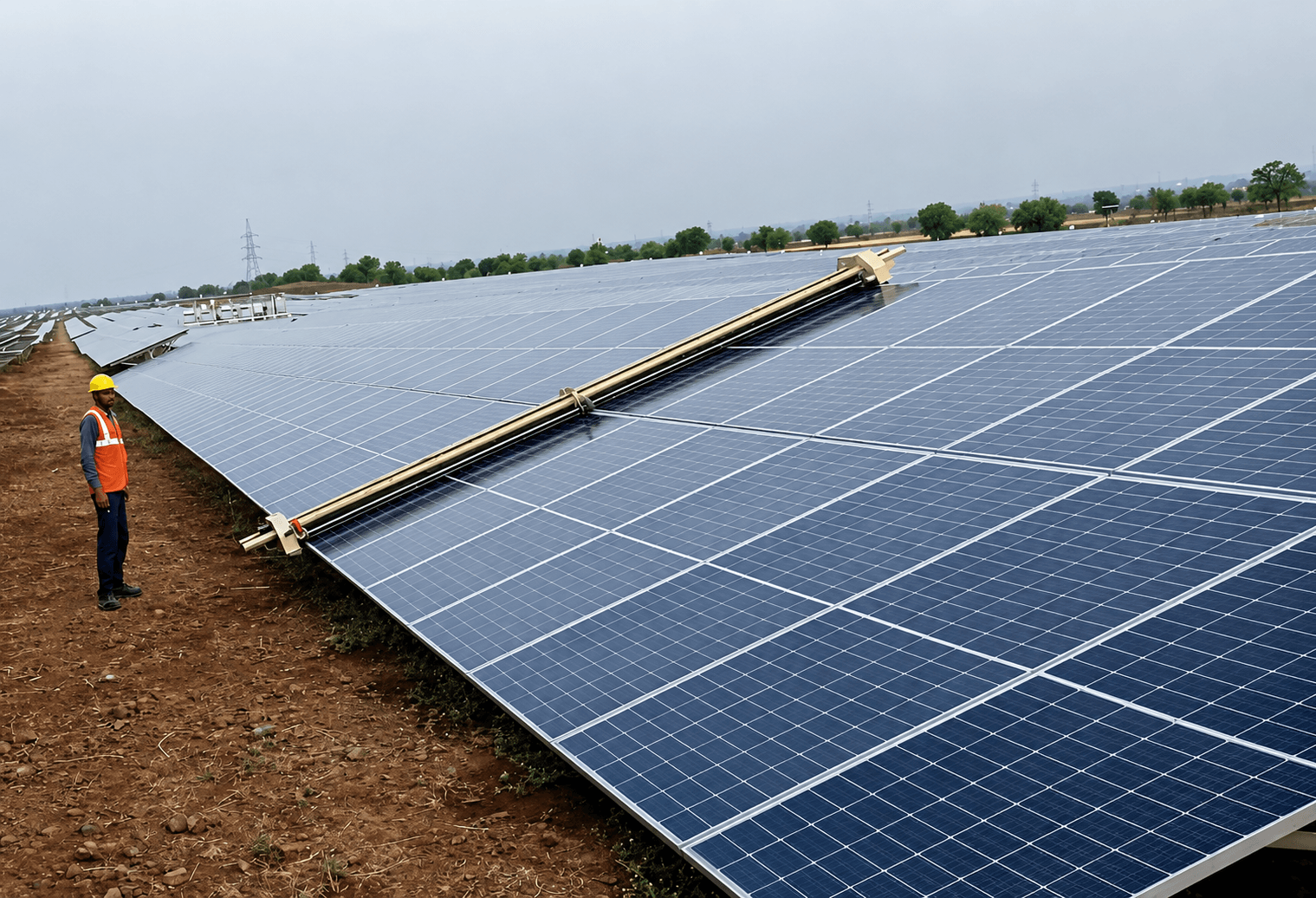
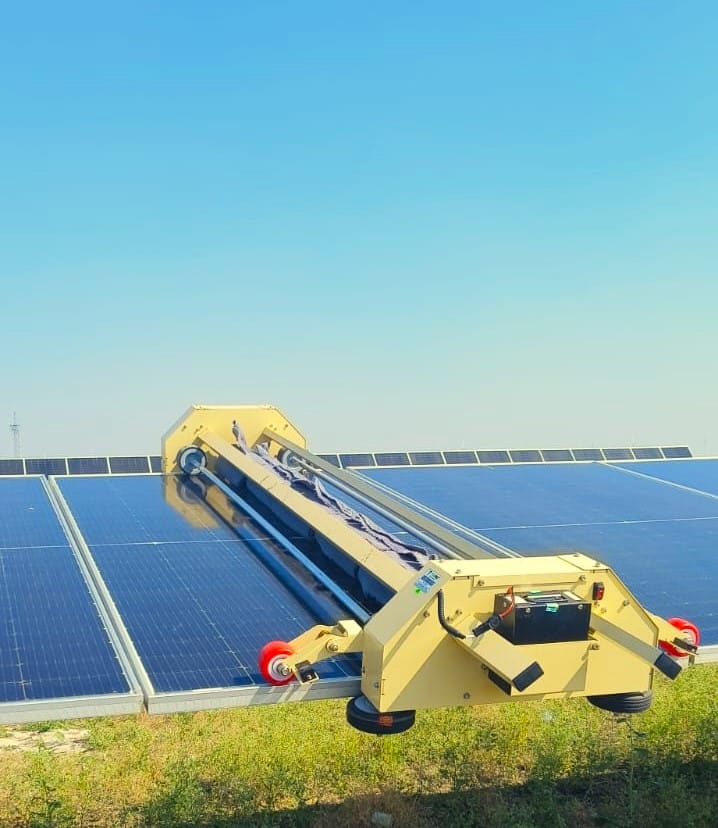
Stalled PR and the 5MW threshold: A scene from the field
In the Indian utility landscape, performance ratio (PR) decay is rarely uniform across a 5MW or 50MW asset. As site managers monitor daily yield, they often find that fixed-tilt blocks and tracker-mounted arrays experience divergent soiling rates even when geographically adjacent. For an asset owner, this discrepancy is not just an operational nuance; it represents an uncontrolled revenue leak. If your O&M model assumes a standard quarterly cleaning cadence across all structural types, you are likely undercounting soiling-driven losses by 3% to 7% on tracker rows while potentially over-investing in fixed-tilt maintenance. For insights on quantifying these operational inefficiencies, read our breakdown on performance ratio and soft-loss triage.
The 5MW threshold serves as a critical operational pivot point. Below this scale, manual cleaning schedules are often managed via local labor pools without sophisticated structural mapping. However, once you cross the 5MW mark, the incompatibility between robot kinematics and mounting structures becomes a primary obstacle. A cleaning robot that thrives on the uniform geometry of fixed-tilt tables may lack the articulation needed to navigate the varying tilt angles of single-axis trackers. This mismatch leads to inefficient brush contact, increased module stress, and ultimately, an incomplete cleaning cycle that requires expensive manual intervention to rectify.
Technical compatibility: Tracker vs fixed-tilt cleaning robot constraints
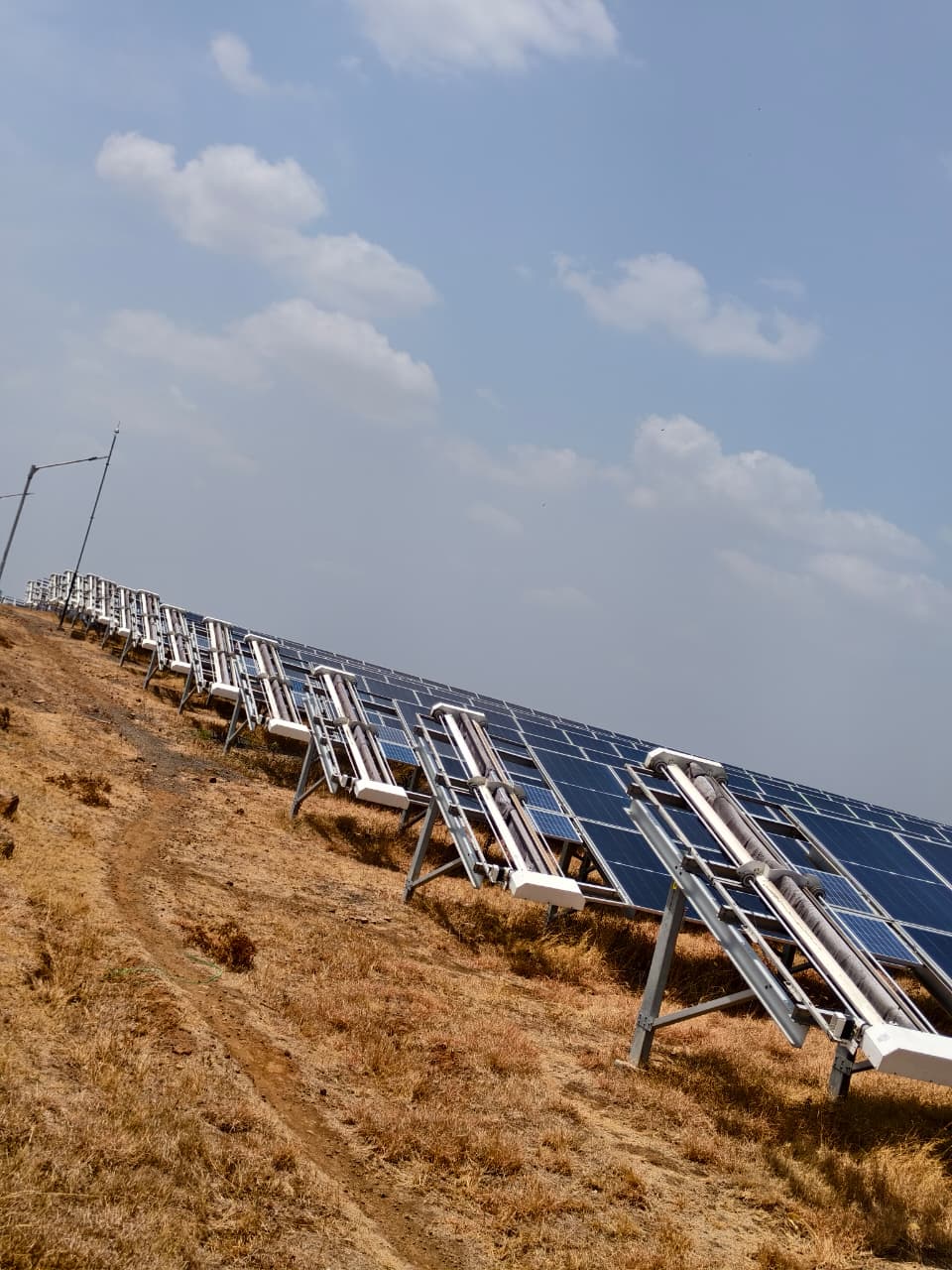
The core of tracker fixed tilt cleaning robot compatibility lies in understanding structural clearance and mechanical navigation limits. Fixed-tilt arrays offer a consistent, static orientation, allowing robots like the NYUMA to follow predictable, linear paths without complex sensor feedback for orientation. These structures are rigid, meaning brush pressure and robot alignment remain constant throughout the row. In contrast, tracker-mounted modules undergo dynamic tilting of up to 52 degrees throughout the day, creating an ever-changing surface profile for the robot. When evaluating your hardware, consider best solar panels for utility scale in India to ensure your module frame strength is compatible with high-frequency robotic cleaning.
To maintain 99% cleaning efficiency on a tracker-based utility site, the robot must possess a flexible body and a 360-degree rotational bridge, such as the architecture found in the GLYDE-X. Standard fixed-tilt robots often fail here, as they cannot adjust to the inter-row movement or the varying slope of the tracking table as it follows the sun. Operators must evaluate whether their robotic fleet hardware supports:
- Dynamic module tilt ranges (typically -52 degrees to +52 degrees for single-axis trackers).
- Automatic row-transfer capabilities to navigate gaps between tracker tables.
- Consistent brush pressure maintenance across uneven, multi-panel table surfaces.
By mapping these technical constraints against your specific plant design, you can avoid the costly downtime associated with robots getting stuck mid-row or causing micro-cracks due to improper contact. For further analysis on revenue impact, see our report on soiling revenue losses and how they dictate your fleet selection strategy.
How does tilt angle variation affect robot navigation and brush pressure?
In utility-scale tracker arrays, the modules are rarely stationary at a flat orientation. As the tracking system adjusts throughout the day, the robot must manage a dynamic incline that can reach 52 degrees. Fixed-tilt robots, which rely on uniform surface geometry, often encounter mechanical drag or loss of traction on these surfaces. If your cleaning system is not equipped with an articulated bridge or a flexible body architecture, the brush will fail to maintain consistent pressure across the entire module row. Beyond simple cleaning, modern operators use automated monitoring systems for utility scale to correlate brush pressure with real-time energy output.
Mechanical inconsistency leads to two distinct risks: inadequate cleaning on the module edges and structural stress from improper robot alignment. When a robot struggles to track a varying slope, it places uneven load on the module frames. Over several months, this can exacerbate existing mounting weaknesses. Tracker-compatible robots like the GLYDE-X utilize 360-degree rotational bridges to maintain stability regardless of the tracker angle. This ensures that the microfiber or PBT contact remains uniform, effectively removing dust and organic matter without relying on gravitational aid.
Step-by-step integration: Mapping your plant structural data
Before commissioning a fleet on a 5MW+ site, you must categorize your structural data into fixed-tilt, seasonal-tilt, or single-axis tracker blocks. Begin by identifying the specific tracker make, such as NEXTracker or Gamechanger, to verify hardware compatibility. Robotic platforms like NYUMA-X are specifically engineered to accommodate these mounting architectures without requiring infrastructure modifications.
Follow this checklist to ensure smooth site-wide integration:
- Audit your row spacing: Ensure that end-row gaps allow for robot parking or row-transfer mechanisms like the CRADYL if your design uses long-string rows.
- Map the tilt profile: Identify the maximum tilt range of your tracker rows to confirm it falls within the 52-degree operational limit of your chosen robot model.
- Verify power and connectivity: Confirm that your plant-wide RF mesh or Wi-Fi network supports the NECTYR telemetry requirements, allowing for remote scheduling and real-time fault detection.
- Test on a pilot block: Before a full deployment, run a one-week pilot test on a single tracker block to evaluate PR improvement and ensure no physical interference occurs during sunrise or sunset stow positions.
Water consumption and O&M logistics for diverse arrays
Managing O&M logistics for a hybrid plant containing both tracker and fixed-tilt blocks requires a bifurcated strategy. Fixed-tilt arrays are predictable; cleaning schedules follow a linear pattern based on seasonal soiling rates. However, tracker arrays introduce a layer of logistical complexity. Because trackers move to optimize irradiance, they create shifting shadows and changing access points, making manual water-based cleaning difficult to coordinate across large MW-scale sites.
For 50MW+ installations in arid regions like Rajasthan or Gujarat, water logistics often become the single largest constraint in the O&M budget. Relying on water-based cleaning for tracker arrays can lead to significant downtime if water tankers cannot navigate the shifting row spacing or if the modules are in a 'stow' position during scheduled cleaning. Transitioning to waterless robotic systems, such as the NYUMA for fixed-tilt or the NYUMA-X for trackers, removes the dependency on local water availability. This shift not only protects the plant's Performance Ratio (PR) but also aligns with the increasing scrutiny on water usage in Indian utility-scale solar projects, a key pillar for ESG reporting for Indian utility solar assets.
When planning your logistics, consider these three operational variables:
- Deployment Speed: Waterless robots like the GLYDE series move at 10–15 metres per minute, providing a consistent cleaning cadence that manual crews cannot match during peak soiling months.
- Access and Maneuverability: Tracker rows may require specific docking stations like the CRADYL to move robots between scattered blocks without manual intervention.
- System Integration: Use NECTYR to synchronize cleaning cycles with the tracker's operational schedule, ensuring robots are never deployed while the array is in high-tilt or stow modes.
Which cleaning approach ensures long-term module health?
Choosing between manual brush cleaning and automated dry robotic cleaning requires evaluating both short-term performance gains and long-term module degradation risks. In high-irradiance regions like Rajasthan or Gujarat, manual cleaning often relies on water-based solutions, which can lead to hard-water scaling if the mineral content is not strictly managed. For utility-scale assets above 5MW, recurring manual friction from abrasive bristles and inconsistent pressure often contributes to micro-cracking and premature anti-reflective coating erosion. For a broader look at industry innovation, review the recent Mint Tech4Good 2024 recognition awarded to automated AI-driven solar maintenance.
Automated dry cleaning solutions, such as the GLYDE or NYUMA series, prioritize contact-safe operation. These robotic platforms apply consistent pressure and utilise specialized materials like microfiber or PBT brushes to lift particulate matter without water or excessive friction. By automating the cleaning cycle, asset managers can maintain a higher performance ratio while reducing the risks associated with human error and mechanical abrasion. When comparing robot models, it is essential to look for systems that are TÜV NORD certified, ensuring the contact mechanism will not compromise the long-term warranty of your PV modules.
Key takeaways for plant managers
- Audit your site design: Confirm if your plant uses single-axis trackers or fixed-tilt structures early, as this dictates whether you need specialized tracker robots like the NYUMA-X or standard platforms like the NYUMA or GLYDE.
- Data-driven scheduling: Do not rely on calendar-based manual cycles; use NECTYR telemetry to trigger cleaning only when soiling thresholds drop below your plant-specific PR targets, preventing unnecessary wear.
- Water usage constraints: In water-stressed regions of India, prioritize waterless robotic solutions to lower O&M OPEX and align with corporate ESG goals, as noted in our guide on manual vs robotic cleaning trade-offs.
- Fleet interoperability: For larger sites using scattered blocks, consider using a CRADYL row-transfer station to increase the efficiency of your robot fleet, reducing the total CAPEX required per MW.
- Measure real impact: Always compare the revenue loss from soiling versus the cost of an automated cleaning program to ensure your PR recovery strategy is financially sound for your specific portfolio size.
Sources and further reading
Frequently asked questions
You should assess your site by evaluating the mechanical navigation limits and structural clearance of your mounting systems. Fixed-tilt arrays require robots designed for static, linear paths, while tracker-mounted systems necessitate robots with flexible bodies and rotational bridges capable of adjusting to dynamic tilt angles up to 52 degrees.
Before deployment, you must verify the inter-row spacing and the robot's ability to maintain brush contact during movement. Because trackers change orientation throughout the day, the robot must be able to accommodate the varying surface profile without incurring module stress or structural interference.
It is generally not feasible to use the same robot for both structures unless the unit features specialized kinematics. Standard fixed-tilt robots lack the articulation required for trackers, while advanced tracker-compatible robots may be over-engineered for the simpler geometry of fixed-tilt tables.
Tracker systems often face higher soiling rates, leading to revenue leaks if maintained with a standard quarterly cadence. Using an incompatible robot on trackers results in inefficient cleaning and higher costs due to the need for manual intervention, whereas fixed-tilt arrays allow for more predictable and cost-effective automated maintenance.