Quick answer: ROI potential for sub-1MW rooftop arrays
Implementing an automated cleaning strategy on a sub-1MW rooftop plant effectively shifts operational spending from high-frequency labor to predictable performance gains. For these smaller arrays, the decision centers on whether current manual cleaning costs and energy losses exceed the investment in autonomous equipment. Asset owners in India often see a clear return by converting manual, water-intensive cycles into automated dry-cleaning schedules that preserve module glass integrity.
- Typical yield recovery: 10% to 30% through optimized, consistent cleaning cycles that prevent long-term soiling cementation.
- Primary ROI drivers: Significant reduction in recurring manual labor overhead and elimination of water procurement and filtration costs.
- Implementation threshold: Most effective in high-dust regions like Rajasthan and Gujarat, or near industrial clusters where air quality index (AQI) levels drive rapid soiling.
- Decision factor: Sub-1MW plants should prioritize automation if site safety constraints, water scarcity, or volatile labor availability threaten consistent Performance Ratio (PR) targets.
For plant managers, the financial advantage is not just in power recovery, but in risk mitigation. Manual cleaning on rooftops introduces safety liabilities and potential for micro-cracks on modules, which often remain undetected until significant degradation occurs. By adopting waterless, autonomous technology, managers protect the long-term health of their assets while securing a stable, automated O&M program that fits within typical commercial and industrial (C&I) project budgets.
Rooftop vs. Ground-Mount: Why cleaning strategies must differ
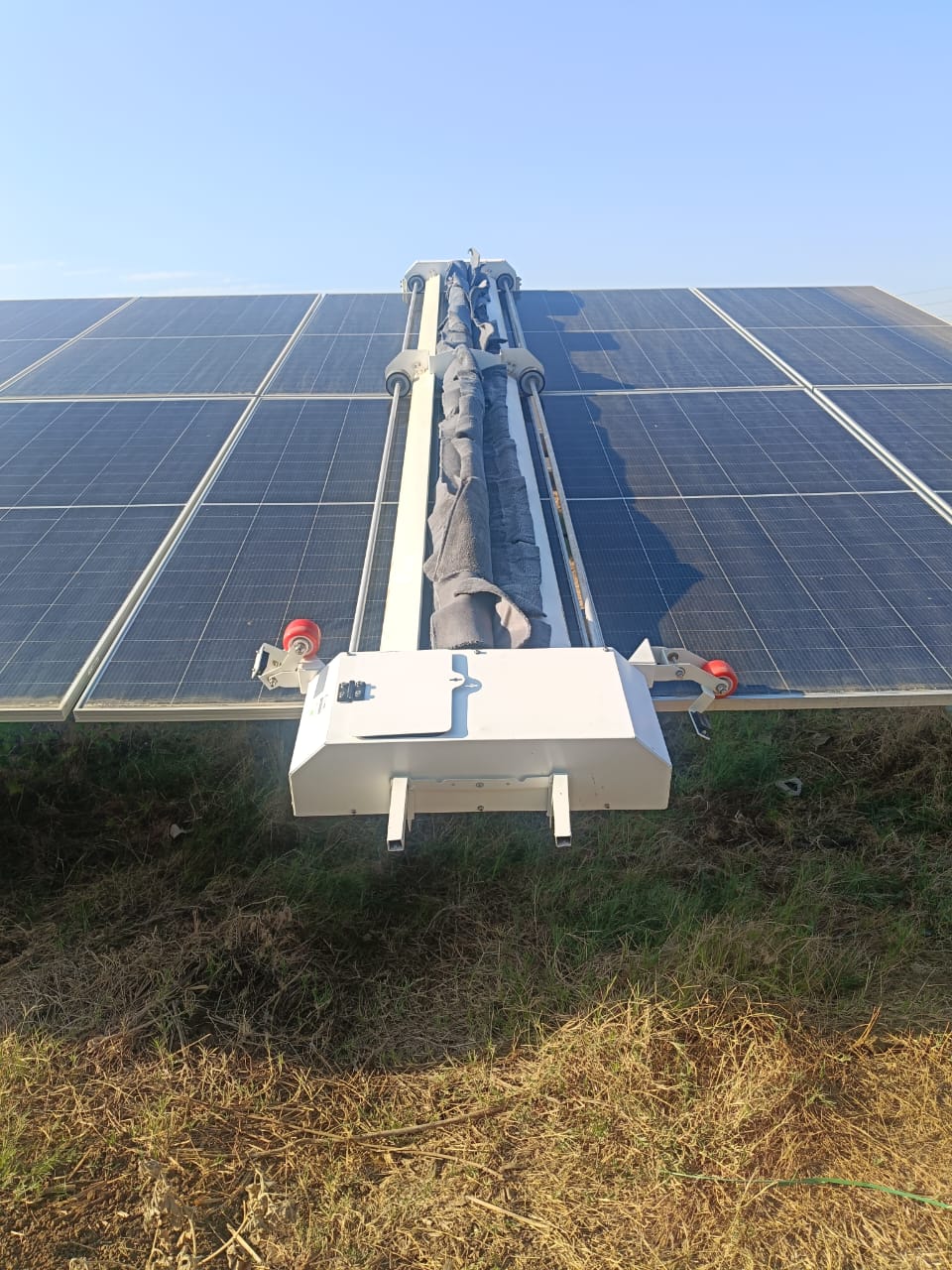
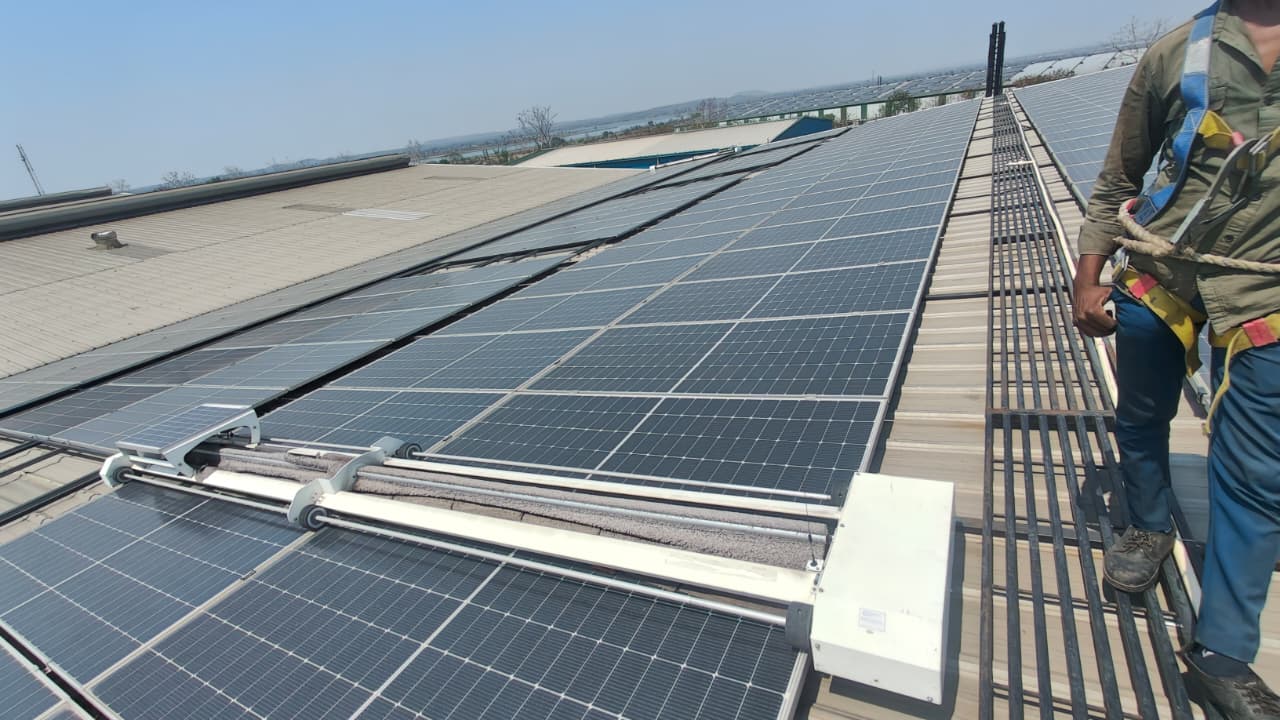
The operational logic for cleaning sub-1MW rooftop arrays diverges significantly from standard ground-mount utility logic. While ground-mount systems benefit from high-speed, continuous-row robotic movement, rooftop installations often face fragmented layouts, parapet constraints, and limited roof load-bearing capacity. These physical realities demand a shift from heavy, high-torque equipment to lighter, portable robotic systems that handle rooftop pitch and spatial irregularities safely.
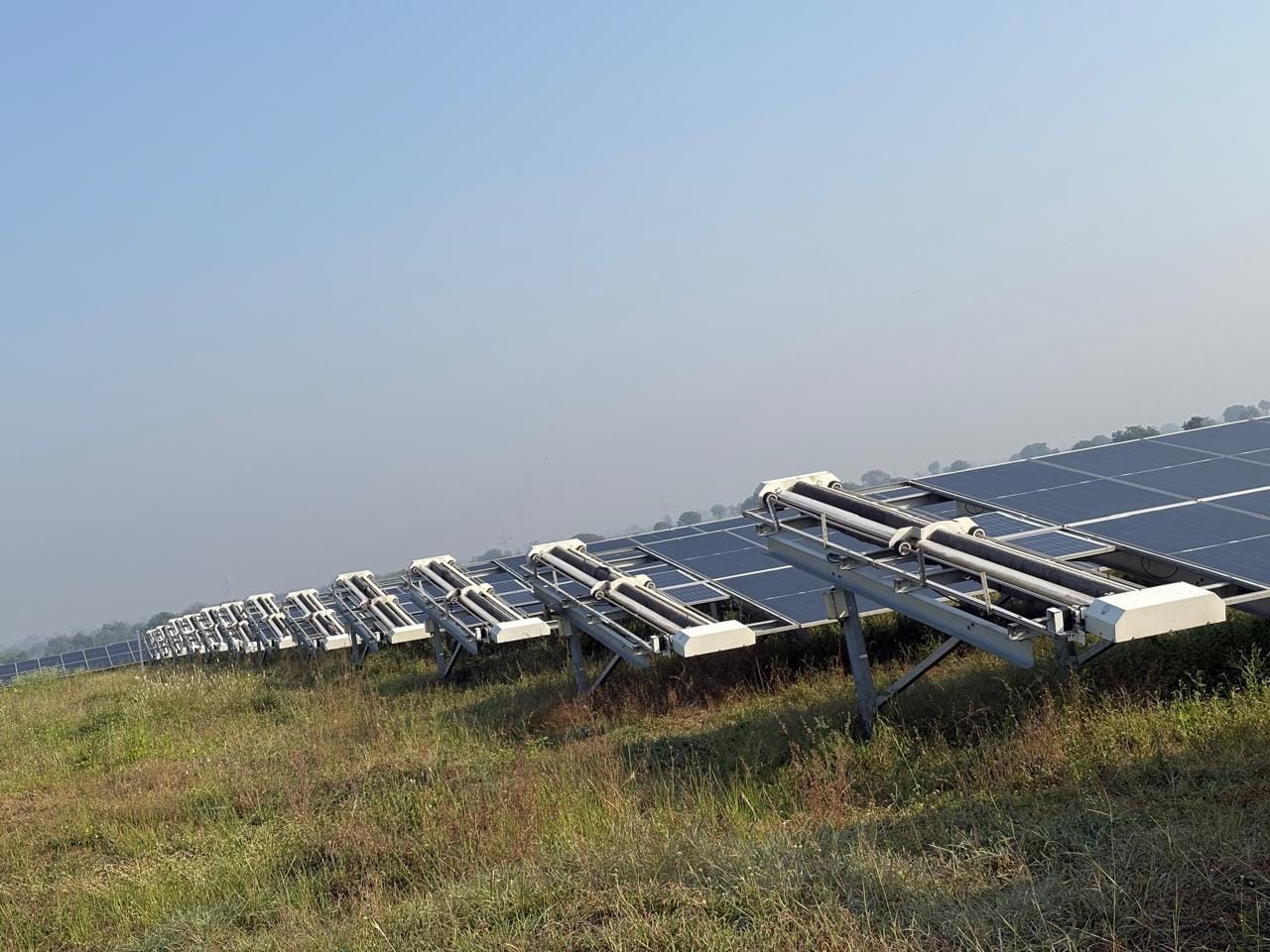
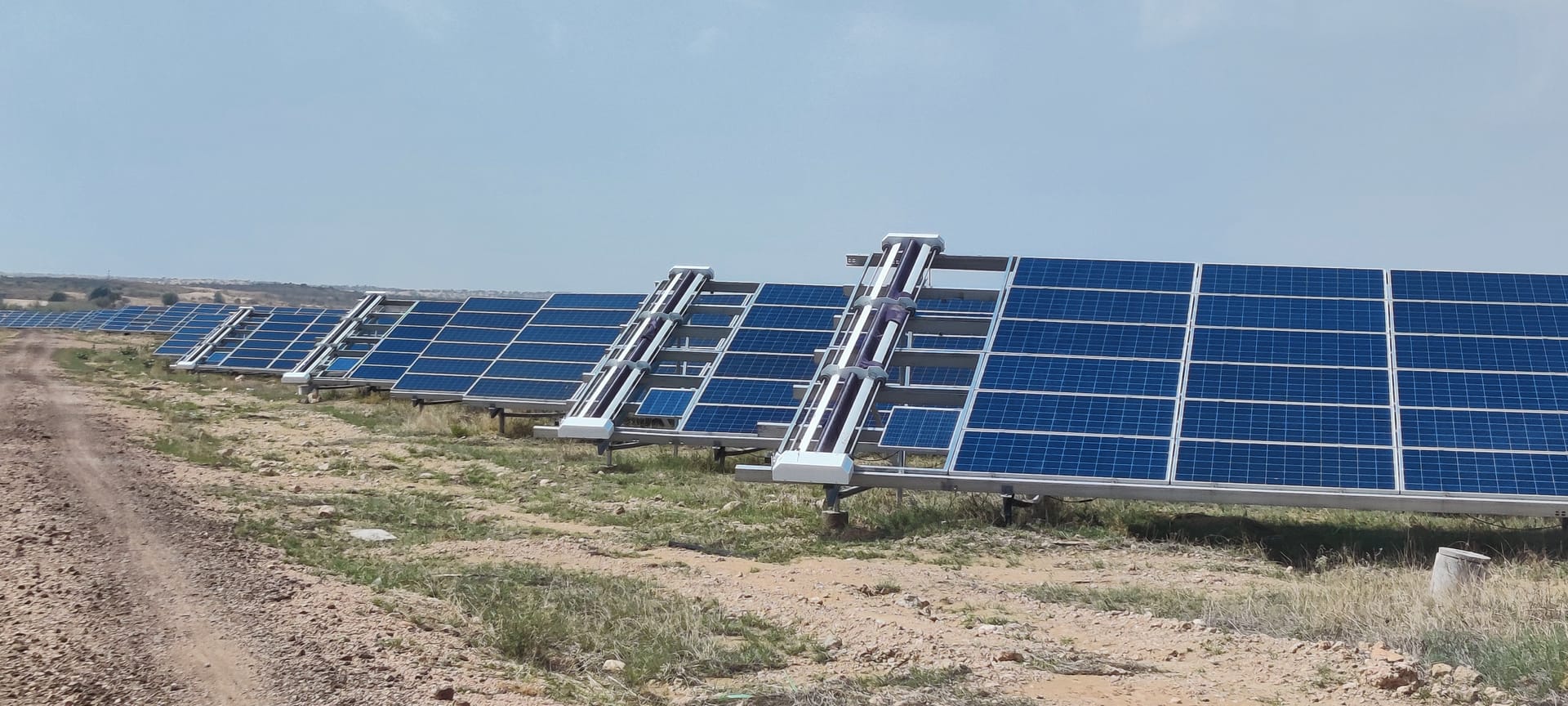
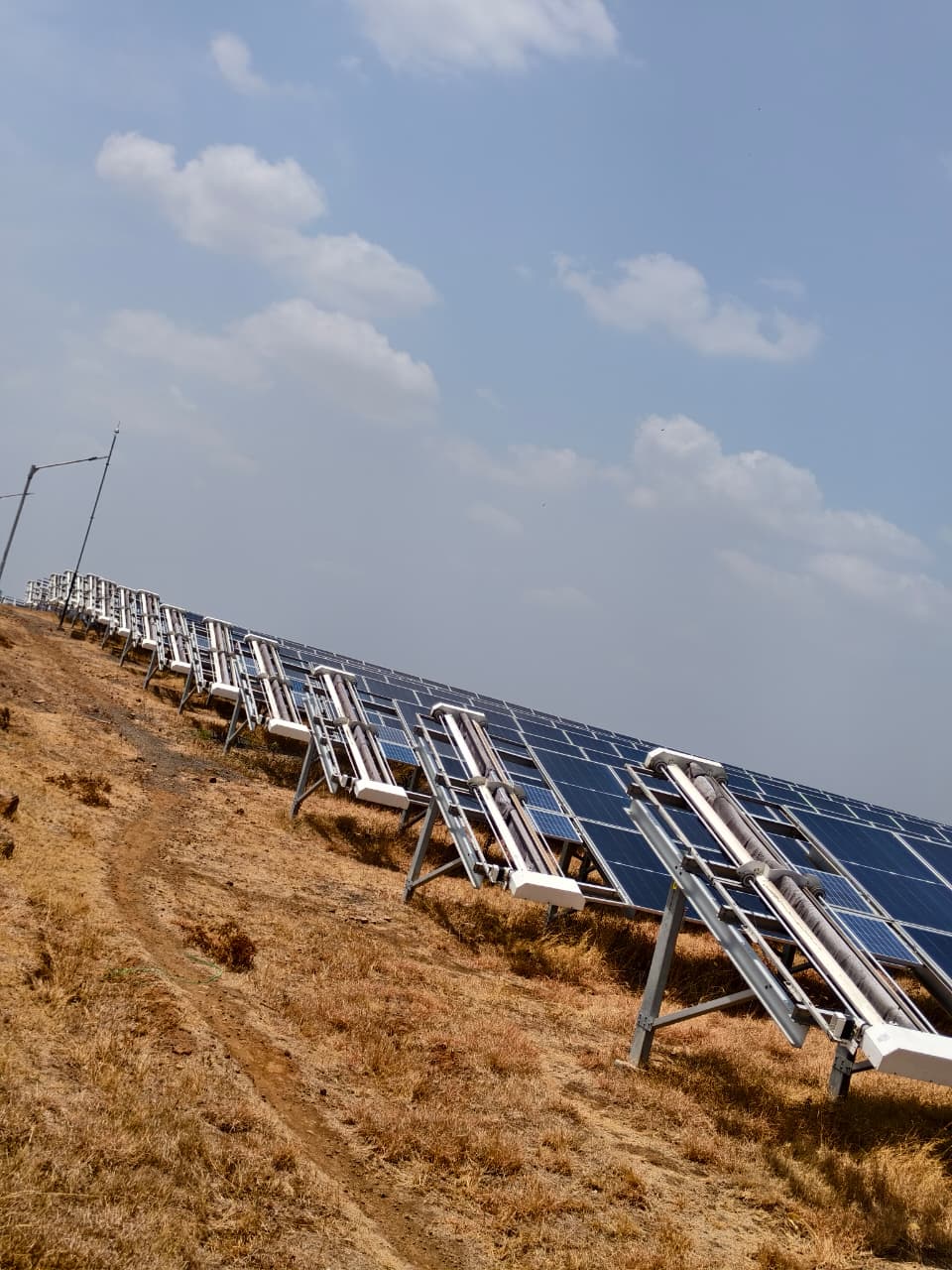
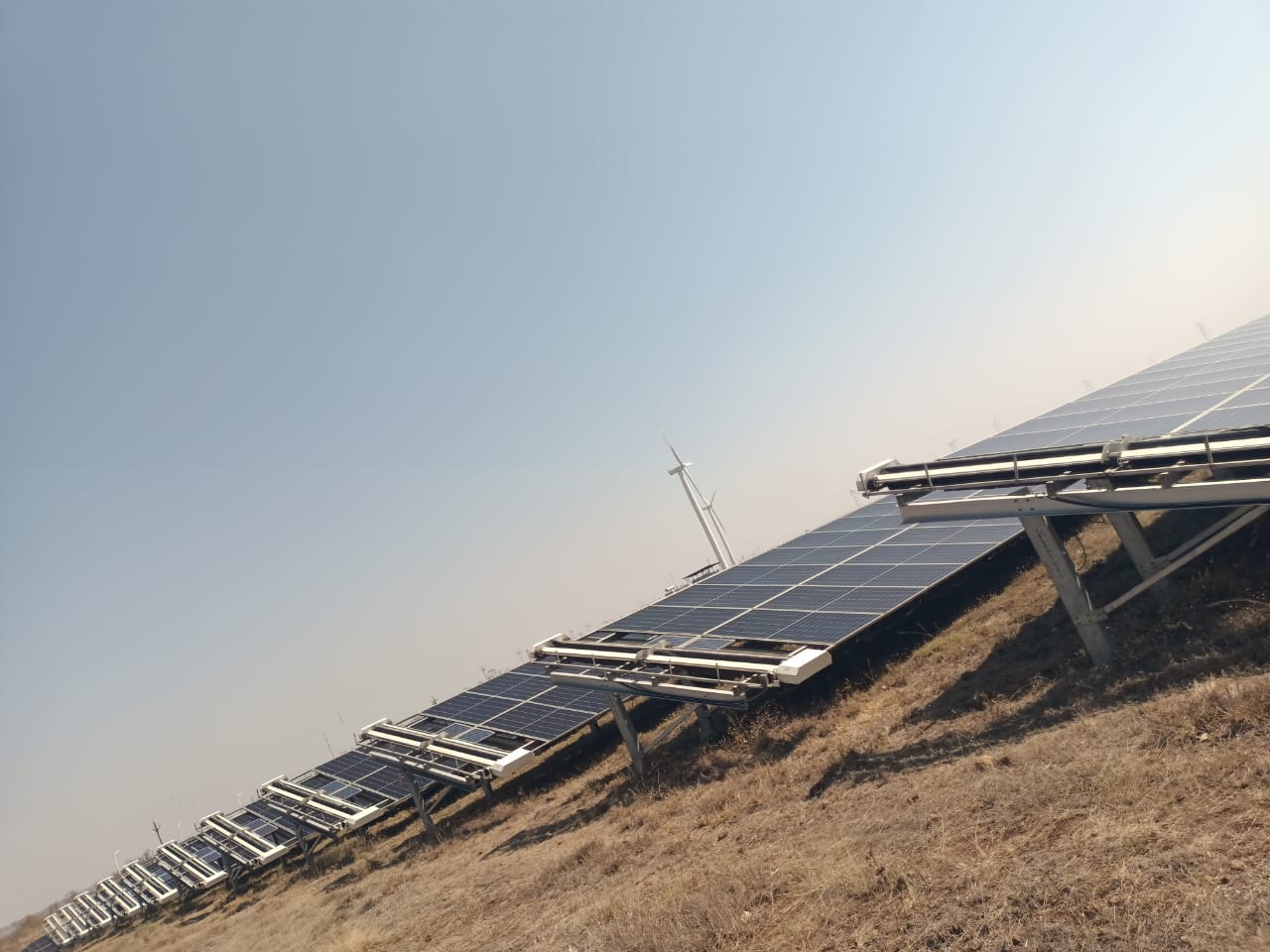
In ground-mount plants, row-to-row movement is often handled by rail-based systems like CRADYL to maintain momentum across long tables. In contrast, rooftop assets in Indian C&I projects often consist of smaller module blocks separated by obstacles like walkways, cooling towers, or cable trays. Managers must account for the following structural differences when planning their cleaning strategy:
- Access and Edge Safety: Rooftop robots must incorporate edge-detection sensors and fail-safe recovery features to prevent damage or falls, a requirement that is less critical in flat ground-mount blocks.
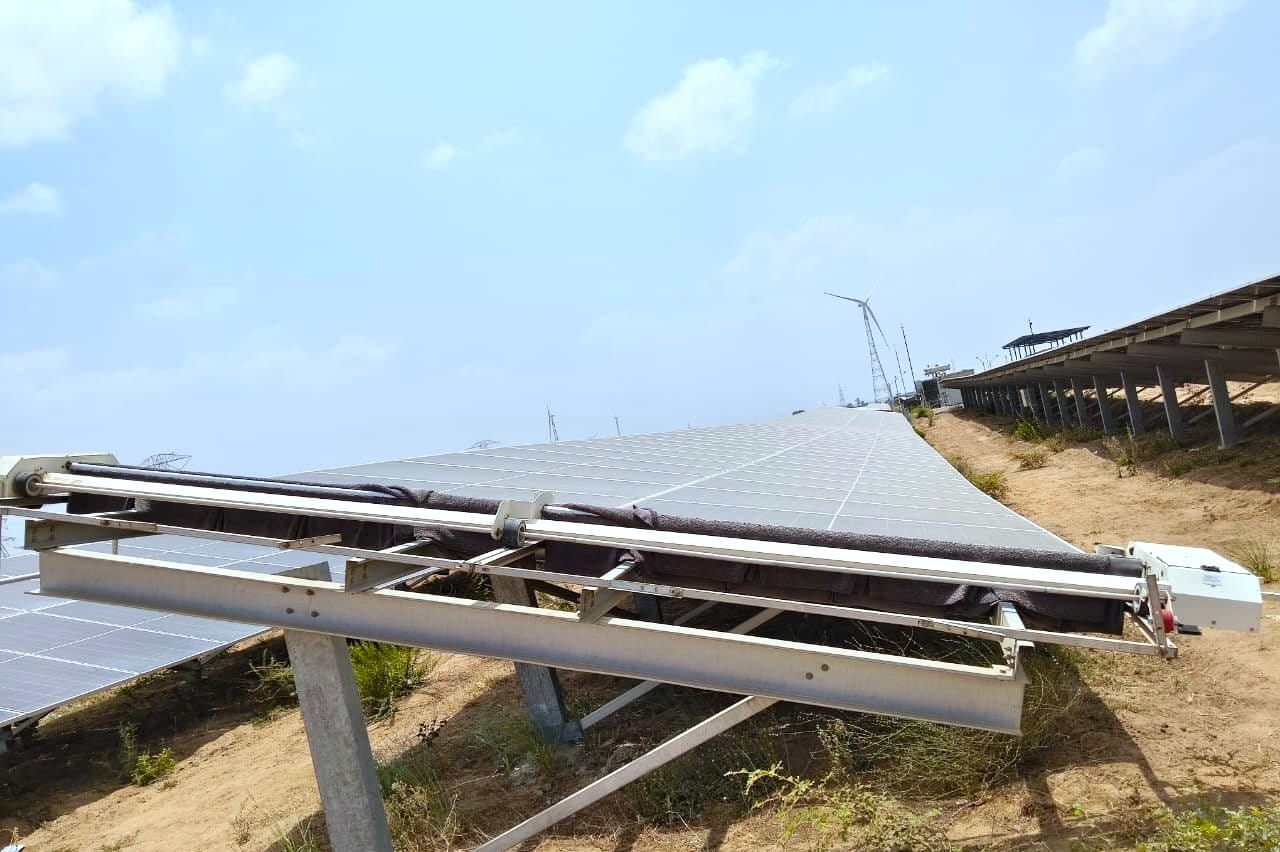
- Load Limitations: Small rooftop canopies often have strict weight limits. Robotic cleaning equipment must be optimized for weight, such as the MINY series, which balances effective scrubbing with a footprint that does not jeopardize structural integrity.
- Water Management: Manual wet cleaning on a roof introduces drainage risks and water procurement logistics that are often more expensive than ground-mount operations. Waterless cleaning becomes a safety and compliance mandate to prevent roof leakage or electrical hazards near inverter cabinets.
- Connectivity: Rooftop arrays often struggle with RF signal interference due to building materials and surrounding urban density. Implementing a robust monitoring layer like NECTYR ensures that robot schedules adapt to the unique dust and soiling accumulation patterns specific to the local micro-environment of the roof.
By treating rooftop cleaning as a distinct engineering challenge rather than a smaller version of ground-mount maintenance, plant managers can avoid costly damage to module frames and rooftop surfaces. Focusing on modular, lightweight cleaning technology ensures the ROI for a sub-1MW plant remains positive, protecting performance ratio without increasing structural risk.
Comparing Cleaning Methods: Manual Labor vs. Automated Robots
For sub-1MW rooftop installations, the choice between manual labor and automated robotics hinges on the trade-off between immediate cash outflow and long-term asset health. Manual labor teams are often viewed as a low-CAPEX solution, yet they introduce hidden operational costs that frequently outweigh their convenience. In the Indian C&I market, manual cleaning often results in inconsistent service quality, significant water waste, and a higher risk of module micro-cracking due to improper handling or brush pressure.
| Feature | Manual Cleaning | Automated Robotic Cleaning |
|---|---|---|
| Operational Model | Variable headcount / Ad-hoc | Autonomous / Programmable |
| Water Consumption | High / Non-recyclable | Zero / Waterless |
| Consistency | Low / Subject to labor fatigue | High / Repeatable schedule |
| Risk to Modules | Higher / Potential for micro-cracks | Lower / Calibrated pressure |
| Long-term ROI | Dependent on recurring wage inflation | Positive / Lower cost per cleaning |
Automated solutions, by contrast, offer a predictable O&M structure that protects your Performance Ratio (PR) by cleaning to a specific, factory-calibrated frequency. While the upfront investment is higher, the ROI is realized through the elimination of water procurement logistics and reduced reliance on manual labor, which is increasingly volatile in many industrial zones across India. Manual crews are often only deployed after visible soiling occurs, which already represents a lost generation event. Robots maintain a baseline cleanliness that prevents the accumulation of stubborn, cemented dust layers common in arid regions like Gujarat or Rajasthan. For assets under 1MW, where every percentage point of PR impacts net metering savings, the precision of a robotic system provides a superior defense against soiling-related degradation. When compared to the real cost of manual cleaning programs, robotic systems effectively move the balance sheet from an unpredictable variable expense toward a fixed-cost efficiency investment. Relying on professional automated cleaning services ensures that the cleaning cycle is managed via digital telemetry, ensuring your rooftop asset performs consistently regardless of seasonal dust shifts or urban pollution levels.
Advertisement
How do rooftop layouts influence cleaning robot ROI?
Rooftop environments present spatial and logistical constraints that do not exist on utility-scale ground-mount sites. For a sub-1MW installation, space for maintenance equipment, access pathways, and weight capacity are critical factors that directly influence your ROI. Unlike ground-mount rows that offer consistent inter-row spacing, rooftop arrays are often broken into smaller, irregular segments. These segments often feature varying row lengths and roof pitches that require robotic platforms with high maneuverability, such as the HELYX semi-automatic robot, which is better suited for fragmented or distributed layouts where moving a heavy, fixed-rail machine is logistically unfeasible.
The ROI calculation for these plants must account for the time spent on manual logistics. If your plant is designed with narrow walkways or limited edge clearance, using traditional manual cleaning crews leads to excessive safety compliance costs, such as harness rigging and scaffolding, which inflate your OPEX. A robot that is lightweight and modular, typically weighing under 40 kg, reduces the mechanical stress on the rooftop surface itself. This lowers the long-term risk of structural damage while ensuring the robot can transition between rows without manual assistance.
Furthermore, rooftop cleaning robot ROI is highly sensitive to the consistency of the cleaning schedule. In industrial zones where factory pollutants create sticky layers of particulate, a reactive cleaning approach leads to permanent glass staining. By using an autonomous system, you convert a variable, high-labor-cost process into a fixed operational line item. This predictability allows you to maintain a high Performance Ratio (PR) throughout the year, maximizing the net-metering benefits that are vital for sub-1MW C&I rooftop ROI. Efficient fleet monitoring via NECTYR ensures that your robots only run when necessary, optimizing battery life and service intervals to avoid premature equipment replacement.
Step-by-step: Implementing a robotic cleaning schedule for sub-1MW plants
Transitioning to an automated maintenance regime requires shifting from a calendar-based approach to a condition-based model. For sub-1MW rooftop assets in India, where soiling losses can reach 20% in arid belts, a structured deployment ensures maximum Performance Ratio (PR) recovery. Follow these steps to optimize your cleaning schedule using robotic technology.
- Baseline Assessment: Use your NECTYR fleet dashboard to establish a soiling baseline. Monitor the daily PR drop to determine the specific threshold where the cost of lost generation exceeds the cost of a cleaning cycle.
- Zone Mapping: Segment your roof array into operational blocks. Identify high-accumulation areas, such as those near industrial exhaust vents or building perimeters, that require more frequent passes.
- Automated Scheduling: Configure your robots to initiate cleaning during low-sunlight hours, typically early morning or late evening, to minimize potential shading interference and maximize module surface safety.
- Data-Driven Adjustments: Integrate local AQI and weather data into your planning. In regions prone to monsoon dust or sudden dry spells, increase your cycle frequency dynamically to prevent the formation of stubborn, cemented dust layers that cannot be removed by basic brushes.
- Performance Audit: Perform monthly visual inspections and telemetry checks to verify that the robot is maintaining 95%+ to 99%+ dust removal per cycle (by robot model). Adjust the row-transfer sequence if you notice specific edge modules under-performing compared to center-row modules.
Adopting this systematic approach allows you to treat your cleaning robot as a precision tool rather than a generic utility. By aligning your maintenance schedule with actual plant performance data, you effectively reduce the long-term O&M burden while protecting the ROI of your rooftop investment. This proactive management prevents the cumulative generation degradation that often plagues smaller sites lacking dedicated O&M teams.
The water-cost factor: Reducing O&M overhead in water-stressed Indian states
In arid regions like Rajasthan and Gujarat, where many sub-1MW rooftop projects are located, water scarcity dictates your O&M strategy. Traditional manual wet cleaning requires high volumes of treated, demineralized water, which often necessitates expensive trucking logistics or high-maintenance onsite filtration systems. This not only inflates your OPEX but creates an environmental dependency that conflicts with ESG reporting goals, as discussed in our guide on ESG reporting for Indian utility solar.
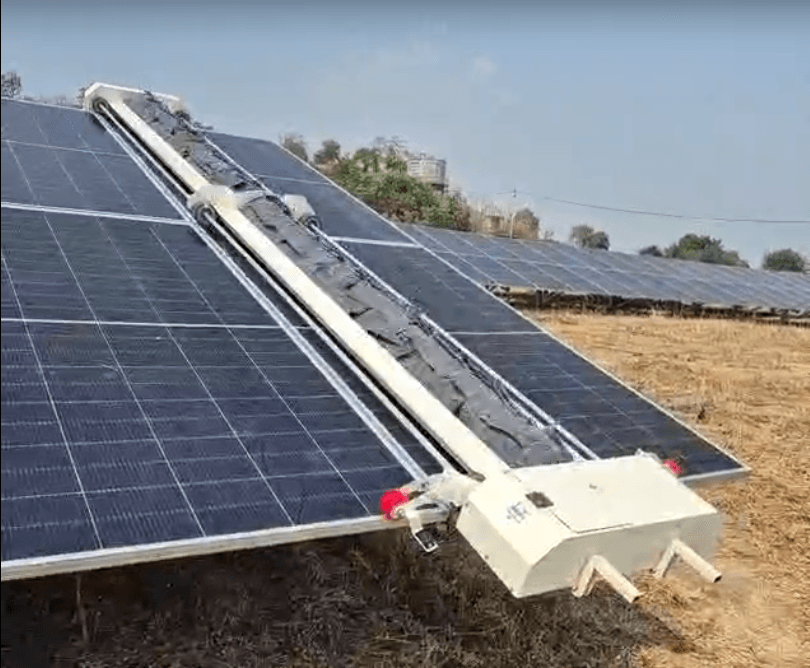
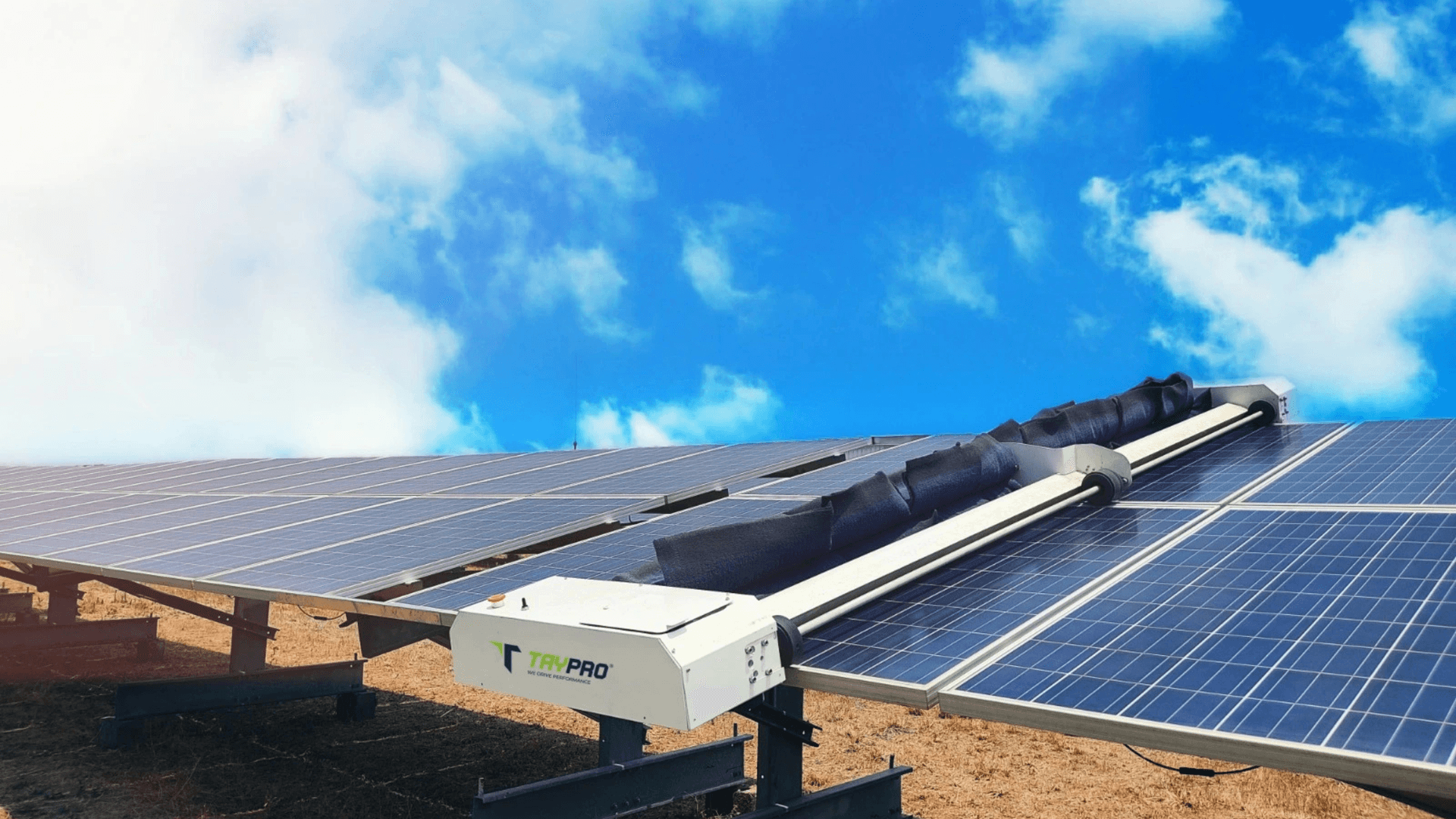
By transitioning to waterless robotic cleaning, you eliminate these variable water procurement and storage costs. A robot, such as those using patented dual-pass microfiber or PBT technology, requires zero liquid, effectively decoupling your maintenance schedule from local water availability. For a sub-1MW plant, this shift is critical for stabilizing long-term costs. The water-cost savings, while secondary to the primary gain in energy yield, protect your plant from the volatility of water spot prices and the logistical labor costs of manual wet crews.
Moreover, reducing reliance on manual wet washing lowers the risk of module degradation caused by mineral deposits or chemical etching from low-quality water. Consistent, dry autonomous cleaning ensures the module glass remains pristine without the corrosive impact of hard water often found in remote industrial sites. This preservation of glass surface integrity is essential for maintaining high PR and securing the long-term ROI of your sub-1MW rooftop investment, as explored in recent industry recognitions like our feature on Taypro’s green AI solutions.
Evaluating the financial impact: Soiling loss vs. equipment CAPEX
For sub-1MW rooftop assets, the investment decision is often clouded by a focus on initial hardware costs. However, calculating the true financial impact requires balancing this upfront CAPEX against the annualized revenue leakage caused by dust. In Indian climate conditions, industry-standard estimates indicate that soiling can reduce output by 10% to 30%. On a sub-1MW system, even a conservative 10% loss creates a significant shortfall that accumulates daily, turning a manageable O&M issue into a permanent yield deficit.
| Cost Component | Manual Wet Cleaning | Robotic Waterless Cleaning |
|---|---|---|
| Equipment CAPEX | Low (Brushes/buckets) | Moderate (Robot fleet) |
| Labor Requirement | High (Ongoing daily/weekly) | Low (Supervision only) |
| Water Expense | High (TDS/Logistics) | Zero |
| PR Impact | Fluctuating (Periodic) | Consistent (High) |
To evaluate if an investment is viable, start by calculating your specific generation gap. If your current cleaning cycle is reactive or infrequent, you are likely losing more in potential revenue than the monthly amortized cost of a robotic solution. Using a cleaning robot ROI calculator helps quantify this. By inputting your plant capacity and regional dust profile, you can see how quickly the system pays for itself through recovered energy yield.
The shift from an Opex-heavy manual cleaning model to a more stable robotic approach also hedges against labor cost inflation. In many Indian C&I projects, the cost of unskilled labor is rising, while the availability of skilled personnel for rooftop safety remains limited. Automating these cycles with fixed, reliable hardware ensures that your Performance Ratio (PR) remains stable regardless of local labor volatility. This protection of your asset value is the primary driver of ROI for smaller rooftop arrays where every kilowatt-hour counts towards the plant payback period.
What plant managers should do next
- Conduct a performance baseline audit to measure current soiling losses over a 30-day period.
- Utilize an online ROI and payback calculator to compare your existing manual labor budget against robotic lifecycle costs.
- Consult with O&M partners to assess site-specific mounting requirements, ensuring your roof infrastructure can support the selected robot weight and movement profile.
- Begin with a pilot deployment on the highest-soiling block of your array to verify performance gains before scaling across the full site.
Sources and further reading
Frequently asked questions
Implementing an automated cleaning strategy on a sub-1MW rooftop plant effectively shifts operational spending from high-frequency labor to predictable performance gains. For these smaller arrays, the decision centers on whether current manual cleaning costs and energy losses exceed the investment in autonomous equipment.
Cleaning frequency depends on site specific soiling rates, but optimized cleaning cycles should be implemented to prevent soiling cementation. In industrial clusters or high dust areas, consistent automated cycles are recommended to maintain performance ratio targets and avoid long term degradation.
Yes. While manual cleaning introduces safety liabilities and the risk of micro-cracks on modules, robotic systems offer a predictable, waterless operational program. For sub-1MW plants, automation avoids the recurring costs associated with manual labor and protects the long term health of the asset.
Water scarcity directly impacts ROI by increasing the cost of water procurement and filtration. By adopting waterless autonomous cleaning technology, plant managers eliminate these recurring expenses and secure a more stable O and M budget, making automation a critical factor for financial performance in water scarce regions of India.