Summary for plant managers
If you're managing a 5MW+ site in India, you can't just pick any cleaning robot. You've got to match the robot's weight to your module's load limits, especially with glass-glass bifacial setups. Getting this wrong leads to frame damage and micro-cracks, the kind that void your warranties and tank your energy capture. Here's the reality on the ground:
- Typical bifaciality factor for silicon modules: 70% to 85%
- Typical cleaning frequency in arid India: Every 7–15 days
- Critical safety threshold: Do not exceed the module rated load capacity
- Potential energy loss due to soiling in India: 10% to 30%+
Look for robots that spread their weight across the frame rather than putting all the pressure on the central glass. It's the only way to protect your performance ratio (PR) and keep the asset healthy. Check out our guide on soiling revenue loss to see how much this hits your bottom line, or use automated performance monitoring to track your cleaning cycles against real-time data.
Understanding bifacial module cleaning robot compatibility
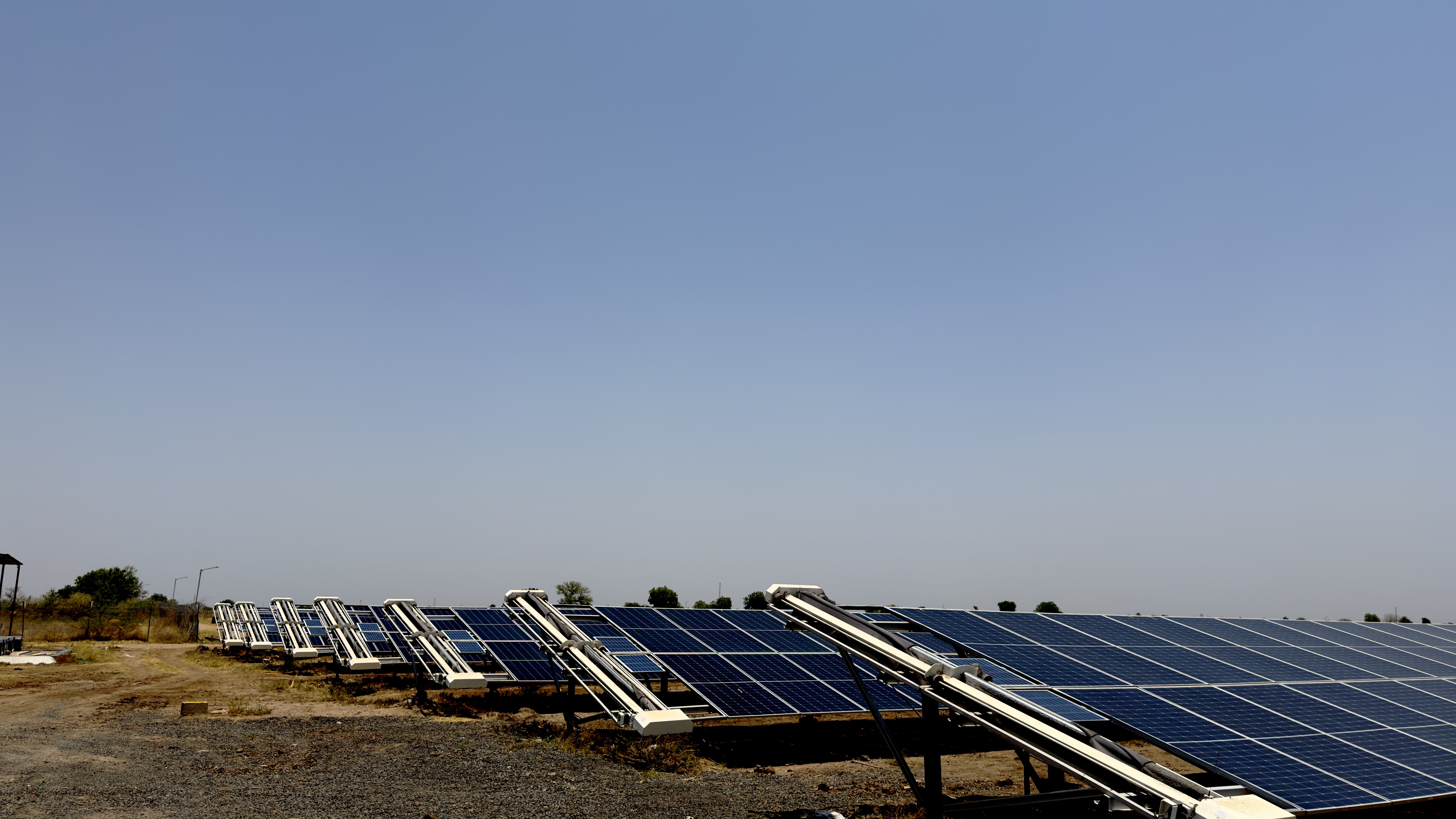
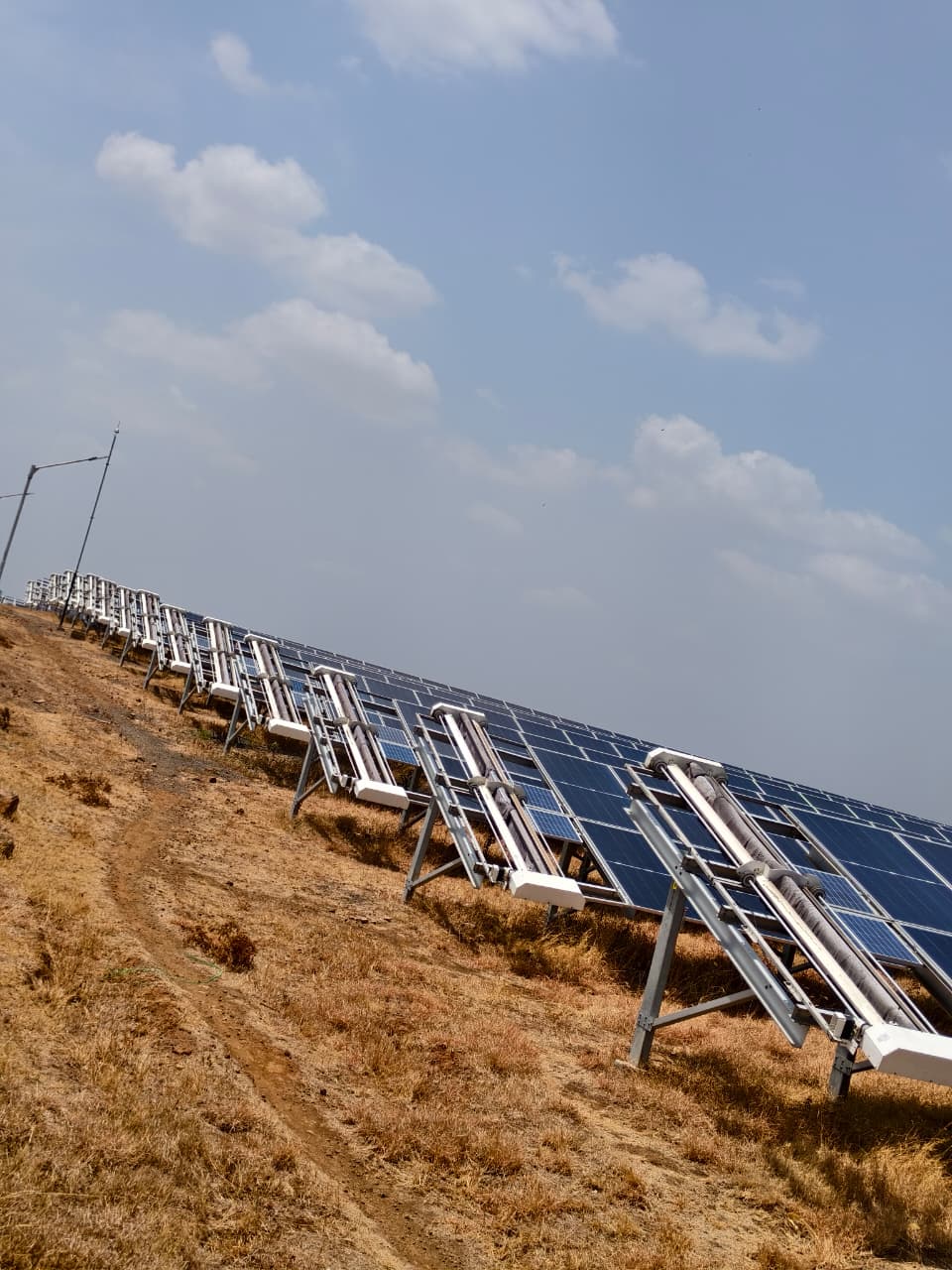
When we talk about bifacial module cleaning robot compatibility, we're looking at how the hardware actually interacts with glass-glass modules. Unlike standard modules with a protective backsheet, bifacial units are glass on both sides. This means the rear surface is directly exposed to mechanical stress. You need to make sure your robots stay within the load limits specified in IEC 61215 or 61730.
Check your contact points. Wheel tracks or brushes shouldn't be hammering the rear glass or the edge seals. It's also worth remembering that Indian sites often hit 45°C to 50°C. That heat causes the glass and the robot frames to expand at different rates, which can lead to frame bowing or those invisible micro-cracks that ruin long-term durability.
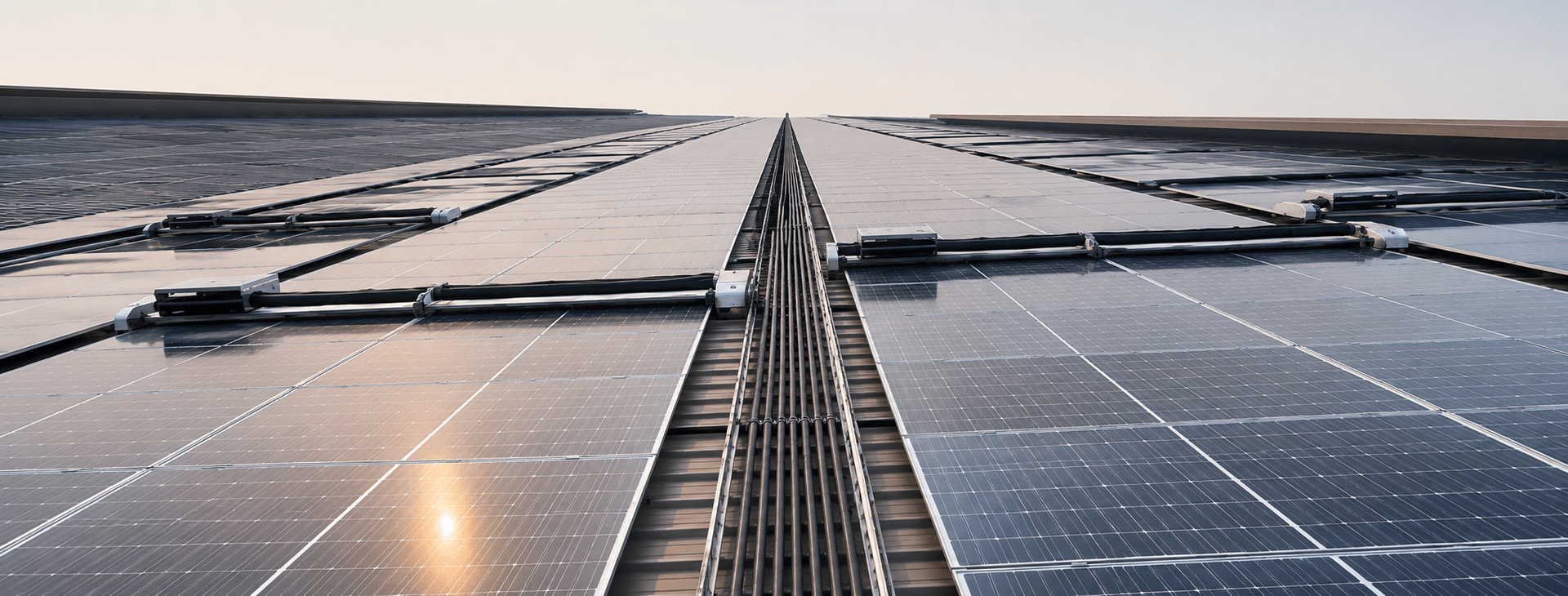
Compatibility also means checking sensors and communication. Take the GLYDE-X, for instance; it works on single-axis trackers and has to navigate tilts from -52° to +52° to prevent uneven torque on the mounting clamps. Make sure your sensors are compatible with the thin N-type TOPCon bifacial modules you're likely running in Rajasthan or Gujarat.
The critical role of robot weight in glass-glass bifacial module safety
In large utility plants, robot weight is a massive factor. Too much weight causes glass fatigue or distorts the frame. Because glass-glass modules use a dual-glass laminate, any load is transferred directly through the glass. If a robot goes over the limit, you'll start seeing micro-cracks along the edges.
For our 5MW+ sites in India, we recommend robots with a low mass-to-area ratio. You're looking for something that exerts about 250 to 500 Pascals (Pa) of pressure. Most modules are rated for 2400 Pa or 5400 Pa, but if you're cleaning frequently in Rajasthan or Gujarat, excessive weight will stress that rear-side seal.
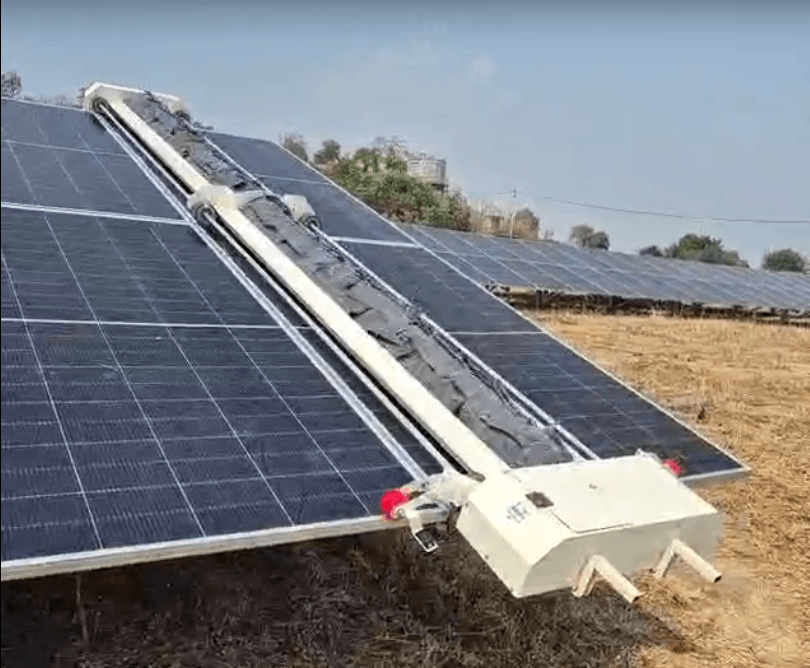
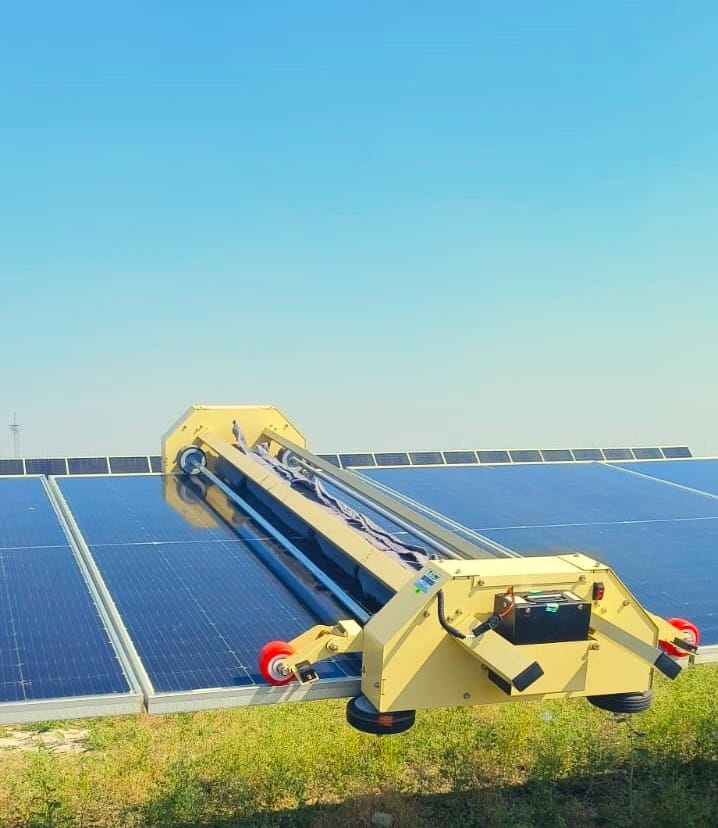
Don't ignore vibration either. The 38 kg NYUMA robot is designed with specific contact pressure to balance cleaning power against structural safety. Robots with a low center-of-gravity help minimize frame bowing, which keeps your bifaciality factor high and your warranties intact.
Advertisement
Why glass-glass modules require specialized cleaning protocols
Glass-glass modules are great for moisture resistance, but they don't have the shock absorption of a flexible backsheet. When you're following a bifacial module cleaning robot compatibility protocol, you have to watch the pressure closely. That rigid rear surface doesn't forgive mistakes.
The edge seals are particularly sensitive to uneven force, and the heat in Indian solar parks makes the situation worse because the glass and robot metal expand differently. A robot without a good suspension system can easily cause micro-cracks, letting moisture in and causing the module to fail.
Stick to soft, UV-stable materials like microfiber or PBT bristles. Before you deploy on a 5MW+ site, always check the module datasheet. Ensure the robot frame isn't pressing on the central rear glass to avoid structural failure. It's the best way to protect your long-term performance ratio and those N-type TOPCon warranties.
How to safely implement robotic cleaning on 5MW+ utility sites?
Safe robotic cleaning starts with a structural audit. You need to verify the module frame and load capacity before you start. We've used this approach at over 150 sites to prevent stress on glass-glass structures.
I suggest following these three phases:
- Baseline structural audit: Confirm the frame can handle the robot's point-load pressure against the 2400 Pa or 5400 Pa module ratings.
- Connectivity and path validation: Make sure the robot can actually navigate your rows, whether you're using GLYDE or NYUMA on fixed-tilt setups. If you have scattered blocks, use CRADYL so you aren't lifting equipment manually.
- Commissioning and test cycles: Run your first tests during the day. Keep an eye out for frame vibration or seal issues. You can use the NECTYR fleet portal to track pressure and performance.
Map out your frame dimensions and tracker ranges before you buy anything. This prevents frame bowing and surface scratches, helping you hit that 98%+ cleaning efficiency in Rajasthan or Gujarat while protecting your performance ratio (PR) and warranties.
Technical thresholds for cleaning frequency in Indian arid regions
In Rajasthan and Gujarat, don't clean based on a calendar, clean based on performance. Dust can drop your PR by 0.2% to 0.5% every single day. If you see daily losses exceeding 0.3%, the robots are paying for themselves. Most 5MW+ sites run cleaning every 7 to 15 days.
Use these thresholds to trigger your cleaning cycles:
- PR Drift Threshold: Clean when the PR drops 3% below your baseline, or if string data shows a 5% difference between rows.
- Soiling Intensity Index: In dusty zones, trigger cleaning on high-priority blocks if dust exceeds 5g/m².
- Bifacial Gain Protection: Clean the rear glass at least twice a month. Rear soiling can cut your energy gains by up to 20%.
- Robot Battery/Cycle Constraints: Use the NECTYR fleet portal to plan routes. Keep daily travel under 1.6 km to protect battery life.
This moves you from reactive to predictive maintenance, which cuts mechanical wear and recovers more revenue.
Operational checklist for evaluating robot-module compatibility
Run a physical audit before you roll out a new fleet to avoid warranty headaches and structural failures. Use this checklist for your 5MW+ sites:
- Frame and Edge Seal Assessment: Check if the robot clamps fit your 30 mm to 35 mm frames. Ensure the wheels aren't pressing on the edge seals.
- Load Bearing Capacity: Make sure the robot's weight is spread across the frame rails. A NYUMA unit is 38 kg, while a NYUMA-X is 26 kg. Check these against the module's point load rating.
- Bifacial Rear-Side Clearance: Check the gap on your single-axis trackers. The GLYDE-X needs enough clearance to move without hitting other components.
- Grounding and Electrical Integrity: Ensure the robot doesn't interfere with frame grounding or trigger string monitoring alarms.
- Surface Coating Tolerance: Confirm that your brushes (microfiber or PBT) are safe for your specific coatings. Log everything in the NECTYR fleet portal.
Treat the robot as a mechanical part of your PV string to protect your asset's bankability.
What plant managers should do next
Transitioning to robotic cleaning needs a solid plan. Don't just buy the gear; treat the integration as a core part of your asset management.
- Execute a Pilot Audit: Test one string of glass-glass modules first. Watch for vibrations and seal stress. Use the NECTYR fleet portal to see if your yield actually improves.
- Review OEM Warranty Terms: Confirm your robot and brushes are cleared by your module supplier. Keep that paperwork to protect your performance ratio (PR) recovery.
- Refine Cleaning Cadence Based on Real-Time Data: Use sensors to drive your schedule. In Rajasthan or Gujarat, moving from a 15-day to a 7-day cycle can significantly boost revenue.
- Standardize Operational Protocols: Train your team on emergency stops and manual retrieval to prevent damage and maximize uptime at your 5MW+ site.
Managing weight, pressure, and frequency is the only way to protect your plant's bankability and long-term energy yield.
Sources and further reading
Frequently asked questions
Plant managers must match robot weight to module load limits. This is vital for glass-glass bifacial modules.
The critical safety threshold is that the robot weight must not exceed the module rated load capacity. Because glass-glass modules lack a protective backsheet, exceeding these specific load limits can cause frame deformation or micro-cracks.
Yes, provided the equipment is verified to be compatible with the module manufacturer's mechanical specifications. Using a robot that causes point pressure or exceeds load capacities can lead to physical damage that will void your module warranties.
While proper cleaning minimizes energy yield losses, which can range from 10% to 30% due to soiling in India, choosing a robot that is too heavy can cause structural damage. Damaged modules suffer from reduced power output, which negatively impacts the long-term performance ratio of the plant.